How to Choose Precision Tweezers Exporters for Lash Tools
For lash artists, salons, distributors and private-label beauty buyers, tweezers are small tools with a large impact on daily work. A tweezer that looks polished in a product photo may still fail where it matters most: tip alignment, controlled grip, hand comfort and consistent performance across repeated use. When comparing precision tweezers exporters, the goal is not simply to find a supplier that can ship a product. The better goal is to identify a manufacturing partner that understands how tweezers are used during detailed lash application and how small variations affect the user experience.
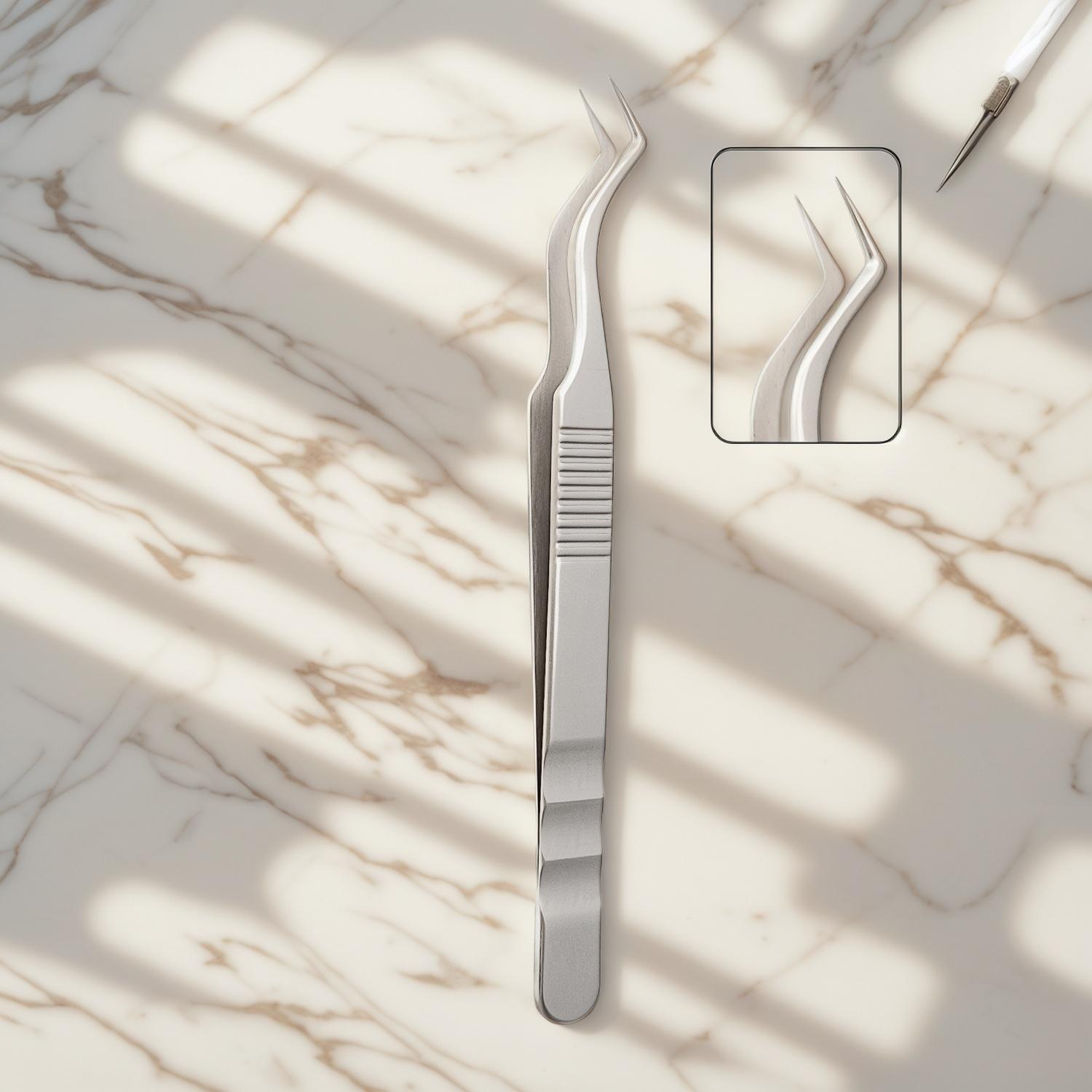
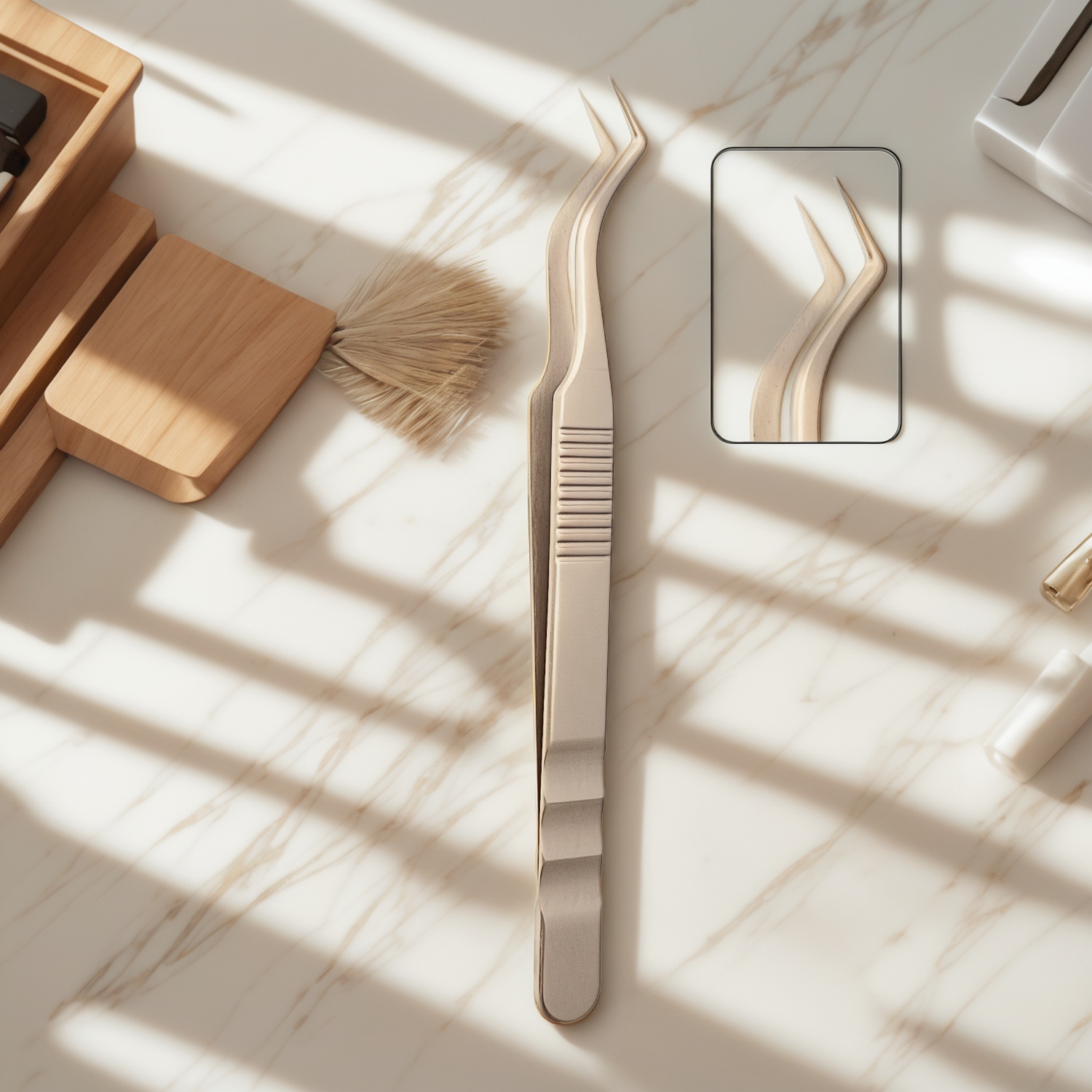
Olimor Beauty focuses on beauty tools made for professional and consumer use, including tweezers for false lash application. The Professional Angled Precision Tweezers referenced on this page are designed for delicate work where control, visibility and stable handling matter. This guide explains what buyers should evaluate before selecting tweezers for a salon line, wholesale program or beauty-tool assortment.
What Makes a Tweezer Suitable for False Lash Application?
False lash application requires a different level of control than general grooming. Lash artists often need to isolate, pick up, position and release fine lash materials without crushing, slipping or blocking their view of the work area. For this reason, the shape and finish of the tweezer are more than cosmetic details.
Angled precision tweezers are commonly chosen because the angled tip helps improve visibility around the lash line. Instead of forcing the hand into an awkward position, the tool angle can support a clearer approach to detailed placement. The original product description also notes an ergonomic, slip-resistant handle, which is important during long sessions or repeated procedures where hand fatigue can reduce accuracy.
When reviewing samples, buyers should look closely at how the tweezer behaves during real use, not only how it appears on a specification sheet. A useful lash tweezer should feel stable when opening and closing, pick up fine items with predictable pressure and release cleanly when the user relaxes the hand.
Key Criteria for Comparing Precision Tweezers Exporters
Exporters serving beauty professionals should be able to support consistency, not just a one-time attractive sample. The following criteria can help buyers compare options in a practical way:
- Tip alignment: The two tips should meet evenly without visible crossing, gaps or uneven pressure points.
- Grip control: The tweezer should hold fine lash materials securely without requiring excessive hand force.
- Material choice: The supplied article identifies the tweezers as being crafted from high-grade stainless steel, a common choice for durability and a smooth professional feel.
- Comfort during use: An ergonomic, slip-resistant handle can help users maintain control during detailed application.
- Finish quality: Edges should be smooth, the surface should feel clean in the hand and the tool should not have rough areas that affect handling.
- Batch consistency: For distributors and salon chains, repeat orders should match the approved sample as closely as possible.
- Packaging suitability: Packaging should protect the tips during storage and transit, since even small tip damage can reduce precision.
These points are especially useful for buyers building a reliable product range through beauty tool products rather than purchasing a single personal-use item.
Why Tip Alignment and Tension Matter More Than Appearance
Tweezers are often evaluated visually first, but precision is determined by how the two arms meet and how tension is distributed. If the tips do not align correctly, a lash artist may need to squeeze harder or repeat movements. Over time, that can slow the service, increase hand fatigue and make the tool feel unreliable.
Tension is equally important. If a tweezer is too stiff, it can tire the hand during longer work. If it is too loose, it may not hold fine lash materials securely. A balanced tweezer lets the user apply controlled pressure without fighting the tool. This is one reason professional buyers should test several pieces from a batch instead of relying only on a single sample.
For angled precision tweezers, buyers should also check that the angle supports visibility rather than obstructing it. The shape should help the user see the working area while maintaining a natural hand position. The best evaluation method is to test the tool in the same type of motion expected during lash application: picking up, positioning and releasing fine items repeatedly.
Material, Handle Design and Surface Finish
The article identifies the Professional Angled Precision Tweezers as crafted from high-grade stainless steel. For beauty tools, stainless steel is valued because it can provide a durable structure and a refined hand feel when manufactured and finished properly. However, buyers should still inspect how the material is formed, polished and handled during production.
Surface finish affects both comfort and perception of quality. A smooth finish feels cleaner in the hand and is less distracting during close work. The handle area also deserves attention. An ergonomic, slip-resistant handle can support stability, especially for users who work through multiple appointments or need steady control for fine detail tasks.
For wholesale or brand buyers, material and handle design also influence product positioning. A low-cost tool may be acceptable for basic personal grooming, but lash-focused tweezers need stronger emphasis on control and consistency. This does not mean every product needs complex features. It means every feature should have a clear purpose for the intended user.
Quality Checks Buyers Can Use Before Placing a Larger Order
The original page notes that Olimor Beauty uses multiple quality checks during manufacturing. From a buyer’s perspective, it is still useful to have a structured evaluation process for samples and pre-shipment decisions. A simple inspection routine can prevent many common sourcing problems.
- Inspect the tips under good lighting. Look for uneven contact, burrs, deformation or visible gaps.
- Test pickup performance. Use fine lash materials or similar lightweight items to check grip and release.
- Compare several pieces. Consistency across samples is more meaningful than one excellent unit.
- Check hand comfort. Open and close the tool repeatedly to evaluate tension and grip feel.
- Review tip protection. Confirm that packaging or caps help prevent damage during transport.
- Assess finish quality. Look for rough surfaces, sharp unintended edges or cosmetic defects that could affect customer satisfaction.
This type of checklist is helpful for salons selecting tools for internal use and for distributors planning to add tweezers to wider product collections.
Exporter Questions That Help Clarify Sourcing Fit
When comparing tweezers exporters, the right questions help reveal whether the supplier understands beauty-tool performance, not just manufacturing volume. Buyers should focus on practical details that affect repeatability and end-user satisfaction.
| Buyer Question | Why It Matters |
|---|---|
| How are tweezer tips checked for alignment? | Tip accuracy is central to lash pickup and placement. |
| How is handle tension evaluated? | Balanced tension reduces user fatigue and improves control. |
| How are tips protected during packaging? | Precision tips can be affected by impact during shipping. |
| Can samples be reviewed before a larger order? | Hands-on testing confirms suitability for the intended market. |
| What cosmetic finish standards are used? | Surface quality affects professional presentation and user comfort. |
These questions do not require exaggerated claims or invented specifications. They simply encourage a clear sourcing discussion based on function, inspection and intended use.
Who Benefits Most from Professional Angled Precision Tweezers?
Professional Angled Precision Tweezers are especially relevant for lash artists who need accuracy and visibility during individual lash or false lash application. They are also suitable for beauty retailers, training academies, salon groups and distributors looking for a focused tweezer option within a broader beauty-tool range.
For professional users, the key benefit is control during repetitive detailed work. For wholesalers and product managers, the value lies in offering a tool with a clear use case rather than a generic accessory. A product becomes easier to present when the buyer can explain why the angled tip, stainless steel construction and slip-resistant handle matter to the end user.
Building a Reliable Tweezers Sourcing Plan
A strong sourcing plan begins with the user. If the primary customer is a lash professional, prioritize alignment, grip and comfort. If the customer is a retail consumer, packaging, usage guidance and safe storage may become more important. If the product will be part of a larger beauty-tool line, visual consistency with the rest of the assortment may also matter.
Buyers should document the approved sample, including photos of the tips, finish and packaging. This creates a reference point for future orders and helps keep communication clear. It is also sensible to define acceptable inspection criteria before production or shipment, especially for features such as tip alignment and surface finish.
Olimor Beauty works with buyers seeking dependable beauty tools for professional and retail needs. To discuss angled precision tweezers or related sourcing requirements, you can contact Olimor or send an inquiry with your intended use, target market and preferred evaluation process.
Final Thoughts on Selecting Tweezers Exporters
The best tweezers exporters are not defined only by attractive product photos or broad claims. For lash-focused tools, quality is revealed through small details: how the tips meet, how the handle feels, how the tool grips fine materials and how consistently each piece matches the approved standard. The Professional Angled Precision Tweezers from Olimor Beauty are positioned for this kind of detailed work, with stainless steel construction, angled tips and an ergonomic, slip-resistant handle identified as key features.
By evaluating samples with a practical checklist and choosing exporters that understand precision beauty tools, buyers can reduce uncertainty and build a product range that serves real users well.
Tag: