Custom Made Nail Clippers: What Buyers Should Check Before Ordering
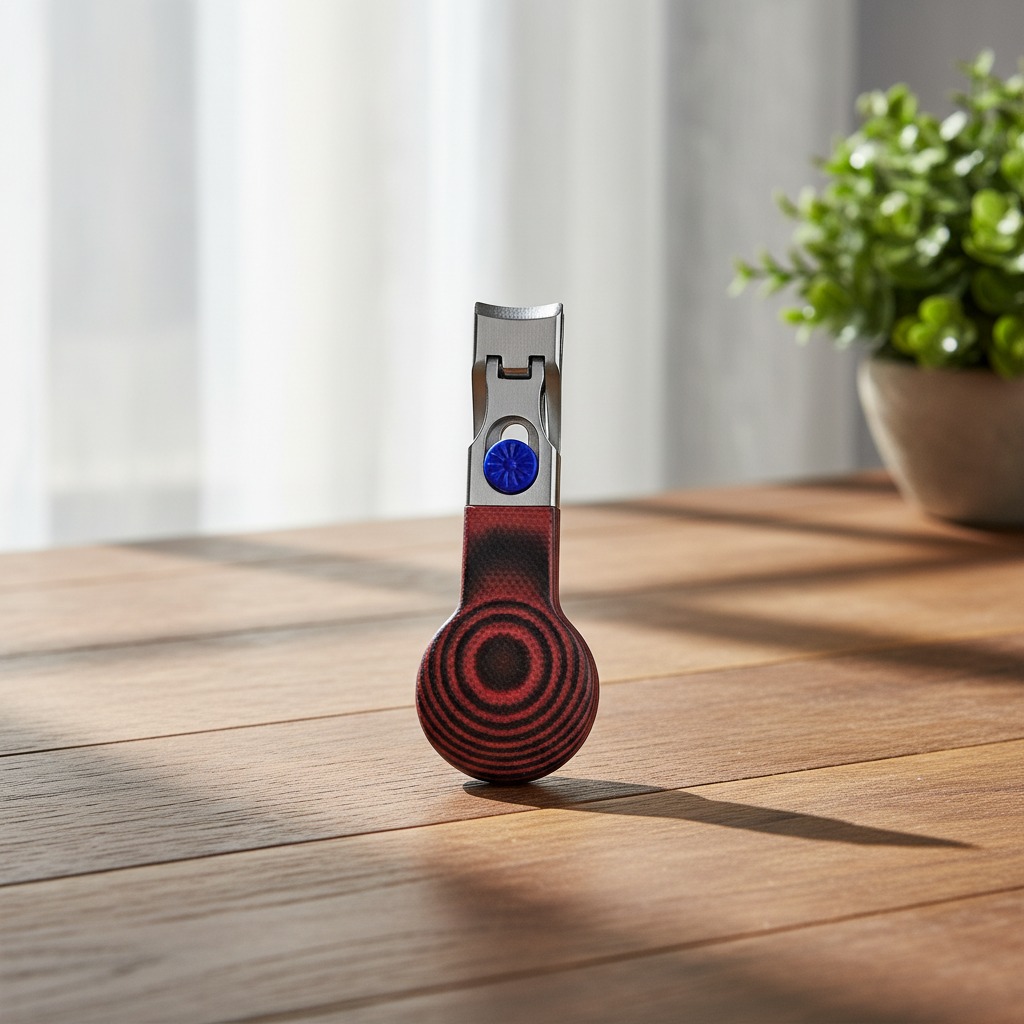
Custom made nail clippers may look simple, but they can affect how customers judge an entire grooming set, retail display, or travel kit. A clipper that cuts cleanly, feels stable in the hand, and keeps its finish under normal use is more likely to be kept, recommended, and reordered. For beauty brands, salon suppliers, hotel amenity buyers, gift-set developers, and personal care distributors, the real sourcing task is to balance appearance with reliable function.
Olimor offers beauty tools for buyers who need practical grooming accessories, including nail clippers designed for everyday use and shelf presentation. This guide explains what to inspect before ordering custom made nail clippers, how to compare options, and what to ask a supplier so the sample you approve is the product you actually receive in bulk.
Why custom made nail clippers need more than good looks
A nail clipper is a high-contact tool. Customers use it close to the skin, often on both fingernails and toenails, and they expect a clean cut without pulling, splitting, or jagged edges. A premium-looking finish can help on the shelf, but once the product is in use, the cutting edge, lever action, pivot stability, and handle grip matter more than decoration.
Customization is most useful when it supports the intended channel. A compact clipper may suit travel sets and promotional kits. A dark finish can work well for men’s grooming lines, minimalist beauty kits, or modern gift packaging. A textured handle can improve grip as well as visual identity. The best buying decisions match those choices to the product’s real use case instead of adding decoration that does not improve performance.
Before comparing colors or logo placement, confirm where the clipper will be sold and how customers will use it. A product for a hotel amenity kit has different priorities from one for a salon retail display or an e-commerce beauty bundle. That early decision helps you choose the right size, texture, packaging style, and inspection standard.
What the product sample can teach you
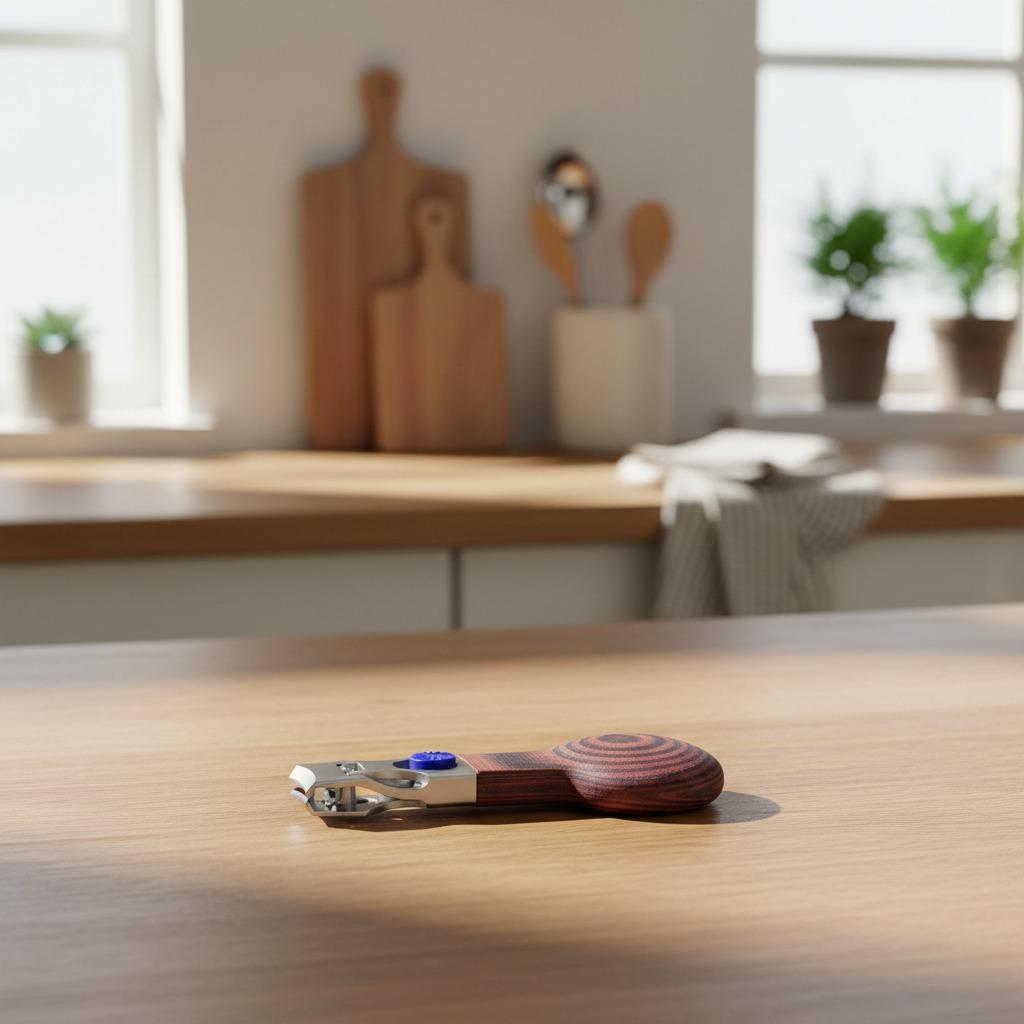
The supplied examples show that custom made nail clippers can be built around stainless steel construction with different visual treatments. One version uses a 74 mm by 27 mm body weighing 30 g, with an ergonomic handle and concentric circle pattern in deep hues. Another shows a sleek black finish with a diamond-like handle pattern and stainless steel blade. A third example uses a wood-like handle pattern and a blue pivot mechanism. These details show how a basic grooming tool can be adapted for different brand styles without changing its core purpose.
From a buyer’s point of view, the important question is not which finish looks best in a picture, but whether the chosen design still performs well after repeated use. Surface styling should support grip, packaging, and merchandising. It should not hide weak blade alignment, stiff movement, loose assembly, or rough edges.
Core checks for blade quality and cutting feel
The most important feature of any nail clipper is the cut. A good clipper should trim cleanly with controlled pressure and should not crush or tear the nail edge. Buyers reviewing samples should focus first on the cutting action, then on appearance.
Check the cutting edge
Look closely at the alignment of the upper and lower cutting edges. They should meet evenly from side to side without visible gaps or twisting. Uneven alignment can lead to slipping, jagged trimming, or extra effort from the user.
Check the lever action
The lever should feel firm but not overly stiff. If the lever is too loose, the clipper can feel weak or unstable. If it is too stiff, customers may find it uncomfortable to use repeatedly. A smooth, controlled press is usually the best balance for general grooming use.
Check the pivot area
The pivot or button area should stay stable during use. A visible accent, such as a blue button or colored pivot piece, can improve product identity, but the main test is mechanical firmness. There should be no wobble that affects the cut.
Check real use on different nail types
If the clipper will be sold as a general grooming item, test it on both fingernails and thicker toenails where relevant. Buyers should note whether the tool performs consistently across different hand sizes and nail thicknesses. A sample that feels acceptable to one reviewer may not work equally well for all users, so group testing is valuable.
Size, weight, and ergonomics: small details that shape repeat use
Compact dimensions can make a nail clipper easier to store and carry, but only if the tool still feels secure in the hand. The 74 mm by 27 mm format described in the source material is small enough for travel kits and personal care sets, while the 30 g weight keeps the product light without necessarily feeling flimsy. For sourcing teams, these details matter because they affect how the product sits in a pouch, drawer, or retail box.
Ergonomics should be judged by handling, not by photos alone. A clipper may look substantial but still feel awkward if the lever angle is uncomfortable or if the grip area is too smooth. The concentric circle pattern and diamond-like handle texture described in the source materials are useful examples of grip-oriented customization. These patterns can help users hold the clipper more securely, especially after washing hands or in salon environments where tools are handled often.
Texture should be balanced. If it is too shallow, it may be mostly decorative. If it is too aggressive, it may feel rough during repeated use. Buyers should look for a pattern that improves control while remaining comfortable.
Finish, color, and branding choices that support sales
Finish selection should be based on the channel, not only on taste. Black can look modern and gender-neutral. A wood-like pattern can suit spa-inspired, lifestyle, or giftable positioning. A patterned silver or deep-tone handle can help a product stand out from plain mass-market clippers. The key is consistency across production, because small tools are inspected closely by end users.
When reviewing a custom finish, check for visible scratches, uneven coating, rough areas around moving parts, burrs, or color variation. A glossy finish may look premium but can show fingerprints or marks more easily. A matte or satin effect may be more practical for everyday grooming. Either can work if the finish is even and durable enough for retail presentation.
Logo placement also deserves early discussion. A nail clipper has limited surface area, so oversized branding can look crowded. In many cases, a smaller mark on the lever or handle is enough, especially when packaging carries the main brand message. If the clipper will be sold in a set, confirm that the branding does not interfere with grip or movement.
Comparison table: what to compare before approving a sample
| Selection factor | What better looks like | Common red flag | Why it matters |
|---|---|---|---|
| Blade alignment | Edges meet evenly | Visible gap or twisting | Prevents uneven cuts and user frustration |
| Lever movement | Smooth, controlled press | Too stiff or too loose | Affects comfort and repeat use |
| Grip design | Pattern helps the thumb and fingers hold securely | Purely decorative texture | Improves control, especially with damp hands |
| Finish quality | Even color, clean edges, no burrs | Scratches, patches, rough coating | Shapes shelf appeal and perceived quality |
| Packaging fit | Tool sits securely without rubbing | Loose placement or surface contact | Reduces transit damage and returns |
Manufacturing and quality checks to discuss with the supplier
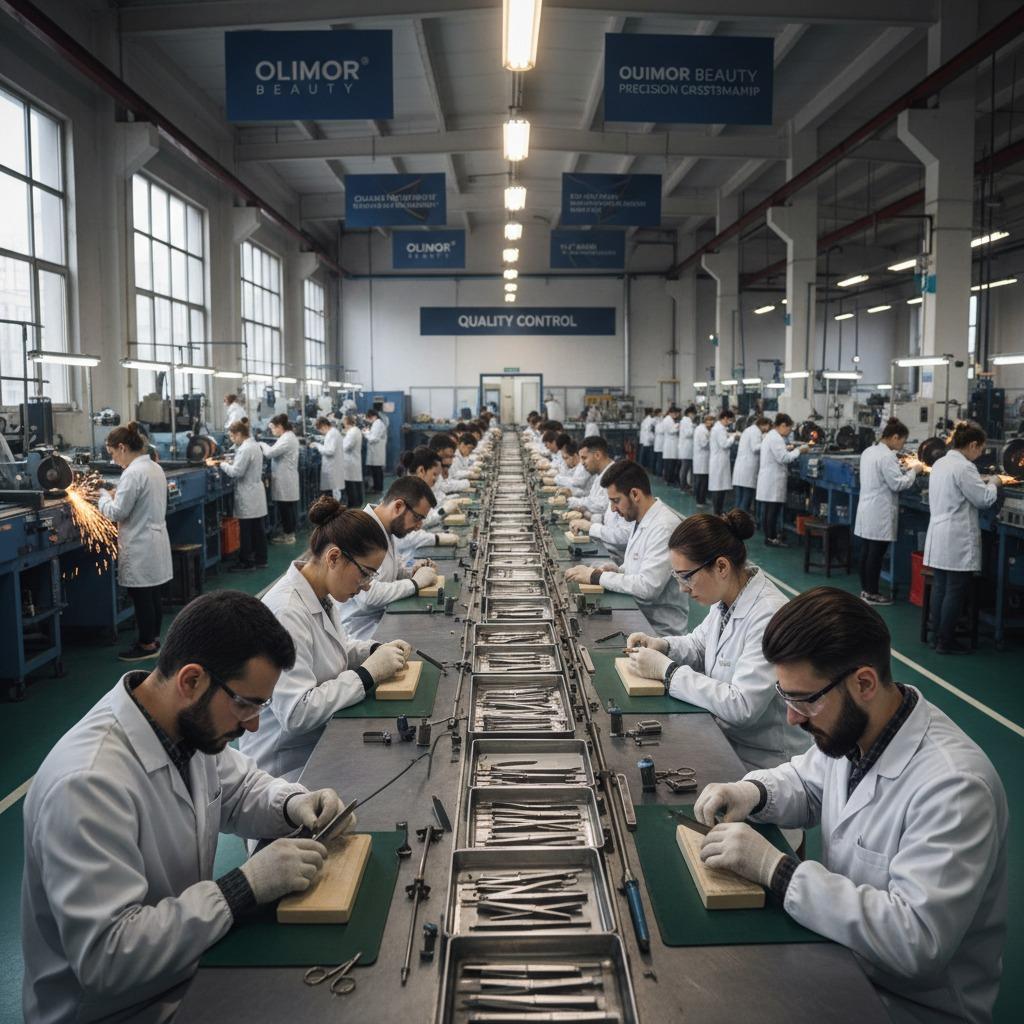
A reliable supplier should be able to explain how consistency is managed from material selection through final packaging. For custom made nail clippers, the usual weak points are blade alignment, pivot stability, surface defects, and package protection. Buyers should ask how each of those areas is inspected before shipment.
Stainless steel is commonly used in grooming tools because it is strong and suitable for repeated handling in moist environments when properly manufactured and maintained. That said, stainless steel alone is not a guarantee of quality. Buyers should still review the hinge action, cutting edges, and surface finish rather than relying on the material description.
Define a simple inspection plan before placing the order. Start with visual review, then test function, then check packaging and labeling. Keep one approved sample as the reference for later comparison. That makes it easier to spot production drift in color, assembly, or feel.
If your products are sold into regulated markets, ask the supplier for the relevant documentation and verify the current requirements with the applicable public authority, such as the U.S. Consumer Product Safety Commission or the European Commission. Buyers should confirm the applicable version of any rule or standard themselves and not rely on general statements.
How to evaluate a nail clipper supplier for bulk orders
Choosing a supplier is more than asking for a quotation. For a grooming tool like this, the supplier’s value is in sample consistency, communication, inspection discipline, and packaging readiness. A low-risk sourcing process usually includes the following steps.
- Confirm the intended use: home grooming, travel kit, salon retail, hotel amenity, promotion, or gift set.
- Review the sample in hand: check cutting action, grip, finish, and assembly.
- Ask about customization limits: handle pattern, finish, color accents, logo placement, and packaging options.
- Check production consistency: compare the sample against expected bulk appearance and function.
- Review packaging protection: confirm that the clipper will not scratch itself or other items in transit.
If you are building a wider assortment, it can help to compare the clipper with other items in the same line through the beauty tool range or by browsing the coordinated grooming collections. Looking at products as a set often makes it easier to keep color direction, packaging language, and user experience aligned.
Practical buying questions that prevent costly mistakes
Before approving a custom order, ask direct questions about sample quality, production control, and packaging. The right questions reduce misunderstandings and help both sides agree on what “good” looks like.
- Can you provide a sample that matches the final blade shape, finish, and handle design?
- How do you check blade alignment and lever movement before shipment?
- What customization options are available for the handle, pivot, logo, and packaging?
- How is the tool protected during packing so the finish does not scratch?
- What inspection records or production notes can be shared for review?
For brands that want a restrained next step, a direct inquiry is usually the best path. You can send product requirements through the inquiry form or speak with the Olimor team about your preferred finish, packaging style, and assortment needs.
FAQ
Can I request samples before placing a bulk order?
Yes. Sample review is one of the most useful parts of sourcing custom made nail clippers because it lets you test cutting feel, finish quality, grip, and packaging fit before moving forward.
What customization areas usually matter most?
The most practical areas are handle texture, finish, pivot color, logo placement, and packaging. Choose the changes that improve brand fit or usability instead of adding decoration that does not support sales.
What should I check during quality inspection?
Focus on blade alignment, lever movement, pivot stability, edge smoothness, finish consistency, and how securely the product sits in the package.
How do I know if a clipper is suitable for my market?
Match the clipper to the sales channel. Travel kits, salon retail, hotel amenities, and gift sets can each require different priorities in size, grip, presentation, and packaging.
How long will production take?
Lead time depends on the product specification, customization scope, sample approval, and order schedule. Confirm timing directly with the supplier for your project.
A well-chosen custom made nail clipper should feel precise in use, look consistent in packaging, and support the way your customers actually shop and groom. If those basics are clear, the product becomes easier to sell and easier to reorder.
Tag: