Custom Tweezers for Beauty Brands: Precision, Finish and OEM Buying Criteria
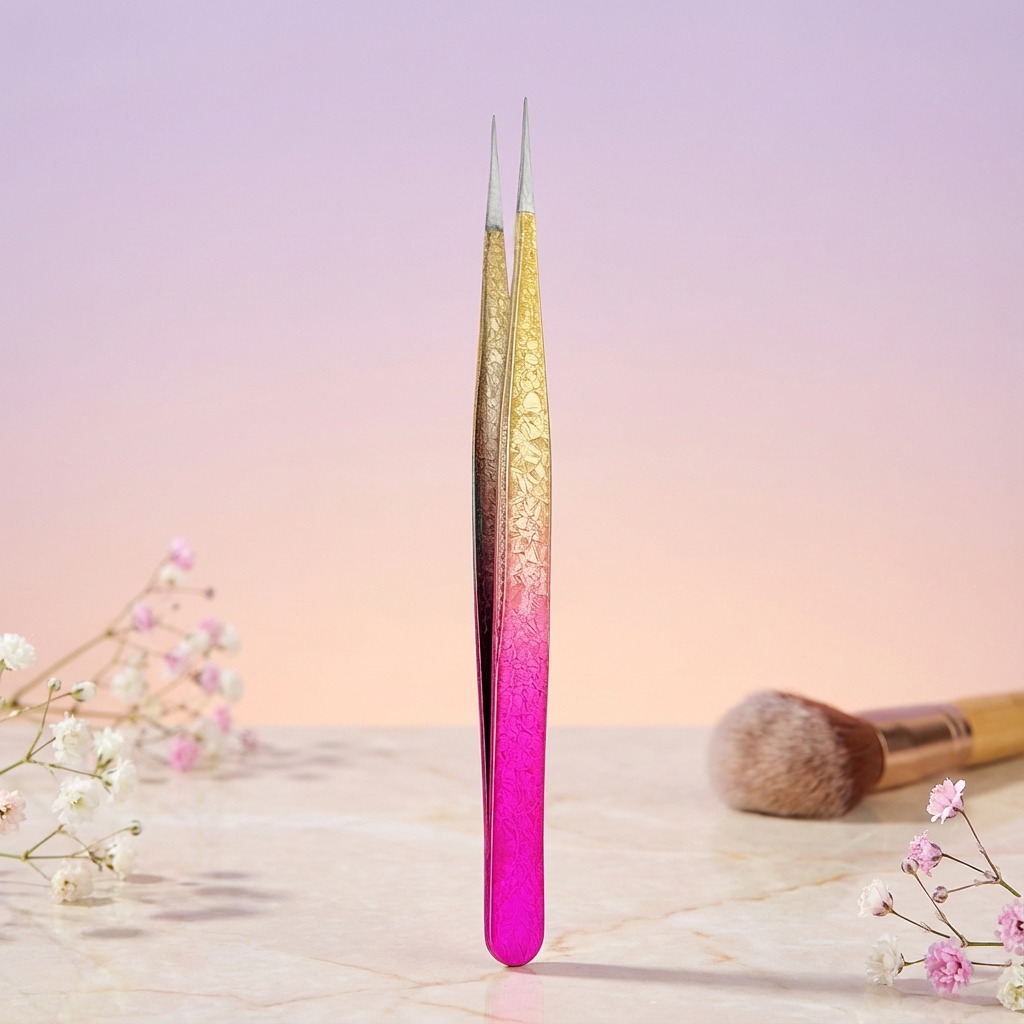
Custom tweezers look simple, but small manufacturing details decide whether they feel precise, comfortable and suitable for daily beauty work. For salons, brow studios, lash technicians, distributors and private-label beauty brands, a tweezer is not just a small accessory. It is a working tool that must grip accurately, close smoothly, resist everyday handling and support a consistent brand presentation.
Olimor Beauty supplies custom tweezers for beauty and grooming applications, including OEM programs for brands that need tools matched to their product range and visual identity. Decorative options such as an ombre or gradient finish, etched texture, gold-to-pink color transitions and branded packaging can add retail appeal. However, the commercial value of a custom tweezer depends first on performance-critical details: stainless steel construction, tip alignment, closing tension, grip texture, weight, finish consistency and final packaging protection.
This guide explains how to evaluate custom tweezers from an informational and B2B sourcing perspective. It is written for buyers comparing suppliers, reviewing samples, planning private-label lines or building salon and retail tool collections.
Why Custom Tweezers Matter in Beauty and Grooming
A tweezer is often used close to the skin, brow line or lash area, where control matters. If the tips do not meet evenly, the tool may slip, miss fine hairs or require extra pressure. If the closing tension is too stiff, repeated use can tire the hand. If the surface is too smooth, the tool can feel insecure during longer procedures. These issues may look minor on a product photo, but they affect daily use and customer trust.
Custom tweezers give brands a way to define both function and appearance. A brow specialist may prioritize clean tip contact, dependable tension and a secure grip. A lash-focused buyer may need very controlled handling and tapered tips for close detail work. A retail beauty brand may also need a finish that photographs well, feels polished in hand and coordinates with packaging. For an OEM program, repeatable appearance across production runs is important because the product should feel like part of a brand system, not a generic tool with a logo added later.
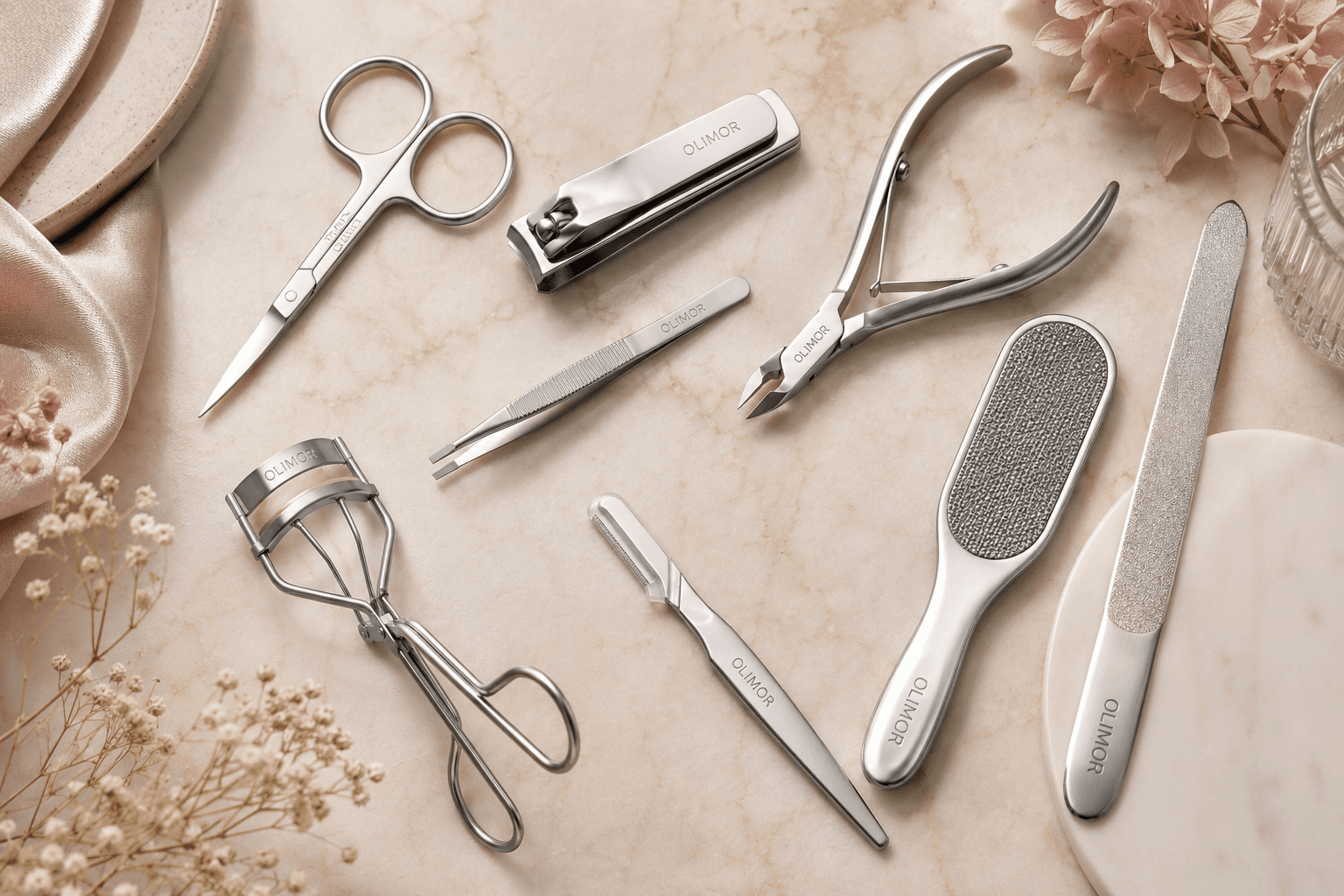
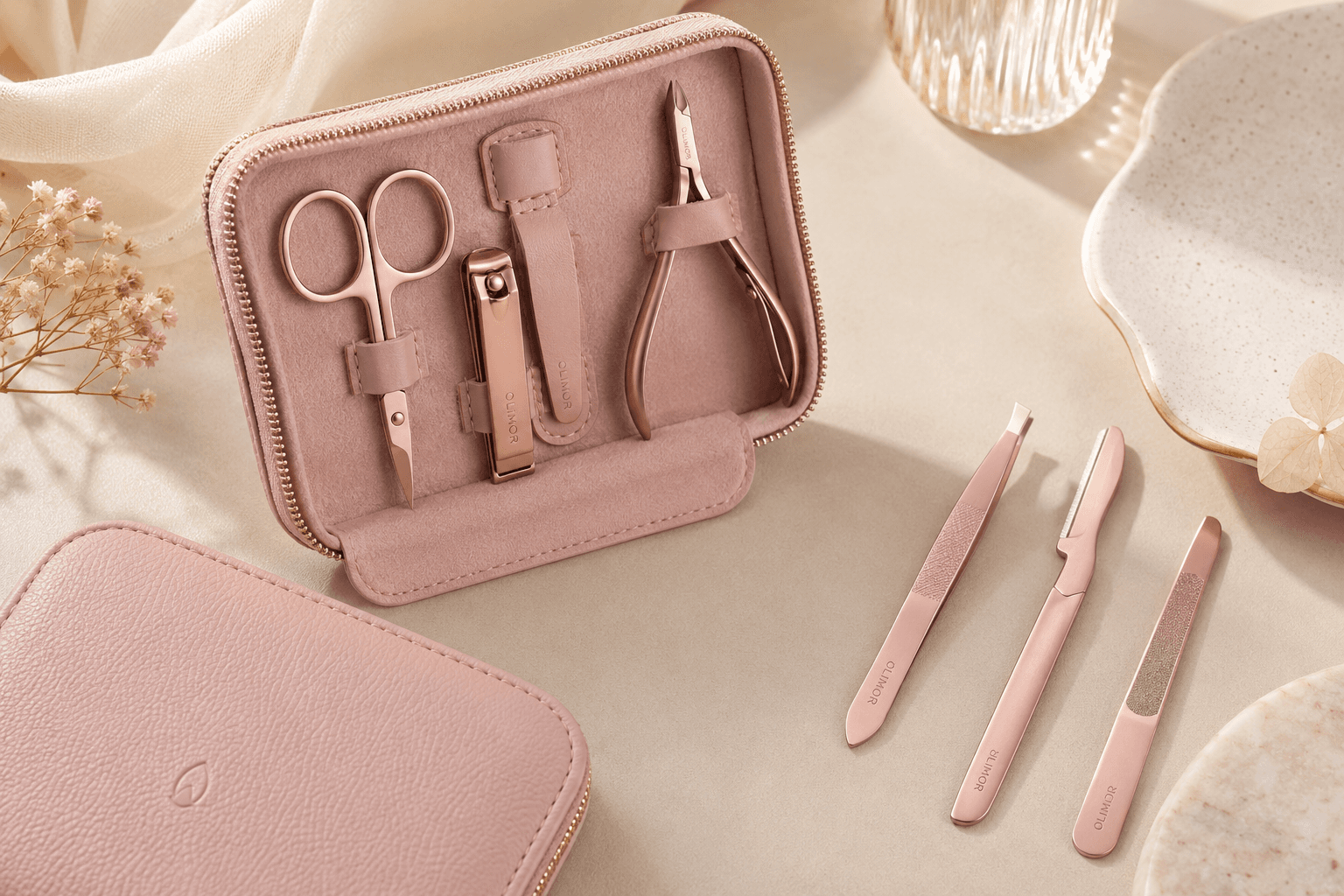
Buyers building a broader accessory range can view tweezers alongside other Olimor beauty tool products, such as applicators, brushes, grooming tools and personal-care accessories. The essential rule is simple: customization should begin with how the tweezer will be used, then move to color, logo and packaging.
Answer First: What Makes a Good Custom Tweezer?
A good custom tweezer combines accurate tip contact, suitable stainless steel construction, comfortable closing tension, practical grip texture, consistent finishing and protective packaging. For B2B buyers, the best sample is not only the most attractive one. It is the sample that performs consistently for the target user and can be reproduced with the required appearance and packing standard.
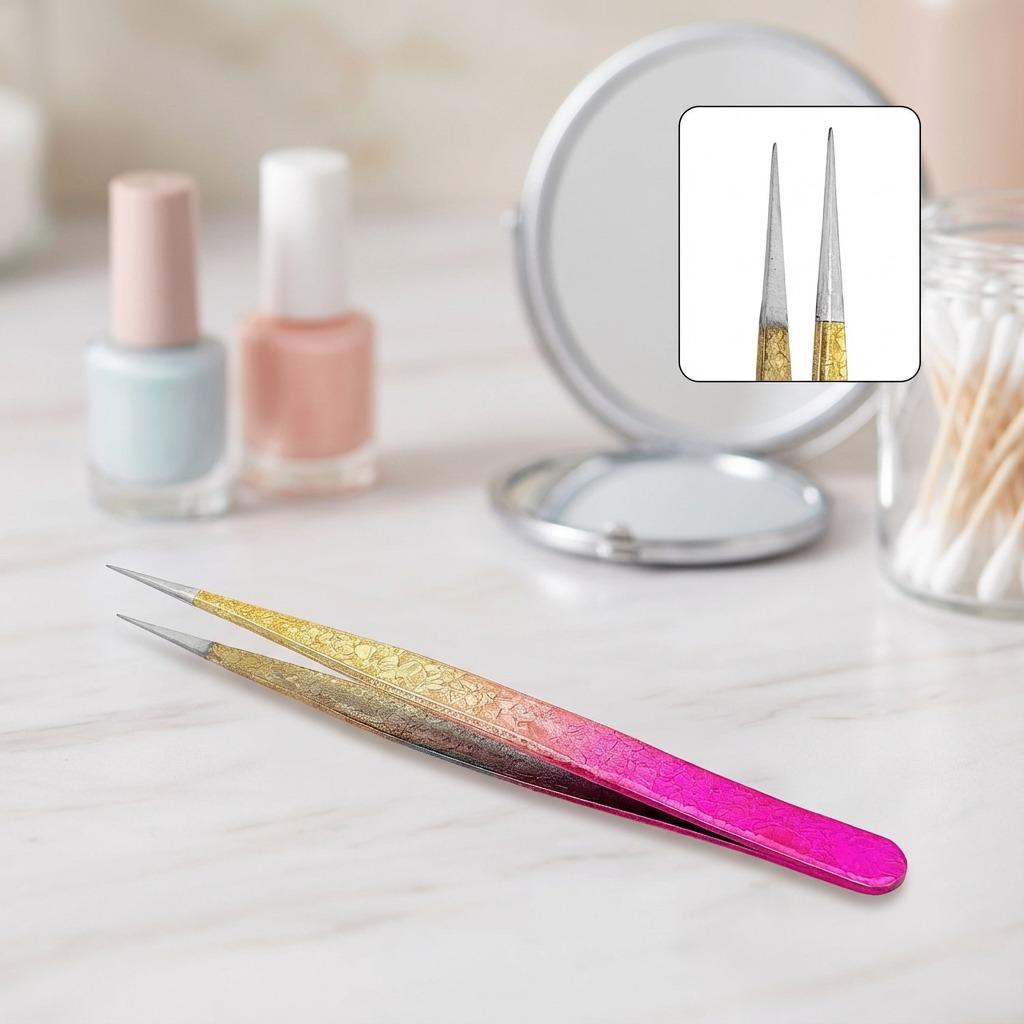
When comparing OEM custom tweezers, review both the decorative specification and the functional specification. A gradient finish from shimmering gold to vibrant pink, an ombre effect from gold to magenta or an etched surface can help a tool stand out in a beauty kit. But those features should not interfere with tip closure, cleanability, comfort or the ability to grip fine hairs.
Key Performance Details to Evaluate Before Ordering
Before confirming a design, separate decorative choices from performance-critical features. A buyer should be able to explain why a certain tip, grip or finish is appropriate for the intended customer. The following points are the core of a practical tweezer sample review.
- Tip alignment: The two tips should meet evenly. Poor alignment is one of the most common reasons a tweezer slips or fails to grip fine hairs.
- Tip shape: Fine, slanted, pointed, tapered or broader tips support different tasks. Brow shaping, lash-related work and general grooming do not always require the same end shape.
- Closing tension: The tweezer should feel firm enough for control but not so hard that it causes hand fatigue during repeated use.
- Surface grip: Etching or a subtle nonslip texture can improve handling, especially for salon environments and detailed procedures.
- Material suitability: Stainless steel is widely used in beauty tools because it supports durability and resistance to wear when properly manufactured and finished.
- Weight and balance: Lightweight tweezers can be easier to control, but they should still feel stable rather than flimsy.
- Finish consistency: Color, plating, gradient effects and surface treatments should look consistent enough for retail presentation and brand expectations.
- Packaging protection: Packaging should protect the tips and present the tool neatly for retail, kit assembly or professional distribution.
Olimor examples such as gradient and ombre beauty tweezers show how functional and visual choices can work together. A textured or etched surface is not only a design element; it can also support grip. A stainless steel base supports the durability buyers usually expect in beauty tools. A bright color transition can add display value when the underlying tool remains precise and comfortable.
Choosing the Right Tweezer Style for the Application
Not every customer needs the same tweezer. A product designed for precise brow work may not be ideal for larger unwanted hairs. A tool for lash support may need controlled tapered tips, while a general grooming kit may benefit from a more versatile shape. Define the use case before confirming finish, logo or packaging.
| Use case | Buyer priority | What to review in samples |
|---|---|---|
| Brow shaping | Accurate grip on fine hairs and clean control near the brow line | Tip alignment, slant or taper, closing tension and comfort |
| Eyelash-extension support | Very controlled handling for detailed beauty routines | Fine accuracy, light weight, stable closure and grip texture |
| Retail grooming kits | Balanced function, attractive appearance and ease of use | Finish quality, packaging fit, user-friendly tension and tip protection |
| Salon or professional use | Repeated-use comfort and consistent tool feel | Grip texture, fatigue resistance, batch consistency and packaging condition |
| Private-label beauty line | Brand consistency across product ranges | Color direction, logo placement, packaging style and repeatability |
This comparison helps make the OEM process more efficient. Instead of approving a sample only because it looks premium, buyers can test whether it performs for the intended customer. A brand serving experienced brow professionals may choose a different specification from a brand selling an everyday grooming set.
OEM Custom Tweezers: Decisions to Confirm Early
OEM custom tweezers allow a buyer to create a distinctive product, but too many open decisions can slow the project. A clear brief helps both the buyer and supplier evaluate feasibility, cost factors and inspection expectations. While exact options depend on the production plan, most sourcing discussions should confirm the following points early.
- Define the end user. Decide whether the tweezer is for professionals, retail consumers, beauty kits, promotional sets or salon resale.
- Choose the function first. Tip type, length, tension and grip should follow the use case rather than the decoration.
- Clarify the visual direction. If a gradient finish, ombre color, etched surface or decorative treatment is preferred, provide color references and expected consistency.
- Plan branding placement. A logo or brand mark should remain visible without being placed where fingers constantly rub or where it interferes with comfort.
- Review packaging needs. Decide whether tweezers will be sold individually, included in a kit or supplied for professional use.
- Set inspection expectations. Alignment, closing feel, surface finish and packaging condition should be checked before shipment.
Olimor Beauty’s OEM custom tweezer support is relevant for buyers who want the tool to reflect a brand aesthetic while preserving functional performance. The objective is not simply to recolor a standard item. A better OEM program connects material choice, finish, hand feel, inspection and presentation into one coherent product. Buyers can explore compatible accessory directions through the Olimor product collection when planning sets or coordinated retail ranges.
Material, Finish and Grip: How They Affect Daily Use
Stainless Steel Construction
Stainless steel is commonly selected for beauty tweezers because it is suitable for tools that are handled frequently and may be stored in bathrooms, salons, travel kits or retail packaging. For buyers, the point is not just to request stainless steel as a phrase on a quotation. It is to review whether the material, shaping and finishing support the intended use, appearance and maintenance expectations.
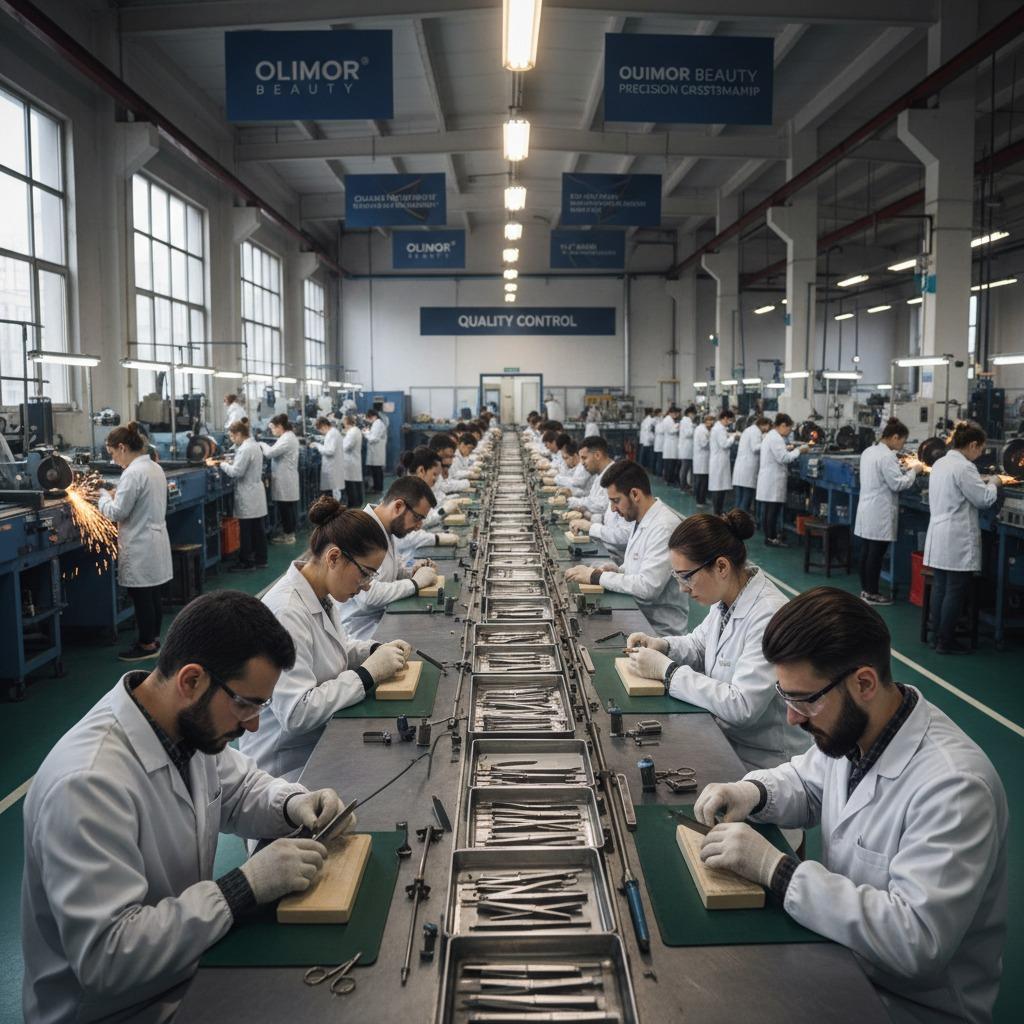
Raw material review is also part of practical quality control. Olimor applies quality assurance steps that include raw material inspections and final packaging checks. Buyers should define what they expect these checks to cover for the order: material suitability, appearance, tip condition, closing feel and packaging presentation.
Decorative Finishes
Gradient and ombre finishes can create a strong retail impression, especially for beauty tools designed to be photographed, displayed or bundled in giftable kits. A transition from gold to pink or gold to magenta can make a tweezer feel more distinctive than a plain metal finish. However, decorative finishing must remain consistent enough across the order and must not compromise tip precision.
When reviewing finish samples, check whether the color transition looks intentional, whether visible surfaces are clean and whether the finish suits the brand’s audience. If the tool is intended for professional use, the finish should still feel practical rather than purely decorative.
Grip Texture and Hand Feel
A textured, etched or nonslip grip can improve handling during careful procedures. This matters when users work for long periods or switch between tools. Grip should be assessed together with closing tension and weight. A tweezer can look sleek but still feel tiring if the pressure is too high or unstable if the tool is too light for its tip geometry.
Quality Checks That Protect Precision and Brand Reputation
For a small tool, inspection has a large impact. Buyers should create a checklist that covers visible appearance and functional performance. This checklist can be used during sample approval, pre-shipment review or internal brand evaluation.
| Inspection area | Why it matters | Buyer review question |
|---|---|---|
| Raw material condition | Provides the foundation for durability and finish quality | Does the material match the agreed product direction and sample expectation? |
| Tip alignment | Controls grip accuracy and user confidence | Do the tips meet evenly without visible mismatch? |
| Closing tension | Affects comfort during repeated use | Does the tweezer close smoothly without excessive hand pressure? |
| Tip shape | Determines suitability for brow, lash or grooming tasks | Does the tip geometry match the intended application? |
| Surface texture | Supports control and handling | Is the grip area practical without feeling rough or awkward? |
| Decorative finish | Influences retail appeal and brand consistency | Are color, gradient, plating or etched effects consistent and clean? |
| Logo and branding | Protects brand presentation | Is the logo readable and placed away from functional grip interference? |
| Packaging | Protects tips and supports retail or kit assembly | Does packaging keep the tool secure and presentable? |
Some buyers use recognized sampling frameworks, such as ISO 2859-1 for sampling procedures by attributes, when setting inspection plans. This does not mean every tweezer order must follow that standard, and it does not imply any supplier certification. Buyers should verify the applicable version, the inspection method and all supplier documentation for their own market and quality requirements.
Cost Factors When Sourcing Custom Tweezers
Custom tweezer cost is influenced by more than the metal body. Buyers comparing quotations should look at the total specification, not only the unit price. The most common cost factors include tip style, forming complexity, finish type, texture or etching requirements, branding method, packaging format, inspection expectations and order complexity.
A simple finish may be easier to manage than a decorative gradient. A specialized tip may require closer review than a general grooming shape. A retail-ready package may add more work than bulk professional supply. More demanding inspection criteria can also affect the sourcing plan because alignment, finish consistency and packaging condition require time and discipline to check.
The right commercial question is not “What is the cheapest custom tweezer?” A better question is “Which specification gives the target customer the required performance and brand presentation without adding unnecessary complexity?” This approach helps buyers protect margin while avoiding quality problems that can damage reviews, distributor relationships or salon trust.
How to Evaluate a China Tweezers Exporter or OEM Supplier
When comparing suppliers, buyers should look for practical communication and evidence-based sample review rather than broad claims. A suitable OEM partner should be able to discuss the intended user, the tip style, finish expectations, packaging needs and inspection points. The supplier should also be able to explain which customization requests are practical and where design choices may affect function.
- Ask how samples will be reviewed. The discussion should include tip alignment, tension, finish and packaging, not only color.
- Check whether function leads the design process. A supplier should help match tip shape and grip to the application.
- Discuss repeatability. For private-label programs, buyers need consistent appearance and tool feel across repeat orders.
- Clarify documentation. Buyers should verify relevant product information, material details and inspection documents required for their market.
- Review packaging compatibility. The package should protect the tips and suit the retail or professional sales channel.
For regulatory or market access questions, buyers may need to check requirements from public bodies relevant to their destination market, such as the European Chemicals Agency for applicable chemical restrictions in the EU. Requirements can vary by product, finish, packaging and market, so buyers should verify the current applicable version and obtain supplier documentation rather than relying on general assumptions.
Sample Review Checklist for Beauty Brands
Before approving a sample, test the tweezer in the way the final customer will use it. A retail product should be easy for an occasional user to understand. A professional tool should feel controlled during repeated use. A private-label product should match the visual identity while meeting the functional promise of the category.
- Does the tweezer grip fine hairs or target fibers cleanly without slipping?
- Do the tips meet evenly from the first closing movement?
- Is the closing tension comfortable for repeated use?
- Does the surface texture support control without creating discomfort?
- Does the weight feel stable in hand?
- Is the finish consistent with the brand’s positioning?
- Is the logo placement practical and visually clear?
- Does the packaging protect the tips from bending or cosmetic damage?
- Are the sample and quotation aligned on material, finish, branding and packaging?
If a sample looks beautiful but fails on alignment or comfort, it is not ready for approval. If a sample performs well but the finish does not match the brand direction, the design may need visual adjustment. Strong custom tweezer sourcing balances both sides.
When to Choose Olimor for Custom Tweezers
Olimor Beauty is a suitable option for buyers seeking custom tweezers that combine beauty-tool function with brand presentation. The company’s custom tweezer direction includes stainless steel construction, decorative finish options, textured grip concepts and practical quality checks such as raw material inspection and final packaging review. These details are important for salons, beauty retailers, distributors and private-label brands that want a tool with both precision and shelf appeal.
If you are preparing a new grooming tool line, updating a salon kit or comparing OEM custom tweezer suppliers, begin with the intended use case and sample requirements. Then discuss finish, branding and packaging. To start a focused sourcing conversation, share your application, target customer and design direction through the Olimor inquiry page or contact the team via Olimor Beauty contact support.
FAQ: Custom Tweezers for Beauty Brands
Can I request samples before placing a custom tweezer order?
Sample review is an important step for custom tweezers because buyers need to check alignment, tension, grip texture, finish and packaging. Contact Olimor with your intended use, design direction and packaging needs so the team can discuss the appropriate sample process.
What is the MOQ for OEM custom tweezers?
MOQ depends on the customization plan, finish, packaging and production requirements. Olimor should confirm MOQ after reviewing the product brief rather than using a one-size-fits-all answer.
Can tweezers be customized with colors, texture and logo placement?
Yes, custom discussions may include color direction, gradient or ombre effects, etched or textured grip areas, logo placement and packaging. The key is to keep these choices compatible with tip precision, comfort and clean handling.
What quality checks should buyers request?
Buyers should request checks for material condition, tip alignment, closing tension, tip shape, surface finish, logo placement and packaging protection. If a formal sampling plan is needed, verify the applicable standard version and documentation with the supplier.
How should lead time be discussed for private-label tweezers?
Lead time depends on sample approval, customization complexity, packaging and order planning. Buyers should confirm timing directly with Olimor after the specification is clear and should avoid assuming that all finishes or packages require the same schedule.
Tag: