How to Choose a Nail Clipper Manufacturer for Private Label Grooming Tools
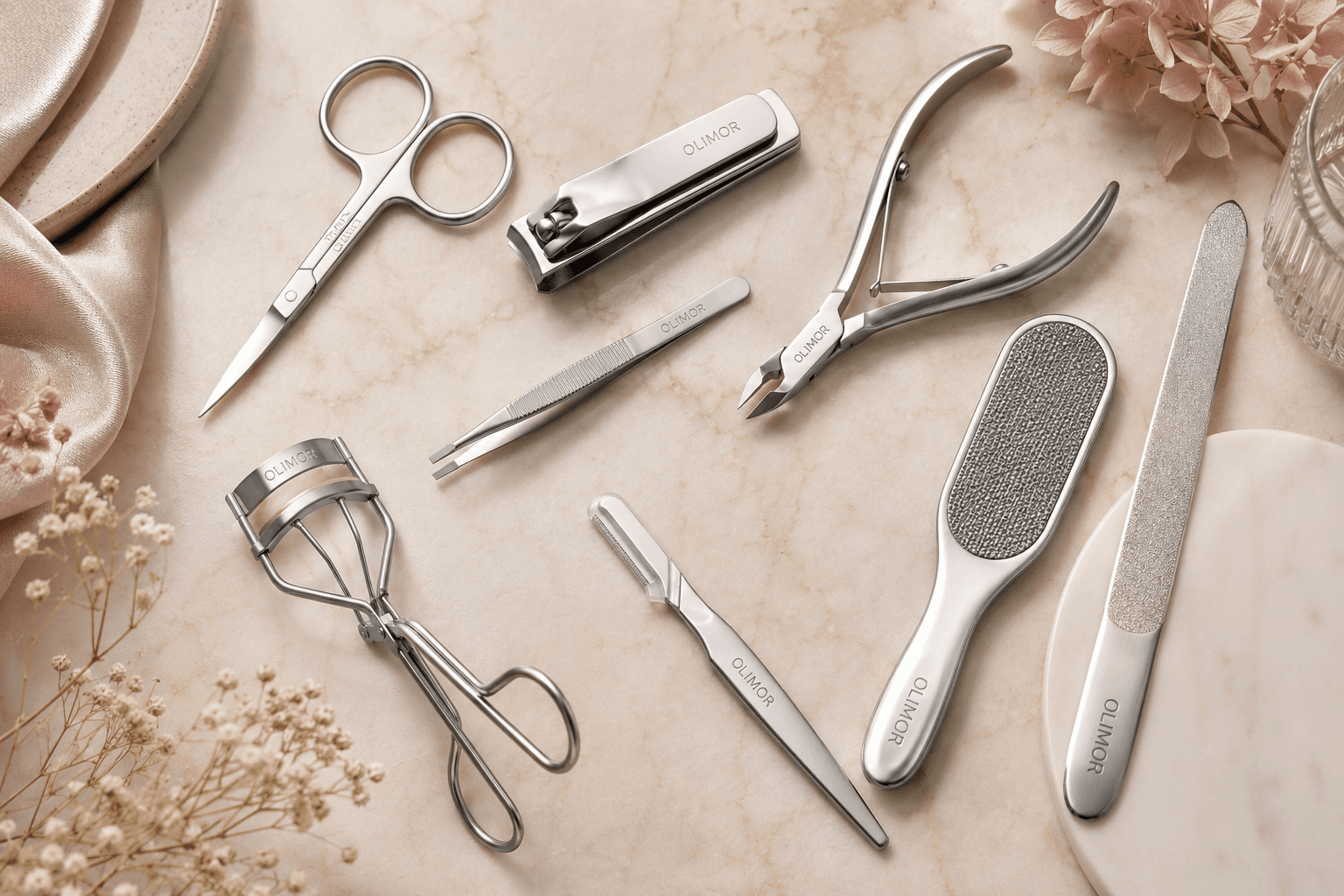
If you are sourcing nail clippers for a private label grooming line, the right supplier should help you control cutting performance, finish consistency, packaging fit, and inspection standards. A nail clipper may look simple, but it can shape customer reviews, repeat purchases, and how your wider tool range is perceived. Olimor works with retail, wholesale, and OEM projects for stainless steel nail clippers with precision blades, ergonomic handles, textured levers, compact profiles, and a modern matte black look. If you are comparing assortments, you can browse the core product range or review matching beauty tools before you brief a supplier.
What a strong supplier should solve for your brand
For a beauty, grooming, or personal care brand, the supplier’s job is not only to make a metal tool. It is to turn a simple clipper into a product that matches your market position. A travel set needs compactness and secure handling. A manicure kit needs a tool that fits neatly with other items and looks consistent in the package. A men’s grooming assortment may call for a restrained matte finish and a clean, practical shape. A salon retail display may demand more attention to appearance and comfortable repeated use.
That is why a nail clipper manufacturer should be evaluated on both product and process. Product questions cover blade feel, lever grip, and visual finish. Process questions cover how samples are approved, how bulk variation is controlled, and how final inspection is handled before shipment. If a supplier cannot explain those points clearly, the risk often shows up later in customer complaints or inconsistent cartons.
- Retail brands usually need strong shelf appeal, neat packaging, and a finish that matches the rest of the line.
- Wholesale buyers usually need stable quality, predictable pack-out, and repeatable appearance across larger orders.
- OEM projects usually need a supplier that can align the clipper with a specific brand brief, packaging style, and use case.
Product details that decide performance
Blade alignment and cut quality
The most important function of a nail clipper is still the cut. Buyers should check whether the upper and lower blades meet evenly and clip without tearing, pinching, or leaving jagged edges. A clean cut depends on more than sharpness alone. The jaws must align properly, and the pivot must allow a controlled closing motion. When reviewing samples, do not rely on a single perfect piece. Compare several units and open and close each one by hand so you can feel whether pressure, movement, and contact are consistent.
A curved cutting shape is often helpful for fingernails because it follows the natural nail line. If you expect the clipper to be used for toenails as well, review size, leverage, and jaw opening carefully rather than assuming one shape will suit every use case.
Material, surface, and finish
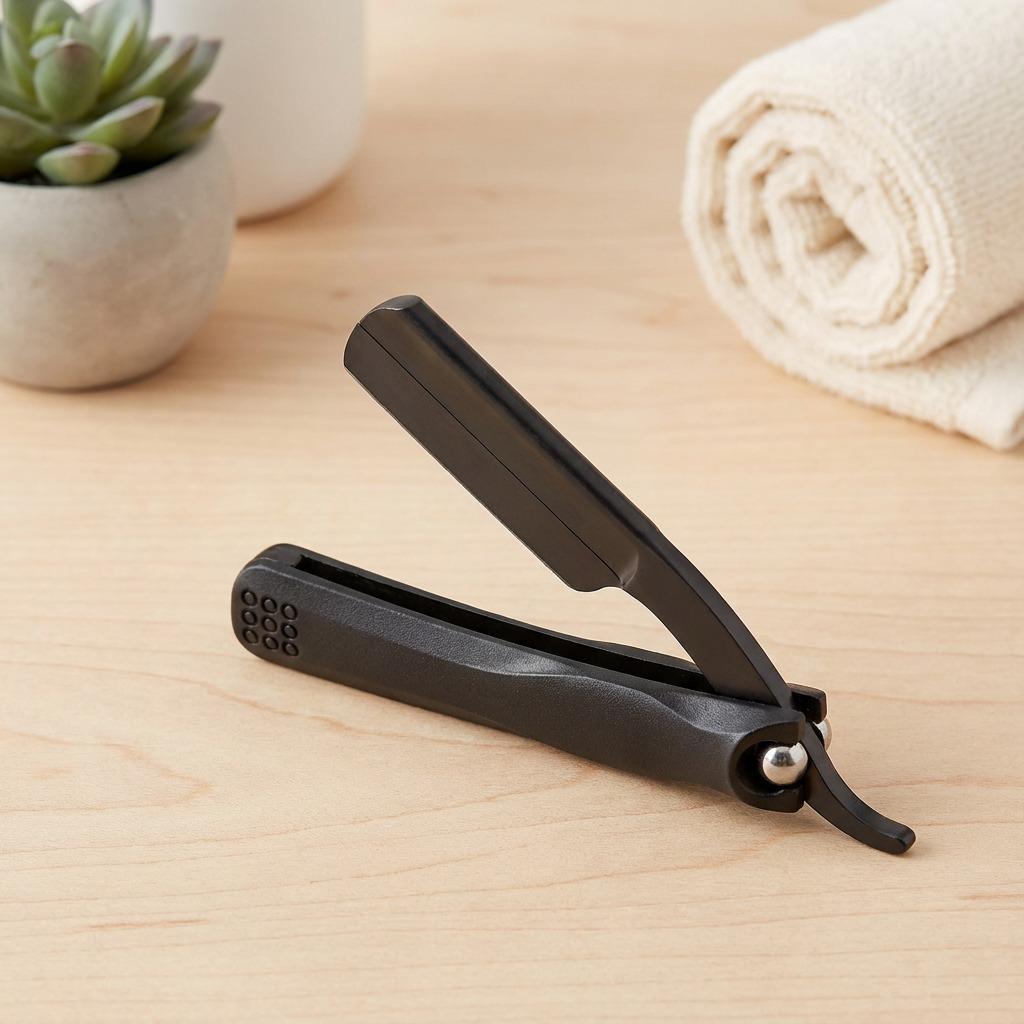
Stainless steel is a common material choice because buyers expect a durable appearance and basic resistance to normal bathroom environments. But the material label alone is not enough. Surface treatment, pivot stability, and jaw geometry all influence the end result. Olimor’s product direction for this category includes a black matte finish, which can look modern and suitable for minimalist beauty lines, personal care kits, and travel grooming sets. For that type of finish, check whether the color is even across the body, lever, and visible edges, and look for scratches, rough spots, coating gaps, or uneven sheen.
If your range includes several grooming tools, compare the clipper finish with the other items in the line so the collection feels deliberate. A mismatch in tone or texture can make a set look pieced together even when each item is functional on its own.
Grip, pivot action, and portability
Comfort is not a minor detail. Buyers often notice whether the lever slips, whether the body feels awkward in the hand, and whether repeated clipping requires more pressure than expected. Ergonomic handles and textured levers can improve control, especially when hands are dry, damp, or slightly slippery after washing. A stable pivot also matters because loose movement can make the tool feel cheap, while an overly tight pivot can make trimming uncomfortable.
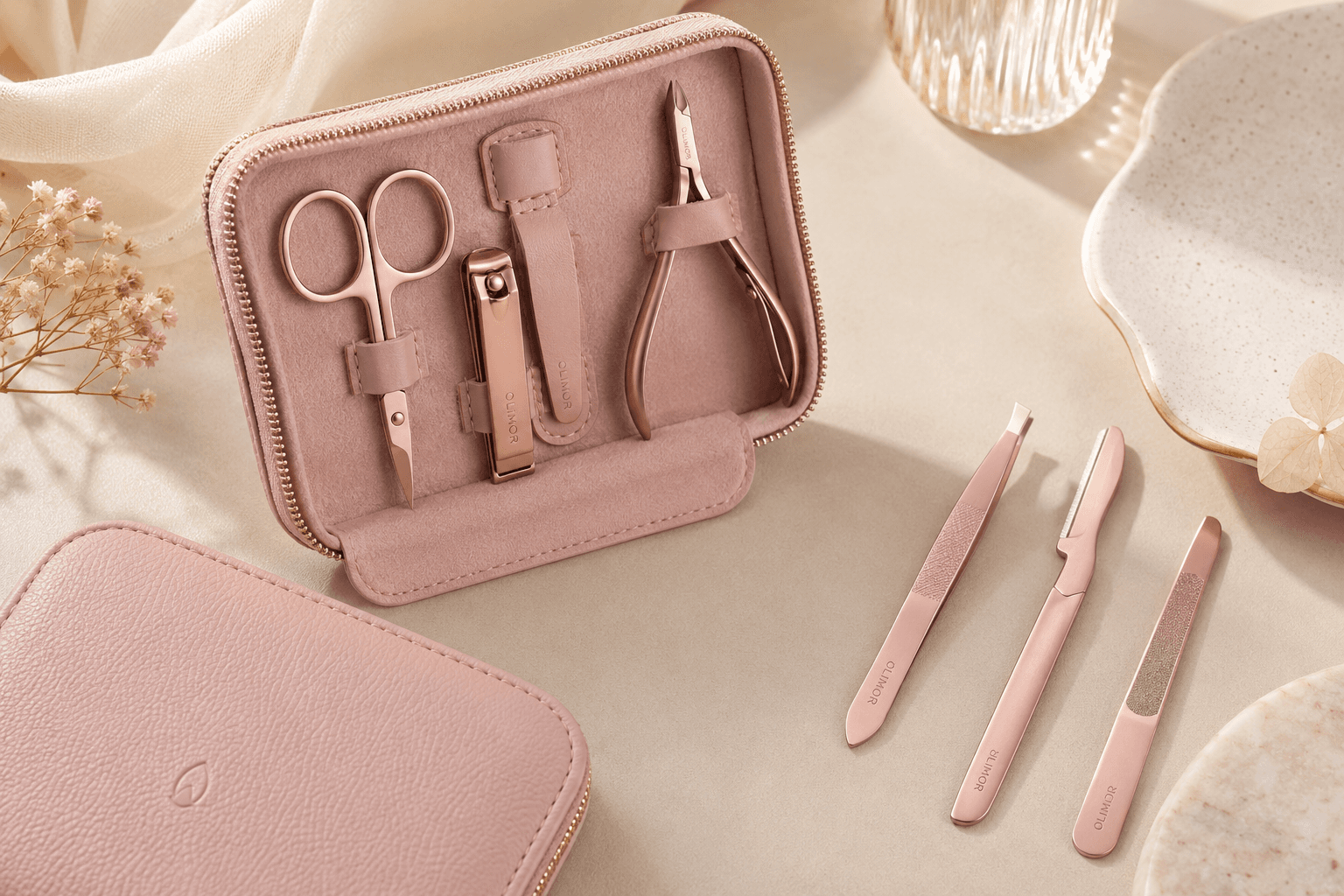
Portability is another practical point. Compact clippers are easier to include in toiletry bags, cosmetic pouches, travel kits, and promotional grooming bundles. If your brand is developing a portable set, check not just the clipper size but also whether the shape fits the intended case without scratching adjacent tools.
How to compare suppliers with a practical checklist
The easiest way to evaluate a manufacturer is to use the same checklist on every sample. That keeps the discussion focused on what the user will actually experience. It also makes OEM discussions easier because your team can point to clear criteria instead of vague preferences.
| Review area | What to check | Why it matters |
|---|---|---|
| Blade alignment | Upper and lower blades meet evenly with no visible offset | Supports cleaner clipping and helps reduce jagged edges |
| Lever action | Movement feels smooth, stable, and not too loose or too tight | Affects comfort and the perceived quality of the tool |
| Surface finish | Color and sheen are consistent, with no obvious scratches or gaps | Protects shelf appeal and brand presentation |
| Grip texture | Textured lever or contoured area feels uniform and secure | Helps prevent slipping during daily use |
| Packaging fit | Tool sits securely and does not scratch or shift in transit | Reduces damage and improves retail readiness |
| Cleanliness | Tool arrives free of visible stains, dust, or sharp burrs on non-cutting surfaces | Signals care in handling and final inspection |
Use this table as a sample review sheet, not as a one-time glance. If one supplier offers a nice first sample but the next sample changes in finish or action, that is a warning sign about bulk consistency.
Retail, wholesale, kit, and OEM: choose the right version
Different sales channels call for different product priorities even when the clipper itself is similar. A private label retail SKU may need stronger visual presentation and clearer packaging language. A wholesale item may need simpler pack-out and dependable repeatability. A manicure kit component must fit the case and coordinate with the rest of the set. An OEM project may need a custom finish, lever detail, or brand-specific packaging structure.
The best supplier is the one that understands those differences and can explain the trade-offs honestly. For example, a matte black clipper may be attractive for a premium men’s grooming range, but if your channel is highly value-driven, packaging and handling costs can matter just as much as the tool itself. If your product is sold as part of a set, the clipper should not feel like an unrelated add-on. It should match the kit language, visual tone, and expected user experience.
- Daily home grooming: prioritize comfort, clean cutting, and easy handling.
- Travel grooming sets: prioritize compact size, secure packaging, and smooth portability.
- Manicure kits: prioritize visual consistency and fit with other tools.
- Men’s grooming lines: prioritize a restrained finish and practical feel.
- Salon or retail assortment: prioritize presentation, consistency, and clear inspection control.
What to ask a nail clipper manufacturer before ordering
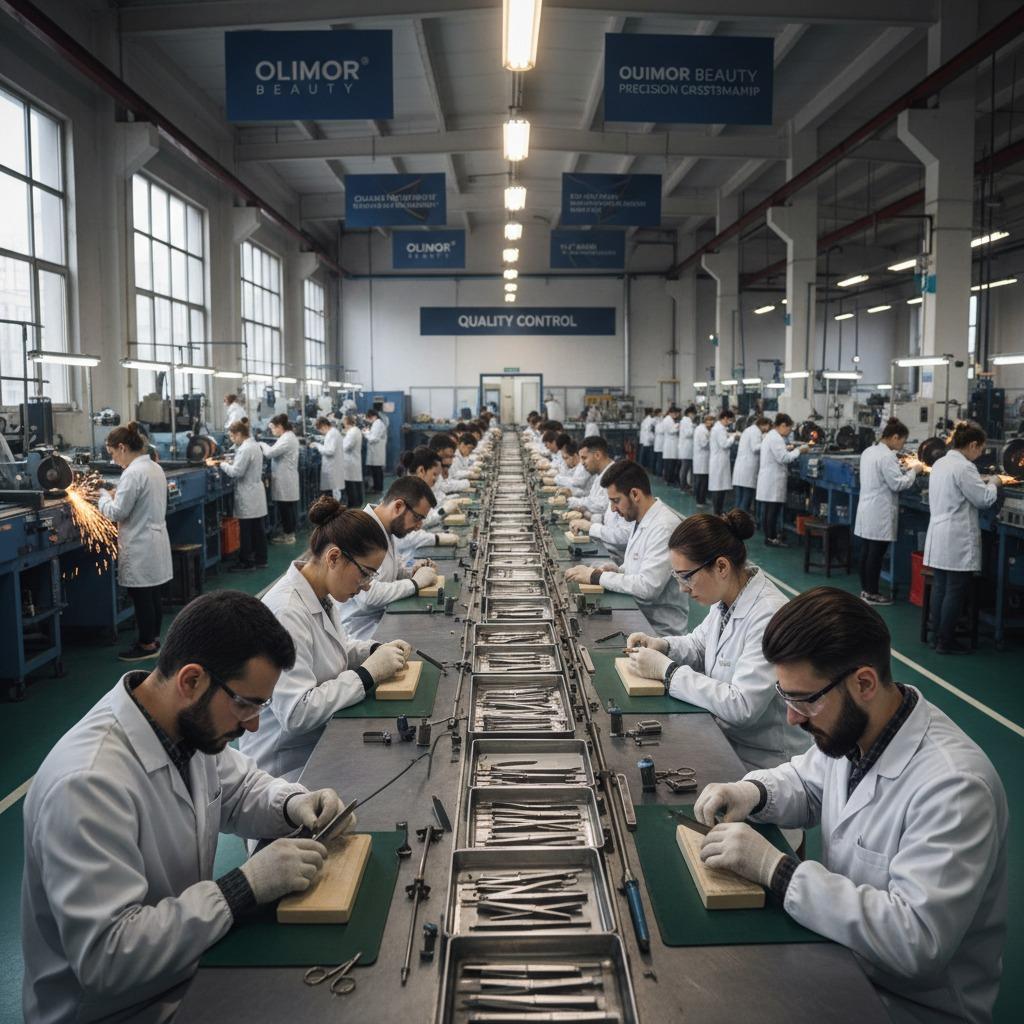
A reliable factory or supplier should be able to explain how production is organized and how quality is checked. You do not need vague assurances; you need concrete checkpoints. Ask how the cutting edges are aligned, how lever assembly is handled, what the final inspection covers, and how packaging is protected before shipment. The answers should be practical and consistent, not just promotional.
- How are samples approved? Ask whether the supplier uses the sample as the reference for bulk production and packaging.
- What does final inspection cover? Blade alignment, lever action, appearance, cleanliness, and packaging condition should all be part of the conversation.
- How are nonconforming items handled? A supplier should be able to explain what happens when a product fails appearance or function checks.
- How is packaging verified? The clipper should be protected from scratches, shifting, and loose pack-out.
- Can the tool be matched to a broader assortment? This matters if you want the clipper to sit beside tweezers, scissors, or other grooming accessories in a coherent line.
If you are still shaping a broader assortment, it can help to compare coordinated grooming tools so the clipper fits your range visually and functionally. That is often easier than choosing the clipper in isolation and trying to force it into the line later.
Cost factors that change a quote
Brands often start with unit cost, but several variables influence the final quote. Custom finish work can add complexity. Special packaging can affect material use and packing time. Logo placement, retail cards, or kit-ready inserts may change production steps. More detailed inspection requirements can also influence the supplier’s internal handling. Instead of asking only for a low number, ask what is included in the offer and what changes when you adjust finish, packaging, or branding.
- Finish choice: matte, polished, or other surface direction can change production effort.
- Customization level: branding, color direction, and ergonomic details may affect setup.
- Packaging format: single retail packaging, kit packaging, and bulk packing are not the same.
- Inspection scope: tighter visual and functional checks usually require more attention.
- Order complexity: mixed assortments and special pack plans can add coordination work.
The most useful question is not “What is the cheapest option?” but “Which version best fits my market, and what quality checks are built into that quote?” That is especially important for a private label grooming line where the clipper must support the brand rather than distract from it.
Quality documentation and market checks
When you compare suppliers, ask for the documentation that supports your market. For material and coating questions, buyers often request information aligned with applicable EU REACH requirements. For process control, some buyers look for ISO 9001-style quality management evidence. The important point is not to assume anything. Verify the current version, the exact scope, and the supporting supplier paperwork for your destination market and product configuration.
If the clipper is going into a retail line, also confirm label text, packaging artwork, and any required compliance wording before approval. A good supplier should help you catch these issues early so the final shipment matches the approved sample and the intended market.
Working with Olimor on a private label clipper
Olimor’s nail clipper direction is suited to brands that want a practical tool with a clean, modern look. The existing design language includes stainless steel construction, sharp precision blades, ergonomic handles, textured levers for grip, and compact forms that work for daily use or travel. That makes the product relevant for manicure kits, men’s grooming sets, personal care lines, and wholesale assortment planning.
If you are defining a new launch, the fastest way to move forward is to prepare a short brief with your target user, finish preference, packaging idea, and inspection priorities. Then use sample review to confirm that the tool matches your market position. You can contact Olimor for a supplier discussion or send an OEM inquiry when you are ready to explore a custom project.
FAQ
Can I request samples before placing a bulk order?
Yes. Sample review is the best way to check blade alignment, lever action, finish quality, and packaging fit before moving into production.
What minimum order quantity should I expect?
MOQ depends on the product version, finish, packaging, and customization level. Confirm the current requirement directly with the supplier for your specific project.
Can a nail clipper be customized for my brand?
Often yes, depending on the project. Common discussion points include finish direction, ergonomic details, logo placement, and packaging style.
How should I check quality before shipment?
Review multiple samples, confirm blade alignment, test lever feel, inspect the finish under normal lighting, and check that the packaging protects the tool properly.
How long does lead time take?
Lead time depends on sample approval, customization, packaging readiness, and shipping method. Ask the supplier to confirm timing for your exact order setup.
For brands building a private label grooming line, the best nail clipper manufacturer is the one that balances function, finish, and reliable production control. Start with the user experience, confirm the manufacturing details, and make sure the product fits both your shelf strategy and your inspection standards.
Tag: