How to Choose a Tweezers Supplier for Professional Lash and Beauty Tools
For lash artists, beauty retailers, and private-label brands, tweezers are not a small accessory. They directly affect grip, isolation, comfort, hygiene, and the consistency of daily work. A tweezer that feels slightly too heavy, closes unevenly, or has a tip that does not meet cleanly can slow down a lash set and increase hand fatigue. Choosing the right tweezers supplier is therefore a sourcing decision that should be based on tool performance, production consistency, and customization support rather than appearance alone.
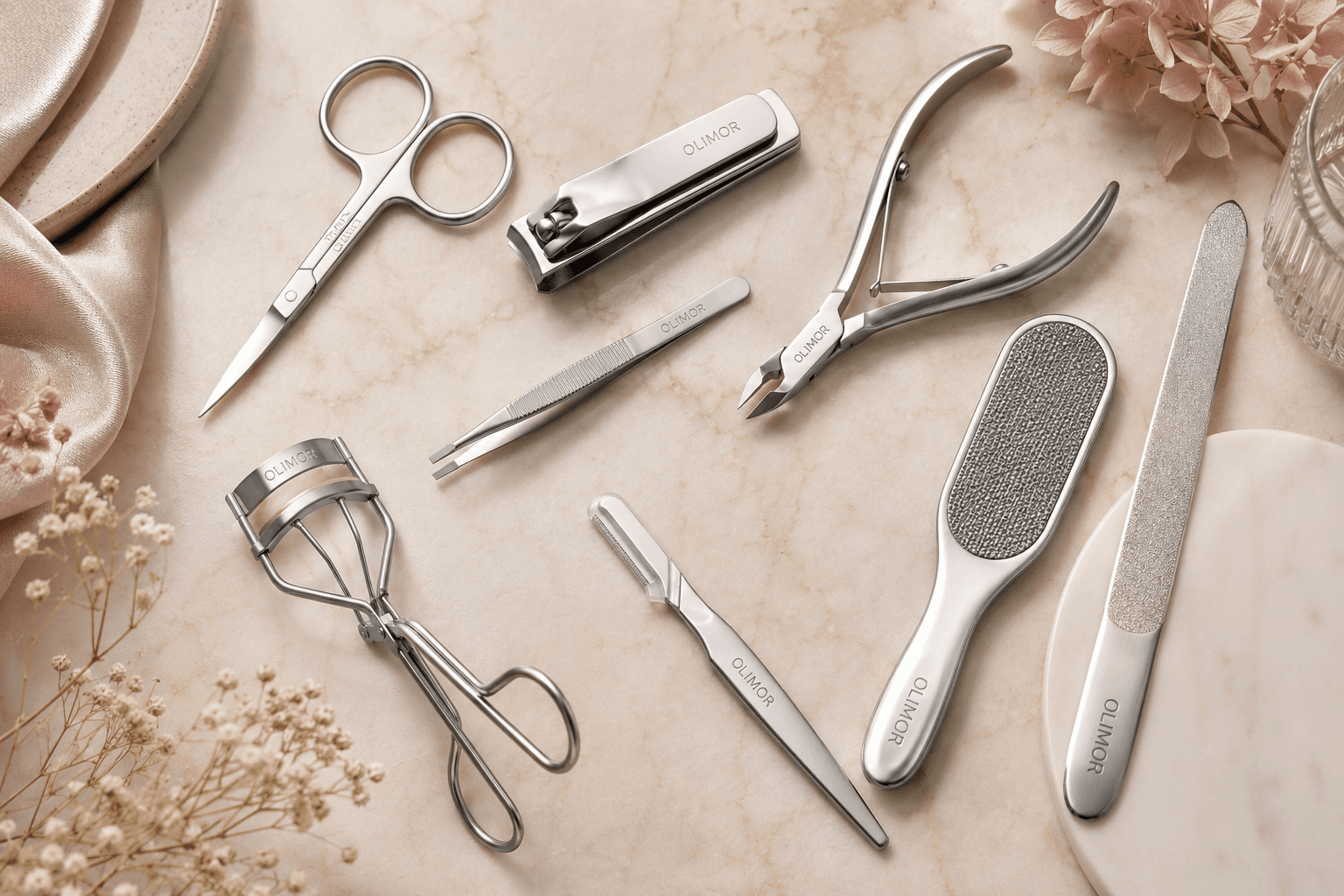
Olimor Beauty supplies tweezers for beauty applications, including straight tip, ultra-fine point, and curved tip options. For buyers comparing standard products or planning tweezers OEM projects, the most useful approach is to define the exact work the tool must perform, then evaluate shape, material, tension, grip, inspection standards, and packaging requirements together. This guide explains how to make that evaluation in a practical way.
Start with the Application: Isolation, Selection, or Detail Work
Before comparing catalogs or discussing custom finishes, identify the primary use case. Lash extension work often requires more than one tweezer type because the tasks are different. One tweezer may be used to separate natural lashes, another to pick up extensions, and another for precise placement in tight angles. Beauty professionals also use tweezers for detailed grooming and handling small materials, where a clean tip and stable closing action are essential.
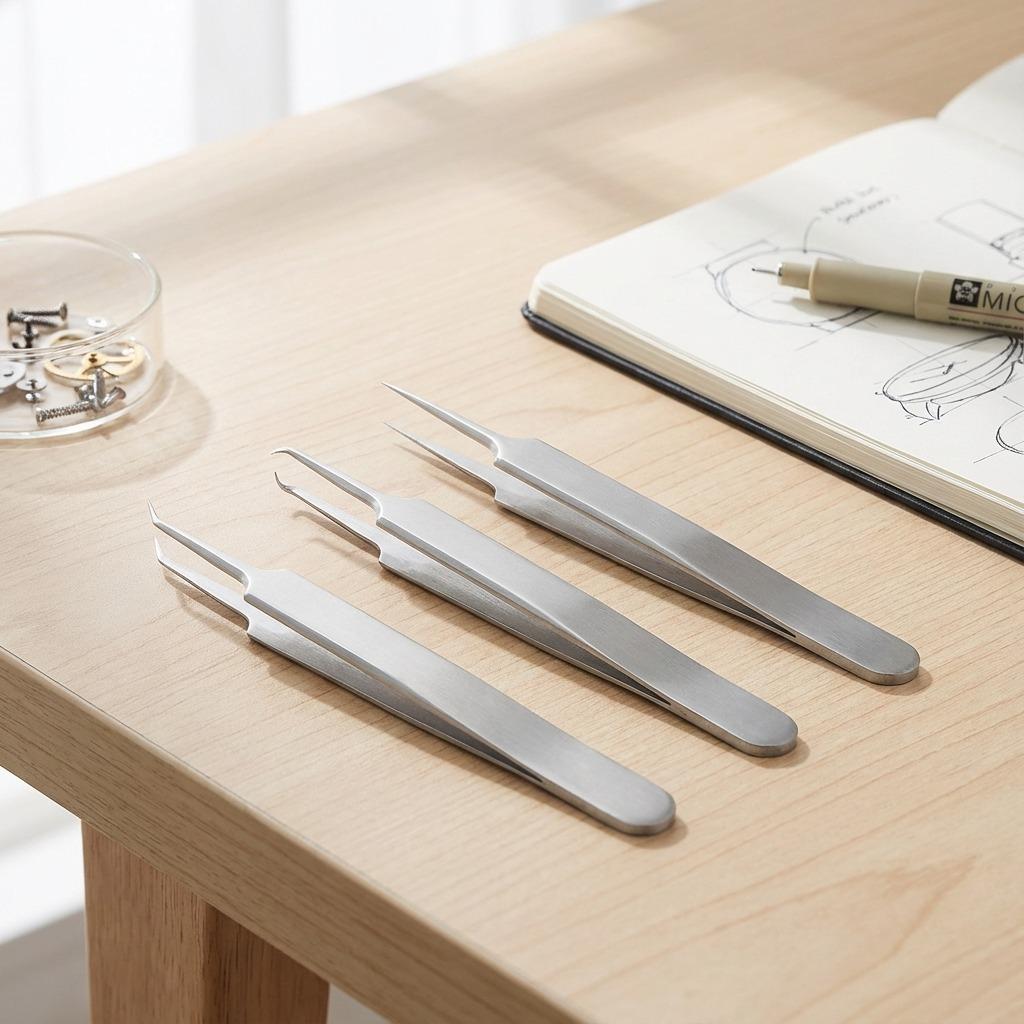
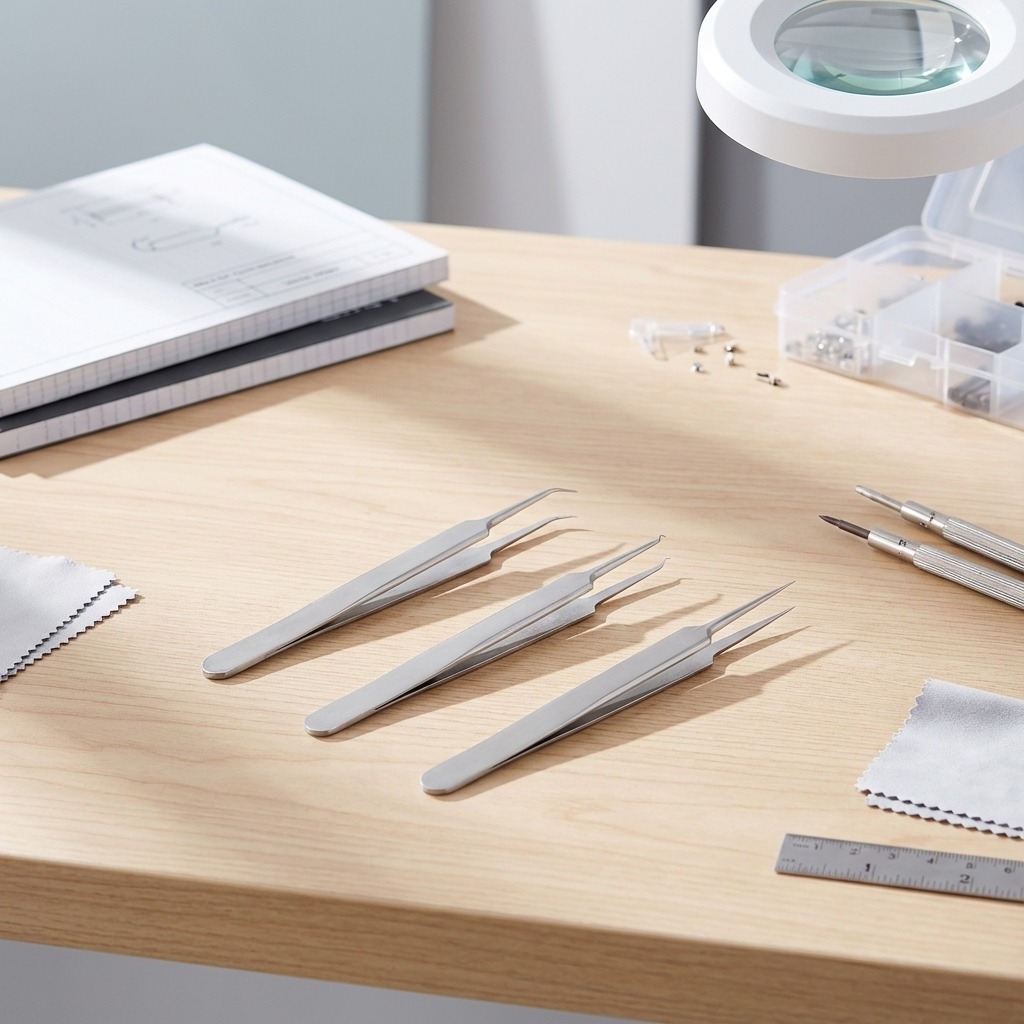
Straight tip tweezers are commonly valued for precise selection and controlled handling. Ultra-fine point tweezers are useful where intricate separation is required, especially when the user needs visibility and accuracy at the tip. Curved tip variants can help with hard-to-reach angles and may reduce awkward wrist positioning during certain volume lash techniques. The best supplier should be able to discuss these differences clearly so buyers are not forced into one generic shape for every task.
Key Tweezer Features to Compare Before Ordering
Professional tweezers should be evaluated as working instruments. A polished look is not enough. The following criteria can help beauty brands and salons judge whether a tweezer is suitable for regular professional use:
- Tip alignment: The tips should meet accurately and consistently, with no visible offset that would affect grip.
- Closing tension: Balanced tension supports control without requiring excessive finger pressure during long sessions.
- Tip shape: Straight, curved, and ultra-fine point designs serve different beauty tasks, so the shape should match the intended workflow.
- Grip area: Non-slip grip options can improve handling, especially when working with precision movements.
- Material choice: The supplied article specifies stainless steel, valued in beauty tools because it is resistant to corrosion and easy to sterilize.
- Weight and balance: Lightweight yet robust construction can reduce strain while maintaining a stable feel.
- Surface finish: Edges and surfaces should feel smooth and controlled, without roughness that affects comfort or cleaning.
- Inspection process: A reliable tweezers supplier should apply quality checks at relevant stages rather than treating inspection as an afterthought.
When reviewing beauty tool products, buyers should request samples or evaluate existing stock against the same checklist. This makes supplier comparison more objective and reduces the risk of choosing a tool based only on a photograph.
Tip Styles and When They Make Sense
Different tip styles support different hand positions and technical tasks. The table below is a simple reference for buyers building a professional tweezer range or planning an OEM assortment.
| Tip type | Best suited for | Buyer consideration |
|---|---|---|
| Straight tip | Precise selection and controlled handling | Check that both tips close evenly from the first contact point. |
| Ultra-fine point | Intricate separation and detail work | Inspect the point carefully, because small alignment issues are more noticeable. |
| Curved tip | Hard-to-reach angles and some volume lash techniques | Test the angle in a real working position, not just by holding it in the hand. |
| Customized grip design | Brand-specific handling preferences | Confirm that the grip improves control without making cleaning more difficult. |
This type of comparison is especially helpful for distributors and beauty brands that want to offer several tweezer options without confusing customers. Instead of selling many similar-looking tools, the assortment can be organized by task: isolation, pickup, angle work, and fine detail.
What Tweezers OEM Services Should Cover
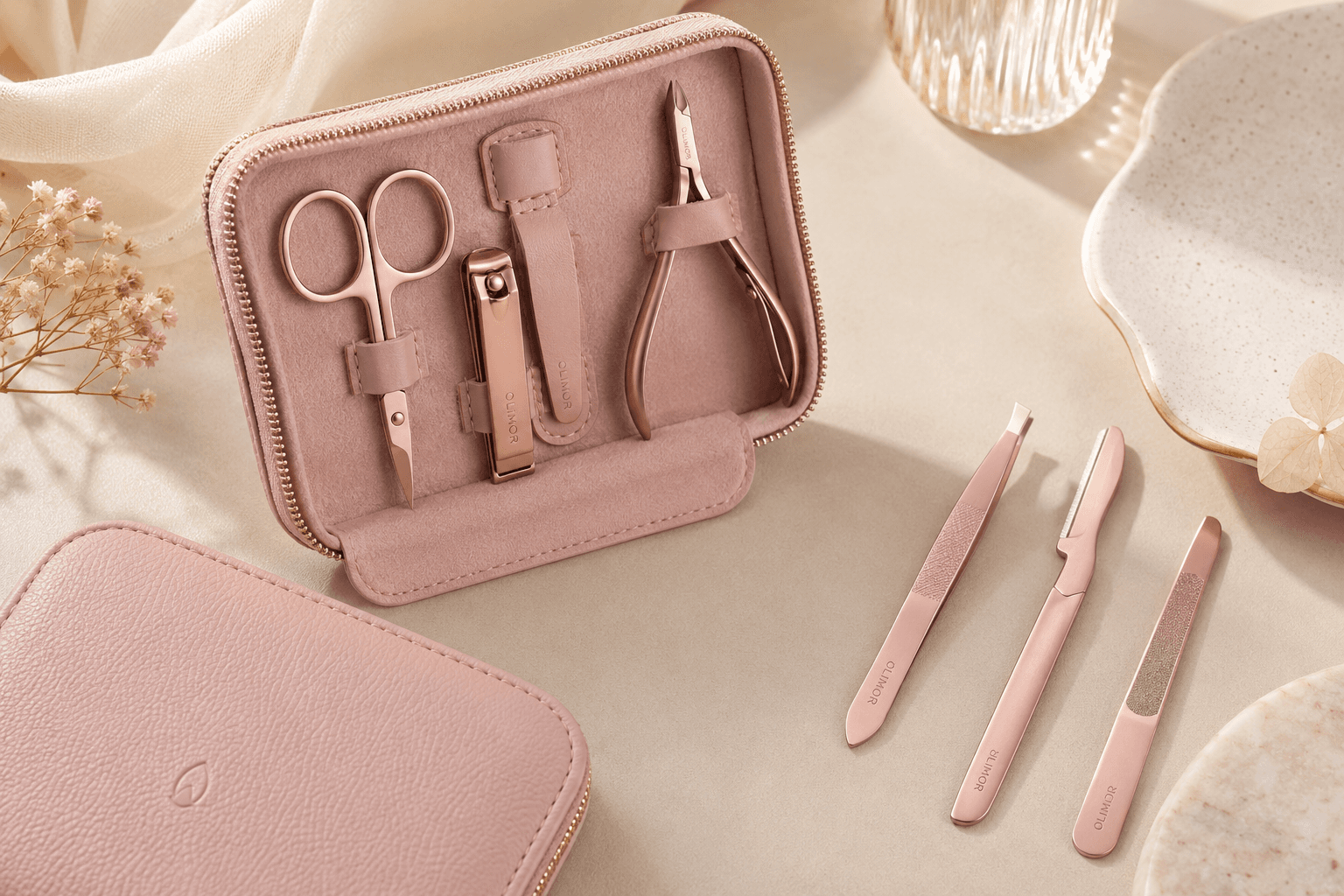
Tweezers OEM services are useful when a brand wants tools tailored to its target customers, packaging direction, or professional technique. Customization can include design discussions around tip type, grip feel, tension preference, and product presentation. Olimor Beauty supports tweezers OEM projects from initial design through final production, based on the supplied product information. For buyers, the important point is to define the custom brief before production begins.
A clear OEM brief should answer practical questions such as: Who will use the tweezers? Are they intended for lash isolation, extension pickup, grooming, or a multi-purpose beauty set? Should the tool prioritize an ultra-fine point or a curved working angle? Does the brand need a non-slip grip feature? What visual direction should the packaging follow? These decisions help the supplier match the tool to the market rather than creating a generic private-label product.
If you are planning to design your own tweezers, consider building your requirements around the user experience instead of decoration first. Color and finish matter for shelf appeal, but the repeat purchase usually depends on whether the tweezer closes smoothly, holds small materials securely, and remains comfortable during repeated use. For early discussions, buyers can review Olimor product collections to understand available beauty tool categories and then prepare a focused customization brief.
Quality Control Questions for Professional Tweezer Sourcing
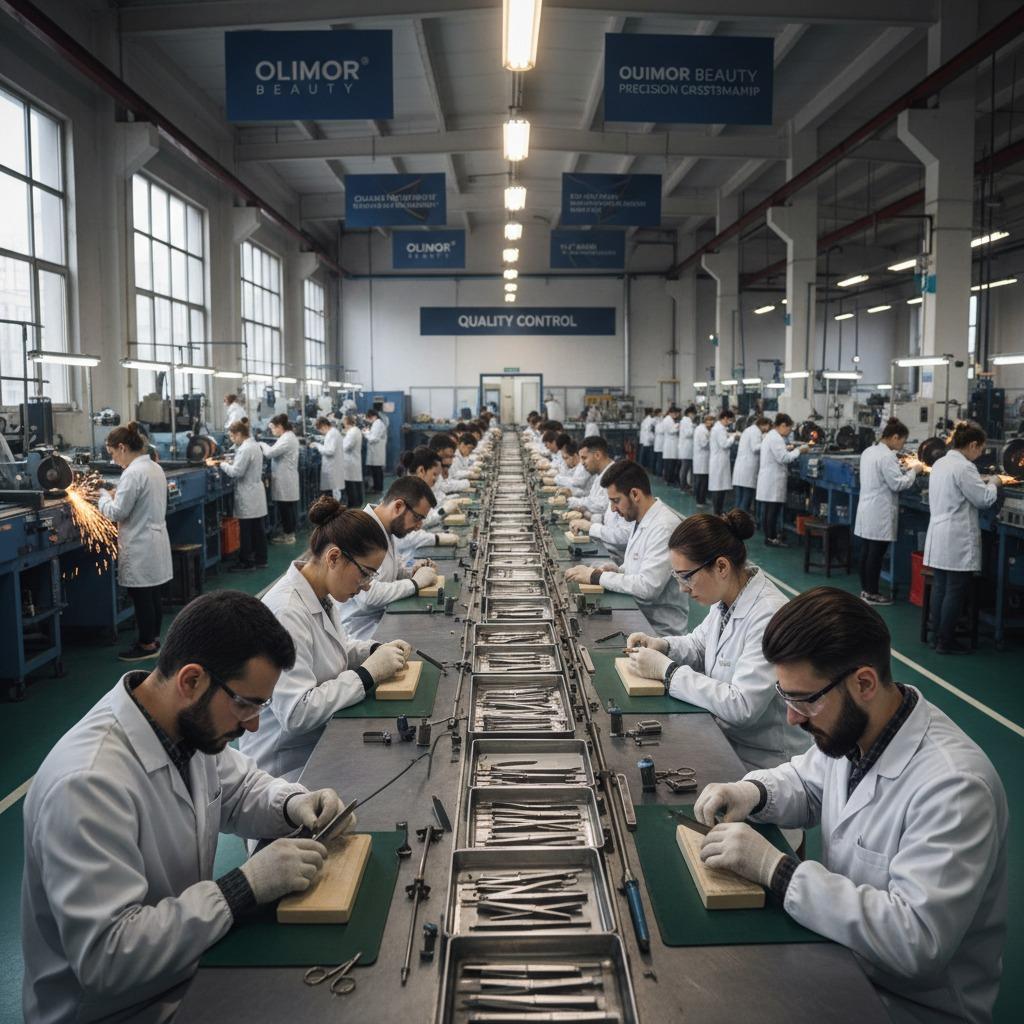
Quality control is where a tweezers supplier proves consistency. A sample that performs well is only the first step; buyers also need confidence that later batches follow the same expectations. The supplied information notes that Olimor Beauty applies stringent quality checks and thorough inspections. From a buyer’s perspective, inspection should focus on both function and finish.
- Check tip closure: Confirm the tips meet evenly and can grip fine materials without slipping.
- Test tension across several pieces: Tension should feel balanced, not overly stiff on one unit and loose on another.
- Review edge comfort: Areas touched by the fingers should not feel sharp or unfinished.
- Inspect surface consistency: The finish should be clean and suitable for professional presentation.
- Consider sterilization needs: Stainless steel is described as easy to sterilize, but the final tool design should also avoid unnecessary dirt-trapping details.
- Evaluate packaging protection: Fine tips need protection during shipping and storage to prevent misalignment.
For beauty salons, these checks protect daily efficiency. For brands and distributors, they protect customer trust. A tweezer is often judged within seconds of first use, so small defects can create immediate dissatisfaction.
Material, Hygiene, and Maintenance Considerations
The original product information identifies premium stainless steel as the material used for Olimor Beauty tweezers, noting resistance to corrosion and ease of sterilization. These qualities are important in beauty environments where tools may be cleaned frequently and handled throughout the day. Still, maintenance practices influence the long-term feel and performance of any tweezer.
Users should clean tools according to appropriate salon hygiene procedures, avoid dropping fine-tip tweezers, and store them with tip protection when possible. Even a high-quality tweezer can lose alignment if the point is bent or pressed against other metal tools in a drawer. For teams, it is helpful to assign tweezers by function and keep backup pieces available, especially for lash services where a single misaligned tip can interrupt work.
Buyers should also think about how the final customer will maintain the tool. If the product is sold in retail packaging, simple care instructions can reduce misuse. If it is sold to professional lash artists, packaging and product descriptions should clearly indicate the intended application and handling recommendations.
How to Prepare a Better Supplier Inquiry
A strong inquiry saves time for both the buyer and the tweezers supplier. Instead of asking only for a general price list, provide a short sourcing brief. Include the intended user, tip style preference, expected application, customization needs, packaging direction, and any inspection priorities. If you have a sample you like, describe what works well and what should be improved.
For example, a lash brand may request curved tip tweezers for hard-to-reach angles with balanced tension and a non-slip grip option. A distributor may want straight tip and ultra-fine point variants to cover different professional tasks. A salon chain may prioritize consistent tension and easy cleaning over decorative elements. These are different sourcing goals, and they lead to different product decisions.
To discuss available tweezer options or OEM customization, you can contact Olimor. If you already have a defined requirement, you may also send an inquiry with your preferred tip type, use case, and customization notes.
Choosing a Supplier for Long-Term Beauty Tool Consistency
The right tweezers supplier should help you choose tools that fit real beauty work: straight tips for precise selection, ultra-fine points for intricate separation, and curved tips for angled lash techniques. For OEM projects, the supplier should support design decisions without losing sight of function, hygiene, and inspection.
Olimor Beauty focuses on professional tweezers and customization options for beauty applications, including stainless steel construction, ergonomic considerations, balanced tension, and quality checks. For buyers, the best result comes from pairing that production support with a clear brief and practical sample evaluation. When tool shape, material, grip, and inspection are aligned with the intended user, tweezers become more than a simple accessory: they become a dependable part of professional beauty work.
Tag: