How to Choose a Wholesale Tweezers Exporter for Retail and Private Label Supply
Tweezers look simple, but buyers know that small differences in tip alignment, grip comfort, finish consistency and packaging can decide whether a product earns repeat orders or becomes a return risk. For retailers, distributors, beauty brands and sourcing teams, the goal is not only to find a low unit price. The goal is to select tweezers that feel precise in the hand, hold their alignment through normal use and match the presentation expected by your target customers.
Olimor Beauty supplies beauty tools for buyers who need dependable grooming products, including wholesale tweezers and OEM/ODM tweezer solutions. This guide explains how to evaluate tweezers for commercial sourcing, what to clarify before production, and how to build a product range that suits everyday grooming, brow shaping, travel kits or branded retail sets.
Why Tweezers Quality Matters in Beauty Tool Sourcing
In a store display or online listing, tweezers may appear to be a straightforward accessory. In use, however, customers immediately notice whether the tips meet cleanly, whether the body slips, and whether the tool can pick up fine hairs without repeated squeezing. A poorly finished tweezer can damage trust in a beauty brand even if it is sold as a small add-on item.
When comparing suppliers, buyers should focus on the practical user experience. A good tweezer should close evenly, provide controlled tension and feel comfortable for short, precise movements. Stainless steel construction, ergonomic forms and strict internal quality checks are important because they support consistent handling across larger wholesale orders. If your customers include salons, brow technicians or detail-focused retail shoppers, these details become even more important.
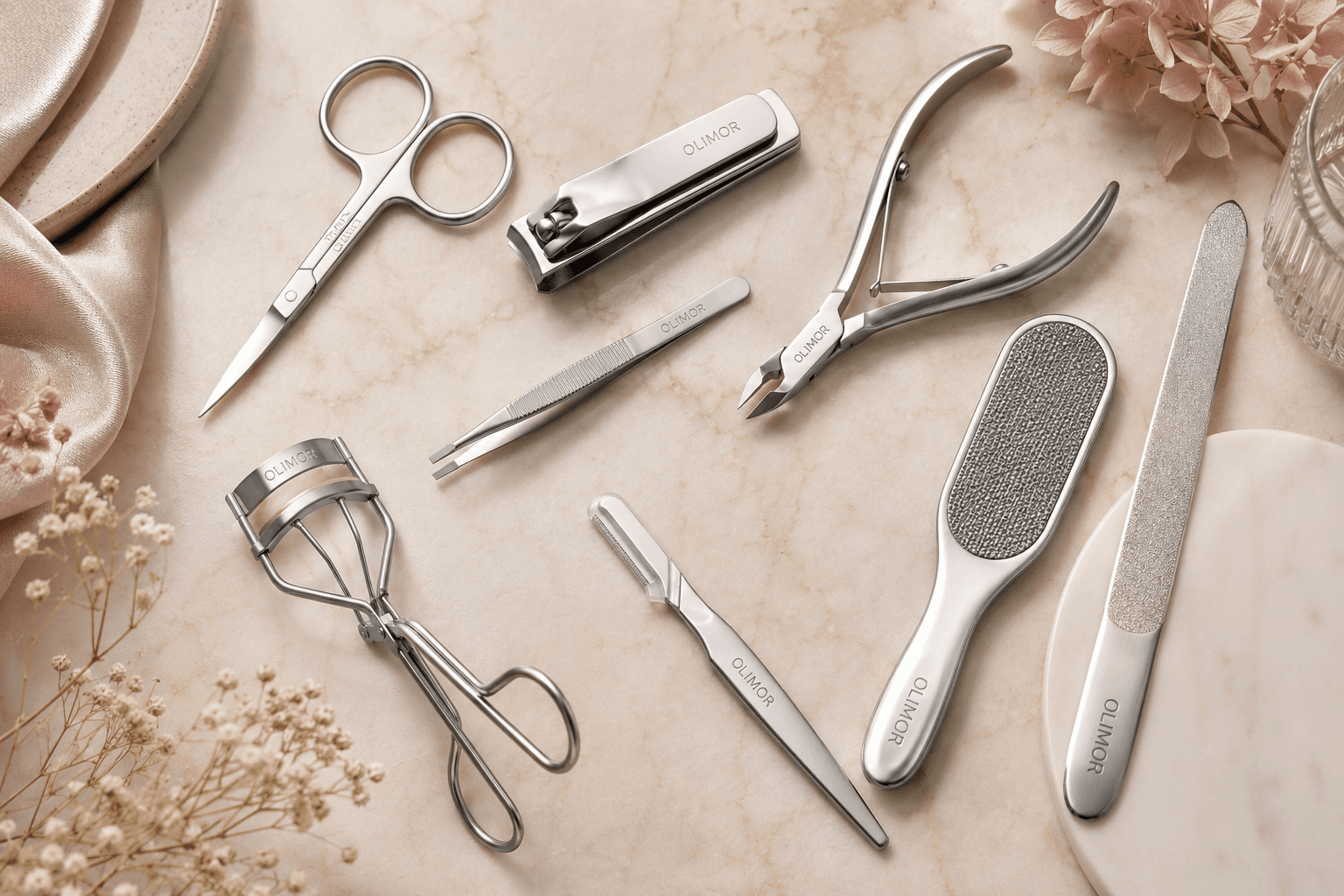
For a broader view of available categories, buyers can review Olimor beauty tool products and compare how tweezers may fit beside other grooming, skincare or personal care accessories.
Key Features to Evaluate Before Ordering Wholesale Tweezers
A sourcing decision should be based on more than a product photo. The following checklist helps purchasing teams evaluate whether a tweezer design is appropriate for the intended selling channel.
- Tip alignment: The two tips should meet evenly. Misalignment reduces grip and makes fine hair removal frustrating.
- Tip style: Slanted tips are often preferred for eyebrow shaping and general grooming, while pointed or specialty tips may suit more detailed tasks depending on the range you are building.
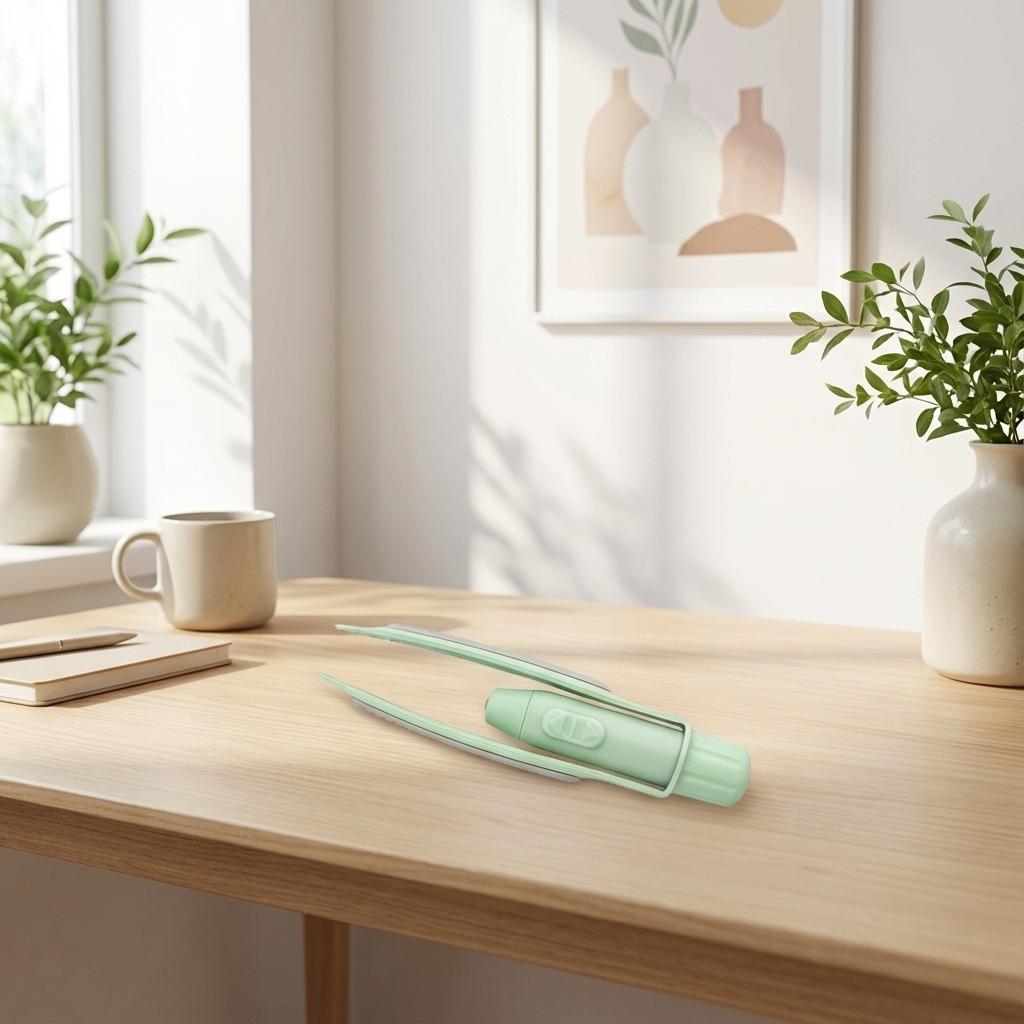
- Grip comfort: Ergonomic shaping, gentle ridges or textured areas can help users hold the tool securely without squeezing too hard.
- Tension: Tweezers should close with enough spring for precision but not require excessive force, especially for repeated use.
- Surface finish: The finish should be smooth, clean and consistent, with no rough edges that could affect comfort or perceived quality.
- Cleaning design: Designs with cleaning-friendly features can appeal to hygiene-conscious buyers, especially when the product is promoted for regular grooming routines.
- Packaging fit: Retail packaging should protect the tips, explain the intended use and support the visual positioning of your brand.
For importers and private-label buyers, these checks help prevent a common mistake: treating tweezers as a commodity item. Even when the product is compact, user dissatisfaction can spread quickly through reviews if the tool does not grip reliably.
OEM/ODM Tweezers: What Can Be Customized?
OEM/ODM tweezer projects are useful for beauty brands that want a more coherent product line. Instead of purchasing a generic grooming tool and placing it into unrelated packaging, buyers can develop tweezers that match a brand’s color direction, retail positioning and usage message.
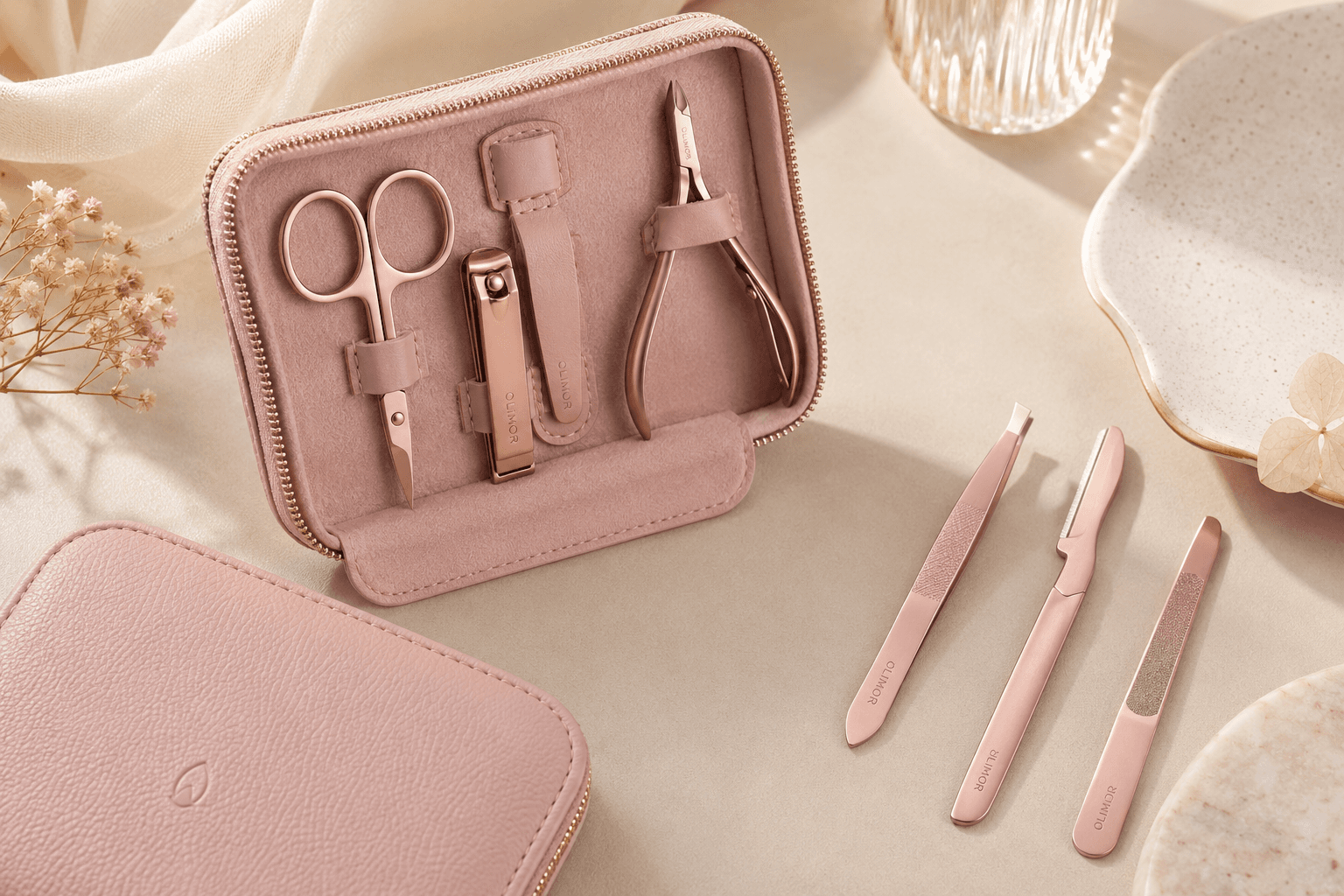
Customization can involve practical and visual decisions. Buyers may want to align the tweezer finish with a collection theme, create a grip area that supports better control, or select packaging that presents the product as a brow-care tool, travel essential or salon accessory. The original design direction should always be balanced with manufacturability and quality control. Highly decorative features are less valuable if they interfere with closing tension, tip precision or comfortable handling.
Before confirming an OEM/ODM project, prepare a clear brief. Useful information includes the target retail channel, expected customer group, preferred appearance, packaging requirements, usage scenario and any competitor references that define the desired quality level. If you are unsure which approach fits your market, you can contact Olimor with a sourcing brief and compare practical options.
Matching Tweezer Types to Customer Use Cases
Different customers buy tweezers for different reasons. A distributor may want a cost-effective product for high-volume retail, while a cosmetics brand may need a premium-feeling accessory for a branded brow kit. Matching the product to the use case helps avoid overdesigning a basic item or underspecifying a product that must feel more refined.
| Buyer Goal | Recommended Focus | Why It Matters |
|---|---|---|
| Everyday retail grooming | Reliable tip alignment, comfortable grip, protective packaging | Supports broad customer use and reduces complaints about poor grip. |
| Private-label beauty brand | Consistent finish, brand-matched packaging, clear usage positioning | Creates a product that feels connected to the brand rather than a generic add-on. |
| Salon or brow-focused range | Precise closing action, controlled tension, clean surface finish | Professional users need repeatable performance for detail work. |
| Travel or gift sets | Compact presentation, protected tips, coordinated colors | Improves perceived value and protects the tool in bags or kits. |
This type of planning also helps with assortment building. A retailer may carry one core wholesale tweezer for daily grooming and a second option with a more polished presentation for giftable sets. A brand may pair tweezers with other grooming accessories from Olimor product collections to create a more complete retail story.
Quality Control Questions for a Tweezers Manufacturer
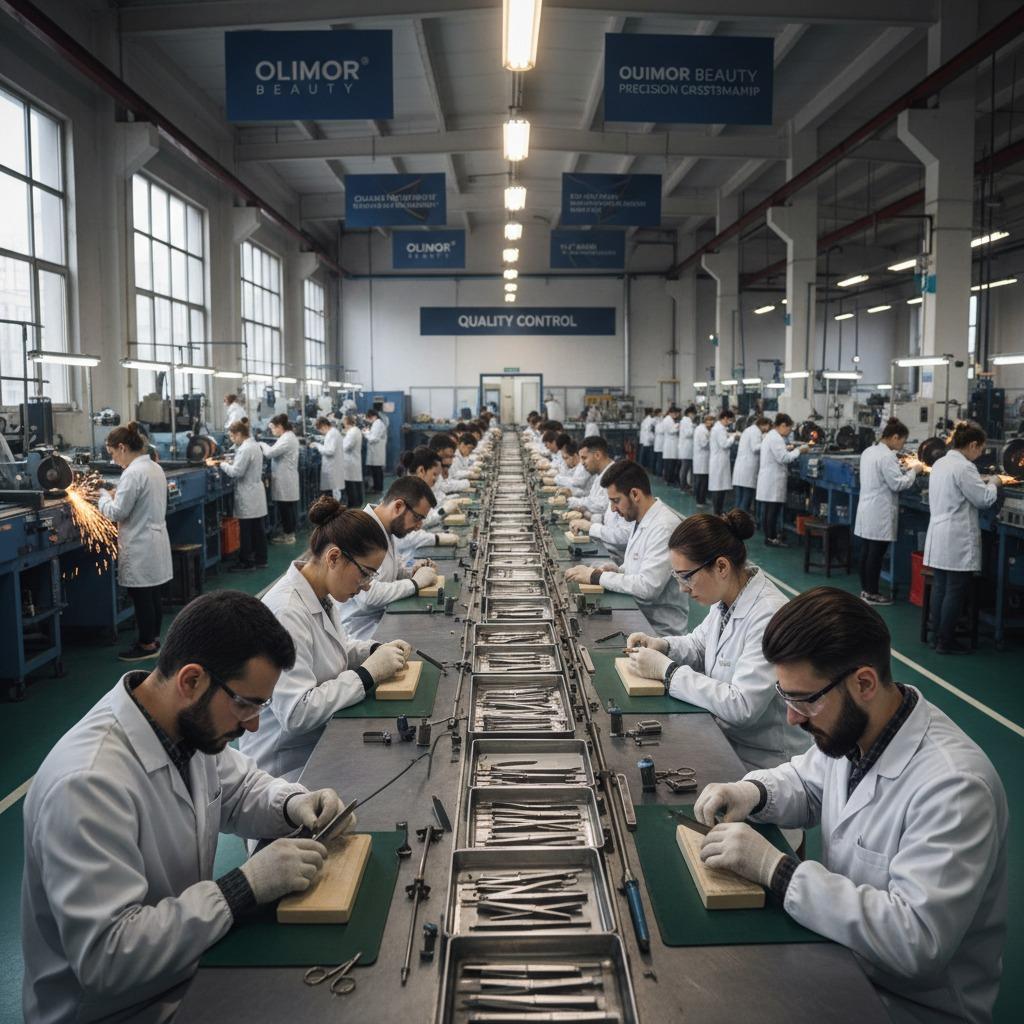
Quality control is especially important for tweezers because the most critical features are small and easy to overlook in photos. Olimor Beauty emphasizes precise manufacturing steps and internal inspection from material handling through final packaging. Buyers should still define what matters for their order so the evaluation criteria are clear.
Helpful quality questions include: How is tip alignment checked? What visual defects are not acceptable? How should the tool feel when opened and closed? Is the grip area smooth and comfortable? How will the tips be protected during shipping and retail handling? What packaging layout best prevents movement inside the box or card? These questions create a practical standard that can be applied during sampling, order approval and final inspection.
For private-label projects, a signed-off sample is especially valuable. It becomes the reference for color, finish, tension, packaging and overall presentation. If a later shipment varies from the approved sample, the difference is easier to discuss because both sides are working from a concrete benchmark.
Balancing Price and Long-Term Value
Many buyers search for the cheapest wholesale tweezers, but price should be evaluated in relation to the total selling plan. A very low-cost product that loses alignment, feels rough or arrives in weak packaging can increase return rates and damage customer reviews. A slightly better-specified tweezer may support higher sell-through, better ratings and stronger brand confidence.
Cost control is still important. To manage it intelligently, decide which features truly influence the customer experience. Tip precision, comfortable handling and packaging protection usually deserve priority. Decorative extras, complex color effects or unusual shapes should be considered only if they support the product’s positioning and do not create unnecessary production risk.
Wholesale buyers can also reduce sourcing confusion by organizing requirements into three levels: essential, preferred and optional. Essential items are non-negotiable, such as acceptable tip alignment and safe packaging. Preferred items may include a specific finish or grip detail. Optional items can be adjusted if they add cost without improving the user experience.
Preparing a Clear Inquiry for Olimor Beauty
A clear inquiry helps move a project from general interest to workable quotation and sampling discussion. Whether you are buying standard wholesale tweezers or exploring OEM/ODM customization, include the intended market, product positioning, packaging needs and any functional concerns. If you already have artwork, reference images or a target retail format, include them in the first communication.
Useful inquiry details include the type of tweezer needed, desired finish or color direction, packaging format, branding requirements, expected sales channel and any inspection points that are important to your team. You do not need to have every detail finalized before starting the conversation, but a structured brief helps identify the right product path faster.
To begin a sourcing discussion, you can send an inquiry to Olimor Beauty. For retailers and beauty brands, a well-chosen tweezer can be a compact but meaningful part of a grooming range: easy to merchandise, practical for daily use and capable of reinforcing customer trust when the details are handled correctly.
Tag: