Wholesale Salon Supplies Buyer Guide for Manicure, Pedicure and Spa Tools
Wholesale salon supplies should be selected by service fit, handling comfort, cleaning workflow, reorder reliability and supplier communication. For salons, spas, nail studios and beauty distributors, the best purchasing decision is not simply the lowest unit price. It is a tool assortment that technicians can use consistently, that supports professional hygiene routines, and that can be reordered without disrupting service operations.
Olimor Beauty supplies professional beauty tools for salon and spa use, including manicure tools, spa tools and metallic foot files. This guide focuses on how B2B buyers can evaluate those categories before placing a wholesale order. It covers service mapping, tool comparison, quality checks, cost factors, problem solving and supplier evaluation, so purchasing teams can build a more dependable salon supply program.
Start With One Buying Question: What Services Must These Tools Support?
Before comparing product photos or asking for a catalog, define the services the tools must support. A nail studio focused on express manicures needs a different assortment from a spa offering extended pedicure and foot-smoothing treatments. A distributor serving multiple salons may need a balanced product range that is easy to explain and reorder. A multi-location salon may prioritize standardization so staff can deliver similar services across locations.
A practical wholesale list can be divided into three groups. Core tools are used in routine services and should be easy to train, clean and replace. Supporting tools are used for specific treatment steps or technician preferences. Replacement tools are items that wear, lose effectiveness, become visually unsuitable for client-facing use, or need to be rotated according to the salon’s internal hygiene policy.
- Manicure services: focus on controlled handling, clean working surfaces and tools that suit detailed nail preparation.
- Pedicure services: focus on metallic foot files, foot rasps and implements that allow gradual, controlled smoothing.
- Spa treatments: focus on tools that support calm, repeatable preparation, application and finishing steps.
- Retail or resale programs: focus on consistent appearance, packaging suitability and simple product explanation.
- Multi-location operations: focus on repeatable specifications, reorder clarity and staff training consistency.
This service-first approach reduces overbuying. A broad wholesale assortment can be useful, but only if each item has a clear role in the treatment menu or resale plan.
How to Choose Manicure Tools Wholesale
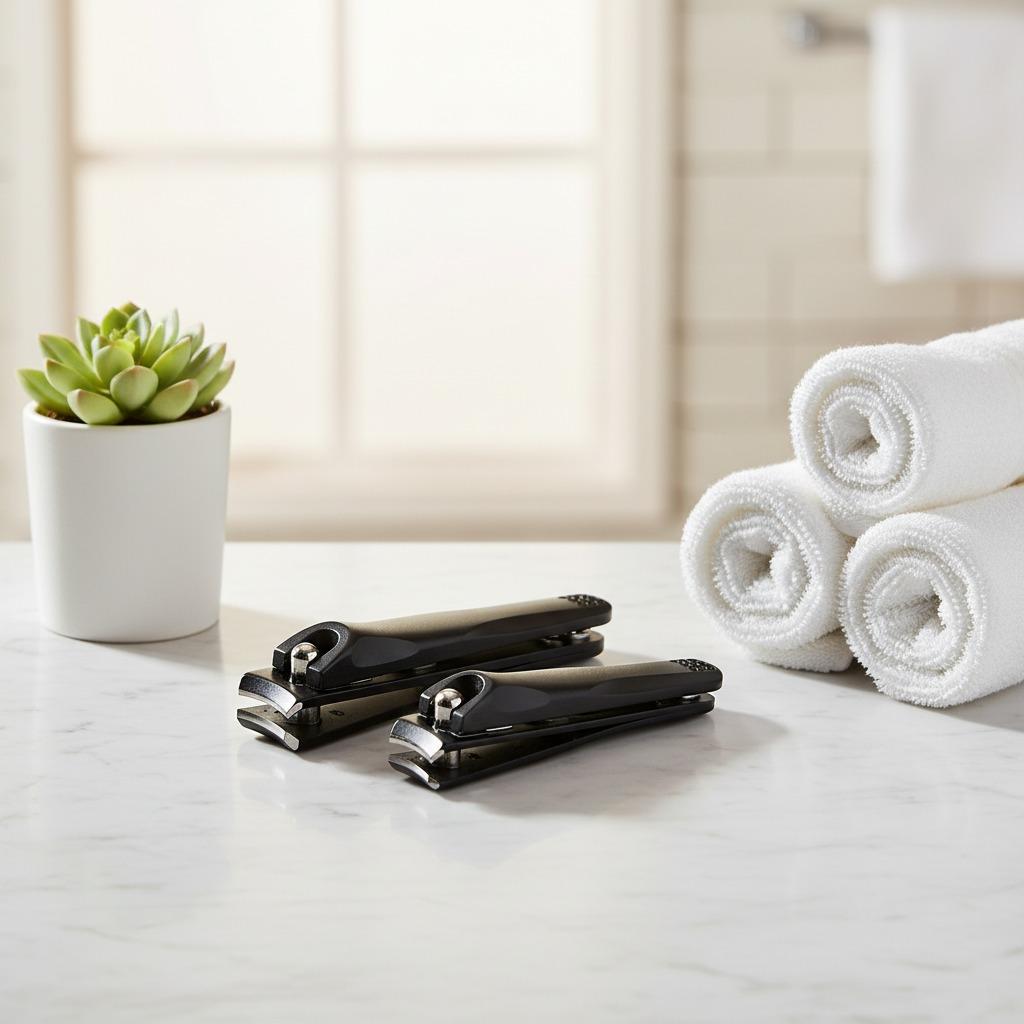
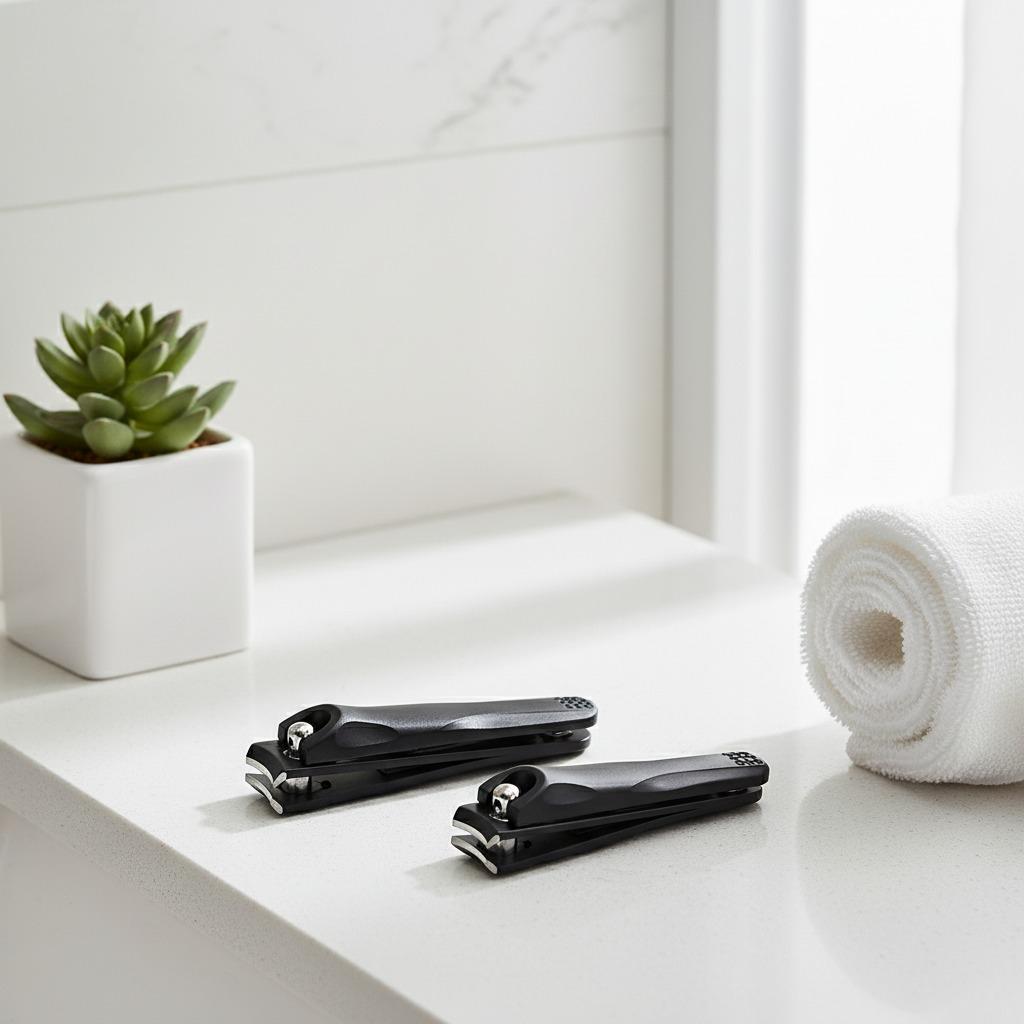
When sourcing manicure tools wholesale, consistency matters more than novelty. Professional nail technicians need tools that feel predictable during repeated appointments. Small differences in balance, finish, grip or working edge can affect comfort and service speed, especially when the same tool type is used throughout the day.
Buyers should first identify the intended use of each manicure tool. Is it for preparation, shaping, cleaning, finishing or aftercare? If two tools appear to perform a similar function, compare them by handling comfort, ease of cleaning, durability expectations and how easily they can be explained during staff training. A tool that works well for one experienced technician may not be the best standard choice for a larger team if it requires special handling that is difficult to repeat.
Practical checks before scaling a manicure tool order
- Hold the tool as it would be used during a real service, not only as it appears in a display tray.
- Check whether the working area is suitable for the salon’s normal preparation and finishing steps.
- Review whether the surface finish and edges appear consistent across sample units.
- Ask technicians whether the tool remains comfortable during several repeated uses.
- Confirm that the item fits your cleaning, drying, storage and replacement routine.
For distributors, assortment clarity is also important. Carrying too many overlapping manicure tools can make purchasing harder for salon customers. A focused range that separates preparation, shaping and finishing tools can be easier to present and easier to reorder.
Metallic Foot Files and Foot Rasps: What Professional Buyers Should Compare
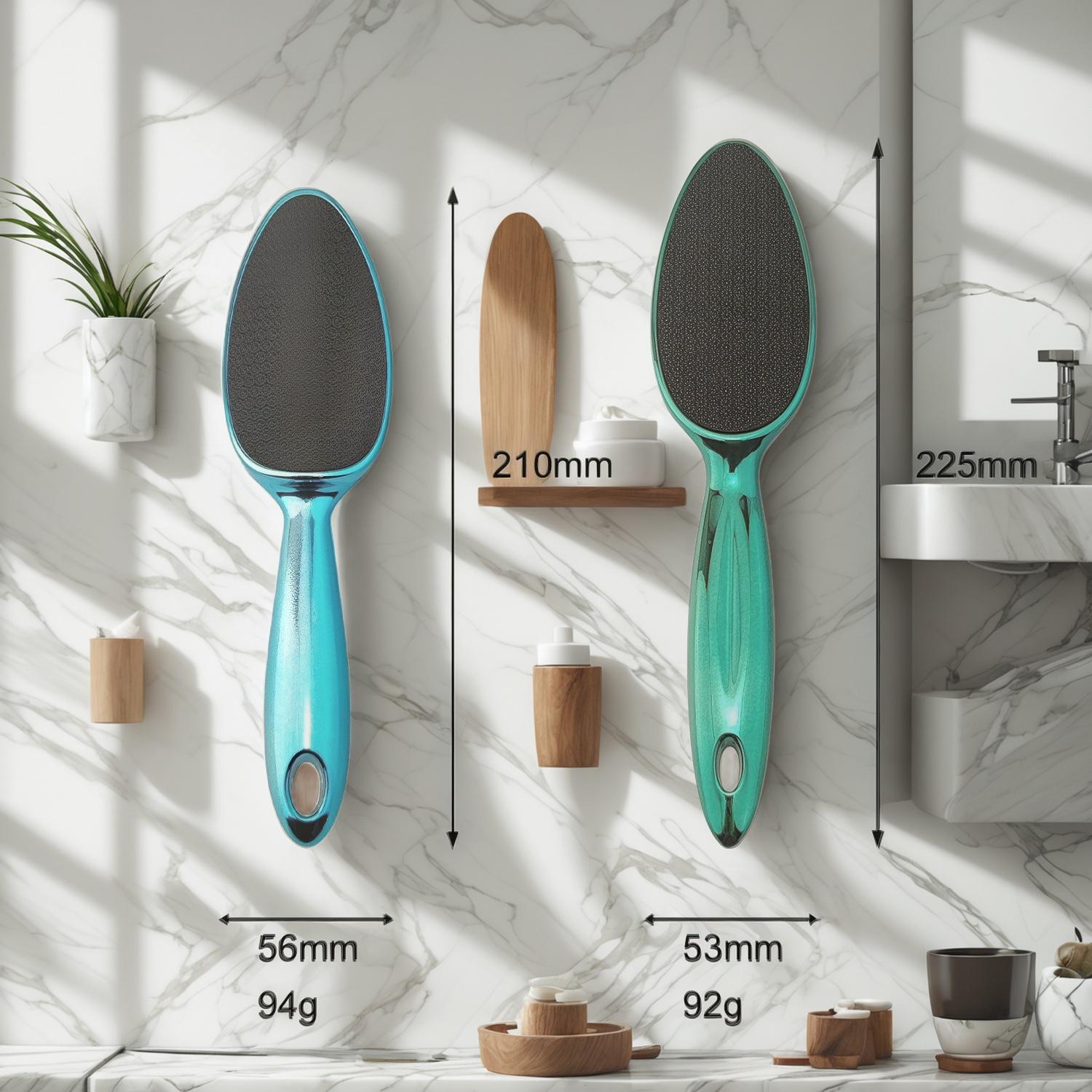
Metallic foot files are commonly chosen for pedicure services because they are designed for controlled smoothing and repeated professional handling. When comparing metallic foot files or evaluating a foot rasps supplier, focus on the working surface, handle design, cleaning process, finish consistency and expected replacement planning. Avoid selecting foot care tools only by how aggressive the surface appears. In professional pedicure work, control and consistency are more useful than unnecessary roughness.
The right foot file should allow technicians to work gradually. It should feel stable in the hand, support controlled pressure and fit the salon’s pedicure sequence. Handle comfort matters because foot care tools may be used repeatedly during busy service periods. A poorly balanced file can slow the service and increase technician fatigue, even if the surface looks acceptable.
| Selection factor | Why it matters | Buyer action |
|---|---|---|
| Working surface | Influences smoothing control and service consistency | Match texture and design to the salon’s pedicure method |
| Handle design | Affects grip, pressure control and technician comfort | Ask users to test handling during actual service movements |
| Surface finish | Impacts client-facing presentation and cleaning confidence | Inspect appearance, edges and consistency across units |
| Cleaning fit | Supports the salon’s hygiene workflow | Confirm the item can be cleaned and stored according to internal procedures |
| Replacement planning | Helps control cost and avoid service disruption | Track performance over repeated use before ordering larger quantities |
If a new foot file is being introduced, gather feedback from the technicians who perform pedicures most often. Their comments on grip, pressure control, cleaning convenience and service rhythm are more valuable than general product descriptions alone.
Choosing Spa Tools Wholesale for Repeatable Treatments
Spa tools wholesale purchasing should support organized, repeatable treatments. In a spa environment, tools are part of the service rhythm. A product that is awkward to handle, difficult to store or inconsistent across units can interrupt the calm flow that clients expect.
A useful method is to map tools to the treatment sequence. Identify what is used before the main service, what is used during the treatment, and what is used for finishing or aftercare. Then decide whether each tool should be assigned to a room, shared between technicians, rotated through a cleaning station or replaced on a regular schedule.
Storage should be considered before purchasing. Spa tools may move between treatment rooms, preparation areas, cleaning stations and cabinets. Shapes that are easy to organize can reduce clutter and make room setup faster. If tools are shared, they should be easy for staff to identify and return to the correct location after cleaning.
Cost Factors Beyond the Unit Price
Wholesale buying often starts with unit price, but professional buyers should evaluate total working cost. A cheaper tool may cost more if it is uncomfortable, wears quickly, creates inconsistent service results or causes staff to avoid using it. A higher-priced item may not be justified if it overlaps with existing tools and does not solve a specific service need.
Important cost factors include replacement frequency, technician acceptance, cleaning time, storage efficiency, order consolidation and the ability to reorder the same or comparable items. For distributors, cost also includes the effort needed to explain product differences to customers. A clear product range can reduce customer confusion and improve repeat purchasing.
- Replacement cost: how often the tool must be rotated out of active use.
- Training cost: how easy it is for multiple technicians to use the tool consistently.
- Cleaning cost: whether the tool fits the salon’s existing cleaning and storage process.
- Assortment cost: whether similar products create unnecessary inventory complexity.
- Reorder cost: how much time is spent identifying, confirming and replenishing the same category.
For a practical comparison, test a small selection first when possible. Record technician comments and track how tools perform in real services before expanding the order.
Quality Checks for Incoming Wholesale Salon Supplies
Quality in professional beauty tools comes from design suitability, manufacturing consistency, inspection and correct use. Olimor Beauty focuses on precision and quality checks for professional tools. For salon buyers, that should be matched with an internal receiving process so unsuitable items are identified before they enter treatment rooms.
Incoming inspection does not need to be complicated. It should confirm that the order matches the selected product, the quantity is correct, the finish is suitable for professional presentation and the tools appear consistent across units. Functional checks should be performed by staff who understand the service steps. A tool that looks acceptable on a purchasing desk may feel different during manicure, pedicure or spa work.
Receiving checklist for salons and distributors
- Confirm product category, style and quantity against the order.
- Inspect visible finish, edges, working surfaces and overall appearance.
- Check for consistency across multiple units in the same shipment.
- Verify that tools fit the salon’s cleaning, drying and storage process.
- Separate any questionable items for review before they are used in service.
- Record technician feedback during the first service trials.
Professional hygiene requirements vary by location and service type. Salons should follow current local rules and verify guidance from applicable public bodies, such as state cosmetology boards or local health departments. Where disinfectants are used, confirm current label directions and requirements from the relevant regulator, such as the U.S. Environmental Protection Agency for EPA-registered disinfectant products. Buyers should always verify current versions of rules and supplier documents rather than relying on assumptions.
How to Evaluate a Wholesale Salon Supplies Supplier
A supplier should help professional buyers understand product categories, intended applications and repeat ordering options. Good supplier evaluation goes beyond asking for the lowest price. It includes communication clarity, product consistency, inspection approach, sample availability, packaging suitability and whether the supplier understands the difference between manicure, pedicure, spa and resale use.
When contacting a supplier, provide a concise buying brief. Include the categories needed, the service environment, whether the goods are for salon operation or distribution, and any customization or packaging questions. A clear brief helps the supplier recommend relevant options instead of sending a broad list of unrelated items.
- Define the use case. Identify manicure, pedicure, spa, retail or distributor requirements.
- Request category clarity. Ask which tools are intended for each service step.
- Discuss inspection and consistency. Ask how product appearance and functional consistency are reviewed.
- Test before scaling. Use samples or smaller trial orders when available.
- Plan reorders. Confirm how future replenishment and product identification will be handled.
Professional buyers can review broader beauty tool products or compare available product collections before preparing a wholesale inquiry. This makes it easier to organize questions by category and service need.
Common Problems and How to Prevent Them
Many wholesale supply problems begin with unclear specifications. A salon may order a tool because it appears suitable online, only to find that staff prefer a different grip or that the item does not fit the cleaning station. A distributor may carry too many similar tools, making it difficult for customers to understand which option fits their service menu.
To prevent these issues, connect purchasing decisions to real service steps. If technicians complain about fatigue, review handle comfort and service movement. If replacement costs seem high, track how often tools are removed from use and why. If inventory becomes cluttered, separate core items from supporting items and remove unnecessary overlap.
Another common problem is weak reorder control. Salons should keep a simple record of which tools are in active use, which are reserved and which are ready for replacement. Distributors should organize products by service category so customers can reorder without confusion. Clear naming, product grouping and internal notes can reduce errors.
When to Contact Olimor Beauty
Contact Olimor Beauty when you are building a wholesale salon supplies program, comparing manicure tools wholesale, evaluating spa tools wholesale or looking for metallic foot files and foot rasps for professional pedicure use. The most helpful inquiries include the product categories needed, the intended service environment, whether the products are for salon operation or resale, and any customization or packaging questions.
You can contact Olimor Beauty for general communication or send a product inquiry when you are ready to discuss wholesale salon supplies in more detail. A focused inquiry helps match products to real service needs and supports a more efficient purchasing conversation.
FAQ for Wholesale Salon Supply Buyers
Can salons request samples before a larger wholesale order?
Sample availability depends on the product and inquiry details. Buyers should explain the tool category, service use and evaluation purpose when asking about samples so the discussion is practical.
Is there a minimum order quantity for manicure tools, spa tools or foot files?
MOQ can vary by product, packaging and customization needs. Confirm current requirements directly with Olimor Beauty during the inquiry process rather than assuming one quantity applies to every item.
Can wholesale salon supplies be customized?
Customization may depend on the product type and order requirements. If customization is important, include the intended use, branding needs, packaging expectations and target category in your inquiry.
How should buyers discuss quality before ordering?
Ask about product category, intended use, finish consistency, inspection approach and suitability for your cleaning and storage workflow. Then evaluate samples or a smaller order in real service conditions when possible.
How should lead time be confirmed?
Lead time can depend on product availability, order size, customization and shipping arrangements. Buyers should confirm current timing and documents directly with the supplier before planning launch dates or replenishment schedules.
Tag: