How to Evaluate a Nail Clipper Factory for Wholesale and OEM Supply
Choosing a nail clipper factory is not only about finding a low unit price. For retailers, distributors, private label brands and grooming kit suppliers, the more important question is whether the factory can produce a nail clipper that feels precise in the hand, trims cleanly, holds up through repeated use and arrives with consistent packaging. A small beauty tool can create a large impression on the customer, especially when it is used often and expected to perform without effort.
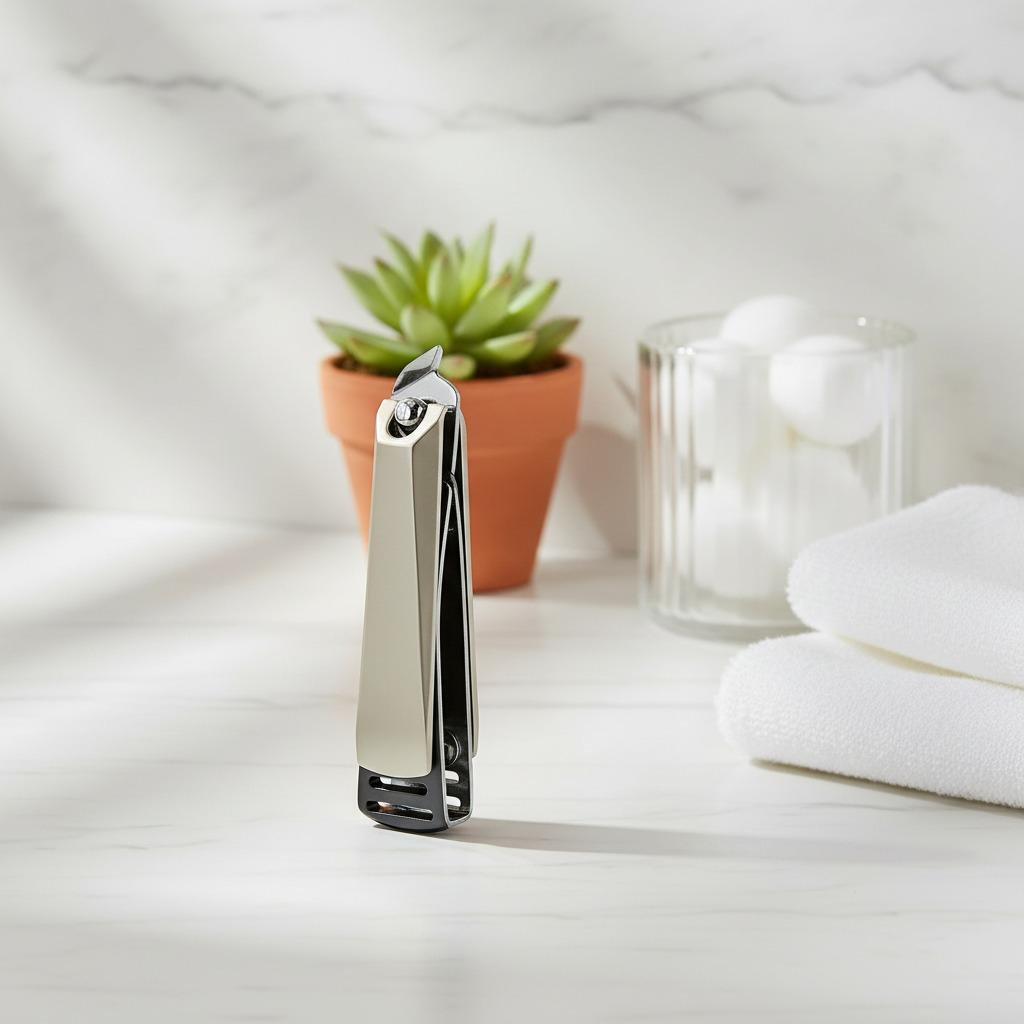
Olimor Beauty works in the beauty-tools category with nail clippers designed for practical grooming use. The existing nail clipper referenced on this page is a compact 70mm x 15mm tool weighing about 30g, with ergonomic grips, sharp contoured blades and a metallic finish designed to resist corrosion. Those details matter because buyers often compare nail clippers on appearance first, but end users judge them by grip comfort, trimming control, edge alignment and durability.
This guide explains how to evaluate nail clipper production from a sourcing point of view, including product design, material considerations, OEM options, inspection expectations and order planning. If you are comparing grooming accessories for resale, you can also browse Olimor beauty tool products to understand how nail clippers may fit alongside other personal care items.
What Makes a Nail Clipper Factory Worth Comparing?
A capable nail clipper factory should be evaluated on the full production path, not only on the final sample placed on a desk. Nail clippers depend on small tolerances. The lever should press smoothly, the cutting edges should meet evenly, the jaws should open with enough space for practical use and the body should not feel flimsy. Even a visually attractive clipper can disappoint if the blade alignment is inconsistent or the lever requires too much force.
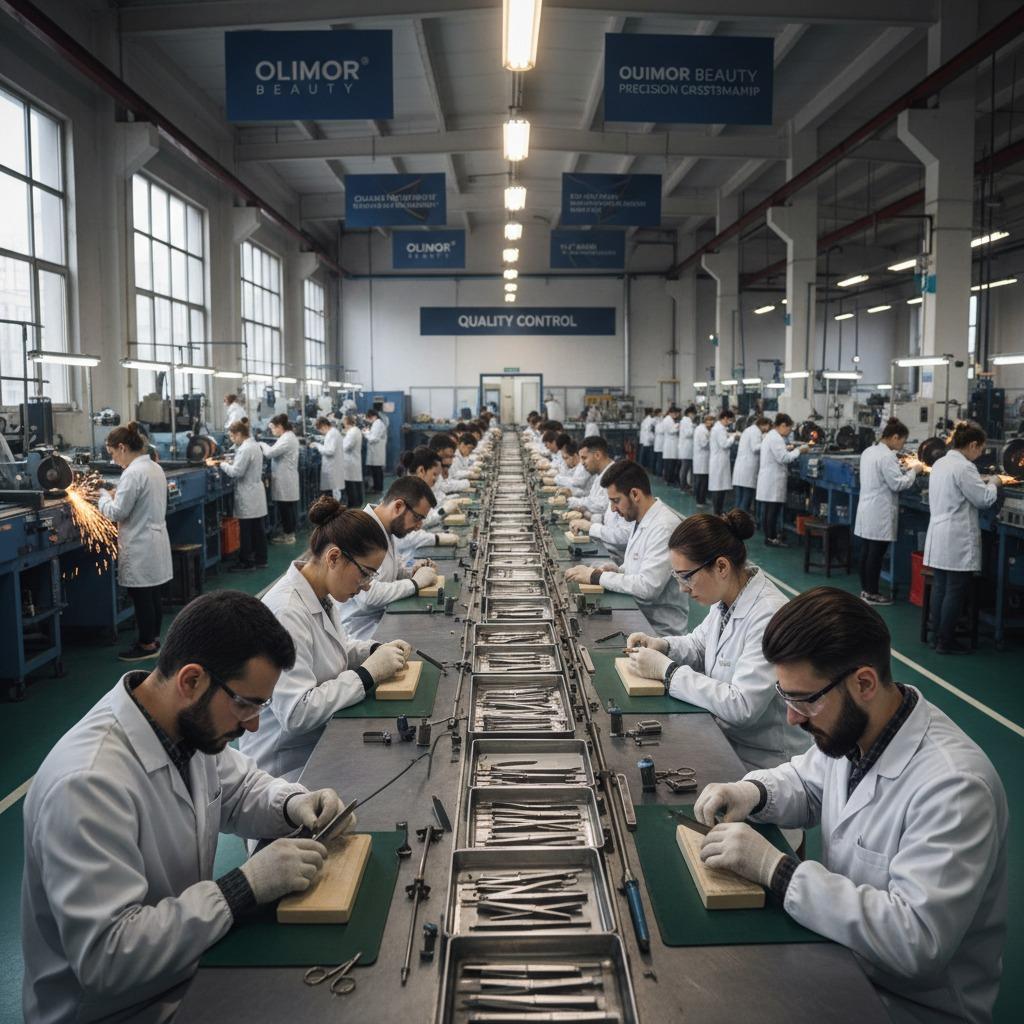
For wholesale buyers, consistency is especially important. One good sample does not guarantee stable bulk supply. When reviewing a factory, pay attention to how the team explains raw material selection, stamping or shaping, polishing, assembly, finish control and packing. The clearer the process, the easier it is to identify where quality is managed. Olimor Beauty’s nail clipper positioning focuses on precision, ergonomic handling, corrosion-resistant metallic finishing and inspection before packaging, all of which are relevant to buyers who need repeatable results.
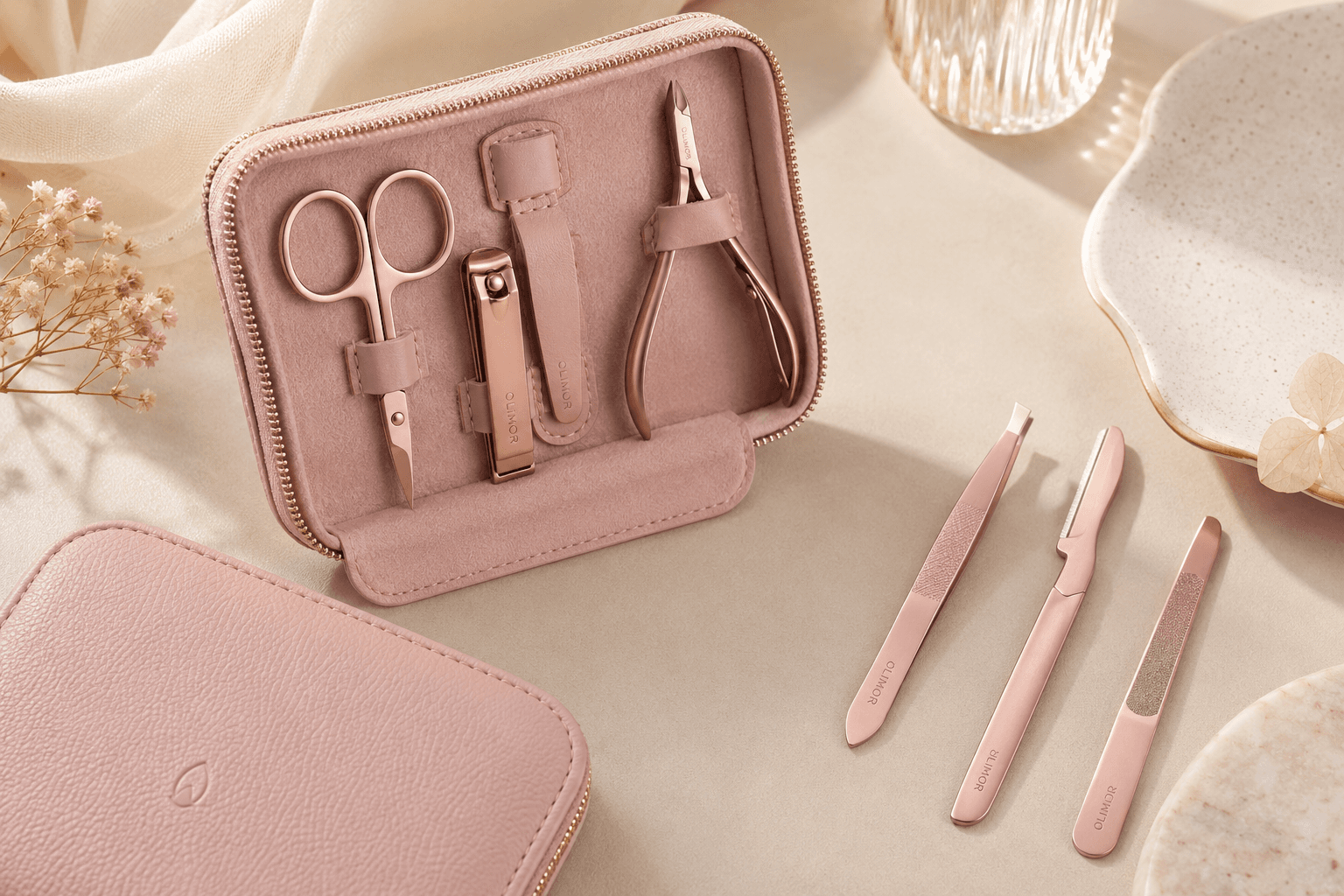
It is also useful to consider the product’s target environment. A nail clipper sold as a travel item may need compact dimensions and secure retail packaging. A grooming kit clipper may need to match the finish of other tools. A professional or salon-oriented assortment may place more emphasis on blade feel and easy cleaning. Defining the sales channel early helps narrow the factory discussion.
Key Product Details Buyers Should Check
The 70mm x 15mm, 30g nail clipper size mentioned for Olimor Beauty is a practical reference point for a compact daily-use clipper. It is small enough for travel and personal grooming kits, while still large enough to provide leverage and control for regular trimming. However, dimensions alone do not tell the full story. Buyers should handle samples and review how each design element affects the user experience.
- Blade alignment: The two cutting edges should meet cleanly from side to side, without visible gaps or twisting.
- Blade contour: Contoured blades can help guide a natural nail shape, but the curve should be suitable for the intended user group.
- Lever pressure: A clipper should trim without excessive effort. Too much resistance can feel cheap or uncomfortable.
- Grip shape: Ergonomic grips are useful when they give the fingers a stable pressing position rather than simply adding decoration.
- Finish quality: A metallic finish should look even and support corrosion resistance, especially for bathroom and travel use.
- Weight balance: At about 30g, the clipper should feel solid but not bulky for kits or pockets.
- Packaging fit: The clipper should sit securely in the selected package without scratching, rattling or shifting during transit.
These checks are simple, but they reveal whether a product is suitable for bulk purchasing. A buyer who plans to sell through retail shelves, e-commerce bundles or private label kits should test the sample in the same way a consumer will use it: open it, hold it, trim with it, clean it and store it.
Material, Finish and Corrosion Resistance Considerations
Nail clippers are often exposed to moisture, hand oils, cosmetic products and repeated cleaning. For that reason, material and surface finish decisions deserve close attention. The supplied product information refers to raw stainless steel selection and a metallic finish that resists corrosion. These are useful features for a grooming tool, but buyers should still define the level of finish quality expected for their market.
In sourcing discussions, avoid vague requests such as “good quality” or “premium finish.” Instead, describe the desired appearance and practical performance. Should the clipper have a bright polished look, a subdued metallic look or a finish that coordinates with a kit? Is the product intended for daily home use, travel retail, promotional sets or beauty-store display? The answer affects packaging, surface protection during shipping and acceptable cosmetic standards.
Surface issues to watch for include uneven polishing, scratches, burrs around the edges, discoloration and rough contact points. Burrs are especially important because nail clippers are handled closely and used near skin. A smooth body and clean blade area are part of both comfort and perceived quality.
Wholesale Nail Clipper Buying: Beyond Unit Price
Wholesale nail clipper sourcing should include cost, but a low price is not helpful if returns, complaints or inconsistent shipments reduce margin later. A better approach is to compare total order readiness. This includes sample quality, communication, packaging options, lead time expectations, carton labeling, inspection steps and the ability to repeat the same specification across future orders.
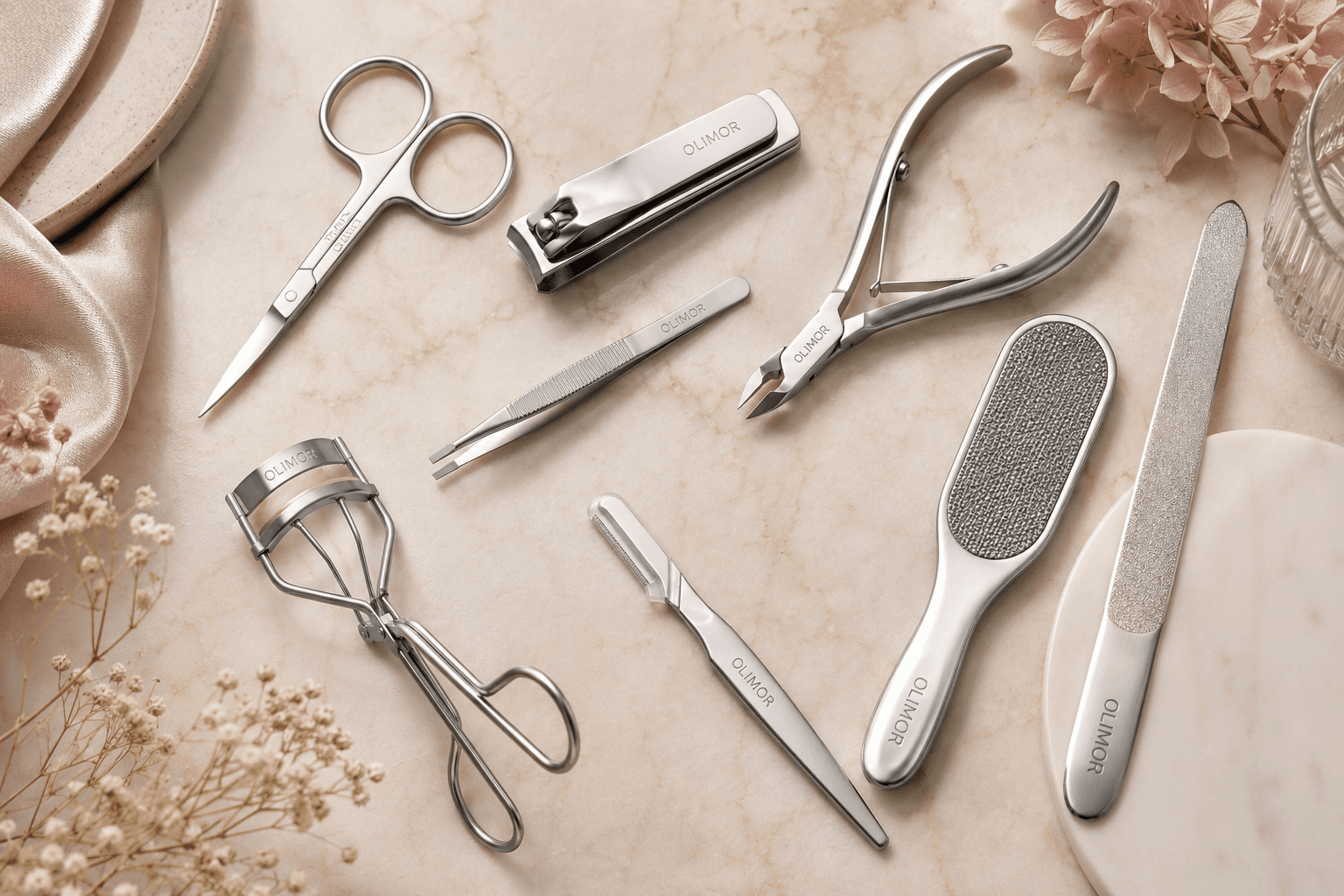
For distributors and retailers, the nail clipper may be sold alone or combined with other grooming accessories. In either case, consistency across the line matters. If you are building a broader assortment, Olimor’s product collections can help buyers think about how nail clippers fit with other beauty tools and personal care items.
Before placing a wholesale order, prepare a short product brief. It should include the required clipper dimensions if fixed, finish direction, packaging type, logo placement if needed, shipment labeling requirements and quality expectations. A clear brief reduces misunderstanding and makes factory feedback more useful.
OEM Customization Questions for Private Label Buyers
OEM nail clipper projects can include branding, packaging updates, small design adjustments and assortment planning. The level of customization depends on the project, but buyers should separate visual branding from functional changes. Adding a logo or choosing packaging is usually very different from changing blade shape, clipper size or handle structure.
Useful OEM planning questions include:
- Where will branding appear? Decide whether the logo belongs on the clipper body, package, insert card or outer carton.
- What finish should the product use? Provide a reference direction for metallic appearance instead of relying on subjective descriptions.
- Does the current 70mm x 15mm format fit the sales channel? Travel, retail and kit applications may have different size preferences.
- What packaging experience is required? Consider hanging cards, boxes or kit placement depending on distribution needs.
- Which inspection points are essential? List blade alignment, lever action, finish appearance, logo position and package condition.
For a private label project, artwork and packaging files should be reviewed carefully before production. Text size, barcode placement, warning copy, local language requirements and retail display needs can affect final packaging. If your project requires a custom quotation or product discussion, you can send an inquiry with your intended market and order requirements.
Inspection Checklist for Nail Clipper Orders
A practical inspection checklist helps both the buyer and factory focus on measurable details. The following table summarizes common nail clipper quality points that are useful before approving samples or bulk shipments.
| Inspection area | What to check | Why it matters |
|---|---|---|
| Cutting edges | Even alignment, clean closure, no visible chips | Determines trimming performance and user satisfaction |
| Lever action | Smooth opening and pressing, comfortable resistance | Affects control and perceived build quality |
| Surface finish | Consistent metallic appearance, no rough burrs or obvious scratches | Supports comfort, retail appeal and corrosion resistance expectations |
| Dimensions and weight | Confirm the agreed size and approximate weight, such as 70mm x 15mm and 30g when specified | Keeps packaging, kit fit and product listing details consistent |
| Packaging | Correct artwork, secure product placement, clean sealing | Reduces transit damage and retail presentation problems |
Buyers do not need an overly complicated checklist for every small tool, but they do need a repeatable standard. The more specific the checklist, the easier it is to compare samples from different production runs.
How to Prepare a Clear Sourcing Request
When contacting a nail clipper manufacturer or wholesaler, provide the information that affects product selection and quotation. A strong request usually includes the target sales channel, desired quantity range, packaging preference, branding needs, destination market and any fixed requirements for size or finish. If you are not sure which specification is best, describe the use case rather than guessing technical details.
For example, a buyer sourcing a compact travel clipper can mention pocket-size use, corrosion-resistant finish and simple retail packaging. A buyer building a grooming kit can explain the other items in the kit and the preferred appearance match. A retailer preparing an e-commerce listing may need consistent dimensions, product weight and packaging photos for product pages.
Clear sourcing communication saves time and leads to better samples. To discuss nail clippers or related grooming tools, buyers can contact Olimor with project details, packaging expectations and any OEM requirements.
Final Thoughts for Nail Clipper Factory Selection
A reliable nail clipper factory should deliver more than a shiny tool. The best purchasing decision considers blade performance, ergonomic grip, finish consistency, packaging suitability and the factory’s ability to maintain the same standard across wholesale or OEM orders. The compact Olimor Beauty nail clipper details on this page—70mm x 15mm size, about 30g weight, ergonomic grips, sharp contoured blades and corrosion-resistant metallic finish—offer a practical starting point for buyers evaluating everyday grooming tools.
Whether you are sourcing a standalone nail clipper, building a retail assortment or preparing a private label grooming accessory, start with the user experience. A clipper that trims cleanly, feels stable and arrives in dependable packaging is easier to sell and easier to trust.
Tag: