Cuticle Nippers for Salons: Choosing Precision Tools for Professional Nail Care
Cuticle nippers are small tools, but in a salon environment they have a large effect on service quality, technician comfort, and client confidence. A clean cut at the edge of the nail can make a manicure look refined; a dull or poorly aligned nipper can pull, crush, or tear delicate skin. For salon owners, nail technicians, distributors, and beauty supply buyers, choosing the right cuticle nippers is not only a matter of appearance. It is a sourcing decision that affects daily workflow, sanitation routines, staff fatigue, and repeat purchasing.
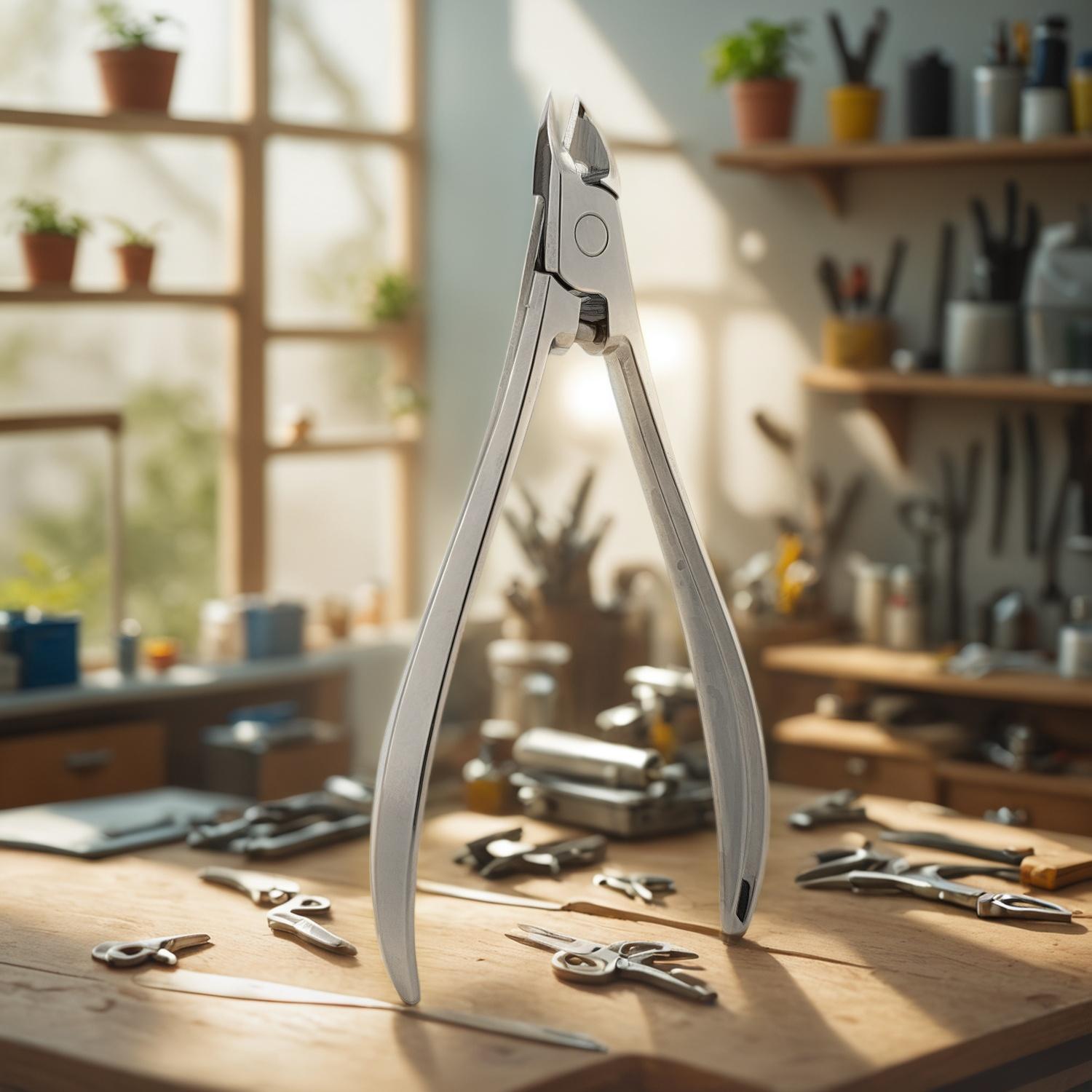
Olimor Beauty offers a Precision Ergonomic Nail Nipper designed for salon professionals who need control for detailed cuticle work. The original product focus is simple: sharp stainless steel blades, an ergonomic feel, and reliable performance for professional or home nail care applications. This guide explains how to evaluate cuticle nippers for salons so you can compare options more clearly and select tools that fit your service standards.

Why Cuticle Nippers Matter in Salon Services
In professional manicures and pedicures, cuticle nippers are used for targeted removal of excess cuticle and small areas of dry or loose skin around the nail. Because the working area is narrow and sensitive, the tool must allow careful placement and controlled pressure. Salon clients may not notice every tool on the workstation, but they can feel the difference between a nipper that cuts cleanly and one that drags.
For salons, quality nippers can help support a more consistent service experience. Technicians can move with greater confidence when the jaws meet evenly and the cutting edge responds without excessive pressure. This is especially important when handling frequent appointments, varied hand sizes, and different cuticle conditions throughout the day.
A reliable cuticle nipper also protects the professional image of the salon. Tools that look clean, feel balanced, and perform predictably show that the business pays attention to details. When paired with proper disinfection, storage, and staff technique, precision nippers become part of a wider standard for safe and polished nail care.
Key Selection Criteria for Professional Cuticle Nippers
When purchasing cuticle nippers for salons or B2B beauty supplies, avoid judging by appearance alone. A polished finish may look attractive, but the most important questions are about blade alignment, material, spring response, grip comfort, and maintenance compatibility. Use the following criteria when comparing options from beauty tool products or preparing a purchasing list for a salon team.
- Blade sharpness: The edge should cut cleanly without crushing the cuticle. Dull blades require more force and can reduce precision.
- Jaw alignment: The two cutting edges should meet evenly. Misalignment can leave uncut sections or pinch the skin.
- Stainless steel construction: Stainless steel is commonly preferred for salon tools because it supports durability and hygienic cleaning routines.
- Ergonomic handle shape: A comfortable grip helps technicians maintain control during detailed work and may reduce strain during repeated use.
- Spring action: Smooth opening and closing makes the tool easier to control, especially during longer service blocks.
- Tip access: The head should allow visibility around the cuticle area without blocking the technician’s view.
- Finish quality: Smooth surfaces and clean edges help the tool feel professional and simplify wiping and handling.
Olimor Beauty’s Precision Ergonomic Nail Nipper is positioned around these professional needs, including razor-sharp, high-grade stainless steel blades and an ergonomic design for control. For salon buyers, the goal is to select tools that perform well not only on the first use, but across repeated daily services when cleaned, stored, and handled properly.
Blade Precision, Control, and Client Comfort
Precision is the defining feature of a salon cuticle nipper. A technician should be able to remove only the necessary excess skin without making wide or uncertain cuts. This requires a blade that is sharp enough to cut with light pressure and fine enough to reach the cuticle edge accurately.
Control comes from the relationship between the jaws, hinge, spring, and handle. If the hinge feels loose, the jaws may not track cleanly. If the spring is too stiff, the technician may apply more hand force than needed. If the handles are slippery or uncomfortable, delicate trimming becomes less predictable. A well-designed nipper should feel stable when held, open smoothly, and close with enough responsiveness to support small movements.
Client comfort is closely tied to this control. Cuticle work should feel careful rather than aggressive. A sharp, properly aligned nipper helps reduce tugging. It also allows the technician to work in shorter, more precise cuts instead of attempting to remove too much at once. This is why salons often benefit from standardizing tools across workstations: technicians become familiar with the weight, spring response, and cutting feel, making training and service consistency easier.
Ergonomics for Busy Nail Technicians
Nail professionals use their hands continuously. Even a small tool can contribute to fatigue if it requires an awkward grip or excessive pressure. Ergonomic cuticle nippers are designed to improve comfort during repetitive use, giving technicians better leverage and a more natural hand position.
For salon managers, ergonomics is not just a comfort feature. It can affect appointment flow and work quality. A technician who feels in control of the tool is less likely to rush or overcompensate with pressure. This is particularly important for salons that offer a high volume of manicures and pedicures, where the same type of motion is repeated many times in a day.
When evaluating ergonomics, consider different users. A handle that suits one technician’s hand may not suit another perfectly. If buying for a team, look for balanced designs that are easy to hold and do not force an extreme finger position. Smooth spring movement and a stable grip are often more important than decorative features. For B2B buyers comparing product collections, it can be useful to think in terms of long-term operator comfort rather than only initial appearance.
Hygiene, Cleaning, and Storage Practices
Cuticle nippers come into close contact with the skin around the nail, so hygiene is essential. The tool itself should support professional cleaning routines, but salon procedures matter just as much. Always follow local regulations and salon sanitation protocols for cleaning, disinfection, and storage.
Stainless steel construction is valued because it can support repeated cleaning when treated correctly. However, sharp tools still require careful handling. Dropping nippers, soaking them improperly, or storing them loosely with other metal tools can damage the cutting edge or affect alignment.
- Clean visible residue after use: Remove debris before disinfection according to your salon procedure.
- Disinfect according to approved protocols: Use the method required by your local rules and product instructions for disinfectants.
- Dry thoroughly: Moisture left around hinges or joints can shorten tool life.
- Store with blade protection: Keep cutting edges from knocking against other tools in drawers or trays.
- Inspect before each service: Check for smooth movement, clean surfaces, and undamaged tips.
Good storage is especially important in busy salons. A nipper may be well made, but if it is tossed into a shared container after every service, the tips can become nicked or misaligned. A simple workstation system for clean tools, used tools, and protected storage can help preserve both hygiene and cutting performance.
B2B Sourcing Questions for Salons and Distributors
For individual technicians, one comfortable nipper may be enough. For salon chains, distributors, or salon equipment suppliers, purchasing decisions are more complex. You may need tools that are consistent across batches, suitable for professional display, and easy for staff or end users to understand. Before placing a larger order, build a checklist that separates confirmed product facts from details that need evaluation.
| Buying factor | Why it matters | What to review |
|---|---|---|
| Blade performance | Determines clean cutting and service quality | Sharpness, jaw alignment, tip finish, cutting feel |
| Material | Affects durability and cleaning suitability | Stainless steel construction and surface finish |
| Ergonomics | Influences technician comfort and control | Handle shape, balance, spring smoothness |
| Consistency | Important for multi-station salon use | Uniform appearance, movement, and edge quality |
| Packaging needs | Relevant for retail or distributor channels | Protection, labeling space, and presentation requirements |
Because product specifications, order terms, and customization options can vary, buyers should prepare clear requirements before contacting a supplier. Include intended use, expected order type, packaging needs, and any compliance documentation your market requires. If you need help comparing suitable tools or planning a B2B purchase, you can send an inquiry or contact Olimor with your purchasing context.
When to Replace or Retire a Cuticle Nipper
Even a quality cuticle nipper does not last forever. In salon use, tools should be inspected regularly and removed from service when performance changes. A nipper that no longer cuts cleanly may tempt a technician to apply more force, which can reduce precision and increase discomfort for the client.
Signs that a nipper may need sharpening, repair, or replacement include pulling instead of cutting, visible chips on the blade, uneven jaw contact, looseness at the hinge, rust-like discoloration, or a spring that no longer opens smoothly. If the tips are bent from a drop, the tool should not be used for detailed cuticle work until it has been properly evaluated.
Salons can make replacement easier by assigning tools to stations or technicians and keeping a simple inspection schedule. This avoids waiting until a client service is interrupted by a poor-performing tool. For distributors and salon suppliers, educating buyers on maintenance and replacement can reduce complaints and help customers get better long-term value from professional beauty tools.
Choosing Cuticle Nippers with Confidence
The best cuticle nippers for salons combine sharp blades, stable alignment, comfortable handling, and practical maintenance. They should feel precise in the technician’s hand and support hygienic procedures between clients. Olimor Beauty’s Precision Ergonomic Nail Nipper is designed with professional cuticle care in mind, using stainless steel blades and an ergonomic approach to help support clean, controlled trimming.
For salon owners and B2B buyers, the smartest approach is to evaluate cuticle nippers as working instruments rather than simple accessories. Look at how they cut, how they feel after repeated use, how they fit your cleaning process, and how consistently they can be supplied for your team or customers. With the right selection criteria, a small tool can make a measurable difference in the quality and reliability of nail care services.
Tag: