Cuticle Nipper Factory Guide: Precision, Comfort and Quality Checks

A cuticle nipper looks simple, but buyers who work with nail tools know that small manufacturing differences can change the entire user experience. A clean cut depends on blade geometry, hinge movement, spring response, handle comfort and consistent finishing. For salons, distributors and beauty-tool buyers, choosing the right cuticle nipper factory is not only about appearance. It is about selecting a tool that performs reliably in repeated use and supports safe, precise manicure work.
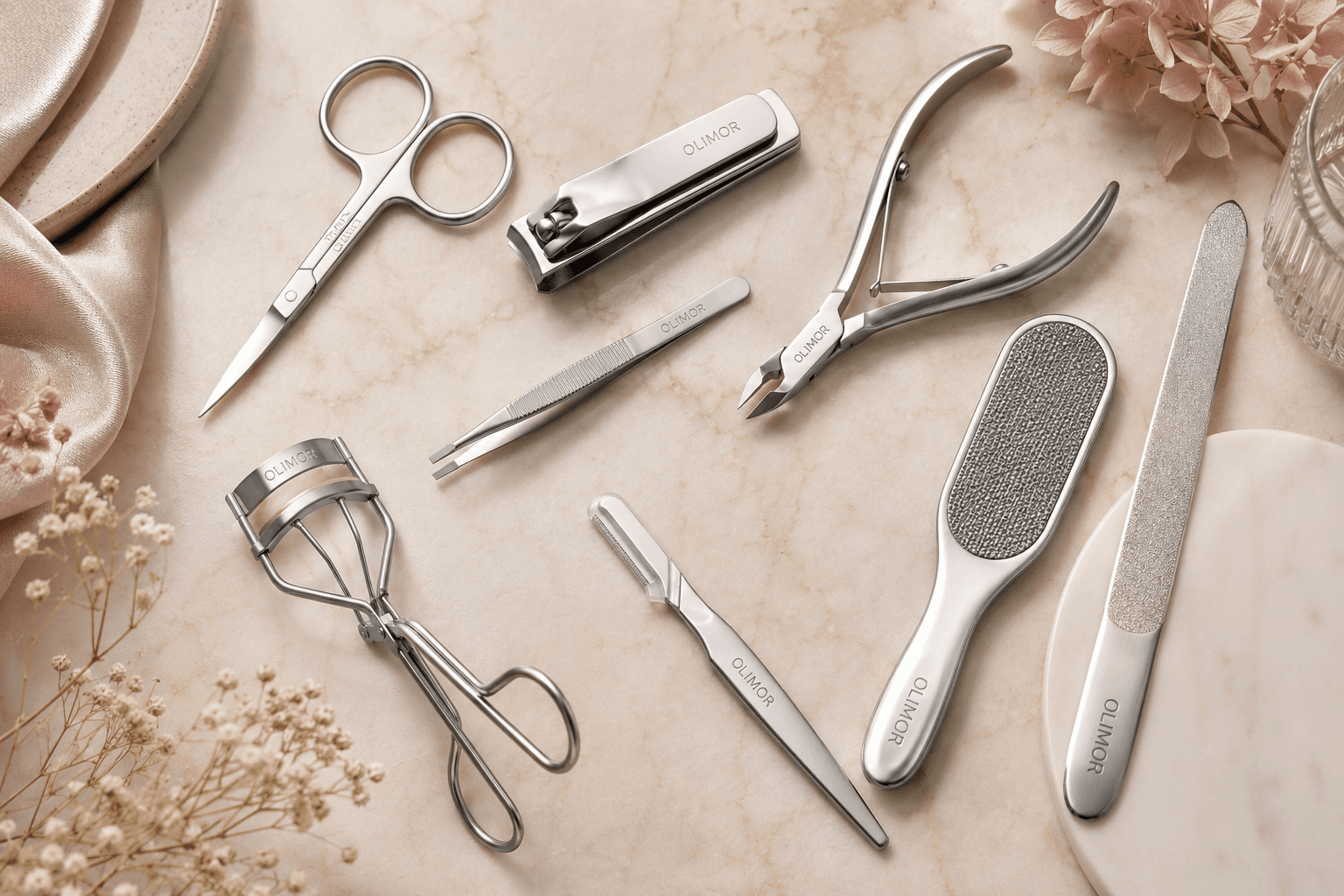
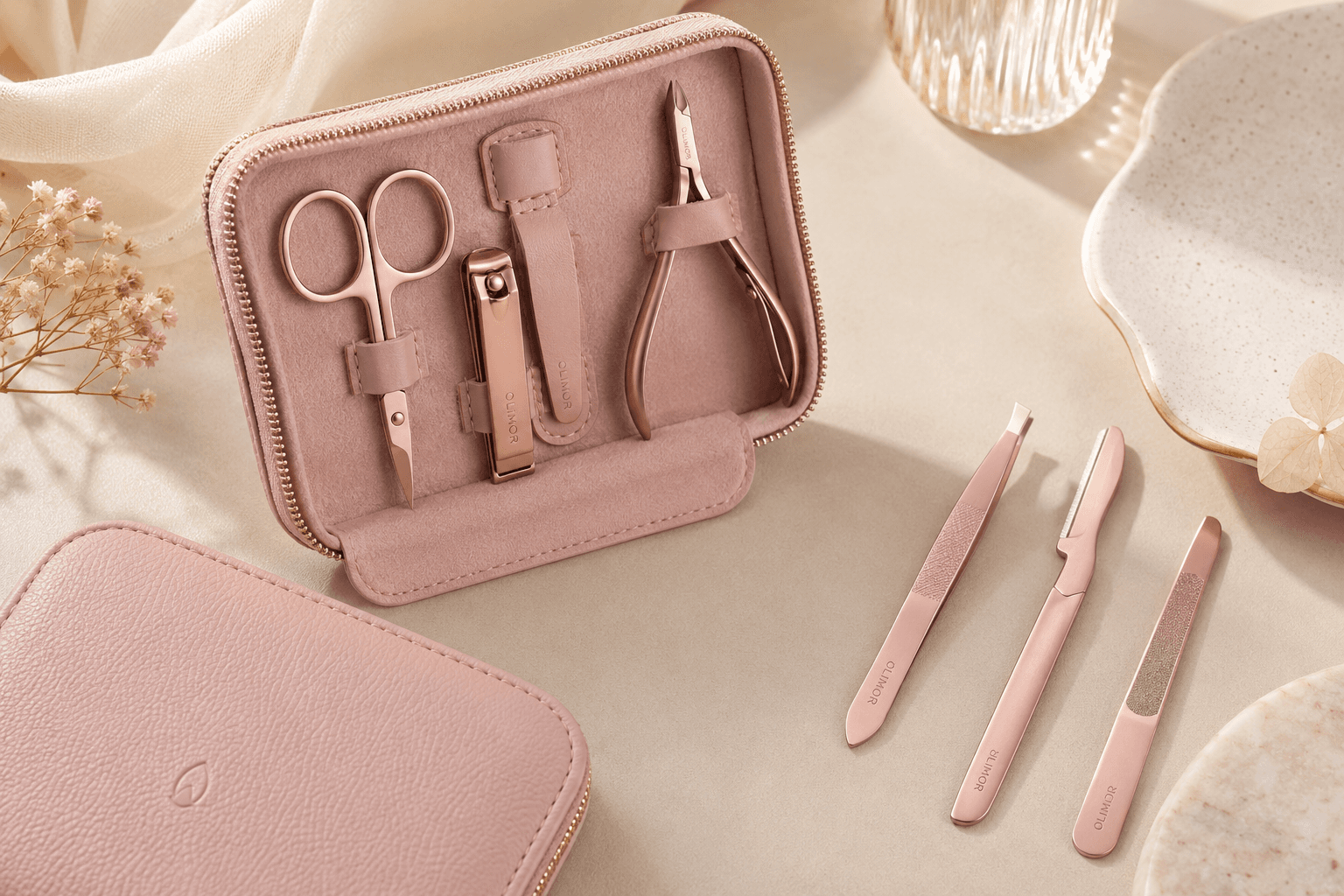
Olimor Beauty focuses on beauty tools for professional and personal nail care needs, including stainless steel cuticle nippers designed for precision trimming and comfortable handling. This guide explains what to look for when evaluating a cuticle nipper, how factory quality control affects performance and how to maintain the tool after purchase. If you are comparing options across beauty tool products or planning a sourcing project, these practical criteria can help you make a more confident decision.
What Makes a Cuticle Nipper Factory Worth Evaluating?
A reliable cuticle nipper factory should be able to control both the visible and functional details of the product. The tool must feel stable in the hand, open and close smoothly, and trim cuticles without tearing. These results come from manufacturing discipline rather than decoration alone.
The main material fact highlighted for this product is stainless steel. Stainless steel is widely used in nail care tools because it offers strength, a clean surface and suitability for repeated grooming use when properly cared for. However, material selection is only one part of the equation. The factory also needs to shape, align, sharpen, polish and inspect the tool so that each piece meets the expected handling standard.
For business buyers, the best evaluation process starts with function. A sample that looks polished in a catalog still needs to be tested in hand. Check whether the tips meet evenly, whether the blades close without side movement, and whether the cutting edge feels controlled rather than aggressive. A good nipper should allow careful trimming around the nail fold while reducing the need for excess pressure.
Blade Precision: The Detail That Defines Performance
The blade is the working heart of a cuticle nipper. Olimor Beauty’s product information highlights angular blades engineered for clean, precise cuts. For the user, this matters because cuticle trimming usually happens in tight areas where accuracy is more important than force. A blade that is poorly aligned may pinch, pull or leave uneven edges. A blade that is too blunt may require repeated cutting, which can increase discomfort.
When assessing blade quality, focus on several practical points:
- Tip meeting: The two blade tips should meet neatly when the handles are closed, without an obvious gap or overlap.
- Cutting edge consistency: The sharpened edge should appear even from heel to tip, with no visible chips or irregular grinding marks.
- Controlled sharpness: A professional cuticle nipper needs effective cutting ability, but it should not feel unstable or difficult to control.
- Access angle: Angular blades should help the user approach small cuticle areas without forcing the wrist into an uncomfortable position.
- Finish around the tips: The ends should be cleanly finished so the tool does not scratch surrounding skin during careful work.
For salons and distributors, blade consistency across multiple pieces is especially important. A single well-made sample is useful, but batch consistency determines whether the tool can support repeat orders and brand trust.
Ergonomic Handling for Salon and Home Use
Cuticle nippers are used in short, precise movements. Because of that, handle comfort directly affects accuracy. The supplied product information emphasizes a sleek, ergonomic design that fits comfortably in the hand and supports accurate trimming without strain. This is valuable for professional technicians who may use the tool many times a day, as well as for home users who want better control.
Good ergonomics do not always mean a complicated shape. In many cases, the best handle is one that allows natural finger placement, stable grip and smooth pressure. A nipper that is too stiff can make the user squeeze harder than necessary. A nipper that is too loose can feel unstable. The spring response should help the tool reopen smoothly while still allowing the user to control the cut.
When comparing samples, hold the nipper in the same way it would be used during a manicure. Open and close it repeatedly. Notice whether the handle edges feel smooth, whether the spring action is even, and whether the tool remains balanced when approaching the cuticle area. Comfort is not just a preference; it helps reduce mistakes during fine trimming.
Quality Control Points Buyers Should Check
The original product information describes quality checks from raw materials to final packaging. For a cuticle nipper factory, that kind of process is important because several small defects can affect the finished tool. A reliable inspection approach should examine material condition, shaping, blade finishing, hinge function, polishing and packaging protection.
The following checklist can help buyers evaluate cuticle nippers before placing or repeating an order:
| Inspection Area | What to Look For | Why It Matters |
|---|---|---|
| Blade alignment | Tips meet evenly; no sideways shift when closed | Supports clean, controlled trimming |
| Hinge movement | Smooth opening and closing without grinding | Improves comfort and tool control |
| Handle finish | No sharp burrs, rough edges or uncomfortable pressure points | Reduces hand fatigue and improves user confidence |
| Surface condition | Clean stainless steel surface with consistent polishing | Affects appearance, cleaning and perceived quality |
| Packaging | Tool is protected from tip damage during transport | Helps the product arrive ready for sale or use |
This checklist is also useful for private label buyers, beauty retailers and salon supply distributors. It turns a general claim of “quality” into specific points that can be checked on a sample, in receiving inspection or during customer feedback review.
Choosing a Cuticle Nipper for Different Buyers
Not every buyer evaluates a cuticle nipper in the same way. A nail technician may focus first on hand feel and cutting precision. A distributor may prioritize consistent batches, packaging condition and reorder reliability. A retail buyer may consider shelf presentation, product description accuracy and how easily the end customer can understand the tool’s purpose.
For professional salon use, blade performance and fatigue reduction should be the primary criteria. Technicians often work around delicate skin and need a tool that responds predictably. For home manicure users, the tool should be easy to control, simple to clean and comfortable enough for occasional grooming. For wholesale or sourcing teams, consistency across units is the deciding factor. A product that performs well only in one sample is not enough for long-term supply planning.
If you are comparing cuticle nippers with other nail care items, it can be useful to review related product collections and build a coordinated tool range. Cuticle pushers, nail clippers, scissors and nippers often sit together in a buying plan, so finish style, packaging approach and target user should feel aligned.
Care and Maintenance After Purchase
Even a well-manufactured stainless steel cuticle nipper needs proper care. Maintenance helps preserve the cutting edge, hinge movement and clean appearance. For salon environments, care procedures should follow local hygiene requirements and the salon’s standard disinfection workflow. For personal use, the tool should still be cleaned after each session and stored safely.
- Clean after use: Remove nail dust, skin residue and moisture from the blades and hinge area.
- Dry completely: Do not store the nipper while damp, especially inside a closed pouch or drawer.
- Protect the tips: Use protective packaging or a suitable case to prevent blade impact.
- Avoid cutting hard materials: A cuticle nipper is intended for cuticle trimming, not for thick nails, wire or packaging.
- Check movement regularly: If the hinge begins to feel rough, inspect for debris or damage before continued use.
Proper use is also part of maintenance. The user should trim only small, necessary areas and avoid pulling skin. Clean cuts come from correct tool angle, light pressure and a sharp, aligned blade. Overuse of force can damage both the tool and the surrounding skin.
How Olimor Beauty Supports Practical Nail Tool Sourcing
Olimor Beauty presents its cuticle nipper as a stainless steel nail care tool built around precision, comfort and quality assurance. For buyers, those qualities should translate into clear sample evaluation, consistent inspection standards and a product that suits the intended user. Rather than choosing only by appearance, evaluate how the nipper feels, cuts, opens, closes and holds up after repeated handling.
If your business is planning a beauty tool assortment, start with the actual use case. Will the nipper be sold to salons, included in a manicure set, offered through retail beauty channels or used as part of a broader nail care range? The answer will shape your priorities for packaging, finish, blade feel and inspection requirements. To discuss product options or sourcing needs, you can contact Olimor or send an inquiry with your intended market and application.
A strong cuticle nipper factory is measured by details: stainless steel construction, precise angular blades, comfortable ergonomics and inspection that catches small defects before the tool reaches the user. When those details are controlled, the result is a dependable nail care instrument suitable for professional and personal grooming routines.
Tag: