Custom Tweezers for Beauty Brands: Precision, Finish and Sourcing Criteria
Custom tweezers may look simple, but buyers know that small differences in grip, tip alignment and finish can decide whether a tool feels professional or disposable. For beauty brands, salons, brow studios, gift programs and promotional companies, tweezers are also a compact product with strong branding potential. A well-made pair can be sold as a retail accessory, added to a grooming kit, included in a travel set or used as a practical branded gift.
Olimor Beauty works with buyers who need personalized tweezers that combine everyday usability with a clear brand presentation. The goal is not only to place a logo on a metal tool. The goal is to choose a tweezer style, tip form, surface finish, packaging approach and quality expectation that match how the end user will hold, clean, store and use the product.
If you are comparing beauty tool products for a private label line or planning a custom sourcing project, the following guide explains what to evaluate before confirming a tweezer order.
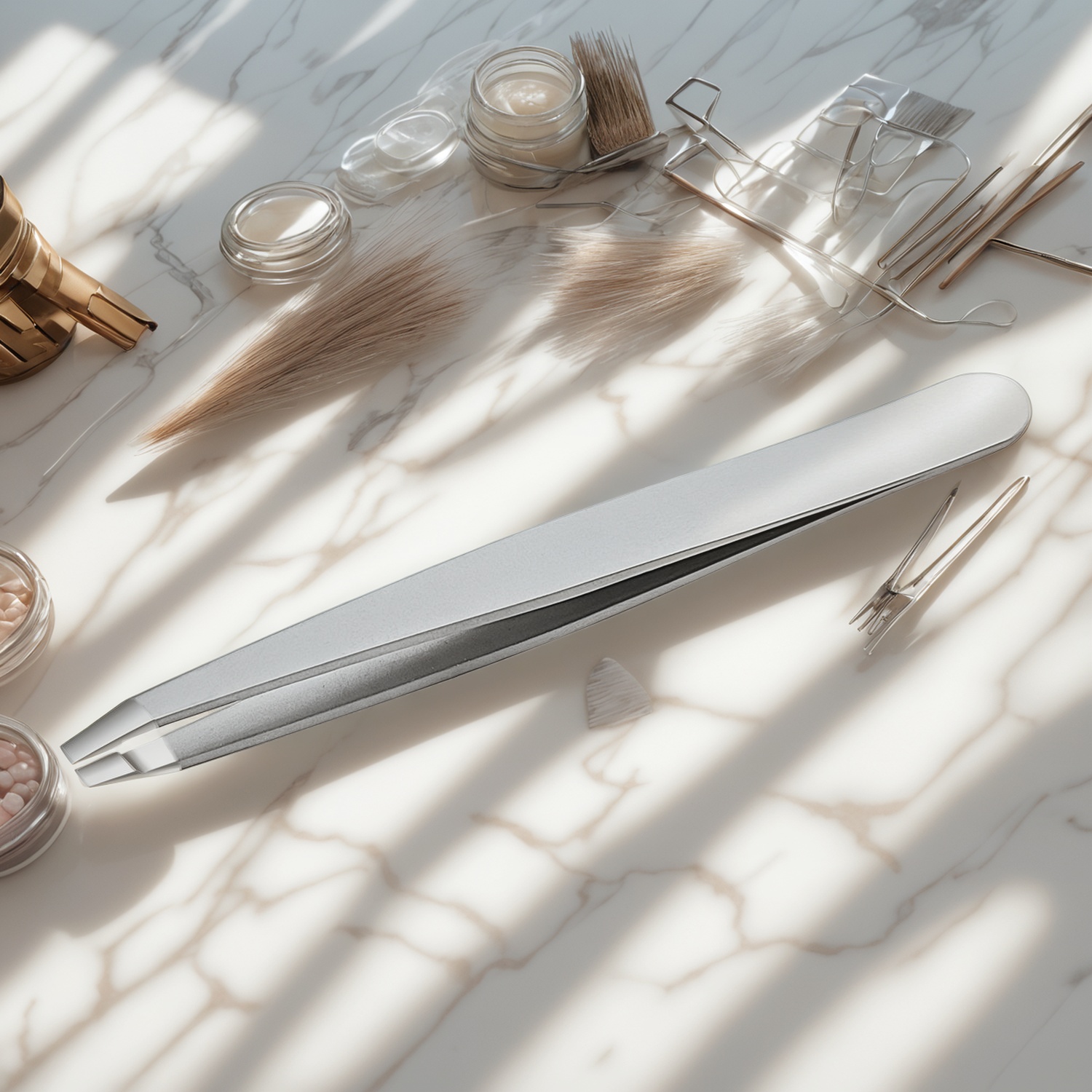
Why Custom Tweezers Are Valuable for Beauty and Grooming Lines
Tweezers are used across many beauty routines: shaping brows, removing fine facial hairs, applying small decorative elements, handling false lashes or supporting detailed grooming work. Because they are small, affordable to ship compared with bulky tools and easy to combine with other items, they often fit naturally into retail sets and promotional campaigns.
For a beauty brand, customization creates three practical advantages. First, it helps the tool match the visual language of the range. A matte, glossy or metallic finish can support a skincare, brow or nail collection without requiring a completely new product concept. Second, it turns a basic accessory into a branded item that remains visible on a vanity, in a salon drawer or in a travel pouch. Third, it allows the buyer to define a more suitable user experience, rather than accepting a generic tweezer that may not reflect the intended price point or audience.
Salons and brow professionals usually care most about control, cleanliness and comfort. Retail brands may prioritize shelf appearance, packaging consistency and repeat customer satisfaction. Promotional buyers often need a useful product that carries a logo clearly and feels better than a throwaway giveaway. Custom tweezers can serve each of these goals when the specification is built carefully.
Key Performance Details to Check Before Customizing
Branding should come after function. A beautifully colored tweezer will not satisfy users if it slips, pinches unevenly or feels uncomfortable in the hand. Before deciding on colors, logo placement or packaging, buyers should review the functional details that affect daily use.
- Tip alignment: The two tips should meet evenly. Poor alignment makes it harder to grip fine hairs and can frustrate users quickly.
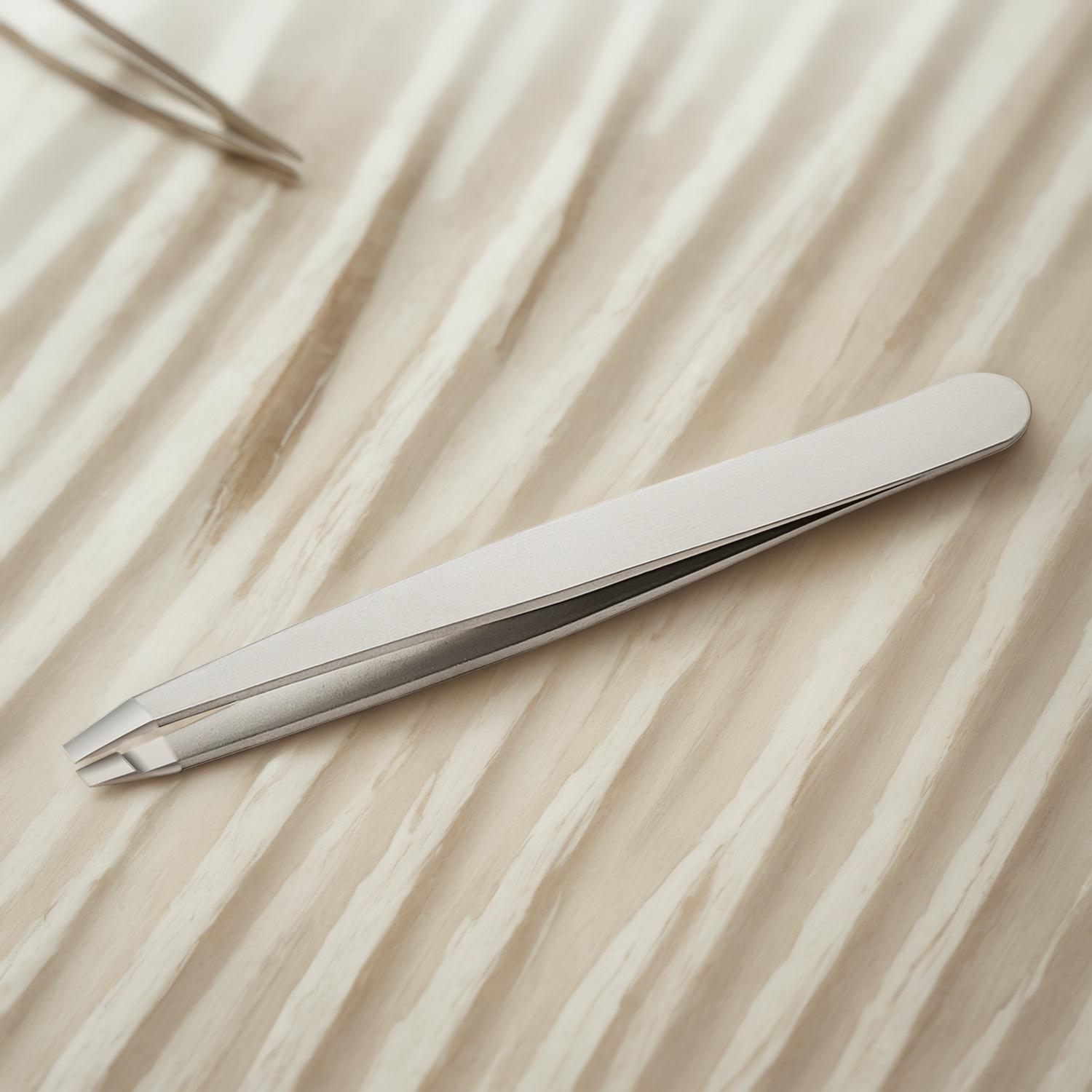
- Tip style: Slanted tips are widely used for brow grooming because they offer a balance of precision and surface contact. Other tip shapes may be better for specialized tasks, but the use case should guide the choice.
- Grip tension: The tweezer should close with enough resistance to feel controlled, but not so much that repeated use becomes tiring.
- Edge finishing: Tips should feel smooth enough for safe handling while still being able to grasp hair effectively.
- Material suitability: The original product information references stainless steel, a common choice for grooming tools because it can support durability and a clean appearance when properly manufactured and finished.
- Surface consistency: Color and coating should look even across the order, especially for retail or gift sets where visual consistency matters.
For professional or retail buyers, it is useful to evaluate samples in the same way an end customer would: hold the tweezer with dry and slightly moisturized fingers, check how naturally it closes, test its ability to grasp fine hair or small fibers and inspect the tips under good light. This simple process reveals more than a product photo can.
Personalization Options That Support Brand Identity
Personalized tweezers can be customized in several ways, and each choice should serve the brand rather than adding decoration for its own sake. A minimalist skincare brand may prefer a clean single-color finish with a small logo. A brow bar might choose a bold finish that stands out in salon tools. A promotional program may prioritize logo visibility and simple packaging that communicates the campaign clearly.
Common personalization decisions include logo placement, logo size, surface finish, color direction, packaging format and whether the tweezers are sold alone or as part of a kit. The most effective designs usually balance visibility with practicality. A logo should be readable, but it should not sit where it will be quickly worn by constant finger pressure if long-term appearance is important. A dramatic finish can help on the shelf, but it must still feel comfortable and appropriate for the intended audience.
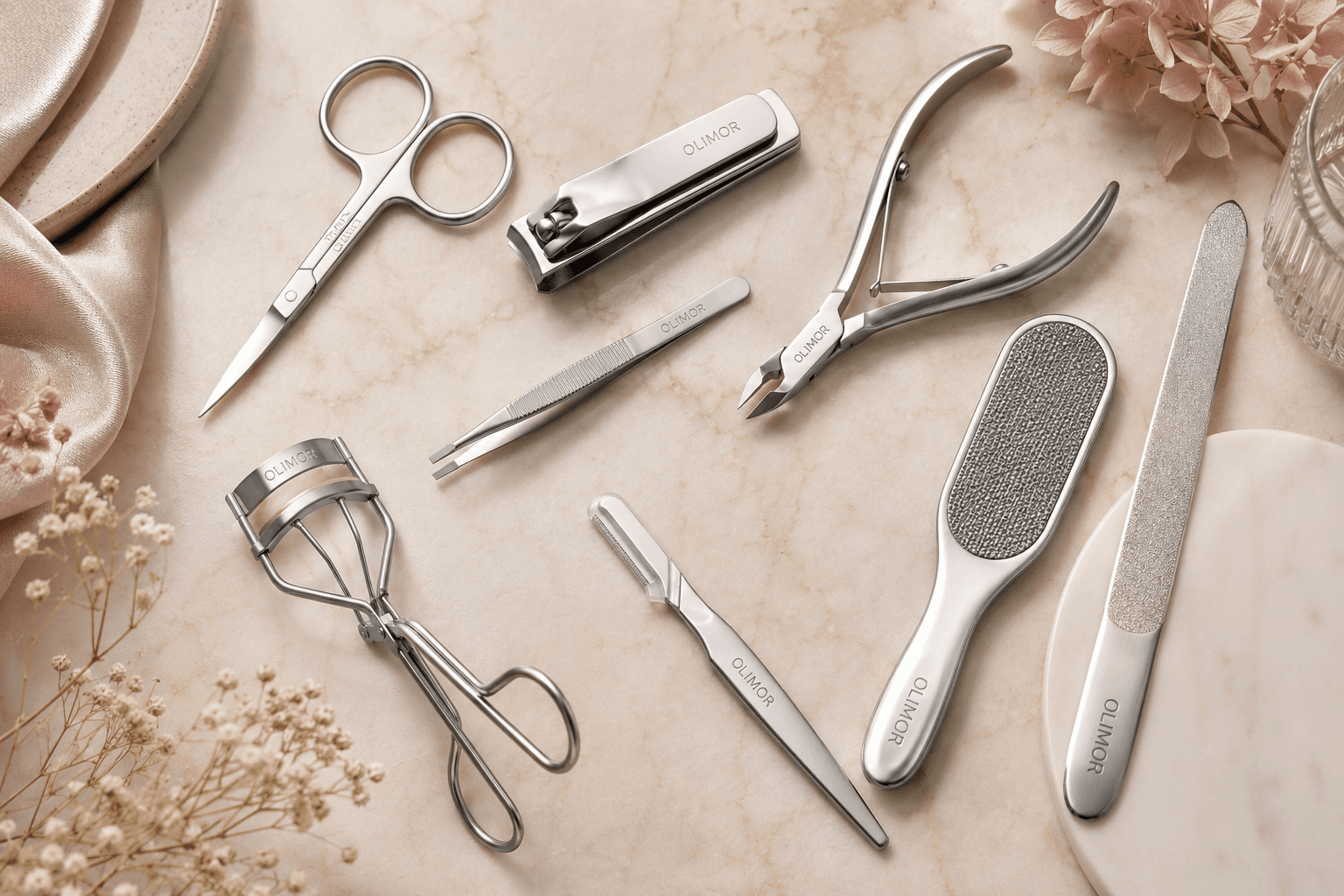
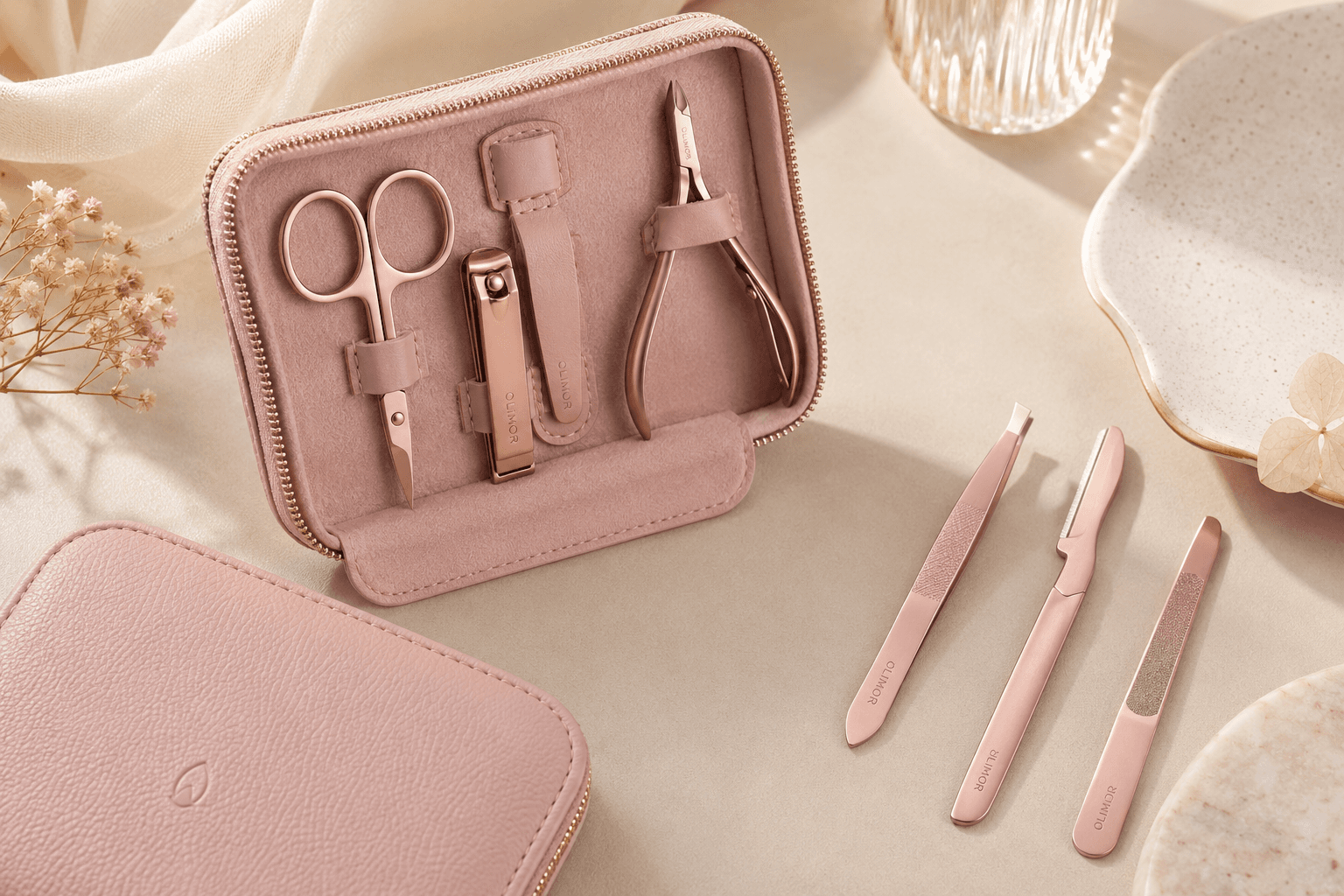
Packaging deserves the same attention as the tweezer itself. A retail product may need a protective sleeve, card or box that explains the function and supports display. A salon supply item may need simpler packaging that protects the tips and keeps storage efficient. A gift set may require consistent presentation across multiple tools. Buyers comparing formats can also review Olimor Beauty product collections to think about how tweezers may coordinate with related beauty accessories.
How to Build a Practical Custom Tweezer Specification
A clear specification reduces confusion and helps both the buyer and manufacturer evaluate the same product standard. Instead of starting only with a reference photo, define how the product will be used, sold and inspected. This creates a stronger foundation for samples and bulk production discussions.
| Specification Area | What to Decide | Why It Matters |
|---|---|---|
| End use | Retail, salon, brow kit, travel set or promotion | Determines the expected feel, finish and packaging level |
| Tip type | Slanted or another required form | Affects precision, comfort and suitability for grooming tasks |
| Finish direction | Simple metal look, colored finish, matte or glossy effect | Supports brand identity and shelf appearance |
| Logo application | Placement, size and color contrast | Influences readability and long-term visual impact |
| Packaging | Protective sleeve, card, box or set packaging | Protects the tips and shapes the customer’s first impression |
| Inspection focus | Tip alignment, surface finish, logo clarity and packaging condition | Helps maintain consistency across the order |
This type of checklist is especially helpful when several departments are involved. Marketing may focus on color and logo, purchasing may focus on order details, and product teams may focus on performance. A shared specification keeps the project aligned.
Sourcing Custom Tweezers from a China Tweezers Exporter
When sourcing personalized tweezers internationally, buyers should look beyond a low unit cost. The real measure is whether the exporter can translate the design requirement into a consistent beauty tool that suits the intended channel. Olimor Beauty is positioned as a China tweezers exporter for buyers who need customized grooming tools with attention to precision, appearance and order consistency.
A good sourcing discussion should cover the product purpose, preferred finish, logo artwork, packaging expectation, sample review process and inspection priorities. If the tweezers will be sold under a beauty brand, consistency matters because customers may compare the tool with other products in the same line. If they will be used in a salon, hand feel and tip performance become more important than decorative complexity. If they are promotional, the logo and perceived usefulness should be balanced so the item is kept and used rather than discarded.
Buyers should also prepare usable artwork files and clear visual references. When color is important, define the target as precisely as possible and review physical samples rather than relying only on screen images. For logo placement, consider how the tweezer is held and how the product will appear in packaging, online photos and point-of-sale displays.
Quality Control Points for Custom Tweezer Orders
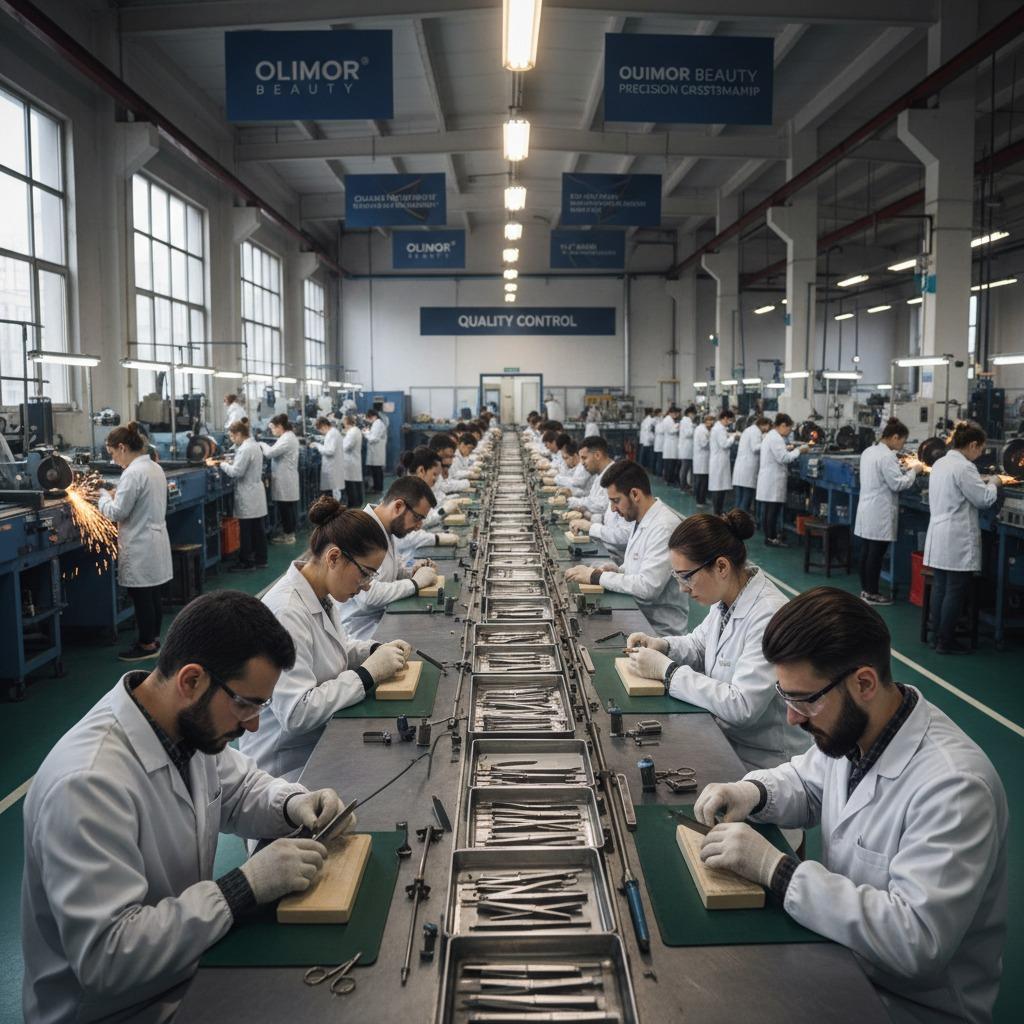
Because tweezers are precision tools, quality control should include both cosmetic and functional checks. Cosmetic checks confirm that the product supports the brand; functional checks confirm that users will actually like using it. The best inspection plan covers the full product, not just the logo.
- Check tip meeting: The tips should close evenly and provide a secure grip.
- Inspect symmetry: The tweezer arms should look balanced and not twisted.
- Review surface finish: Look for uneven color, scratches, stains or rough areas.
- Confirm logo clarity: Branding should be positioned correctly and legible at normal viewing distance.
- Test hand feel: The tool should not feel too loose, too stiff or uncomfortable during repeated closing.
- Verify packaging protection: The tips should be protected from damage during transport and storage.
These checks help prevent common issues such as inconsistent appearance, poor tip performance or packaging that allows the tool to shift and become damaged. For retail buyers, the unboxing experience and first use are both part of the customer’s impression of the brand.
Care and User Guidance for Better Customer Satisfaction
Even a well-made tweezer benefits from simple care instructions. Brands can reduce complaints and improve the user experience by including short, practical guidance on packaging or product inserts. Customers should keep the tips clean, avoid dropping the tweezer on hard surfaces and store it with tip protection when available. After use, wiping the tips with an appropriate cleaning method for the product and finish helps maintain a neat appearance.
Care instructions should be concise and realistic. Overly complex instructions are unlikely to be followed, while clear reminders can extend the useful life of the tool. For salon use, teams should also store tweezers in a way that avoids pressure on the tips, because tip damage can affect precision.
Planning Your Custom Tweezer Project with Olimor Beauty
A successful custom tweezer project begins with a clear purpose: who will use the product, where it will be sold or distributed, and what level of finish the brand needs. From there, decisions about slanted tips, stainless steel construction, surface appearance, logo placement and packaging can be made with more confidence.
Olimor Beauty supports buyers looking for custom tweezers that combine practical grooming performance with brand personalization. Whether you are developing a retail accessory, a salon tool, a beauty kit component or a branded promotional item, the strongest results come from defining the functional details before finalizing the decoration.
To discuss a custom tweezer project, review related beauty tool products, contact Olimor with your requirements or send an inquiry with artwork, target use and packaging ideas. A focused brief helps turn a small grooming tool into a product that feels considered, consistent and useful.
Tag: