Custom Tweezers for Precision Beauty Work and Personalized Tool Programs
Custom tweezers look simple, but the details decide whether they feel precise, comfortable, and reliable in daily use. For brow shaping, lash application, facial hair removal, retail beauty sets, or professional salon kits, a tweezer must close evenly, grip fine hairs cleanly, and remain easy to control through repeated tasks. Personalization adds another layer: color accents, engraving, surface finish, and packaging can help a tool fit a brand program or a user’s preferences without compromising function.
Olimor Beauty focuses on beauty tools where usability and sourcing decisions matter. If you are comparing custom tweezers for a product line, promotional set, salon supply program, or personal toolkit, the goal is not simply to choose the most decorative option. The better question is: which tweezer design performs the intended task consistently, feels secure in the hand, and can be maintained properly over time?
What Makes a Tweezer Truly “Custom”?
A custom tweezer is not only a standard tool with a logo added. Meaningful customization can include the tip shape, handle profile, finish, color, engraving position, grip texture, and packaging presentation. Each choice should support the intended use. A brow artist may value a slanted tip that reaches short hairs without pinching the skin, while a lash technician may prefer an ultra-fine point for separating delicate lashes. A retail buyer may need a balanced design that suits everyday grooming and looks consistent on a shelf or in an online product display.
The original appeal of personalized tweezers is clear: they can reflect a style, brand identity, or kit concept. However, personalization should never hide weak engineering. The most important features remain tip alignment, controlled spring tension, smooth edges, and a finish that withstands regular handling. Olimor Beauty’s custom tweezer offering is described around precision-engineered design, stainless steel construction, ergonomic handling, non-slip grip, corrosion resistance, ultra-fine tips, and satin finish options. Those characteristics are especially relevant when buyers want tools that look refined but still support practical beauty work.
Choosing the Right Tip Style for the Job
Tip geometry is one of the first specifications to review. Small changes in the angle, thickness, and contact surface can change how the tweezer performs. For beauty brands and professional users, matching the tip to the application helps reduce returns, user frustration, and inconsistent results.
| Use case | Helpful tweezer feature | Why it matters |
|---|---|---|
| Eyebrow shaping | Slanted or angled gripping edge | Helps approach short hairs at the skin surface with controlled visibility. |
| Fine facial hair removal | Well-aligned, precise tips | Improves grip on thin hairs and reduces repeated pulling attempts. |
| Eyelash application or isolation | Ultra-fine tip design | Supports delicate separation and placement tasks where accuracy is critical. |
| General beauty kits | Balanced tension and comfortable handle | Makes the tool easier for a wide range of users, not only professionals. |
| Craft or detail work | Firm closure and narrow tips | Allows controlled handling of small items beyond grooming applications. |
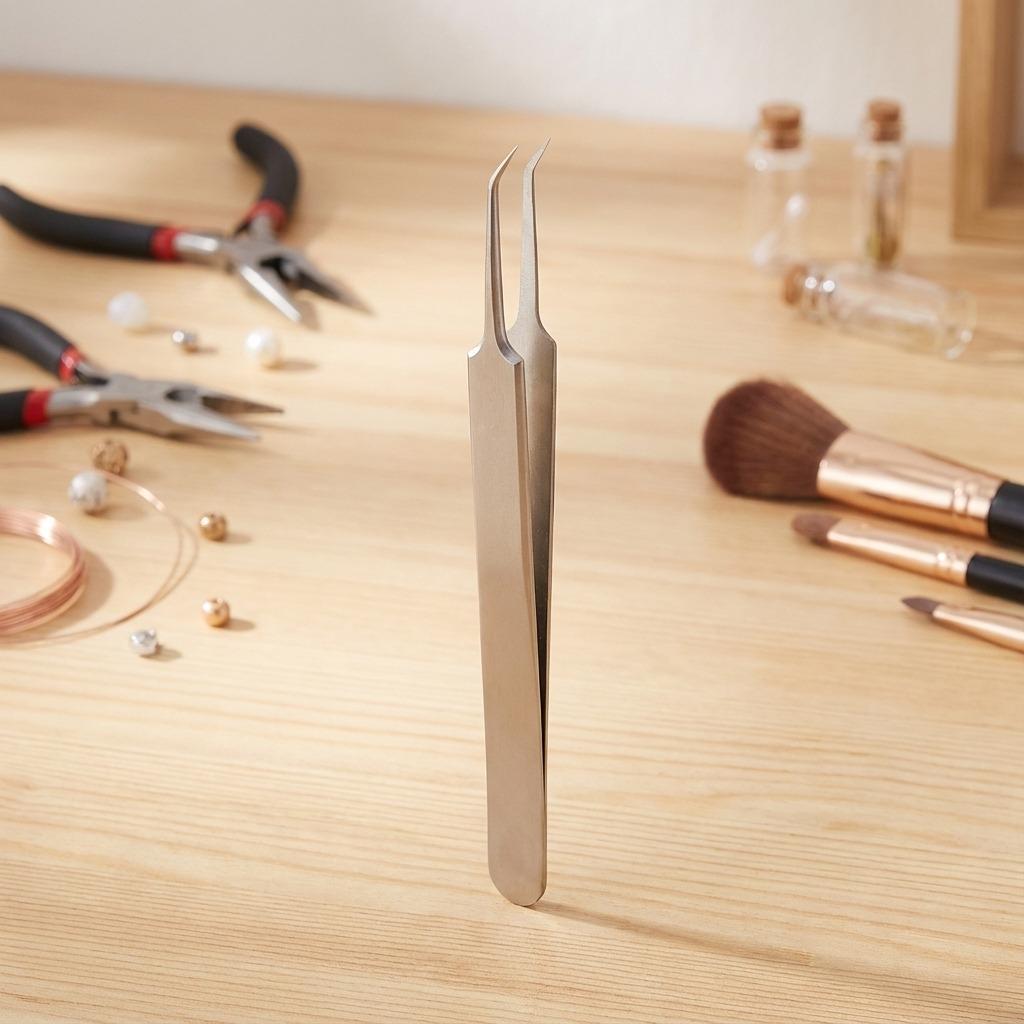
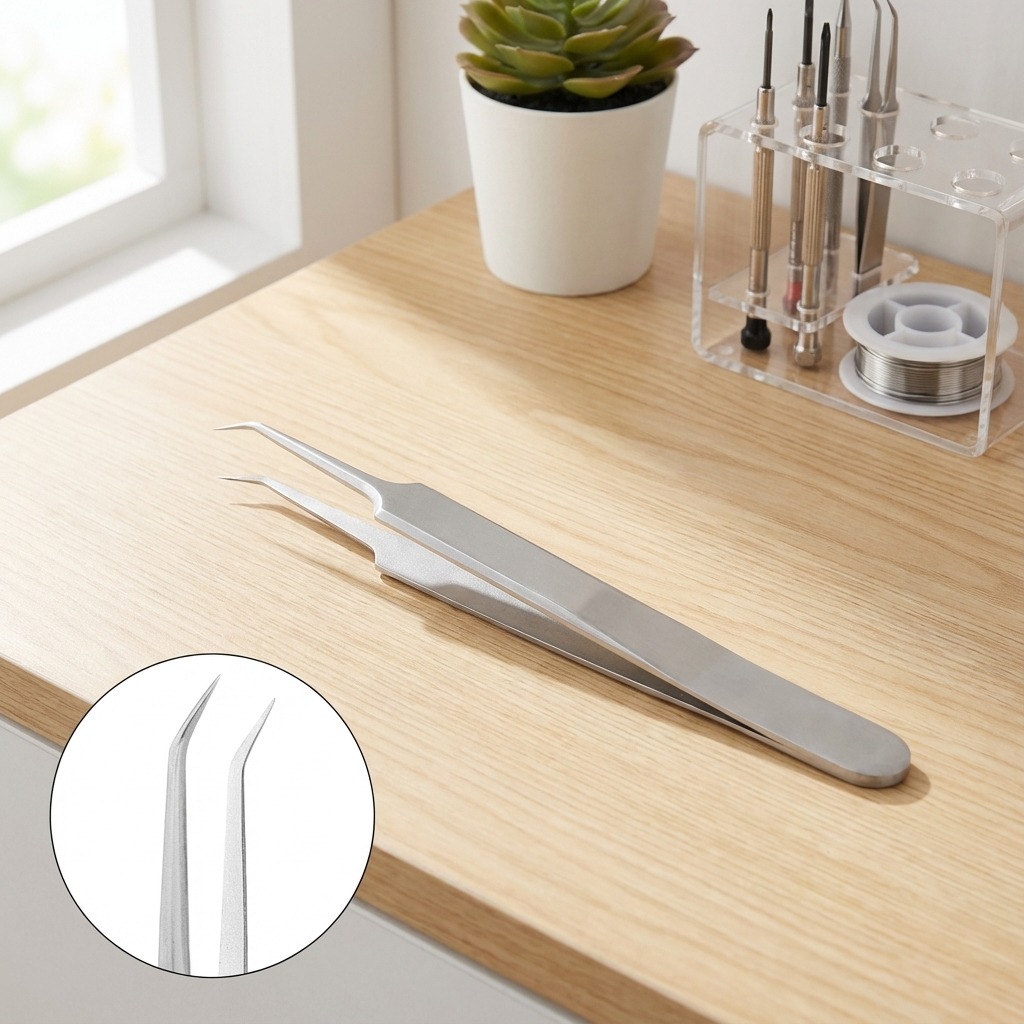
The supplied product description references Ultra-Fine Stainless Steel Precision Tweezers with perfectly aligned tips for meticulous work in beauty and crafts. That alignment is more than a marketing point. When the two tips do not meet evenly, the tweezer may cut, slip, or bend hair instead of gripping it. For a buyer evaluating samples, tip closure should be checked under good light from multiple angles, including the very end of the tip where fine-hair pickup usually happens.
Material, Finish, and Grip Considerations
Stainless steel is widely used for tweezers because it can provide strength, a clean appearance, and resistance to corrosion when properly finished and cared for. The original product information highlights premium stainless steel and corrosion resistance, which are useful qualities for tools that may be used around skincare products, cleaning solutions, and humid bathroom environments. Even so, buyers should evaluate the full construction, not just the material name.
A good tweezer should have a controlled flex: not so stiff that it tires the hand, and not so soft that the tips twist during use. The arms should feel symmetrical, and the edges should be smooth enough for repeated handling. A satin finish can reduce glare and create a professional appearance, while color accents or coating options may support a brand palette. If a non-slip grip is included, it should improve control without creating uncomfortable pressure points or collecting residue in hard-to-clean areas.
- Tip alignment: The tips should meet evenly without visible gaps at the gripping point.
- Edge comfort: Handle edges should feel smooth against the fingers during repeated use.
- Spring tension: The tweezer should open naturally and close without excessive force.
- Surface finish: Satin, polished, colored, or textured finishes should be consistent across the tool.
- Cleaning practicality: Decorative areas should not make routine cleaning unnecessarily difficult.
Personalization That Supports Brand Value
Personalized tweezers can be useful for beauty retailers, salons, gift sets, travel kits, subscription boxes, and private-label tool programs. Engraving, color accents, and coordinated packaging can make a small tool feel intentional rather than generic. The key is to keep branding readable and durable while protecting the working areas of the tweezer. A logo placed too close to a textured grip may lose clarity; decoration near the tip may interfere with cleaning or inspection.
For a professional buyer, personalization decisions should be connected to the product’s sales channel. A salon tool may prioritize subtle engraving and easy cleaning. A retail beauty kit may need a finish that photographs well and matches the other tools in the set. A promotional item may focus on brand recognition, but it still needs to grip properly; a poor-performing tweezer can damage the perception of the entire campaign.
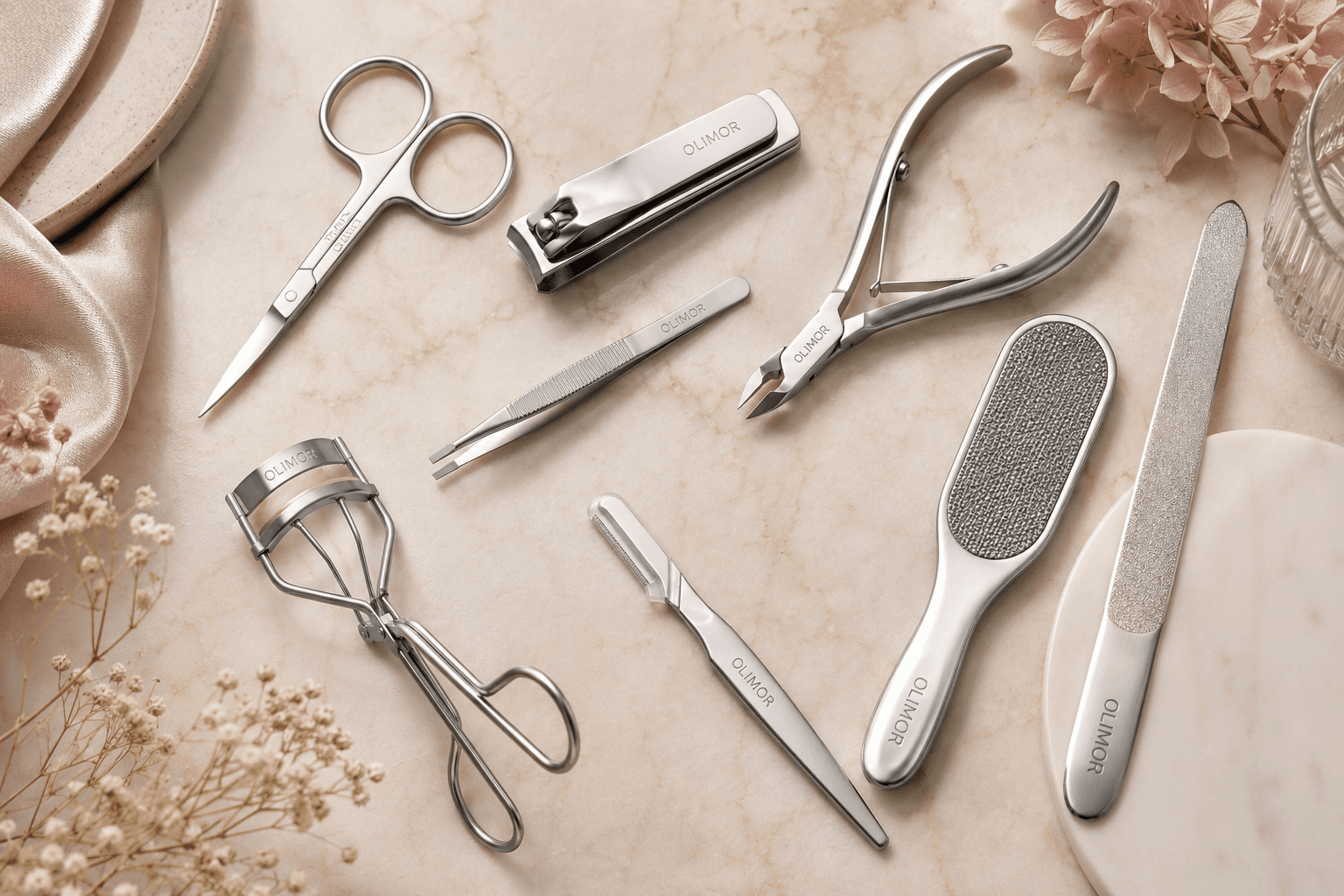
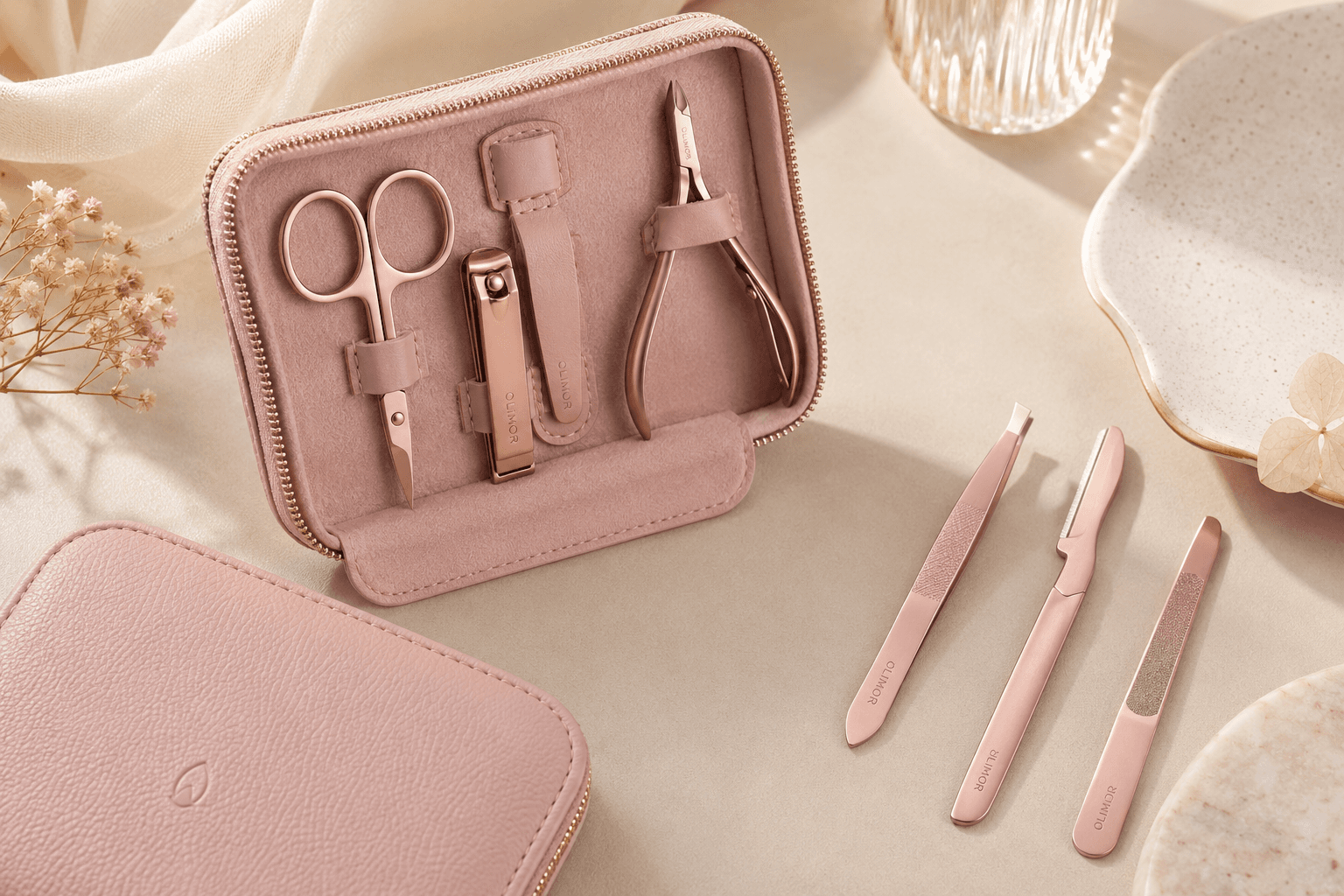
When reviewing options from Olimor Beauty, browse the broader range of beauty tool products to consider how tweezers might coordinate with other grooming or cosmetic accessories. Buyers building sets can also review product collections to think through color consistency, packaging direction, and category fit.
Quality Checks Before Confirming a Custom Tweezer Order
A custom tweezer program benefits from a clear inspection checklist. The original product information mentions quality checks through production stages, from raw materials to packaging. For buyers, it is helpful to translate that quality focus into practical acceptance points. This does not require complex lab language for every project; it starts with the visible and functional details that users notice immediately.
- Inspect the tips first. Confirm that both tips are symmetrical, meet cleanly, and do not show burrs or roughness.
- Test hair grip consistency. Try the tweezer on fine, short hairs or an agreed sample material to see whether it grips without slipping.
- Check hand feel. Open and close the tool repeatedly to judge tension, comfort, and control.
- Review finish uniformity. Look for uneven coating, discoloration, scratches, or sharp edges.
- Confirm personalization placement. Make sure engraving, color accents, or printed details match the approved layout.
- Assess packaging fit. Packaging should protect the tips and present the product cleanly for its sales channel.
These checks are especially important when a tweezer is intended for professional beauty use. A stylist or lash technician may use the same tool many times in a day, so minor flaws can become daily annoyances. For retail customers, first impressions matter: if the tip cap, pouch, or package does not protect the tweezer, damage can occur before the product reaches the end user.
Working With a China Tweezers Exporter
Olimor Beauty is positioned as a China tweezers exporter serving global markets. For international buyers, a capable exporter should help turn a design idea into a product that can be evaluated, approved, packed, and reordered with consistency. The conversation should include both appearance and function: tip style, stainless steel construction, grip, finish, engraving method, packaging, and inspection standards.
It is wise to prepare a clear brief before discussing customization. Include the target user, primary application, preferred finish, branding needs, retail or professional channel, and any packaging expectations. If you already have a reference sample, note what you like and dislike about it instead of only asking for something similar. A precise brief reduces confusion and helps the supplier recommend practical adjustments.
For custom sourcing questions, you can contact Olimor with your project details or send an inquiry for product discussion. Useful information includes desired tweezer type, decoration idea, packaging concept, and intended market. Avoid making decisions based only on photos; functional sampling and approval criteria are important for tools where precision is the selling point.
Care and Maintenance for Longer Tweezer Performance
Even a well-made tweezer needs proper care. Fine tips can be damaged by drops, twisting, or storage without protection. After use, wipe the tips clean and dry them before storage. If the tweezer is used in a professional setting, follow the applicable hygiene process for the workplace and avoid harsh handling that may affect the finish or alignment. Store tweezers with a tip cover or in packaging that prevents the ends from hitting other tools.
Users should not use precision beauty tweezers as general household tools. Opening packages, prying objects, or bending wire can misalign the tips permanently. If the tweezer begins to slip, inspect the tip under light before assuming the material is worn out; residue, oil, or a small impact may be the cause. Careful cleaning and protected storage help maintain grip quality and appearance.
Final Buying Perspective
Custom tweezers are most successful when personalization and precision are planned together. Engraving, color, and finish create identity, but the working value comes from aligned tips, comfortable tension, stainless steel construction, practical grip, and reliable packaging. For beauty brands, salons, and sourcing teams, the best product brief starts with the real task the tweezer must perform.
Olimor Beauty’s custom tweezer direction is suited to buyers who want personalized beauty tools without ignoring functional details. By evaluating tip design, finish, ergonomics, inspection points, and end-user care, you can build a tweezer program that looks polished and performs with the accuracy expected in modern beauty work.
Tag: