Custom Tweezers for Business: How to Source Quality Tools in Bulk
For a beauty brand, salon group, retailer, or professional tool distributor, tweezers are small products with a large influence on customer trust. A tweezer that grips cleanly, aligns precisely, and feels comfortable in the hand can make routine grooming feel controlled and professional. A weak pair, by contrast, can pull, slip, rust, or look inconsistent across batches. When you are buying custom tweezers for business, the goal is not only to add a product to your catalog. The goal is to source a dependable tool that supports your brand promise every time a customer uses it.
Olimor Beauty works with business buyers looking for stainless steel beauty tools, including B2B tweezers for bulk supply, salon use, retail packaging, and distributor programs. Before you compare quotations or approve branding, it helps to understand the practical details that separate an ordinary tweezer from one that is suitable for repeat commercial sales.
Why Tweezers Matter for Beauty Brands and Distributors
Tweezers may look simple, but customers judge them quickly. They notice whether the tips meet evenly, whether the grip feels stable, whether the edges are too sharp against the skin, and whether the finish still looks clean after repeated use. For a salon, poor tweezers slow down service and frustrate technicians. For a retailer, inconsistent tweezers can lead to returns or negative product reviews. For a distributor, quality variation can make it difficult to maintain long-term accounts.
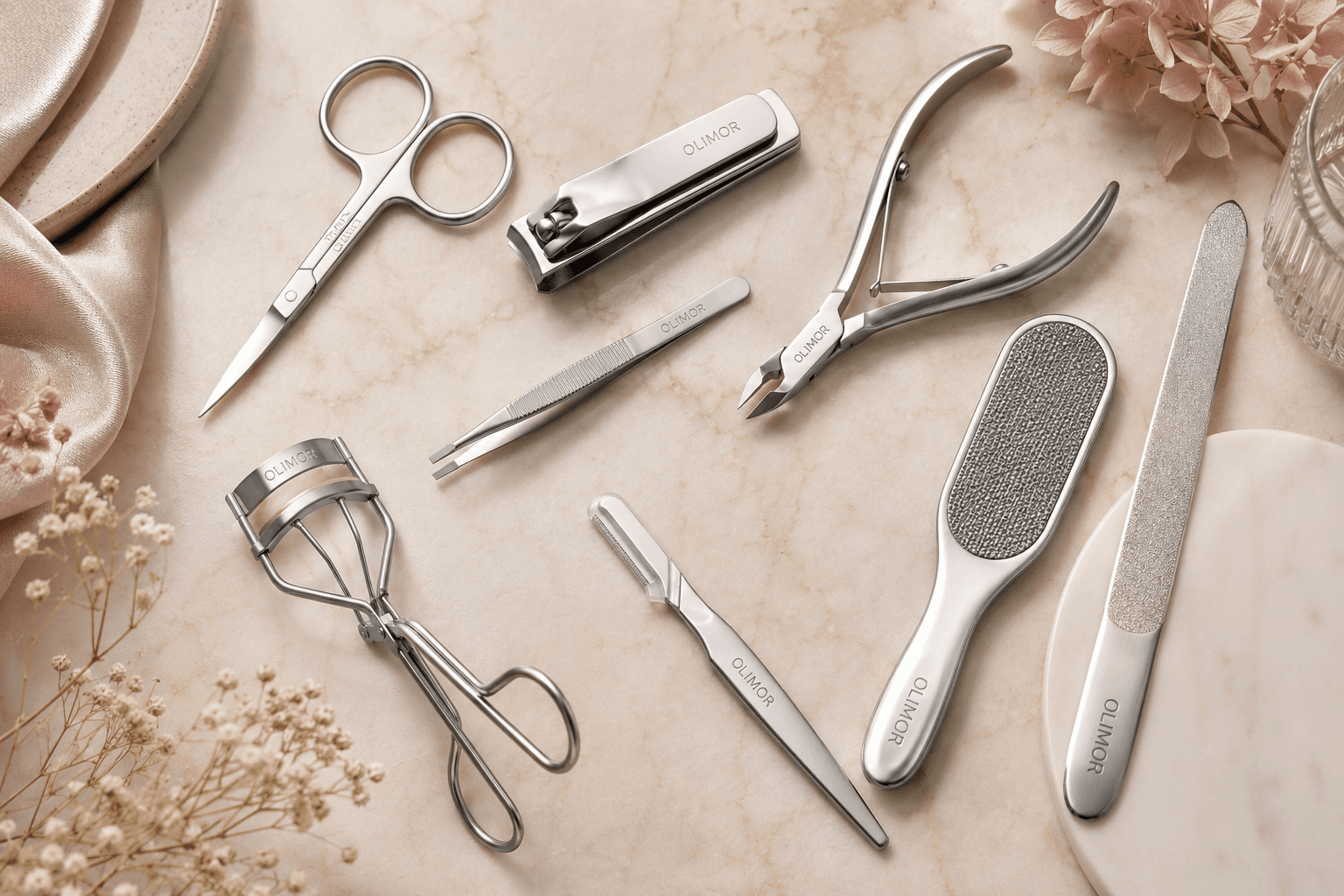
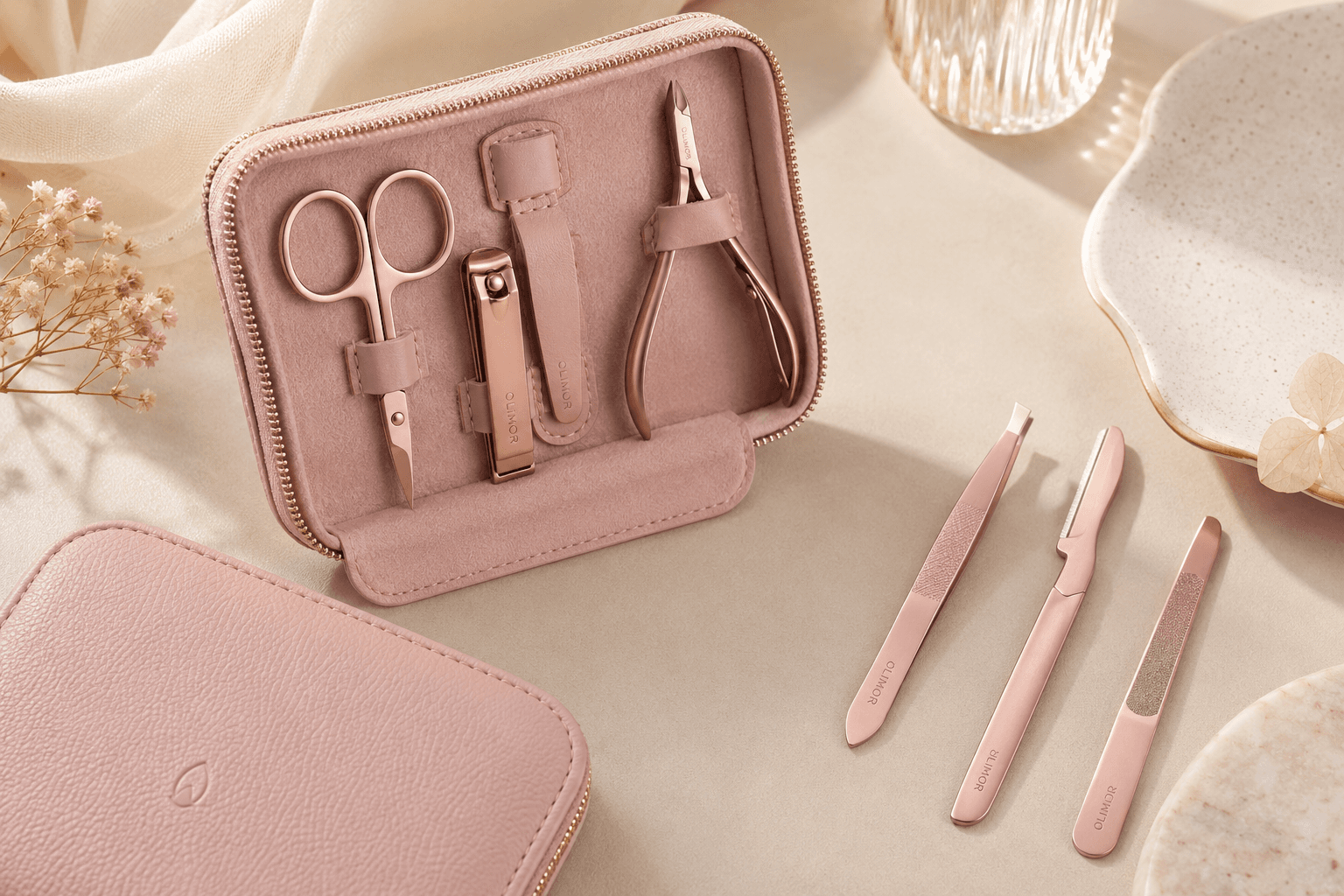
Custom tweezers can help businesses create a more coherent product range. They can be paired with other grooming tools, included in travel kits, sold as professional brow tools, or offered as a branded accessory in salons. Buyers exploring wider categories can also review Olimor’s beauty tool products to understand how tweezers may fit into a broader sourcing plan.
The most successful custom tweezer programs usually begin with a clear use case. A salon chain may prioritize precision and comfort during repeated daily use. A retail beauty brand may focus on clean finishing, package presentation, and consistent shelf appeal. A distributor may need a reliable standard product that can serve multiple customers with minimal quality disputes. Each use case can influence the tip shape, finish, packaging, and inspection requirements.
Key Quality Criteria for Custom Tweezers
When comparing B2B tweezers, do not rely only on appearance. A polished finish or attractive color does not guarantee performance. The most important details are functional: how the tweezer closes, how it grips hair, and how consistently the same feel can be reproduced across a bulk order.
- Tip alignment: The two tips should meet evenly without visible gaps. Misalignment reduces grip and can cause the tweezer to cut or slip instead of removing hair cleanly.
- Closing tension: The tweezer should not feel too stiff or too loose. Good tension allows control without causing hand fatigue during repeated use.
- Tip finish: Tips should be refined enough for precision work while remaining comfortable near the skin. Uneven edges can create a rough user experience.
- Material suitability: Stainless steel is commonly preferred for beauty tools because it supports durability and resistance to rust when properly maintained.
- Surface consistency: The finish should be uniform across the batch, especially when the product will be sold under your brand name.
- Packaging protection: Tweezers should be packed to protect the tips during storage and transportation. Damaged tips can make an otherwise good product unusable.
For professional customers, performance matters more than decorative claims. If you are developing tweezers for distributors, build your specification around measurable details: tip type, finish, acceptable alignment standard, packaging format, and any branding position. Clear specifications make it easier to compare samples and avoid confusion during bulk production.
Selecting Tip Styles for Different Buyer Needs
One common sourcing mistake is treating all tweezers as interchangeable. Tip shape changes the user experience and determines the best application. If your target audience is clear, your tweezer selection will be more focused and easier to market.
| Tip style | Common use case | Business buying note |
|---|---|---|
| Slant tip | General eyebrow shaping and everyday grooming | A practical option for retail beauty ranges and salon resale because it is familiar to most users. |
| Point tip | Fine, short, or ingrown hairs | Better suited to experienced users; packaging and instructions should emphasize careful handling. |
| Flat tip | Gripping wider hairs or applying small items | Can suit multipurpose grooming kits, though it may offer less precision for detailed brow shaping. |
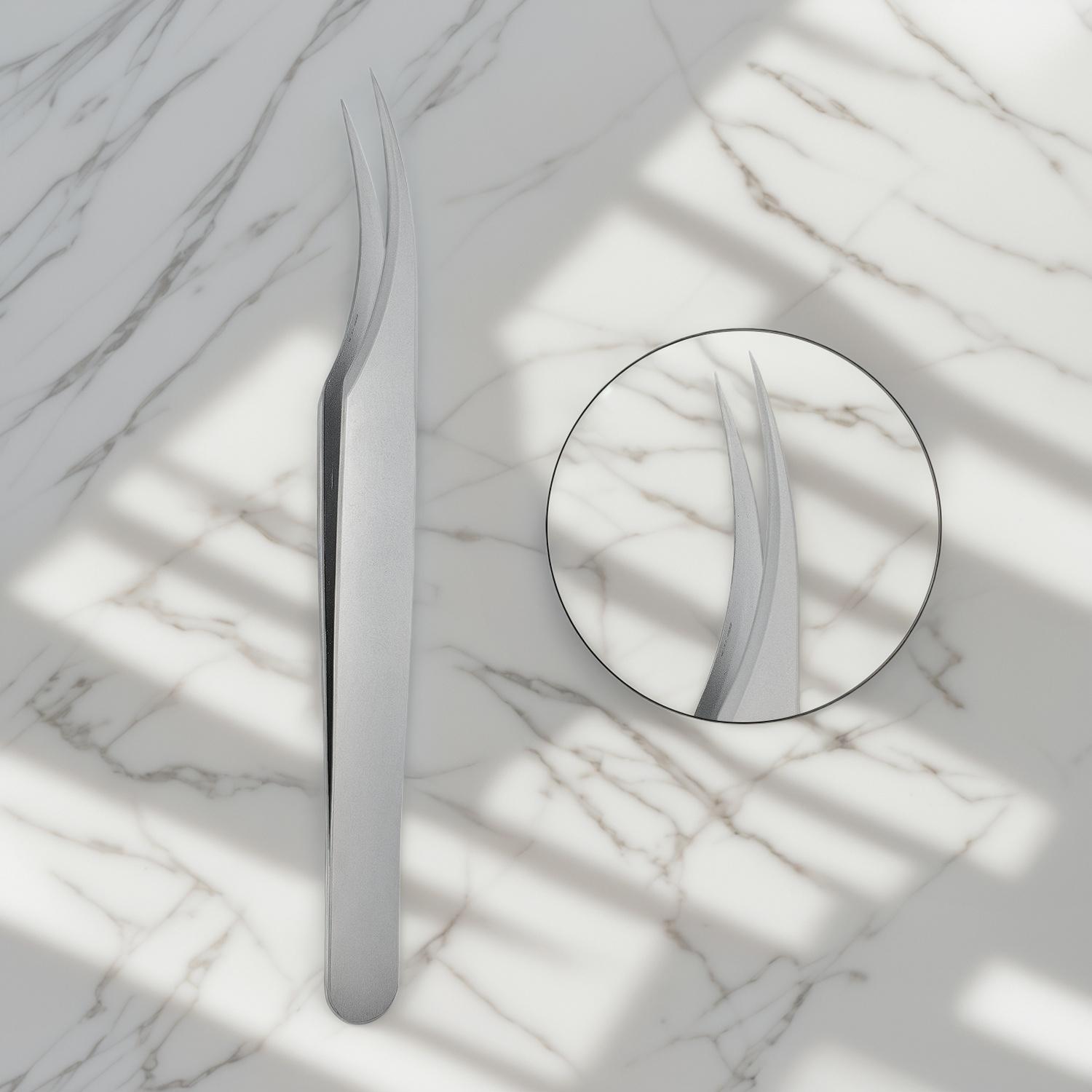
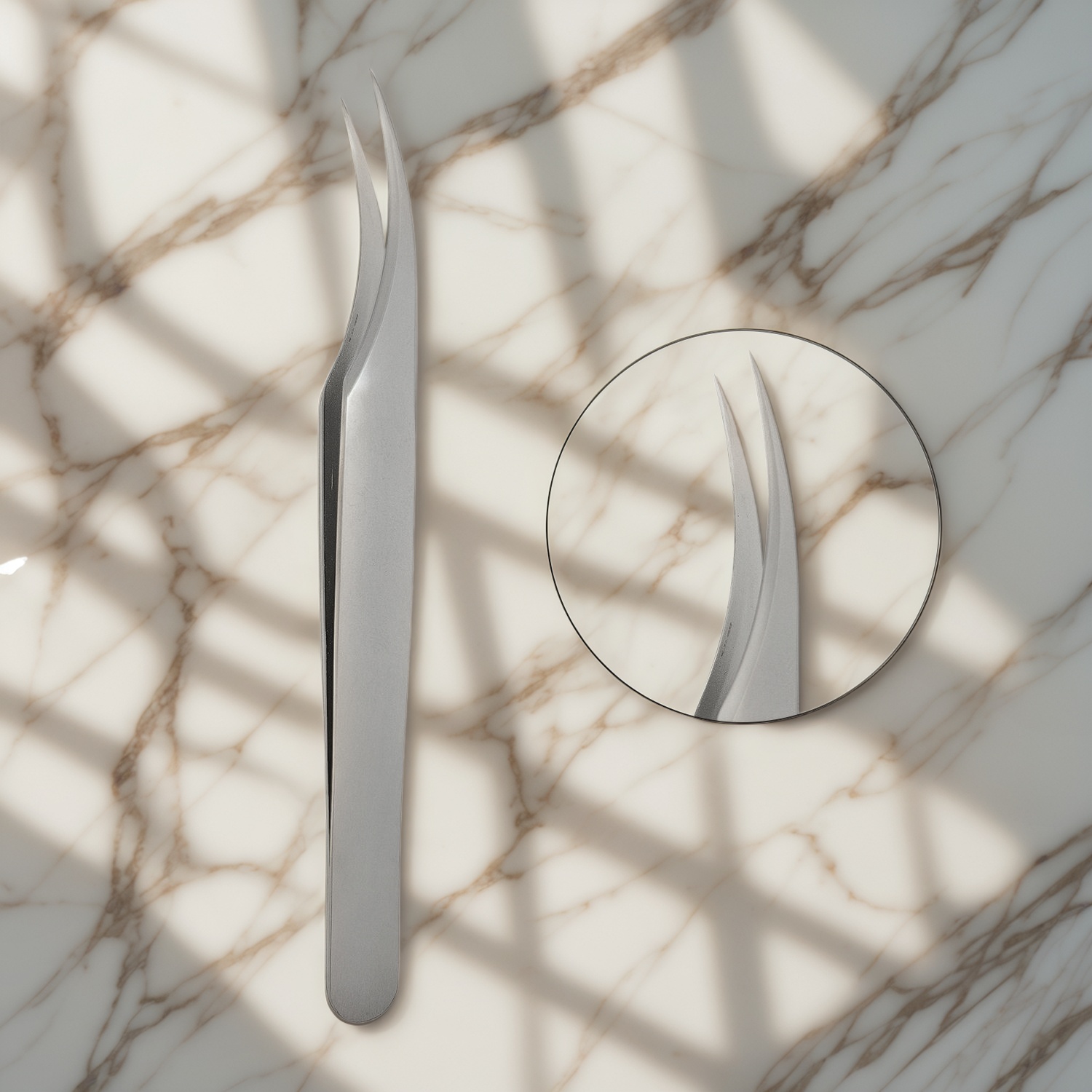
| Curved or specialty tips | Specific professional or cosmetic applications | Useful when the target market is specialized and the application is well understood. |
For many businesses, a slant-tip tweezer is the safest starting point because it supports a wide range of grooming needs. However, a distributor serving professional brow technicians may want more than one tip style to cover different use cases. When planning a line, avoid adding too many variations too early. A focused range with dependable quality often performs better than a large assortment with unclear differences.
Understanding Bulk Tweezers Price and Long-Term Value
Bulk tweezers price is an important sourcing factor, but the lowest unit price is not always the best commercial decision. Tweezers that look inexpensive at the quotation stage can become costly if they result in returns, complaints, inconsistent branding, or failed repeat orders. The better question is: what level of quality supports your sales channel and customer expectations?
Several elements may affect the total value of a bulk tweezer order. Material selection, surface finishing, tip work, branding method, packaging, inspection requirements, and order complexity can all influence production cost. A simple unbranded tweezer for promotional use may not require the same finishing standard as a premium retail product. A salon tool expected to perform daily should be evaluated more strictly than a low-cost giveaway item.
When reviewing pricing, compare quotations against the same specification. If two quotes are based on different packaging, different finishing requirements, or different quality checks, the unit prices are not truly comparable. A practical sourcing file should include the product drawing or reference sample, material expectations, finish, logo placement, packaging format, carton requirements, and inspection criteria. This allows you to assess price in relation to real deliverables rather than assumptions.
Branding and Packaging Decisions for Custom Tweezers
Custom tweezers for business often need to do more than function well. They must also fit the buyer’s brand identity. Branding can be subtle or prominent depending on the sales channel. A professional salon tool may use discreet logo placement, while a retail product may require coordinated outer packaging, barcode space, product information, and a polished presentation.
Before approving custom branding, think through how the product will be sold and handled. Will it hang on a retail display? Be packed in a pouch? Be included in a kit? Ship individually through e-commerce? Each channel has different packaging needs. Tip protection is especially important because even minor damage to the tweezer tips can affect performance. For e-commerce, packaging should also help prevent movement during shipping.
Businesses building a broader product range can explore Olimor’s product collections for category planning ideas. Tweezers may work well alongside scissors, nail tools, lash tools, or grooming accessories, but the final assortment should reflect your customers’ actual buying behavior rather than a generic catalog approach.
A Practical Sourcing Process for B2B Tweezers
A structured sourcing process reduces risk, especially for first-time private label buyers. Instead of beginning with a vague request for the cheapest option, start with a product brief. This does not need to be complicated, but it should define the intended market, target quality level, approximate quantity, preferred style, and packaging needs.
- Define the user: Identify whether the tweezers are for salons, retail consumers, distributors, professional kits, or promotional programs.
- Choose the tip style: Match the tip shape to the main application, such as brow shaping, fine-hair removal, or general grooming.
- Review samples carefully: Test alignment, grip, tension, finish, and comfort. If possible, compare several samples under the same conditions.
- Confirm branding requirements: Decide where the logo should appear and how the packaging should present the product.
- Set acceptance criteria: Clarify which visible or functional issues are unacceptable before bulk production begins.
- Plan reorders: Keep records of approved samples, packaging artwork, and specifications so future orders remain consistent.
If you are ready to discuss a sourcing plan, you can send an inquiry with your target product type, quantity range, packaging concept, and any reference images or drawings you already have. For general questions about custom beauty tool development, you may also contact Olimor.
Maintenance Guidance That Adds Value for End Customers
Good tweezers last longer when users care for them properly. Including simple maintenance guidance in your packaging or product listing can reduce complaints and improve customer satisfaction. Recommend that customers wipe the tips after use, keep the tool dry before storage, and avoid dropping it on hard surfaces. A dropped tweezer may look intact but still lose tip alignment, which affects gripping performance.
For professional environments, hygiene procedures should follow the buyer’s local regulations and salon policies. The product information should be accurate and not overpromise capabilities. If special cleaning methods or chemical exposure will be used, confirm that the selected finish and packaging are suitable for that environment before committing to a bulk order.
Building a Better Tweezer Program with Olimor Beauty
Custom tweezers can be a strong addition to a beauty business when the sourcing process is based on performance, consistency, and appropriate presentation. The best results come from matching the tool to the user, checking samples with care, and treating packaging as part of the product experience rather than an afterthought.
Olimor Beauty supports business buyers seeking stainless steel tools for professional and retail beauty markets. Whether you are developing a private label tweezer, adding tweezers to an existing assortment, or looking for B2B tweezers for distributors, a clear specification and quality-focused approach will help you make better purchasing decisions. Start with the customer’s hand, the customer’s use case, and the level of consistency your brand needs to defend. From there, the right custom tweezer becomes much easier to source.
Tag: