Custom Tweezers for Business: How to Source Branded Tools Without Sacrificing Grip Quality
Custom tweezers are small products, but they can carry a large share of a beauty brand’s reputation. A tweezer that grips cleanly, feels stable in the hand and keeps its alignment after repeated use becomes a practical daily tool for salons, brow professionals, beauty retailers and promotional product programs. A poorly made tweezer, on the other hand, quickly creates frustration: slipping tips, uneven tension, rough edges and inconsistent finishing can damage trust in the brand printed on the tool.
For businesses buying in quantity, the goal is not simply to find the lowest bulk tweezers price. The better goal is to define the right balance of grip performance, finish consistency, packaging needs, branding method and supply reliability. Whether you are building a private-label beauty range, supplying salons, preparing retail gift sets or sourcing tweezers for distributors, the decisions made before production affect customer satisfaction long after delivery.
Why Custom Tweezers Matter for Beauty Businesses
Tweezers are often used at close range, under good lighting and for precise grooming work. That makes their quality easy for users to judge. A branded tweezer may be included in an eyebrow care kit, sold as a retail accessory, used by professional technicians or offered as a promotional item. In each case, the user experiences the brand through the tool’s tension, tip contact, surface finish and durability.
Customization can support brand recognition, but it should not hide weak product fundamentals. The logo, color or packaging can attract attention at first, while the tool’s performance determines whether customers keep it, recommend it and reorder. For B2B buyers, a successful custom tweezer program should answer three practical questions: Will the tips grip reliably? Will the finish match the brand position? Can the supplier maintain consistency across bulk orders?
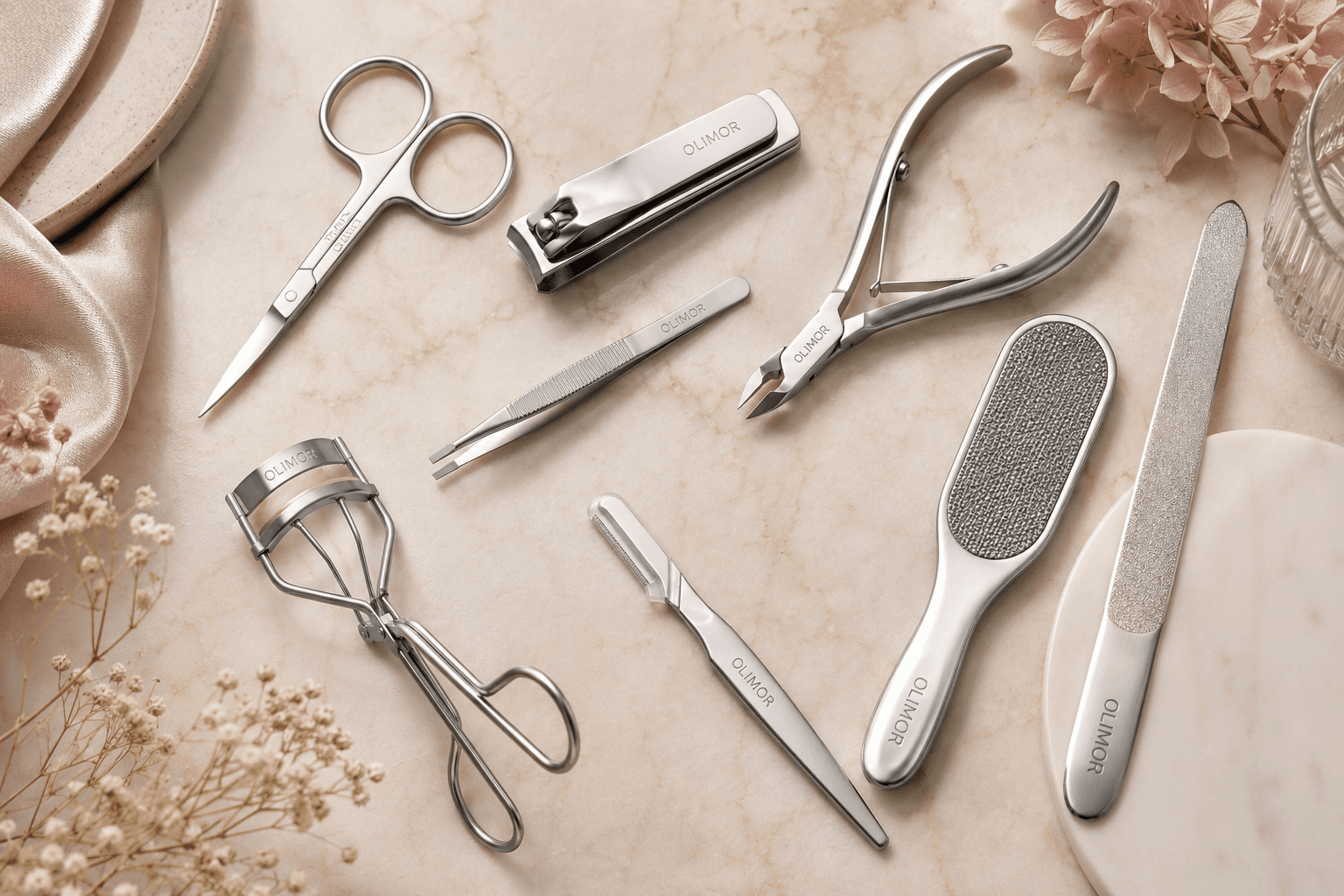
If you are comparing custom tweezers with other grooming tools, it can be helpful to review the broader range of beauty tool products available for private-label or wholesale planning. This helps align tweezers with related items such as lash tools, brow accessories or manicure tools in a coordinated product offer.
Core Quality Criteria for B2B Tweezers
When sourcing B2B tweezers, buyers should evaluate more than appearance. A tweezer is a precision hand tool, and small differences in manufacturing can create noticeable differences in use. Stainless steel is commonly valued for durability, rust resistance and a professional finish, but material choice is only one part of the sourcing decision. Tip geometry, alignment, spring tension and edge finishing are equally important.
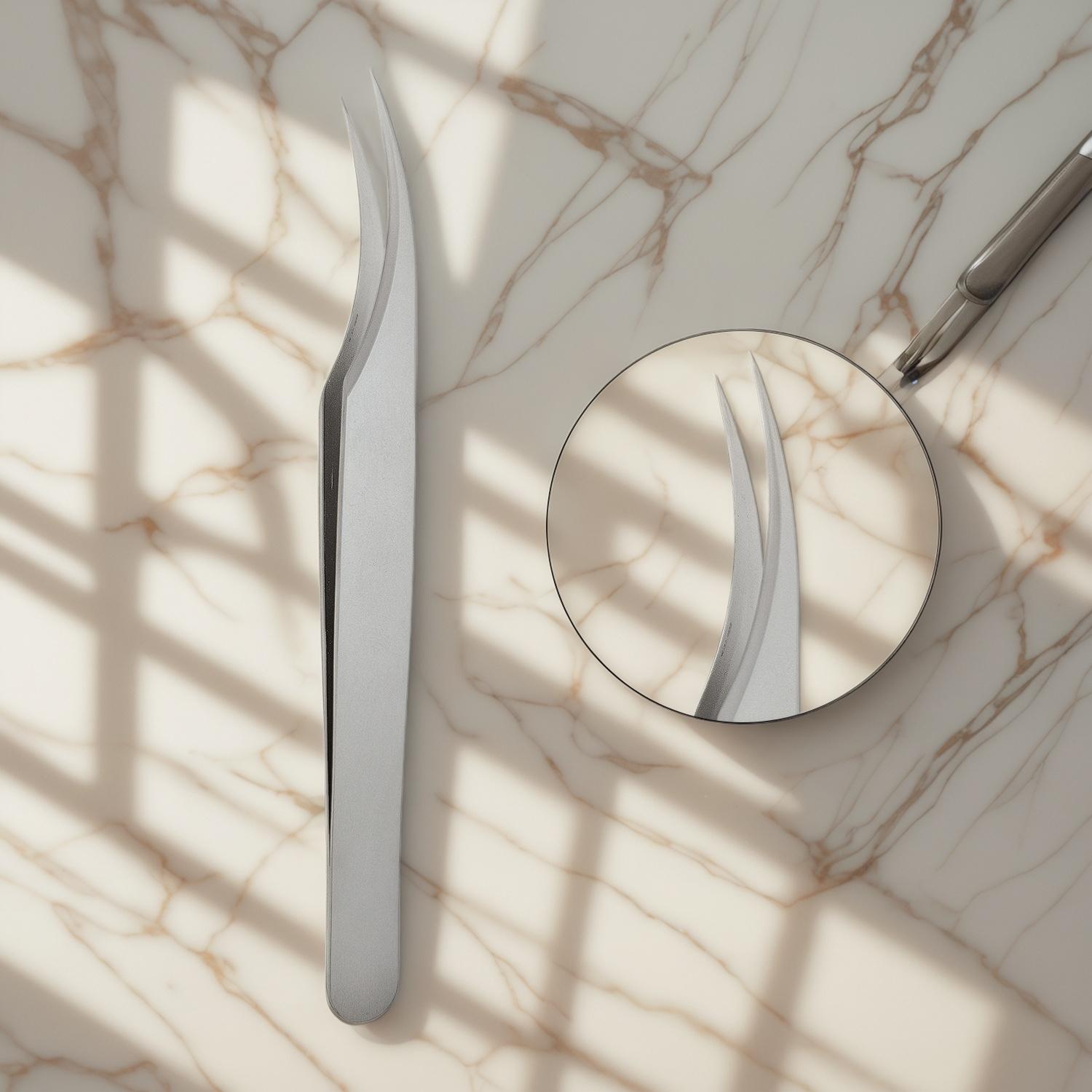
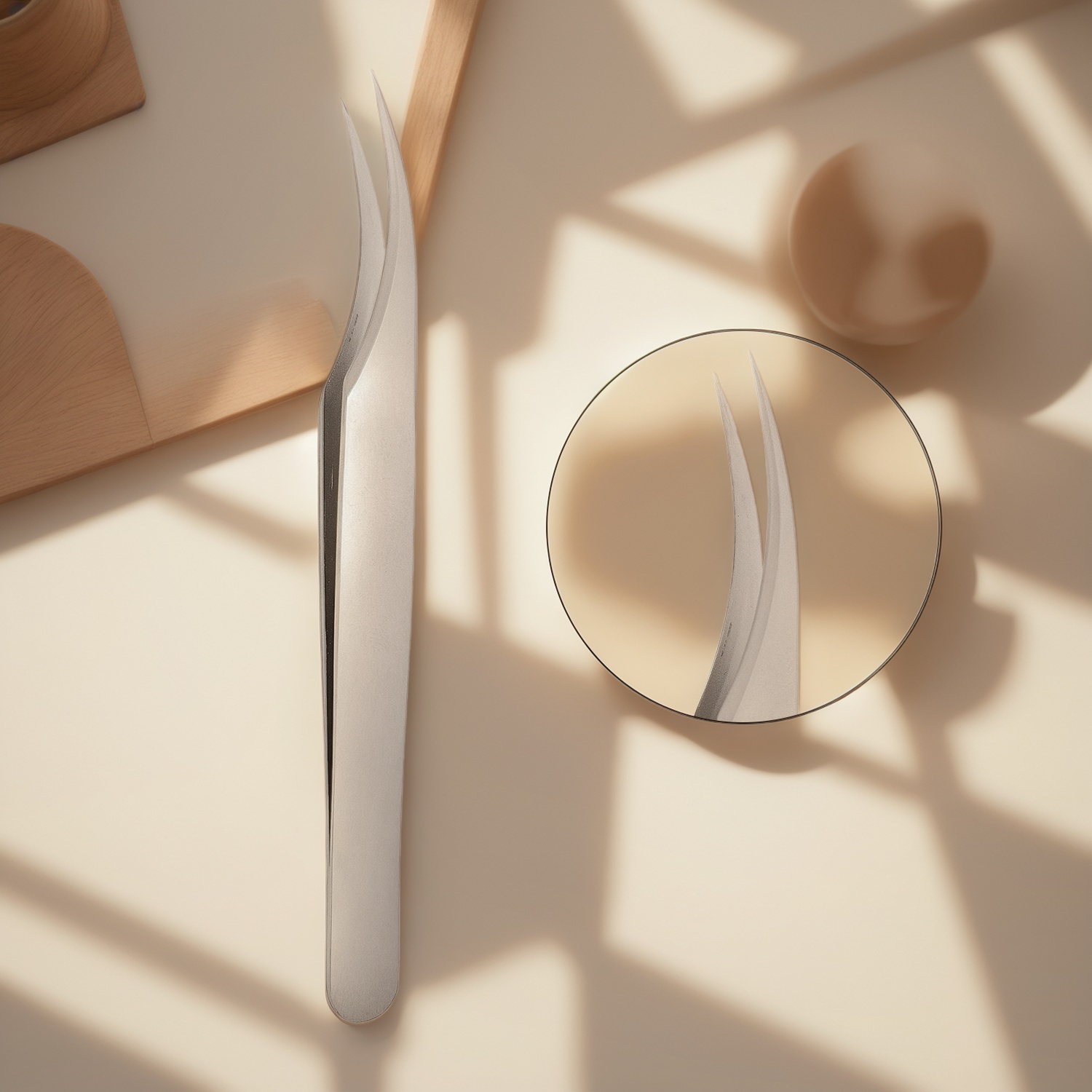
The most critical area is the tip. The two sides should meet evenly so the tweezer can grip fine hairs without excessive pressure. If the tips are misaligned, too thick or roughly finished, the tool may cut hair instead of removing it, or it may fail to grip altogether. For brow professionals and daily users, this becomes a direct performance issue.
- Tip alignment: The points or slanted edges should close evenly along the contact area.
- Grip control: The tweezer should hold fine hairs securely without requiring uncomfortable force.
- Consistent tension: The arms should spring back smoothly and feel stable during repeated use.
- Smooth finishing: Edges and surfaces should not feel sharp, rough or unfinished where the hand holds the tool.
- Rust resistance: The selected material and finish should suit the intended use environment and cleaning routine.
- Visual consistency: Color, coating, logo placement and packaging should remain consistent across the order.
For businesses serving professional users, ergonomic feel also matters. A tweezer that is too stiff can cause hand fatigue during long service hours, while one that is too loose may feel imprecise. The best choice depends on the end user: a salon may prioritize daily working comfort, while a retail kit may place more emphasis on an approachable design and clear packaging presentation.
Choosing the Right Tweezer Type for the Use Case
Not every custom tweezer should be specified the same way. Different markets and service environments call for different tip shapes and product positioning. Before discussing logo placement or packaging, define how the tweezer will be used and who will use it.
| Use Case | What Buyers Should Prioritize | Common Evaluation Points |
|---|---|---|
| Salon and brow services | Precise grip, comfortable tension and durable finish | Tip alignment, spring feel, cleaning compatibility and long-session comfort |
| Retail beauty accessories | Attractive presentation and reliable everyday performance | Packaging clarity, surface finish, logo quality and user-friendly grip |
| Gift sets and promotional kits | Brand visibility and consistent appearance | Logo placement, color matching, pack fit and perceived value |
| Distributor assortments | Repeatable quality across shipments | Inspection standards, carton consistency, labeling needs and reorder stability |
This simple use-case mapping helps prevent over-specifying features that do not matter or under-specifying details that will affect complaints. For example, a professional brow studio may care more about tip finishing than decorative packaging, while a retailer may need both functional performance and shelf-ready presentation.
Understanding Bulk Tweezers Price and Real Value
Bulk tweezers price is influenced by several variables, including material selection, manufacturing precision, finishing process, customization complexity, packaging and order requirements. A lower unit cost can be appealing, especially for large distributor orders, but price should be compared against defect risk, returns, user satisfaction and brand positioning.
Two tweezers can look similar in a photo but perform very differently in the hand. If the tips do not meet evenly, if the coating chips easily or if the printed logo is inconsistent, the true cost becomes higher than the purchase price. Businesses may face extra inspection time, customer service issues or reduced reorder confidence from retail partners.
A practical way to evaluate value is to separate cost drivers into necessary, optional and brand-led choices. Necessary cost drivers include reliable tip alignment and safe finishing. Optional choices may include special colors or packaging formats. Brand-led choices include logo method, presentation style and how the product fits into a broader product line. This makes it easier to make cost decisions without weakening the tool’s basic function.
Customization Decisions That Affect the Final Result
Custom tweezers for business usually involve decisions about color, surface treatment, logo placement and packaging. Each choice should support the intended sales channel. A minimal logo may suit a professional salon tool, while bolder branding may work well for retail sets or promotional programs. The goal is to create a branded product that looks intentional without interfering with comfort or function.
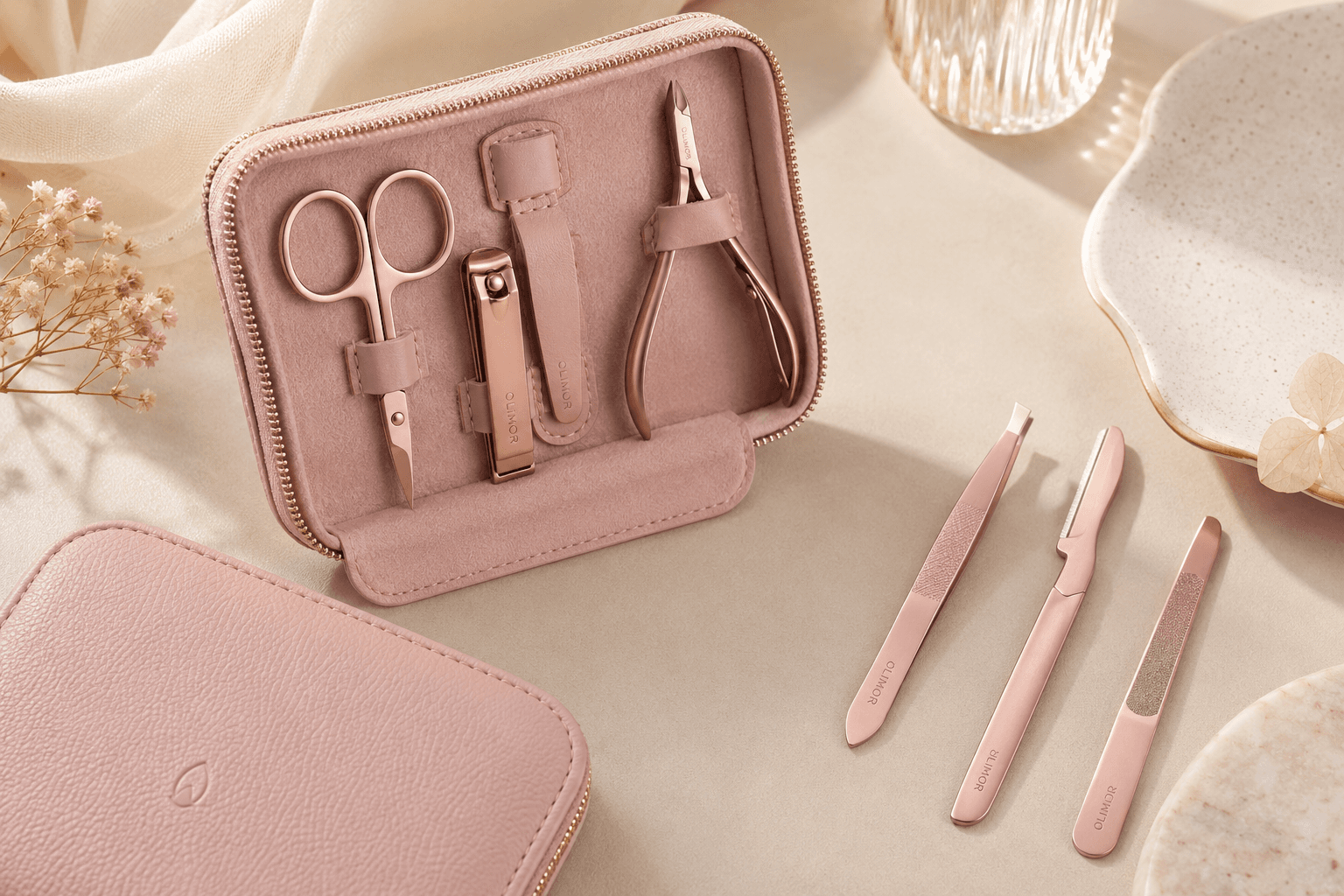
Logo placement should be visible but not placed where it will be quickly worn by constant finger pressure, unless the selected marking method is designed for that type of use. Packaging should protect the tips, because even minor impact during shipping or storage can affect alignment. If the tweezer is part of a set, the pack should hold it firmly so the tips do not press against other tools.
- Define the target user and sales channel before choosing cosmetic details.
- Confirm the tweezer style and tip shape fit the intended grooming task.
- Review logo size, position and contrast on the selected finish.
- Check that packaging protects the tips and supports the retail or distribution plan.
- Prepare inspection criteria for appearance, grip, alignment and labeling.
Businesses developing multiple beauty accessories can also compare design direction across product collections so the finished line feels coherent rather than assembled from unrelated items.
Quality Control Questions for Distributors and Private-Label Buyers
For distributors, consistency is often more important than a single impressive sample. A sample can show the intended design, but repeat production shows whether the supplier can maintain alignment, finish and packaging standards at scale. Buyers should define practical inspection expectations before confirming a bulk order.
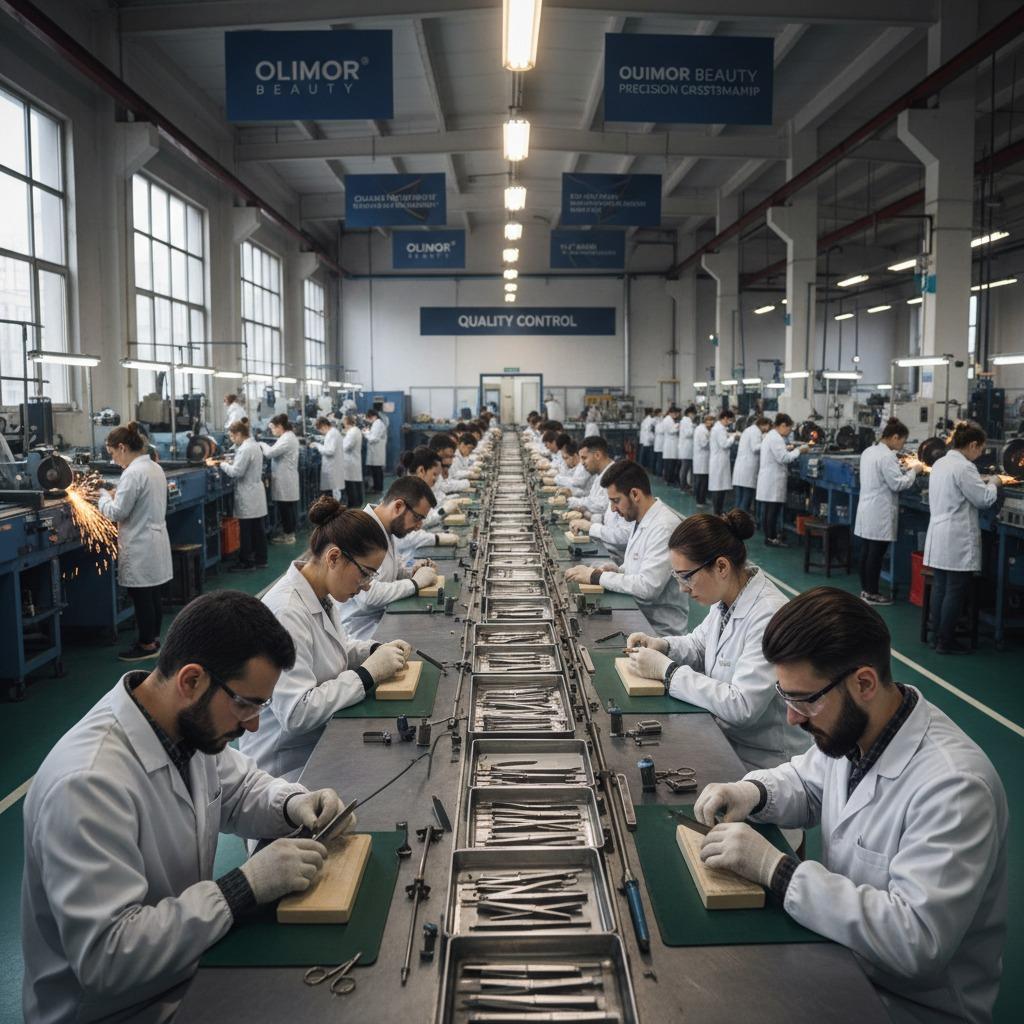
Useful quality control questions include: How are raw materials and semi-finished products inspected? What checks are performed on tip alignment and grip? How are cosmetic defects defined? How is packaging checked before shipment? What information appears on cartons, inner packs or product labels? These questions do not require exaggerated technical claims; they create a shared standard that reduces misunderstandings.
It is also wise to decide what level of variation is acceptable for non-critical appearance details and what issues are unacceptable. For tweezers, unacceptable issues often include tips that do not meet properly, rough hand-contact areas, visible contamination, loose packaging that allows tip damage, or logo errors that affect brand presentation.
Building a Better Sourcing Brief
A clear sourcing brief saves time and improves comparison between suppliers. Instead of requesting “custom tweezers” in general terms, provide the intended market, use case, preferred style, finish direction, logo requirements, packaging concept and quality expectations. This helps manufacturers respond with relevant recommendations and reduces the chance of mismatched quotations.
Your brief can include the following points:
- Target customer: professional salon, retail consumer, distributor, gift set buyer or promotional audience.
- Desired tweezer type: slant, pointed, flat or another appropriate form if already selected.
- Performance priority: fine hair grip, general grooming, kit inclusion or professional daily use.
- Branding needs: logo size, placement, color direction and any packaging artwork requirements.
- Inspection focus: tip alignment, grip feel, finish consistency, packaging protection and labeling.
- Commercial planning: estimated order quantity, delivery timing, shipping destination and reorder expectations.
If you are ready to compare options or clarify a project, you can send an inquiry with your sourcing brief. For questions that require direct discussion about branding, packaging or product selection, you may also contact Olimor.
Final Takeaway for Custom Tweezer Buyers
Custom tweezers can strengthen a beauty business when the product is selected for real use rather than appearance alone. The best sourcing decisions begin with function: aligned tips, dependable grip, comfortable tension and clean finishing. Branding, color and packaging should then be built around those fundamentals.
For B2B buyers, private-label planners and distributors, the strongest custom tweezer program is one that protects both the user experience and the brand behind it. By defining the use case, comparing value rather than price alone and setting clear quality expectations, businesses can source tweezers that look professional, perform reliably and support repeat customer confidence.
Tag: