Custom Tweezers for Business: A Practical B2B Sourcing Guide
Custom tweezers are small tools, but they can carry a large share of a brand experience. A tweezer that grips cleanly, feels balanced in the hand, and arrives in packaging suited to the sales channel can support a beauty retailer, salon supplier, promotional program, private label line, or distributor catalog. A tweezer that looks acceptable but fails in daily use can quickly damage customer trust.
For business buyers, the goal is not simply to find the lowest unit cost. The better question is whether the tweezer is appropriate for the end user, consistent across a production run, and practical to present under your brand. This guide explains how to evaluate custom tweezers for business with a focus on selection criteria, quality discussions, customization decisions, and sourcing preparation.
Why Custom Tweezers Matter for Business Buyers
In beauty, grooming, electronics, craft, and professional service environments, tweezers are often judged within seconds. Users notice whether the tips meet evenly, whether the spring tension is comfortable, and whether the tool can pick up fine hairs or small parts without repeated attempts. These practical details influence repeat purchases and reviews.
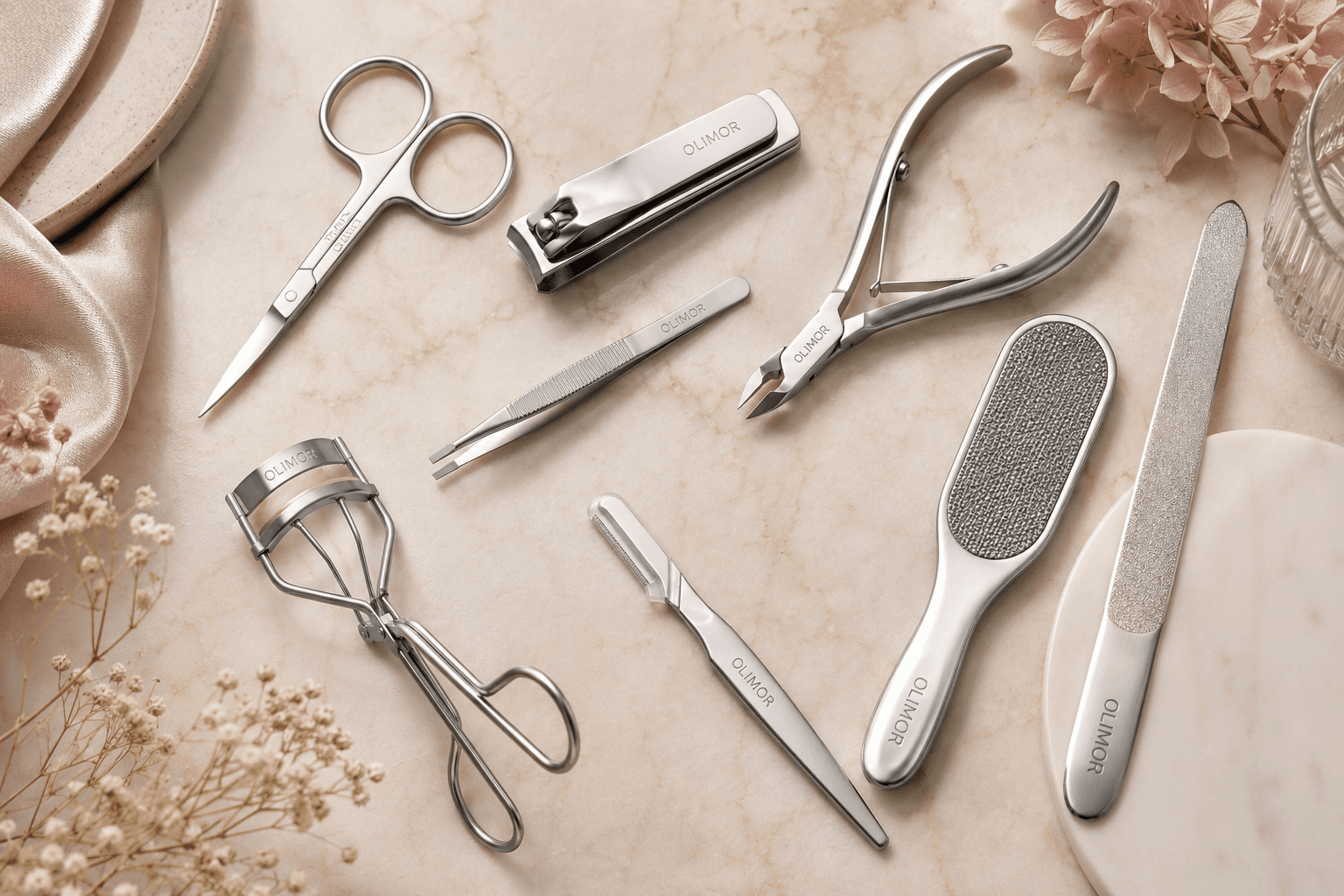
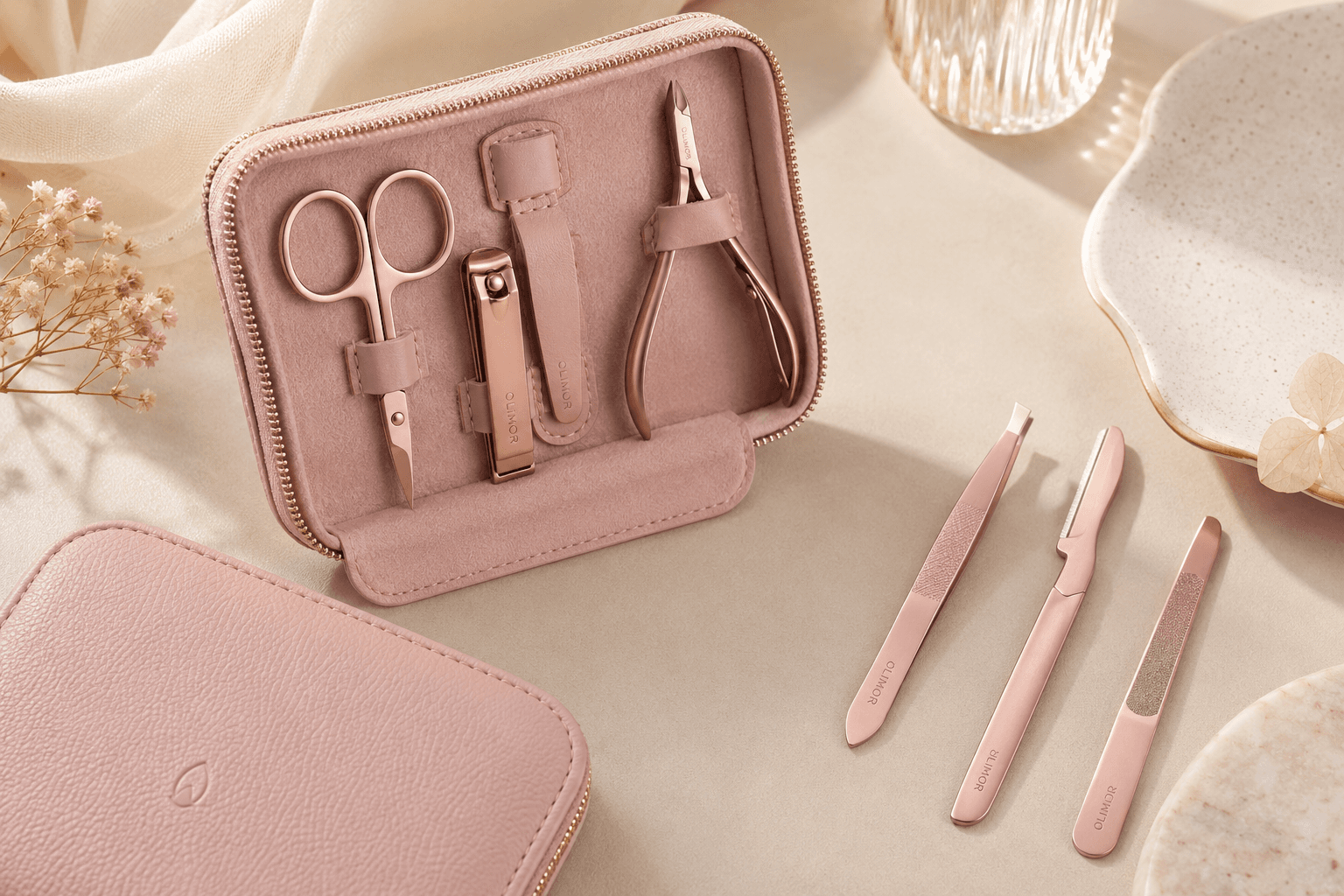
For a brand owner or distributor, custom tweezers can serve several business purposes. They can complete a grooming kit, support a promotional gift set, expand a professional tool range, or provide a compact accessory for retail display. Because the product is lightweight and familiar to consumers, it can also be used to introduce a brand into new channels without requiring a large education effort.
Customization should still be guided by real use. A logo on a poorly aligned tweezer does not make the product premium. Before focusing on color, finish, or packaging, buyers should confirm the intended application and the standard of performance expected by the target customer. You can also compare related beauty tool products to decide whether tweezers should be sold alone, paired with other grooming tools, or included in a broader set.
Match the Tweezer Type to the End User
Different users expect different performance. A salon professional may value precise tip contact and hand comfort during repeated use. A retail consumer may prioritize ease of plucking, attractive packaging, and clear instructions. A distributor may need a product that works across several channels without creating excessive after-sales issues.
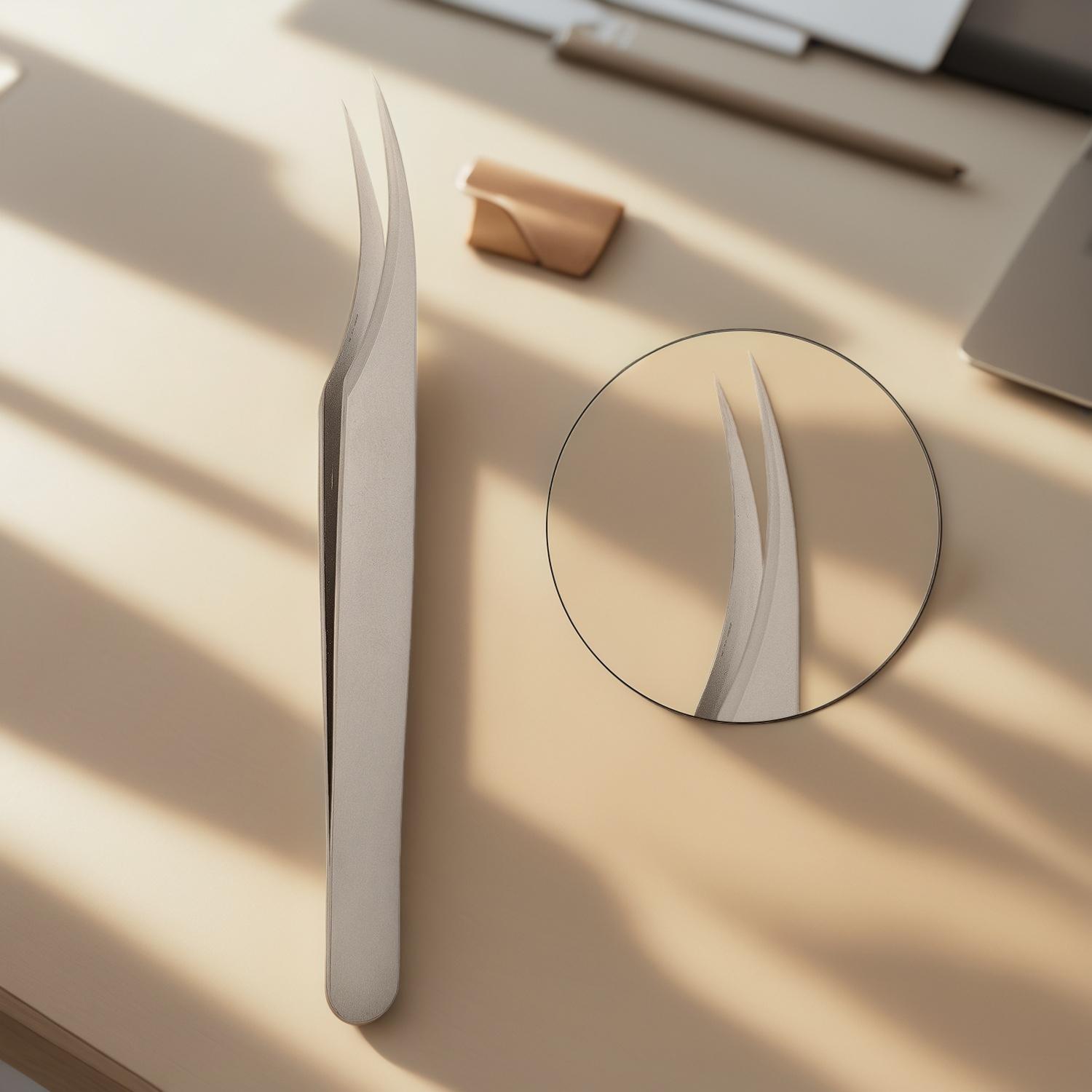
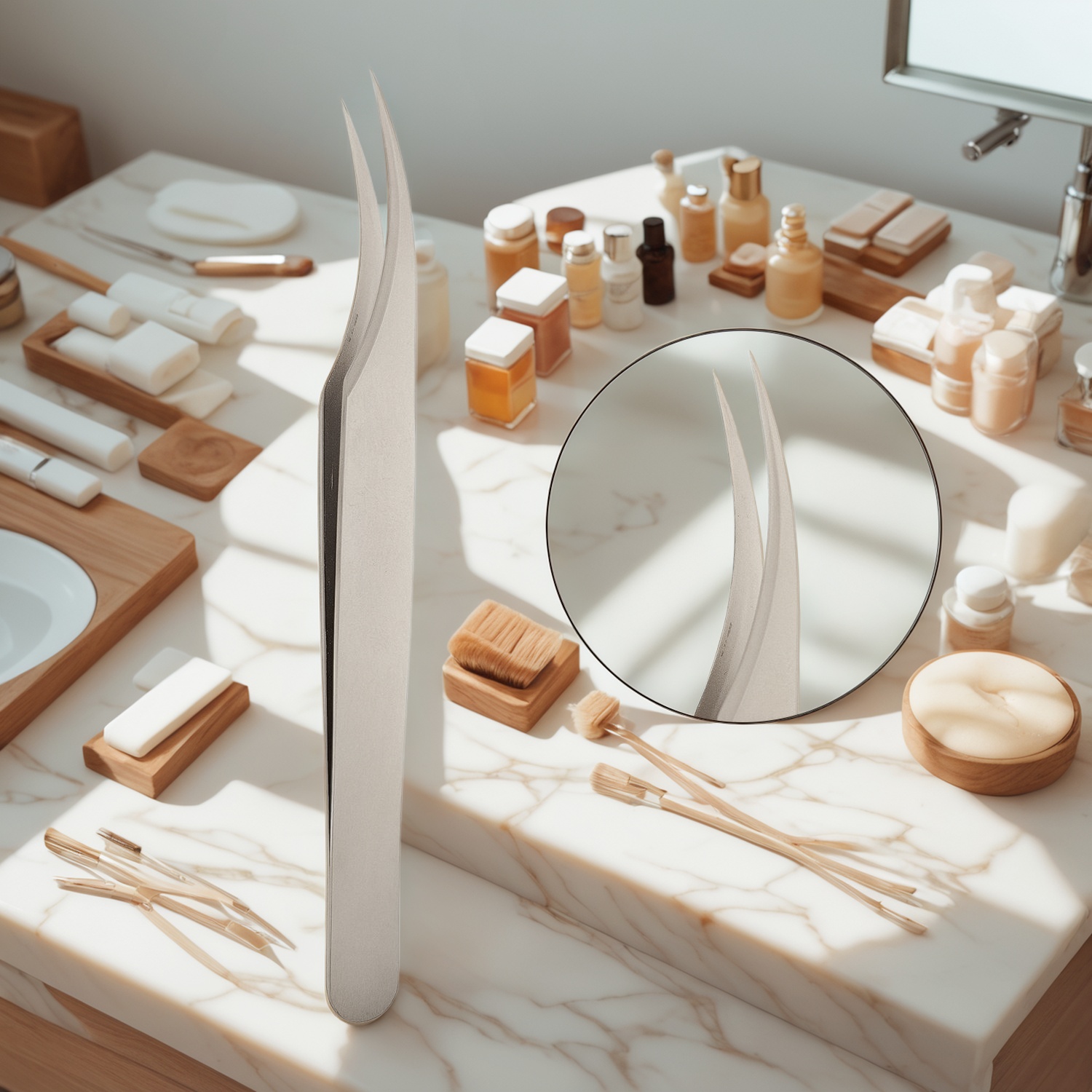
Tip shape is one of the most important decisions. The original sourcing criteria for B2B tweezers should include whether an angled, pointed, straight, or curved tip is most appropriate for the task. Angled tips are commonly chosen for eyebrow grooming and general beauty use because they offer a balance of visibility and grip. Pointed tips can support more detailed work, but they require careful handling and may not be suitable for every retail customer. Curved tips may be useful when a task benefits from a different approach angle.
Use the following buyer checklist to narrow the choice before discussing custom branding:
- Primary use: eyebrow shaping, facial hair removal, lash application support, craft work, electronics handling, or gift set inclusion.
- User skill level: professional, trained retail staff, everyday consumer, or promotional recipient.
- Grip requirement: fine hair, thicker hair, small components, or general multipurpose use.
- Comfort expectation: occasional home use versus repeated professional use.
- Sales channel: salon supply, e-commerce, retail shelf, distributor catalog, or corporate gifting.
Clarity at this stage prevents mismatches. For example, a sharp pointed tweezer may look premium in photos but may not be ideal for a mass-market beauty kit. A simple slant-tip tweezer with reliable alignment may perform better for a wider customer base.
Key Quality Factors in B2B Tweezers
When sourcing B2B tweezers, appearance is only one part of quality. The functional core is the way the two arms meet at the tip. If the points are uneven, too soft, too rough, or misaligned, the tweezer may fail to grip. This is why buyers should evaluate samples under realistic conditions rather than relying only on catalog images.
Material selection also matters. The original guidance for this product category highlights stainless steel as an important option because buyers often look for durability and resistance to rust and corrosion. However, the grade, finish, and processing details should be reviewed through supplier documentation and sample testing rather than assumed from a general product description.
Important evaluation points include:
- Tip alignment: the tips should meet evenly without visible gaps that reduce gripping ability.
- Edge condition: tips should feel precise without rough burrs that can scratch skin or damage delicate items.
- Spring tension: arms should press together smoothly and return without feeling overly stiff or weak.
- Surface finish: coating, polishing, or coloring should look consistent across samples.
- Hand feel: the tweezer should be comfortable enough for its intended use time.
- Packaging protection: tips should be protected during shipping and retail handling.
A well-made tweezer does not have to be complicated. Consistency is often more valuable than novelty. For distributors, consistency reduces complaints. For private label brands, it protects the customer’s impression of the entire product line.
Customization Choices: Logo, Finish, Packaging, and Sets
Custom tweezers for business can be personalized in several ways, but each option should serve a commercial purpose. A logo may support brand recognition, while a distinctive color or finish can help a product stand out online or on shelf. Packaging can communicate positioning, instructions, and safety information. The best customization plan connects design choices to the buyer’s sales channel.
For e-commerce, clear packaging photography and a strong product description may matter more than complex retail packaging. For brick-and-mortar display, the package must hang, stack, or present well while protecting the tweezer tips. For salon or professional supply channels, buyers may prefer simpler packaging that keeps costs efficient and emphasizes function.
| Customization area | Business purpose | What to check before ordering |
|---|---|---|
| Logo placement | Brand visibility and private label recognition | Size, contrast, durability, and readability on the selected finish |
| Surface finish | Retail appeal and product differentiation | Color consistency, scratch resistance expectations, and sample appearance |
| Tip protector | Safety and shipping protection | Fit, material feel, ease of removal, and whether it stays secure |
| Retail packaging | Shelf presentation and consumer information | Barcode space, instruction space, hanging options, and shipping strength |
| Set configuration | Higher perceived value or category expansion | Whether each tool in the set has a clear purpose for the same user |
If tweezers will be sold as part of a broader beauty range, review the visual language of your existing assortment. Consistent color, typography, and packaging size can make a simple tweezer feel like part of a planned line rather than a one-off accessory. Olimor buyers can browse product collections to think about how tweezers may fit with other beauty tools.
How Distributors Should Compare Bulk Tweezers Price
Bulk tweezers price is important, especially for distributors managing multiple SKUs and sales channels. However, a low price can become expensive if it leads to returns, inconsistent batches, or poor customer feedback. The more practical approach is to compare total value: product performance, packaging suitability, customization reliability, lead-time fit, and after-sales risk.
When comparing quotations, make sure each offer is based on the same assumptions. A price for an unbranded tweezer in simple bulk packing cannot be compared directly with a custom finished tweezer in printed retail packaging. Logo method, packaging style, inspection expectations, and shipping preparation can all affect cost.
A useful distributor comparison should include the following:
- Confirm the exact tweezer type and tip shape being quoted.
- Review sample quality, especially alignment and hand feel.
- Separate the cost of the tweezer from packaging, logo, and other custom elements.
- Check whether the quoted packaging matches the sales channel.
- Clarify how nonconforming products are identified and handled before shipment.
- Compare delivery planning against your launch or replenishment schedule.
This approach helps purchasing teams avoid choosing on unit price alone. It also makes internal decision-making easier because quality, presentation, and commercial fit are visible in the comparison.
Quality Control Questions Before Production
Before moving from sample approval to production, buyers should define what matters most. For tweezers, quality control should not be limited to a quick visual check. Functional checks are essential because a tweezer can look acceptable but fail to grip properly.
Consider documenting the approved sample with photos and written notes. Include tip shape, finish appearance, logo position, packaging layout, and any functional expectations that are critical for the order. If the product will be sold under your brand, keep an approved reference sample for later comparison.
Useful production discussion points include inspection of raw or semi-finished parts, checks after finishing or coating, logo inspection, packaging verification, and final random checks before shipment. The goal is not to create unnecessary complexity. The goal is to reduce ambiguity so the production result matches the product your team approved.
For orders that require custom branding or packaging coordination, early communication is valuable. You can send an inquiry with your target use, preferred tip style, packaging idea, and expected sales channel, or contact Olimor to discuss sourcing considerations for a business order.
Building a Better Custom Tweezer Brief
A clear sourcing brief helps avoid delays and misunderstandings. Instead of asking only for “custom tweezers,” describe the user, sales channel, quality expectations, and branding requirements. A stronger brief gives the supplier enough context to recommend suitable options and identify practical limitations early.
Your brief may include the intended market, target retail position, preferred tip type, finish direction, logo artwork, packaging format, shipping requirements, and any compliance or labeling information required in your destination market. If you are uncertain about a detail, note the business goal rather than guessing a technical specification.
Custom tweezers are often purchased as simple accessories, but business success depends on small details: aligned tips, comfortable tension, reliable finish, protective packaging, and a design that fits the sales channel. By evaluating these factors before focusing on price alone, brands and distributors can source tweezers that represent their business with greater consistency and fewer surprises.
Tag: