











Custom Tweezers for Business Buyers: What to Check Before Ordering in Bulk
Custom tweezers for business are small products, but they carry a surprising amount of brand responsibility. A reseller, salon supplier, brow studio, beauty retailer or promotional buyer is not simply purchasing a metal tool; they are choosing an item that customers will hold close to the face, use repeatedly and judge immediately by its grip, alignment and finish. If the tips do not meet evenly, if the surface rusts, or if the tool feels awkward in the hand, the end user will not blame the category. They will blame the brand printed on the product or packaging.
That is why bulk tweezer sourcing should be evaluated through more than unit price. Price matters, especially for wholesale programs, starter beauty kits and resale channels, but it is only one part of the decision. Precision, material consistency, finishing, packaging durability, branding method and quality control all affect repeat orders and customer trust. Olimor Beauty focuses on beauty tools for business buyers who need practical products that can support a professional retail or service environment. If you are comparing beauty tool products for a new line or a replenishment order, the following criteria can help you choose with more confidence.
Why Custom Tweezers Need a B2B Buying Mindset
Consumer shoppers usually choose tweezers based on appearance, a quick feel in the hand and a familiar price point. Business buyers need to think differently. A B2B tweezer order may be distributed across different locations, sold through multiple channels, included in gift sets, used by technicians, or bundled with other grooming tools. In every case, the product must be consistent from piece to piece.
For resellers, consistency reduces returns and protects customer reviews. For salons and brow specialists, it supports repeatable service. For beauty brands, it helps the tool feel aligned with the rest of the product range. A low-cost tweezer that looks acceptable at first glance may create problems if the tip alignment varies across a carton, if the coating chips too easily, or if the packaging does not survive shipping and shelf handling.
A quality partner should be able to discuss the buyer’s intended use, branding expectations and packaging needs before production decisions are finalized. The right question is not only “How much are bulk tweezers?” but also “Will these tweezers still represent the brand well after repeated use?”
Key Product Details That Affect Tweezer Performance
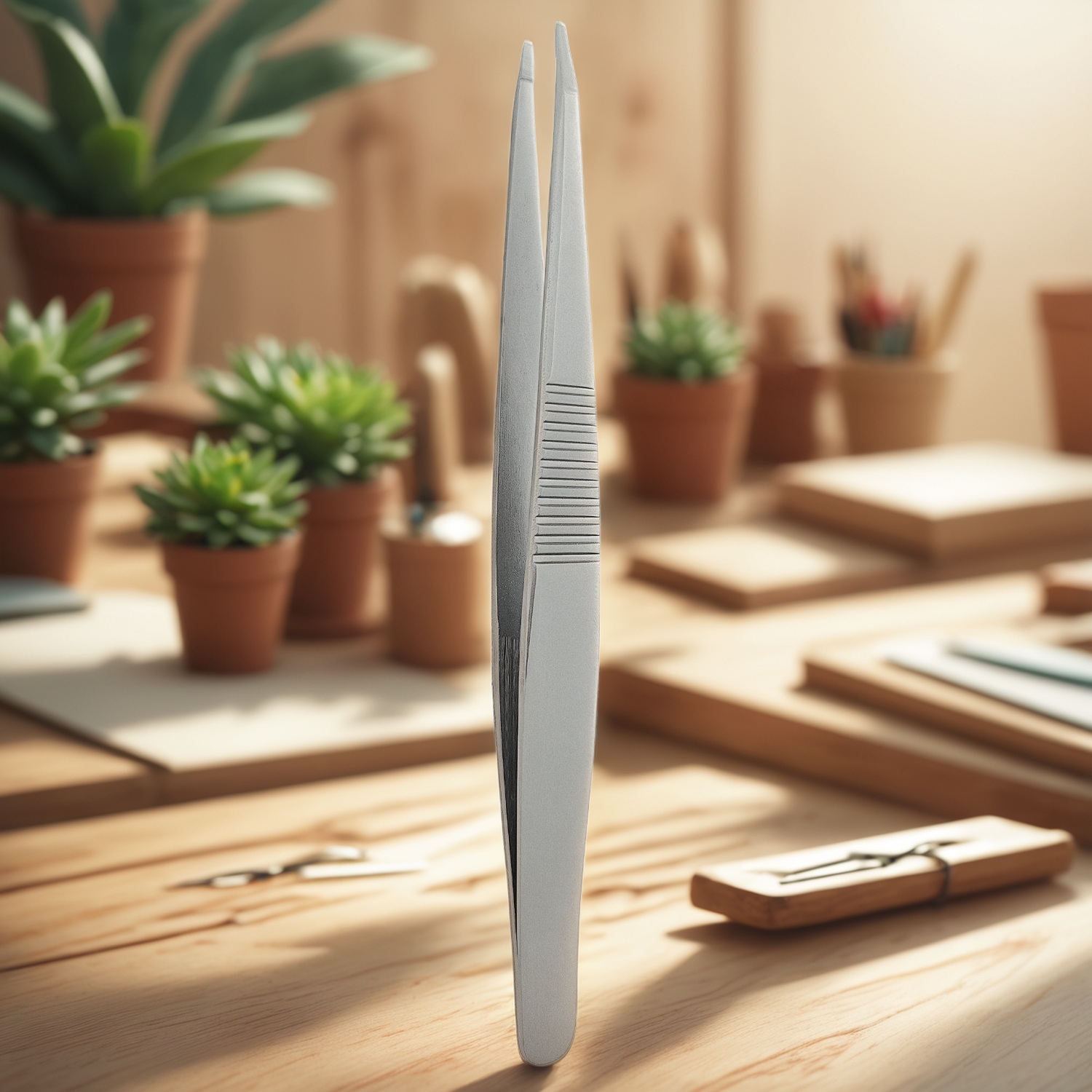
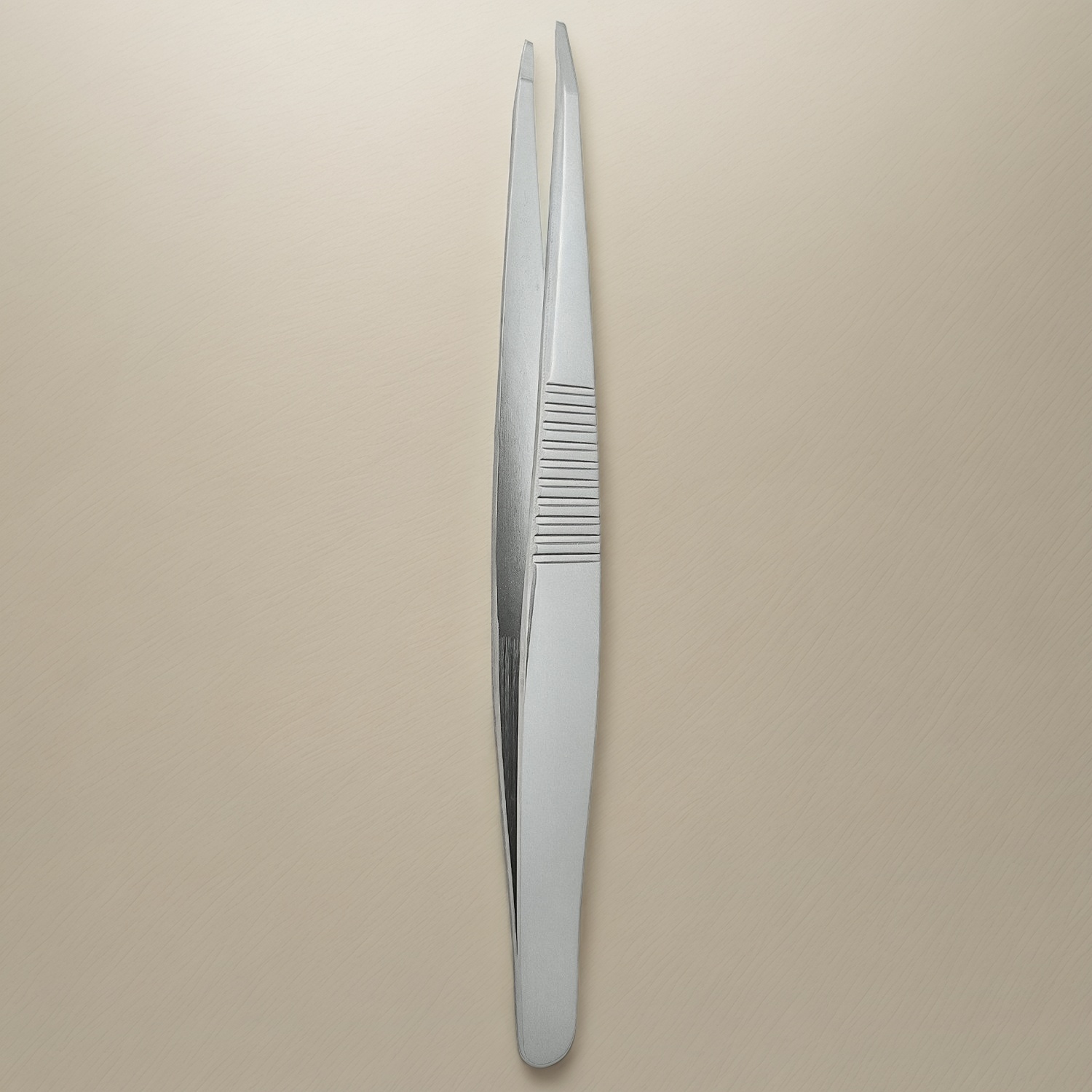
The most important feature of any tweezer is the meeting point of the tips. Even a visually attractive product can disappoint if the tips do not close evenly or cannot grip fine hairs. For beauty businesses, this is especially important because customers may use the tool for eyebrow shaping, stray hair removal, grooming kits or retail self-care purchases. A tool that pulls, slips or pinches poorly can damage the user’s confidence in the brand.
When reviewing custom tweezers for business, consider these selection factors:
- Tip alignment: The two ends should meet cleanly without a visible gap when closed under normal pressure.
- Grip behavior: The tips should hold fine hair or a test fiber without excessive force from the user.
- Hand feel: The body should provide stable control and comfortable pressure, especially for repeated use.
- Surface finish: The finish should look clean, feel smooth and match the intended retail position of the product.
- Edge comfort: Non-working edges should not feel sharp or rough during handling.
- Packaging fit: The tweezer should sit securely in its package without rattling, scratching or bending in transit.
The supplied product information references premium stainless steel and ergonomic design as focus areas. Those two points are relevant for beauty tool buyers because stainless steel is commonly selected for grooming tools, while ergonomic handling helps reduce awkward pressure during repeated use. However, business buyers should still confirm that the final selected style, finish and packaging match their market segment and selling price.
Branding Options: What to Decide Before Customization
Customization should serve the product, not distract from it. A logo that is too large, a color that marks easily, or packaging that looks attractive but fails during shipping can reduce the perceived value of the order. Before approving a custom tweezer project, define how the product will be sold or used.
A retail beauty brand may need a clean logo placement, product information on the outer pack and a finish that photographs well for ecommerce. A salon supplier may prioritize practical packaging, easy identification and durable handling. A promotional buyer may focus on visual impact, but should still avoid options that make the tool feel disposable. Tweezers for resellers should balance appearance with repeatable product quality, because customers often leave reviews based on performance rather than decoration.
Useful branding questions include:
- Will the tweezer be sold individually, included in a kit, or used as a gift-with-purchase?
- Should the brand appear on the tool, the packaging, or both?
- Does the finish match the brand’s existing colors and beauty positioning?
- Will the package need barcode space, instructions, care notes or multilingual labeling?
- How will the product be protected during warehouse storage and delivery?
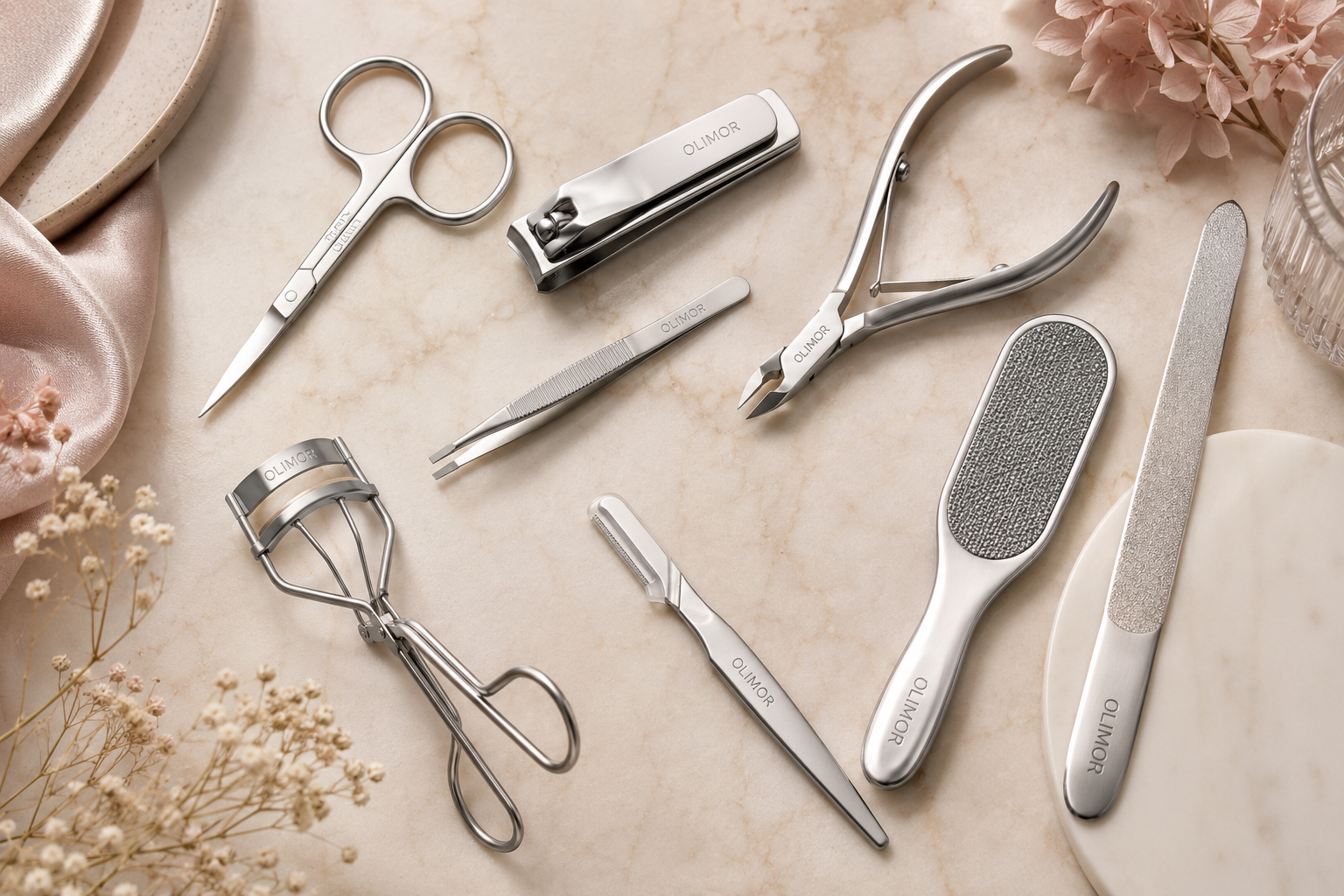
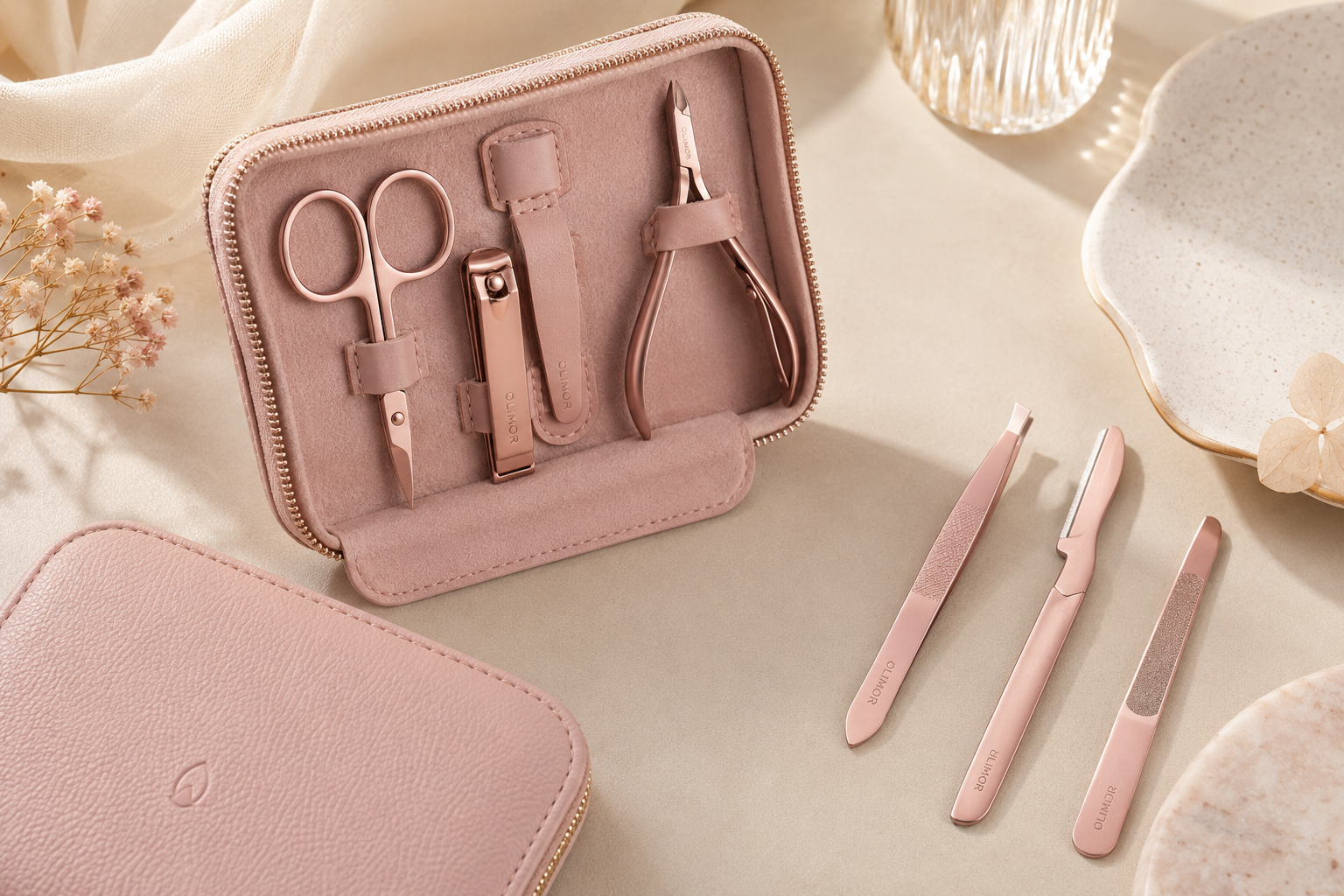
Buyers developing a broader beauty assortment can also review Olimor product collections to consider how tweezers may fit with other tools in a coordinated line.
Bulk Tweezers Price Versus Long-Term Value
Bulk tweezers price is usually one of the first points discussed, but the lowest initial quote can become expensive if it leads to weak reviews, retailer complaints, returned inventory or inconsistent repeat orders. A more useful comparison is total value: what the business receives for the price and how reliably the product performs after it reaches the end user.
The table below shows practical factors that influence value beyond the unit cost.
| Buying factor | Why it matters for business buyers | What to check |
|---|---|---|
| Tip precision | Directly affects hair gripping and user satisfaction | Test closing alignment and grip on fine fibers |
| Material and finish | Influences durability, appearance and perceived quality | Review surface smoothness, finish consistency and handling feel |
| Packaging | Protects the tool and communicates brand position | Check fit, labeling space and shipping protection |
| Branding method | Connects the product to the seller’s identity | Confirm logo size, placement and legibility |
| Quality control | Reduces variation across bulk orders | Define visual and functional inspection points before ordering |
A durable, precise tweezer can support customer loyalty because it remains useful after the first purchase moment. A poorly made tweezer may save money at the sourcing stage but weaken the brand every time the customer tries to use it. For retailers and distributors, that difference matters because repeat orders are built on predictable product experiences.
Quality Control Points for Resellers and Private-Label Buyers
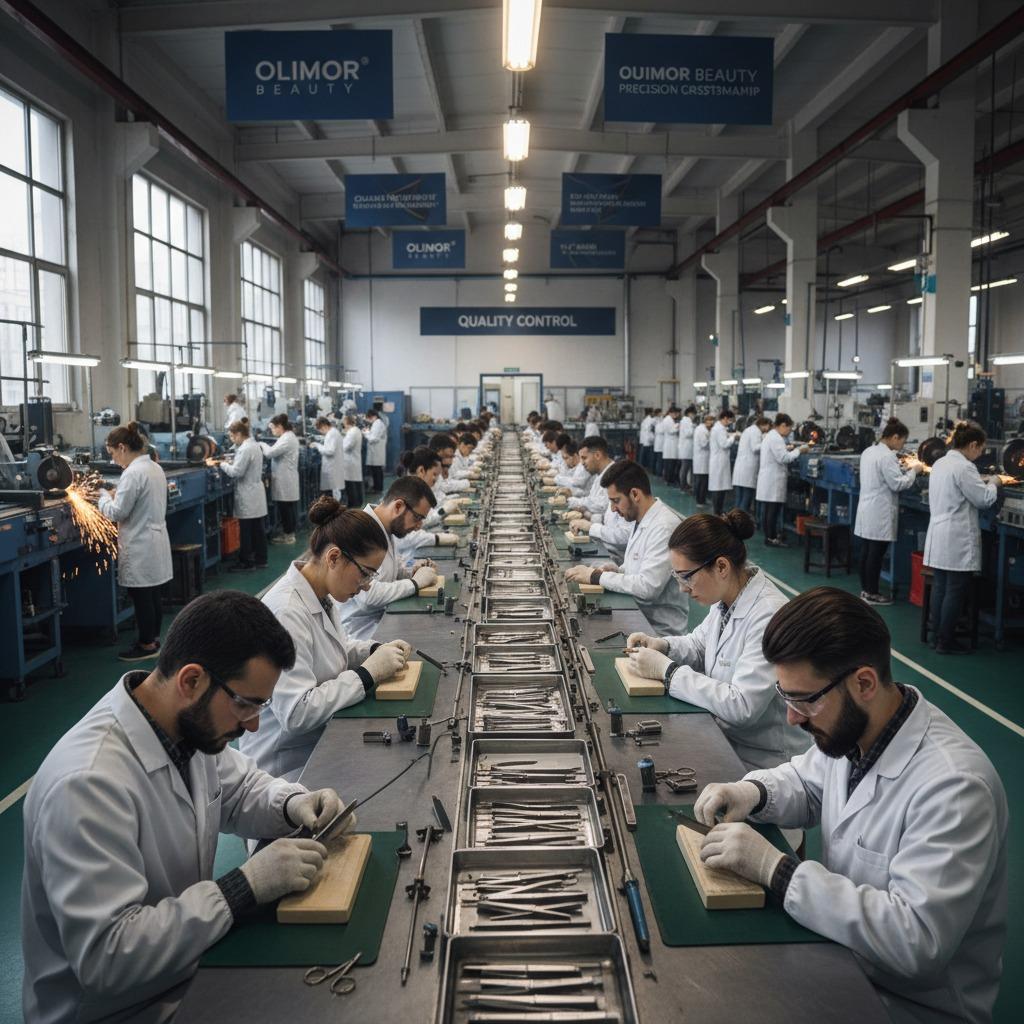
The original product information highlights internal quality control from raw materials to final packaging. For business buyers, this type of process thinking is important. Even when a product is simple in appearance, quality can vary across batches if checks are not clearly defined. A practical inspection plan does not need to be complicated, but it should cover the product characteristics that affect customer satisfaction.
Consider building your review around three stages. First, check the tool body: finish, straightness, surface defects, color consistency and logo placement. Second, check function: tip alignment, closing tension and gripping performance. Third, check packaging: correct artwork, clean printing, secure fit and protection from scratches. If the tweezers will be sold online, it is also helpful to review how the final item looks in photographs, because customers often compare product photos closely before purchase.
Quality expectations should be realistic and connected to the product’s selling channel. A professional brow tool sold at a premium retail price may need tighter visual and functional standards than a simple accessory in a broad promotional kit. The important point is to decide those expectations before bulk production, not after receiving inventory.
How to Prepare a Clear Custom Tweezer Inquiry
A clear inquiry helps the sourcing conversation move faster and reduces misunderstandings. Instead of only requesting a bulk tweezers price, prepare a short brief that explains the product goal. This makes it easier to align design, finish, packaging and inspection expectations.
Include the following information where available:
- Target user, such as beauty retail customers, salon professionals, brow clients or promotional recipients.
- Preferred tweezer style or intended use, such as eyebrow grooming or general beauty kits.
- Branding needs, including logo placement and whether packaging customization is required.
- Preferred finish, color direction or visual style if already defined.
- Sales channel, such as ecommerce, salon resale, retail shelf or gift set.
- Packaging expectations, including individual packing, display needs or kit compatibility.
- Quality priorities, such as tip precision, finish consistency or packaging presentation.
If the project is still at an early stage, it is acceptable to start with the intended market and product purpose. Olimor can then discuss suitable directions without forcing decisions before the buyer has reviewed options. To begin a sourcing conversation, you can send an inquiry with your project details, or contact Olimor for guidance on custom beauty tool planning.
Choosing a Tweezer Partner That Supports Your Brand
Custom tweezers are often judged in seconds: the customer opens the package, touches the finish, closes the tips and tests the grip. Those few seconds determine whether the product feels reliable or forgettable. For business buyers, the best sourcing decision is not simply the cheapest available tool, but the option that supports the brand promise at the right price level.
Olimor Beauty is positioned for B2B buyers who need beauty tools that can be selected, branded and supplied with attention to quality. By focusing on practical performance details such as stainless steel construction, ergonomic handling, tip precision, finishing and packaging review, buyers can choose custom tweezers that suit real customer use rather than only looking good in a catalog. Whether you are building a reseller program, expanding a salon retail range or adding a compact grooming tool to a beauty set, a careful sourcing checklist will help protect both customer satisfaction and long-term brand value.