











Custom Tweezers for Business: How to Source Better B2B Beauty Tools
Custom tweezers can do more than fill a gap in a beauty product range. For salons, brow studios, cosmetic retailers, distributors, subscription boxes, and private-label beauty brands, tweezers are daily-use tools that customers judge quickly. If the tips do not meet cleanly, if the grip feels unstable, or if the finish wears poorly, the product reflects directly on the business that supplied it.
When sourcing custom tweezers for business, the goal is not simply to find the lowest unit price. A better purchasing decision balances performance, consistency, branding options, packaging suitability, and after-sale risk. The right B2B tweezers should be easy to evaluate before an order, practical to present in retail or professional settings, and dependable enough to support repeat purchasing.

Start With the End User: Salon, Retail, or Resale
Before comparing finishes or packaging, define who will use the tweezers and how often. A professional brow technician may use a tweezer many times per day and will notice tension, balance, and point alignment immediately. A retail customer buying for home grooming may focus more on comfort, safety, appearance, and clear instructions. A distributor or reseller needs a product that can survive shipping, display well, and reduce complaints after purchase.
These different use cases affect sourcing priorities. A salon-focused order may prioritize precision tips, ergonomic handling, and easy cleaning. A retail-focused program may give more weight to protective caps, blister cards, printed boxes, or barcode-ready packaging. A reseller may need a balanced specification that looks premium without creating an unrealistic retail price.
Olimor Beauty works with beauty tool buyers who need practical product planning rather than one-size-fits-all sourcing. If you are comparing tweezers with other items in your line, browsing Olimor beauty tool products can help you consider how tweezers fit into a broader personal care assortment.
What Makes a Tweezer Worth Customizing?
Not every generic tweezer is a good foundation for a branded product. Customization adds value only when the base tool performs well. A logo on a poorly aligned tweezer will not protect your brand; it may make the quality issue more visible. For business buyers, the most important checks are mechanical and practical before they are decorative.
- Tip alignment: The two tips should meet evenly without visible gaps. Poor alignment makes it difficult to grip fine hairs and increases user frustration.
- Grip tension: The tweezer should close with controlled resistance. If it is too stiff, it can fatigue the hand; if it is too loose, it feels imprecise.
- Edge finish: Tips should feel clean and functional, not rough or uneven. A consistent finish supports both performance and safety.
- Body shape: A comfortable body helps users maintain control, especially during detailed brow work or lash-related grooming tasks.
- Surface treatment: The coating or finish should match the selling environment. A retail item may need a decorative look, while a professional tool may require a more restrained finish.
- Packaging fit: The package should protect the tips, communicate usage clearly, and suit the sales channel.
These criteria are especially important when buying tweezers for resellers. Resellers often operate in competitive markets where many products look similar online. Reliable performance gives them a reason to promote the product beyond price alone.
Custom Branding Options That Actually Matter
Custom tweezers for business usually involve some combination of logo placement, finish selection, packaging, and product set planning. The most effective branding is simple, legible, and appropriate to the tool. A small, clean logo can look more professional than an oversized mark that competes with the product design.
Think about how the tweezers will appear in real sales conditions. On a retail shelf, packaging may carry most of the brand story, while the tool itself needs a tasteful mark. In a professional kit, the tool may be seen without packaging, so body finish and logo durability become more important. For gift sets or curated beauty kits, color coordination with other tools may matter more than complex printing.
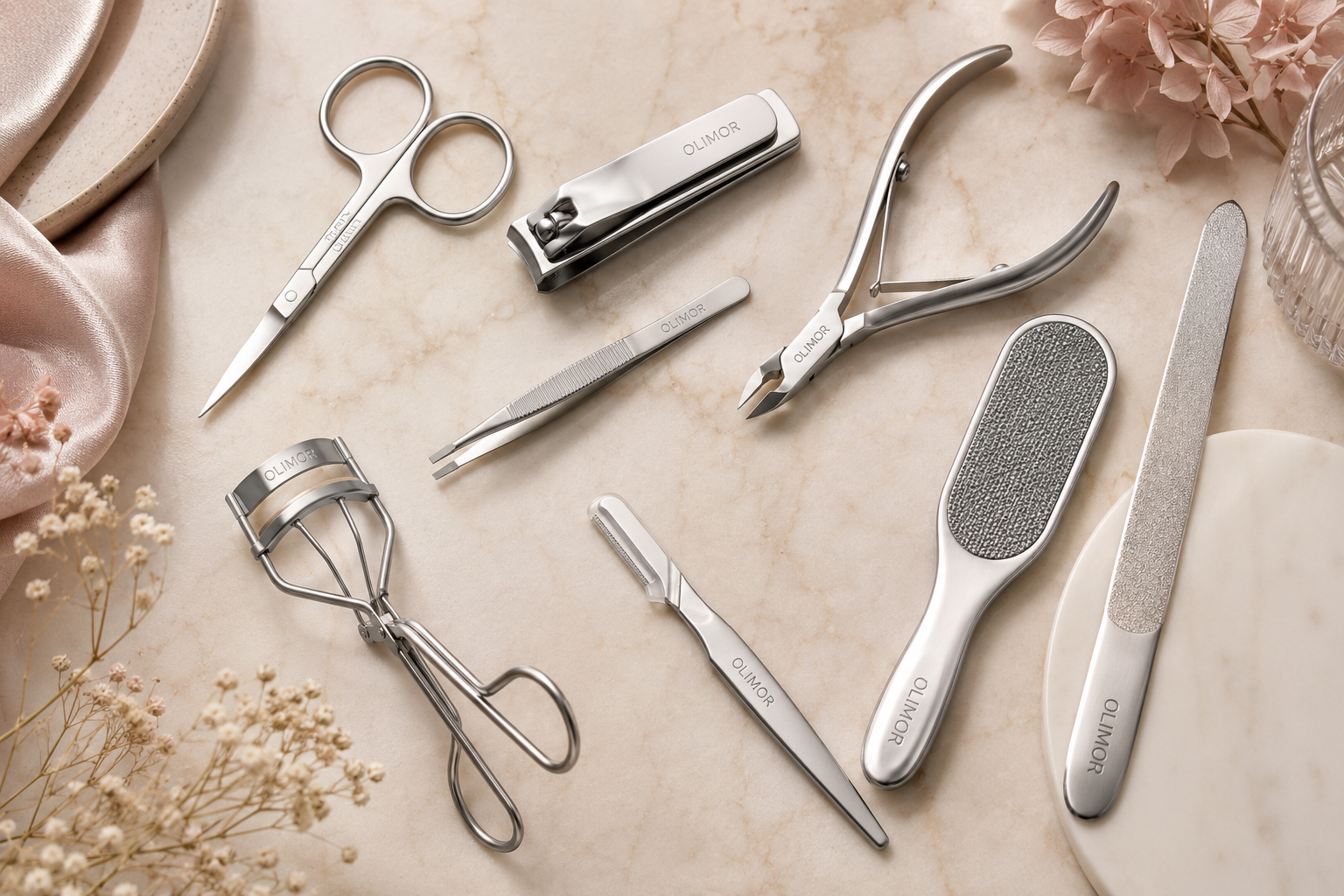
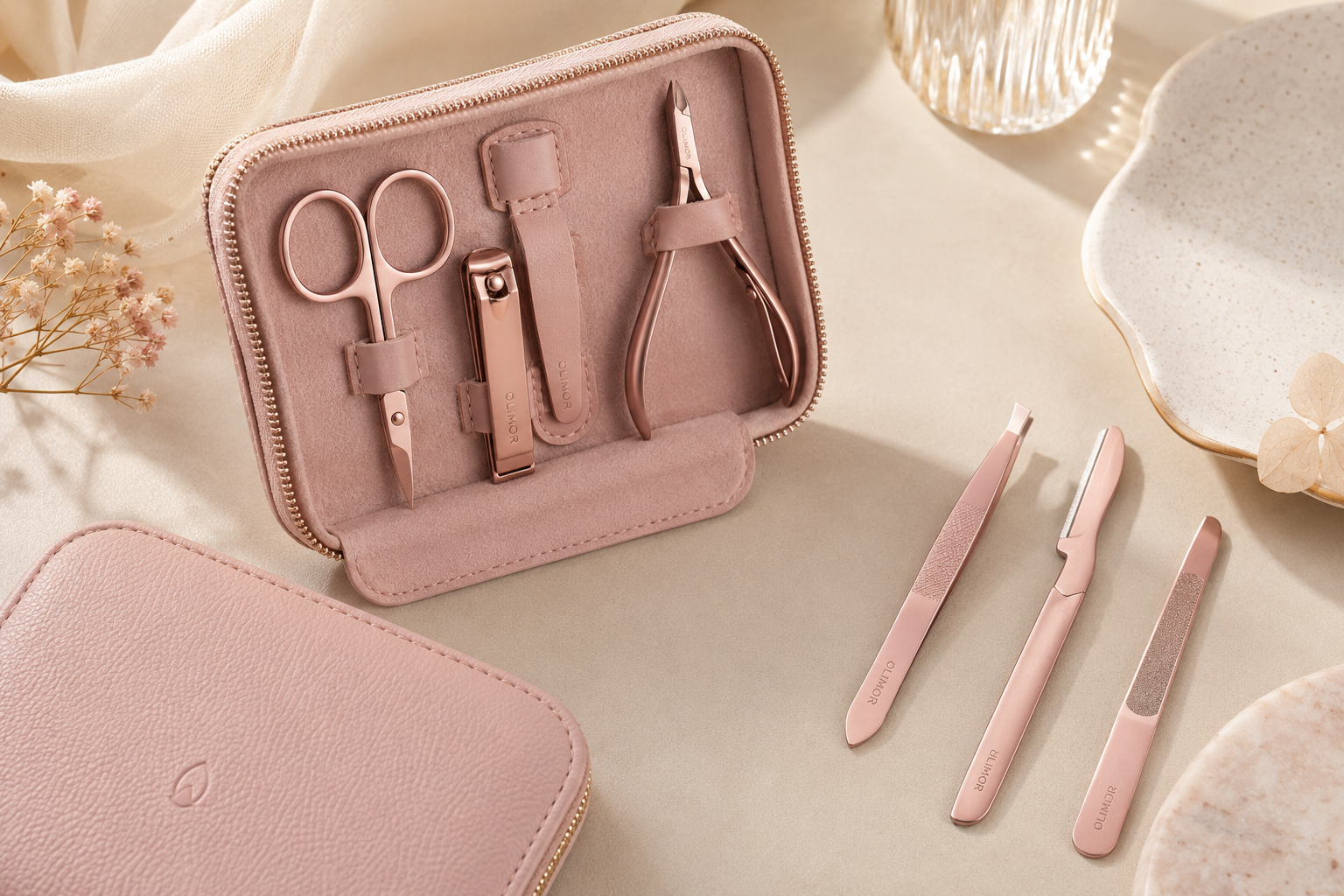
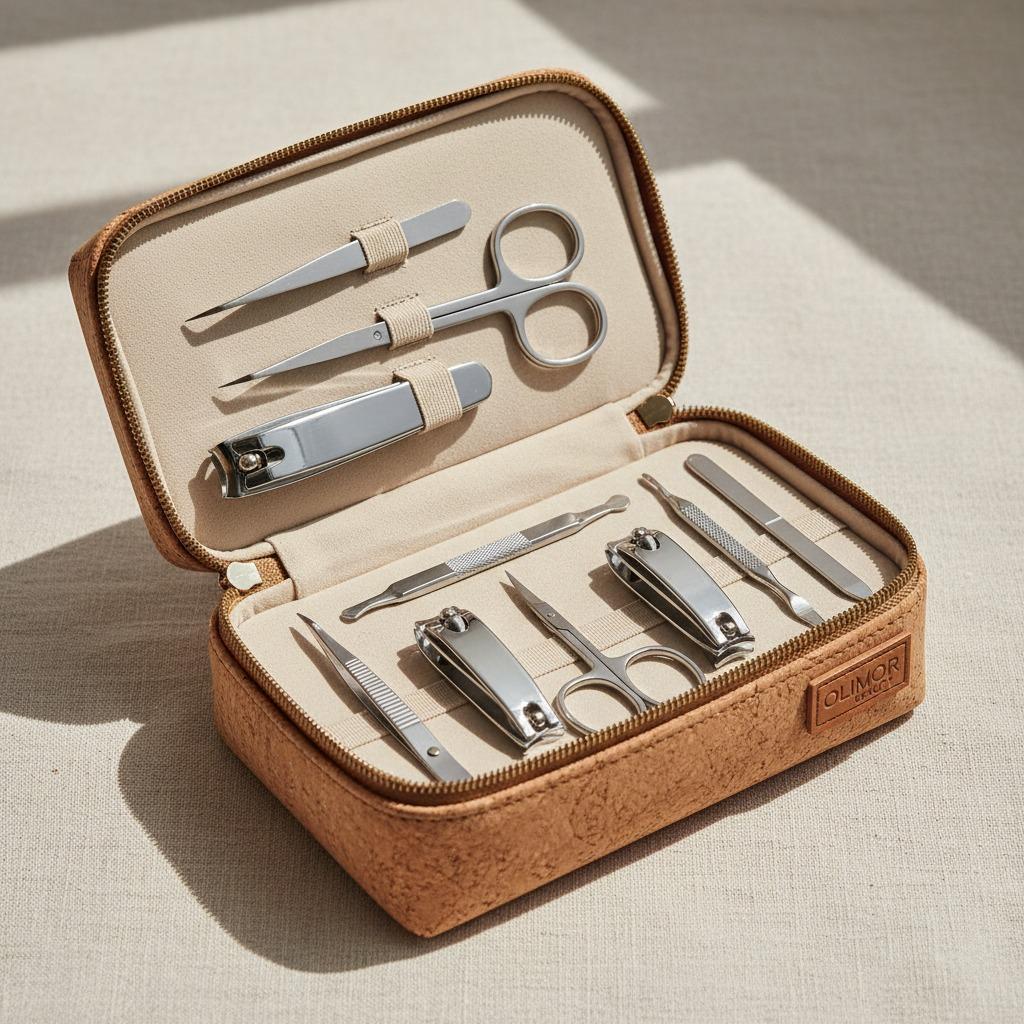
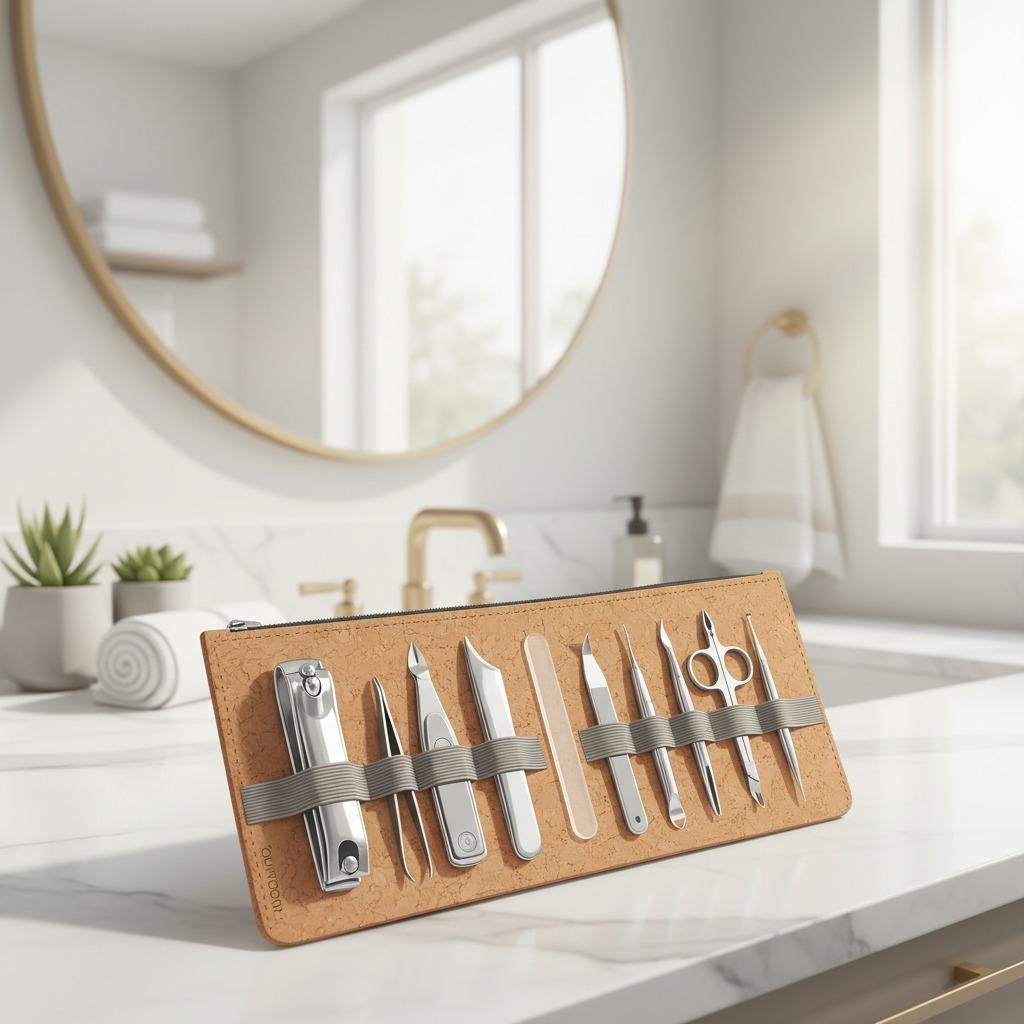
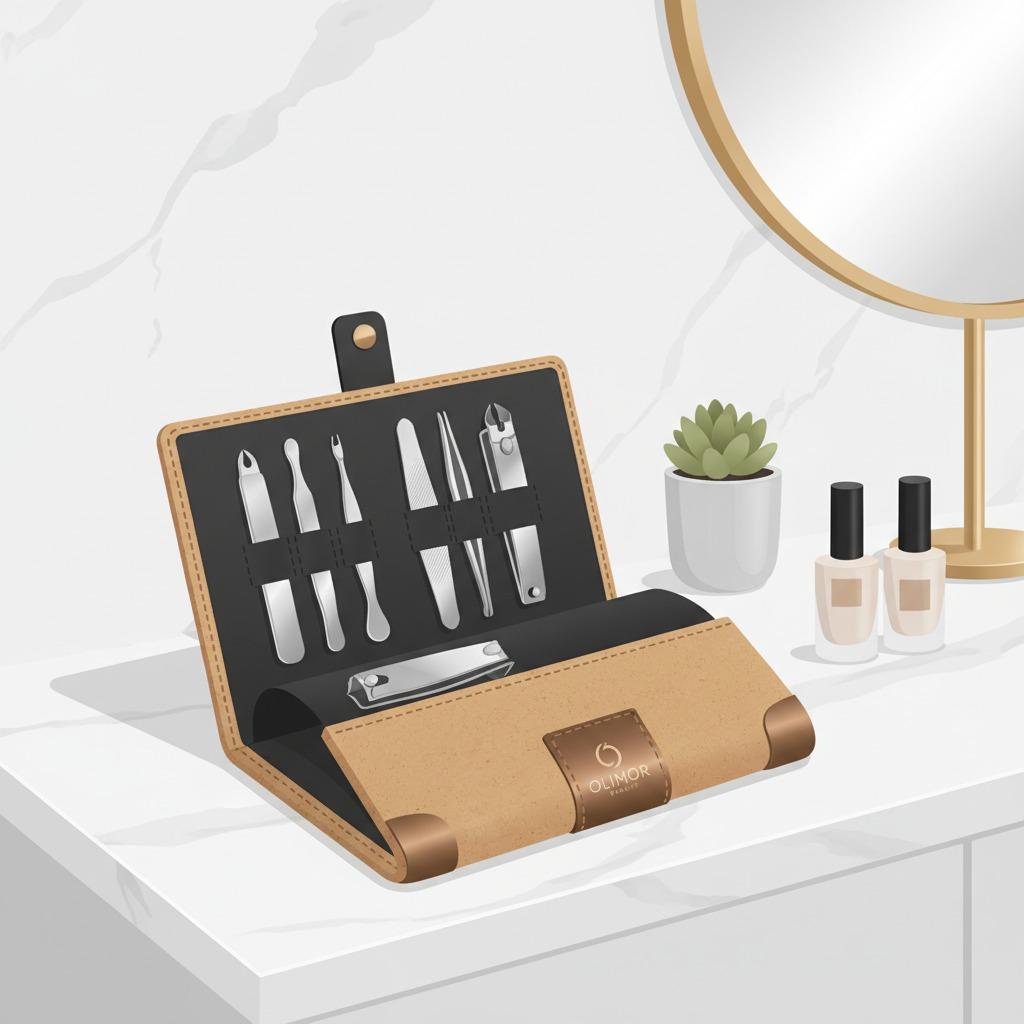
Business buyers should also consider whether the tweezer will be sold as a single product or as part of a grooming kit. A single tweezer needs stronger individual packaging and clearer product education. A set may need consistent visual language across multiple tools. Olimor product collections can provide context for how different beauty tools may be grouped for retail or promotional programs.
Bulk Tweezers Price vs. Long-Term Value
Bulk tweezers price is always part of the sourcing conversation, but unit cost should be evaluated alongside failure risk, return rates, customer reviews, and brand positioning. A very low-cost product may appear attractive during procurement, yet become expensive if it leads to negative feedback, unsellable inventory, or replacement costs.
A more useful way to compare offers is to separate visible cost from hidden cost. Visible cost includes unit price, packaging, customization, and freight. Hidden cost includes inconsistent quality, weak presentation, poor fit for the sales channel, or lack of repeat order confidence. For a beauty business, hidden costs often affect reputation more than accounting.
| Evaluation Point | Why It Matters for B2B Buyers | What to Check Before Ordering |
|---|---|---|
| Tip consistency | Directly affects user satisfaction and perceived quality | Review samples from multiple pieces, not just one perfect sample |
| Packaging protection | Prevents tip damage during storage and transport | Confirm caps, inserts, boxes, or display packaging suit the channel |
| Branding durability | Supports a professional image after repeated handling | Assess logo placement, readability, and finish compatibility |
| Retail readiness | Reduces extra work for resellers and distributors | Check labeling space, product description needs, and shelf presentation |
| Repeatability | Protects future sales programs and customer expectations | Define sample approval standards before bulk production |
This approach helps buyers avoid choosing only by the cheapest quoted bulk tweezers price. The better question is whether the product can support the intended margin while meeting customer expectations.
Questions to Settle Before Production
A smooth custom tweezer order depends on decisions made before production begins. Even when specifications are simple, unclear requirements can lead to mismatched expectations. Business buyers should prepare a short checklist that covers product, branding, packaging, and quality expectations.
- Define the tweezer type and usage: Decide whether the product is for brow shaping, general grooming, lash-related use, or retail beauty kits.
- Approve a physical sample: Evaluate grip, tip alignment, surface finish, and packaging with the same care your customers will use.
- Confirm artwork placement: Make sure the logo size, position, and color suit the tool surface and remain readable.
- Review packaging copy: Include practical product information, safe-use guidance, and any retail requirements relevant to your sales channel.
- Set acceptance criteria: Establish what counts as acceptable for appearance, alignment, and packaging condition before shipment.
- Plan replenishment: Consider whether the design can be reordered consistently if the product sells well.
If your team is preparing specifications or comparing samples, you can send an inquiry with your intended sales channel and customization goals. Clear early information helps narrow options efficiently.
How Resellers Can Position Premium Tweezers
For resellers, tweezers are often easier to sell when the benefits are specific. Instead of relying on broad beauty claims, focus product descriptions on alignment, comfortable handling, controlled grip, protective packaging, and intended use. Customers buying tweezers want to know what makes one tool more dependable than another.
A reseller product page or retail display can explain who the tweezer is for: brow maintenance, beauty kits, salon retail counters, travel grooming, or giftable personal care sets. This reduces confusion and helps customers select the right item. If a named item such as the SleekGrip Precision Tweezer is part of a range, positioning should still be based on concrete handling and presentation qualities rather than exaggerated promises.
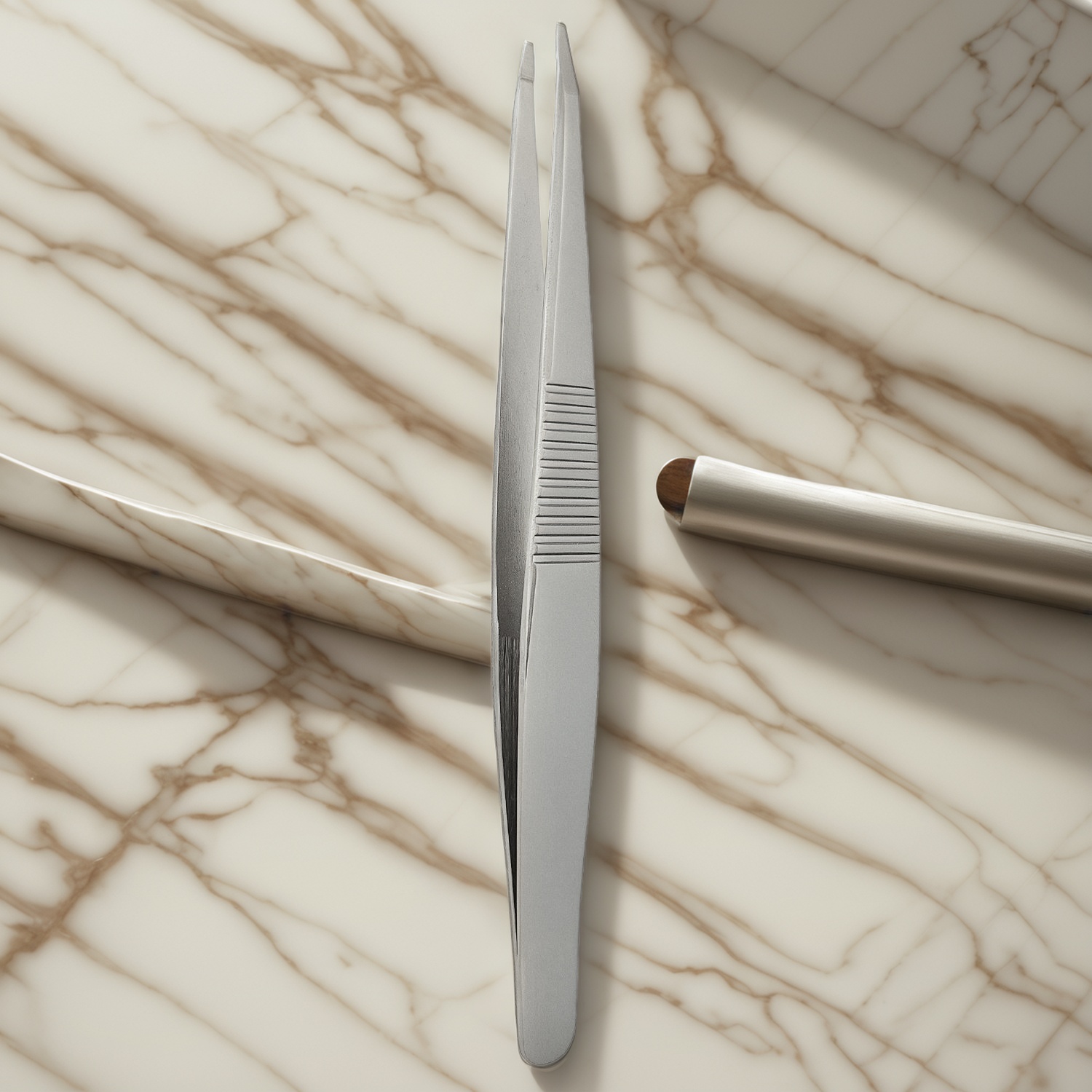
Photography also matters. Show the full body, the tip shape, the packaging, and the scale of the tool in hand if possible. For online sales, close-up images of the tip area can build confidence because they show the detail customers care about most.
Why Work With a Beauty Tool Manufacturer Instead of a Generic Supplier?
A generic supplier may be suitable for simple spot purchases, but business programs usually need more structure. A beauty tool manufacturer can support decisions around tooling suitability, surface finish, packaging format, logo application, and quality checks. This is particularly important when tweezers are part of a larger brand launch or reseller catalog.
Olimor Beauty focuses on beauty tools, which helps buyers discuss tweezers in the context of real use rather than treating them as generic metal items. For B2B buyers, that product focus can make sampling, comparison, and range planning more efficient. It also supports consistency when building a branded assortment across multiple personal care tools.
If you are planning custom tweezers for a salon brand, retail program, distributor catalog, or promotional beauty set, it is worth documenting the customer, target price range, preferred packaging, and branding expectations before requesting options. For direct guidance, you can contact Olimor to discuss a suitable sourcing direction.
Build a Tweezer Program Customers Can Trust
Custom tweezers are small products, but they carry a large share of customer judgment. A buyer may forgive plain packaging if the tool works well, but rarely forgives tips that fail to grip or a product that feels poorly made. For business buyers, the strongest sourcing strategy begins with performance, then adds branding and packaging that support the sales channel.
By checking alignment, grip, finish, packaging protection, and reseller presentation before bulk ordering, beauty businesses can reduce risk and build a product that feels intentional. Whether the tweezers are sold individually, included in kits, or supplied to professional users, a thoughtful B2B sourcing process helps protect both customer satisfaction and brand value.