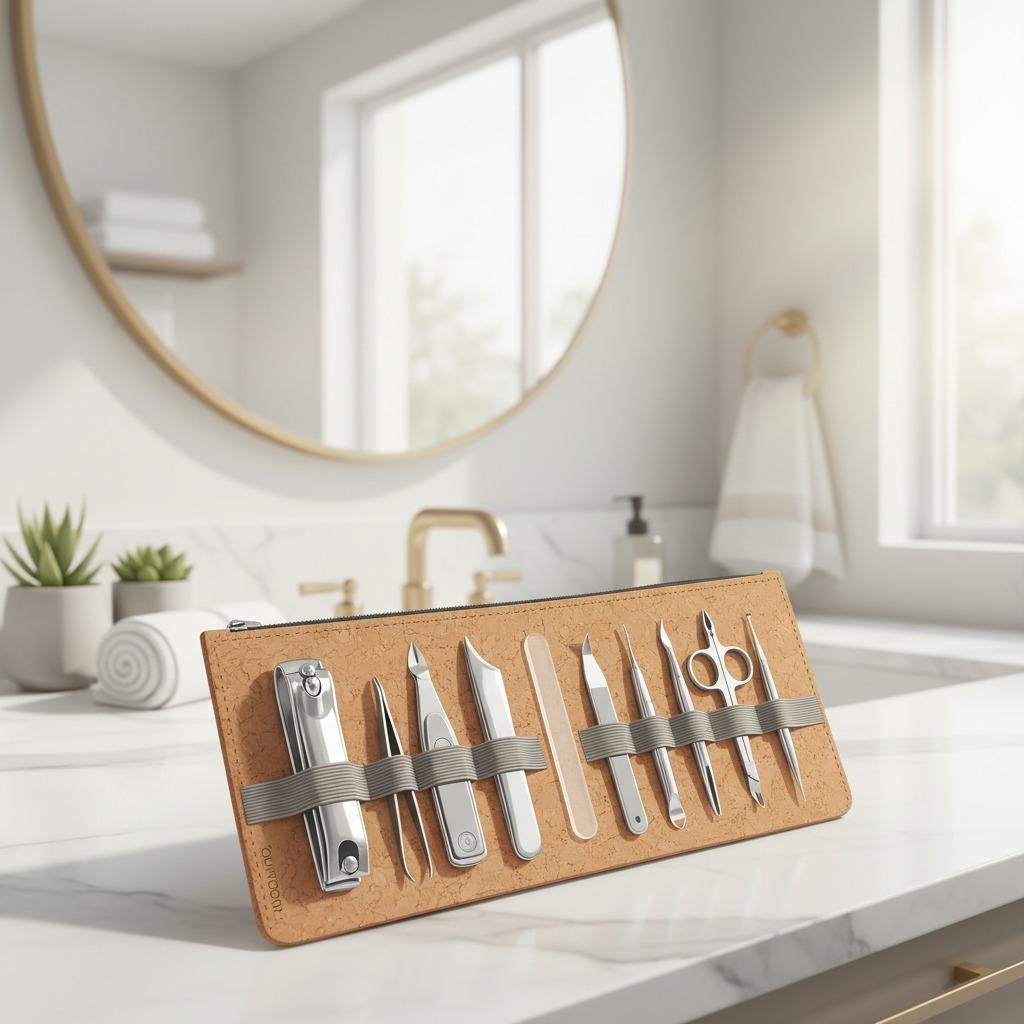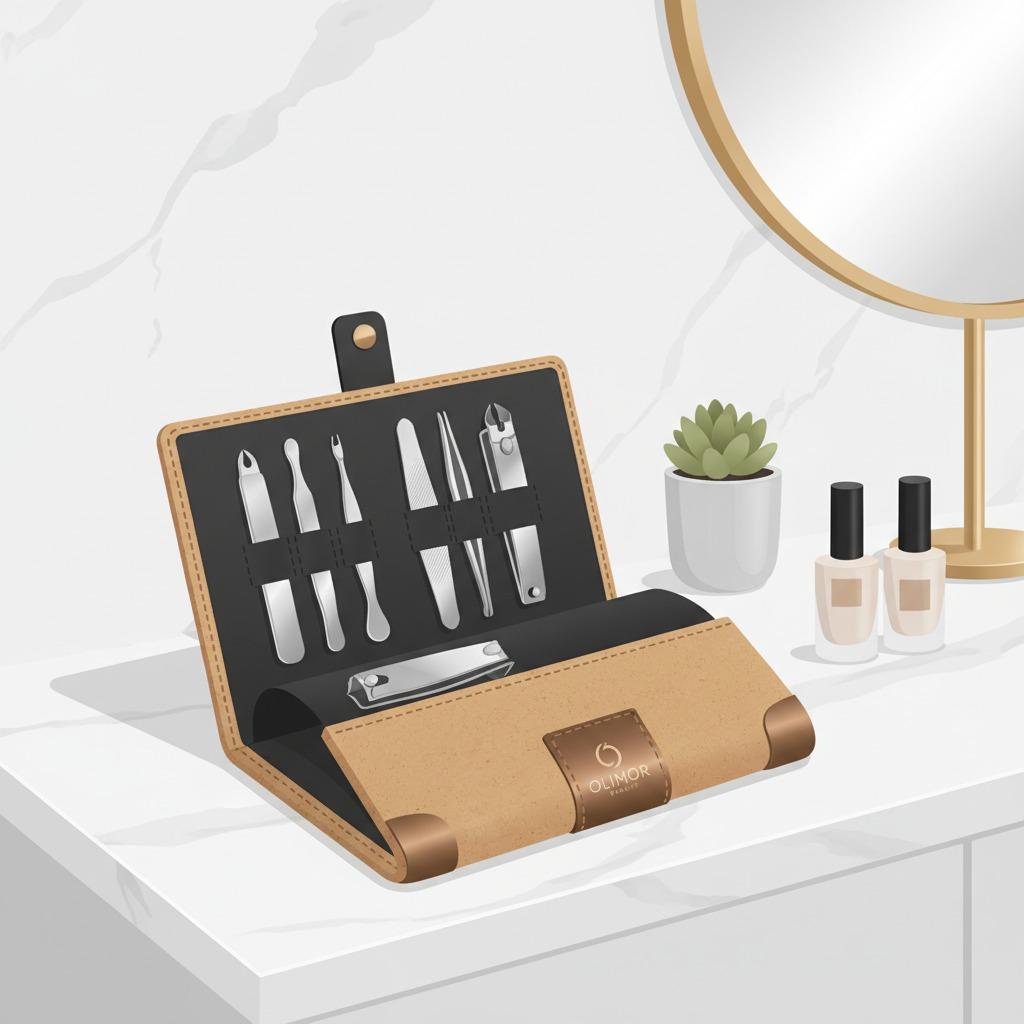












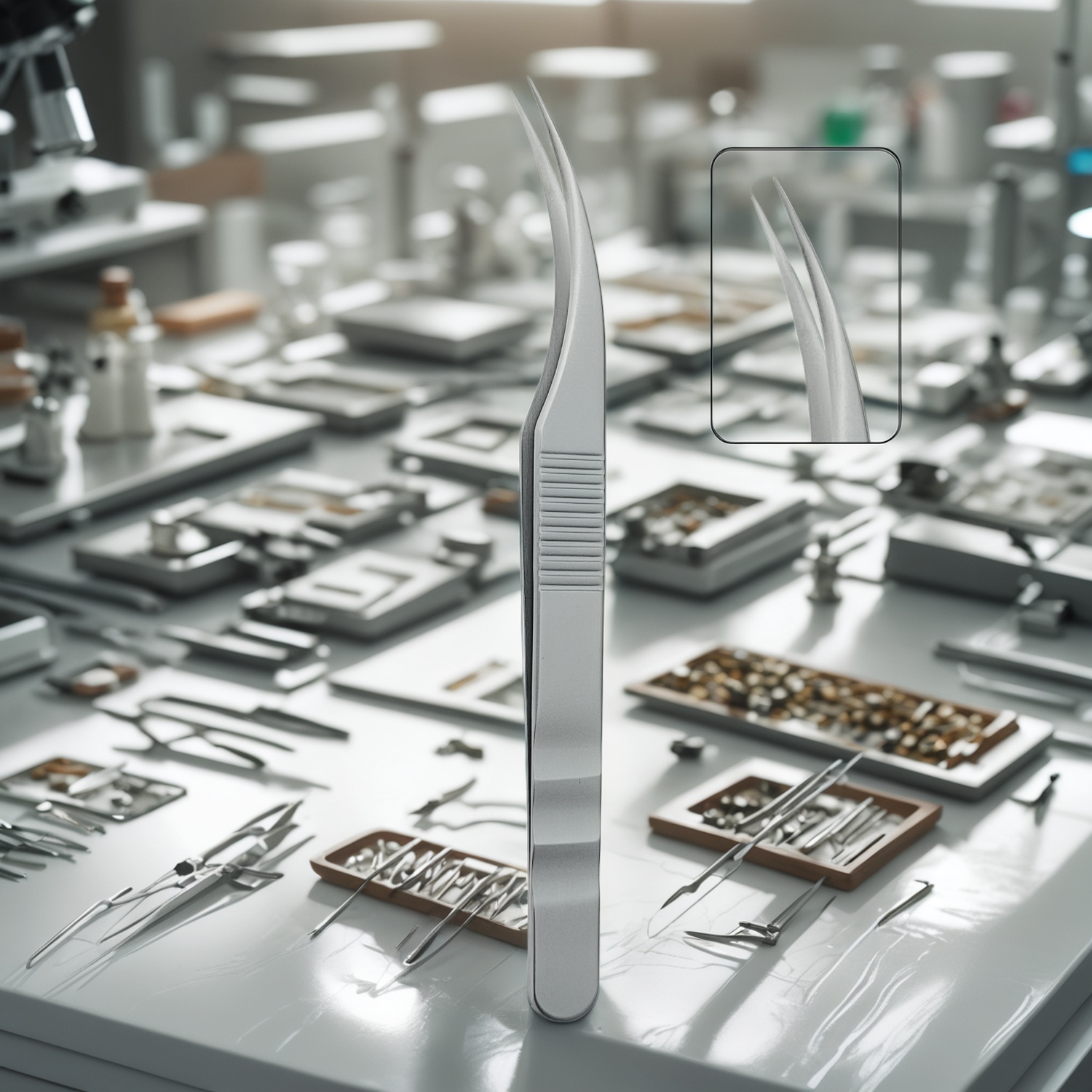
Custom Tweezers for Beauty Businesses: How to Source Tools Customers Will Reorder
Custom tweezers for business are not only a branded giveaway or a small retail accessory. For beauty retailers, brow studios, lash artists, salon chains, subscription boxes and resellers, tweezers are a product customers judge immediately by feel, grip and tip alignment. A tweezer that looks attractive but slips, pinches unevenly or loses tension quickly can weaken confidence in the brand printed on it. A well-chosen tool, on the other hand, can become a practical item customers keep using every week.
The key is to treat custom tweezers as a precision beauty tool rather than a simple metal item with a logo. Selection should cover the tweezer shape, intended user, finish, packaging, inspection criteria and sourcing route. Olimor Beauty supports beauty tool programs where buyers need products suited for retail presentation, professional use or reseller distribution. You can also review related beauty tool products when planning a coordinated line.
Start With the Buyer: Retail Customer, Salon Professional or Reseller?
Before deciding on a tweezer finish or logo method, define who will use the tool. A retail consumer may care most about easy grip, clean packaging and a simple explanation of how to use the tweezer. A brow professional may focus on tip alignment, hand fatigue and consistent tension. A reseller may need a design that is broad enough to suit different end users while still looking distinctive on an online product page or retail shelf.
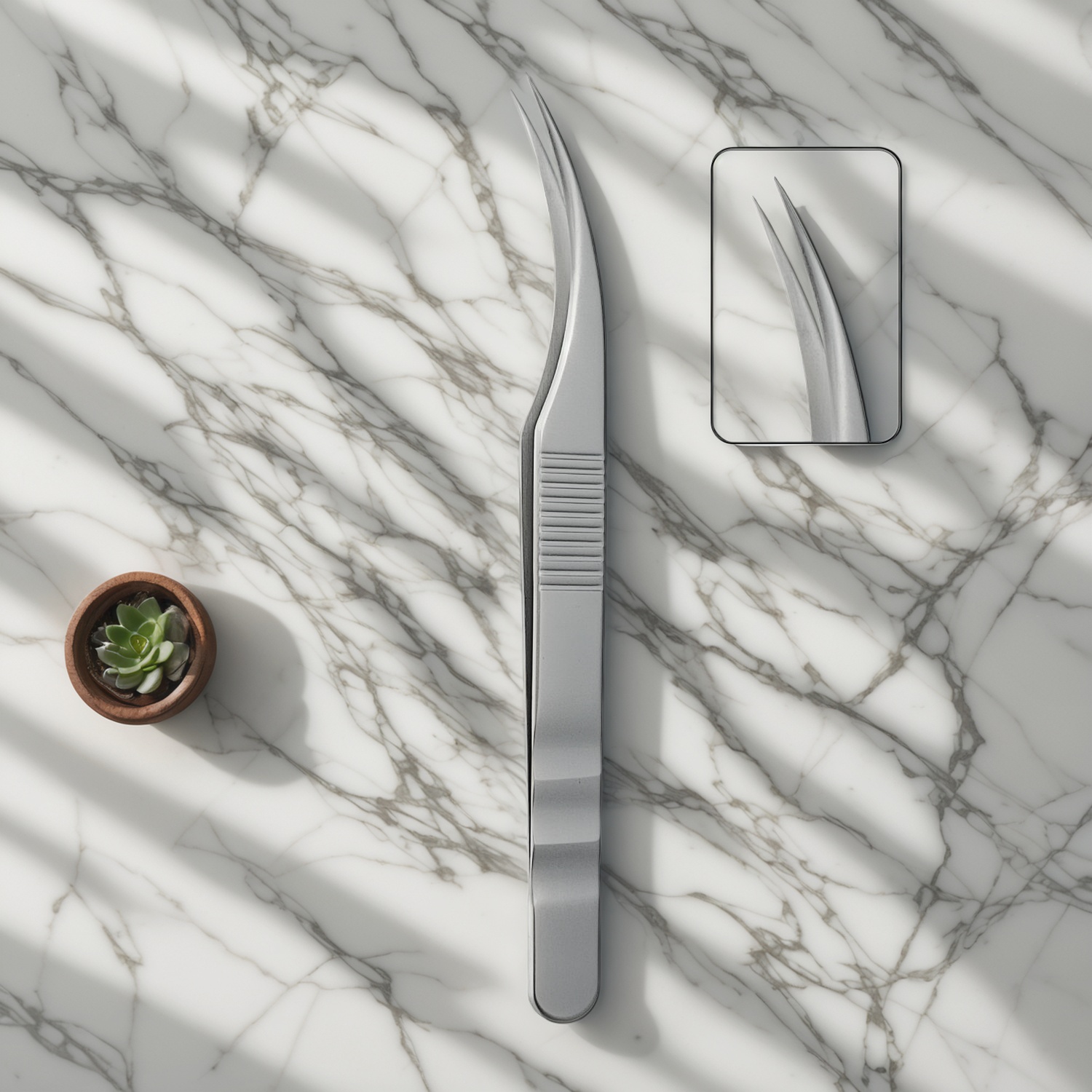
For beauty brands, the strongest custom programs usually connect the tweezer design to a clear use case. Slant tweezers are common for brow shaping and general grooming because the angled tip helps isolate individual hairs. Pointed tweezers can support more detailed work, but they require careful handling and may be better suited to experienced users. Flat or straight tips can be useful for broader gripping tasks, depending on the market. The right choice is not always the most specialized one; it is the one your customers can use confidently and safely.
Choosing the Right Tweezer Features for Your Brand
When comparing B2B tweezers, buyers often focus first on appearance. Appearance matters, especially for retail, but performance depends on small details that are harder to see in photos. Tip contact, arm tension, edge finishing and surface texture all affect the user experience. A tweezer can have a polished look and still disappoint if the tips do not meet evenly.
Use the following checklist when preparing a custom tweezer brief:
- Tip style: Decide whether your audience needs slant, pointed, straight or another tip shape based on the task and user skill level.
- Tip alignment: The two tips should meet cleanly so the tweezer can grip fine hair without excessive pressure.
- Tension: Arms should close smoothly, with enough resistance for control but not so much that repeated use feels tiring.
- Grip area: A textured, coated or shaped grip section can improve control, especially for salon and brow work.
- Edge finishing: Outer edges should feel comfortable in the hand and should not scratch the skin during normal use.
- Finish and color: Matte, polished or colored finishes should match your brand position while remaining practical for cleaning and handling.
- Logo placement: Branding should be visible but not interfere with grip, cleaning or the professional look of the tool.
- Packaging: Choose packaging that protects the tips and explains the product clearly for the sales channel.
This checklist helps prevent a common sourcing mistake: approving a tweezer because it looks good in a sample photo without confirming how it performs in hand.
Branding Options That Support Retail and Professional Sales
Custom tweezers can support different brand strategies. A minimalist brow brand may prefer a simple logo on a clean matte finish. A reseller targeting gift sets may need bolder color options and packaging that photographs well. A salon chain may want a consistent, professional look that staff can use in treatment rooms and customers can purchase after service.
Branding decisions should be practical. A logo placed too close to the tweezer tips may be more visible in a product image, but it may not be ideal for handling or wear. A dramatic color may attract attention online, but it should still suit the expectations of the end customer. Packaging should do more than display the item; it should protect tip precision during shipping, storage and retail handling.
If custom tweezers are part of a wider beauty accessory program, keep color, typography and packaging structure consistent across the range. Buyers planning multiple items can browse Olimor product collections for inspiration on how tools can be grouped for retail or promotional programs.
Local B2B Sourcing vs. Tweezers Export From China
Businesses sourcing custom tweezers often compare local purchasing with international manufacturing. Local suppliers may be convenient for small urgent orders or basic stock items. International sourcing, including tweezers export from China, can offer broader customization possibilities and competitive production economics, especially when buyers need private-label styling, multiple finishes or packaging coordination.
The decision should not be based on price alone. It should include communication, sample review, quality control process, packaging protection and shipping planning. For a beauty tool that depends on precision, a cheaper unit price has little value if tip consistency is unreliable or if packaging allows tips to become damaged in transit.
| Sourcing factor | What to evaluate | Why it matters |
|---|---|---|
| Customization scope | Tip style, finish, logo, packaging and set configuration | Determines whether the product can fit your market position |
| Sample approval | Hand feel, grip, tip contact and visual finish | Helps identify performance issues before bulk production |
| Quality checks | Alignment, surface defects, tension consistency and packaging condition | Protects customer satisfaction and reduces returns |
| Communication | Clear product brief, artwork files and confirmation of details | Reduces misunderstandings during custom production |
| Logistics | Carton protection, lead time planning and delivery requirements | Ensures goods arrive in sellable condition |
How Resellers Can Avoid Competing Only on Price
For tweezers for resellers, generic stock can be difficult to defend. Many sellers may offer similar shapes, similar colors and similar claims. Customization allows a reseller to create a clearer product story: a brow grooming tweezer for beginners, a compact tool for beauty kits, a salon-style tweezer for professional retail, or a coordinated accessory for a gift set.
To avoid competing only on price, resellers should define the selling angle before production. Product pages and packaging should explain who the tweezer is for and what makes the design practical. For example, if the tool is intended for brow shaping, packaging can highlight the tip style and handling guidance. If it is part of a travel set, compact protection and tip covers may matter more. If it is sold to beauty professionals, plain professional packaging and reliable repeat supply may be more important than decorative graphics.
Resellers should also think about reorder logic. A custom tweezer can be sold alone, bundled with other grooming tools or included in kits. A consistent finish and packaging style across several items can help build recognition across marketplace listings, salon displays and wholesale catalogs.
Quality Checks Before Approving a Custom Tweezer Order
Sampling is an essential step for custom tweezers. Photos can show color and logo placement, but they cannot fully show pressure, balance or how accurately the tips meet. A practical approval process should include both visual and functional review. Multiple team members can test the same sample to catch issues that one person may miss.
- Inspect tip contact: Close the tweezer gently and check whether the tips meet evenly from edge to edge.
- Test grip on fine material: Use a fine hair or thread-like material to evaluate whether the tool grips without slipping.
- Check closing pressure: Open and close the tweezer repeatedly to see whether the tension feels comfortable.
- Review surface finishing: Look for sharp outer edges, uneven coating, scratches or visible marks.
- Confirm logo quality: Make sure the logo is positioned correctly, legible and aligned with the approved artwork.
- Assess packaging protection: Confirm that the tips are protected and the product remains presentable after normal handling.
These checks are useful for beauty brands, wholesale buyers and resellers because they focus on the parts of the product customers notice most: grip, comfort and presentation.
Packaging, Care Instructions and Customer Experience
Good packaging can reduce damage and improve customer understanding. Tweezers have fine tips that can be affected by impact or poor storage, so packaging should hold the tool securely. A sleeve, card, box or protective insert may be appropriate depending on the selling channel. Online orders need protection during shipping, while retail packaging also needs clear display and scannable product information if required by the buyer’s channel.
Care guidance can also improve customer satisfaction. Simple instructions such as keeping the tips clean, drying the tool after contact with moisture, storing it with tip protection and avoiding dropping it on hard surfaces help preserve performance. These details are especially useful for first-time brow grooming customers who may not realize that tip alignment is part of tweezer performance.
Building a Clear Brief for Olimor Beauty
A successful custom tweezer program starts with a clear brief. Include the target market, expected selling channel, preferred tip style, finish direction, logo file, packaging idea and any required labeling information for your market. If you are comparing several concepts, organize them by use case rather than only by color. This makes it easier to evaluate which version will perform best for your customers.
Olimor Beauty works with buyers who need beauty tools for business use, reseller programs and private-label planning. If you are preparing a new custom tweezer project or comparing options for a broader beauty tool line, you can contact Olimor to discuss the project direction or send an inquiry with your product brief.
Custom tweezers are small products, but they carry a visible brand promise. When the tool grips cleanly, feels comfortable and arrives in well-planned packaging, customers are more likely to trust the rest of your beauty range. Careful sourcing turns a common grooming item into a reliable product that supports repeat sales and long-term brand recognition.