











Custom Tweezers for Beauty Brands: Precision, Finish, and OEM Buying Criteria
Custom tweezers may look simple, but professional buyers know that small details decide whether a tool feels controlled, durable, and suitable for daily beauty work. For salons, lash technicians, brow artists, distributors, and private-label beauty brands, the right tweezer is not only a grooming accessory. It is a precision tool that must support accuracy, hygiene, hand comfort, and a consistent brand presentation.
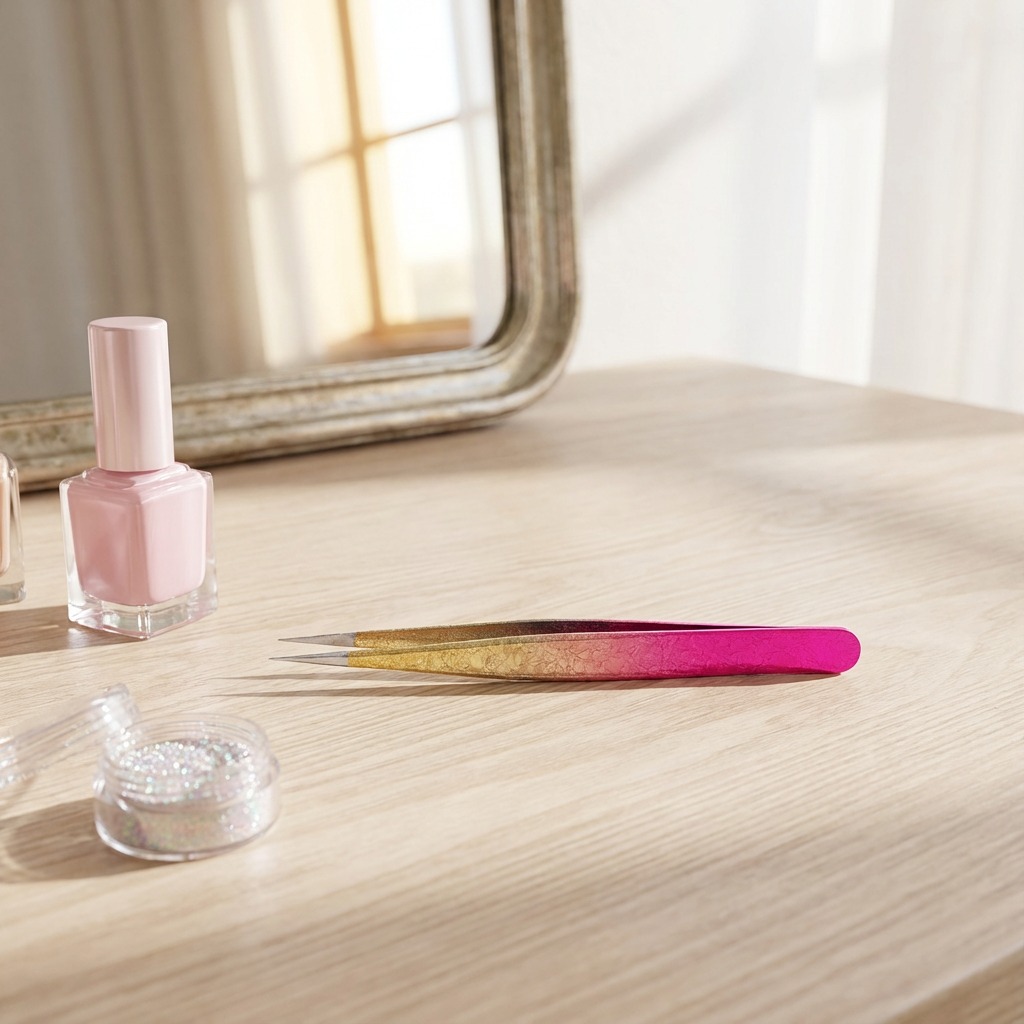
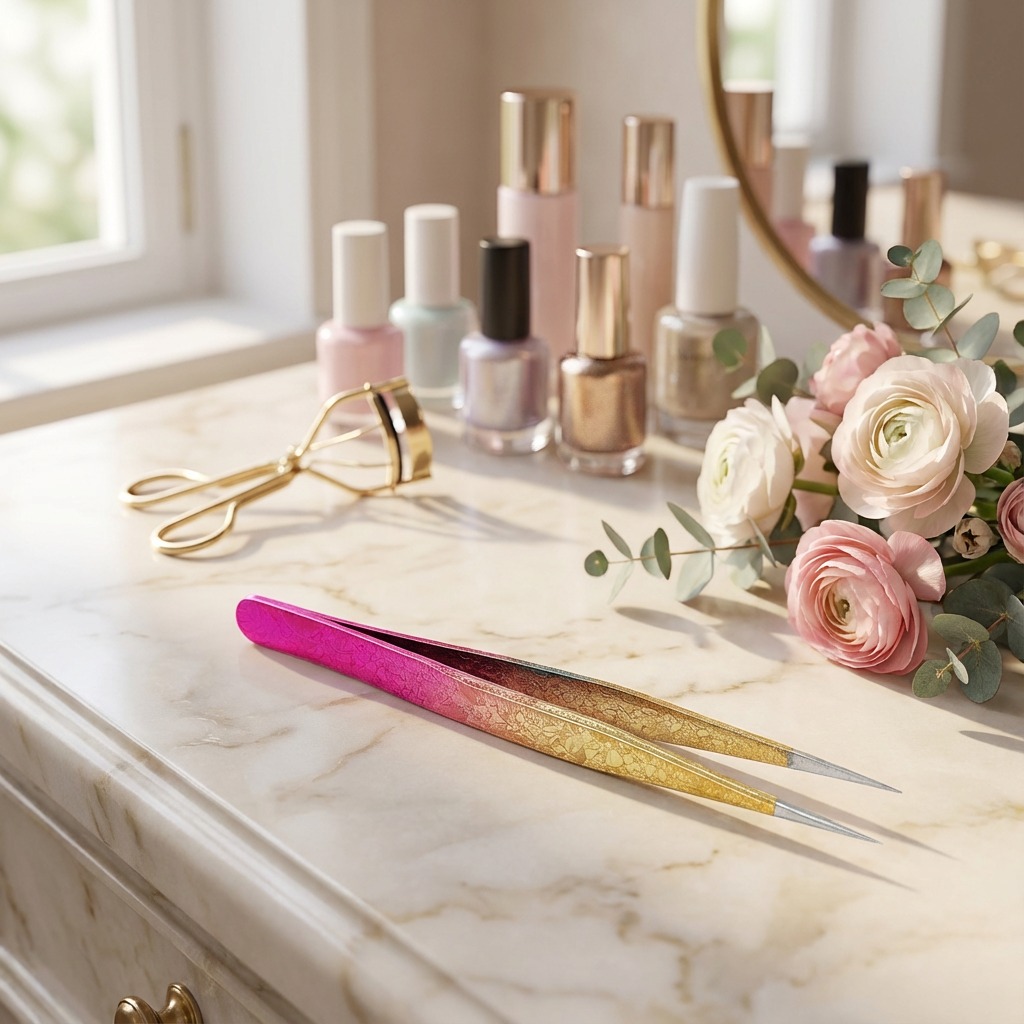
Olimor Beauty develops custom tweezers for beauty professionals and brand buyers who need reliable performance with a polished appearance. The Aurora Luxe Tweezers shown here illustrate this approach: an ombre finish transitioning from gold to magenta, tapered tips for detailed grooming work, and a subtly textured nonslip grip for steadier handling. These visible details matter, but the real value of a custom tweezer also depends on material selection, tip alignment, finishing consistency, inspection discipline, and how well the product fits its intended use.
Why Custom Tweezers Matter for Professional Beauty Use
A tweezer has to meet a narrow but demanding set of expectations. It should close smoothly, grip fine hair without cutting it, hold its alignment over repeated use, and remain comfortable in the hand during precise tasks. When the tool is used for brow shaping, lash extensions, or targeted hair removal, even a slight mismatch at the tips can reduce control and slow the technician down.
Custom tweezers allow a beauty brand to define more than the color or logo. Buyers can consider the use case, the preferred hand feel, the shape of the tip, and the level of visual distinction needed for retail or professional kits. A lash-focused tool may prioritize tapered tips and extremely controlled closure. A general grooming tweezer may need a balance between grip strength, comfort, and easy cleaning. A branded retail item may require a finish that photographs well while still maintaining daily usability.
For beauty-tool buyers comparing beauty tool products, custom tweezers are often one of the easiest products to underestimate. The category appears compact, but it reflects a brand’s attention to precision. A clean finish, stable tension, and well-matched tips can help build trust with end users who notice every detail when working close to the skin or lash line.
Key Construction Details to Evaluate Before Ordering
The original foundation of a reliable tweezer is the metal body. Olimor Beauty uses high-grade stainless steel selected for corrosion resistance and durability. For buyers, stainless steel is important because tweezers are frequently handled, cleaned, and stored in humid bathroom, salon, or travel environments. A beauty tool that resists corrosion better is easier to maintain and better suited to repeated professional use.
Tip alignment is another critical area. When both tips meet evenly, the tweezer can hold fine hair more predictably. Poorly aligned tips may slip, pinch unevenly, or require extra hand pressure. For OEM custom tweezers, buyers should define the intended function first, then review whether the tip style supports that task. The Aurora Luxe Tweezers feature tapered tips, making them suitable for intricate beauty routines such as detailed grooming and lash-related work.
Grip texture also affects user control. A subtly textured nonslip grip can reduce the chance of slipping during delicate procedures, especially when the user is working for long periods or switching between tools. Ergonomics should not be treated as a decorative issue. The spring feel, closing resistance, surface texture, and overall balance all influence whether the tweezer feels precise or tiring.
- Material: Stainless steel supports durability and corrosion resistance for beauty environments.
- Tip contact: Tips should meet cleanly and evenly to grip fine hair or fibers.
- Tip shape: Tapered tips are useful for detailed, close-control work.
- Grip area: A nonslip texture can improve handling during careful procedures.
- Finish quality: Color transitions and surface treatments should appear consistent across the order.
- Packaging checks: Final packaging should protect the tips and present the brand neatly.
Designing OEM Custom Tweezers Without Losing Function
OEM custom tweezers give brands room to create a distinctive product, but the best designs protect the tool’s performance first. Color, logo placement, packaging style, and finish should never interfere with the tip closure, hand feel, or cleanability of the tool. The Aurora Luxe Tweezers demonstrate a decorative direction with an ombre finish moving from gold to magenta, but the design still centers on tapered tips and practical handling.
When developing an OEM tweezer, begin with the end user. A professional lash technician may prefer a tool that supports controlled placement and detailed separation. A brow artist may prioritize accurate hair removal and clean contact at the tips. A consumer grooming kit may need a versatile tweezer that feels intuitive even for occasional users. These differences should guide the design brief before visual customization begins.
Brand elements can be incorporated into custom tweezers through color gradients, surface finishes, and branded details. However, buyers should keep branding practical. A logo should be readable without being placed where fingers constantly rub it. A bright finish should remain suitable for the brand’s audience and retail positioning. A premium-looking tweezer still needs to survive normal handling, cleaning, and storage expectations.
Brands planning a broader accessory range can compare tweezers with other product collections to keep color, finish, and packaging language consistent. Consistency helps when building a salon kit, retail bundle, or distributor catalog, but it should not lead to one-size-fits-all specifications. A tweezer’s tip geometry and grip should always follow the intended beauty task.
Quality Checks That Protect Precision and Brand Reputation
For a small tool, inspection has a large impact. Olimor Beauty applies quality assurance steps that include raw material inspections and final packaging checks. From a buyer’s perspective, the most important point is to define what should be checked before an order moves forward. A useful checklist should include both visible appearance and functional performance.
Raw material review helps confirm that the tweezer begins with an appropriate stainless steel foundation. During production, shaping and finishing should preserve the alignment of the tips. After finishing, the surface should be reviewed for consistency, especially when a decorative effect such as a color gradient is involved. At the end, packaging should protect the tips so the product arrives ready for retail, kit assembly, or salon distribution.
| Inspection area | Why it matters | What buyers should review |
|---|---|---|
| Tip alignment | Controls grip accuracy and user confidence | Even contact, no visible gap, smooth closure |
| Surface finish | Supports brand presentation | Consistent color, clean edges, no obvious blemishes |
| Grip texture | Improves handling during detailed work | Comfortable feel, nonslip surface, no sharp roughness |
| Stainless steel body | Supports durability and corrosion resistance | Clean forming, stable tension, suitable polishing |
| Packaging | Protects the product and reinforces the brand | Tip protection, correct branding, clean presentation |
Documenting these points before production helps avoid misunderstandings. For OEM buyers, a written specification can be simple but should be specific: intended use, tip style, finish direction, branding location, packaging preference, and acceptable appearance standards. Clear criteria are especially important when a tweezer includes a decorative surface, because beauty buyers often judge both performance and presentation at the same time.
Choosing a China Tweezers Exporter for Private-Label Projects
Working with a China tweezers exporter can be efficient for brands that need customized beauty tools, but choosing the right partner requires more than comparing photos. Product images show finish direction, but they do not fully reveal tip contact, tension, inspection process, or packaging protection. Buyers should evaluate how well a supplier understands professional beauty use and whether the communication process supports practical decisions.
A strong sourcing conversation should cover use case first. Will the tweezers be used for lash extensions, brow grooming, general hair plucking, retail kits, or salon distribution? The answer affects the tip style, grip feel, finish durability expectations, and packaging format. If the product is part of a larger brand launch, buyers should also consider how the tweezer will sit alongside scissors, lash tools, facial tools, or other beauty accessories.
It is also useful to separate confirmed specifications from open decisions. Confirmed details may include stainless steel construction, tapered tips, a nonslip grip, or a specific ombre color direction if those are part of the project. Open decisions may include logo position, packaging type, final finish tone, or tip adjustment preference. Keeping these categories separate makes the development process clearer and reduces the risk of approving a tool that looks right but does not match the intended work.
Maintenance Tips for Longer Tweezer Performance
Even well-made custom tweezers need proper handling. Professional users should protect the tips from drops and avoid storing tweezers loose with heavier tools that may knock the alignment out of place. After use, the tweezer should be cleaned according to the hygiene practices appropriate for the salon or retail environment. Dry storage helps support the corrosion-resistant advantages of stainless steel.
- Wipe the tips after use to remove residue that may affect grip.
- Store tweezers with tip protection when possible, especially during travel or kit transport.
- Avoid using precision tweezers for non-beauty tasks such as opening containers or scraping adhesive.
- Check the tip contact regularly; if the tips no longer meet evenly, performance will suffer.
- Keep decorative finishes away from unnecessary abrasion to preserve the appearance.
These simple habits are especially important for professional tools used throughout the day. A precision tweezer is designed for controlled beauty work, not general utility use. When users treat it as a dedicated tool, it is more likely to maintain its alignment, finish, and hand feel.
How to Prepare a Clear Custom Tweezer Inquiry
Before starting an OEM custom tweezers project, prepare a concise brief. Include the target user, application, preferred tip style, finish concept, branding requirements, and packaging expectations. If the Aurora Luxe direction is relevant, reference the gold-to-magenta ombre finish and tapered-tip concept as a visual and functional starting point. If your project requires a different tone, define the desired direction without compromising precision.
Buyers can contact Olimor to discuss custom tweezer development or send an inquiry with the key project details. A clear inquiry helps both sides focus on the right questions: how the tweezers will be used, what customization is essential, which finish best fits the brand, and what inspection points should be prioritized.
Custom tweezers succeed when craftsmanship and sourcing discipline work together. A polished finish draws attention, but accurate tips, comfortable grip, stainless steel durability, and careful checks determine whether the tool earns repeat use. For beauty brands and professional buyers, focusing on these details is the most reliable way to create tweezers that look refined, handle well, and support precise beauty work.