Custom Nail Clippers for Business Buyers: Sizing, Branding and Bulk Sourcing
Custom nail clippers are small tools, but they carry a big share of customer perception. In retail, salon, hotel, gift and distributor channels, buyers want a nail clipper that cuts cleanly, feels stable in the hand, looks presentable on shelf and supports the brand message without creating sourcing problems. The best buying decision is not just the lowest quote. It is the clipper format, finish, packaging and customization plan that fit the way the product will actually be sold.
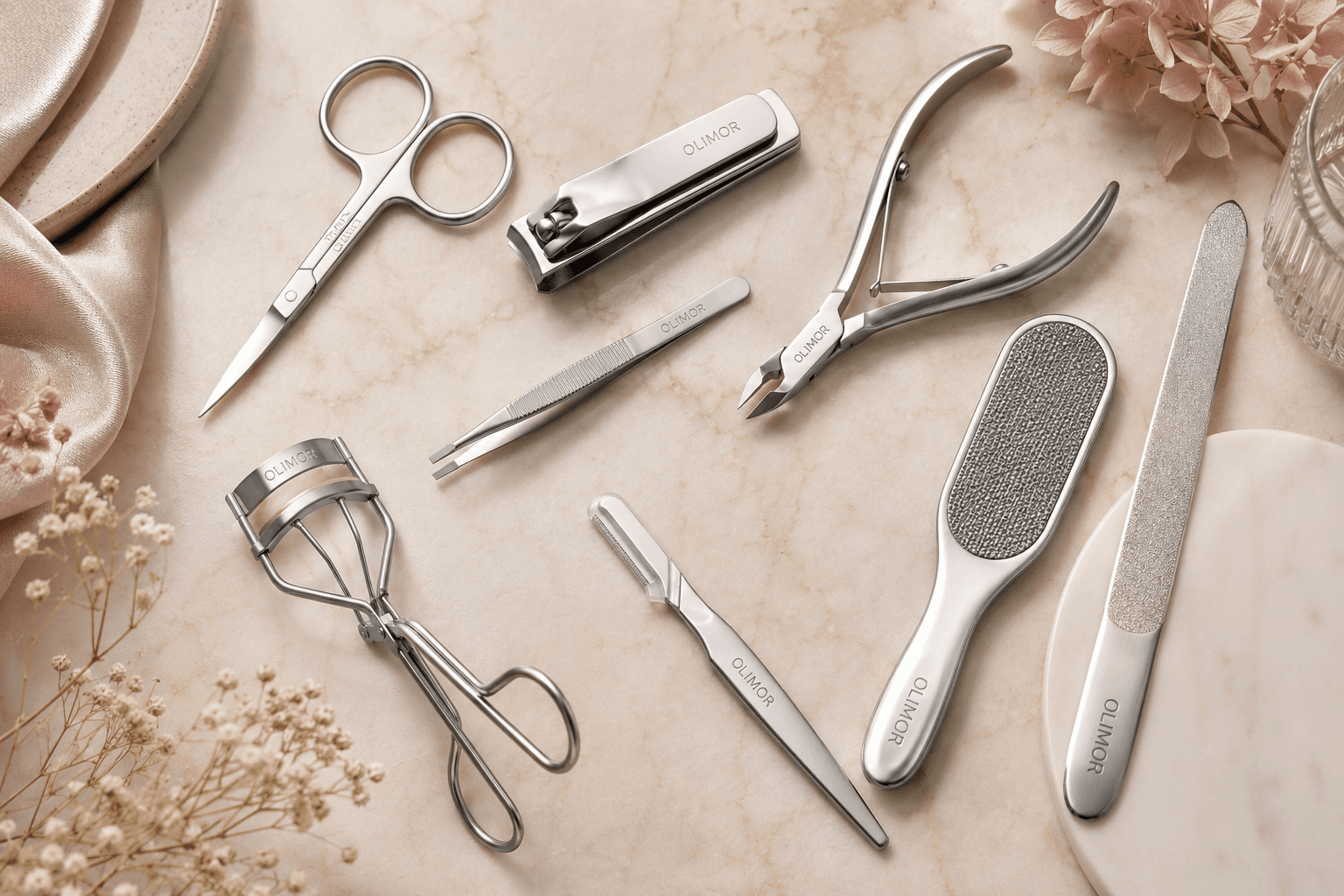
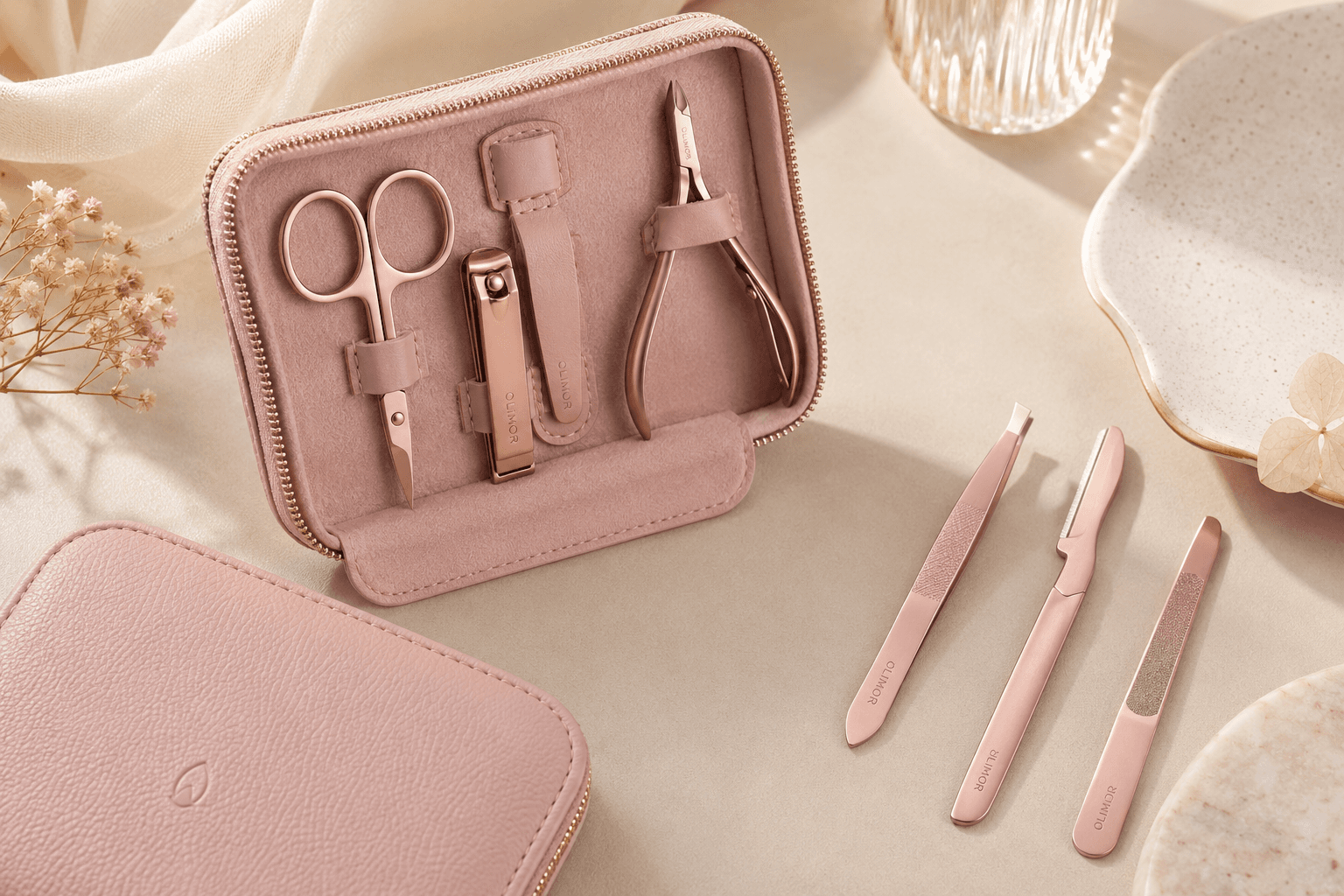
Olimor Beauty supplies stainless steel nail clippers and related beauty tool products designed for B2B use. If you are comparing private-label grooming items, it helps to review the broader beauty tool products range early so you can decide whether the nail clipper should be sold alone, bundled into a kit or coordinated with other grooming tools.
Where custom nail clippers fit in a B2B product line
A nail clipper can play several commercial roles. It may be a retail add-on in a salon, a low-friction item in a distributor catalog, a practical part of a travel set, a hotel amenity, a promotional gift or a private-label grooming accessory. The same tool can perform very differently depending on how it is packaged and positioned.
For that reason, define the use case before asking for a quotation. A compact clipper for a travel pouch has different requirements from a standard retail tool. A branded gift item may need stronger visual appeal, while a distributor may care more about repeatable supply, easy storage and clear carton labeling. If you are building a wider assortment, the Olimor grooming collection can help you plan a more complete set rather than ordering one tool in isolation.
- Salon retail: Often needs shelf appeal, simple presentation and a dependable cutting feel.
- Travel kits: Usually benefit from smaller size, lighter weight and secure packaging.
- Distributor programs: Need consistent specifications and repeat ordering stability.
- Promotional sets: Need branding space, coordinated finish and packaging that supports the campaign.
- Hotel or amenity use: Typically favors compactness and straightforward identification.
Which clipper format matches your channel?
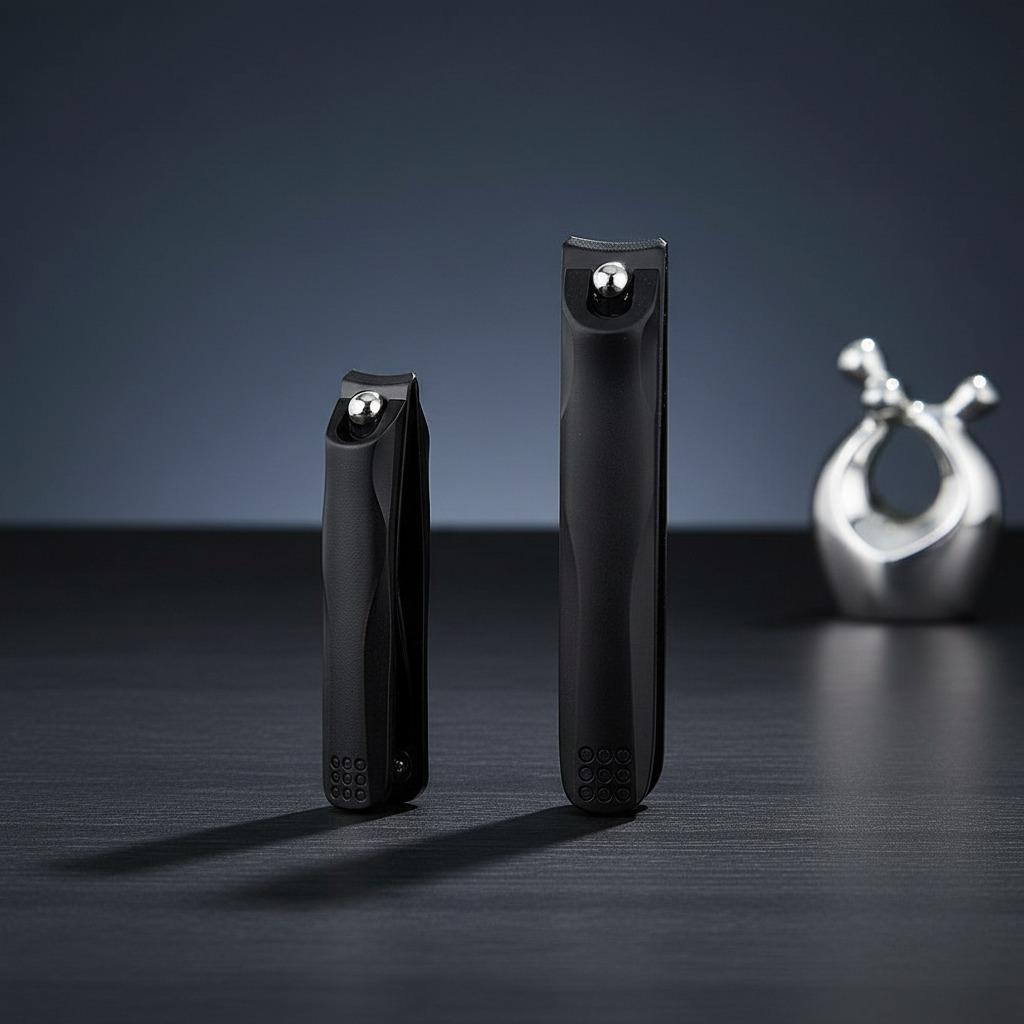
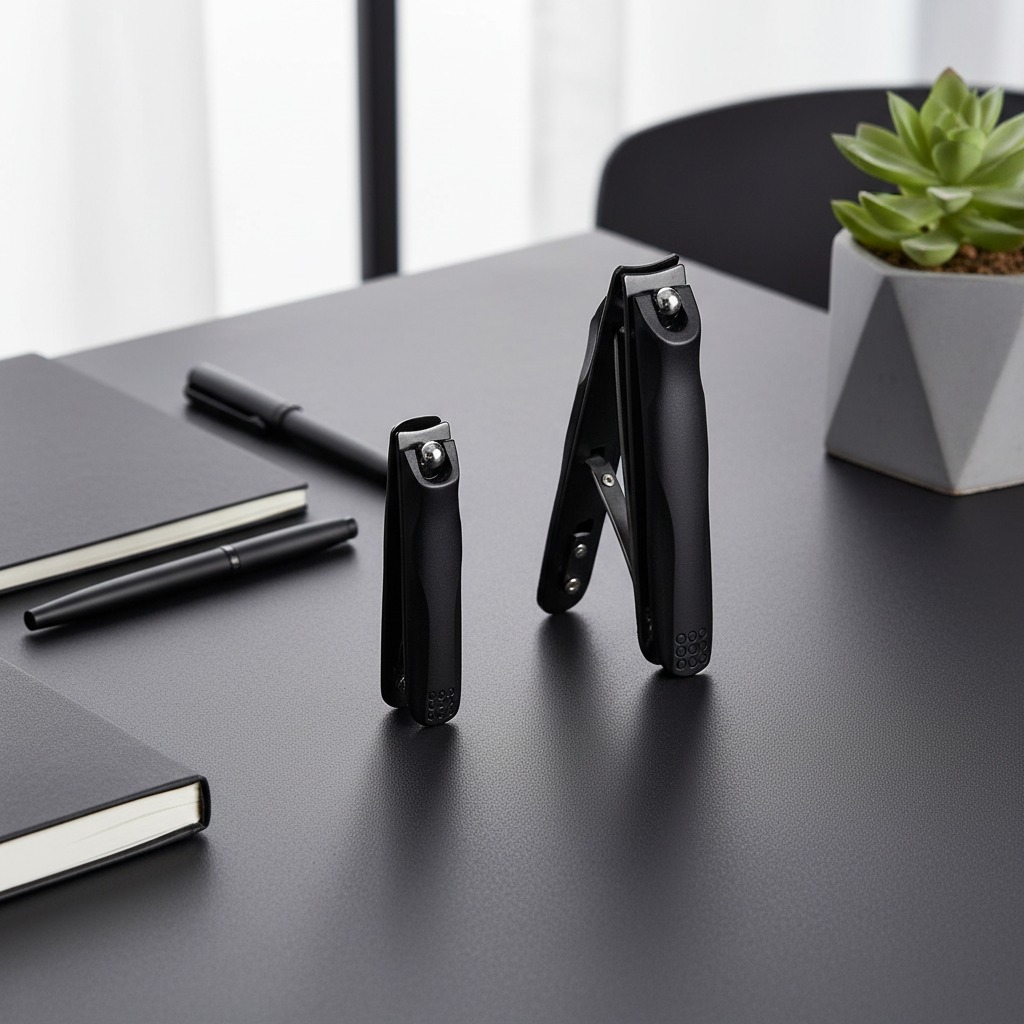
The supplied product materials describe more than one custom nail clipper format. That is useful for business buyers because the right choice depends on the channel, not only the product category. Confirm the exact model, artwork area and packaging plan during quotation so the final order matches your intended use.
| Described format | Stated size and weight | Best-fit business use | What to verify |
|---|---|---|---|
| Compact nail clipper | 59mm, 24g | Travel kits, compact retail packs, promotional sets, personal grooming pouches | Portability, packaging fit, logo readability at small scale |
| Standard nail clipper | 74mm, 43g | Salon retail, general personal care, distributor catalogs, manicure kits | Hand feel, cutting comfort, packaging presentation |
| Compact design with decorative cutout | 88mm x 16mm, 44g | Beauty sets, wellness kits, gift programs, travel and amenity channels | Ergonomic handling, cutout finish, branding placement, carton protection |
Some supplied descriptions also mention stainless steel construction, matte black or brushed metal finishes, ergonomic handling, embedded nail files, angled blades and perforated handles. Because those details appear across different product descriptions, the safest buyer approach is to request the exact specification sheet for the model you want and confirm which features belong to that SKU.
Why size and weight matter
Size affects more than portability. It changes the feel of the tool, the amount of space it takes in packaging and how it will look beside other products. A compact model can work well inside a manicure pouch or a travel set. A larger or heavier model often feels more substantial in the hand and may suit salon retail or everyday home grooming. The best choice depends on the customer journey, not just on the clipper itself.
Weight also affects perceived value. A clipper that feels too light may seem disposable, while a more solid-feeling tool can better support a retail or gifting position. That said, heavier is not automatically better. The real question is whether the tool feels controlled, comfortable and easy to store for the intended channel.
Branding and packaging that work on a small metal tool
Custom nail clippers usually have limited branding space, so simplicity helps. The supplied materials mention custom engravings and color options, which gives buyers room to tailor presentation without overcomplicating production. On a small stainless steel surface, a short logo or clean wordmark is often easier to read than a crowded graphic.
If the finish is matte black, contrast matters. If the surface is brushed metal, visibility and placement matter. In both cases, test the artwork on the actual tool size, not only on a flat digital proof. Small text can disappear once it is reduced to the scale of the clipper.
- Logo size: Keep it legible at the real clipper scale.
- Placement: Choose a position that remains visible during normal handling.
- Finish compatibility: Check whether the branding suits matte black, brushed metal or another surface.
- Packaging role: Decide whether the clipper, the pack or both should carry the brand message.
- Reorder consistency: Save approved artwork and placement notes for future batches.
Packaging is not a minor detail. It helps protect the cutting edge, reduces scratches in transit, supports shelf presentation and affects how the buyer judges value. A simple clipper can feel much more credible when the packaging is clean, protective and easy to merchandise. If you are planning a branded program, consider preparing the product page, carton spec and pack format at the same time rather than as separate tasks.
What to check before bulk ordering
For B2B buyers, a sample is the most useful checkpoint before a larger order. Photos can show shape and finish, but they cannot confirm cutting feel, lever pressure or the way the product behaves after repeated use. A short inspection process can prevent avoidable issues later.
- Cut alignment: The cutting edges should meet evenly and cut cleanly.
- Lever action: The body should open and close smoothly without feeling loose or overly stiff.
- Surface finish: Look for scratches, stains, uneven coating or patchy areas.
- Edge safety: Check that there are no rough burrs or sharp unfinished points.
- Grip comfort: Confirm that the size and shape feel controlled in typical hand positions.
- Brand clarity: Review logo clarity at the actual product size.
- Packaging fit: Make sure the clipper stays protected and does not move around in transit.
When the design includes a decorative detail such as a heart-shaped cutout, verify that it is smooth and consistent and does not interfere with handling or leverage. A decorative feature should support the product, not distract from its core function.
Practical manufacturing and material considerations
The supplied descriptions point to stainless steel as the main material. That matters because nail clippers are handled directly, stored in humid spaces and expected to keep a clean appearance. Stainless steel is a practical choice for grooming tools because it supports everyday use and helps the product stay presentable when stored in bathrooms, travel kits or salon drawers. Buyers should still review care expectations, because even sturdy metal tools can be affected by moisture and poor storage.
Some descriptions also mention rust-resistant stainless steel, ergonomic handles, embedded nail files, angled blades and perforated handles. Those features can improve utility or handling, but they should be verified on the specific model you want. Do not assume every feature appears on every SKU. Ask the supplier to identify exactly what is standard, what is optional and what appears only on a particular format.
How bulk pricing is really determined
Bulk nail clipper pricing is not just a matter of the base tool. The final commercial value depends on the order quantity, the customization method, packaging complexity, inspection expectations and shipping approach. A lower unit price can become poor value if it leads to weak cutting performance, inconsistent branding or more customer complaints.
Buyers should compare quotes on a like-for-like basis. Check whether the quoted price includes the specific finish, logo application, individual packaging, carton labeling or sample approval. If one quotation is for plain bulk-packed clippers and another is for retail-ready, branded packaging, the two are not directly comparable.
- Base product: Confirm the exact size, weight and material.
- Customization: Ask how engraving, color or logo placement affects the quote.
- Packaging: Check whether individual packing, gift packing or retail packing changes the cost.
- Inspection: Clarify which checks are included before shipment.
- Freight and export handling: Confirm how shipping and carton requirements are treated.
For many buyers, better value comes from a consistent product that matches the intended channel, even if the headline cost is slightly higher. A clipper that feels reliable, looks clean and arrives in good packaging is more likely to support repeat sales.
Supplier evaluation checklist for business buyers
When comparing suppliers, ask practical questions that reveal whether the order can be repeated without surprises. This is especially important for distributors, private-label retailers and buyers who need stable replenishment over time.
- Does the supplier provide the exact specification sheet for the selected clipper model?
- Can you review a sample before bulk approval?
- Are the artwork position and branding method confirmed on the actual product size?
- Does the packaging protect the cutting edge and suit the target channel?
- Are the quality checks focused on alignment, finish, lever movement and packaging condition?
- Can the same specification be reordered consistently for later batches?
For formal supplier files, buyers often ask for process documentation aligned with ISO 9001-style quality management practices. That does not mean the supplier is certified unless they state it clearly. Buyers should verify the current version of any relevant standard and review the supplier documentation directly before relying on it.
FAQ
Can I request samples before placing a bulk order?
Yes. Samples are the best way to check cutting feel, finish, branding clarity and packaging fit before approving a larger order.
What should I confirm about MOQ and customization?
Ask the supplier which customization options are available for your selected model, how they affect artwork approval and whether the MOQ changes by finish, logo method or packaging style.
How do I judge quality without overcomplicating the process?
Focus on the basics: edge alignment, lever movement, surface finish, grip comfort and packaging protection. Those are the details customers notice first.
Are these suitable for travel kits and salon retail?
Yes, depending on the format. Compact models suit travel kits and amenity packs, while standard models are often better for salon retail and broader personal care ranges.
What should I ask about lead time?
Ask what affects timing, including artwork approval, sample confirmation, packaging choice and order size. Do not assume the same timeline for plain stock and custom-packed orders.
Next step for custom sourcing
If you are building a private-label grooming line, a salon retail offer or a distributor assortment, start with the exact model, then confirm branding, packaging and inspection details. You can review the current options in the product catalog and use the inquiry form to share your target channel, artwork needs and packaging preferences. If you want direct sourcing support, contact the team with your brief and request the most relevant sample format.
Tag: