











Custom Nail Clippers for Business: What B2B Buyers Should Check Before Ordering
A custom nail clipper for business is a small product, but it can carry a large share of brand experience. It sits in a wash bag, hotel amenity kit, retail display, salon drawer or promotional gift set, and it is judged every time a customer uses it. For distributors, retailers, salons, hospitality buyers and gift companies, the best choice is not simply the lowest unit price. It is the clipper that fits the target user, accepts clean branding, performs consistently and arrives in packaging suitable for the sales channel.
Olimor Beauty supplies beauty tools for business buyers who need practical sourcing options rather than one-size-fits-all purchasing. This guide explains how to evaluate custom nail clippers, compare bulk nail clipper price factors, and choose details that support your brand without adding unnecessary risk to the order.
Why Custom Nail Clippers Work Better Than Generic Giveaways
Generic nail clippers can be useful for very basic demand, but they do little to differentiate a brand. A custom nail clipper allows a business to place its logo or design on a tool that customers may keep for months or years. That repeated use makes the item more valuable than a disposable flyer or a short-lived promotion.
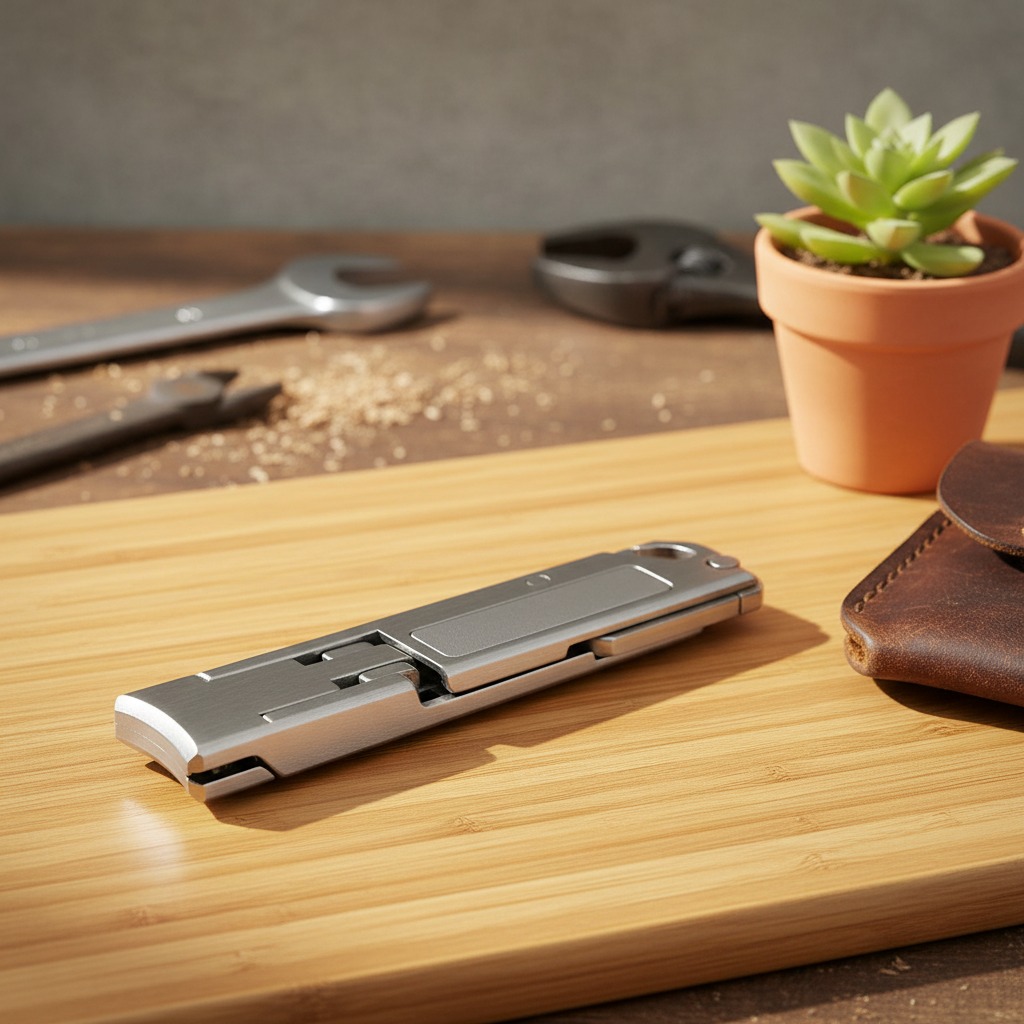
Branding is only effective when the base product feels reliable. A clipper that bends, leaves rough edges or feels uncomfortable can damage the impression you were trying to create. The original Olimor Beauty product information highlights stainless steel tools, ergonomic design, a brushed metal finish and quality checks from raw materials to final packaging. Those are the kinds of details that matter for business buyers because they affect both user satisfaction and reorder potential.
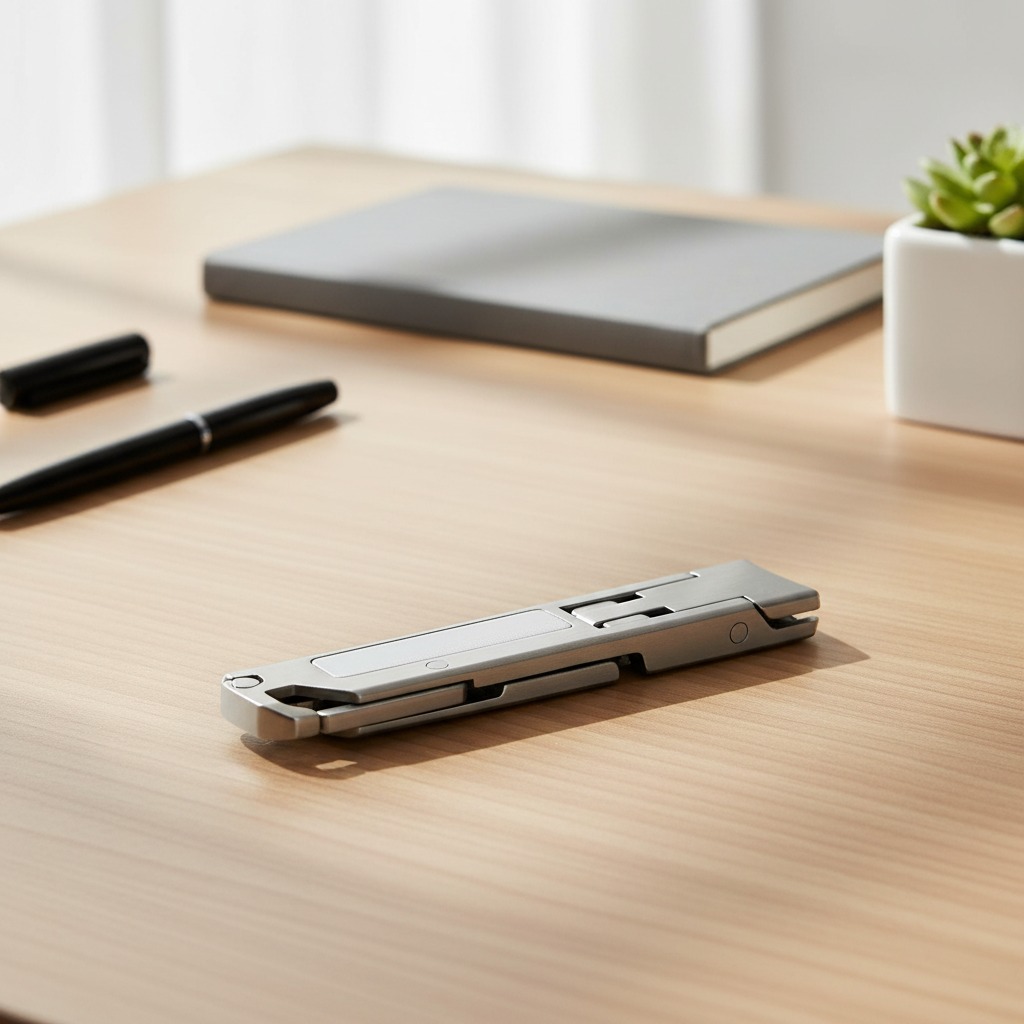
A compact nail clipper can also travel easily between use cases. The supplied product details describe an ultra-portable clipper measuring 62 mm and weighing 22 grams. That size is suitable for personal care kits, travel pouches, amenity bundles and counter displays where space is limited.
Key Selection Criteria for B2B Nail Clippers
Before comparing quotations, define what the nail clipper needs to do for your specific channel. A distributor may prioritize cartons, repeat supply and neutral designs. A retailer may need attractive packaging and a finish that looks good on a shelf. A hotel group may prefer compact items that fit an amenity kit. A salon may care most about grip, clean cuts and easy storage at each station.
- Material and finish: Stainless steel is a common choice for nail tools because it supports durability and a clean appearance. A brushed metal finish can reduce the visibility of fingerprints compared with highly reflective surfaces.
- Cutting feel: The lever should move smoothly and the cutting edge should meet evenly. A clean cut reduces the chance of rough nail edges and improves the user’s perception of quality.
- Size and portability: A 62 mm, 22 gram clipper is compact enough for travel and small kits, while still offering practical handling for many users.
- Ergonomics: A comfortable pressing surface and balanced body help the user apply force without awkward finger positioning.
- Branding area: Confirm that the logo size, line thickness and placement suit the actual clipper surface. Tiny details may not reproduce well on metal.
- Packaging compatibility: Retailers may need hanging cards, boxes or sets, while distributors may prefer efficient bulk packing. Packaging should protect the tool and match the sales environment.
Branding Choices: Logo, Finish and Presentation
Custom branding should be planned around the product surface, not forced onto it. A nail clipper has limited space, so a simple logo often looks better than a complex graphic. If the design includes small text, fine lines or gradients, simplify it before production. The goal is legibility at real product size.
For many business programs, subtle branding is more effective than oversized decoration. A clean logo on a brushed stainless steel surface can feel appropriate for salons, wellness kits, corporate gifting and retail personal-care sections. More colorful packaging can then carry additional product information, usage notes or brand messaging without crowding the clipper itself.
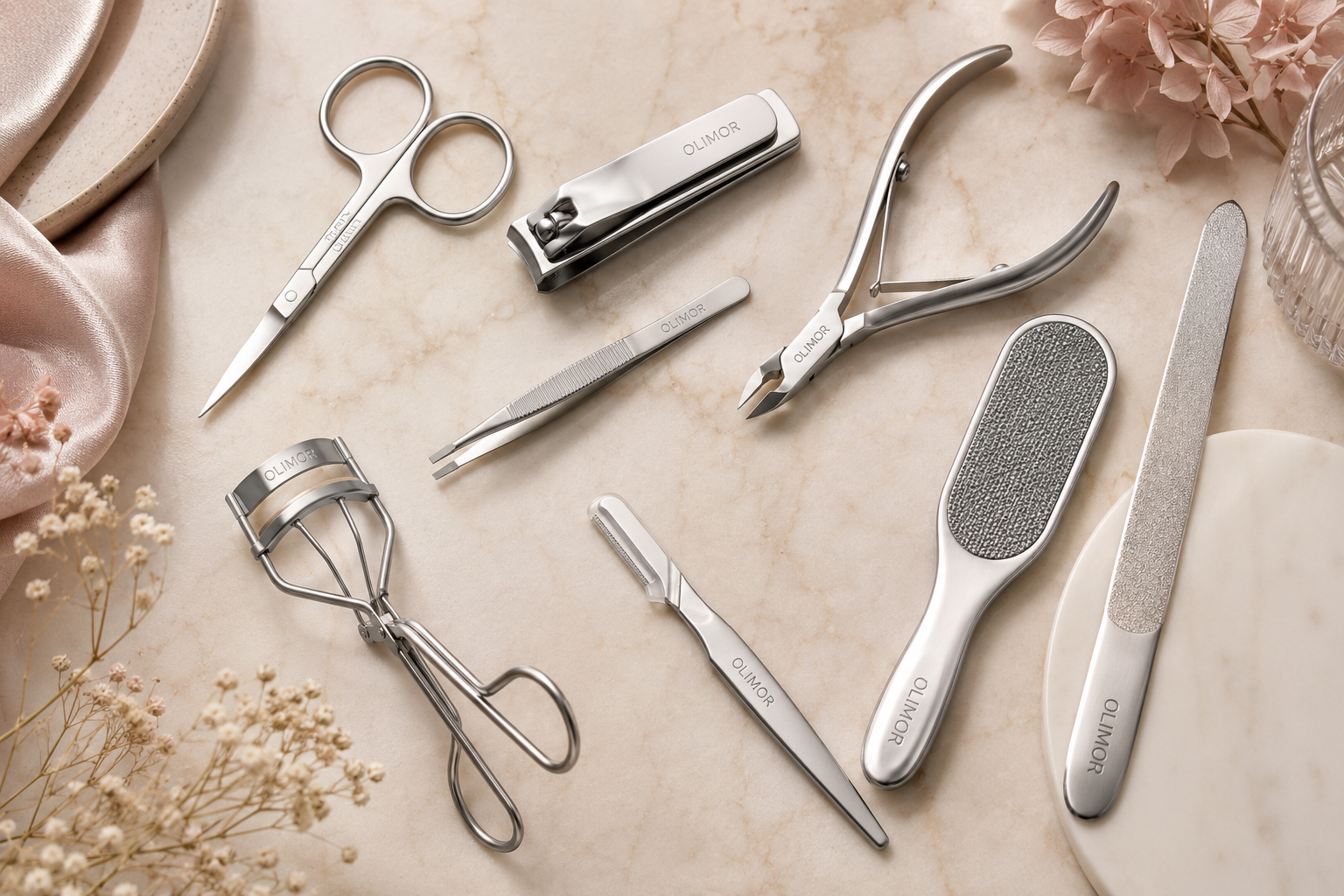
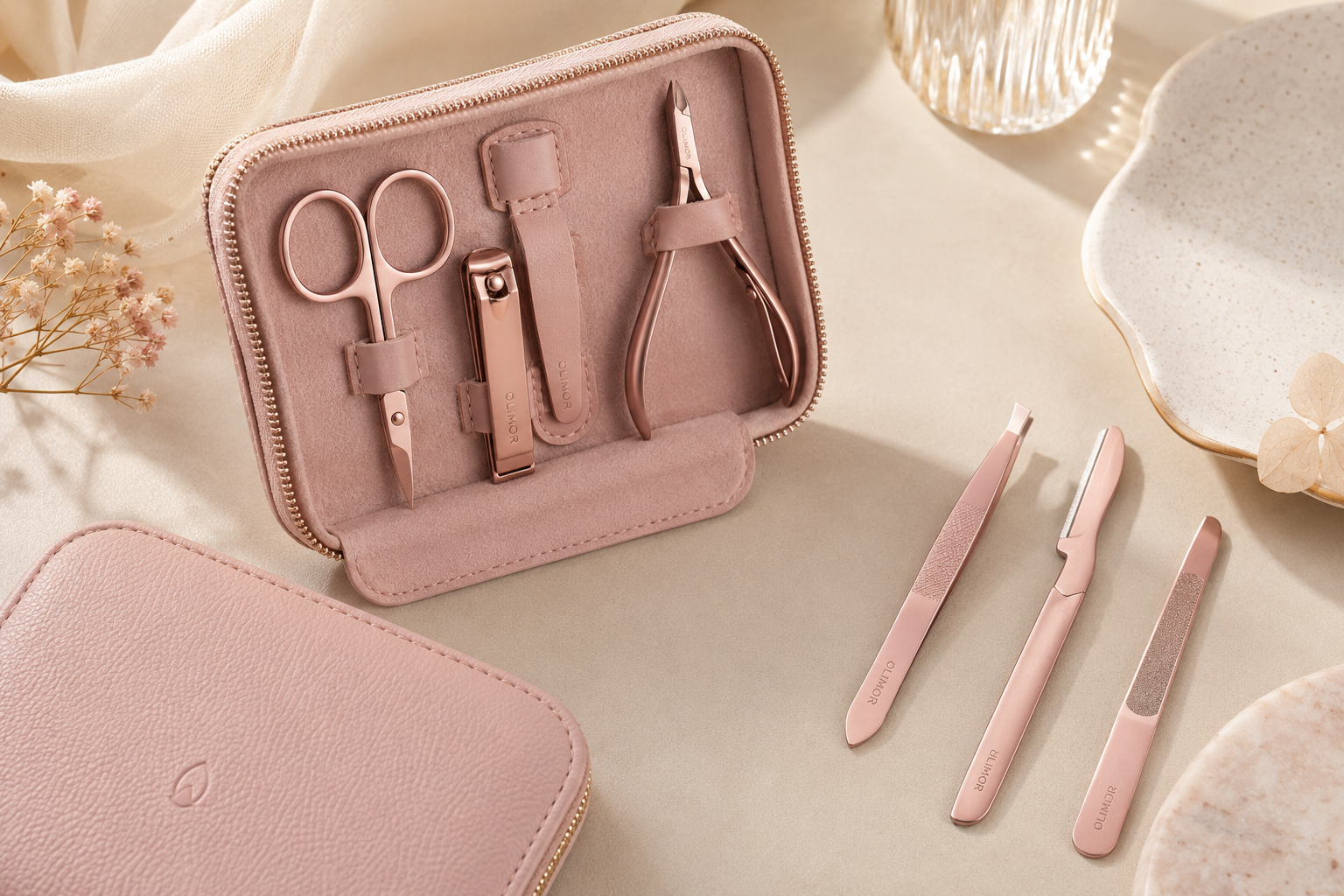
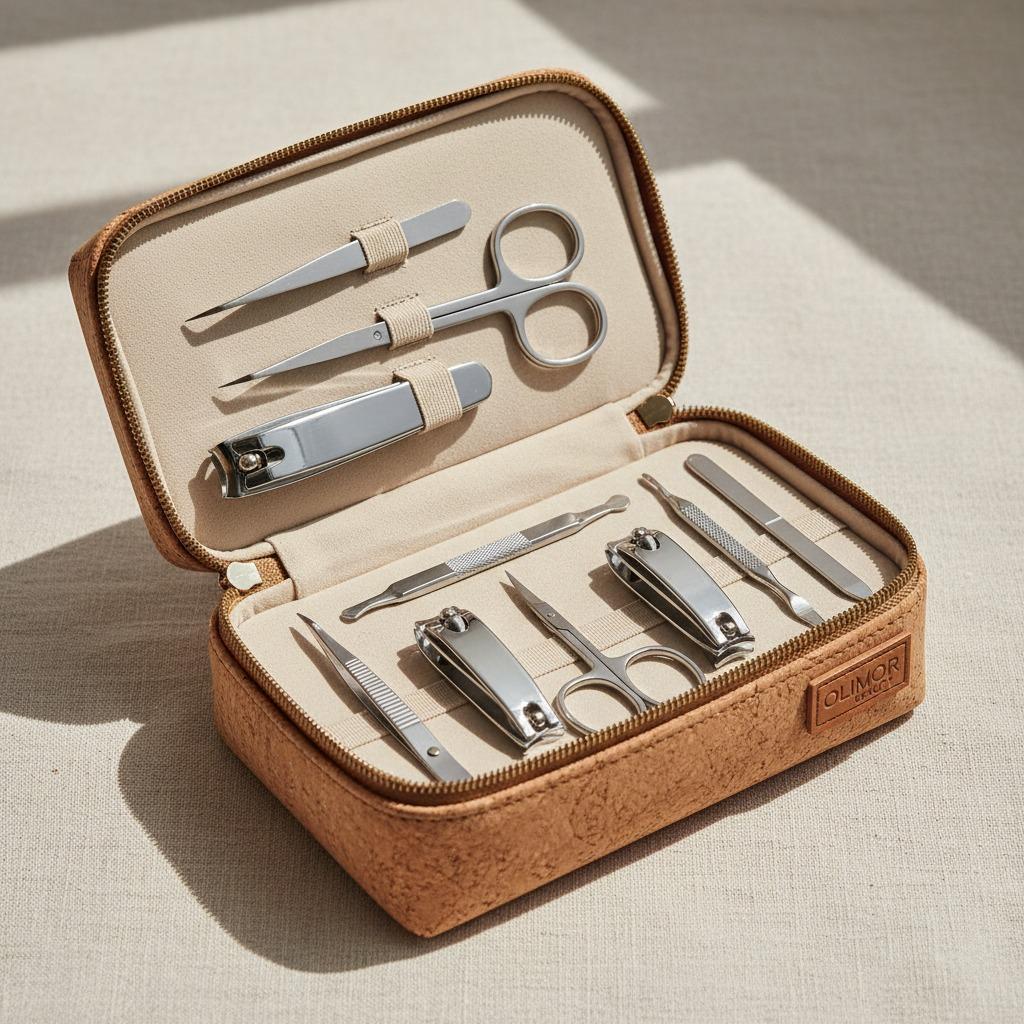
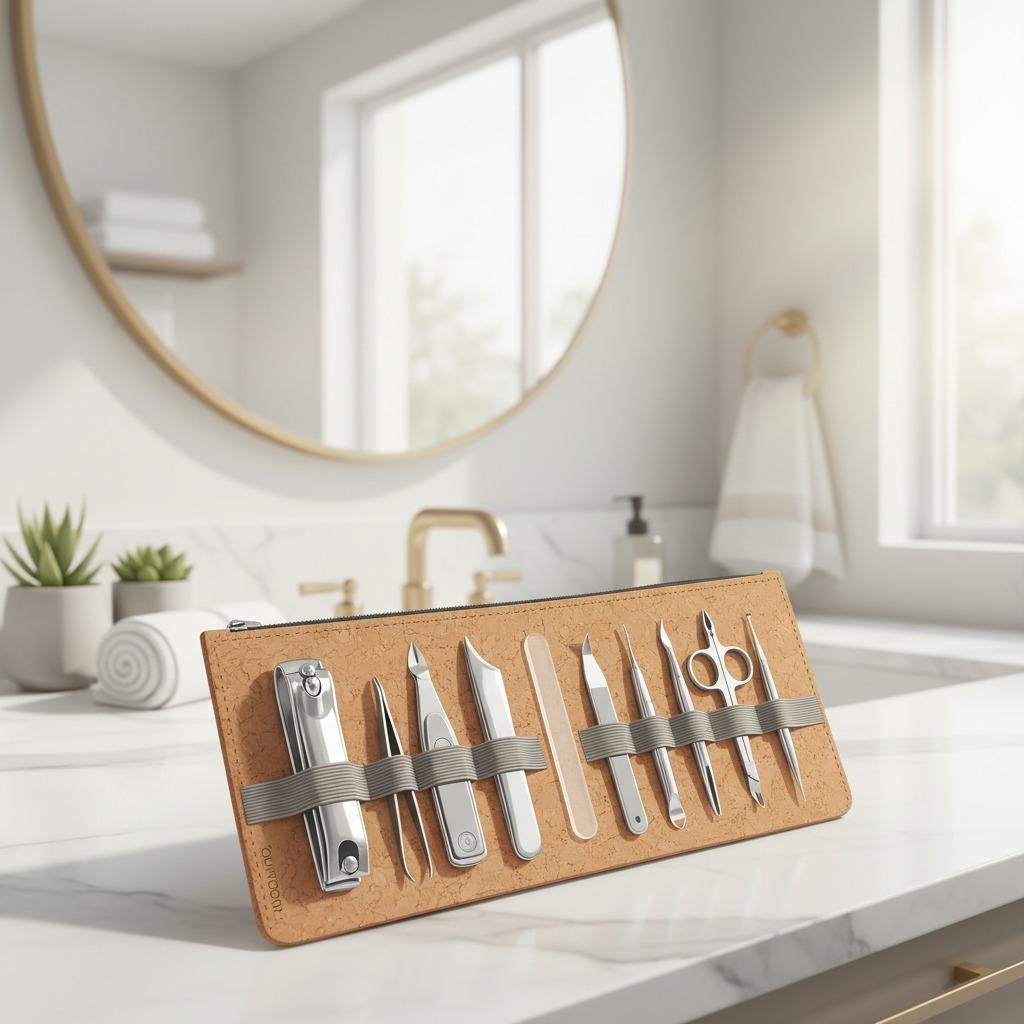
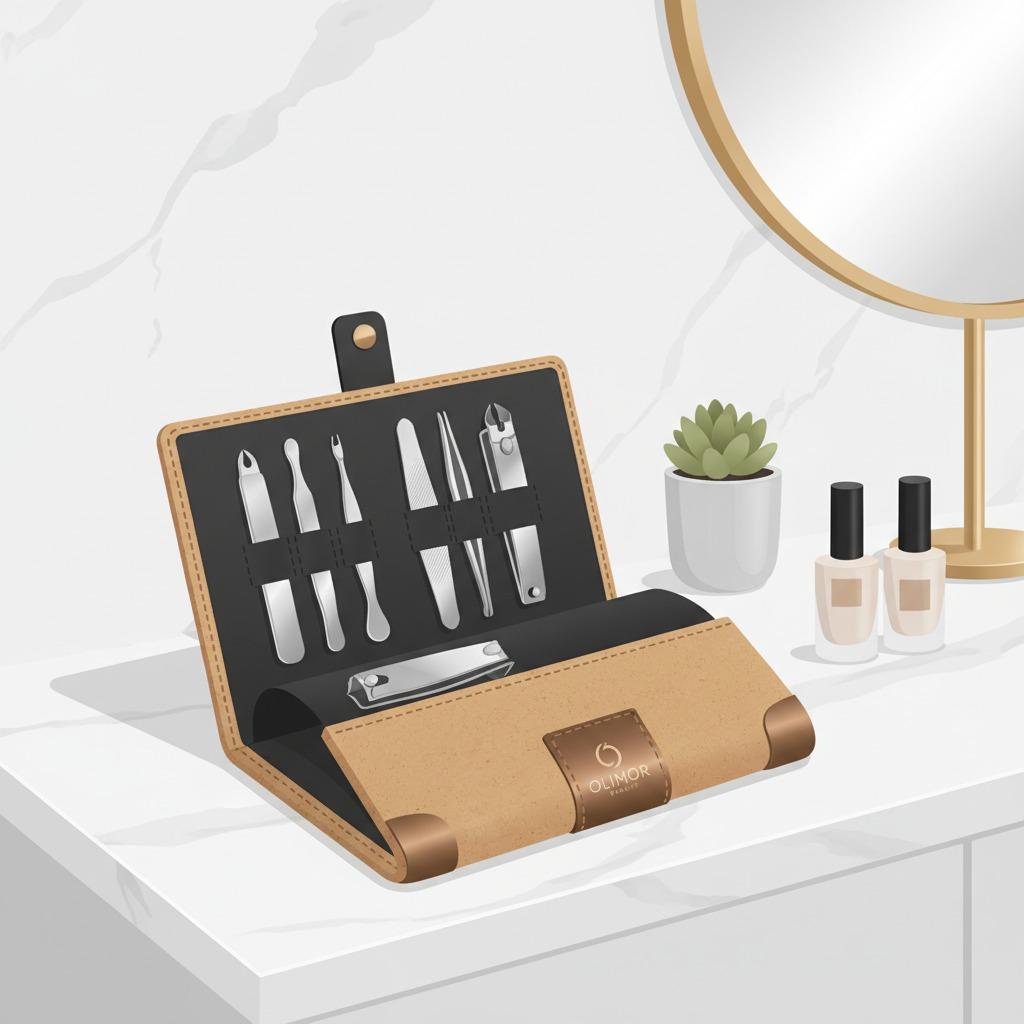
Buyers should also consider how the product will be received. A retailer may want a clipper that looks premium enough for a display hook or countertop tray. A distributor may need a design that works for multiple downstream customers. A hotel or travel brand may prefer a discreet logo because the clipper is part of a larger guest-experience package. Reviewing the wider range of beauty tool products can also help buyers coordinate nail clippers with tweezers, grooming tools or manicure accessories in a consistent program.
Bulk Nail Clipper Price: What Really Affects Cost
Bulk nail clipper price is important, but a low unit price can become expensive if it leads to weak cutting performance, inconsistent finishing, unsuitable packaging or customer complaints. B2B buyers should compare quotations using the same assumptions: product size, material, logo process, packaging type, order quantity, inspection expectations and shipping terms.
| Cost factor | Why it matters | Buyer check |
|---|---|---|
| Customization | Logo method and artwork complexity can affect setup and production handling. | Use final artwork at actual size before confirming. |
| Packaging | Retail packaging, gift packaging and bulk packing have different material and labor needs. | Match packaging to the sales channel instead of overbuilding it. |
| Quality control | Consistent cutting, finish and packaging reduce returns and complaints. | Define visible defects, logo alignment and functional checks. |
| Order quantity | Larger orders may improve efficiency, but only if demand is realistic. | Balance price goals with storage, cash flow and launch timing. |
| Product positioning | A premium retail item and a simple promotional item should not use the same cost target. | Set the budget after defining the user and channel. |
A practical approach is to request a quotation structure that separates the clipper, customization, packaging and logistics assumptions. This makes it easier to compare suppliers and adjust the project. For example, a buyer may decide to keep the clipper quality level but simplify packaging, or keep retail packaging but reduce artwork complexity.
Distributor and Retailer Needs Are Not the Same
A nail clipper for distributors must be easy to resell across different customer types. Distributors often value neutral styling, dependable availability, efficient packing and a clear customization process. They may supply salons, local retailers, promotional companies or online sellers, so flexibility matters. A design that is too niche can limit resale opportunities.
A nail clipper for retailers is judged more quickly by the end customer. The product must communicate value in a few seconds, especially if it is displayed near other grooming accessories. The brushed metal finish described in the supplied product details can support a clean, practical look. Packaging should make the item easy to understand: what it is, how it feels, whether it is compact, and why it suits personal grooming or travel.
Retail buyers should also think about merchandising. A compact clipper can be sold alone, bundled with other manicure tools, or included in seasonal gift sets. Distributors may prefer a base specification that can be adapted for several accounts. If you are building a wider assortment, browsing Olimor product collections can help you plan consistent finishes and tool categories.
Quality Checks Before Confirming a Custom Order
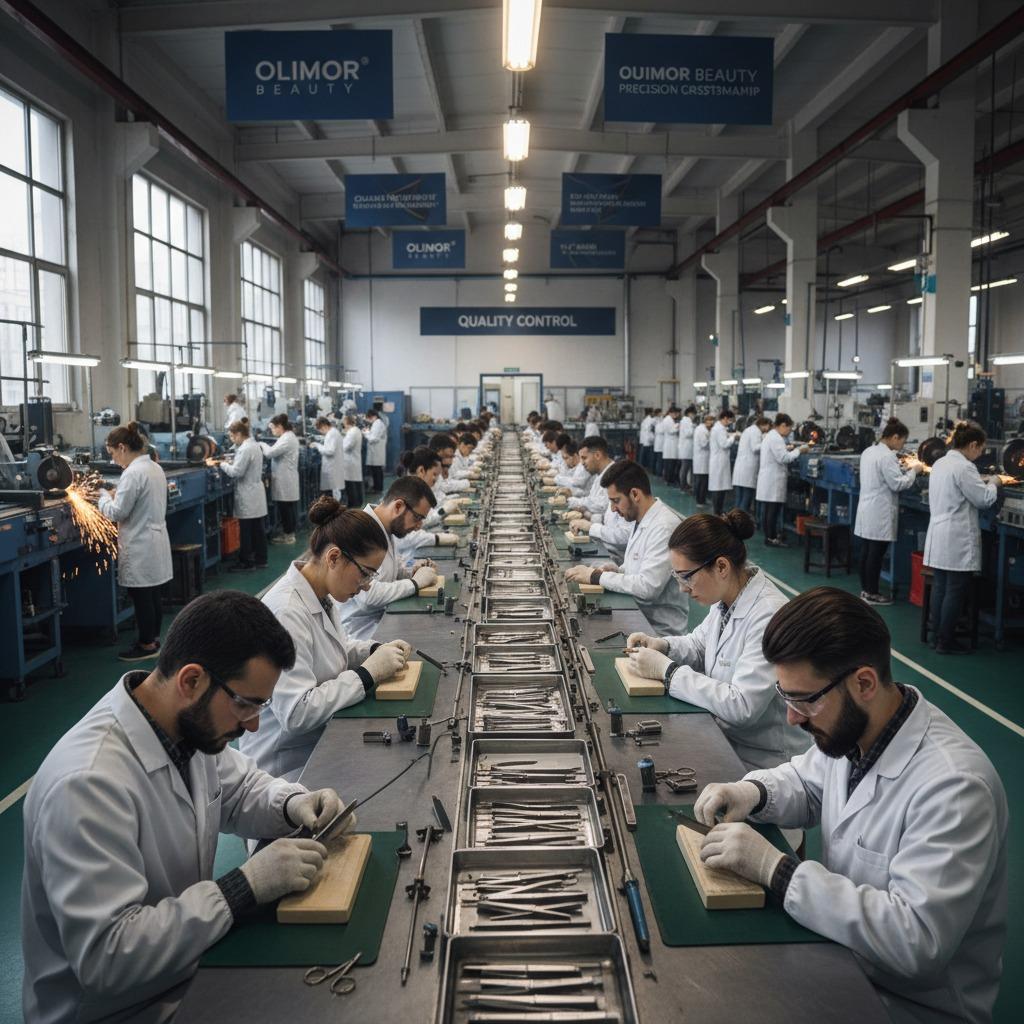
Quality planning should begin before mass production. A nail clipper is mechanical: if the lever, pin, cutting edge or alignment is poor, decoration cannot compensate. Since the original product information emphasizes quality checks from raw materials to final packaging, buyers should align their own acceptance criteria with the same practical areas.
- Review a physical sample: Check hand feel, cutting action, surface finish, size and weight. Confirm that the 62 mm compact format suits the intended user.
- Approve logo placement: Look at the mark from normal viewing distance, not only in enlarged artwork files.
- Test packaging fit: Make sure the clipper does not rattle excessively, scratch the packaging or appear undersized in the presentation.
- Define inspection points: Include cutting alignment, lever movement, finish consistency, logo clarity and packaging condition.
- Keep a reference sample: Save an approved sample so later production can be compared against the agreed standard.
These steps are especially important for businesses placing repeat orders. A reliable reference makes it easier to maintain consistency when reordering for new stores, campaigns or distributor accounts.
When a Custom Nail Clipper Is the Right Business Choice
Custom nail clippers are a strong fit when the product has a clear role: a retail grooming accessory, a distributor SKU, a travel amenity, a salon retail add-on, a corporate wellness gift or part of a manicure kit. They are less suitable when the only goal is the cheapest possible giveaway with no concern for long-term user experience. A grooming tool touches the customer directly; poor quality is noticed immediately.
For best results, start with the end user, then work backward to the specification. Decide whether the clipper should look premium, travel light, sell at retail, support private-label branding or fit a larger kit. From there, confirm the material, finish, logo approach, packaging and inspection expectations.
If you are planning a custom nail clipper for business, Olimor Beauty can help you review the product direction and sourcing requirements. To discuss a project, send an inquiry with your target channel, branding needs and expected order plan, or contact Olimor for guidance on the next sourcing step.