How to Source Custom Nail Clippers for Your Business
Custom nail clippers are small products, but they can carry a large share of customer perception. A clipper that cuts cleanly, feels stable in the hand and arrives in appropriate packaging can support a grooming kit, retail display, promotional program or private-label beauty line. For B2B buyers, the sourcing decision should not be based on unit price alone. Size, weight, blade quality, branding method, packaging, inspection process and reorder consistency all affect the real value of the product.
Olimor Beauty supplies beauty and grooming tools for business buyers who need practical product options and dependable sourcing communication. If you are comparing a custom nail clipper for business use, the goal is to define the exact retail or distribution scenario first, then select the clipper size, finish and packaging structure that fit that channel. This guide explains how to evaluate B2B nail clipper options without relying on vague claims or unnecessary specifications.
Start with the Sales Channel, Not the Clipper Alone
A nail clipper sold as part of a travel kit has different priorities from one placed in a pharmacy display or bundled with a manicure set. Before comparing quotations, define where and how the product will be sold. This helps prevent overspending on features that do not matter to the end user, while also avoiding a product that looks too basic for the intended market.
- Retail single item: Focus on shelf appeal, clear packaging information and consistent visible finish.
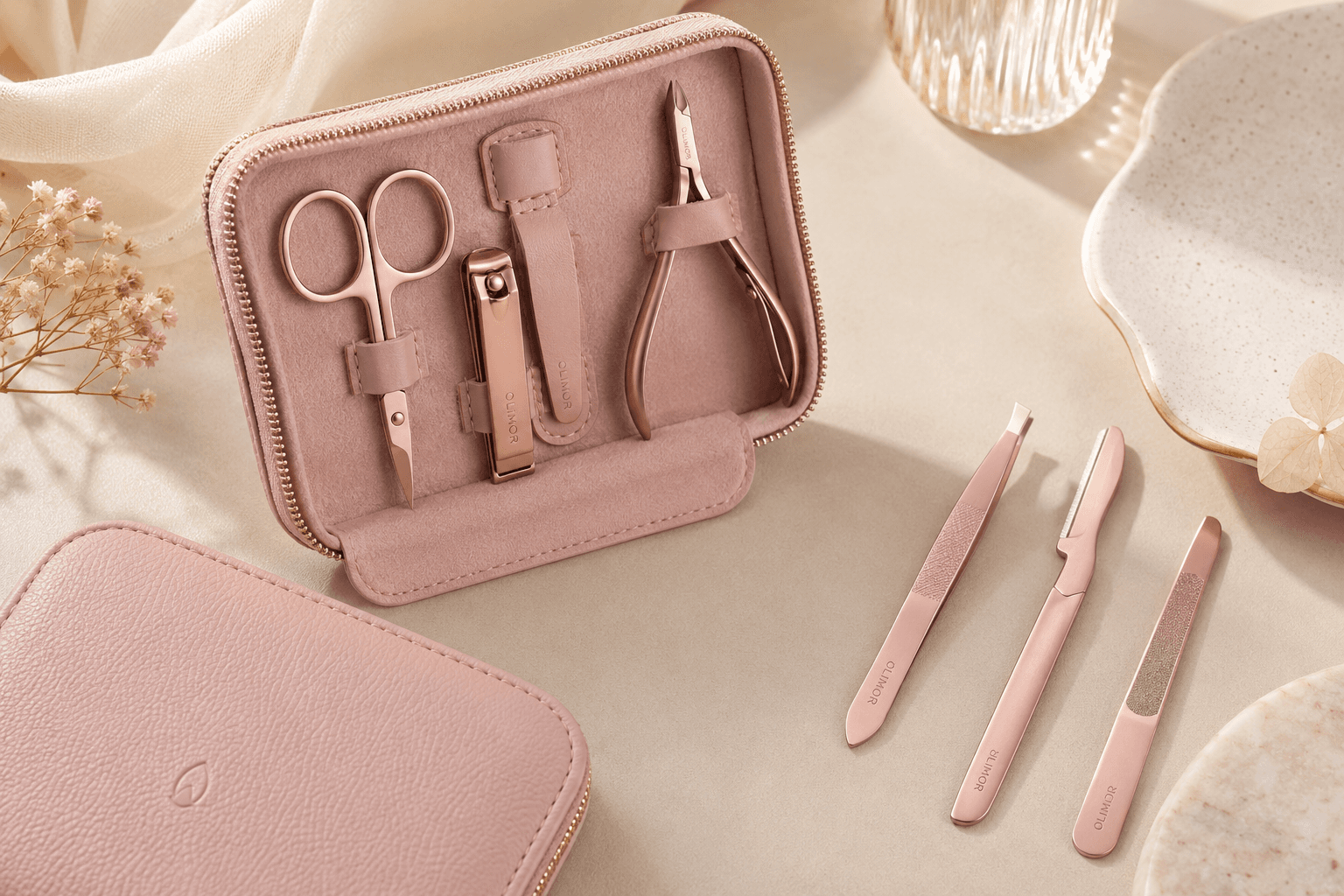
- Gift or grooming kit: Check how the clipper fits with other tools, pouches or boxes, and whether the finish matches the set.
- Distributor inventory: Prioritize stable quality, repeatable packaging and easy carton identification for warehouse handling.
- Private-label beauty line: Evaluate branding placement, color consistency, packaging design space and customer-facing presentation.
- Promotional use: Confirm that the branding method remains legible and that the product still feels useful rather than disposable.
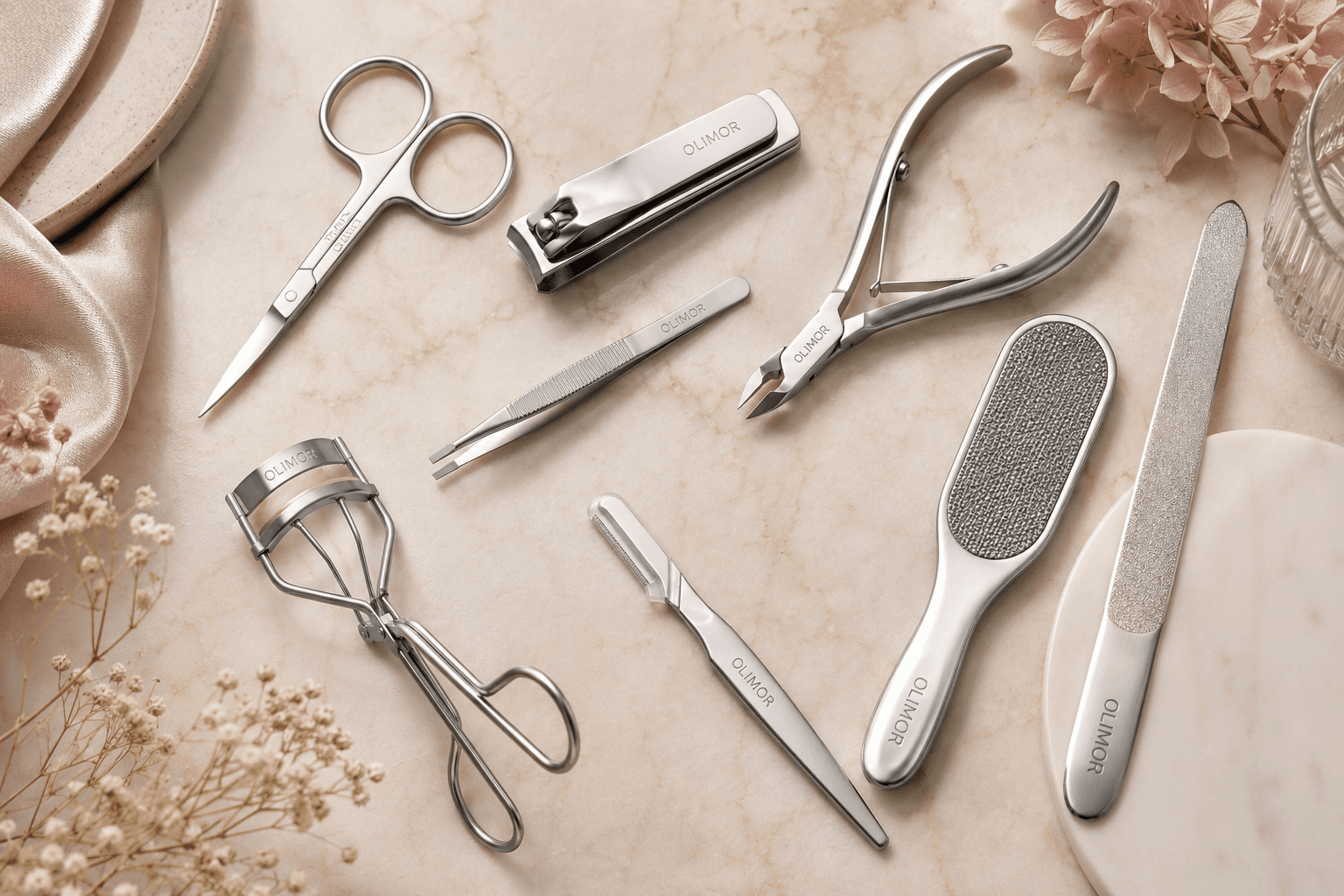
Buyers reviewing broader sourcing options can also browse Olimor beauty tool products to compare how nail clippers may fit alongside other grooming accessories.
Compare Available Nail Clipper Sizes and Use Cases
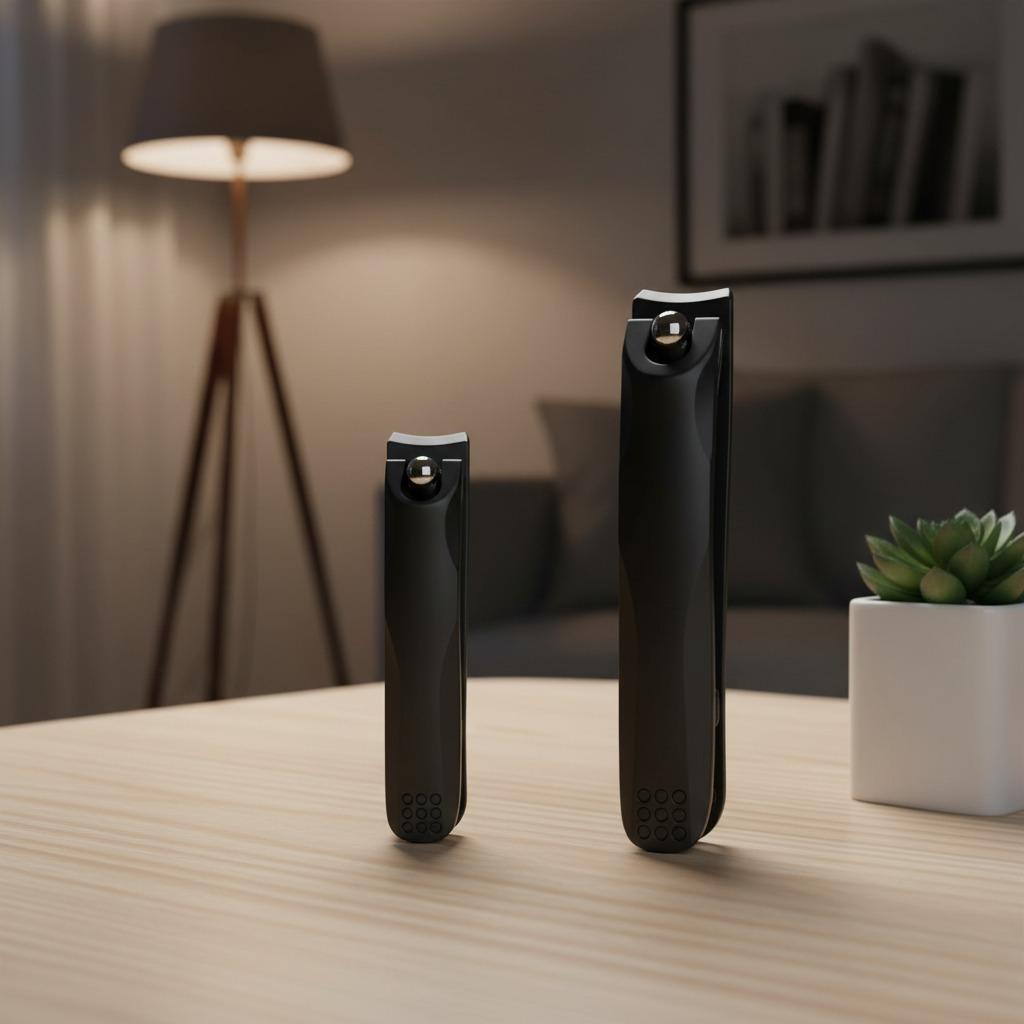
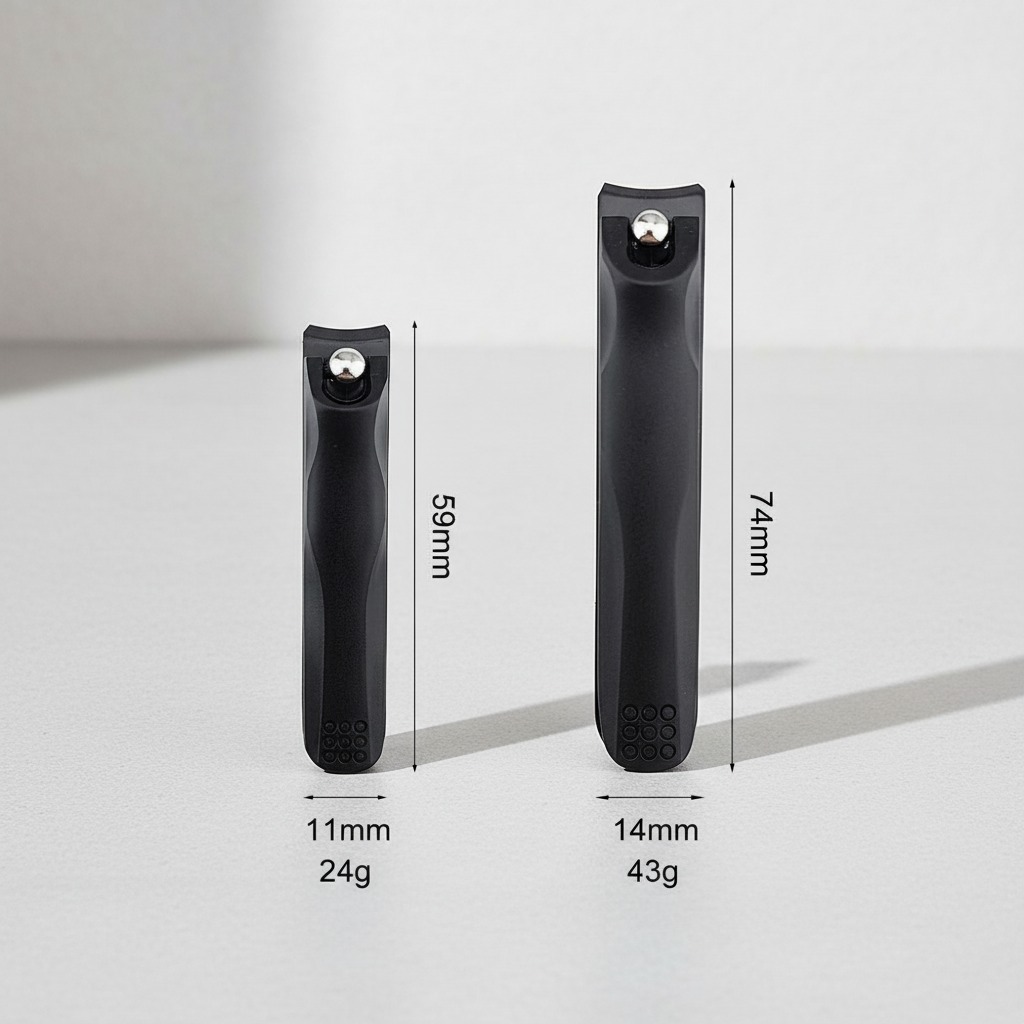
The supplied nail clipper options include a compact 59 mm version weighing 24 g and a standard 74 mm version weighing 43 g. Both are described with ergonomic curves, a matte black finish and sharp stainless steel blades. These details are useful because size and weight directly affect how the clipper feels in daily use and how it fits into packaging.
| Option | Best-fit use case | Buyer considerations |
|---|---|---|
| 59 mm, 24 g compact clipper | Travel kits, compact grooming sets, promotional packs and lightweight retail items | Check grip comfort, packaging stability and whether the smaller size matches the target customer’s expectations. |
| 74 mm, 43 g standard clipper | Everyday grooming, retail single-item sales, distributor stock and general personal care ranges | Review the hand feel, cutting leverage and perceived value for customers expecting a stronger everyday tool. |
A compact clipper can be attractive when portability matters, but a standard clipper may communicate more substance in a retail environment. The right choice depends on customer expectation. For example, a hotel amenity or travel grooming pouch may benefit from the smaller format, while a supermarket, pharmacy or beauty distributor may prefer the larger format for everyday nail care.
Evaluate Cutting Performance Before Discussing Decoration
Branding is important, but a custom nail clipper must first work well. Poor cutting performance can lead to returns, negative reviews and weak reorder demand, even when the logo and packaging look attractive. When reviewing samples, test the product in a structured way instead of relying only on appearance.
- Check blade alignment: The cutting edges should meet evenly without obvious gaps or offset contact.
- Test opening and closing action: The lever should move smoothly and return without feeling loose or unstable.
- Assess grip comfort: Ergonomic curves should help the user hold the clipper securely during use.
- Inspect the finish: A matte black finish should look even and suitable for the planned retail position.
- Review edge cleanliness: The clipper should cut cleanly without requiring excessive pressure.
- Consider repeatability: If possible, review more than one sample to see whether quality is consistent across pieces.
For distributors, this sample review is especially important because the same product may be sold to different retailers or sub-distributors. A simple checklist creates a common evaluation standard for purchasing, sales and quality teams.
Plan Branding and Packaging Around the Customer Journey
Customization should support the way customers discover, understand and use the product. A logo applied to a nail clipper can strengthen brand recognition, but it must be balanced with practical packaging and product information. For private-label and bulk nail clipper programs, decoration is only one part of the presentation.
Consider where the brand needs to appear: on the clipper, on an insert card, on a retail box, on a pouch or on outer cartons for distribution. A small product has limited surface area, so the design should be simple and legible. If the clipper is sold online, packaging and product photography may be more important than in-store hanging options. If it is sold through physical retail, barcode placement, display orientation and clear product naming become more important.
It is also helpful to group nail clippers with related tools when planning product architecture. Buyers can review Olimor product collections to think about how a clipper may sit within a broader manicure, pedicure or grooming range.
Understand What Affects Bulk Nail Clipper Price
Bulk nail clipper price is influenced by more than the base product. Buyers often compare quotes by unit cost, but a low unit number may not reflect the total sourcing cost if packaging, decoration, inspection or freight assumptions differ. A clear comparison should separate the product itself from the custom work and logistics.
Common price factors include clipper size, finish, blade material, packaging type, branding method, order quantity, carton requirements and any additional labeling needs. The 59 mm and 74 mm options may serve different price positions because they use different sizes and weights. Custom logo work can also affect cost depending on placement and process. Packaging can be simple for wholesale distribution or more developed for retail sale, and that decision changes both cost and customer perception.
When comparing suppliers, request quotes in a format that makes each cost driver visible. This helps purchasing teams understand which changes reduce cost without damaging the intended market position. For example, simplifying the retail box may save more than changing the clipper itself, while for another program the opposite may be true.
Build a Practical Quality and Sourcing Checklist
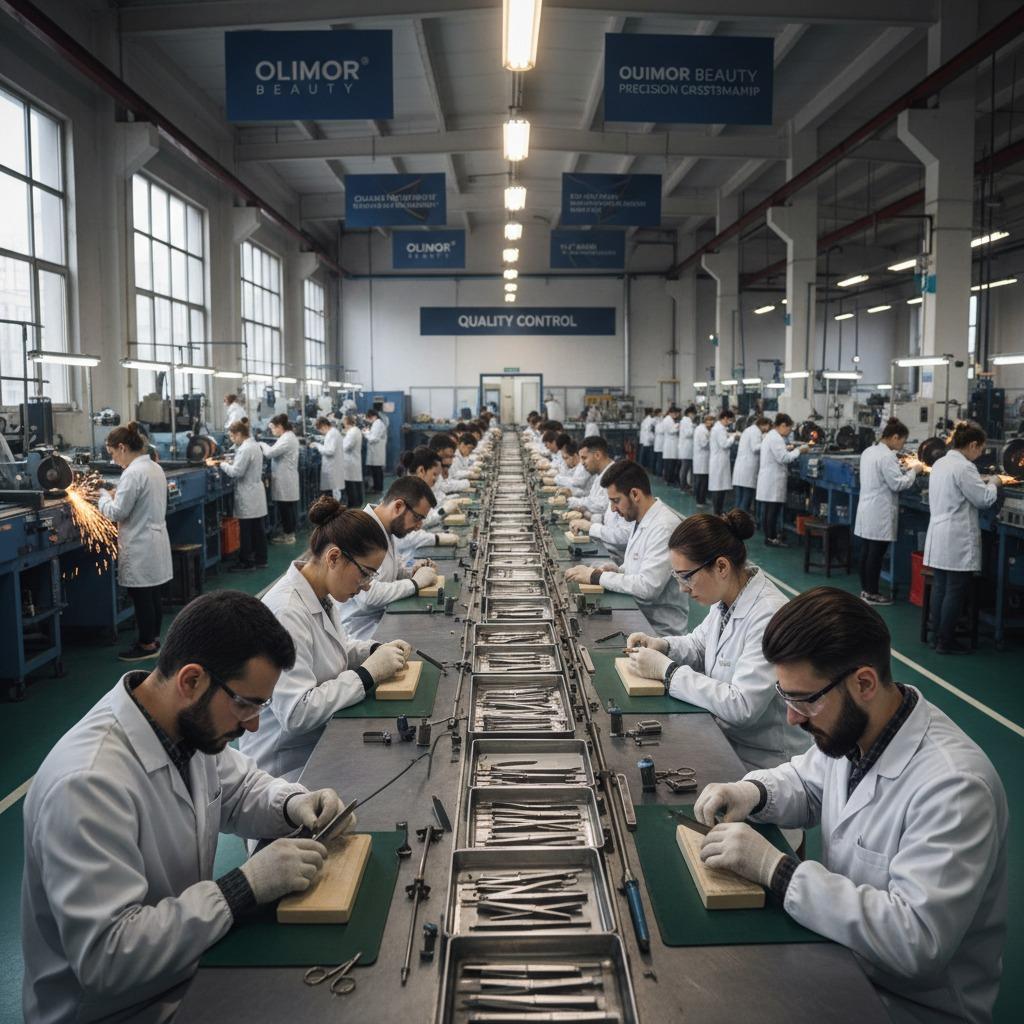
A B2B nail clipper order should be easy to repeat. Consistency matters because distributors and retailers need the second and third shipments to match the first. A practical checklist helps align expectations before production and before shipment.
- Confirm the selected size, such as the 59 mm compact clipper or the 74 mm standard clipper.
- Record the target weight and finish expectations based on approved samples.
- Approve branding artwork, logo size, placement and color requirements before production.
- Define packaging structure, printed content and carton labeling needs.
- Check sample cutting performance, blade alignment, lever action and grip comfort.
- Set acceptable appearance standards for visible surfaces and matte finish consistency.
- Confirm how mixed items, if any, should be packed and identified.
- Keep an approved reference sample for future reorder comparison.
This approach is useful for retailers, importers and distributors because it creates a sourcing record that can be shared internally. It also reduces the risk of unclear expectations when the same nail clipper is reordered later.
When to Use a Custom Nail Clipper in a Product Line
A custom nail clipper is often most effective when it has a clear role in the assortment. It can be an entry-level grooming product that introduces customers to a brand, a practical add-on in a manicure range, or a branded item for travel and personal care kits. Because it is compact and widely understood, it can also support cross-selling with files, tweezers, scissors or other beauty tools.
However, buyers should avoid treating every nail clipper as interchangeable. A compact size may be ideal for a travel theme but less persuasive as a premium standalone item. A standard size may work better for everyday use but require different packaging dimensions. The best choice is the one that matches the target customer, selling channel and expected retail price point.
Next Steps for B2B Buyers
If you are preparing to source a custom nail clipper for business, begin with a clear product brief: sales channel, target customer, preferred size, branding requirement, packaging style and expected order plan. Then review samples against a practical checklist for cutting performance, finish, comfort and presentation. This process gives your team a stronger basis for comparing bulk nail clipper price and long-term supply fit.
Olimor Beauty can support business buyers evaluating custom nail clippers for retail, wholesale, distributor and private-label programs. To discuss product options, branding direction or a sourcing brief, contact Olimor or send an inquiry with your project details.
Tag: