

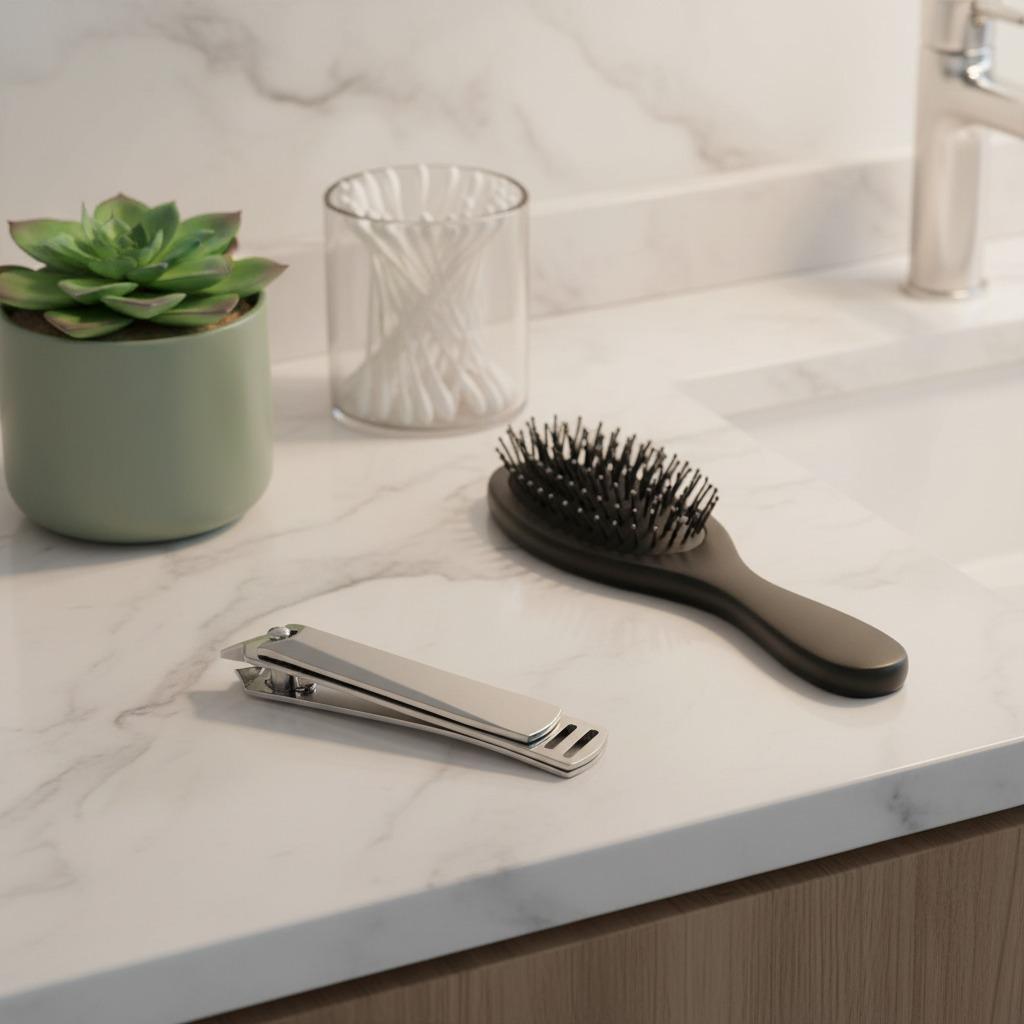
Custom Made Nail Clippers: A Practical Guide for Wholesale Grooming Buyers
Custom made nail clippers are small products, but they carry a large responsibility. A clipper that feels unstable, tears the nail, or loses sharpness quickly can damage customer confidence in a grooming kit, retail shelf, salon supply program, or promotional product line. For buyers who source beauty tools in quantity, the right nail clipper is not only about appearance. It is about cut quality, hand feel, material choice, packaging suitability, and consistency from batch to batch.
Olimor Beauty works with beauty-tool buyers who need practical grooming products for daily use, travel kits, personal care assortments, and retail programs. When planning a custom made nail clipper order, the goal should be clear: choose a durable, comfortable tool that matches the end user and supports your commercial positioning without adding unnecessary complexity.
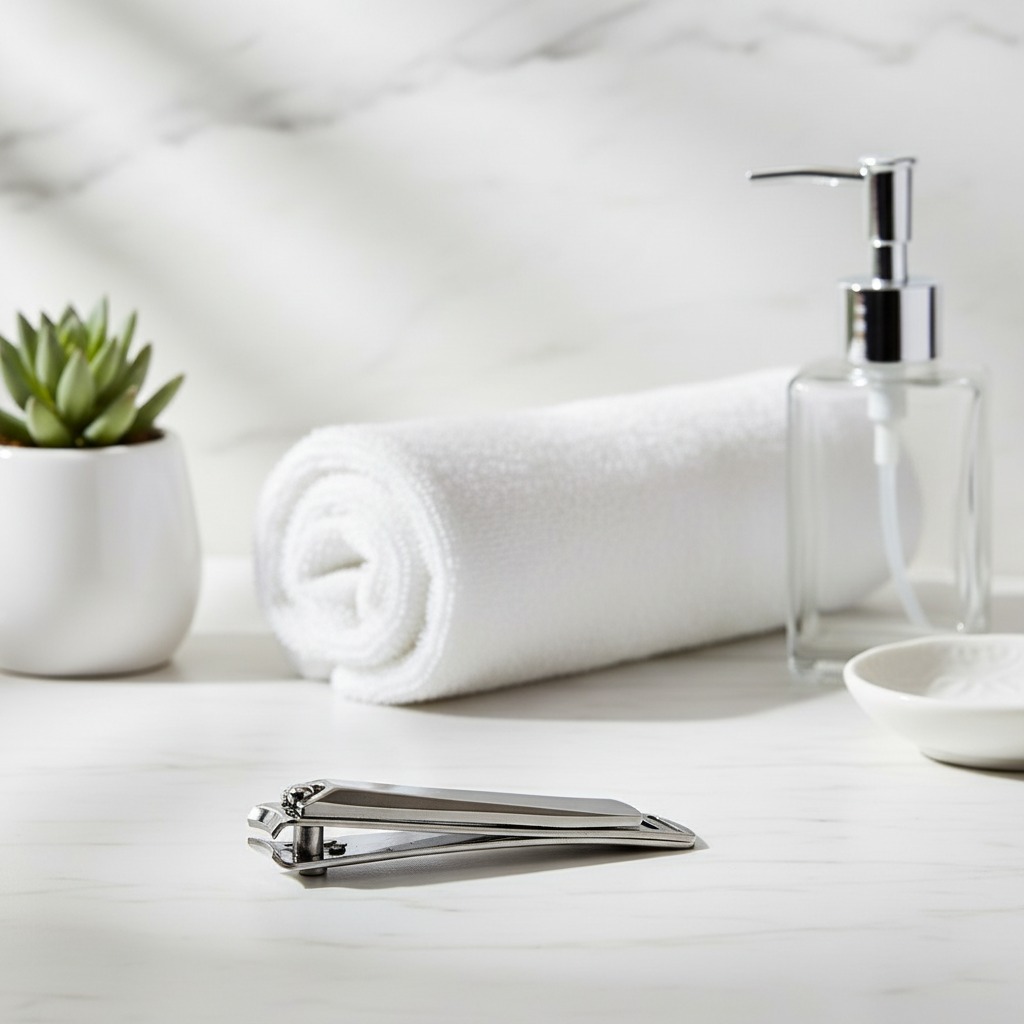
Why Custom Made Nail Clippers Matter in a Grooming Line
Nail clippers are often considered basic, but customers notice the difference between a weak clipper and a well-made one immediately. A quality clipper should open smoothly, align correctly, and trim the nail cleanly without requiring excessive pressure. The original product focus for Olimor Beauty highlights stainless steel construction, ergonomic handles, and sharp, curved blades designed for smooth clipping and reduced nail splitting. These details are important because they affect how the tool performs in real use, not just how it looks in a catalog.
Customization can also help a buyer position the product for a specific audience. A hotel amenity buyer may prefer compact, simple, hygienic packaging. A retail brand may focus on a polished finish and shelf-ready presentation. A salon distributor may care more about reliable performance and repeat purchasing. A promotional buyer may prioritize brand visibility, but should still avoid compromising the cutting mechanism, because the usefulness of the product determines whether it stays in a customer’s bag or drawer.
For a broader view of available beauty tools and sourcing directions, buyers can review Olimor’s beauty tool products and compare how nail clippers may fit alongside other grooming accessories.
Key Design Choices Before You Place a Wholesale Order
Before comparing suppliers, define what the nail clipper needs to do. A clear product brief helps prevent miscommunication and keeps the quotation process focused. Even when the final design is simple, decisions about size, finish, grip, blade shape, and packaging can change the user experience.
- End user: Decide whether the clipper is for personal home grooming, travel kits, salons, hotels, gift sets, or retail resale.
- Clipper size: Smaller clippers are portable, while larger clippers may feel stronger in hand. The right choice depends on the sales channel and target customer.
- Material expectation: Stainless steel is commonly preferred for nail tools because it supports durability and a clean appearance.
- Handle comfort: Ergonomic handles can improve grip and control, especially for users who trim nails frequently.
- Blade geometry: Curved blades are widely used because they follow the natural shape of the nail and support a smoother cut.
- Branding area: Consider where a logo or design element may appear without interfering with grip or function.
- Packaging format: Bulk packing, carded retail packaging, pouch packaging, or inclusion in a grooming set will affect cost, presentation, and logistics.
Buyers should avoid making customization only about decoration. A custom made nail clipper is most successful when the branding, finish, and packaging support the tool’s actual purpose. A highly polished product that cuts poorly will not create repeat demand. A plain but precise clipper, on the other hand, can become a dependable part of a grooming assortment.
How to Evaluate a Reliable Nail Clipper Supplier
A reliable nail clipper supplier should be able to discuss both production appearance and functional details. When sourcing wholesale, the buyer should look beyond a single product photo. The important questions are whether the supplier can maintain consistent blade alignment, provide suitable materials, inspect goods before shipment, and package products according to the intended sales channel.
Olimor Beauty emphasizes quality checks from raw materials to final packaging. For wholesale buyers, this type of process matters because nail clippers are mechanical tools with moving parts. A small inconsistency in hinge tightness, blade alignment, or surface finishing can affect the entire user experience. Quality review should therefore include both visual inspection and simple functional testing.
| Review Area | What to Check | Why It Matters |
|---|---|---|
| Blade alignment | Check that the cutting edges meet evenly when pressed. | Poor alignment can bend, tear, or leave nails uneven. |
| Lever action | Open and close the clipper repeatedly to feel resistance. | Smooth movement improves comfort and user confidence. |
| Surface finish | Look for rough edges, visible marks, or inconsistent polishing. | Finishing affects both safety perception and retail value. |
| Grip comfort | Hold the clipper as an end user would during trimming. | A secure grip supports precise clipping and reduces slipping. |
| Packaging fit | Confirm the clipper is protected and presented appropriately. | Good packaging reduces handling damage and supports branding. |
When comparing suppliers, also consider communication quality. A supplier that asks detailed questions about use case, packaging, and market positioning is often better prepared to support a custom project than one that only sends a quick price. Buyers can contact Olimor to discuss product direction, design priorities, and wholesale sourcing needs.
Wholesale Buying Steps for Custom Nail Clippers
Knowing how to buy nail clipper wholesale efficiently begins with preparation. A structured process reduces delays and helps both buyer and supplier confirm the same expectations. This is especially useful when a nail clipper will be included in a larger grooming kit or sold under a private-label presentation.
- Define the sales channel. Decide whether the clipper is intended for retail shelves, online bundles, professional use, travel amenities, or promotional distribution.
- Prepare a product brief. Include preferred size, finish, handle style, packaging type, logo requirements, and target positioning.
- Review available references. Compare existing beauty tools and related assortments through Olimor’s product collections to understand how the clipper may fit into a wider range.
- Check functional priorities. Focus on blade sharpness, curved cutting shape, smooth operation, and comfortable grip before confirming cosmetic details.
- Confirm packaging requirements. Packaging should protect the clipper, match the sales channel, and provide any needed product information clearly.
- Evaluate samples carefully. Test real handling, trimming feel, edge comfort, and appearance under normal lighting.
- Clarify order and logistics details. Confirm production expectations, packing method, labeling needs, and shipping documentation before moving forward.
This step-by-step approach helps prevent common sourcing mistakes, such as choosing a clipper based only on unit price or approving packaging before confirming whether the tool feels good in hand. Nail clippers are purchased because they are useful; the buying process should protect that usefulness at every stage.
Maintenance and End-User Guidance to Support Product Value
Wholesale buyers often focus on the order itself, but customer satisfaction continues after the product is delivered. Including simple care guidance in packaging or product descriptions can reduce misuse and improve the perceived quality of the clipper. The instructions do not need to be complicated. They should help users keep the tool clean, dry, and ready for regular grooming.
Useful end-user care points include wiping the clipper after use, keeping it away from prolonged moisture, storing it in a dry pouch or drawer, and avoiding use on materials other than nails. If the clipper is part of a travel kit, compact storage can help protect the cutting edge from unnecessary contact with other metal items. For salon or shared-use settings, buyers should consider local hygiene practices and choose packaging or storage solutions that support clean handling.
Good care information also supports brand reputation. A customer who understands how to maintain a grooming tool is more likely to experience consistent performance. For retail buyers, this can lead to fewer complaints and a stronger impression of the overall beauty-tool line.
What to Include in a Custom Nail Clipper Inquiry
A focused inquiry helps the supplier respond with relevant information and reduces back-and-forth communication. Instead of asking only for a general quotation, provide enough context to identify the right direction. Important details include target market, estimated order plan, preferred material direction, finish expectation, logo placement idea, packaging type, and any deadline connected to a retail launch or promotional campaign.
It is also helpful to explain whether the nail clipper will be sold alone or combined with other beauty tools. A clipper for a premium grooming set may require a different presentation than one intended for simple bulk distribution. If you are comparing several beauty-tool items for a coordinated program, you can send an inquiry with the project details and request guidance on suitable options.
Custom made nail clippers are practical products, but practical does not mean interchangeable. For wholesale success, the buyer should balance cutting performance, comfort, finish, packaging, and supply reliability. By starting with a clear product brief and evaluating samples through the eyes of the end user, retailers, salons, distributors, and grooming brands can source nail clippers that are simple, useful, and appropriate for their market.
Tag: