

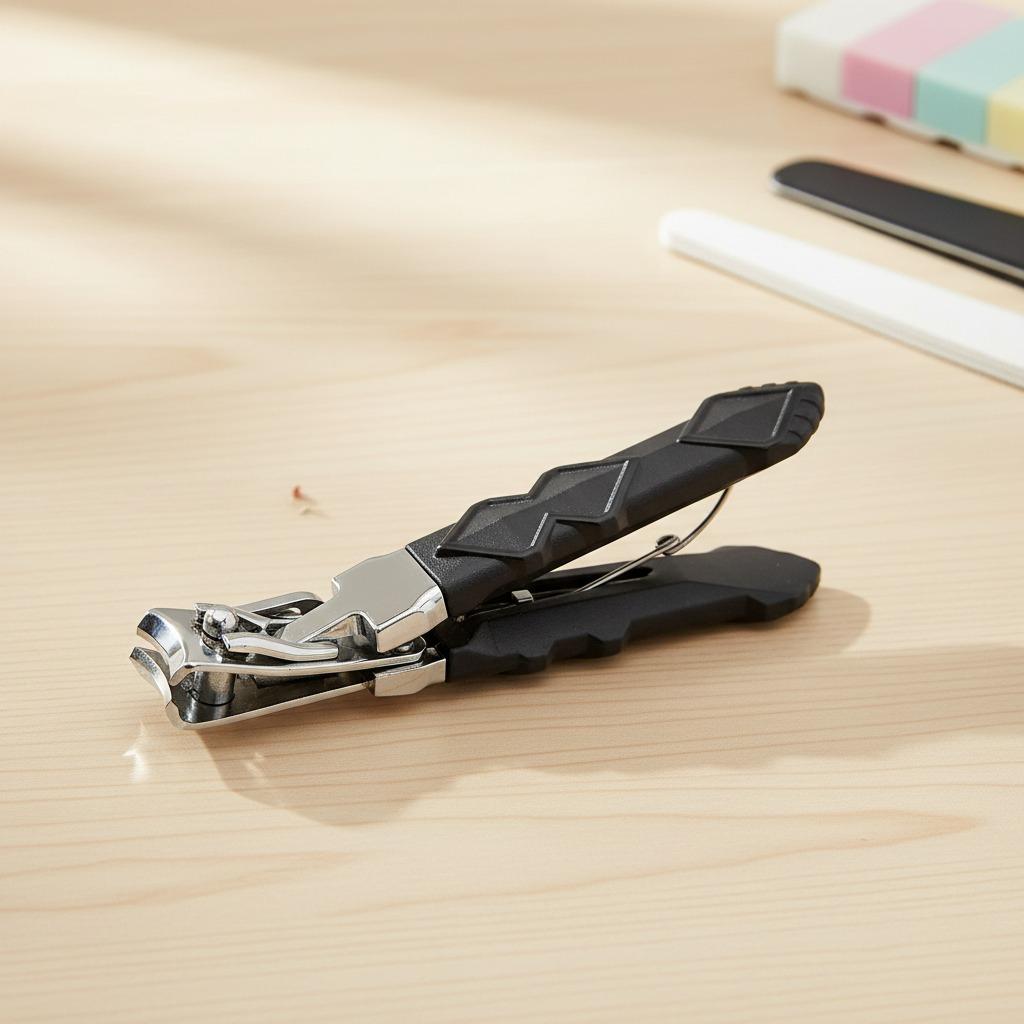
Custom Made Nail Clippers: B2B Buyer Guide for Practical Nail Care Tools
Custom made nail clippers are compact grooming tools, but they strongly influence how customers judge a manicure set, travel kit, salon retail item, or personal care line. A good clipper should cut cleanly, feel steady in the hand, store easily, and match the quality level of the surrounding tools.
For beauty retailers, distributors, salons, gift set brands, and sourcing teams, the main question is not whether a nail clipper can be customized. The better question is which customization choices improve daily use and which details only add cost or decoration. This guide explains how to evaluate custom made nail clippers from a product, sourcing, and quality-control point of view, with attention to stainless steel construction, ergonomic geometric grip patterns, sharp curved blades, compact travel-friendly forms, and practical inspection steps.
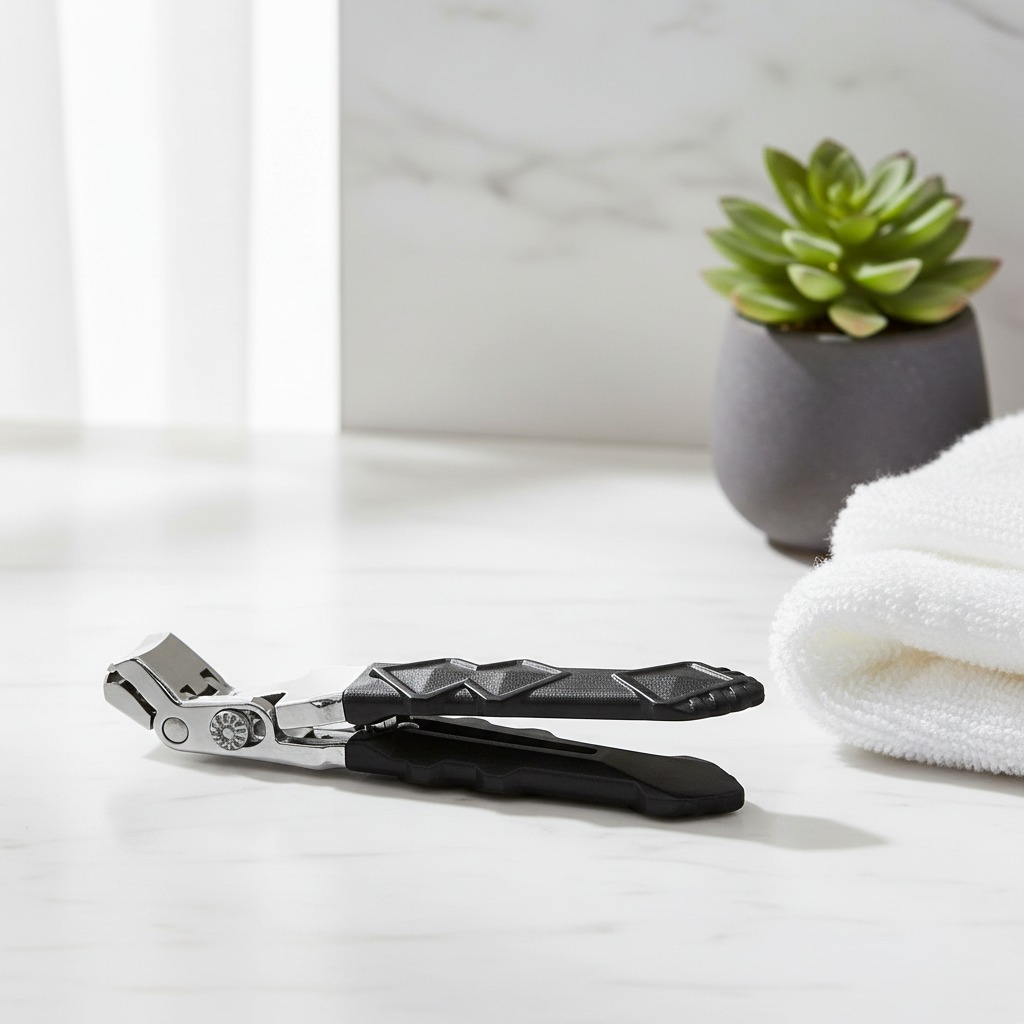
What a Custom Made Nail Clipper Should Achieve
A custom made nail clipper should serve one clear purpose: reliable everyday nail trimming with a design that fits the target buyer’s market. Customization is useful when it improves function, comfort, packaging presentation, or product line consistency. It is less useful when it adds features that do not support cutting control or customer satisfaction.
For home grooming, the priority is usually a clean cut, comfortable lever action, and a finish that looks tidy after regular handling. For salon resale, buyers may focus on a more refined appearance, consistent quality across batches, and a stable grip. For travel kits, the clipper needs to be compact, easy to pack, and safe to store with files, tweezers, scissors, or other grooming items.
Before discussing surface finish or branding, define the use case. A clipper for a premium manicure kit may need different proportions and packaging than a clipper for a hotel amenity or compact handbag set. Buyers comparing broader beauty tool products should consider how the nail clipper will sit alongside the rest of the range, not just how it looks by itself.
Blade Shape, Alignment, and Cutting Feel
The blade is the most important functional area of any nail clipper. A sharp curved blade helps follow the natural contour of the nail and can reduce the need for repeated cuts. When the cutting edges are dull, misaligned, or uneven, the user may feel pressure, hear cracking, or see rough nail edges after trimming.
For B2B evaluation, do not rely only on a product photo. Request samples when possible and test the clipper in realistic use. Open and close the lever several times, check whether the jaws meet evenly, and observe whether the cut feels controlled rather than forced. A fingernail clipper should not require excessive pressure. A larger clipper intended for thicker nails should offer enough leverage without feeling loose or unstable.
Blade curvature also affects positioning. A pronounced curve may help users create a rounded nail shape, while a more moderate curve can be easier to control for general use. If your customer base is broad, a balanced curved blade is often the safer choice. The best design is not always the most visually dramatic one; it is the one that users can position confidently on different nail shapes.
Common blade problems to watch for
- Uneven jaw contact: one side cuts before the other, causing tearing or incomplete cuts.
- Excessive lever force: users must press too hard, which lowers comfort and perceived quality.
- Rough cutting edge: the nail is crushed or left with ragged corners.
- Poor return action: the lever feels sticky or does not reset smoothly after use.
- Overly sharp outer edges: non-cutting edges of the tool feel uncomfortable or unsafe in storage.
Stainless Steel Construction and Surface Finish
Stainless steel construction is a practical choice for nail clippers because the tool is frequently handled, stored in bathrooms, carried in toiletry bags, and included in manicure sets. It supports a clean appearance and can be suitable for long-term grooming use when the tool is manufactured and finished well.
Material alone, however, does not guarantee quality. Buyers should inspect the whole build: the cutting edges, the lever, the pin connection, the surface polish, the handle texture, and the finishing of corners. A clipper can be made from stainless steel and still feel poor if it has rough edges, uneven finishing, weak lever action, or an unstable connection between parts.
Surface quality affects both use and retail perception. A clean finish is easier to wipe and more pleasant to hold. A geometric grip pattern can improve control, but it should not create sharp ridges or pressure points. If the handle is textured, press it repeatedly with the thumb and finger to judge whether the pattern remains comfortable during actual trimming.
For products sold into regulated markets, buyers should confirm applicable requirements with their own compliance team and supplier documents. Depending on market and finish, public frameworks such as EU REACH chemical restrictions may be relevant to material and surface treatments. If a supplier refers to a quality management system such as ISO 9001, verify the current certificate scope and validity directly; do not assume it applies to every product or production step.
Grip Comfort and Ergonomic Handle Design
Nail trimming is a small, controlled movement, so grip comfort matters. A clipper that slips, twists, or feels sharp under the thumb can frustrate users even if the blade is acceptable. Ergonomic handles with geometric patterns can help improve traction and give the user a clearer sense of pressure placement.
Comfort should be judged by use, not only by appearance. Ask whether the thumb rests naturally on the lever, whether the clipper stays stable when trimming with the non-dominant hand, and whether the handle remains comfortable after several cuts. The tool should be compact enough for easy storage but large enough to control.
This balance is especially important for travel-friendly nail clippers. A very small clipper may look convenient in packaging, but if users struggle to hold it, repeat purchase and product reviews may suffer. For travel kits, check how the clipper fits with other tools and whether any edges catch on pouches, fabric, or packaging inserts.
Comparison: Choosing the Right Nail Clipper Format
Different markets need different nail clipper priorities. The following table can help buyers match product direction with real use conditions before finalizing customization details.
| Use case | Primary buyer concern | Recommended focus | Inspection priority |
|---|---|---|---|
| Everyday home grooming | Comfortable, reliable trimming | Balanced curved blade, smooth lever, clean stainless steel finish | Cut smoothness, jaw alignment, grip comfort |
| Salon retail or professional support | Consistent feel and durable appearance | Stable lever action, refined finish, comfortable patterned grip | Repeated opening and closing, surface consistency, edge finishing |
| Travel grooming kits | Compact storage and easy packing | Small profile, no rough corners, secure packaging fit | Portability, pouch compatibility, user control despite compact size |
| Gift sets and promotional kits | Brand presentation and perceived value | Coordinated finish with other tools, neat packaging, dependable cut | Visual consistency, packaging protection, basic cutting test |
| Broader manicure collections | Product line consistency | Finish and style matched to files, tweezers, scissors, or other tools | Set coordination, finish matching, retail display quality |
If you are developing a coordinated range, reviewing existing beauty tool collections can help clarify whether the clipper should be positioned as an entry item, travel accessory, salon-support tool, or part of a more complete manicure set.
Customization Choices That Add Real Value
Not every custom option improves the product. Useful customization should help the buyer serve a particular customer group, meet packaging goals, or create a consistent brand impression. Start with the clipper’s function, then decide how the finish and presentation should support that function.
Common customization decisions include overall size, blade curve, handle pattern, surface finish direction, packaging style, and whether the clipper is sold alone or included in a set. Buyers may also consider how the tool will be displayed in retail packaging and whether the finish coordinates with other beauty tools.
Cost factors can include material selection, tooling or mold requirements, finishing complexity, packaging structure, inspection needs, and order configuration. A more complex surface treatment or packaging format may increase cost even when the clipper body looks similar. Because exact pricing depends on project details, buyers should request quotations based on clear specifications rather than comparing vague item descriptions.
Customization questions to answer before quotation
- Who is the target user: home consumer, salon customer, traveler, gift recipient, or professional buyer?
- Will the clipper be used for fingernails, toenails, or general manicure set inclusion?
- Should the clipper be compact, full-size, or matched to a specific kit layout?
- What finish and handle pattern support the product positioning?
- Will the clipper be packed individually or with other grooming tools?
- What level of visual inspection and functional checking is expected before shipment?
Quality Checks Before Approving Production
Quality control for custom made nail clippers should combine visual inspection and functional testing. A clipper can look acceptable in a photo but fail in the hand if the lever is loose, the blade is misaligned, or the grip feels uncomfortable. Sample approval should always include handling, pressing, and cutting checks.
During sample review, compare each detail against the agreed direction: size, blade curve, handle pattern, finish, packaging, and overall appearance. If a sample is approved, keep a clear record so later production can be checked against the same reference. This reduces confusion when multiple finishes, sizes, or packaging versions are being discussed.
Packaging should also be inspected. It needs to protect the cutting edge, prevent surface scratches, and present the clipper cleanly. A strong tool can still disappoint buyers if it arrives scuffed, loose in the package, or inconsistent with the approved presentation.
Practical pre-shipment checklist
- Confirm that the cutting edges meet evenly across the blade.
- Press the lever repeatedly to check smooth movement and stable return.
- Inspect the stainless steel surface for rough spots, scratches, stains, or uneven finish.
- Check that the geometric grip pattern improves control without discomfort.
- Review whether the clipper size fits the intended retail pack, travel pouch, or manicure set.
- Verify that packaging protects the tool and does not allow unnecessary movement.
- Confirm that approved samples, drawings, packaging notes, and inspection expectations are documented.
How to Evaluate a Nail Clipper Supplier
A supplier should be evaluated on communication, sample quality, production consistency, and ability to understand the intended use of the tool. Nail clippers are simple in appearance, so vague claims are not enough. Buyers should ask practical questions about materials, finishing, assembly checks, packaging options, and how functional issues are handled before shipment.
Good supplier communication begins with clear project details. Share the target market, whether the clipper is for home use or travel use, the preferred finish direction, packaging needs, and whether the item must coordinate with other tools. If the clipper will be part of a set, provide information about the other items so proportions and finishes can be evaluated together.
For supplier evaluation, ask for documents that are relevant to the market and product. Do not assume a certificate, inspection process, or compliance statement exists unless the supplier provides current evidence. Buyers should verify current versions of standards and regulations through official sources or qualified compliance advisers.
Commercial Questions: Samples, MOQ, Lead Time, and Packaging
B2B buyers often need practical answers before moving forward. Because exact sample arrangements, minimum order quantities, lead times, and customization scope depend on the project, the safest approach is to share complete specifications and request written confirmation from the supplier.
For samples, clarify whether you are reviewing an existing nail clipper style or a modified custom version. Existing samples may help evaluate general construction, grip comfort, and blade feel. A customized sample may be needed when size, finish, handle pattern, packaging, or branding direction is important to the final product.
For MOQ and lead time, avoid making decisions based only on the lowest number or fastest estimate. A realistic plan should consider sample approval, packaging confirmation, material preparation, production scheduling, quality checking, and shipping method. For packaging, confirm whether the clipper will be sold individually, included in a travel kit, or combined with other beauty tools.
Working With Olimor Beauty on Custom Nail Clippers
Olimor Beauty focuses on practical beauty tools, including stainless steel nail clippers with sharp curved blades, ergonomic handles with geometric patterns, and compact, travel-friendly forms. For buyers, the most effective development process begins with a clear product brief and realistic quality expectations.
If you are comparing custom nail clipper options, prepare the intended use, preferred size, finish direction, packaging needs, and whether the clipper will be sold alone or as part of a wider grooming set. This makes sample review and quotation discussion more efficient.
To discuss a nail tool sourcing project, you can contact Olimor Beauty with your product goals or send a custom nail clipper inquiry for project support. A well-chosen clipper may be small, but it should reflect careful material selection, controlled finishing, comfortable handling, and dependable cutting performance.
FAQ: Custom Made Nail Clippers for B2B Buyers
Can I request samples before placing a custom order?
Yes, samples are commonly used to review blade feel, lever action, grip comfort, finish, and packaging direction. Confirm whether you need an existing reference sample or a customized sample based on your project requirements.
Is there a minimum order quantity for custom nail clippers?
MOQ depends on the chosen design, customization scope, packaging, and production arrangement. Share your target product details with the supplier and request written confirmation before planning retail launch quantities.
What customization options should I confirm first?
Start with the intended use, clipper size, blade curve, handle pattern, stainless steel finish, and packaging format. Branding and decorative details should be confirmed after the functional direction is clear.
How should quality be checked before shipment?
Useful checks include blade alignment, cutting smoothness, lever movement, grip comfort, surface finish, packaging protection, and consistency with the approved sample. Ask the supplier how these points are inspected and documented.
How long does a custom nail clipper project take?
Timing depends on sample approval, customization complexity, packaging confirmation, production scheduling, inspection, and shipping method. Request a project-specific lead time from the supplier after specifications are confirmed.
Tag: