

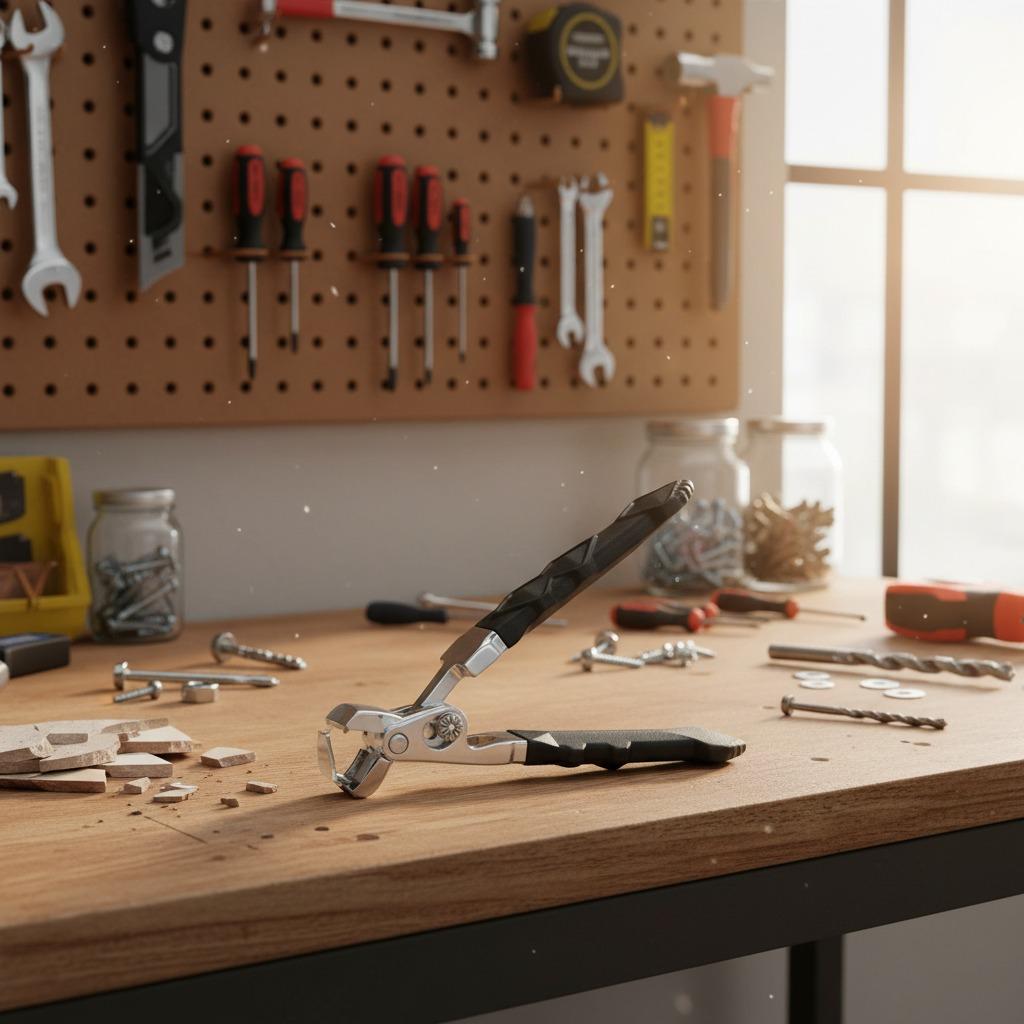
Custom Made Pet Nail Clippers: What Buyers Should Specify Before Production
Custom made nail clipper projects for pet grooming need more than a logo and a handle color. A clipper is a small tool, but it has to perform reliably on curved, thick or delicate pet nails while helping the groomer control each cut. For distributors, pet care brands, grooming salons and ecommerce sellers, the right design decisions can reduce returns, improve user confidence and make the finished product easier to position in a crowded category.
Olimor Beauty develops custom made nail clipper solutions for professional and home grooming use, with attention to stainless steel cutting components, ergonomic handles, non-slip grip areas and safety guard designs. If you are comparing beauty tool products or planning a pet grooming accessory range, use this guide to define the product clearly before sampling and bulk production.
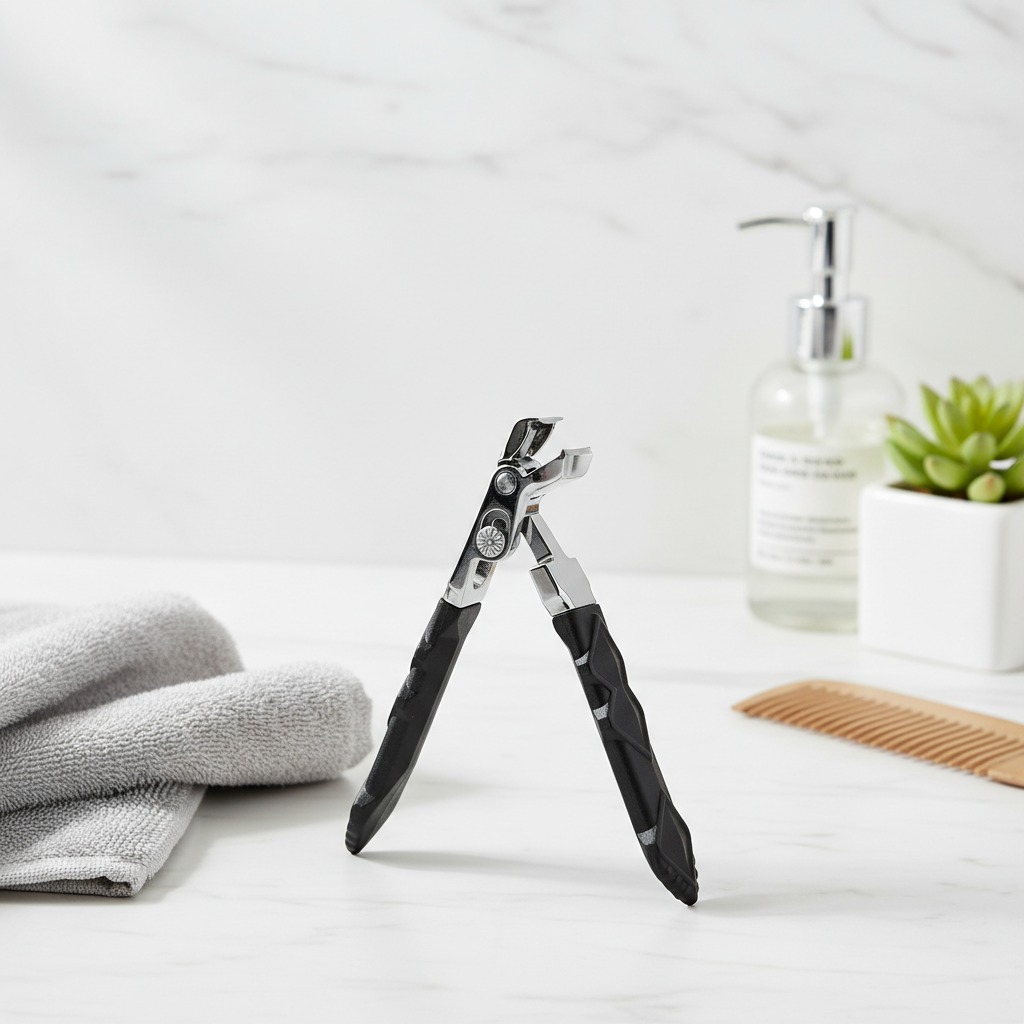
Start With the Grooming User and Pet Size
A custom pet nail clipper should be matched to the person using it and the animals it is intended to serve. A professional groomer may trim many pets in one day and will care about hand fatigue, blade consistency and quick cleaning. A first-time pet owner may value a safety guard, a stable grip and clear instructions more than a highly specialized cutting profile.
Before choosing the final structure, define the main customer segment. For home grooming, the tool should feel secure in the hand and help prevent over-cutting. For salon use, durability and repeated cutting performance matter. If the product is sold through retail or online channels, the packaging and instruction layout should explain suitable pet sizes and safe trimming habits without creating unrealistic expectations.
Pet size is another core decision. The original Olimor Beauty custom nail clipper concept is suitable for various pet sizes, but one universal item may not be ideal for every market. Small pets often require better visibility and a lighter tool. Larger dogs may require stronger leverage and a cutting opening that feels controlled rather than oversized. A buyer should decide whether to develop one general-purpose clipper or several size-oriented versions within a broader grooming line.
Key Design Features That Affect Cutting Control
The most important features of a pet nail clipper are simple to list but easy to under-specify. Stainless steel, ergonomic handles, non-slip grips and a safety guard all influence the grooming experience. The goal is not to add features for appearance; it is to make each cut cleaner, steadier and easier to judge.
- Stainless steel cutting parts: Stainless steel is used for durability and sharp, clean cuts. Buyers should review edge finish, alignment and corrosion resistance expectations during sampling.
- Ergonomic handle shape: A handle that supports the fingers and palm can reduce fatigue during extended grooming sessions, especially for professional users.
- Non-slip grip areas: Textured or coated grip sections help the hand remain stable when the tool is used repeatedly or when a pet moves unexpectedly.
- Built-in safety guard: A guard can help prevent over-cutting by limiting how much nail is positioned for each trim. It is especially useful for less experienced users.
- Controlled spring action: Smooth opening and closing can make the clipper easier to operate, though buyers should confirm the feel during sample review.
These features should be evaluated together. A sharp cutter with an uncomfortable handle is not a balanced product. A strong grip with poor blade alignment will still frustrate users. Good custom development treats the clipper as a complete grooming tool rather than a collection of separate parts.
Customization Choices That Matter Commercially
Custom made nail clippers are often developed for brand programs, retail assortments, salon resale and promotional pet care kits. The visible customization, such as color and logo placement, is important, but commercial success also depends on how the product is described and how consistently it can be produced.
Start by deciding the positioning. Is the clipper intended as a practical home grooming tool, a professional salon item or part of a wider pet grooming set? This decision affects the handle finish, instruction style, packaging format and quality emphasis. For example, a home-use product may benefit from concise safety guidance on packaging, while a salon-focused product may emphasize grip comfort and repeated-use performance.
Typical customization discussions may include handle color, surface texture, logo method, packaging layout and instruction content. When these choices are being made, avoid selecting finishes only because they look attractive in a product photo. A handle material or texture should remain comfortable and secure during real grooming. Printed information should be legible and should not make claims that the product design cannot support.
If you are building a full grooming category, compare related product collections so the clipper fits visually and functionally with other tools. A consistent design language across grooming scissors, combs, brushes and nail tools can make a range easier for customers to recognize.
How to Evaluate Samples Before Committing
Sample evaluation is where many nail clipper projects succeed or fail. A sample should be checked not only for appearance but also for operation, consistency and safe handling. The following process helps buyers review a custom nail clipper in a structured way.
- Inspect the finish: Check edges, handle molding, grip texture, logo placement and any visible metal surfaces for defects.
- Test opening and closing: The action should feel smooth and controlled, without sticking, scraping or excessive looseness.
- Check blade alignment: Cutting edges should meet correctly. Misalignment can lead to crushing rather than clean trimming.
- Review the safety guard: Confirm that it is positioned logically and does not obstruct visibility more than necessary.
- Assess hand comfort: Hold the tool as a home user and as a professional groomer might. Consider wrist angle, finger pressure and grip stability.
- Evaluate packaging information: Instructions should be clear, especially around trimming small amounts and avoiding the sensitive part of the nail.
This review should be repeated across multiple samples when possible. A single good sample is encouraging, but consistency across samples is more meaningful for a buyer planning regular supply.
Quality Control From Materials to Packaging
The original Olimor Beauty article highlights quality checks from raw materials to final packaging. For nail clippers, this kind of control is important because the product combines metal cutting components, handle parts, moving joints and printed or packaged materials. A weakness in any one area can affect user satisfaction.
Material checks should focus on whether the stainless steel components meet the agreed appearance, sharpness and durability expectations. Assembly checks should confirm that the clipper opens and closes correctly, the safety guard is secure, and the handle parts are firmly attached. Visual inspection should catch scratches, uneven surfaces, printing errors or packaging damage before shipment.
Packaging control is especially relevant for pet grooming tools sold online. The product needs protection in transit, and the retail presentation should explain the intended use clearly. If the clipper includes a safety guard, the packaging or insert should help users understand that it is an aid, not a substitute for careful trimming.
Questions to Prepare for a Nail Clipper Manufacturer in China
When working with a nail clipper manufacturer in China, clear project information leads to better samples and more accurate production planning. Instead of beginning only with a target price, prepare a practical specification sheet that describes the intended market and required features.
- Target user: home pet owner, professional groomer, salon resale or distributor range
- Pet size focus: small pets, medium pets, large dogs or mixed household use
- Core features: stainless steel cutting parts, ergonomic handle, non-slip grip and safety guard
- Branding needs: logo position, color direction, packaging artwork and instruction language
- Sample review criteria: cutting feel, hand comfort, finish, guard function and packaging quality
- Compliance and market needs: destination country requirements, labeling expectations and retail channel standards
Providing this information early helps the supplier understand the product goal and avoid unnecessary revisions. If you are ready to discuss a custom project, you can send an inquiry with your specifications, reference images and expected sales channel. For broader questions about customization options, contact Olimor to start a practical sourcing conversation.
Building a Better Custom Pet Grooming Tool
A custom made pet nail clipper should be judged by how confidently it helps users trim nails, not only by how it looks in a catalog. Stainless steel cutting components support clean cuts. Ergonomic handles and non-slip grips help reduce fatigue and improve control. A built-in safety guard can add reassurance, particularly for home grooming customers who are cautious about trimming too much nail.
For brands and distributors, the best results come from defining the user, pet size, handle feel, safety features, packaging and inspection points before production begins. Olimor Beauty supports custom nail clipper development with attention to practical grooming use and reliable supply requirements, helping buyers create a pet grooming tool that is clear in purpose, comfortable to handle and ready for its intended market.
Tag: