

Custom Made Nail Clipper: How to Choose Quality, Comfort, and Practical Style
A custom made nail clipper may look like a simple grooming item, but buyers know that small differences in cutting edge, handle control, finish, and packaging can decide whether a tool becomes a repeat purchase or a customer complaint. For beauty retailers, salon supply companies, gift set developers, travel kit brands, and personal care distributors, the goal is not only to find a nail clipper that looks attractive. It must cut cleanly, feel steady in the hand, resist everyday wear, and fit the expectations of the target market.
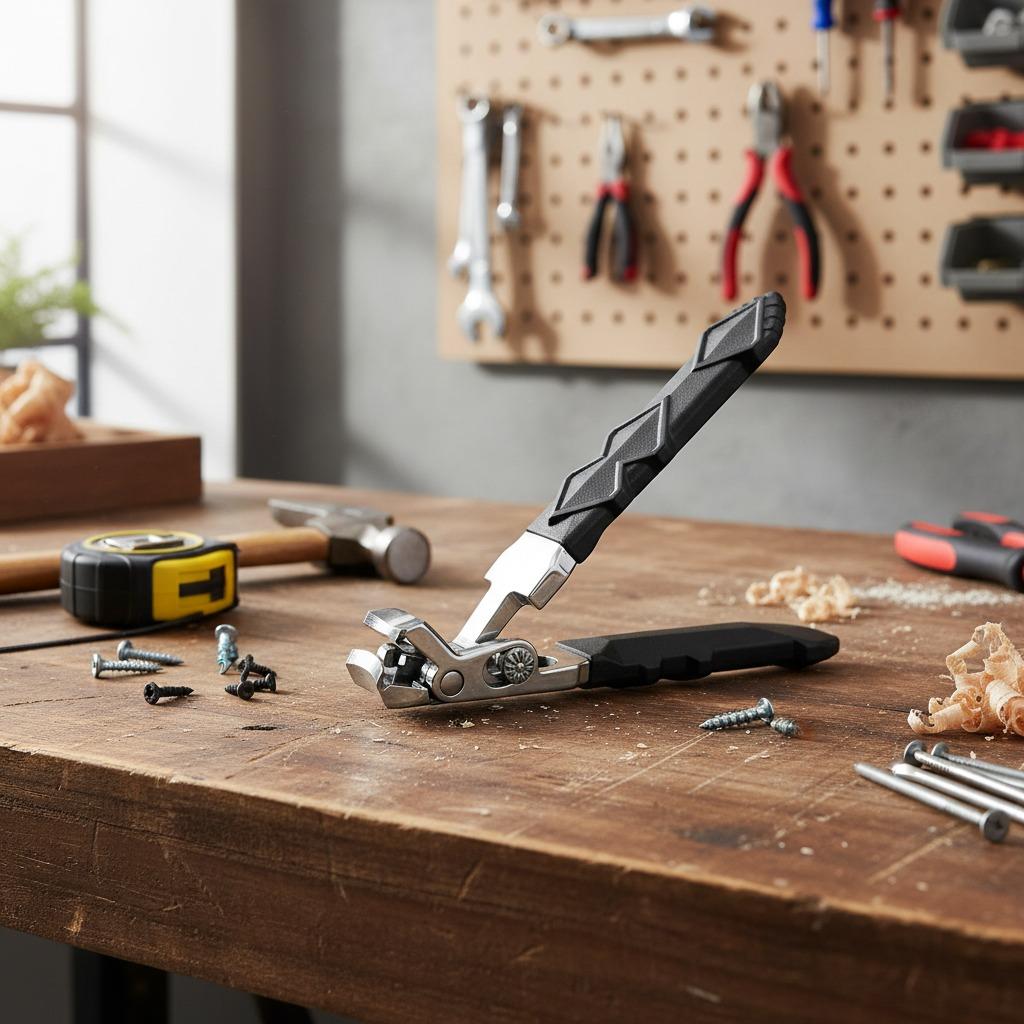
Olimor Beauty focuses on practical beauty tools for daily grooming needs, including nail clippers designed with stainless steel construction and ergonomic details. The product shown here uses a black handle with a diamond-pattern texture, giving the clipper a controlled grip and a more distinctive appearance than a plain metal tool. When planning a custom made nail clipper project, the same principles apply: start with the user, confirm the functional details, and review the supplier’s process before confirming production.
What Makes a Nail Clipper Suitable for Custom Projects?
Custom does not always mean complicated. In nail tools, customization often begins with decisions that affect the customer’s experience: the overall shape, the gripping surface, the finish, the package format, and whether the item will be sold alone or as part of a grooming set. A successful custom made nail clipper should match the use case before any decorative choices are added.
For home grooming, users usually want a steady clipper that cuts fingernails cleanly without requiring extra pressure. For travel kits, compact size and secure packaging matter. For salon and professional retail environments, consistency across each unit is important because customers compare tools closely. For promotional or private label programs, the clipper also needs enough visual identity to support the brand without reducing comfort or cutting performance.
The stainless steel body mentioned for this clipper is a useful baseline because nail tools are exposed to repeated pressure and frequent handling. However, material alone is not the full story. Buyers should also evaluate edge alignment, lever tension, surface finishing, grip design, and packaging protection. A nail clipper with a strong material but poor alignment can still pinch, tear, or leave uneven nail edges.
Key Selection Criteria for Buyers and Product Managers
When comparing nail clipper suppliers, it helps to move from general claims to observable product details. The following checklist is useful during sampling and internal evaluation:
- Cutting feel: The clipper should trim cleanly with moderate pressure and should not twist during use.
- Blade alignment: The upper and lower cutting edges should meet evenly across the cutting curve.
- Grip control: A textured or shaped handle, such as the black diamond-pattern handle shown, can help reduce slipping.
- Lever stability: The lever should move smoothly without feeling loose, overly stiff, or unstable.
- Surface finish: Edges and corners should feel comfortable when held, with no rough burrs where fingers rest.
- Cleaning practicality: Nail tools should be easy for users to wipe and store after grooming.
- Packaging fit: The clipper should sit securely in its packaging to reduce movement during transport.
- Brand presentation: Any custom color, label, or package artwork should suit the customer group and retail channel.
These points are especially important for private label beauty tools because the product may be judged quickly in a store, on a marketplace page, or inside a gift set. A clipper that looks refined but feels unstable can damage the credibility of the whole set. Conversely, a simple design with reliable cutting action can support strong customer satisfaction.
Why Grip Design Matters in a Stainless Steel Nail Clipper
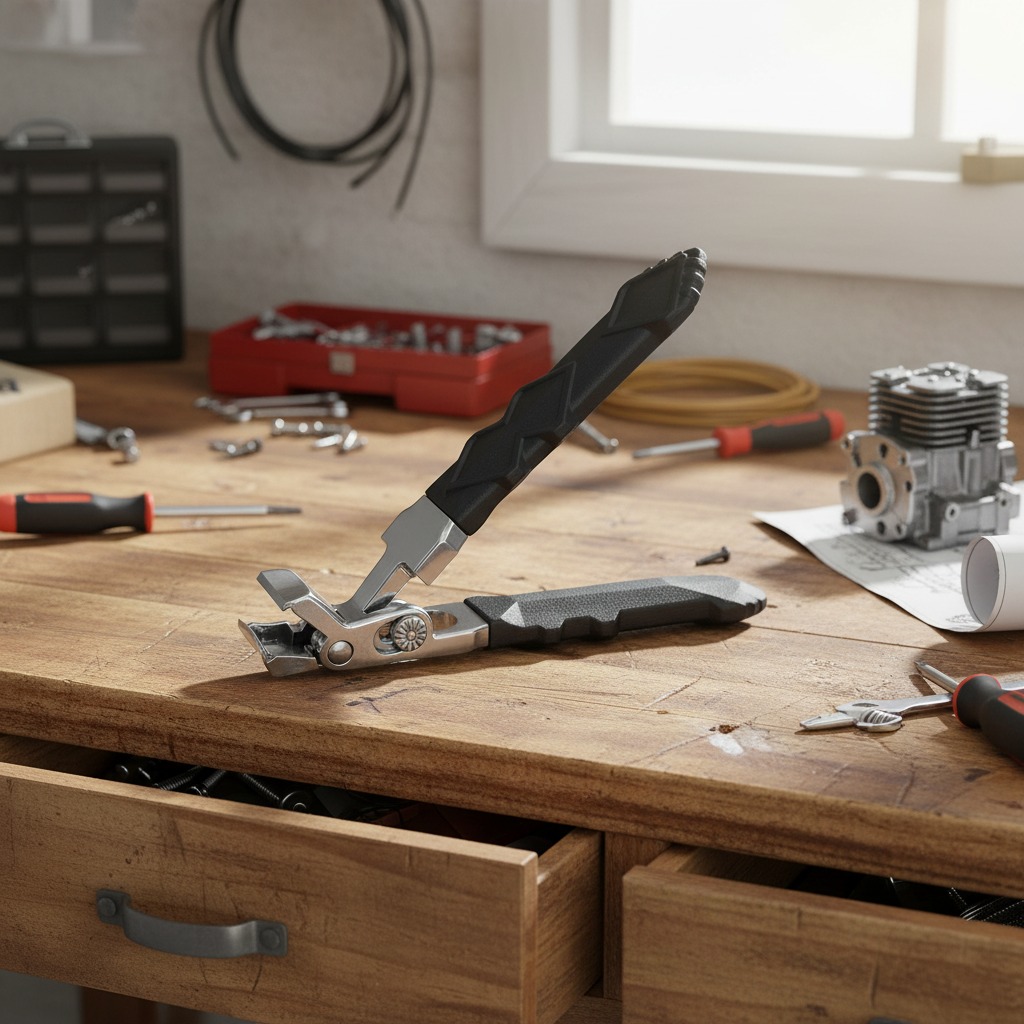
Nail clipping requires controlled pressure in a small movement. If a user’s finger slips on the lever, the cut may become uneven or uncomfortable. This is why handle shape and surface texture deserve more attention than they often receive. The custom made nail clipper shown here includes an ergonomic black handle with a diamond pattern, a detail that supports a non-slip feel and gives the tool a clear visual identity.
For buyers, the best grip choice depends on the audience. A travel-focused clipper may need a slim handle that packs easily. A retail beauty clipper may benefit from a more distinctive handle color or texture. A salon-oriented clipper may prioritize control, easy cleaning, and a shape that feels secure over repeated use. In all cases, the grip should not interfere with leverage. If the handle is attractive but awkward to press, the design needs adjustment.
It is also worth checking how the grip feels with dry hands, freshly washed hands, and hands with lotion residue. Many grooming products are used in bathrooms, salons, or after skincare steps, so real handling conditions may be different from a quick desk inspection. A textured handle can be valuable because it helps the user maintain control in more than one situation.
Custom Made Nail Clipper Options to Discuss Before Production
Before moving from sample approval to production, buyers should define what must remain consistent and what can be adjusted. A clear brief prevents misunderstandings and makes quality review easier. If you are building a new nail care line, you can compare related categories on Olimor Beauty’s beauty tool products page to consider how the clipper might fit with other tools in a set.
| Decision Area | What to Review | Why It Matters |
|---|---|---|
| Tool shape | Size, cutting curve, lever length, and hand feel | Determines comfort and the type of nail care use case |
| Grip design | Texture, color, handle thickness, and slip resistance | Affects control during trimming and overall product identity |
| Finish | Surface smoothness, visible marks, and edge comfort | Influences perceived quality and user confidence |
| Packaging | Individual pack, set pack, display-ready format, or travel storage | Supports retail presentation and transport protection |
| Brand elements | Logo placement, insert card, outer box artwork, and instructions | Connects the tool to the brand without changing its core function |
Not every project needs every option. For a value-focused program, buyers may keep customization simple and concentrate on consistent cutting performance. For a premium grooming kit, packaging, finish, and handle design may carry more weight. The important step is to separate functional requirements from decorative preferences so the final product remains useful.
Quality Checks That Help Prevent Common Nail Clipper Problems
Reliable nail clipper sourcing depends on inspection at more than one stage. The original product information notes quality assurance from raw materials to final packaging, which is a sensible approach for tools that depend on both material strength and mechanical precision. For buyers reviewing samples or production lots, a basic quality plan should include appearance, function, and packaging checks.
Common issues to watch for include uneven blade contact, rough metal edges, unstable lever movement, visible scratches, inconsistent handle texture, packaging that allows the tool to rattle, and color variation when a custom handle is used. These checks do not require exaggerated technical language; they require careful handling of actual units and clear acceptance criteria.
It is helpful to keep an approved reference sample. During production review, compare new units against that sample for cutting feel, grip finish, lever tension, and overall appearance. If several departments are involved, such as purchasing, design, and quality control, the reference sample gives everyone the same standard instead of relying on memory or photos alone.
Matching the Clipper to Retail, Salon, and Gift Set Use
The right custom made nail clipper depends heavily on where it will be sold. A marketplace listing needs strong photos and clear feature descriptions. A physical retail package needs immediate shelf appeal and protective structure. A salon supply product must feel dependable in the hand. A gift set clipper should match the appearance of the other items in the kit, whether the set includes tweezers, scissors, files, or other grooming accessories.
For retailers building a coordinated personal care range, browsing Olimor Beauty’s product collections can help identify complementary tools and packaging directions. Even when the nail clipper is the main product, customers often judge it alongside the rest of the assortment. Consistent finishing and packaging language can make a small tool feel more considered.
For distributors and brand teams, the most useful product descriptions are specific without overpromising. Instead of relying only on broad claims such as premium or professional, describe the stainless steel construction, the ergonomic handle, the diamond-pattern grip, and the intended use. Clear, factual product copy helps shoppers understand what they are buying and reduces mismatch between expectation and experience.
Care, Storage, and End-User Guidance
Good user instructions can extend the perceived value of a nail clipper. After use, the clipper should be wiped clean and stored in a dry place. Users should avoid forcing the tool through nails that are too thick for its size and should keep the cutting edge away from hard non-nail materials. If the clipper is packaged for resale, a short care note inside the package can reduce misuse and support customer satisfaction.
For hygiene, personal nail tools should not be casually shared in household or professional settings without appropriate cleaning practices. While a nail clipper is a common daily item, it still benefits from careful handling. A small instruction card or package note can communicate this without adding complexity to the product.
How to Start a Custom Nail Clipper Inquiry with Olimor Beauty
A productive inquiry begins with a clear description of the market, product role, and desired presentation. Include whether the clipper will be sold individually, included in a set, or used for a promotional program. Share preferred visual direction, packaging expectations, and any sample evaluation priorities such as grip comfort or cutting feel. This allows the discussion to focus on practical decisions rather than vague style references.
If you are planning a sourcing project for a custom made nail clipper, you can send an inquiry with your product requirements or contact Olimor for guidance on beauty tool options. A well-chosen nail clipper is not just a small accessory; it is a daily-use tool that reflects the quality standards of the brand selling it. By focusing on cutting performance, grip control, finish consistency, and packaging suitability, buyers can build a nail care product that is easier to sell and more satisfying to use.
Tag: