Custom Beauty Tools Manufacturer for Salon-Quality and Vegan Manicure Lines
Choosing a custom beauty tools manufacturer is not only about finding a factory that can make tweezers, clippers, nail files or manicure accessories. For salons, distributors, private-label brands and retail buyers, the right partner must understand how tools feel in the hand, how they perform after repeated use, how packaging supports the brand, and how product choices align with vegan or cruelty-free positioning. Olimor Beauty serves buyers looking for practical, salon-quality beauty tools with room for customization, wholesale planning and professional presentation.
The search intent behind this type of sourcing is usually very specific: you may already know the product category, but need confidence that the supplier can support consistent quality and a product line that fits your market. This guide explains how to evaluate custom beauty tools, what to check when comparing a beauty tools supplier in China, and how to approach vegan manicure tools without relying on vague claims.
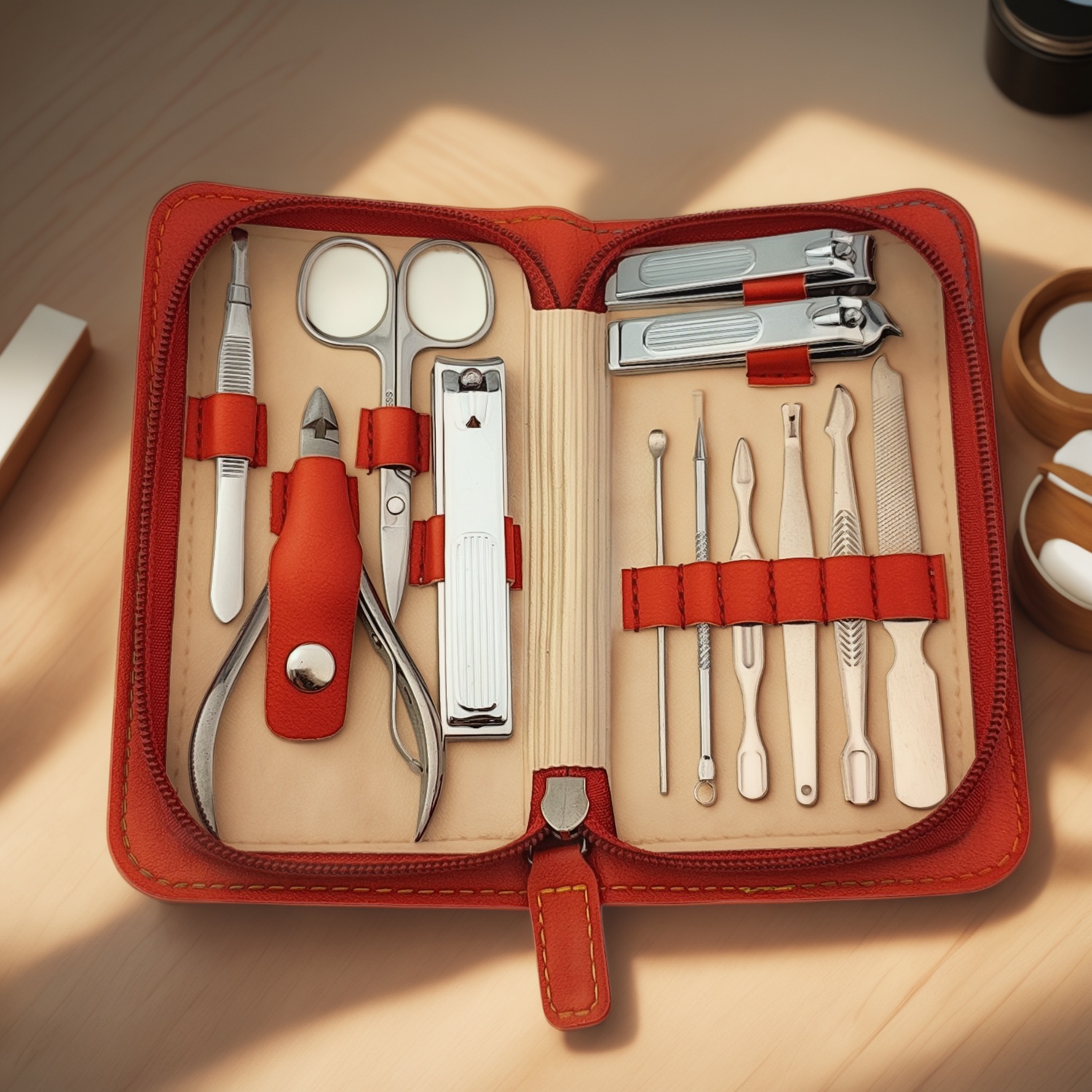
What a Custom Beauty Tools Manufacturer Should Help You Decide
Customization should begin with use case, not decoration. A professional nail technician, a retail gift set buyer and a beauty distributor may all request manicure tools, but their priorities differ. A salon user cares about grip, balance, cutting accuracy and easy cleaning. A retailer may focus on appearance, packaging format and product mix. A distributor must think about durability, carton efficiency and repeatable supply.
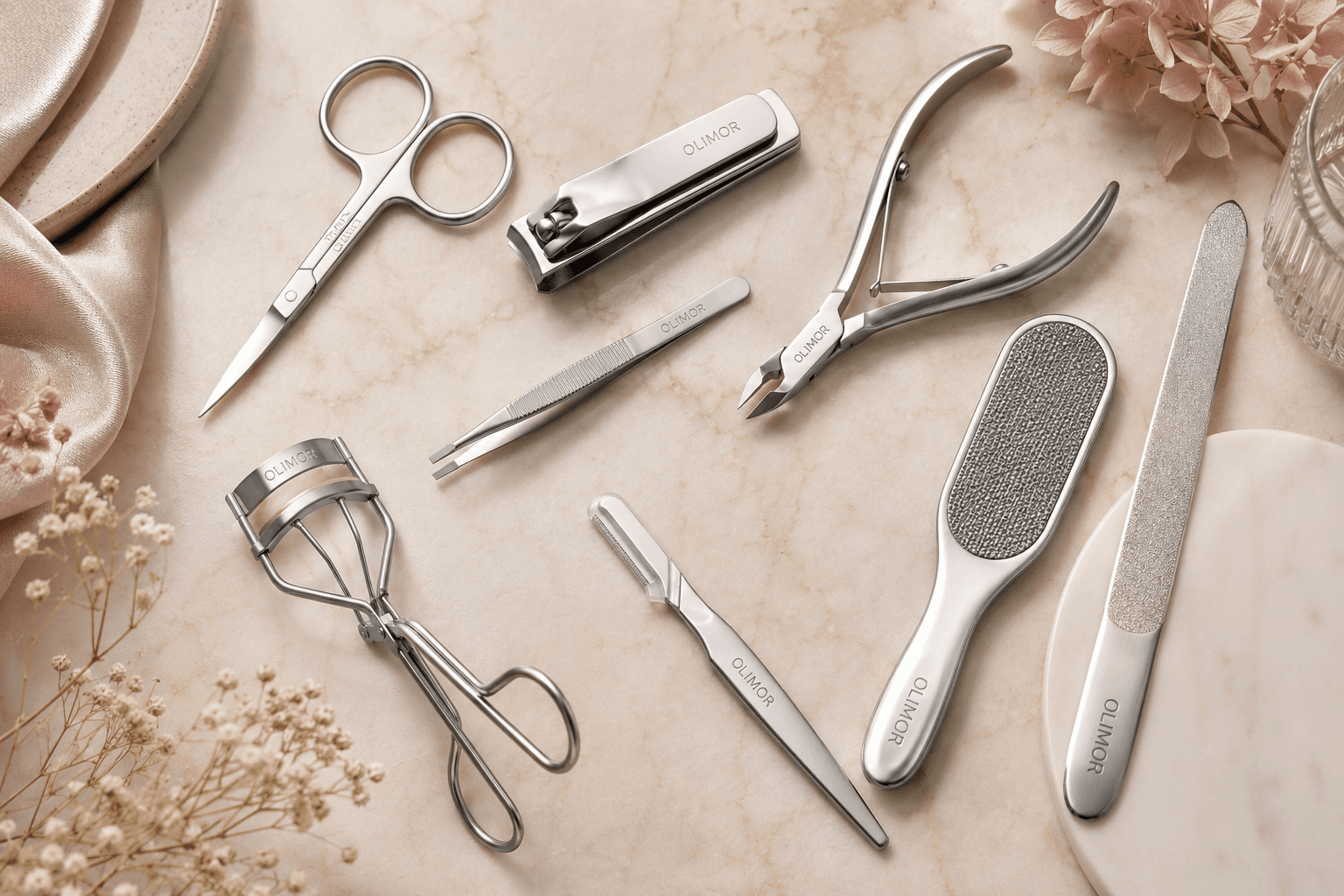
When planning a custom order, define the tool function first. For example, a manicure tool intended for detailed cuticle work should feel controlled and precise, while a nail clipper for broad retail distribution should be comfortable for a wide range of hand sizes. Olimor Beauty’s article focus includes ergonomic designs and premium-grade stainless steel, both of which matter because beauty tools are handled closely, repeatedly and often in professional environments.
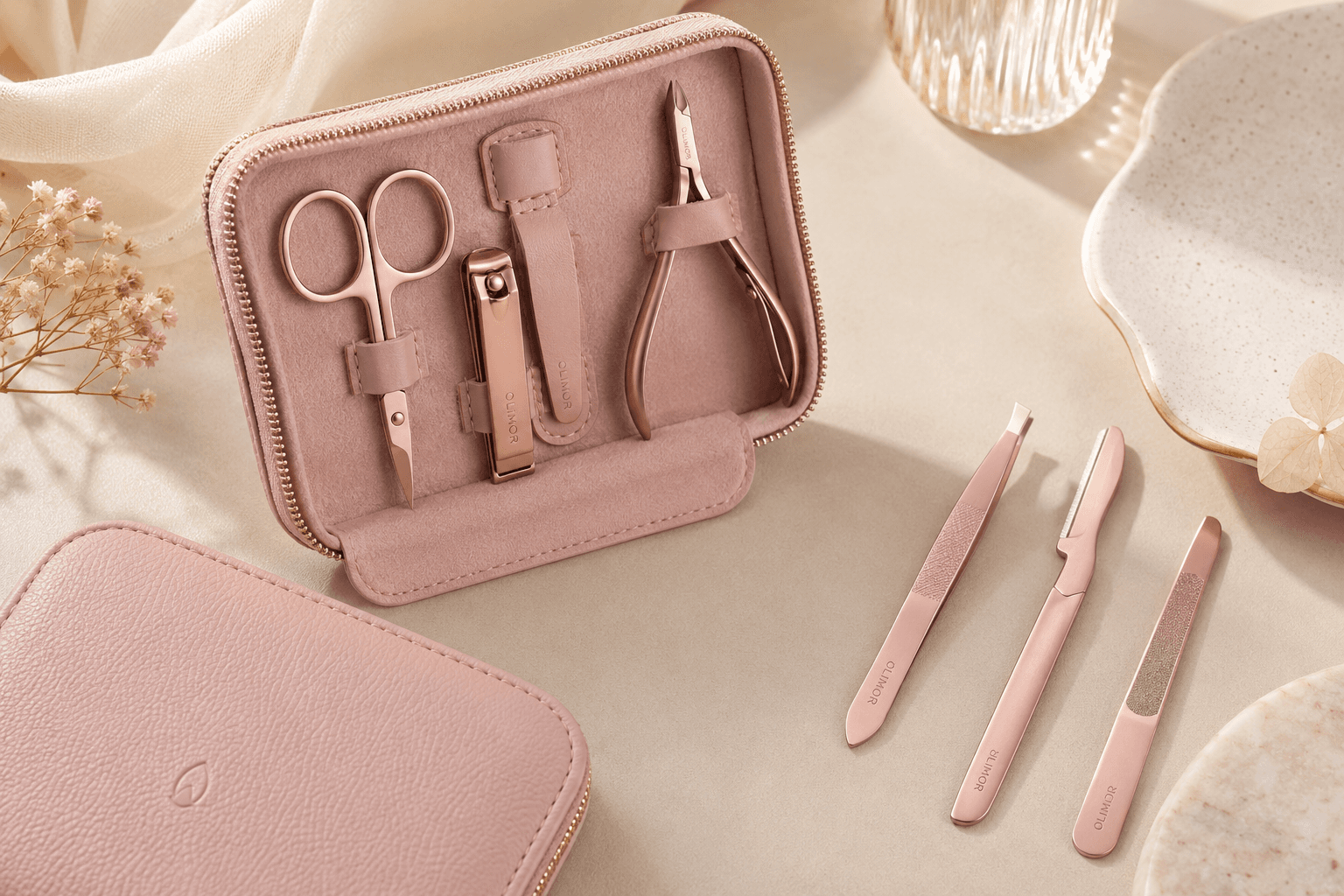
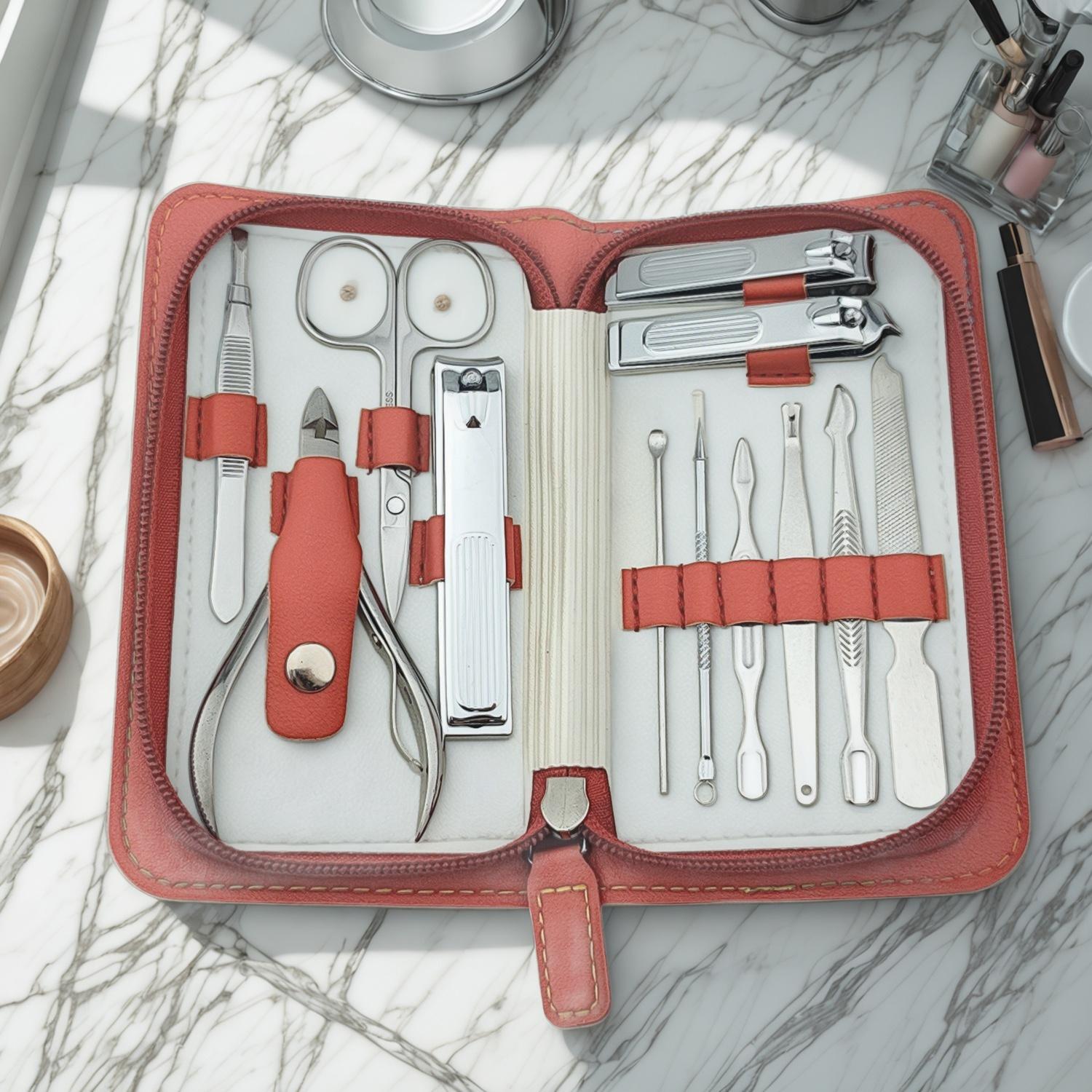
Useful customization decisions can include finish, handle texture, packaging style, set combination and brand presentation. However, each choice should be connected to buyer expectations. A matte finish may look modern but should still be easy to keep clean. A compact set may work well for travel or e-commerce, while a fuller salon kit may be better for professional supply channels. If you are building a larger range, review Olimor’s beauty tool products to compare product types before narrowing the assortment.
How to Evaluate Salon-Quality Manicure Tools
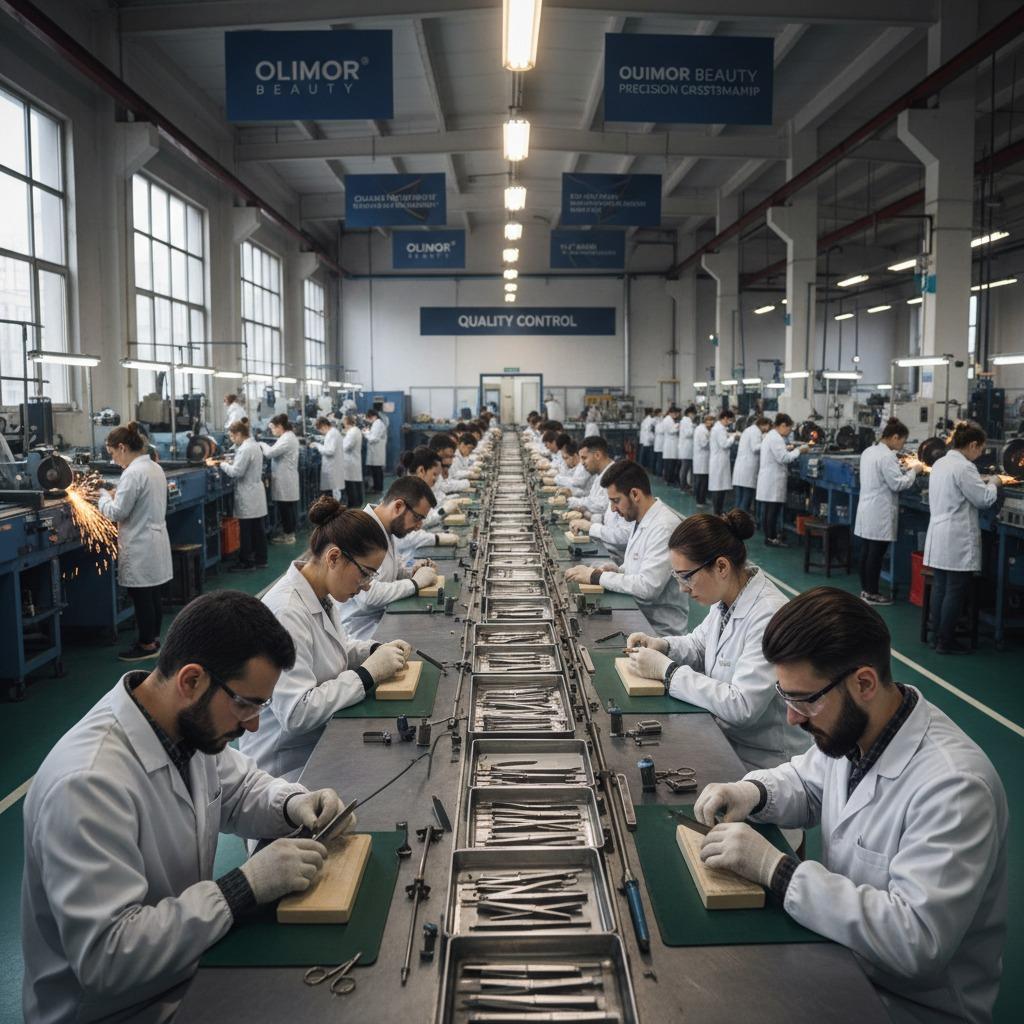
“Salon-quality” should mean more than attractive product photos. It should describe tools that feel reliable, perform consistently and meet the expectations of professionals who use them daily. For manicure tools, this often comes down to material, edge finishing, alignment, hand feel and inspection consistency. The original product focus highlights quality assurance and rigorous checks, which are especially important for tools with cutting edges or precision tips.
When comparing samples, look beyond the first impression. Open and close clippers multiple times. Check whether tweezer tips meet evenly. Hold a file or cuticle tool as a technician would during service. If the tool slips, feels too light, or has uncomfortable edges, those issues can become customer complaints after launch. A supplier that understands salon use should be able to discuss practical handling concerns, even when you are still deciding the final product configuration.
| Evaluation point | Why it matters | What buyers can check |
|---|---|---|
| Material and surface | Affects durability, cleaning and appearance | Confirm stainless steel use where required and inspect finish consistency |
| Ergonomics | Improves control during repeated use | Test grip comfort, balance and ease of operation |
| Cutting or gripping precision | Directly affects salon performance | Check alignment, smooth movement and edge consistency |
| Packaging suitability | Supports retail, wholesale or salon supply needs | Review protection, branding space and product instructions |
| Quality checks | Reduces inconsistent batches | Define visible defects, functional checks and approval samples |
Vegan Manicure Tools: What Buyers Should Clarify
The demand for vegan and cruelty-free beauty products has influenced tools as well as formulas. For manicure tools, “vegan” usually relates to the absence of animal-derived components in accessories, packaging details, cases, adhesives, coatings or related add-ons. Metal tools such as stainless steel clippers or cuticle implements may appear straightforward, but complete product sets can include pouches, brushes, buffers, labels or packaging inserts that deserve closer review.
Olimor Beauty is positioned in the supplied article as offering vegan manicure tools for wholesale. For buyers, the practical next step is to define what vegan means for your market and how that claim will be communicated. Some retailers require documentation for materials used in packaging and accessories. Some brands prefer to avoid leather, animal hair brushes, silk components or animal-derived glues. Others simply want a beauty tool line that supports a cruelty-free brand story without using unverified claims.
A simple vegan sourcing checklist may include:
- Identify every component in the set, including tools, case, insert card, label, adhesive and outer packaging.
- Separate stainless steel tool requirements from accessory material requirements.
- Confirm whether any brush fibers, pouches or decorative trims are animal-derived.
- Decide which claims will appear on packaging and ensure they are appropriate for your selling region.
- Keep records of approved materials so future reorders remain consistent.
This approach helps wholesale buyers build a product range that is easier to explain to retailers, salons and end users. It also reduces the risk of adding a vegan label to a product set without checking all components.
Working With a Beauty Tools Supplier in China
China remains an important sourcing region for beauty tools because buyers can often compare a wide product range and build customized assortments. Still, selecting a beauty tools supplier in China should involve more than checking unit price. A lower price may not support the finish, inspection level or packaging quality required for a professional manicure line. For long-term sourcing, buyers should consider communication, sample handling, product consistency and the ability to understand target-market expectations.
Olimor Beauty is described as having meticulous attention to detail and strategic supply chain capabilities. For an importer or distributor, that kind of supplier profile is valuable when developing multiple SKUs or repeat orders. A manicure tool program may start with a few core items, but over time it can expand into sets, seasonal packaging, retail displays or salon supply bundles. Consistent sourcing decisions at the beginning make later expansion easier.
Before placing a production order, create a clear product brief. Include intended market, product function, preferred material, finish direction, packaging needs, branding placement and any vegan-related requirements. If you are unsure how to structure the inquiry, use Olimor’s send an inquiry page to share your product goals and request guidance on available options.
Building a Private-Label Beauty Tool Range
Private-label beauty tools work best when the range feels coherent. A buyer may be tempted to add every possible nail clipper, file, tweezer and grooming accessory at once, but a focused launch is often easier to manage. Start with the products your audience will understand quickly. For a salon supply line, that may mean dependable manicure and pedicure essentials. For a vegan-positioned retail line, it may mean a curated set with carefully selected non-animal accessory materials and clean packaging language.
Consider how each product supports your brand promise. If your audience values professional performance, prioritize hand feel and edge accuracy. If your audience values sustainable or vegan choices, review all components and avoid decorative materials that create confusion. If your audience buys gifts, packaging presentation and set organization become more important. You can also browse Olimor’s product collections to think about how related tools might be grouped for different channels.
Packaging deserves early attention because it affects both cost and customer perception. Protective packaging is important for sharp or precision tools, while retail packaging should make the contents clear. For online sales, compact packaging can reduce shipping damage and improve the unboxing experience. For salon supply, simple and practical packaging may be preferred if professionals reorder regularly.
Quality Assurance Questions to Set Before Production
Beauty tools are tactile products, so quality assurance should include both appearance and function. A polished tool with poor alignment will not satisfy a professional user. A well-cut tool with rough edges may feel uncomfortable. A premium-looking set with weak packaging can arrive damaged or appear low value. Defining quality expectations before production helps the supplier and buyer judge the order by the same standard.
Practical quality points include surface scratches, burrs, tool alignment, opening and closing movement, tip precision, printing placement, packaging fit and set completeness. Buyers should also keep an approved sample for comparison during production and reorder discussions. This sample becomes the physical reference for finish, weight, color, packaging and overall presentation.
If your order involves vegan positioning, add component confirmation to the approval process. It is easier to control materials before production than to correct packaging claims later. For importers and distributors, keeping internal records of approved components can also help sales teams answer retailer questions with confidence.
When to Contact Olimor Beauty
Olimor Beauty is a suitable contact point when you need a custom beauty tools manufacturer for salon-quality manicure tools, wholesale planning or vegan-friendly product development. The most productive conversations begin with a defined product goal: who will use the tools, where they will be sold, what level of customization is required, and what claims must be supported on packaging.
Whether you are developing a private-label manicure set, comparing stainless steel tool options or preparing a vegan beauty accessory range, organize your requirements before requesting samples. Include preferred product types, estimated launch channel, packaging expectations and any restrictions on materials. This makes it easier to compare options and move from concept to approved sample without unnecessary revisions.
For tailored guidance, contact Olimor with your project details. A clear brief will help match your market needs with the right beauty tool selection, practical customization choices and a quality-focused sourcing plan.
Tag: