Custom Beauty Tools Manufacturer: What Buyers Should Check Before Sourcing
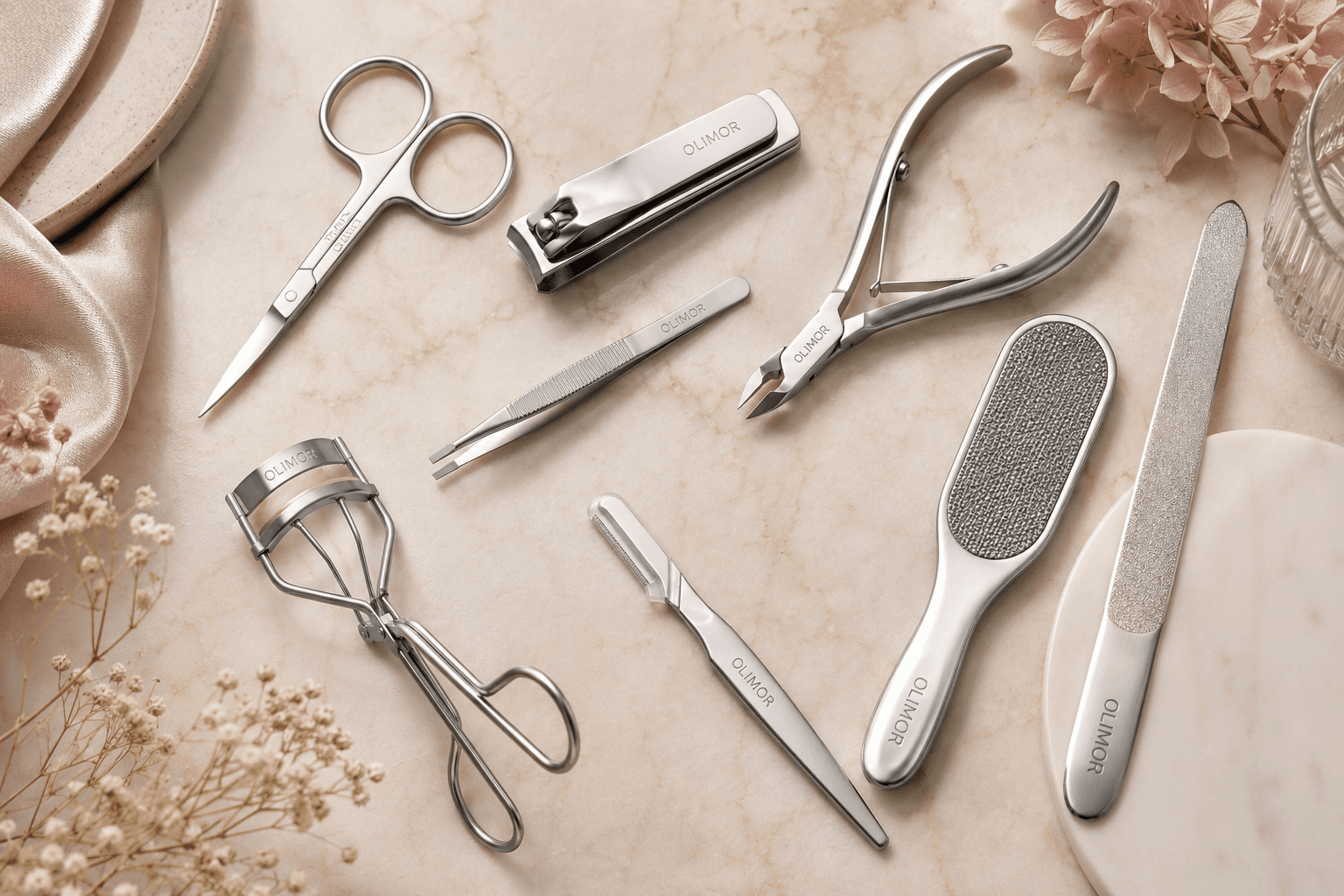
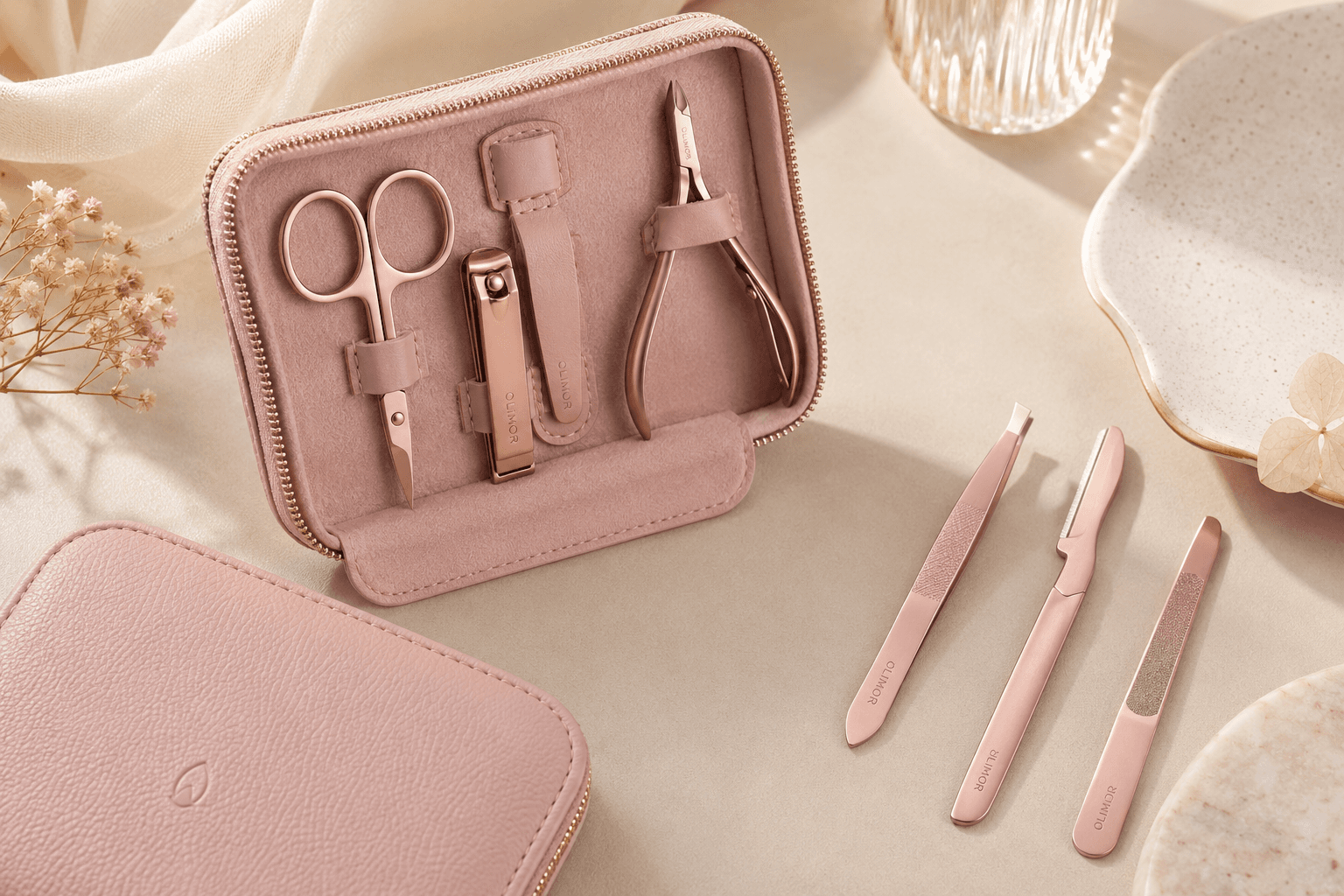
Choosing a custom beauty tools manufacturer is not only about finding a supplier that can make tweezers, nail tools, or manicure sets. For salons, distributors, e-commerce brands, and private-label buyers, the real goal is to source tools that feel reliable in the hand, perform consistently, and support the positioning of the brand that sells them. Olimor Beauty focuses on beauty and personal grooming tools designed for everyday self-care and salon-style use, with attention to precision, quality, and practical handling.
Beauty tools are small products, but small differences matter. A nail clipper that does not cut cleanly, a pusher with a rough edge, or a tool that feels awkward after repeated use can quickly affect customer satisfaction. This guide explains how to evaluate custom manicure and grooming tools, what to consider when comparing suppliers, and how to approach design, quality control, and packaging decisions before placing a wholesale inquiry.
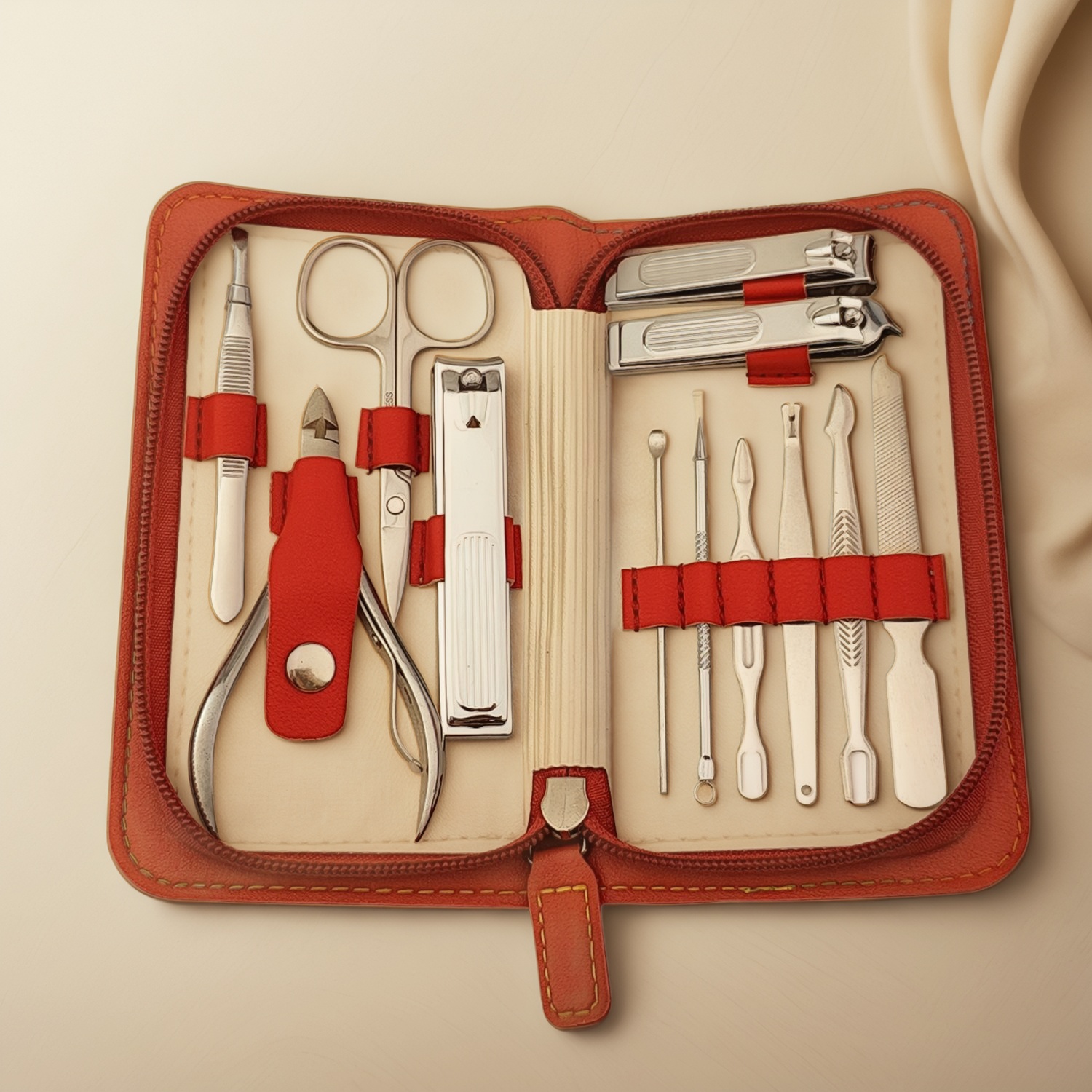
Why Precision Matters in Beauty Tool Manufacturing
Many beauty tools are used on delicate areas such as nails, cuticles, brows, and skin around the hands and feet. That means precision is not a decorative feature; it is central to safe, comfortable, and effective use. Stainless steel tools are often selected for manicure and pedicure products because they can support durability and a clean professional appearance when properly made and finished.
For buyers, precision should be evaluated from the user’s point of view. Does the tool close evenly? Does the cutting edge or working surface align properly? Is the handle comfortable enough for repeated use? Does the surface feel smooth, without sharp burrs or unfinished edges? These are the details that separate a basic promotional item from a salon-quality manicure tool suitable for repeat retail or professional use.
Olimor Beauty’s role as a custom beauty tools manufacturer is connected to these practical requirements. The objective is to provide tools that support accurate grooming tasks while maintaining a quality impression for the end user. Whether the product is part of a small personal kit or a broader wholesale range, the buyer should treat usability as the first quality benchmark.
What to Look for in a Beauty Tools Supplier in China
China remains an important sourcing location for beauty tools because buyers can find a wide range of manufacturing capabilities, finishing options, and packaging solutions. However, selecting a beauty tools supplier in China should involve more than comparing appearance in a product photo. A capable supplier should help buyers think through the product’s function, target user, finish, and presentation.
Before confirming a custom order, review the supplier relationship in several areas:
- Product focus: A supplier familiar with manicure, pedicure, and grooming tools is better positioned to understand hand feel, edge alignment, and finishing expectations.
- Material and finish clarity: Buyers should know what material is being used, how the surface will be finished, and whether the final appearance matches the retail positioning.
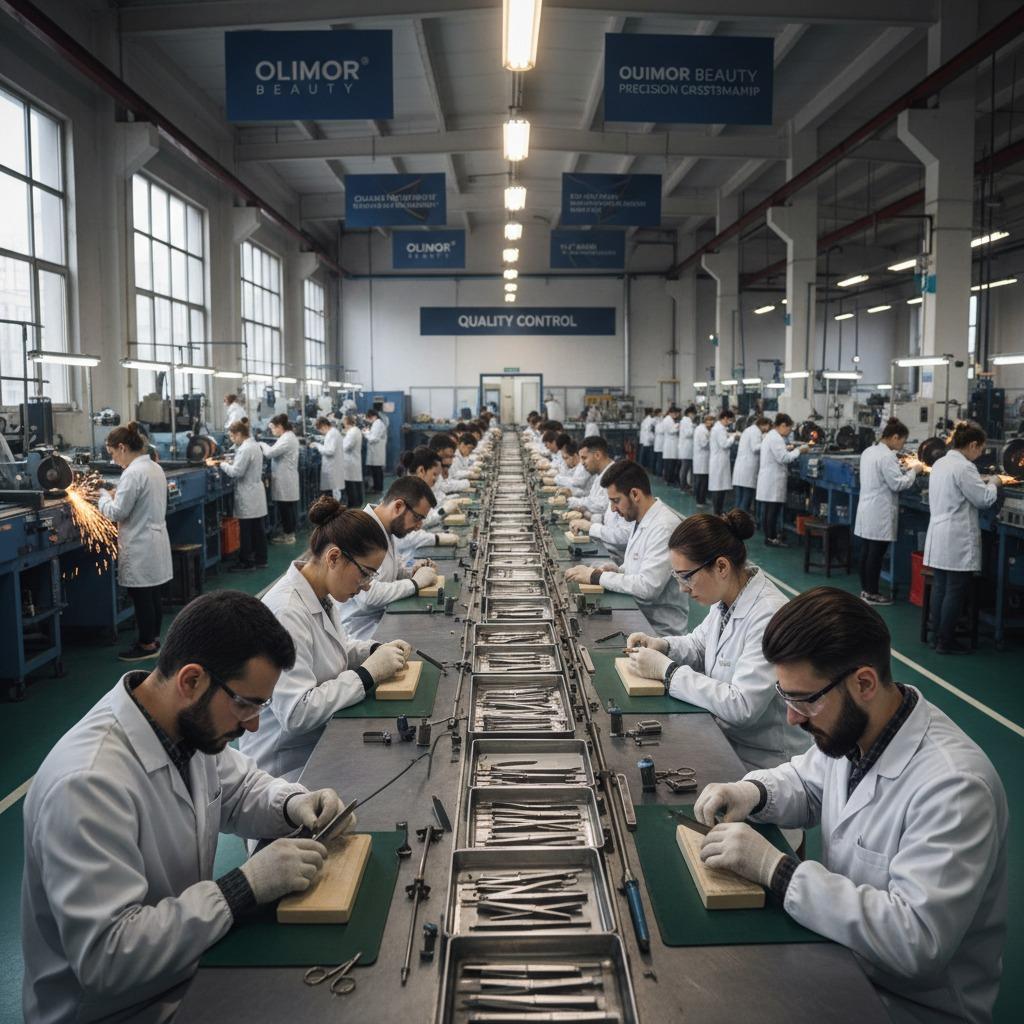
- Quality control process: Inspection should cover appearance, function, alignment, surface smoothness, and packaging condition, not only product count.
- Customization support: Private-label buyers may need logo placement, packaging adaptation, kit configuration, or color and finish discussions where available.
- Communication reliability: Clear answers, organized sampling, and realistic production discussions reduce misunderstandings before bulk orders.
Buyers exploring a wider range of categories can review Olimor’s beauty tool products to understand available product directions, or browse product collections when planning a coordinated retail range.
Custom Beauty Tools for Salons, Retail Brands, and Wholesale Programs
The best custom beauty tool is designed around its intended channel. A tool for a professional salon environment may need a different feel and packaging approach from a product intended for online retail or a giftable manicure kit. Before discussing customization, buyers should define the user scenario clearly.
For salon and professional use, durability, grip comfort, and ease of cleaning are often important. Tools may be handled repeatedly throughout the day, so balance and ergonomic design become more noticeable. For retail brands, packaging, perceived value, product education, and consistency across a set may have equal importance. For wholesale distribution, the buyer may need a practical combination of product reliability, efficient packaging, and a range that can serve different customer budgets.
Olimor Beauty’s product direction includes stainless steel beauty tools and manicure solutions with attention to ergonomic handling. This is especially relevant for nail care tools, where the grip and angle of use can affect control. A clean, comfortable tool can help users achieve more precise grooming results at home or in a salon setting.
How to Evaluate Vegan Manicure Tools for Wholesale
The phrase vegan manicure tools wholesale can mean different things depending on the product and packaging. For metal manicure tools, the main tool body may not involve animal-derived material, but buyers should still consider the full product presentation. Cases, adhesives, coatings, printed packaging, and accessories can all affect whether a finished set aligns with a vegan or animal-conscious positioning.
When preparing a vegan-focused manicure tool program, create a checklist that covers the complete item rather than the metal tool alone:
- Define whether the claim applies to the tool, the packaging, the accessories, or the complete retail set.
- Review any handle materials, cases, pouches, adhesives, and decorative components.
- Confirm that the product positioning does not overstate what has been verified.
- Choose packaging copy that is accurate, simple, and easy for the end customer to understand.
- Keep documentation organized for internal purchasing and brand review.
This approach helps buyers maintain credibility. A vegan or environmentally conscious product direction should be supported by careful sourcing decisions and responsible wording, not vague claims. Olimor Beauty’s focus on quality and practical design can support buyers who want manicure tools suitable for modern self-care markets while maintaining a professional product standard.
Quality Checks That Make a Difference
Beauty tools are often judged within seconds of being opened. The buyer may evaluate samples in a meeting, but the end customer will evaluate the final product during actual use. For that reason, quality assurance should include both visual and functional checks.
| Check area | Why it matters | What buyers can review |
|---|---|---|
| Surface finish | A smooth finish improves comfort and perceived value. | Look for burrs, scratches, stains, rough edges, or uneven polishing. |
| Tool alignment | Misalignment can reduce accuracy and make the tool frustrating to use. | Check how tips, blades, or working surfaces meet when closed or pressed. |
| Hand feel | Ergonomic handling supports better control, especially during repeated use. | Hold the tool in the working position and test grip comfort. |
| Function | The tool must perform the grooming task cleanly and consistently. | Test samples for cutting, pushing, gripping, or trimming performance as relevant. |
| Packaging condition | Damaged or weak packaging can affect retail presentation. | Review fit, labeling, protection, and appearance after handling. |
A reliable inspection process should happen from start to finish, not only after goods are packed. Early checks help identify issues before they become repeated across a full order. For buyers, sample review should be documented with photos, comments, and approved reference samples so expectations remain clear during production.
Customization Decisions: Branding, Sets, and Packaging
Customization should serve the customer, not simply add decoration. A logo, color choice, finish, or kit layout should make the product easier to understand and more appealing in its sales channel. For example, a compact manicure set for travel may need different packaging from a professional tool sold individually. A retail kit may benefit from clear product naming and usage guidance, while a salon-focused tool may prioritize a clean, durable presentation.
When planning a custom beauty tool project, consider these decisions early:
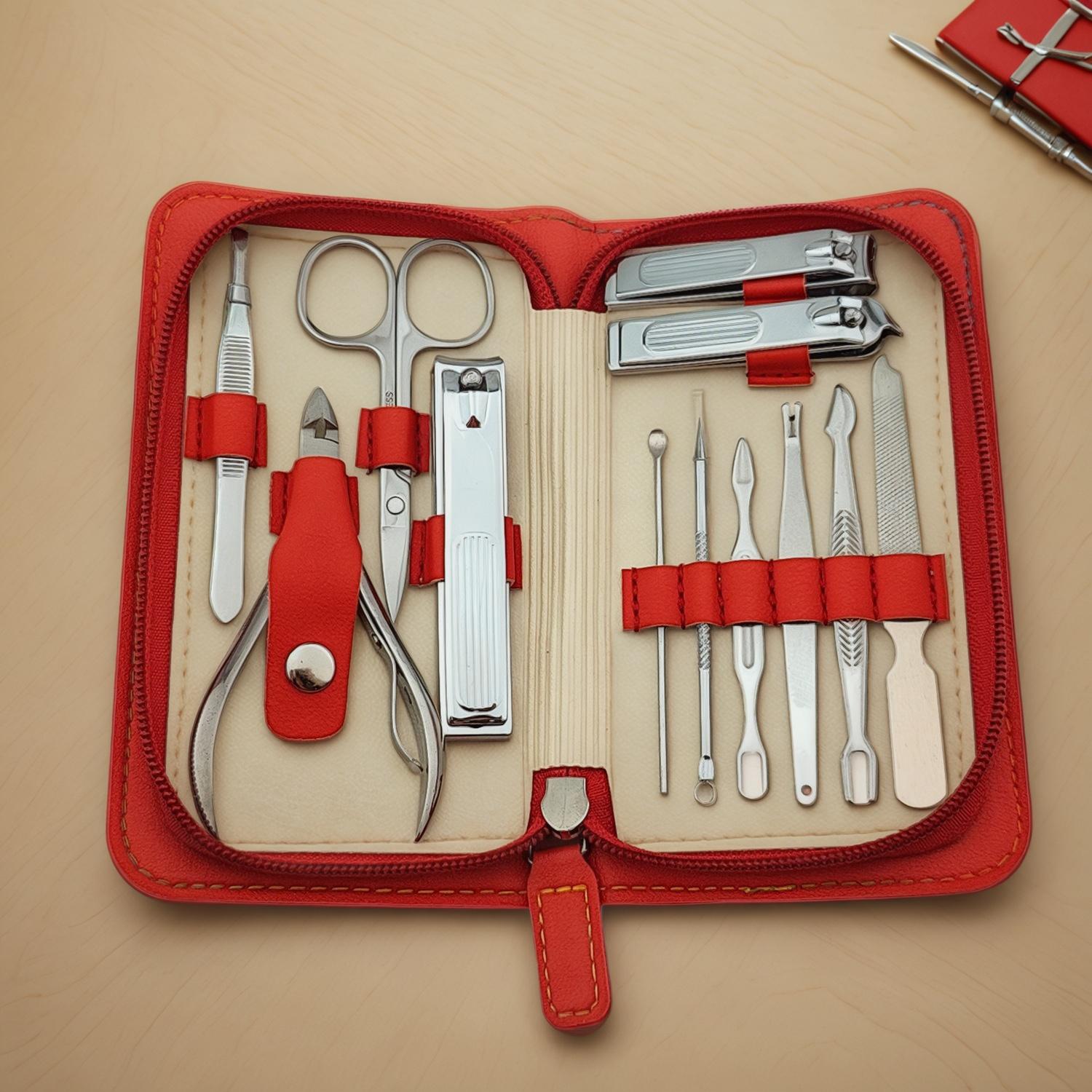
- Product mix: Decide whether the range will include individual tools, manicure kits, pedicure tools, or a combined grooming set.
- Target user: Clarify whether the tool is for salon professionals, personal home use, travel, gifting, or wholesale distribution.
- Brand placement: Determine where branding should appear and whether it affects the tool’s comfort or clean appearance.
- Packaging format: Select packaging that protects the product and matches the intended price point.
- Instruction needs: Add simple, accurate usage or care information when it helps reduce customer confusion.
These choices also affect sampling. A buyer should not approve a tool shape alone if the final product will be sold as a complete kit. Review the complete assembled product whenever possible, including the way tools fit inside the case or package.
Care and Maintenance Guidance for End Users
Including basic care information can improve customer satisfaction and reduce misuse. Stainless steel manicure tools should be kept clean and dry after use. Users should avoid storing tools in damp conditions, and sharp or precise edges should be protected from impact. If the product is designed for personal use, customers should be reminded not to share tools without proper cleaning. If it is intended for professional environments, salons should follow their own hygiene procedures and local requirements.
For retail brands, a short care card or packaging note can make the product feel more complete. It can also help customers understand that beauty tools are precision items, not disposable accessories. Clear care guidance is especially useful for manicure kits, where several tools with different functions are packaged together.
Working with Olimor Beauty on a Custom Tool Project
A strong sourcing process begins with a clear brief. Instead of starting only with a target price, buyers should define the tool type, intended user, preferred finish, packaging direction, quality expectations, and any claim requirements such as vegan positioning. This allows the manufacturing discussion to focus on practical solutions.
Olimor Beauty supports buyers looking for custom beauty tools, stainless steel manicure tools, and salon-quality grooming solutions. For a productive discussion, prepare reference photos, market positioning, expected sales channel, and any packaging or branding requirements. If you are comparing options or preparing a private-label program, you can contact Olimor for general communication or send an inquiry with project details.
The right custom beauty tools manufacturer should help you balance precision, comfort, presentation, and sourcing reliability. By evaluating samples carefully, defining claims accurately, and planning packaging around the end user, buyers can build a beauty tool range that performs well and represents their brand with confidence.
Tag: