How to Choose a Beauty Tools Manufacturer for OEM Personal Care Products
Choosing a beauty tools manufacturer is not only a purchasing decision. For brand owners, importers, retailers and private label teams, the factory behind a tweezer, eyelash curler, facial tool or grooming accessory can influence product reviews, repeat purchases, return rates and brand trust. Beauty tools are handled close to the eyes, skin, brows and nails, so buyers need to look beyond appearance and evaluate how a manufacturer thinks about comfort, consistency, durability and safe daily use.
A good OEM personal care tools supplier should be able to support both the visible and invisible parts of the product: the shape customers notice immediately, the grip that affects control, the material selection that impacts longevity, and the inspection process that keeps batches consistent. If you are comparing factories for a new beauty tool line, the most useful question is not simply “Can you make this?” It is “Can you repeatedly make this at the quality level our market expects?”
Start with the Exact Beauty Tool Use Case
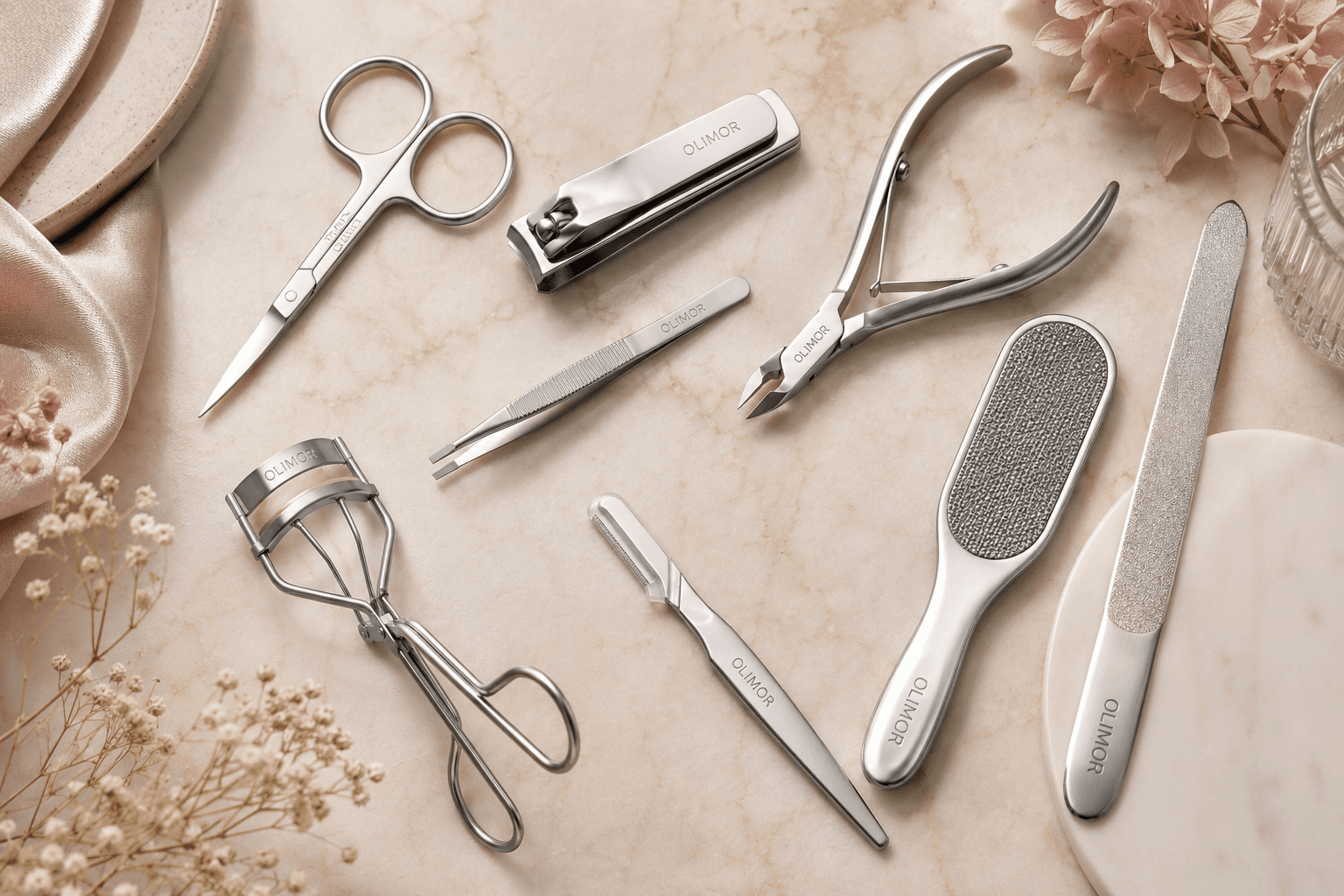
Before evaluating any manufacturer, clarify the use case of the product. Beauty tools may look simple, but small design differences can change the user experience. An eyelash curler, for example, must feel stable in the hand, align comfortably with different eye shapes and create a clean curl without pulling. A tweezer must meet precisely at the tips. A facial tool should feel balanced and smooth against the skin. Nail and grooming accessories need reliable edges, clean finishing and comfortable control.
When briefing a beauty tools manufacturer, define the target user and channel. A mass retail item may prioritize dependable performance and efficient packaging. A boutique private label line may require a more refined finish, distinctive color direction or a stronger unboxing experience. A professional salon-focused tool may place more emphasis on hand feel, repeated daily use and durable construction. These priorities should be clear before sampling begins.
Useful questions to define the product include:
- Is the tool intended for daily home use, travel, gifting, salon use or promotional retail?
- Which part of the tool most affects performance: grip, edge, arc, spring, hinge, pad, surface finish or weight?
- Does the product need to match an existing brand color, texture or packaging system?
- What customer complaints are common in this category, such as slipping, pinching, rough edges or weak tension?
- Which features are essential, and which are only decorative?
Clear answers help prevent over-designing the wrong details while missing the details that actually influence satisfaction.
Evaluate Ergonomics and User-Centered Design
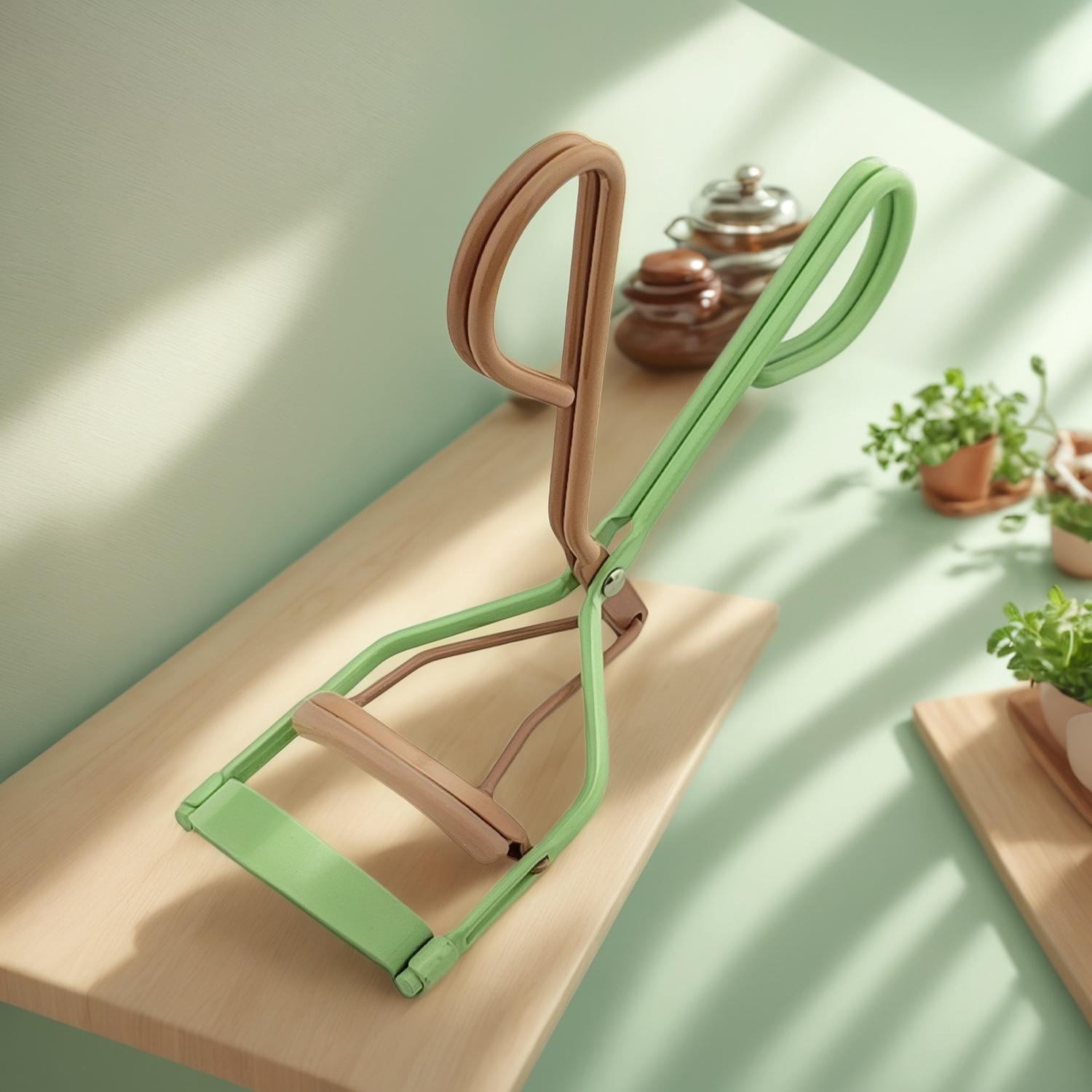
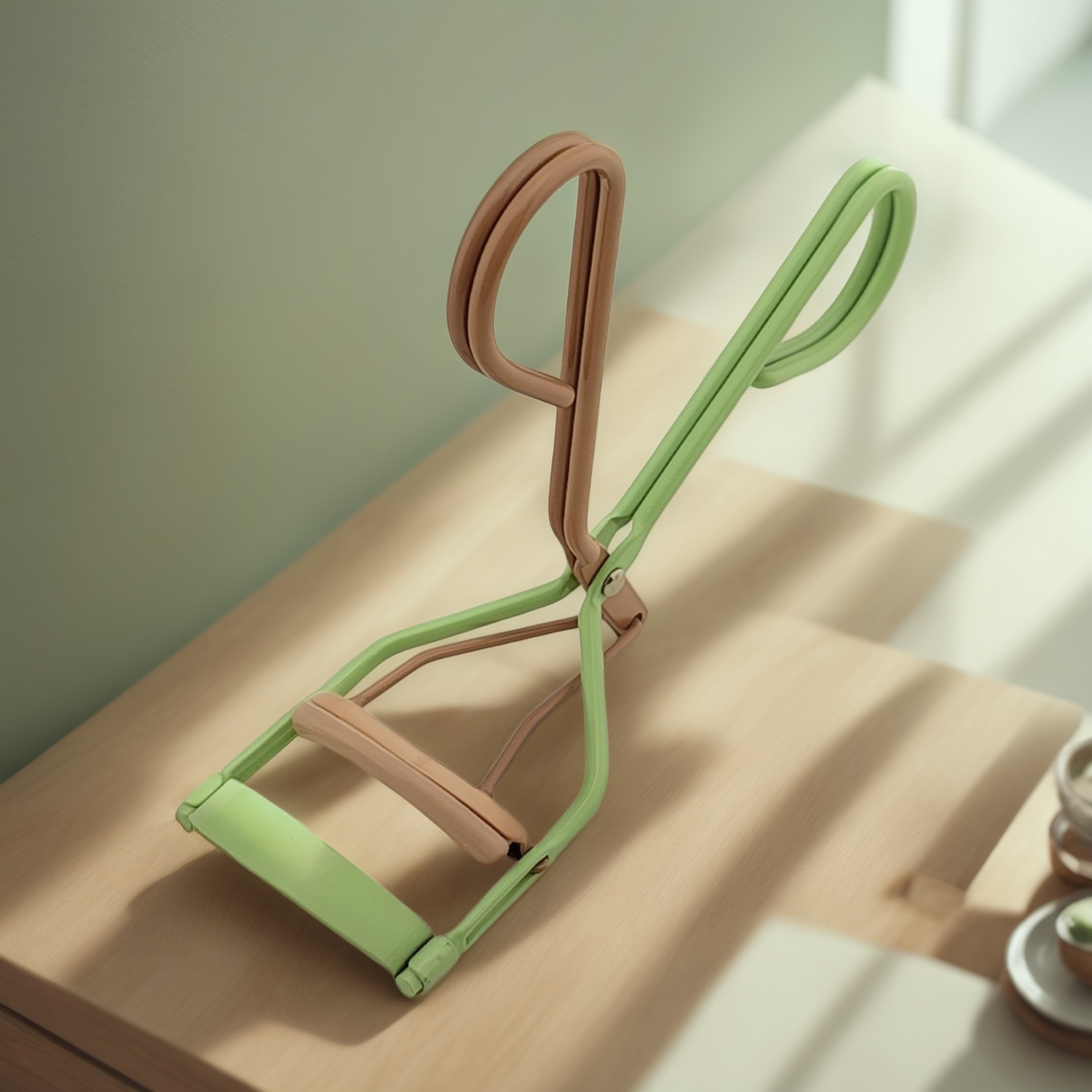
Beauty tools succeed when they feel intuitive. Innovative design is not just about a distinctive silhouette or fashionable color. It is about how the product behaves in the user’s hand. The original product example highlights an eyelash curler with a dual-toned, ergonomic design, a comfortable grip and a contoured arc intended to fit different eye shapes. Those are the types of practical design elements buyers should study during manufacturer selection.
For ergonomic evaluation, request samples and test them the way a customer would. Do not only check them on a desk or in a product photo. Hold the tool with dry hands, slightly damp hands and in front of a mirror. Open and close it repeatedly. Check whether the user can position it accurately without strain. For an eyelash curler, observe whether the arc feels natural and whether the handle gives enough control. For tweezers, check whether pressure is comfortable and whether the tips meet evenly. For facial tools, look for smooth contact points and no uncomfortable seams.
A capable personal care tools manufacturer should be able to discuss the relationship between shape and function. Even when buyers provide their own design, the manufacturer’s feedback on tooling, assembly, finish and handling can prevent future production issues. If a supplier focuses only on surface styling and cannot explain how the design supports use, the product may look attractive but disappoint in real routines.
Check Material and Finish Decisions Carefully
Material choice affects strength, feel, cleaning, appearance and perceived value. The supplied article refers to durable stainless steel as an example of a high-quality raw material. For many beauty tools, stainless steel can be relevant because customers associate it with durability and a clean finish. However, buyers should not treat any single material name as a complete quality guarantee. The grade, processing, finishing and inspection all matter, and those details should be confirmed for the specific project.
Finishing is equally important. Rough edges, uneven coating, visible scratches, inconsistent color or weak plating can undermine even a well-shaped design. For tools used near the eyes or skin, the customer’s first impression often comes from touch. A sharp corner, loose hinge or rough seam may lead to negative reviews even if the tool technically functions.
When comparing samples, inspect these points under normal light and close-up light:
- Surface consistency: look for scratches, dents, discoloration, bubbles or uneven coating.
- Edge finishing: check whether all touch points feel smooth and safe.
- Assembly fit: confirm that moving parts align without wobbling or excessive stiffness.
- Color matching: compare multiple samples, not just one approved sample.
- Cleaning practicality: consider whether the shape traps residue or is easy to wipe.
These checks are simple, but they reveal whether the manufacturer is controlling details that end customers notice.
Look for a Practical Quality Assurance Process
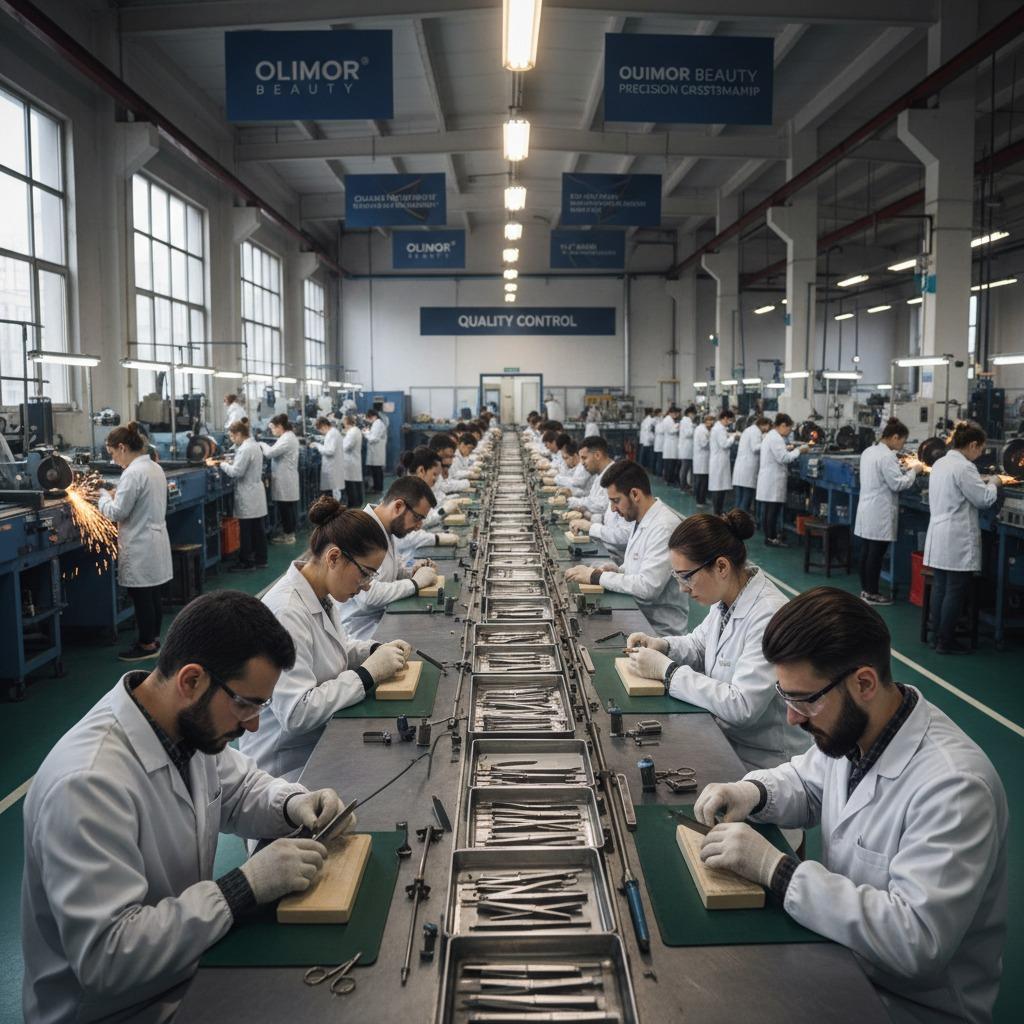
A reliable OEM personal care tools supplier needs quality assurance at several points, not only before shipment. The strongest approach starts with incoming material checks, continues through in-process production inspections and ends with final product and packaging review. This does not require buyers to know every factory procedure in technical language, but they should understand how the supplier prevents defects from moving forward.
Quality standards should be specific to the tool. For an eyelash curler, inspection may focus on arc consistency, handle movement, pad fit, hinge stability, finish and smooth operation. For tweezers, tip alignment and tension are critical. For a facial roller or grooming accessory, buyers may need to check surface smoothness, assembly stability and packaging protection. Generic “high quality” statements are not enough; the inspection criteria should match the real product risks.
| Evaluation Area | What to Check | Why It Matters |
|---|---|---|
| Function | Opening, closing, alignment, grip and control | Determines whether the tool performs as expected |
| Safety feel | Smooth edges, stable parts and comfortable contact points | Important for tools used near skin, eyes or nails |
| Appearance | Color, polish, coating and visible defects | Affects retail value and customer confidence |
| Consistency | Comparison across multiple samples or units | Shows whether quality is repeatable |
| Packaging fit | Protection, presentation and labeling readiness | Reduces damage risk and supports channel requirements |
Buyers can also review related beauty tool products to compare common product categories and identify which quality points are most relevant to their own line.
Assess OEM Communication and Sampling Support
OEM development depends on clear communication. A manufacturer may have strong production ability, but if sampling instructions, revision notes and packaging details are not handled carefully, the project can lose time and direction. During early communication, notice whether the supplier asks useful questions. Do they clarify dimensions, finish, logo placement, packaging format and intended market? Do they confirm unclear points before producing samples? Do they explain limitations in a practical way?
Sampling should be treated as a decision stage, not a formality. Keep records of sample versions, comments and approvals. If you request a different grip color, smoother edge or adjusted package insert, document the change and compare the next sample directly against the previous one. This helps both parties avoid confusion once production begins.
For packaging, provide clear artwork files, barcode or labeling requirements if applicable, and any retailer-specific instructions. If those details are still undecided, use the sampling stage to test packaging durability and presentation. A beauty tool can be well made but still arrive poorly displayed if the packaging does not protect it or communicate the product clearly.
Consider Sourcing Fit Beyond the First Order
The right beauty tools manufacturer should fit your long-term sourcing plan. A first order may focus on one product, but many brands later expand into related personal care categories. If you expect to build a fuller range, explore whether the supplier’s capabilities align with your roadmap. Olimor buyers can browse product collections to consider how different tools may work together in a coherent assortment.
Long-term fit also includes responsiveness, documentation habits, sample control, packaging coordination and willingness to discuss improvements after market feedback. Customer reviews may reveal that a handle is slightly slippery, a pad needs better replacement support, or a package needs clearer instructions. A useful manufacturer can help translate that feedback into practical product adjustments without losing the core design.
Before committing to a partner, create a simple supplier comparison sheet. Include product capability, sample quality, finishing consistency, communication speed, packaging support, inspection clarity and ability to handle revisions. Weight the factors according to your market. A price-focused promotional buyer and a premium private label buyer may choose different suppliers, and that is reasonable. The key is to choose based on the real needs of the project rather than a single quotation line.
A Buyer Checklist for Confident Manufacturer Selection
Use this checklist when shortlisting an OEM personal care tools supplier:
- Confirm the manufacturer understands the exact tool function and target user.
- Test samples in real-use positions, not only through photos.
- Check grip comfort, movement, alignment and contact points.
- Review material, surface finish and edge smoothness carefully.
- Compare multiple samples to evaluate consistency.
- Define product-specific inspection points before production.
- Review packaging protection, branding areas and retail presentation.
- Keep written records of sample changes and approvals.
- Assess whether communication is clear, practical and detail-oriented.
- Choose a partner that can support future product development, not only one order.
When you are ready to discuss a beauty tool project, you can contact Olimor or send an inquiry with your product idea, reference details and packaging goals. A focused brief helps the manufacturer respond with more relevant guidance and makes it easier to move from concept to sample evaluation.
Final Thoughts
Choosing a beauty tools manufacturer is about balancing design, usability, material decisions, quality control and cooperation style. The best supplier for your brand is not simply the one with attractive product images or the lowest initial quote. It is the one that can understand the user experience, manage the small details that affect performance and keep production consistent over time.
For OEM personal care products, those details matter. A comfortable eyelash curler grip, a smooth tool edge, a stable assembly or a clean finish can be the difference between a product customers use once and a product they keep in their daily routine. By evaluating manufacturers with a structured checklist and a clear understanding of your market, you can build a beauty tool line that feels dependable, looks professional and supports long-term brand trust.
Tag: