Choosing a Beauty Tools Manufacturer for Quality, Fit and Brand-Ready Design
The quality of a beauty tool is easy to underestimate until it is used on the face, around the eyes, or in a tightly controlled makeup routine. A lash curler that pinches, tweezers that fail to grip, or a handle that slips during use can quickly damage customer confidence. For beauty brands, retailers and private-label buyers, choosing the right beauty tools manufacturer is therefore not just a sourcing task. It is a product decision that affects safety perception, repeat purchases and the way customers judge the entire brand.
A strong manufacturing partner should understand both precision and presentation. Beauty tools need to feel controlled in the hand, perform consistently and arrive with packaging that supports the intended sales channel. Whether you are reviewing lash curlers, tweezers, manicure accessories or other personal care tools, the best evaluation process combines product testing, manufacturing questions and clear expectations for customization.
Start With the Tool Category and the End User
Before comparing suppliers, define what the tool must achieve for the person using it. A professional makeup artist, a beginner buying an entry-level accessory, and a gift-set customer may all value different details. For lash curlers, the core concerns are comfort around the eye, controlled pressure, smooth operation and a curl that does not require excessive force. For tweezers, alignment and tip consistency matter more than decorative finishes. For manicure and facial tools, grip, edge quality and cleaning convenience can become decisive.
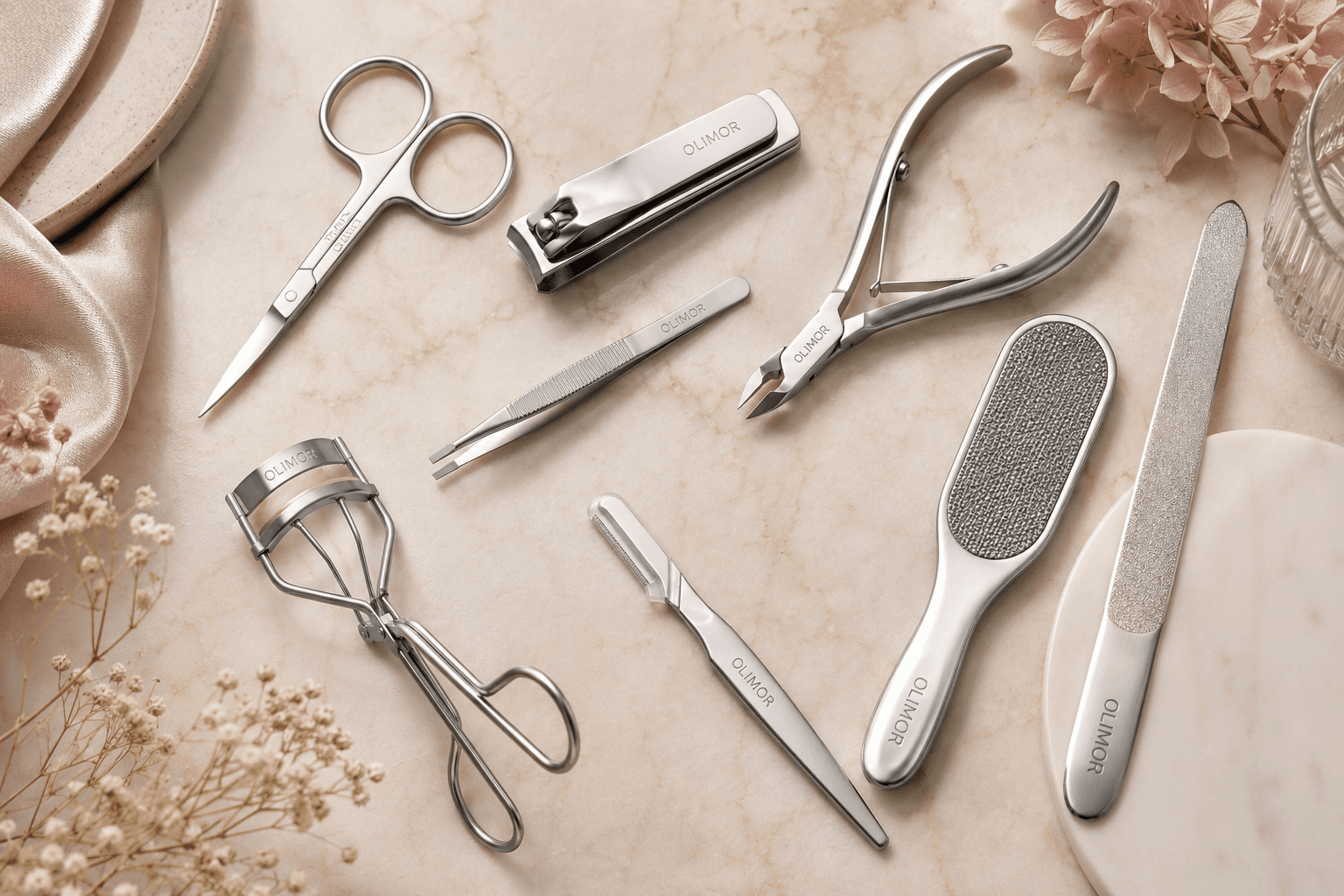
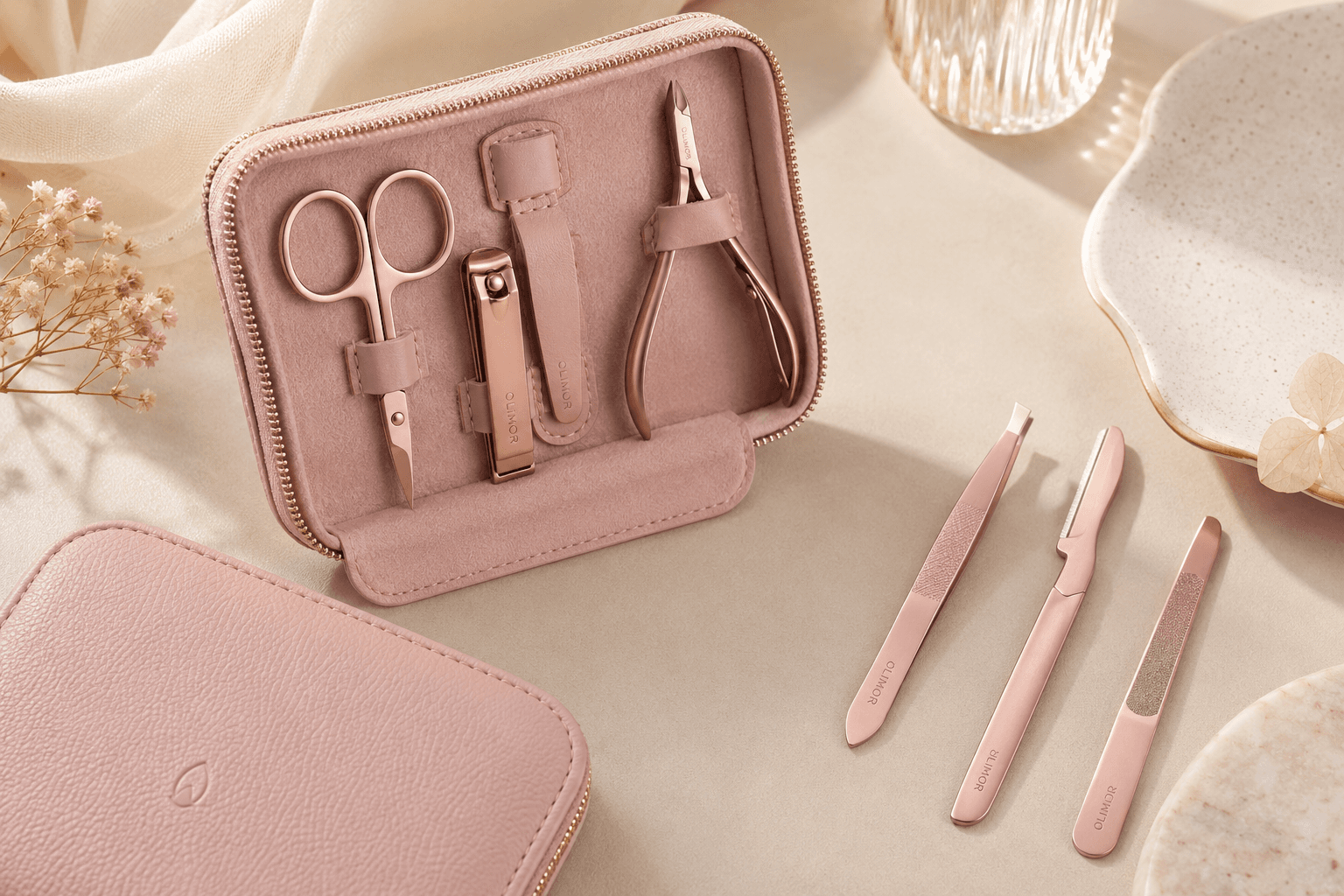
This is why a general supplier list is not enough. A capable beauty tools manufacturer should be able to discuss the category in practical terms: how the tool is held, where pressure is applied, how the product is packaged for protection, and what visual finish is realistic for volume production. Buyers can begin by browsing relevant beauty tool products to compare shapes, finishes and product types before narrowing the specification.
Quality Signals to Look For in a Personal Care Tools Manufacturer
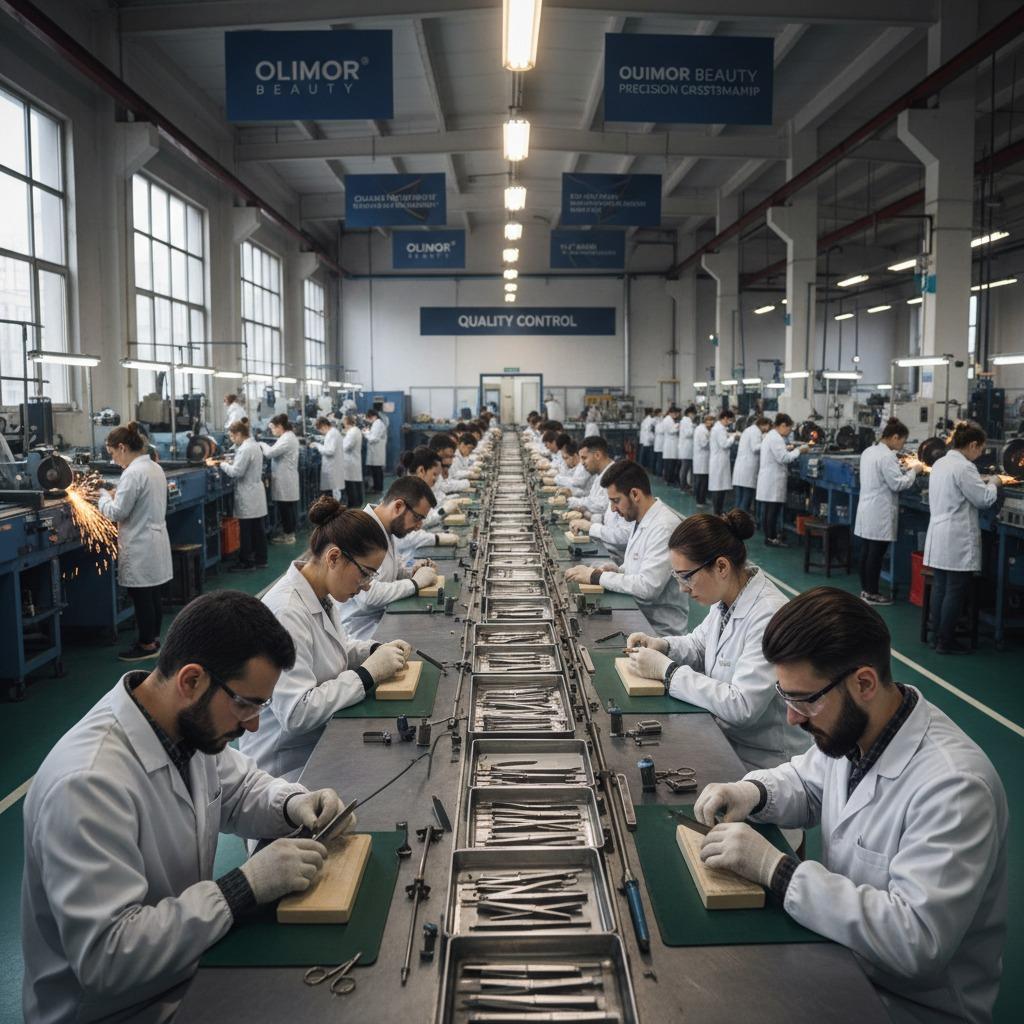
Quality in beauty accessories is not limited to whether a product looks clean in a catalog photo. It is built through material selection, forming, finishing, assembly and final inspection. When reviewing a personal care tools manufacturer, focus on the repeatable details that customers will notice after purchase.
- Consistent shape and alignment: Hinged tools, curled heads and tweezer tips should line up properly from unit to unit.
- Smooth surfaces: Areas that touch the face, eyelid or hand should be free of rough edges, burrs or uncomfortable seams.
- Controlled movement: A lash curler should open and close smoothly without feeling loose, stiff or unstable.
- Reliable grip: Handles should support steady pressure, especially when the tool is used near the eye or on small details.
- Finish durability: Decorative color, plating or coating should be evaluated for the intended use, handling and packaging method.
- Pad or accessory fit: For curlers, silicone pads should sit securely and provide a gentle contact surface.
These points are especially important for online beauty brands, where returns and negative reviews often come from small usability issues. A tool may look attractive, but if it feels poorly balanced or inconsistent, the visual design will not compensate for weak performance.
OEM Development: What a Good Supplier Should Help You Clarify
Working with an OEM personal care tools supplier allows a brand to develop accessories that reflect its own color direction, packaging style and customer positioning. OEM sourcing is most effective when the buyer arrives with a clear product brief, but also remains open to manufacturing feedback. Some design ideas are simple to execute, while others may affect tooling, finishing, assembly or inspection requirements.
For a lash curler or similar beauty tool, the brief should cover the intended customer, color direction, packaging type, handle preference, comfort expectations and any comparison products already tested. It is also helpful to separate “required” features from “preferred” features. This helps the manufacturer advise where customization is practical and where a standard structure may offer better reliability.
Use the following checklist when preparing an OEM discussion:
- Define the product category and main use case, such as daily home makeup, travel kits, salon retail or gift sets.
- Confirm the required exterior appearance, including color palette, finish direction and any logo placement needs.
- Review hand feel, grip and pressure points with real samples instead of relying only on images.
- Check how replaceable or accessory parts, such as lash curler pads, are fitted and protected.
- Discuss packaging structure, because packaging can affect both presentation and product protection in transit.
- Set inspection priorities before production, including alignment, surface finish, movement and packaging condition.
For buyers who are ready to compare options or develop a custom program, the most efficient next step is to send an inquiry with target product type, order channel and reference requirements.
Design Example: What the Two-Tone Luxury Lash Curler Shows
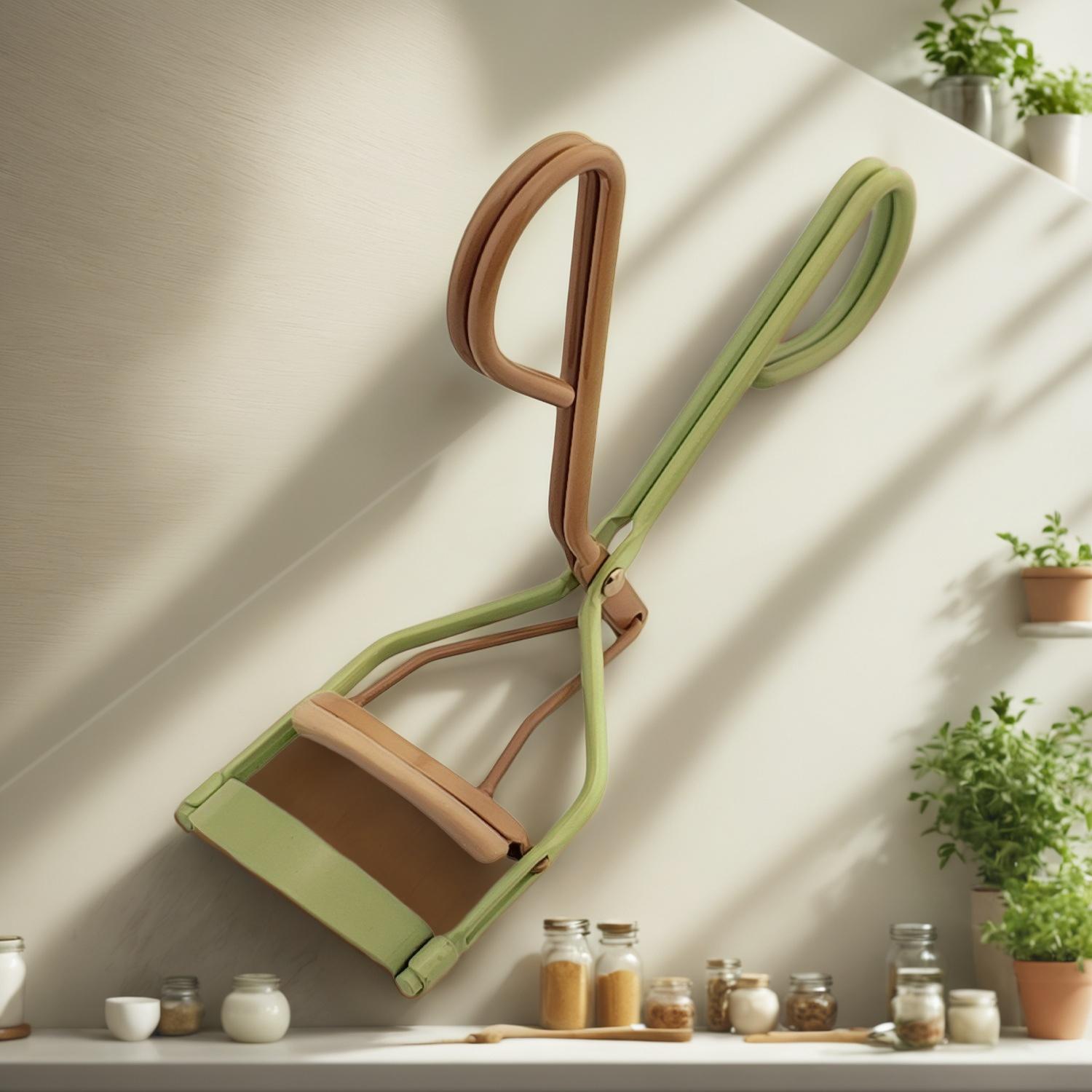
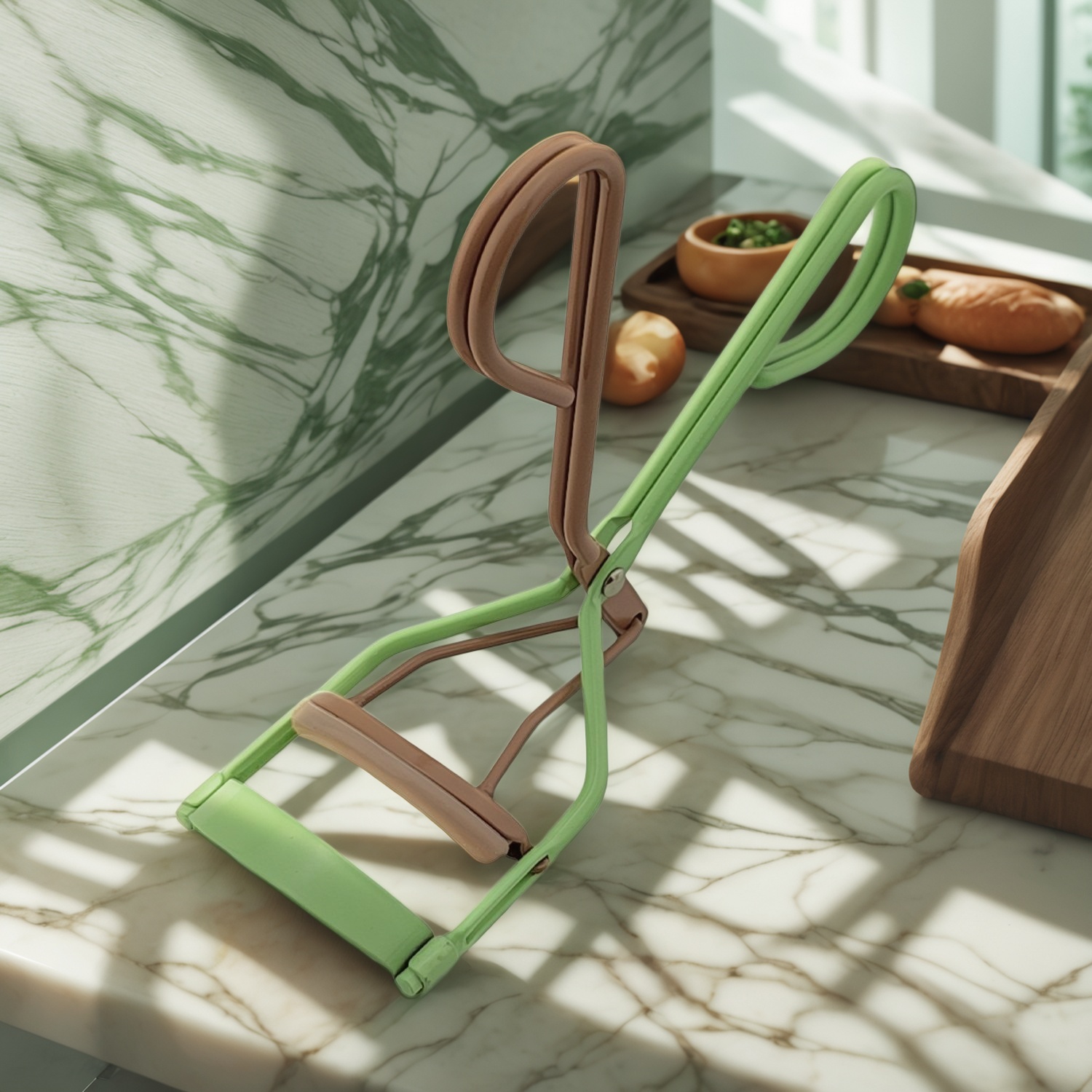
The Two-Tone Luxury Lash Curler illustrates how cosmetic-tool design can combine appearance with function. Its mint green and taupe color scheme creates a soft, modern look, while the ergonomic handle is designed to provide a non-slip grip for more controlled use. For a tool used close to the eye, this type of grip consideration is not merely decorative. It supports steadier handling and helps the user apply pressure more carefully.
The curler also highlights the importance of head design. A lash curler needs to accommodate different eye shapes as comfortably as possible, while still delivering a clean curl. No single tool can promise the same experience for every user, but a thoughtful head shape improves the chance that the tool feels intuitive across a wider audience. The ultra-soft silicone pads add another important point: the contact surface matters. A gentle pad can help reduce harsh pressure on lashes and contribute to a more comfortable curling experience.
For brand buyers, this example is useful because it shows how a beauty tool should be evaluated in layers. Color attracts attention, the handle influences confidence, the head affects fit, and the pad affects comfort. A well-made tool succeeds when these details work together rather than competing for attention.
How to Evaluate Samples Before You Commit
Sample review should involve more than a quick visual approval. Beauty accessories are handled repeatedly, often in small motions, and customers notice minor flaws quickly. When samples arrive, create a simple evaluation sheet and test each item in the same way. If more than one team member is involved, collect comments separately before making a final decision. This prevents one strong opinion from hiding a practical concern.
| Evaluation Area | What to Check | Why It Matters |
|---|---|---|
| Appearance | Color consistency, surface finish, visible marks and overall neatness | Creates the first impression in retail, e-commerce photos and unboxing |
| Function | Opening, closing, pressure control and alignment | Determines whether the tool feels reliable during use |
| Comfort | Handle shape, grip, edges and contact points | Reduces frustration and improves customer satisfaction |
| Packaging Fit | Movement inside packaging and protection of delicate parts | Helps avoid damage before the customer receives the item |
| Brand Readiness | Logo placement, color match and compatibility with product range | Ensures the item fits the wider brand assortment |
Do not evaluate one perfect-looking sample in isolation. If possible, compare several pieces to understand consistency. A manufacturer’s strength is not only producing an attractive sample, but also maintaining the same standard across production.
Packaging, Presentation and Retail Practicality
Beauty tools are frequently purchased as small accessories, add-on items or parts of product sets. Packaging therefore plays an important role in both protection and perceived value. A curler with a polished finish may need packaging that prevents scratches. A tool with a silicone pad should be held securely enough that the pad is not distorted or displaced. For e-commerce, packaging should also survive handling during shipping without making the product look overpacked.
When reviewing product collections, consider how a single beauty tool will sit beside other accessories in the same range. Do the colors coordinate? Is the packaging language consistent? Does the product look like part of a planned assortment rather than a random add-on? These questions matter for brands building seasonal launches, retail displays or private-label beauty kits.
Questions That Help Separate Strong Manufacturers From Basic Suppliers
A professional supplier should be able to communicate clearly about materials, production steps, inspection points and customization limits without relying on vague promises. You do not need to demand confidential production details, but you should expect practical answers that help reduce risk.
- Which parts of the tool are customizable, and which are based on existing structure?
- How are alignment, opening movement and surface finish checked during production?
- What sample options are available before confirming a final design direction?
- How should the tool be packed to protect the finish and functional parts?
- What information is needed to quote accurately for an OEM or private-label project?
- Are there design changes that may improve comfort, grip or production consistency?
These questions keep the conversation focused on product quality rather than only price. Cost matters, but a low-cost tool that creates complaints, returns or weak reviews can become expensive for the brand over time.
Building a Better Beauty Tool Line With Olimor Beauty
Choosing a beauty tools manufacturer is ultimately about trust in the details. The right partner should understand that a lash curler is not just a metal shape with a pad, and a personal care accessory is not just a decorative item for a product page. It must feel safe, controlled and pleasant to use. It must also support the brand’s visual direction and arrive in packaging appropriate for the sales channel.
Olimor Beauty focuses on beauty tools and personal care accessories where design, usability and manufacturing discipline need to work together. If you are developing a lash curler, reviewing an accessory assortment or planning an OEM beauty tool project, prepare a clear product brief, compare samples carefully and prioritize the features your customers will actually feel in use. To discuss product direction, customization needs or sourcing questions, you can contact Olimor and share the details of your planned beauty tool line.
Tag: