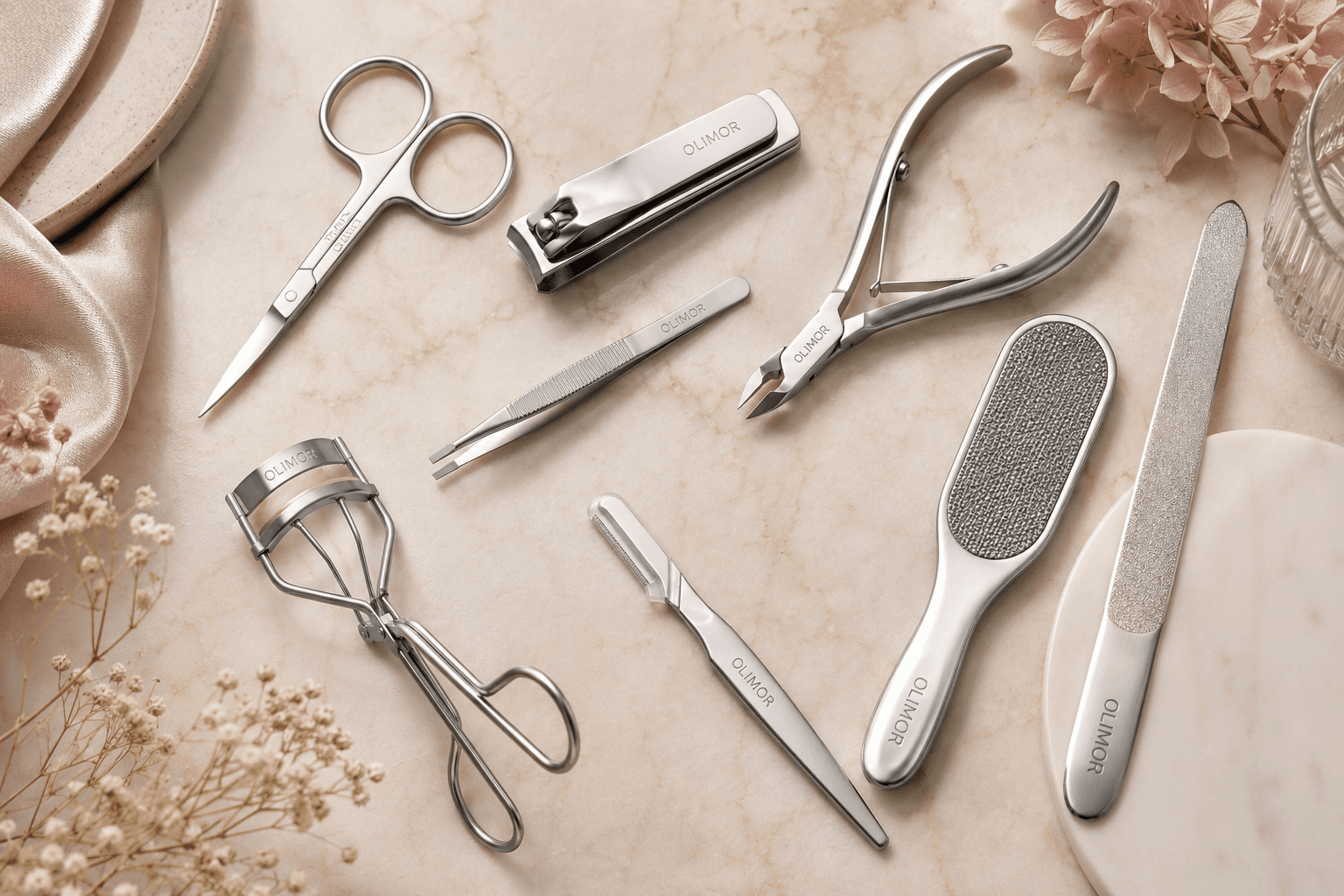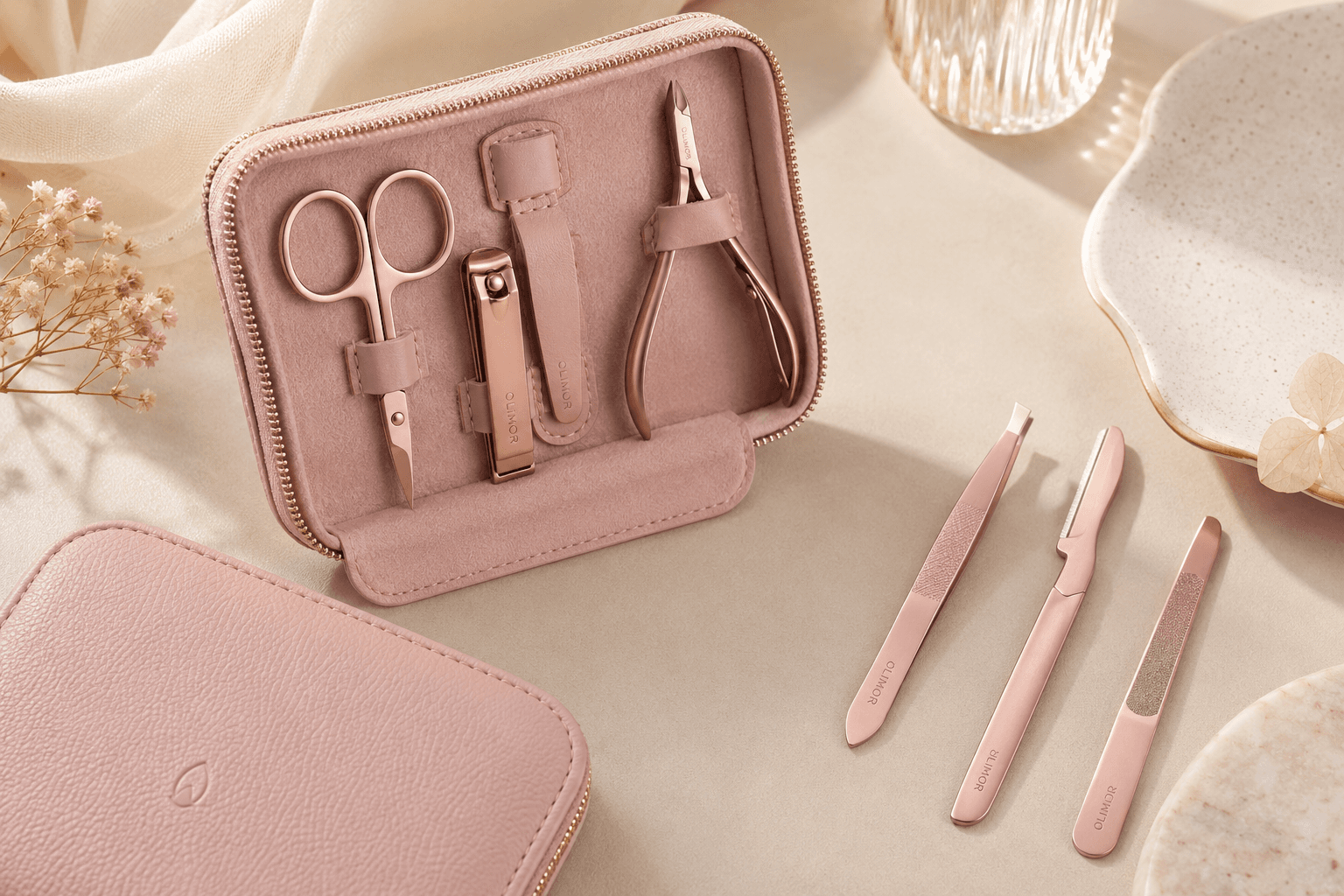
Choosing a Tweezers Exporter for Beauty, Skincare and Lens-Care Tools
For beauty brands, wholesalers and retailers, tweezers are not a simple add-on item. They are handled close to the eyes and skin, packed into daily-use kits, and judged quickly by end users for grip, comfort, hygiene and appearance. A dependable tweezers exporter should therefore offer more than a catalogue image. The right partner helps buyers evaluate materials, product purpose, finishing, packaging readiness and OEM/ODM possibilities before an order moves forward.
Olimor Beauty works with beauty tools that include precision tweezers, contact lens handling tools and skincare applicators. The goal for buyers is to source tools that feel safe, practical and visually consistent with their product line. Whether you are developing a retail display, a private label accessory range or a wholesale beauty tool assortment, this guide explains what to look for when comparing a tweezers manufacturer and exporter.
Start with the Use Case, Not Just the Shape
Tweezers and tweezer-style beauty tools serve different customer needs. A slanted brow tweezer, a pointed precision tweezer, a contact lens tweezer and a skincare applicator may all be small hand tools, but they are not interchangeable. Before requesting samples or discussing OEM/ODM customization, define exactly how the end user will handle the item.
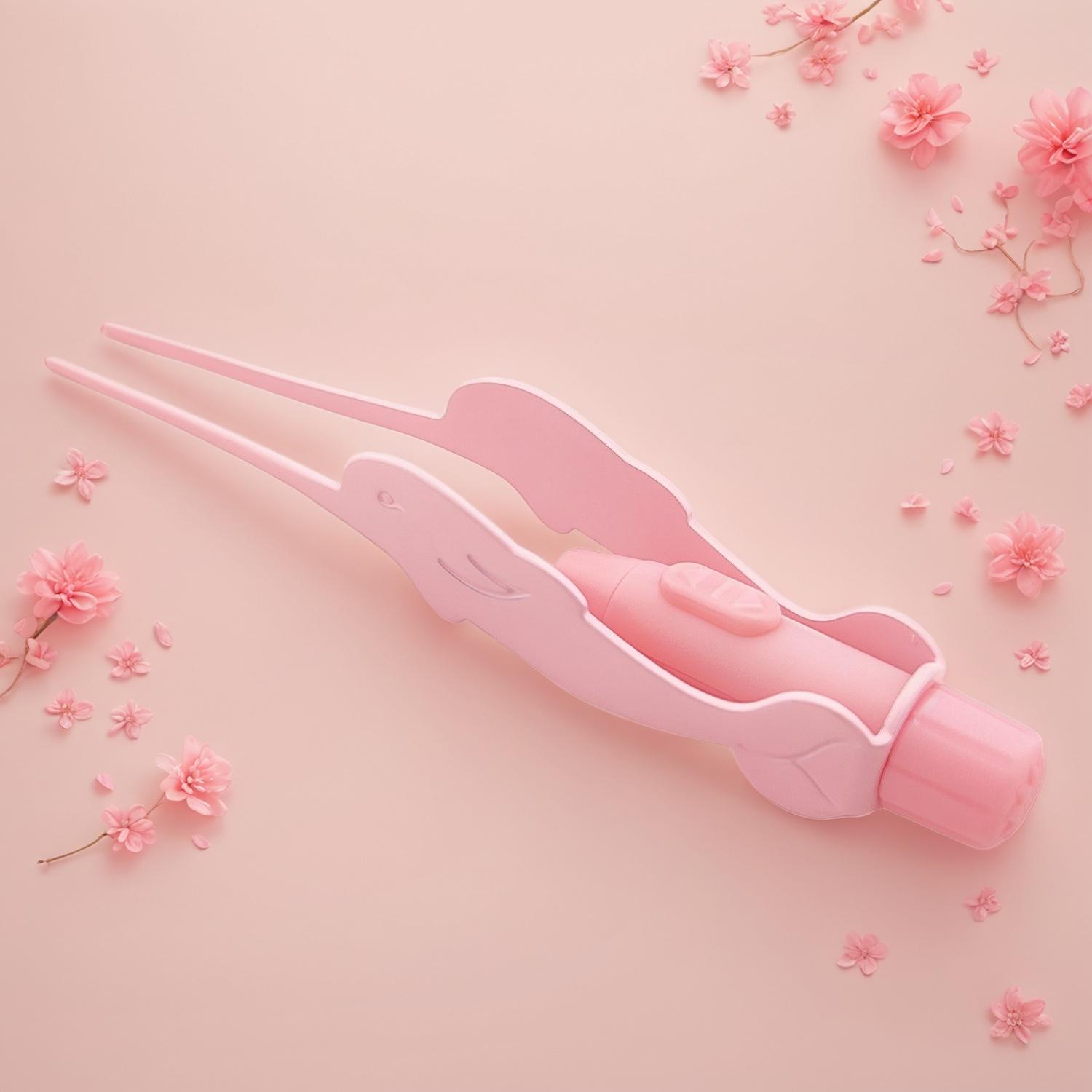
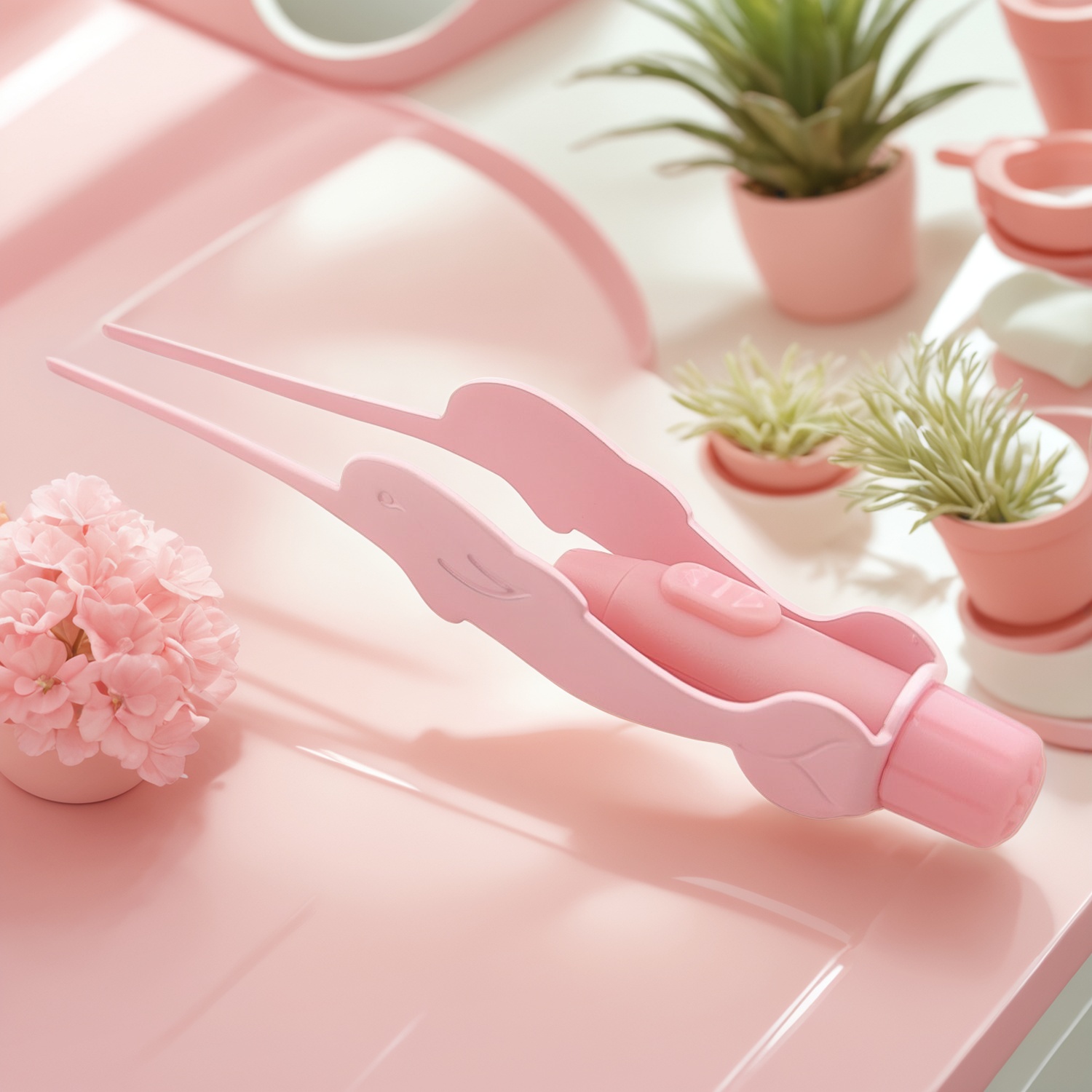
For example, the Pink Dolphin Contact Lens Tweezers referenced in Olimor Beauty’s range are designed for contact lens wearers. Their dolphin silhouette and pastel pink finish give the tool a gentle, recognizable appearance, but the functional purpose is hygienic and user-friendly lens handling. For this type of product, the buyer should focus on soft contact points, easy control and storage compatibility rather than eyebrow-plucking sharpness.
By contrast, a dual-ended facial applicator is used during skincare application. Olimor Beauty’s Dual-Headed Silicone Facial Applicator includes a brush end for serums and a spatula for masks. Its value comes from helping users apply product without dipping fingers repeatedly into jars or spreading masks unevenly. When sourcing this kind of tool, flexibility, surface feel and cleaning convenience are more important than tip alignment.
Material and Finish Checks for Export-Ready Tweezers
Material decisions affect performance, perceived quality and user confidence. The supplied product information highlights stainless steel and silicone materials, which are common choices for beauty and lens-care tools because they can support durability, controlled handling and a smoother user experience. However, buyers should still evaluate material claims carefully and relate them to the exact tool function.
For metal tweezers, examine the finish, edge consistency and resistance to visible burrs. A tweezer that looks polished in a photo may still feel rough at the grip area or misaligned at the tip. For silicone contact points or applicator surfaces, buyers should look at softness, rebound, smoothness and whether the surface is easy to rinse after use. For contact lens tools, scratch-free handling is a key concern because the tool may come close to delicate lens surfaces.
A practical sample review should include:
- Tip alignment: Check whether the two sides meet evenly without twisting.
- Grip control: Confirm that users can hold the tool securely when hands are dry or slightly damp.
- Surface finish: Look for rough seams, sharp edges, visible residue or uneven coating.
- Material feel: Compare stiffness, softness and comfort against the intended use.
- Cleaning practicality: Consider whether the shape traps cosmetic product, dust or moisture.
- Packaging fit: Make sure the tool does not move excessively inside its retail or kit packaging.
What a Tweezers Manufacturer Should Control During Production
A reliable tweezers manufacturer should pay attention to repeatability. One good pre-production sample is not enough if the shipped goods vary noticeably in grip pressure, tip closure, colour tone or surface finish. For buyers building a retail or wholesale program, consistency across batches helps reduce complaints and protects brand presentation.
Important production controls include raw material selection, shaping, polishing or surface treatment, assembly where applicable, and final inspection. The original product information notes that Olimor Beauty emphasizes quality checks from ergonomic design to final packaging. For buyers, this means sample approval should not stop at appearance. The tool should be tested as a user would actually hold and use it.
With contact lens tweezers, handling comfort is especially important. A dolphin silhouette may make the tool approachable and distinctive, but the curve and grip areas still need to support controlled movement. With a dual-headed silicone facial applicator, the brush end and spatula end should each suit their application task: serum distribution on one side and mask spreading on the other. If either end feels awkward, the product may not earn repeat use.
OEM/ODM Tweezers: Useful Customization Without Losing Function
OEM/ODM tweezers can help a beauty brand create a more coherent product line, but customization should not weaken usability. Colour, handle shape, packaging concept and surface decoration can support brand recognition. Yet the core function must remain clear: a tweezer needs precise control, a lens tool needs gentle handling, and a skincare applicator needs a hygienic, easy-to-clean surface.
When discussing custom development, separate brand decisions from performance decisions. Pastel pink, for example, may suit a soft beauty or lens-care collection, as seen with the Pink Dolphin Contact Lens Tweezers and the Dual-Headed Silicone Facial Applicator. But colour approval should be reviewed together with surface quality, material feel and packaging compatibility.
For buyers comparing OEM/ODM options, the following checklist can help organize decisions before moving into sampling:
- Define the exact end user and use scenario, such as brow grooming, lens handling or mask application.
- Choose the core material approach based on contact area, flexibility, grip and cleaning needs.
- Confirm the preferred shape, colour direction and any retail packaging requirements.
- Review samples for hand feel, finish, tip or applicator performance, and visual consistency.
- Prepare artwork, labeling and carton information only after the physical tool direction is stable.
- Set inspection points for appearance, function and packaging before shipment.
Buyers exploring additional categories can review beauty tool products or compare broader product collections to see how tweezers, applicators and related accessories may fit into one sourcing plan.
How to Evaluate Samples Like a Retail Buyer
Sample evaluation should mirror real customer handling. Do not only inspect a tool on a desk under bright light. Open the packaging, hold it as the customer would, use it with the relevant product or object, clean it, and then inspect it again. This process reveals whether the tool is pleasant for repeated use or merely acceptable in a catalogue photo.
For contact lens tweezers, evaluate how naturally the hand finds the grip area and whether the tips allow careful handling. For a silicone facial applicator, test serum spreading and mask scooping separately because each side has a different job. For conventional precision tweezers, review closure pressure, tip contact and whether the tool removes fine items cleanly without excessive squeezing.
A simple scoring table can make internal comparison easier when several exporters or sample versions are being reviewed:
| Review Point | What to Check | Why It Matters |
|---|---|---|
| Function | Tip closure, grip, applicator performance or lens handling | Determines whether the product solves the intended problem |
| Comfort | Hand position, pressure required and surface feel | Affects repeat use and customer satisfaction |
| Finish | Edges, seams, colour consistency and visible defects | Influences perceived retail quality |
| Hygiene | Ease of cleaning and areas where residue may collect | Important for skincare and lens-care accessories |
| Packaging | Fit, protection and presentation | Reduces transit damage and supports shelf appeal |
Packaging and Export Considerations for Beauty Tool Buyers
Export-ready tweezers need packaging that protects both the item and the brand impression. Small tools can scratch, bend, shift inside cartons or arrive looking less premium if packaging is not matched to the product shape. This is especially relevant for shaped tools such as dolphin-style contact lens tweezers, where the silhouette is part of the visual appeal.
Retail buyers should consider whether the product will be sold individually, included in a set, supplied to salons or added to a contact lens accessory kit. Each channel may require different packaging priorities. A retail package may focus on visibility and clear instructions, while a kit component may need compact protection and consistent placement. For skincare applicators, packaging should also keep the product clean before first use and show the dual-ended function clearly.
Before confirming packaging, review the tool and package together. Check whether the item is easy to remove, whether any protective cover stays in place, and whether the product name and use instructions are understandable. Good packaging should not compensate for weak product quality, but it can prevent a good tool from being damaged or misunderstood.
Working with Olimor Beauty on Tweezers and Related Tools
Choosing a tweezers exporter is ultimately about reducing sourcing risk. Buyers need clear product purpose, consistent manufacturing attention, reasonable customization paths and practical communication from sample review through shipment preparation. Olimor Beauty’s focus on tweezers, contact lens handling tools and silicone facial applicators gives buyers a starting point for building functional beauty accessory programs.
If you are comparing precision tweezers, OEM/ODM tweezers, contact lens tweezers or skincare applicators, prepare a short brief that includes your target customer, preferred tool type, packaging format and quality priorities. This helps the discussion move quickly from general options to suitable samples and realistic development choices.
To discuss a sourcing project, you can contact Olimor with your product direction or send an inquiry for tweezers and related beauty tools. A clear selection process helps ensure the final item is not only attractive in appearance, but also comfortable, hygienic and appropriate for the way your customers will use it.
Tag: