Choosing a China Tweezers Exporter for Precision Beauty Tools
For beauty-tool distributors, salon supply buyers, private-label brands, and professional grooming businesses, choosing the right China tweezers exporter is not only about finding a low unit cost. Tweezers are small tools, but customers judge them quickly: the tips must meet cleanly, the grip must feel controlled, the finish should resist daily handling, and the product must arrive consistently from order to order. A weak pair of tweezers can damage a grooming experience, create returns, and make a brand look careless.
Olimor Beauty supplies beauty tools for buyers who need practical product selection and export-ready support. This guide focuses on what to look for when sourcing stainless steel tweezers, how to evaluate design details, and which questions matter before placing a production or private-label order.
What Buyers Should Expect from a Professional Tweezers Exporter
A reliable tweezers exporter should understand both product performance and the practical needs of international purchasing. For beauty applications, tweezers are often used for eyebrow shaping, facial hair removal, lash work, grooming kits, retail beauty sets, and professional salon supplies. The exporter should therefore support consistent manufacturing, clear communication, suitable packaging options, and repeatable quality control.
When comparing suppliers, avoid judging only by photos. A tweezer may look attractive online but fail in use if the tips are uneven, the arm tension is too stiff, or the surface finish feels rough. Export buyers should look for a supplier that can discuss the intended use of the product and match the tweezer style to that use. A pointed tweezer, for example, is not selected for the same reason as a slant-tip brow tweezer. A flat, slant, pointed, or ultra-fine tip each serves a different task.
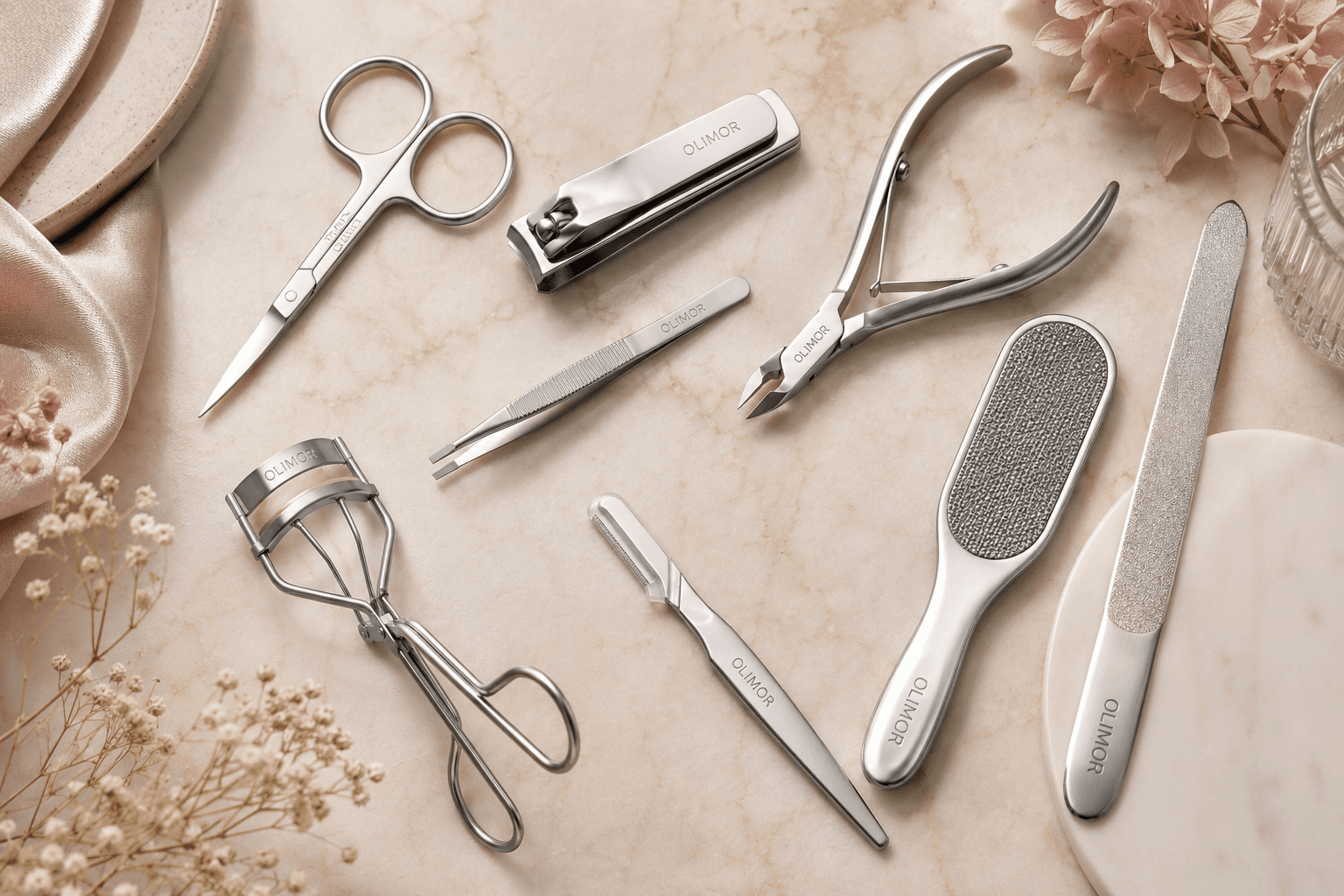
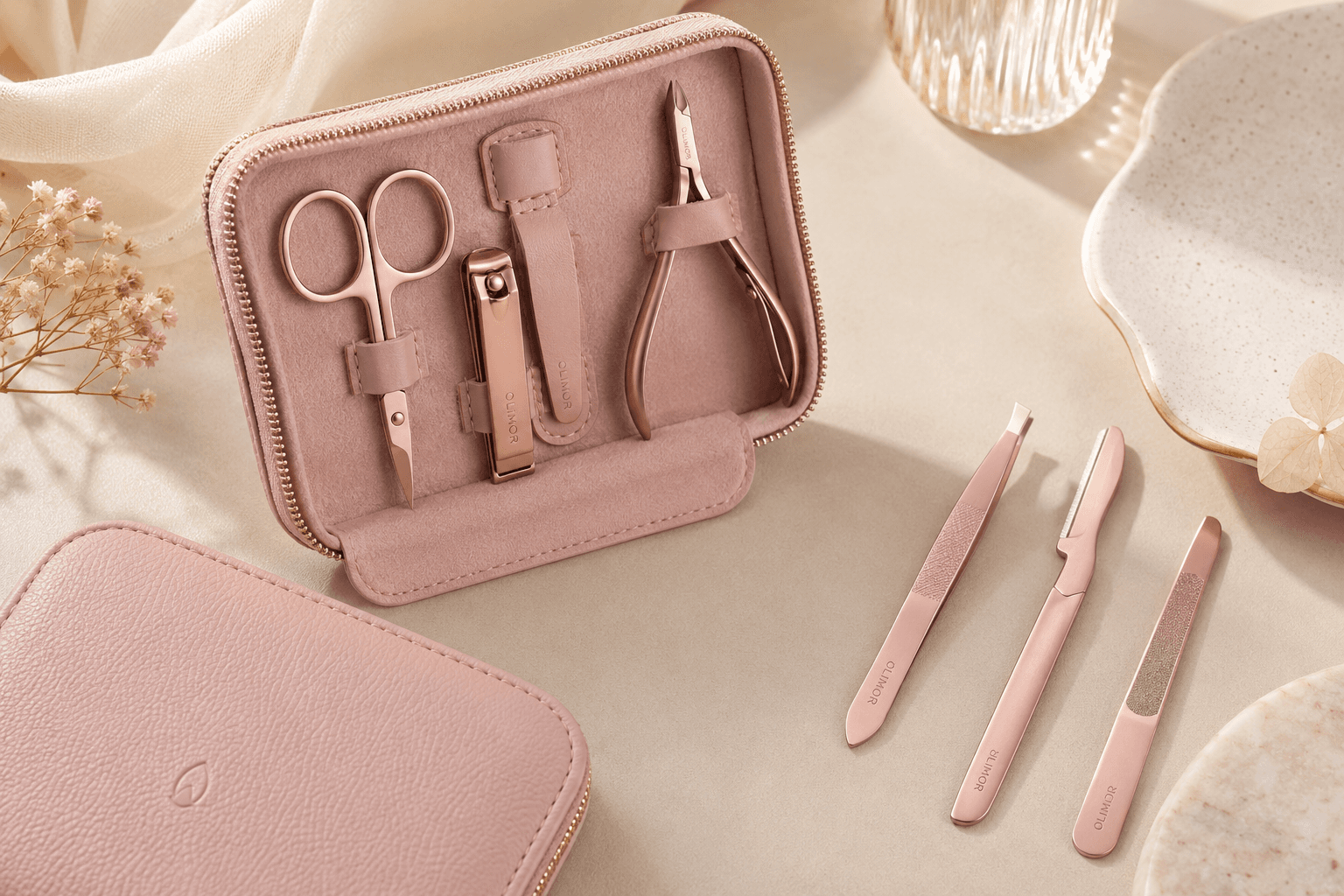
Olimor Beauty’s role as a China tweezers exporter is most relevant for buyers who need practical beauty tools, product consistency, and the ability to evaluate standard or customized options before committing to a wider order. Buyers reviewing broader sourcing options can also browse Olimor beauty tool products to compare related categories for coordinated retail or salon assortments.
Key Tweezer Features That Affect Real-World Performance
The most important parts of a tweezer are often the least visible in a product listing. Tip alignment, spring tension, balance, and finish determine whether the tool feels precise or frustrating. For professional buyers, these details should be part of the purchasing checklist rather than afterthoughts.
- Tip alignment: The two ends should meet evenly. Poor alignment makes it harder to grip fine hairs or delicate items.
- Tip shape: Slant tips are widely used for eyebrow shaping, while pointed or ultra-fine tips are preferred for more delicate placement tasks.
- Material choice: Stainless steel is commonly used for beauty tweezers because it supports durability and daily handling.
- Grip and tension: The tweezer should close smoothly without feeling too loose or too rigid.
- Surface finish: A smooth finish improves user comfort and makes the product feel more refined in retail packaging.
- Edge safety: Sharp or uneven edges outside the working tips can make a product uncomfortable to hold.
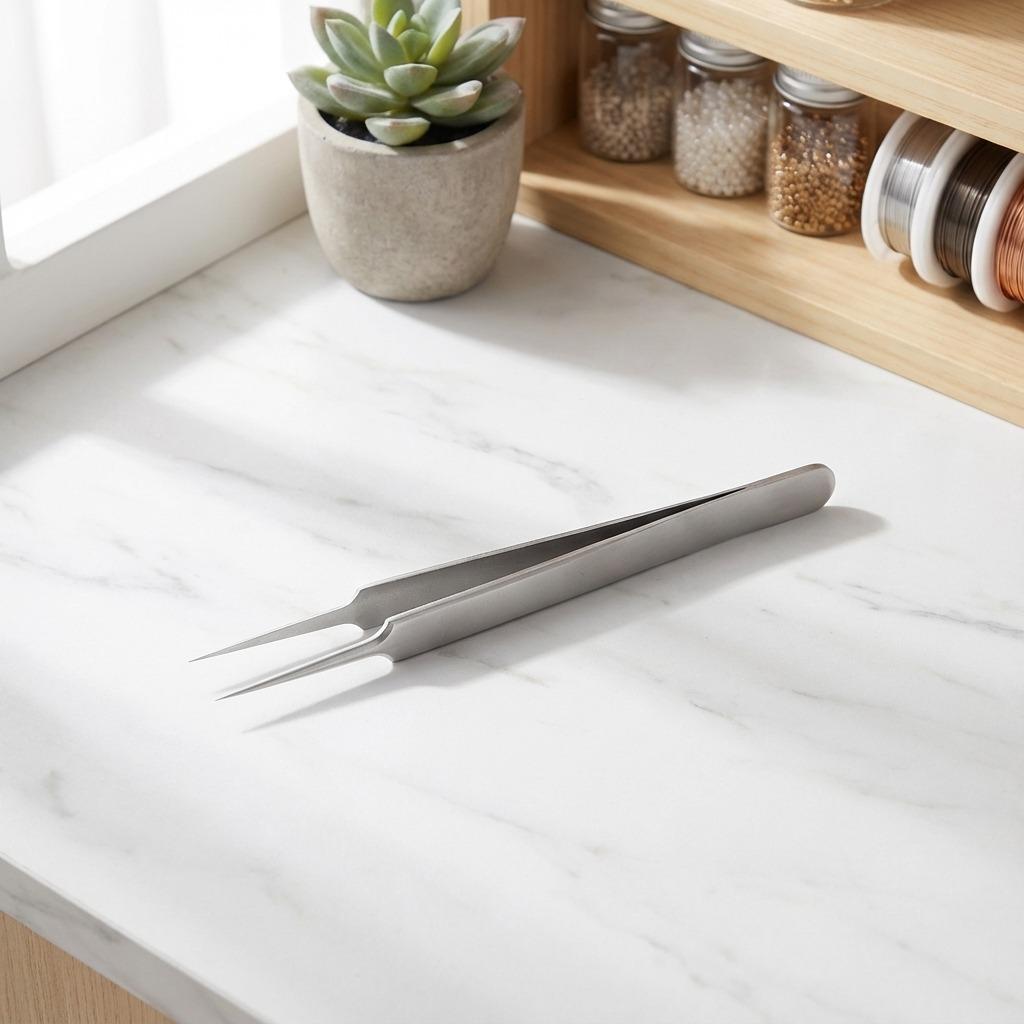
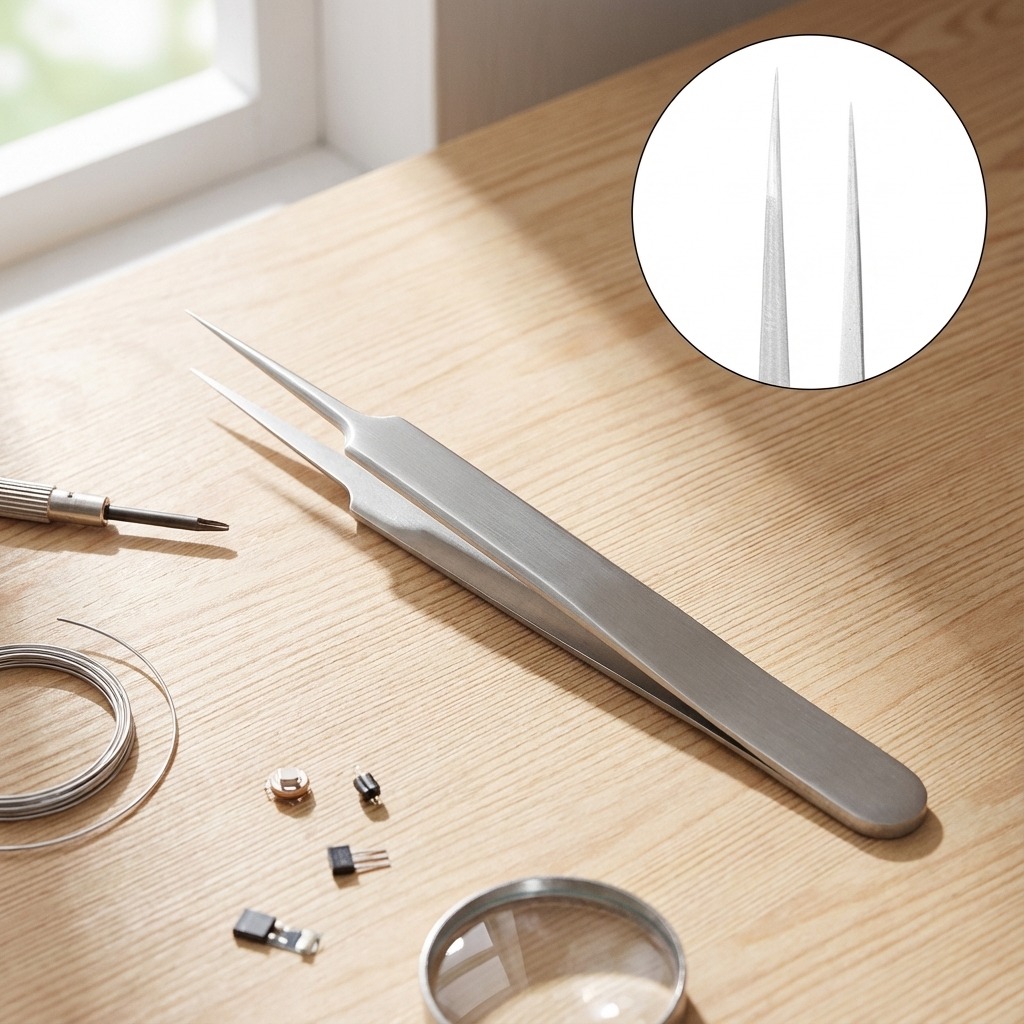
The original product focus includes ultra-fine stainless steel tweezers, which are suited to tasks where controlled placement and a fine working point matter. In beauty use, buyers often consider these for lash-related work, detail grooming, or precision handling. In non-beauty applications, similar fine-tip tools may be used for crafts, jewelry work, model building, or other delicate tasks. The key is to define the end user first, then choose the tip type and finish accordingly.
How to Match Tweezer Types to Beauty and Retail Use Cases
Not every buyer needs the same tweezer. A salon supplier may prioritize hand comfort and repeat professional use, while a retail brand may focus on packaging, visual finish, and broad consumer appeal. A promotional beauty kit may need a compact and economical tool, while a professional grooming set may require a more refined grip and stronger quality expectations.
| Use Case | Recommended Focus | Buyer Consideration |
|---|---|---|
| Eyebrow grooming | Slant or fine precision tip | Check tip closure and comfort during repeated use. |
| Lash or detail beauty work | Ultra-fine or pointed tip | Confirm the tool provides control without excessive tension. |
| Retail beauty kits | Balanced design and attractive finish | Review packaging fit, labeling space, and product consistency. |
| Salon supply distribution | Durable stainless steel construction | Evaluate repeat order consistency and carton protection. |
| Craft or hobby precision | Needle-point or ultra-fine tips | Test grip accuracy for small parts and delicate placement. |
This kind of matching helps avoid a common sourcing mistake: ordering one attractive tweezer style and using it for every market. A buyer selling to professional brow artists will evaluate performance differently from a brand placing tweezers into a beginner beauty set. Clear positioning leads to better specifications and fewer complaints.
Design Your Own Tweezers: Practical Customization Decisions
Customization can be useful, but it should be guided by product function rather than decoration alone. If you plan to design your own tweezers for a brand, the first decisions should involve tip type, handle shape, finish, and packaging format. Logo placement and color can support branding, but they cannot compensate for poor grip or uneven tips.
Before confirming a custom tweezer project, buyers should define the following:
- Primary use: Brow shaping, lash work, retail kit inclusion, salon resale, or detail craft use.
- Tip style: Slant, pointed, flat, or ultra-fine, depending on the target user.
- Handle feel: Smooth, textured, wider grip, or standard profile based on comfort expectations.
- Finish direction: Natural stainless steel look, coated finish, or other visual treatment if available for the project.
- Branding area: Confirm where a logo or label can be placed without interfering with grip.
- Packaging: Individual sleeve, retail card, box, or kit-ready packaging depending on sales channel.
Custom buyers should also consider how the tweezer will be displayed and handled. A tool sold online may need strong photography and protective packaging. A tweezer sold in a store needs packaging that communicates tip type and intended use quickly. A salon-focused product may need simpler packaging but stronger emphasis on feel, alignment, and durability.
Quality Checks to Include Before Export Orders
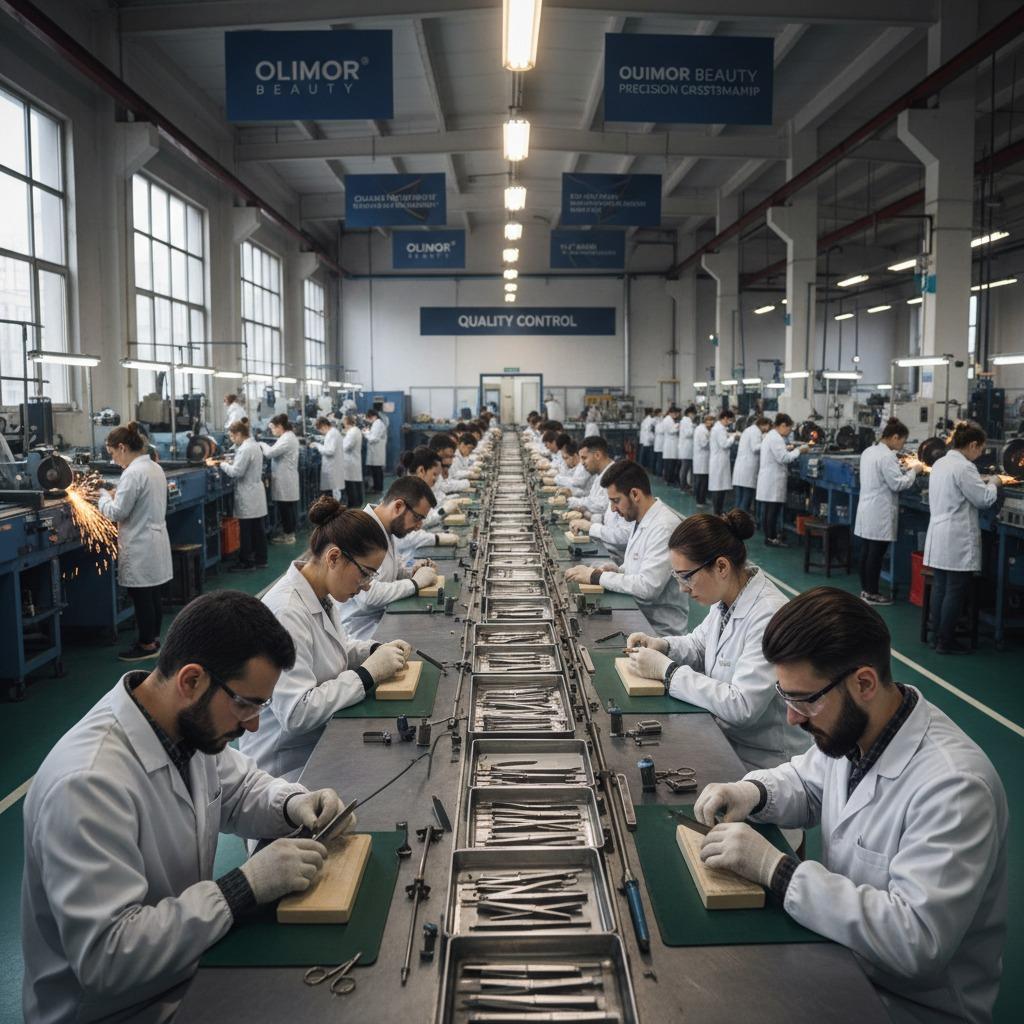
Quality control for tweezers should be practical and repeatable. Buyers do not need complicated language to evaluate a tweezer, but they do need a consistent checklist. The goal is to confirm that products in bulk match the approved sample and that the tool works for its intended use.
Useful inspection points include tip alignment, tip closure, arm tension, surface finish, edge smoothness, logo appearance, packaging accuracy, and carton condition. For stainless steel tweezers, corrosion resistance is often one reason buyers choose the material, but storage and packaging still matter. Products should be kept clean and dry, and packaging should protect the tips during transport.
If a tweezer is designed for ultra-fine work, tip protection becomes especially important. Fine points can bend if the tool is packed loosely or pressed against other items. Buyers should consider protective caps, sleeves, or internal packaging supports where appropriate. For retail products, packaging should also help prevent customers from touching or damaging the tips before purchase.
Maintenance Guidance for End Users
A good exporter can also help buyers think about the information end users need. Simple care instructions reduce misuse and help customers get better performance from the product. This is especially important for beauty tools that may be used around the face or eyes.
- Wipe tweezers clean after use and dry them before storage.
- Store fine-tip tweezers with a protective cap or sleeve when possible.
- Avoid dropping the tool, as impact can affect tip alignment.
- Do not use beauty tweezers for heavy pulling, cutting, or prying tasks.
- Keep separate tools for beauty use and craft or repair work.
For brands, these instructions can be printed on packaging inserts, product pages, or after-sales materials. Clear care guidance supports better reviews and reduces the chance that customers damage the tips through improper storage.
Why Work with Olimor Beauty for Tweezers Sourcing
Olimor Beauty focuses on beauty tools for buyers who need a practical balance of design, usability, and export support. For tweezers, that means helping buyers evaluate stainless steel construction, precision tip needs, ergonomic handling, and customization possibilities without losing sight of the final user. The right product should feel controlled in the hand, suit its beauty or detail task, and arrive in packaging appropriate for its market.
Buyers comparing tweezers with other grooming or beauty accessories can review Olimor product collections to plan a broader assortment. If you are preparing a custom tweezer project, private-label beauty kit, or distributor order, you can send an inquiry with your target use, preferred tip type, packaging direction, and branding needs. For additional sourcing discussion, you may also contact Olimor directly.
Selecting a China tweezers exporter is ultimately a decision about consistency. A well-chosen tweezer supports accurate grooming, careful detail work, and a better customer experience. By focusing on tip performance, material, comfort, packaging, and realistic customization decisions, beauty-tool buyers can source tweezers that fit their market rather than settling for a generic tool that only looks acceptable in a catalog.
Tag: