Buy Tweezers in Bulk: How to Choose the Right Supplier for Beauty Businesses
Buying tweezers in bulk is not only a pricing decision. For salons, brow studios, beauty retailers, distributors and promotional buyers, the supplier you choose affects product consistency, customer complaints, reorder planning and how professionally your assortment is perceived. A tweezer is a small tool, but the details matter: tip alignment, grip comfort, finish durability, packaging condition and batch-to-batch reliability all influence the user experience.
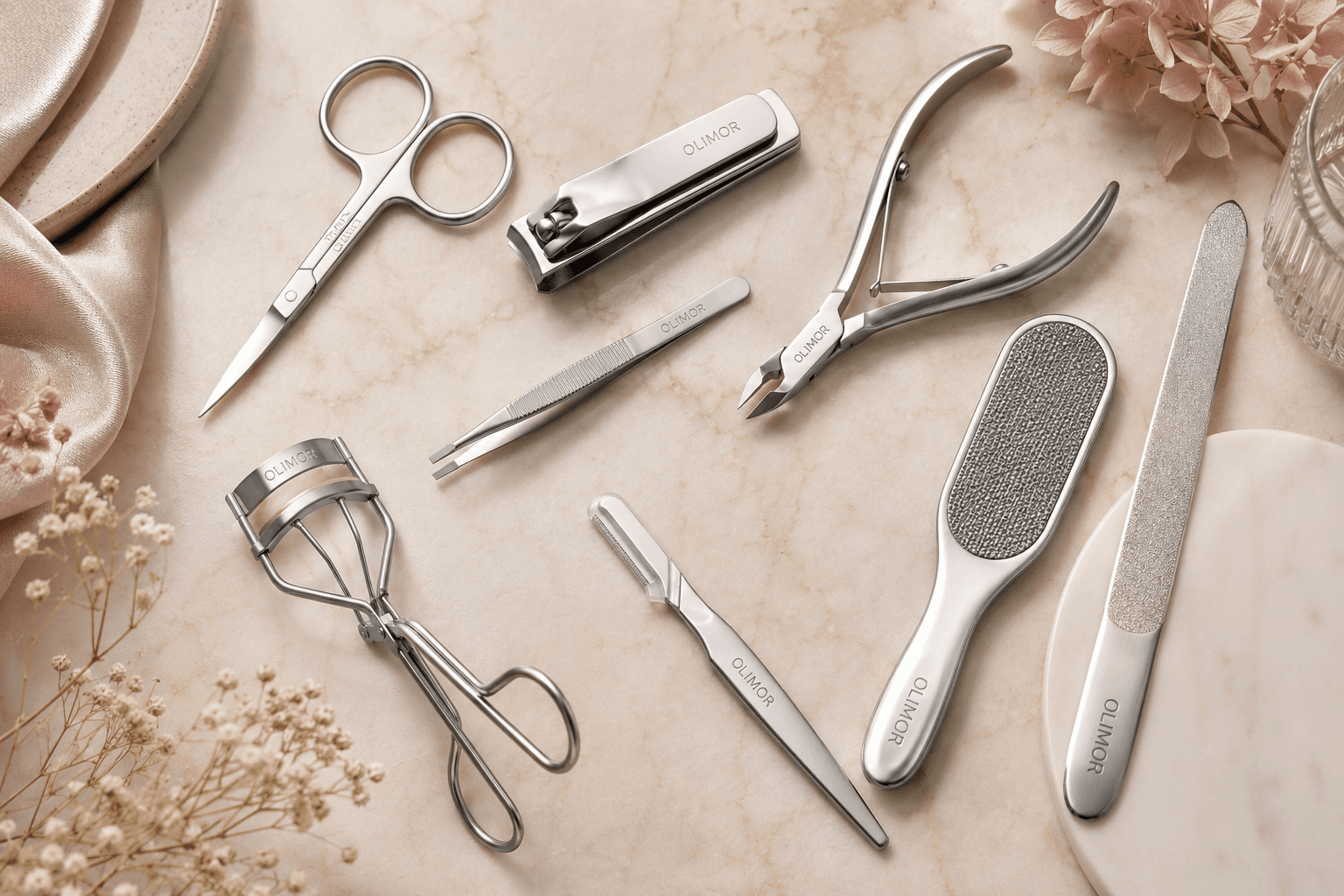
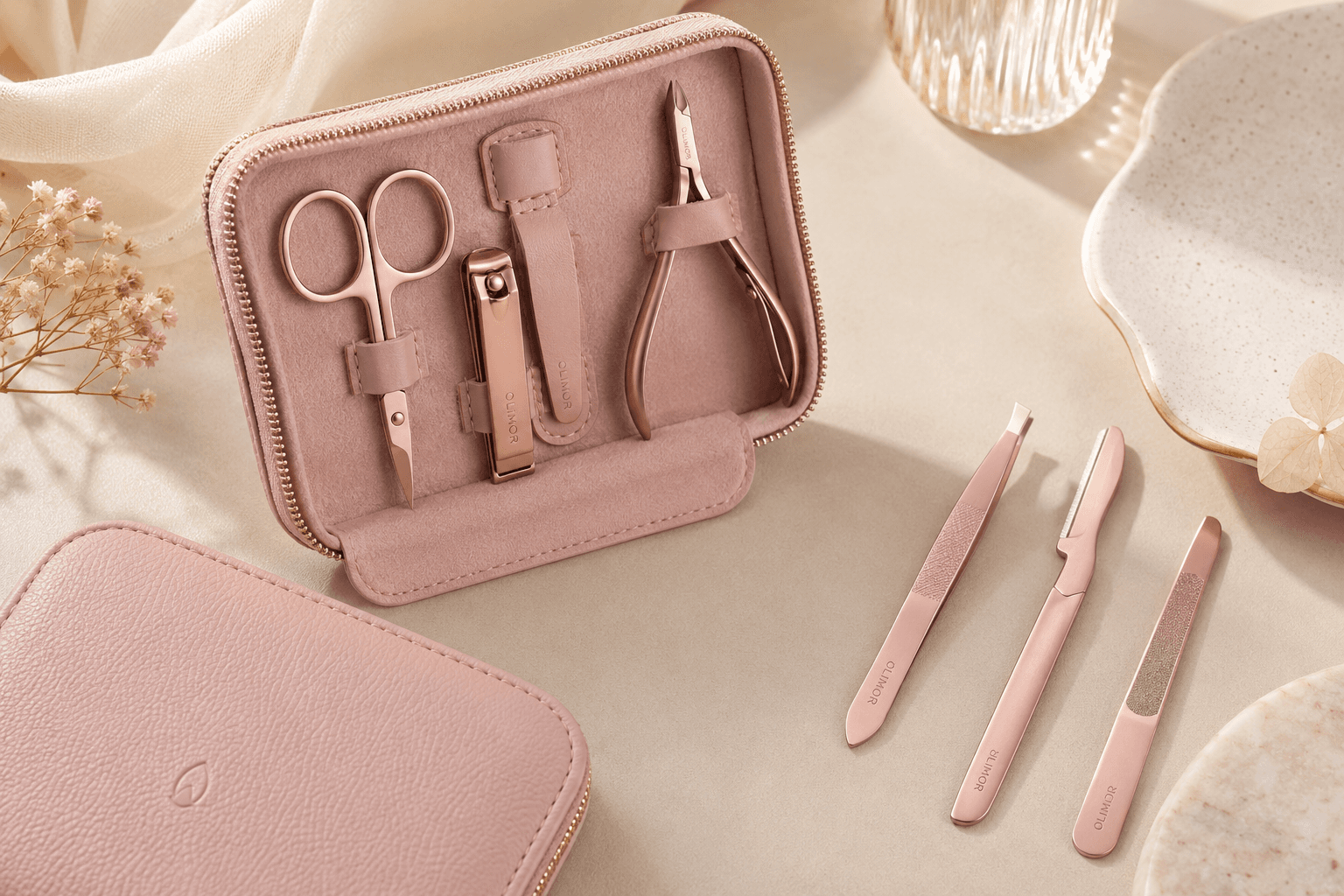
If you are deciding where to buy tweezers for business use, the main options are retail channels, online marketplaces, wholesale distributors and direct factory partners. Each can be useful in the right situation. The goal is to match the source to your order size, quality expectations, delivery timeline and branding requirements. Olimor Beauty works with beauty tools and related sourcing needs, and buyers can explore broader beauty tool products when planning a coordinated product range.
Why Bulk Tweezers Need a Different Buying Process
Purchasing a few tweezers for personal use is straightforward: you compare reviews, choose a shape and check out. Bulk purchasing requires a more structured evaluation because small inconsistencies become expensive when multiplied across hundreds or thousands of pieces. A slightly misaligned tip may be tolerable in a single item, but it can create returns, negative reviews or salon staff dissatisfaction when repeated across a shipment.
Bulk buyers should look beyond the headline unit cost. A low price may not be a saving if the tools arrive with uneven tips, weak tension, rough edges or packaging that is unsuitable for resale. Likewise, the cheapest shipping option may not be practical if carton damage, labeling issues or unclear documentation delay your launch. Good sourcing starts with defining the end use: professional salon service, retail resale, gift sets, travel kits, brow bars, training schools or promotional programs.
Retail, Wholesale and Factory Sources Compared
Retail stores and general marketplaces can help when you need a small quantity quickly or want to inspect different tweezer styles before building a bulk order. However, retail buying usually means higher per-unit cost, limited repeat availability and less control over packaging or brand presentation. It is rarely the best long-term route for a business that needs consistent supply.
A tweezers wholesaler can be useful for buyers who need ready-to-ship inventory, mixed styles or smaller commercial quantities. Wholesalers often focus on distribution and convenience, which may reduce sourcing complexity. The trade-off is that customization may be limited, and product origin, inspection details or future batch consistency may not always be transparent.
A factory or manufacturing-focused supplier is usually more suitable when you need more control over specifications, packaging decisions and long-term repeat orders. Direct factory sourcing can also support better communication about production details, although lead times and order planning may require more discipline. For buyers comparing options, send an inquiry with your intended use, quantity range, packaging needs and target delivery market so the sourcing conversation starts with practical information.
Key Quality Checks Before You Buy Tweezers in Bulk
Tweezers are judged by how precisely they pick up fine hairs, how comfortable they feel in the hand and how well they hold performance over time. Before placing a bulk order, evaluate samples as a user would. Do not rely only on product photos or broad claims such as “professional quality.” A sample review should include both visual inspection and hands-on testing.
- Tip alignment: The two tips should meet cleanly without gaps, twisting or uneven overlap.
- Grip tension: The tweezer should close smoothly without requiring excessive force or feeling loose.
- Edge finish: Check for sharp burrs, rough seams or uncomfortable contact points near the fingers.
- Hair pickup: Test on fine and thicker hairs if the tool is intended for brow or facial grooming.
- Surface finish: Look for discoloration, visible scratches, coating inconsistency or marks that affect resale presentation.
- Packaging fit: The tool should sit securely in its sleeve, card, pouch or box without bending the tips.
- Batch consistency: If possible, inspect multiple samples rather than one perfect demonstration piece.
Some tweezers described in the existing market are made from stainless steel and may include ergonomic grips, slanted tips or compact handling features. When those attributes matter to your customers, confirm them through samples and written specifications rather than assuming all tweezers in the same category perform alike.
Choosing the Right Tweezer Style for Your Customers
Different users prefer different tweezer shapes, and the best bulk order often depends on the audience. A brow studio may prioritize slanted tips because they are familiar for shaping and general hair removal. Retail stores may want a balanced assortment for shoppers who compare point, slant and flat styles. Training schools may prefer durable, easy-to-handle tools that can withstand frequent student use.
When planning a bulk purchase, create a simple buyer profile. Are your customers professionals who use tweezers repeatedly throughout the day, or retail consumers who need occasional grooming? Is the tool sold alone, included in a set or packaged with other beauty accessories? Will it be displayed on a retail peg, shipped in ecommerce parcels or used in a treatment room? These answers influence the ideal finish, packaging strength and price positioning.
If you are building a wider assortment, review product collections to think about how tweezers may sit alongside other beauty tools. Coordinated sourcing can reduce mismatched packaging, inconsistent quality levels and fragmented reorder schedules.
What to Ask a Tweezers Wholesaler or Factory
A serious supplier conversation should clarify more than price. You need to know whether the supplier can support your intended sales channel and quality level. Instead of asking only for the lowest quotation, prepare a structured request that includes product type, expected order volume, packaging preference, destination market and inspection expectations.
| Buyer Question | Why It Matters |
|---|---|
| What tweezer styles are available for bulk orders? | Confirms whether the supplier can match your customer use case. |
| Can samples be reviewed before bulk production or shipment? | Allows you to check tip alignment, finish and packaging quality. |
| What packaging options are practical for resale or salon use? | Prevents damage and supports the way the product will be sold. |
| How is quality checked before dispatch? | Helps you understand inspection steps without relying on vague claims. |
| Can repeat orders maintain the same appearance and specification? | Important for retailers, distributors and private-label programs. |
| What information is needed for a quotation? | Saves time and reduces inaccurate pricing or unsuitable recommendations. |
Clear questions help both sides. They also make it easier to compare a wholesaler against a factory because each supplier is responding to the same requirements.
Packaging and Branding Considerations
Packaging is often underestimated in bulk tweezer sourcing. For retail resale, packaging must protect the tips, present the product neatly and fit the display method. For salon use, packaging may be simpler, but the tool still needs to arrive clean, organized and easy to store. For ecommerce, packaging should reduce movement in transit so the tweezer tips are not bent or damaged before the customer receives the order.
If branding is part of your plan, clarify what is possible before committing to artwork or launch dates. Consider logo placement, packaging dimensions, barcode needs, instruction text and any market-specific labeling requirements. Avoid approving packaging based only on a digital mockup; a physical packaging sample or production-style reference is often more reliable for judging scale, readability and durability.
How to Compare Total Value, Not Just Unit Price
Bulk sourcing decisions become easier when you compare total value. A supplier with a slightly higher unit price may still be the stronger option if inspection is more reliable, packaging is better suited to your channel or communication reduces errors. On the other hand, a fast wholesale source may be appropriate for a short-term replenishment even if a factory relationship is better for long-term planning.
Use these criteria when comparing quotations:
- Product suitability: Does the tweezer style match your users and sales channel?
- Sample performance: Do multiple pieces show consistent tip alignment and grip tension?
- Packaging readiness: Is the packaging suitable for resale, storage or ecommerce delivery?
- Reorder reliability: Can the supplier support repeat purchasing without major changes?
- Communication quality: Are specifications, timelines and responsibilities documented clearly?
- Overall risk: Does the lower price create quality, timing or presentation concerns?
These checks are especially important when you are buying for customers rather than internal use. A professional buyer is responsible not only for acquiring stock, but also for reducing preventable problems after delivery.
When Olimor Beauty Is a Good Fit
Olimor Beauty is a practical option for businesses looking at bulk beauty tools and supplier communication rather than one-off retail purchases. If your priority is consistent sourcing, clear product discussion and a buying process shaped around commercial use, it is worth preparing your requirements and starting a direct conversation. Buyers can contact Olimor to discuss suitable beauty tool options, packaging direction and sourcing questions.
Before you buy tweezers in bulk, define the tweezer style, customer use case, expected presentation, quantity range and quality priorities. The more specific your request, the easier it is to identify the right supplier path: retail testing, wholesale replenishment or direct factory sourcing. With a structured process, bulk tweezers can become a reliable product line instead of a price-driven gamble.
Tag: