Buy Tweezers in Bulk: Wholesalers vs. Factories
When you buy tweezers in bulk, the decision is not only about finding a low unit cost. Tweezers are small tools, but customers judge them quickly: the tips either meet cleanly or they do not, the grip either feels controlled or it slips, and the finish either looks retail-ready or it creates doubt about the brand. For beauty retailers, salon suppliers, distributors, e-commerce sellers and private label brands, sourcing quality can affect repeat purchases, reviews and customer trust.
The two most common sourcing routes are buying from a tweezers wholesaler or working directly with a specialized factory. Both can be useful, but they solve different business problems. A wholesaler may help when you need faster assortment building or smaller mixed orders. A factory relationship is usually stronger when consistency, product control and long-term brand alignment matter. Understanding these differences helps you choose the right path before committing to a bulk order.

What Bulk Tweezer Buyers Should Evaluate First
Before comparing suppliers, define what the tweezers must do for your market. A discount retail pack, a salon-focused brow tool and a premium private label beauty accessory do not require the same sourcing strategy. Start with the customer’s use case: eyebrow shaping, lash application, splinter removal, precision grooming or general beauty retail. Then decide what level of tip alignment, hand feel, packaging and inspection is appropriate for that market.
A bulk order should be evaluated on more than catalog photos. Buyers should look at the physical sample, compare multiple pieces from the same sample set and check whether the supplier can repeat the same quality in production. Tweezer performance depends on small details: the way the two arms flex, the tension when pressed, the sharpness and symmetry of the tips, and the surface finish. These details are difficult to judge from a product listing alone.
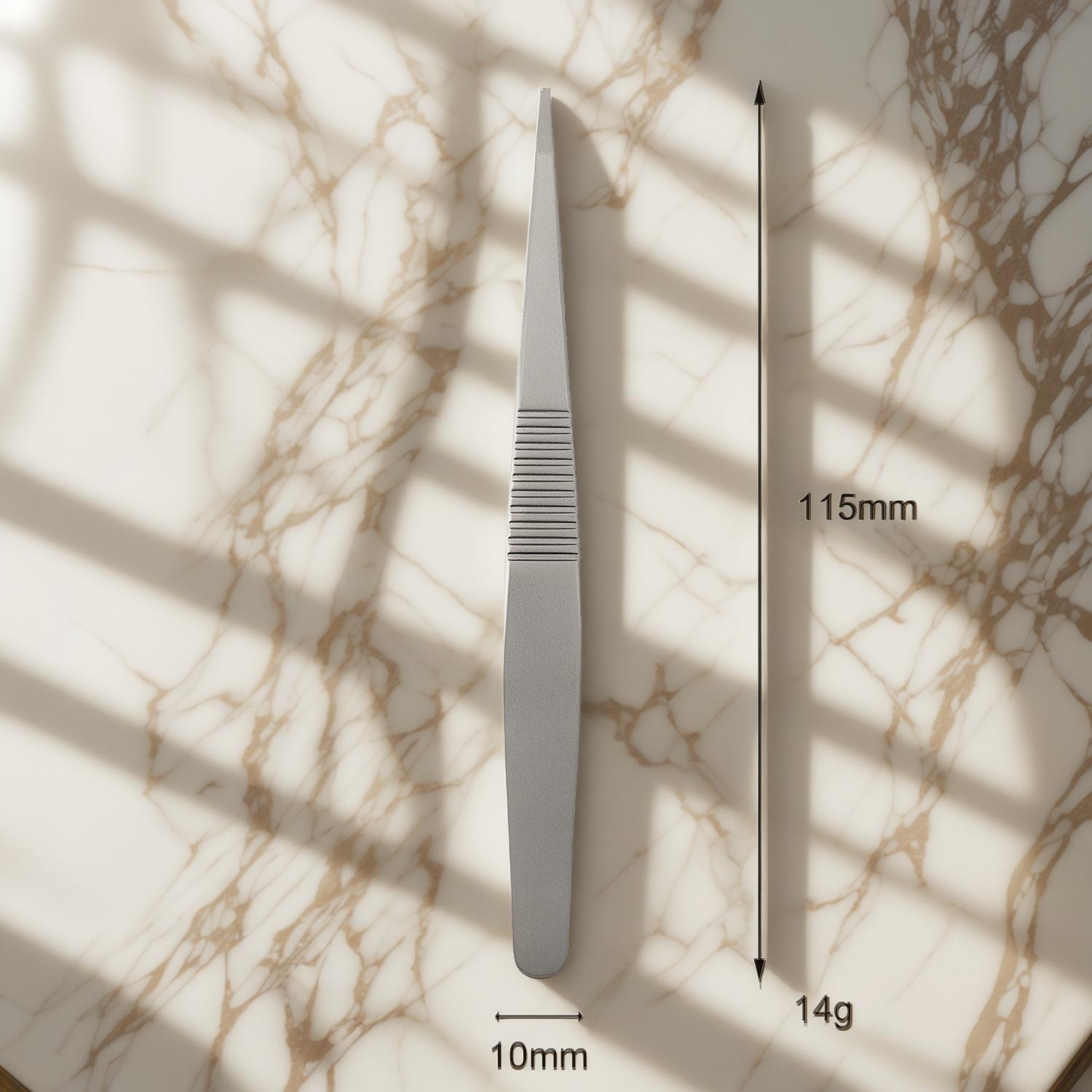
- Tip type: Slant tips are common for eyebrow grooming, while narrow tips are useful for more precise work.
- Material and finish: Stainless steel is widely used because it is durable and suitable for beauty tools, but buyers should still review finish quality and corrosion resistance expectations.
- Tip alignment: The two tips should meet evenly without gaps, twisting or rough edges.
- Grip and tension: The tweezer should close with controlled pressure, not feel too stiff or too soft.
- Packaging fit: Retail, salon and online orders may need different packaging protection and presentation.
- Repeatability: Samples should represent what the full order can realistically deliver.
Buying from a Tweezers Wholesaler: When It Works
A tweezers wholesaler can be attractive for businesses that want a broad catalog without managing product development. Wholesalers often carry many beauty accessories from different sources, which can make them convenient for buyers testing categories, filling seasonal promotions or expanding a product range quickly. If your main priority is assortment speed, a wholesaler may be a practical starting point.
The wholesaler route may also reduce the number of supplier relationships you need to manage. A retailer purchasing several categories of beauty tools might prefer one ordering channel rather than communicating with separate factories for each item. This can save time, especially for small teams or early-stage businesses.
However, the trade-off is control. A wholesaler is typically a middleman rather than the creator of the product. That means the buyer may have limited visibility into where the tweezers are made, how production is inspected, whether materials remain consistent, and whether the next batch will match the last one. For a generic resale product, that may be acceptable. For a branded beauty tool, inconsistency can become expensive.
Risks to Watch When Using Wholesale Channels
Wholesale sourcing is not automatically low quality, but it requires careful verification. The main risk is batch variation. A first shipment may perform well, while a later shipment may come from another production run or source with slightly different tension, finish or tip precision. Since tweezer quality is judged by feel and performance, small differences can affect customer satisfaction.
Another issue is limited customization. If you need a specific tip feel, branded packaging, selected finish, or consistent retail presentation, a wholesaler may not be able to adjust production details. Even when customization is offered, the wholesaler may need to pass the request back to a factory, adding communication layers and increasing the chance of misunderstanding.
Buyers should also consider accountability. When a quality issue appears, a wholesaler may replace stock or negotiate a solution, but they may not have direct control over the root cause. If the problem comes from tooling, polishing, tip calibration or inspection standards, it is harder to correct without direct factory involvement.
Working with a Specialized Tweezers Factory
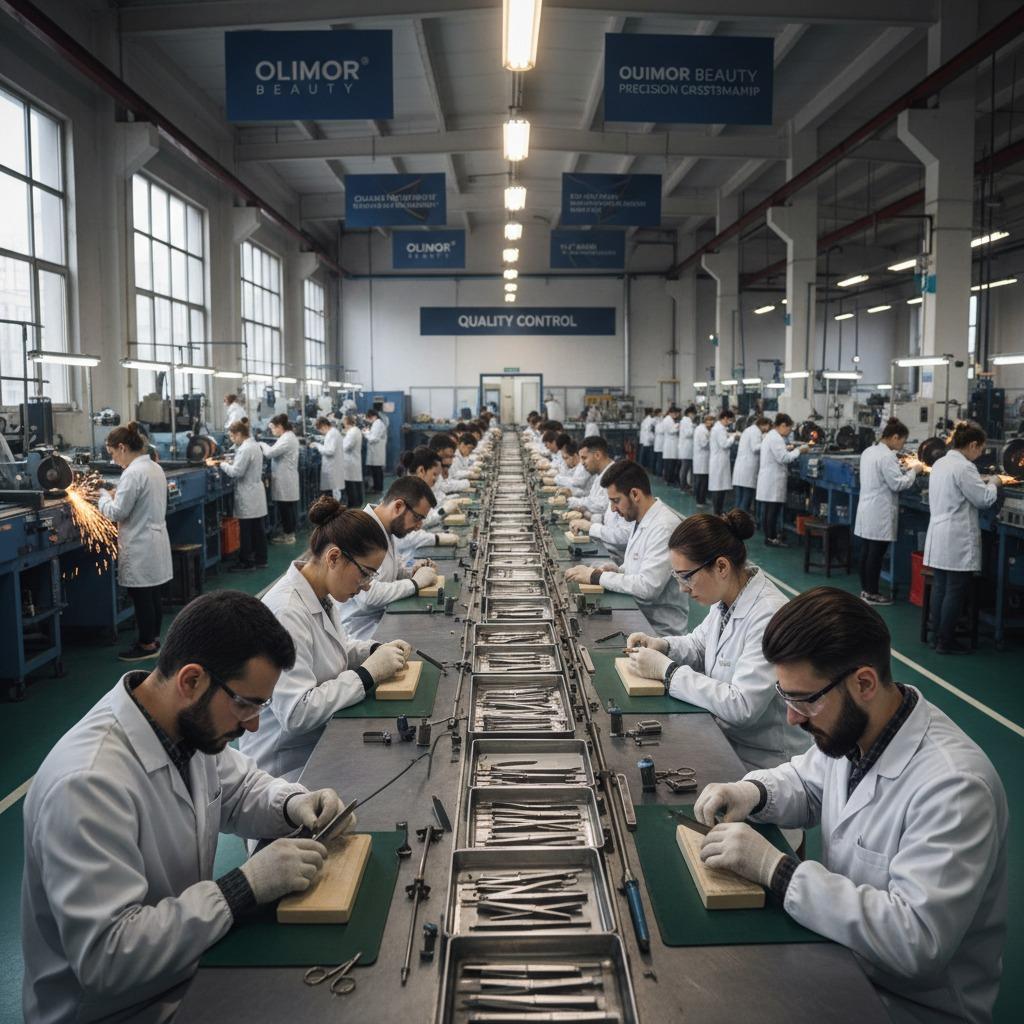
Partnering directly with a top tweezers factory such as Olimor Beauty is usually the better fit for buyers who care about repeatable quality and brand standards. A factory relationship gives you a clearer path to discuss materials, tip styles, ergonomics, finishing, packaging direction and inspection expectations. Because the manufacturer controls production, there is more opportunity to prevent problems rather than only react to them after delivery.
For bulk buyers, this matters because tweezers are precision beauty tools. Olimor Beauty’s focus on stainless steel tweezers, including slant-tip and narrow-tip models, is relevant for brands that need tools with consistent feel and controlled tip contact. Direct communication also makes it easier to compare sample versions, adjust product requirements and confirm what should be checked before shipment.
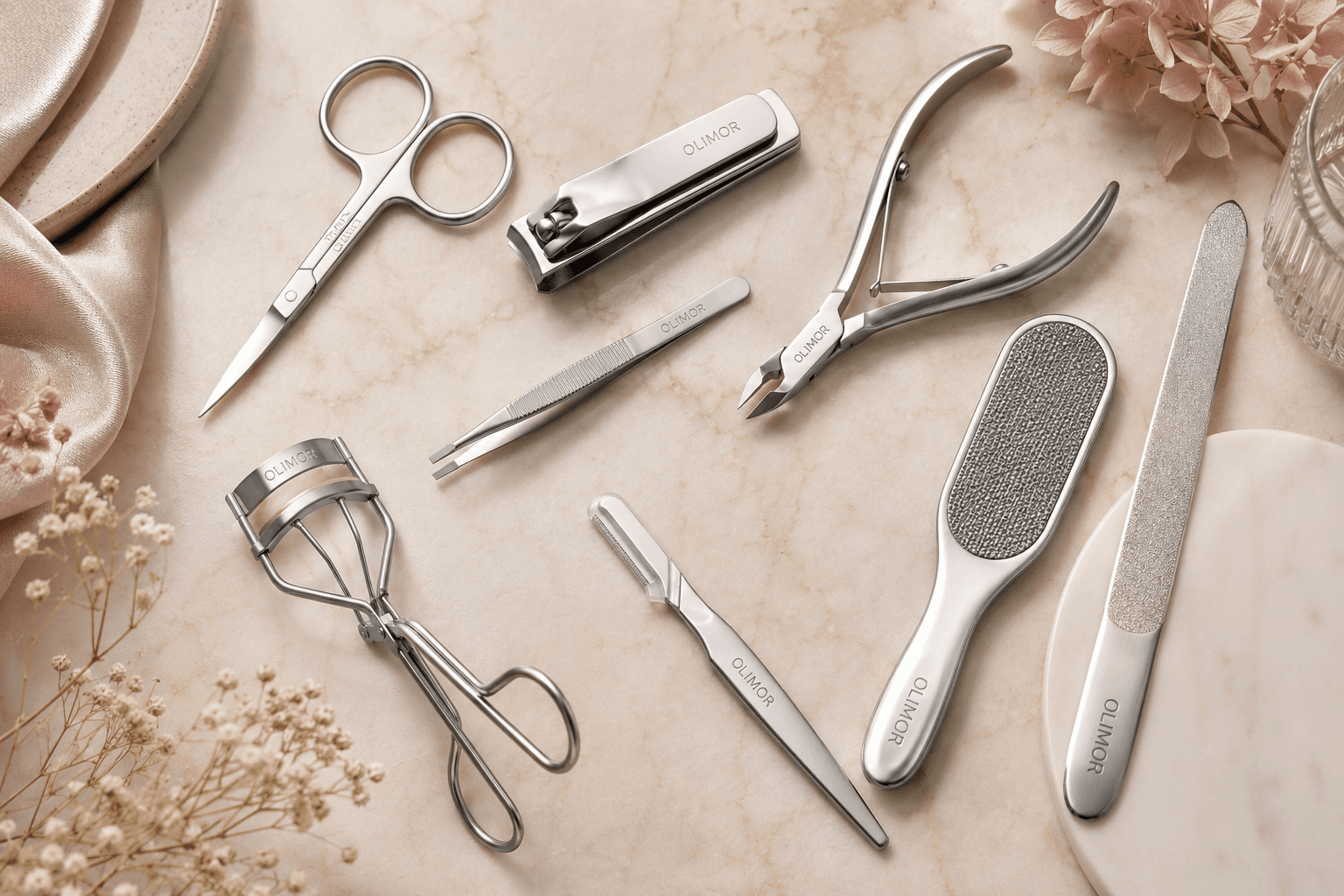
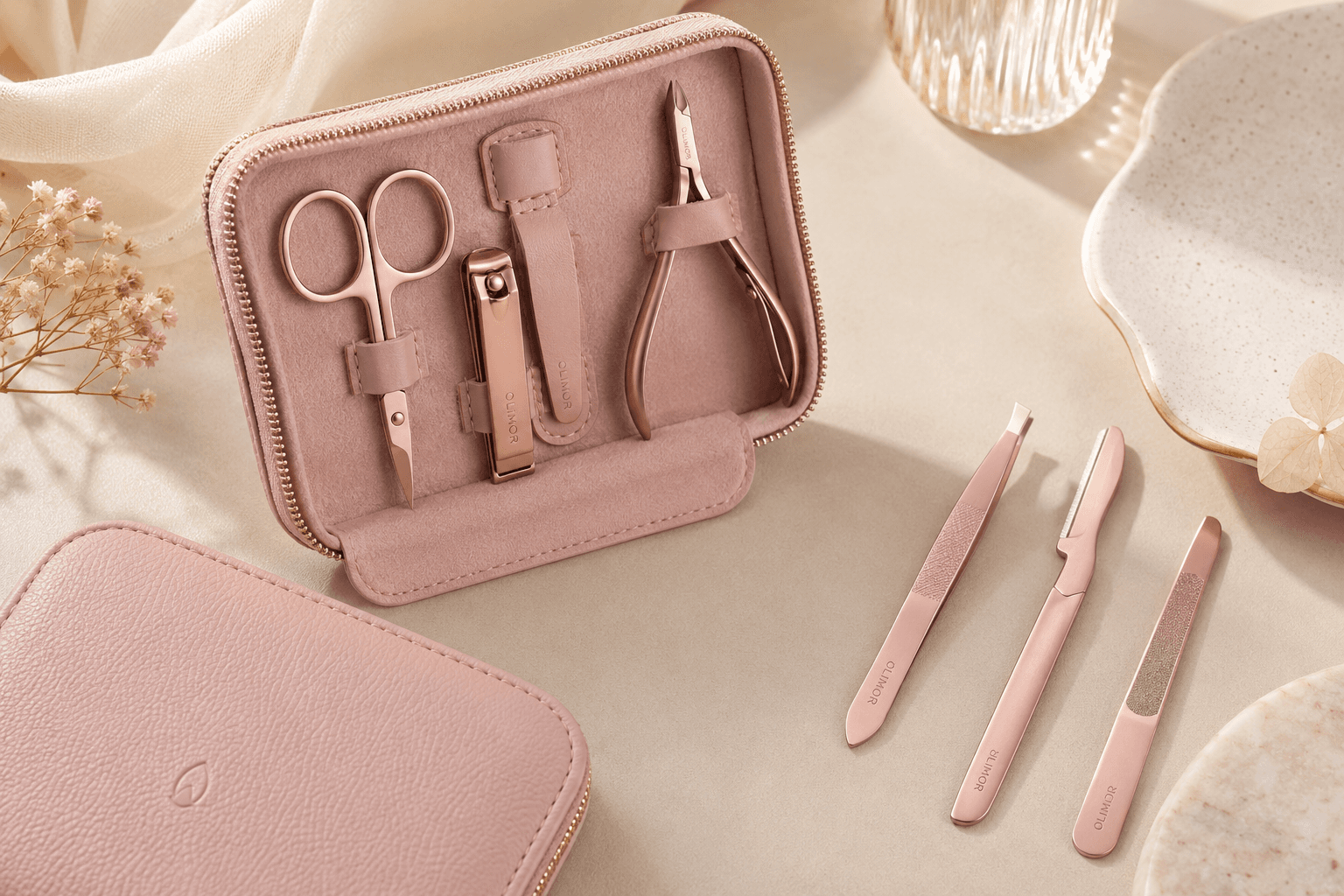
A factory relationship can also support long-term product planning. Instead of repeatedly buying whatever is available in a wholesaler catalog, you can build a more stable beauty tool line with coordinated finishes, packaging and quality expectations. For buyers developing a branded range, this can help the product look more intentional across retail shelves, online listings and salon supply channels. To review broader sourcing options, browse Olimor beauty tool products and compare items that may fit your category plan.
Wholesaler vs. Factory: A Practical Comparison
The right source depends on your business stage, order strategy and risk tolerance. The following comparison can help clarify which route fits your buying situation.
| Buying factor | Tweezers wholesaler | Specialized factory |
|---|---|---|
| Best for | Quick assortment, mixed categories, short-term stock needs | Consistent bulk supply, brand-focused products, quality control |
| Product control | Usually limited to available catalog items | More direct discussion of tip style, finish, packaging and inspection |
| Batch consistency | Can vary if sourcing changes | More manageable when requirements are agreed before production |
| Customization | May be limited or indirect | Better suited for private label and product line planning |
| Communication | Convenient but may add a layer between buyer and maker | Direct technical and production discussion is easier |
| Quality issue resolution | Often handled commercially after the issue appears | Root causes can be reviewed closer to the production process |
How to Inspect Tweezer Samples Before a Bulk Order
Whether you choose a wholesaler or a factory, never judge a bulk tweezer purchase from one perfect sample. Request enough samples to compare consistency across pieces, and test them as your customer would. A buyer does not need a laboratory to identify many common problems; careful handling and visual checks reveal a lot.
- Check tip meeting points. Hold the tweezers against light and close them slowly. The tips should meet cleanly and evenly.
- Test grip on fine hair or thin material. The tweezer should grasp without repeated slipping or cutting unevenly.
- Compare tension. Test several pieces. If one is very stiff and another is loose, production control may need discussion.
- Inspect edges and finish. Look for burrs, rough corners, uneven coating or marks that could affect the retail impression.
- Review packaging protection. Tips should be protected during transport so they do not arrive misaligned or damaged.
- Confirm production expectations in writing. Record approved sample details, acceptable tolerances and packaging requirements before ordering.
Choosing the Right Route for Your Business
If you are testing whether tweezers belong in your product range, a wholesaler may help you move quickly. It can be a reasonable path for small trial quantities, mixed beauty accessories or temporary promotions. The key is to avoid assuming that the first shipment guarantees the same future quality unless the wholesaler can provide stable sourcing and clear quality commitments.
If tweezers are part of your core beauty tool line, direct factory sourcing is usually the stronger long-term decision. It gives you better control over product feel, presentation and repeatability. For private label brands, distributors and salon supply businesses, that control can protect your reputation and reduce the cost of complaints, returns or inconsistent reviews.
Olimor Beauty works with buyers who want dependable beauty tools rather than one-off catalog purchases. If you are comparing tweezers with other accessories, explore Olimor product collections to plan a more coherent range. For a sourcing discussion, you can contact Olimor or send an inquiry with your target use case, packaging needs and quality expectations.
Final Takeaway
Buying tweezers in bulk is a sourcing decision that affects how customers experience your brand. Wholesalers can offer convenience and variety, but they may limit control over consistency and production details. A specialized factory provides a more direct path to stable quality, clearer communication and products aligned with your market position.
For buyers who want reliable stainless steel tweezers, consistent tip performance and a supplier relationship built around product standards, working directly with a factory is often the more strategic choice. The best result comes from defining your customer, testing samples carefully and choosing the sourcing route that supports your brand beyond the first order.
Tag: