Buy Tweezers in Bulk: How to Compare Wholesale, Retail, and Factory-Direct Options
Buying tweezers in bulk is a practical decision for brow studios, salons, beauty retailers, training schools, hotel amenity buyers, and e-commerce sellers. Tweezers are small tools, but inconsistency can create big problems: uneven grip, poor tip alignment, rusting, weak tension, uncomfortable handling, and returns from customers who expected reliable precision. The right buying channel affects not only unit cost, but also restocking speed, quality consistency, packaging options, and how confidently you can sell or use the tools.
Retail buying is convenient when you only need a few units quickly. Wholesale and factory-direct sourcing become more important when tweezers are part of your daily service workflow or product catalog. This guide compares the main options, explains what to check before placing a bulk order, and shows how to evaluate a supplier without relying only on the lowest price.
When Retail Tweezers Make Sense
Retail purchasing is the simplest route: you buy from a local beauty store, pharmacy, marketplace, or general online retailer. This can work for personal grooming, a small emergency replacement, or a short-term trial of several shapes. Retail platforms are also useful when you need immediate delivery and do not have time to compare suppliers.
However, retail is rarely the most efficient option for ongoing business use. Individual units usually cost more, and the available stock may change without notice. A salon may buy ten tweezers in one month and find that the same item is unavailable the next month. Resellers face an additional problem: retail purchases leave little room for margin after marketplace fees, packaging, shipping, and customer service costs.
Retail can also make quality control more difficult. Even if the first batch feels good, later purchases may come from a different production run or seller. If your team depends on a consistent tool feel for brow shaping or fine hair removal, this uncertainty can slow down service and training.
Why Wholesale Buying Is Better for Repeated Demand
Wholesale buying is designed for buyers who need repeatable quantities rather than one-off purchases. A tweezers wholesaler can often provide more stable availability, volume-based pricing, and a clearer path for reordering. For businesses, this shift from sporadic retail buying to bulk procurement can significantly reduce the cost per unit while making inventory planning easier.
Wholesale is especially useful when you need to stock multiple workstations, prepare retail display inventory, or supply kits for students and trainees. Instead of mixing different retail brands, you can standardize the tools used across your team or product range. That consistency matters because tweezers are judged by very small details: tip contact, spring tension, edge finish, and how the tool feels after repeated use.
Before choosing a wholesale source, define what you actually need. A brow studio may prioritize slant tips and comfortable tension. A reseller may care more about packaging, surface finish, and consistent presentation. A distributor may need carton-level labeling, clear reorder references, and dependable communication. The best wholesale choice depends on your use case, not only the lowest quote.
Factory-Direct Sourcing Versus Online Marketplaces
Many buyers start by searching where to buy tweezers online. Marketplaces such as large retail platforms offer speed and variety, but quality can vary widely among sellers. Product pages may look similar, while the actual grip, finish, and durability differ. Shipping charges, small-pack pricing, and inconsistent seller policies can also reduce the apparent savings of buying through a marketplace.
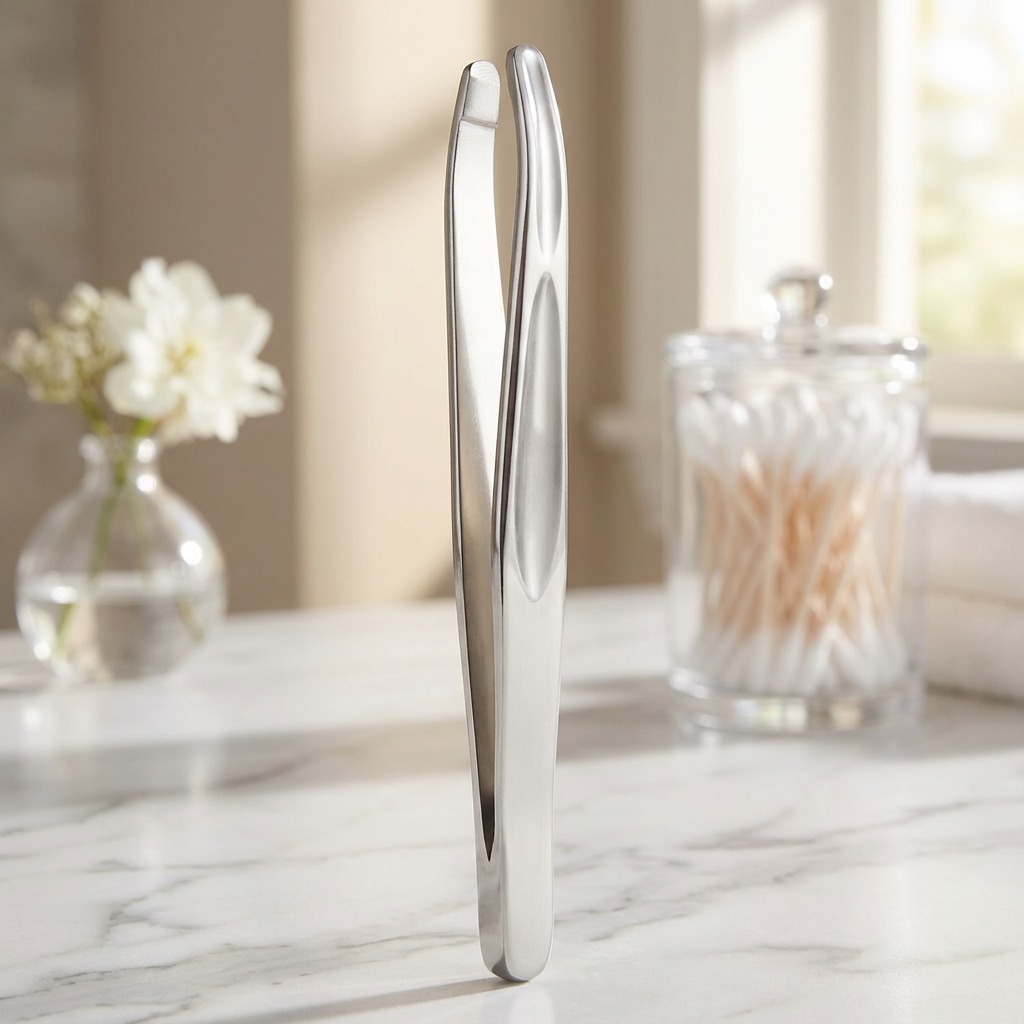
Factory-direct sourcing is more suitable when you want a closer view of product construction and bulk supply. A direct supplier can discuss tool type, material expectations, finish, packaging needs, and order planning in a more structured way. For example, Olimor Beauty’s tweezers line is described with stainless steel construction, ergonomic handling, and precision-focused designs, including a 92mm slant-tip tweezer and a lightweight 15-gram design. These details help buyers compare function instead of judging only by product photos.
Direct factory communication can also reduce confusion. If you need tweezers for salon use, retail resale, or promotional kits, the requirements are not identical. A clear discussion before ordering helps match the product to the buyer’s channel. You can review related beauty tool products to understand the broader sourcing options and then use send an inquiry when you are ready to discuss bulk purchasing requirements.
Key Tweezers Quality Points to Check Before Buying in Bulk
A tweezer may look simple, but small manufacturing differences affect performance. When comparing retail, wholesale, and factory-direct options, inspect practical details instead of relying on broad claims such as “professional quality.” The following checklist is useful for salons and resellers evaluating samples.
- Tip alignment: The tips should meet evenly. Poor alignment makes it hard to grasp fine hairs and increases user frustration.
- Grip precision: Test whether the tweezer can hold a fine hair or thin fiber without slipping or cutting it.
- Tension: The arms should close smoothly without requiring excessive force. Too much tension causes hand fatigue during repeated brow services.
- Material and finish: Stainless steel construction is preferred for durability and resistance to rust when handled and cleaned properly.
- Edge comfort: Outer edges should feel clean and comfortable in the hand, not sharp or rough.
- Size and weight: A 92mm slant-tip tweezer and a 15-gram lightweight design, where suitable, can be easy to handle for detailed grooming work.
- Packaging condition: Packaging should protect the tips during shipping and present the product clearly for resale if needed.
- Repeatability: Samples should represent bulk order quality. A good sample is only valuable if later production remains consistent.
Comparing Buying Channels for Business Use
The right sourcing channel depends on order volume, urgency, and how much control you need over quality. This comparison can help narrow the decision.
| Buying channel | Best for | Main advantages | Possible limitations |
|---|---|---|---|
| Retail stores | Emergency replacements or very small quantities | Fast access, easy purchase, no sourcing process | Higher unit cost, limited consistency, low resale margin |
| Online marketplaces | Testing different shapes or small trial orders | Wide selection and convenient ordering | Variable quality, mixed sellers, shipping fees, uncertain repeat supply |
| Wholesale suppliers | Salons, resellers, schools, and recurring stock needs | Bulk pricing, more stable inventory, easier reordering | Requires planning and sample evaluation |
| Factory-direct sourcing | Buyers needing consistent bulk supply and clearer product discussion | Closer communication, product selection support, stronger control over specifications | May require more preparation before ordering |
How Salons and Brow Studios Should Plan Bulk Tweezers Inventory
For service businesses, tweezers are working tools, not just retail items. A salon should plan enough units for daily stations, sanitation rotation, backup inventory, and replacement over time. If every technician uses a different tweezer, service consistency becomes harder to maintain. Standardizing a reliable slant-tip style can make training easier and help staff develop a familiar hand feel.
Consider how tweezers will be cleaned, stored, and assigned. Tip protection matters because a dropped or exposed tip can lose precision. Store tweezers dry, avoid harsh handling, and separate clean tools from used tools according to your service hygiene process. Bulk buying also allows you to replace worn tools before they become a service problem, rather than waiting until the last pair fails.
What Resellers Should Evaluate Beyond Unit Price
Resellers need to think differently from salon buyers. A salon mainly asks, “Does this tool perform well all day?” A reseller also asks, “Will customers understand the value, receive it safely, and be satisfied after purchase?” Product consistency, packaging protection, finish appearance, and clear product descriptions all affect resale performance.
When comparing a generic manufacturer with a more focused beauty tool supplier, look for signs of disciplined production and communication. Low-cost bulk offers may be attractive, but inconsistent tension or rust-prone materials can lead to returns and poor reviews. A supplier associated with stainless steel construction, ergonomic features, and precision-focused tweezers gives buyers more meaningful points to evaluate than price alone.
If you are building a wider beauty tool assortment, browse Olimor Beauty’s product collections to compare related categories and plan a more coherent range. For questions about sourcing direction, packaging requirements, or order preparation, you can also contact Olimor.
Making the Right Bulk Buying Decision
Retail tweezers are convenient for small, urgent needs, but they are usually not the best answer for business inventory. Wholesale and factory-direct sourcing give salons and resellers better control over cost, repeatability, and product suitability. The most reliable approach is to define your use case, inspect samples carefully, compare quality points, and plan reorder quantities before committing to a larger purchase.
For buyers searching for a tweezers wholesaler or a top tweezers factory, the best supplier is the one that helps you reduce uncertainty. Look for clear product information, practical construction details, and a sourcing process that supports your business needs. With careful comparison, buying tweezers in bulk can improve inventory reliability, protect margins, and give end users a more consistent grooming tool.
Tag: