Buy Tweezers in Bulk: What to Check Before Choosing a Wholesaler or Factory
Buying tweezers in bulk is not only a price decision. For salons, brow bars, retail beauty shops, subscription kit builders, travel kit suppliers and promotional product buyers, the right tweezer affects user satisfaction, repeat purchases and complaint rates. A tweezer may look simple, but small differences in tip alignment, surface finish, tension, grip and packaging can determine whether it performs well in daily use.
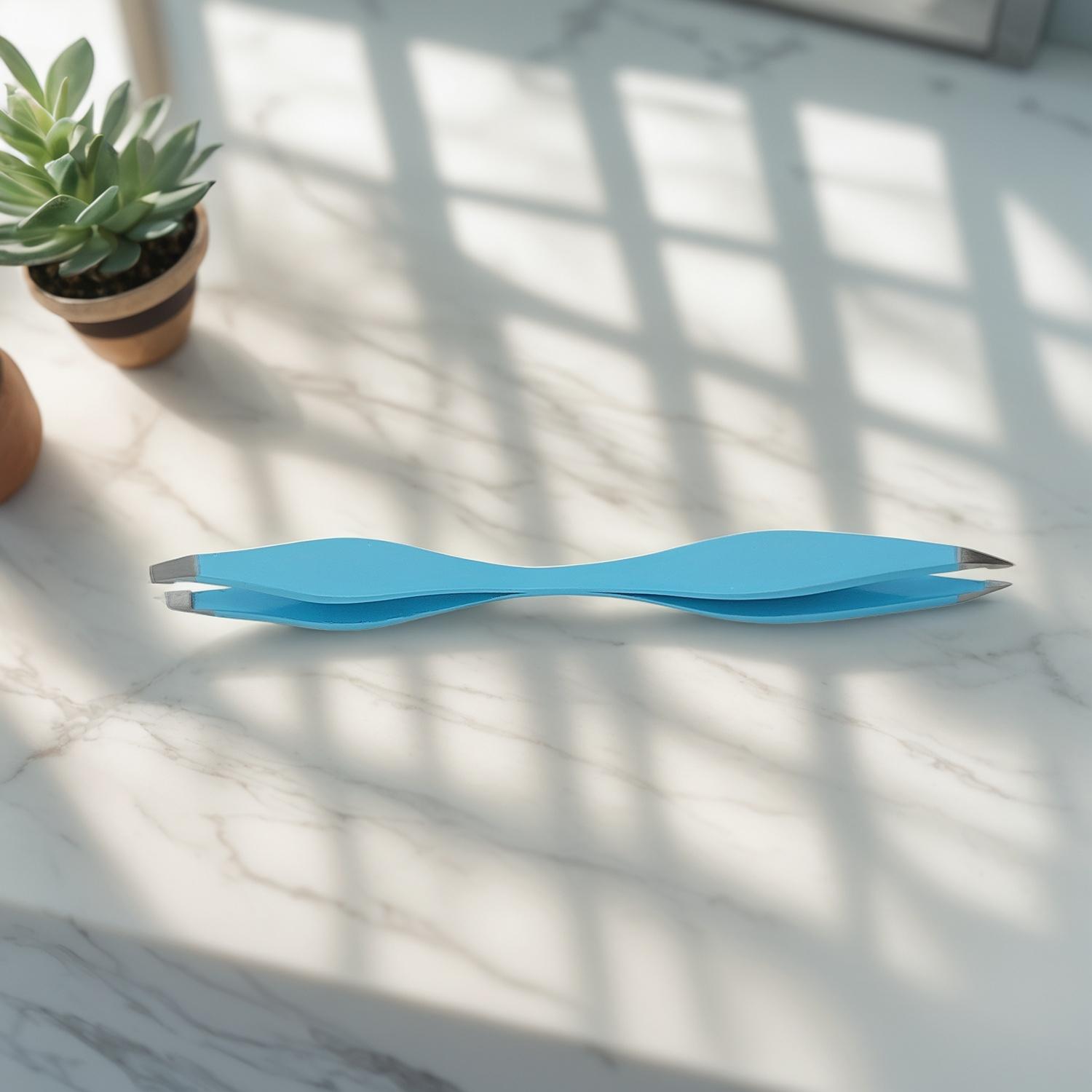
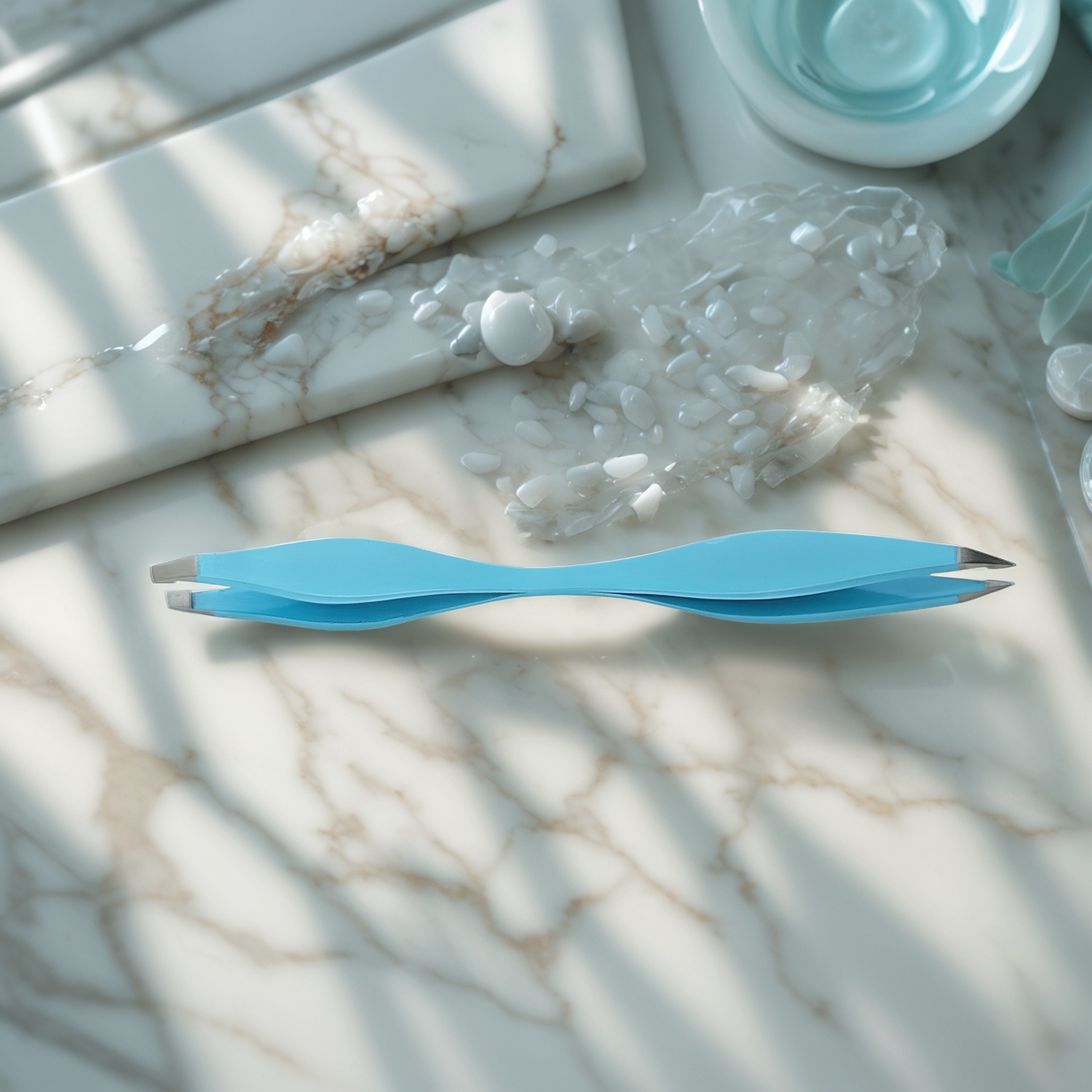
This guide focuses on practical sourcing decisions for buyers comparing branded retail tweezers, general wholesale options and factory-direct beauty tools. It also uses the supplied Olimor dual-action precision tweezer as a useful example of what to evaluate: a stainless steel tool with a turquoise body, anti-slip grip, 106mm length, a fine point end and a broader edge end for multi-purpose use.
Start With the Use Case, Not the Unit Price
The best bulk tweezer choice depends on how the product will be used. A salon buyer may prioritize precision and durability under repeated use. A retailer may care about shelf appeal, packaging clarity and a low return rate. A kit assembler may need consistent size, safe tip protection and dependable supply over multiple orders.
Before comparing quotations, define the main use case. Eyebrow grooming, facial hair removal, lash application, craft work and small technical tasks can require different tip shapes. A slanted cosmetic tweezer, such as the Tweezerman Expertweeze Light Blue Tweezer mentioned in the existing product comparison, is designed for controlled hair removal. A dual-action precision tool, such as the Olimor option described above, offers a fine point and a broader edge, making it useful where buyers want one tool to cover more than one application.
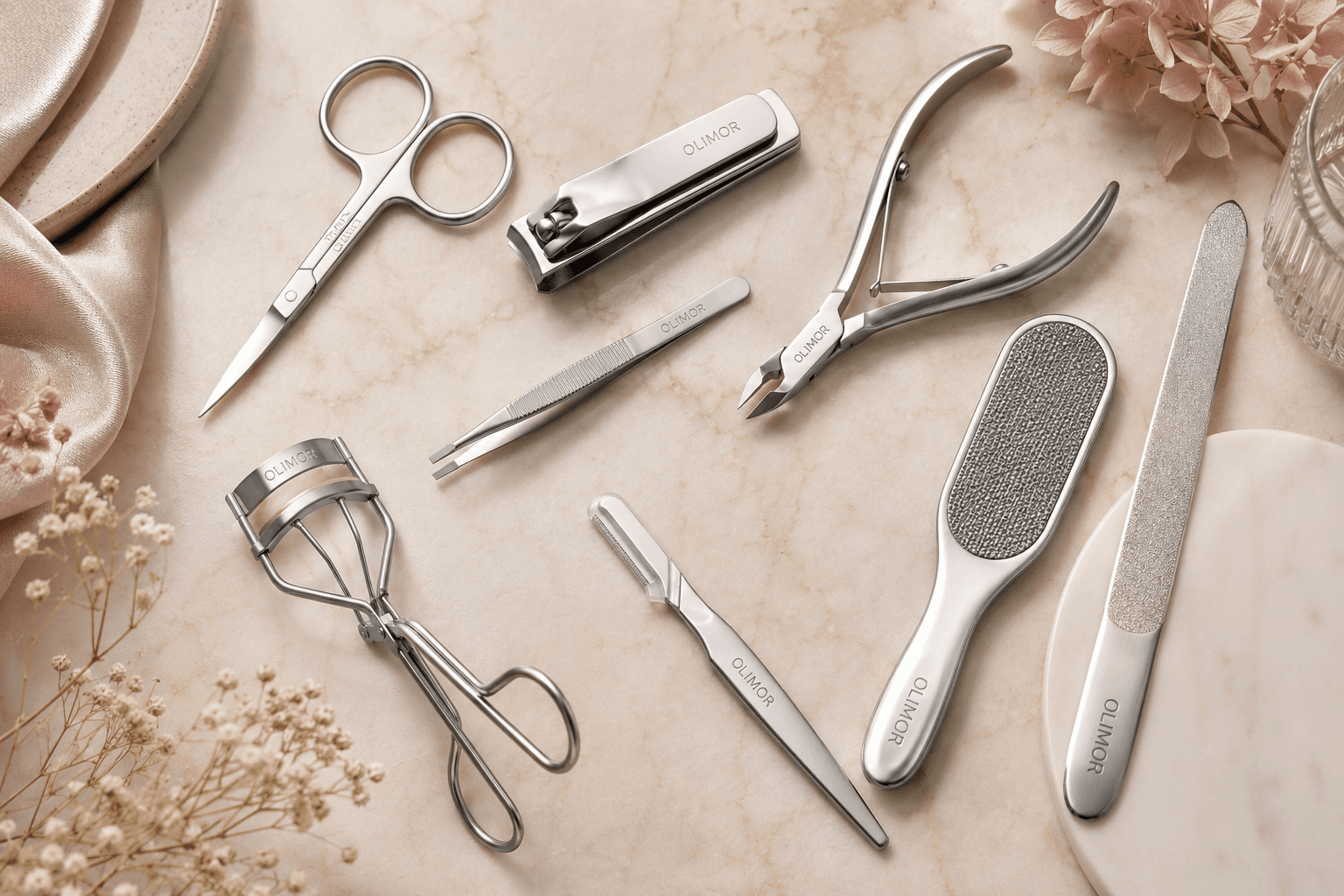
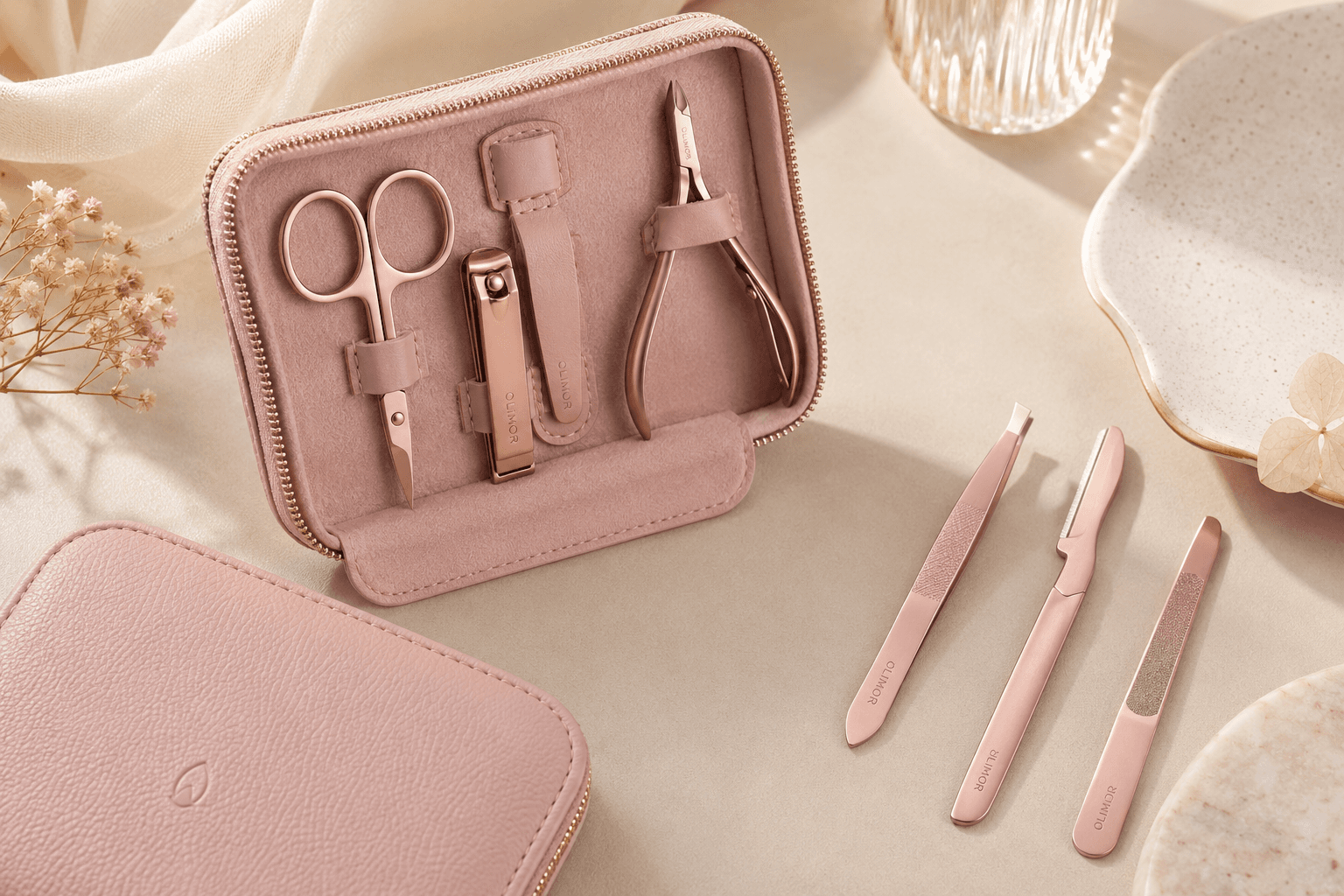
If you are building a product range rather than selecting a single item, review related beauty tool products to see how tweezers fit with mirrors, nail tools, lash accessories or grooming kits. Bulk buyers often get better long-term results when the tweezer specification matches the final retail or professional setting instead of being selected only because it is the cheapest available line.
Tip Design: The Main Performance Factor
The tip is the part of the tweezer customers judge first. Poorly aligned tips may miss fine hairs, pinch skin, bend under pressure or feel unreliable. When buying tweezers in bulk, request clear information about the tip style and examine samples before confirming a large order.
- Slanted tips: Common for brow shaping and general hair removal because they provide a wider contact surface and controlled angle.
- Pointed tips: Useful for precise tasks, but they require careful handling and may need protective packaging.
- Flat or broader edge tips: Helpful for gripping larger items or for general-purpose use where ultra-fine precision is not the only requirement.
- Dual-ended designs: Suitable for kits or mixed-use environments because one tool can serve more than one task.
The Olimor dual-action precision tool described in the original specifications combines a fine point with a broader edge end. For distributors or kit buyers, that combination can reduce the need to stock multiple tweezer styles for basic multipurpose applications. For a dedicated brow salon, however, a specific slanted-tip grooming tweezer may still be preferable. The right answer depends on your audience.
Material, Grip and Ergonomics Matter in Bulk Orders
Stainless steel is widely used for tweezers because it can provide a firm tool body and a surface suited to regular beauty-tool handling. The supplied Olimor product is described as stainless steel, with a turquoise body and anti-slip grip. Those details are more than appearance choices. In a salon or consumer kit, a secure grip helps the user control pressure and angle, especially when hands are damp from washing or handling skincare products.
Length also affects comfort. The Olimor tool is listed at 106mm long, which places it in a practical handheld range for many beauty and general-use tasks. When reviewing samples, check whether the tool feels balanced, whether the tension is too loose or too stiff, and whether the grip texture is comfortable during repeated use. A tweezer that works for one quick demonstration may feel tiring when used many times per day.
Color and finish also influence purchasing decisions. A light blue or turquoise finish can help a tool stand out in retail displays or beauty kits. However, the surface should still support practical use. Look for clean edges, even finishing and packaging that prevents scratches before the product reaches the end user.
Wholesaler vs. Factory: Which Buying Route Fits Your Business?
When deciding where to buy tweezers, buyers often compare three routes: retail-brand purchasing, wholesaler inventory and factory-direct sourcing. Each route can make sense depending on order size, timing and product strategy.
| Buying route | Best suited for | Key checks |
|---|---|---|
| Retail brand purchasing | Small quantities, branded resale, premium gift sets | Brand permissions, margin, availability, packaging condition |
| Wholesaler supply | Repeat inventory, salons, shops, kit assemblers | Consistent stock, sample approval, packaging options, reorder process |
| Factory-direct sourcing | Larger programs, private packaging discussions, planned product ranges | Quality control process, production consistency, lead time, inspection standards |
A tweezers wholesaler can be convenient when you need a reliable product without managing every manufacturing detail. A factory relationship may be more appropriate when you need deeper control over specifications, packaging or repeat production planning. Olimor Beauty’s positioning in the supplied information emphasizes technical excellence and internal inspections from raw materials to packaging, which is the type of process bulk buyers should pay attention to when comparing suppliers.
Quality Control Checks Before You Place a Bulk Order
Quality control is where bulk tweezer sourcing succeeds or fails. A sample may look good, but the order needs consistency across cartons. Buyers should create a simple inspection checklist and use it for pre-order samples, production samples and received goods.
- Check tip alignment: Close the tweezer against a light background. The tips should meet cleanly without obvious gaps or crossing.
- Test grip performance: Try picking up fine hair-like fibers, thin paper or small cosmetic materials to see whether the tool slips.
- Review tension: The tweezer should open and close smoothly, without feeling weak or overly stiff.
- Inspect the finish: Look for rough edges, coating irregularities, scratches, stains or inconsistent color.
- Confirm size consistency: If a tool is specified at 106mm, received samples should match the approved reference closely.
- Evaluate packaging protection: Tips should be protected from bending, and cartons should reduce movement during transport.
- Check labeling requirements: Make sure product descriptions, warnings and barcode needs match the sales channel.
These steps are especially important for beauty retailers because customers can notice even minor defects. For professional buyers, a tool that loses alignment quickly can interrupt service work and reduce trust in the supplier.
Packaging and Merchandising Considerations
Bulk tweezers are often sold as single retail items, included in grooming kits or bundled with other beauty accessories. Packaging should be chosen for the sales environment. A salon backbar may need simple protective sleeves. A retail store may need hanging cards, clear product visibility or tamper-resistant packaging. A kit assembler may prioritize compact packaging that protects the tips without adding unnecessary volume.
If you are sourcing for multiple channels, separate the functional tool approval from the packaging approval. First confirm the tweezer’s tip, grip, finish and tension. Then review packaging artwork, barcode placement, safety notes and carton layout. This avoids approving attractive packaging around a tool that does not meet your performance needs.
Buyers planning a broader assortment can also review product collections to consider how color, finish and packaging might coordinate across related beauty tools. Consistency helps retailers build a clear shelf story, while salons and kit brands may prefer a uniform look across several items.
Questions to Prepare for a Tweezers Wholesaler
Even when technical specifications are not fully listed online, you can evaluate a supplier by the clarity of their responses and the usefulness of their samples. Prepare questions before you request pricing so you can compare suppliers fairly.
- What tip styles are available for bulk orders, and which style is recommended for brow grooming, lash work or general kits?
- What material is used for the tweezer body, and how is the surface finished?
- Can the supplier provide a sample that represents normal bulk production quality?
- How are tip alignment, tension and finish checked before packaging?
- What packaging formats are available for retail, salon or kit assembly use?
- How are tweezers protected during transport to prevent bent tips or scratched finishes?
- What information is needed to quote accurately, such as quantity range, packaging style and destination market?
For specific sourcing discussions, you can send an inquiry with your quantity range, intended use and packaging needs. If you are unsure which tweezer style fits your assortment, contact Olimor with a description of your sales channel and end user.
Choosing the Right Bulk Tweezer for Your Audience
The right bulk tweezer is the one that fits the buyer’s real application. A premium slanted cosmetic tweezer may be ideal for a brow-focused retail display. A dual-action stainless steel tool with a fine point, broader edge, turquoise body, anti-slip grip and 106mm length may be better for multipurpose beauty kits, craft-adjacent assortments or buyers who want versatility in one item.
Before placing a large order, compare sample performance, not only catalog descriptions. Check tip alignment, grip comfort, finish quality and packaging protection. Look for a wholesaler or factory process that pays attention to inspection from raw materials through packaging, because consistent production matters more than a single attractive sample. With a clear use case and a practical inspection checklist, buying tweezers in bulk becomes a controlled sourcing decision rather than a gamble on price.
Tag: