Buy Tweezers in Bulk: Wholesale and Factory Sourcing Guide
Buying tweezers in bulk is not just a way to reduce unit cost. For salons, brow studios, lash technicians, beauty retailers, distributors, training schools, private-label buyers and beauty kit assemblers, the real goal is dependable consistency: aligned tips, controlled tension, comfortable handling, suitable packaging and repeatable appearance across the order.
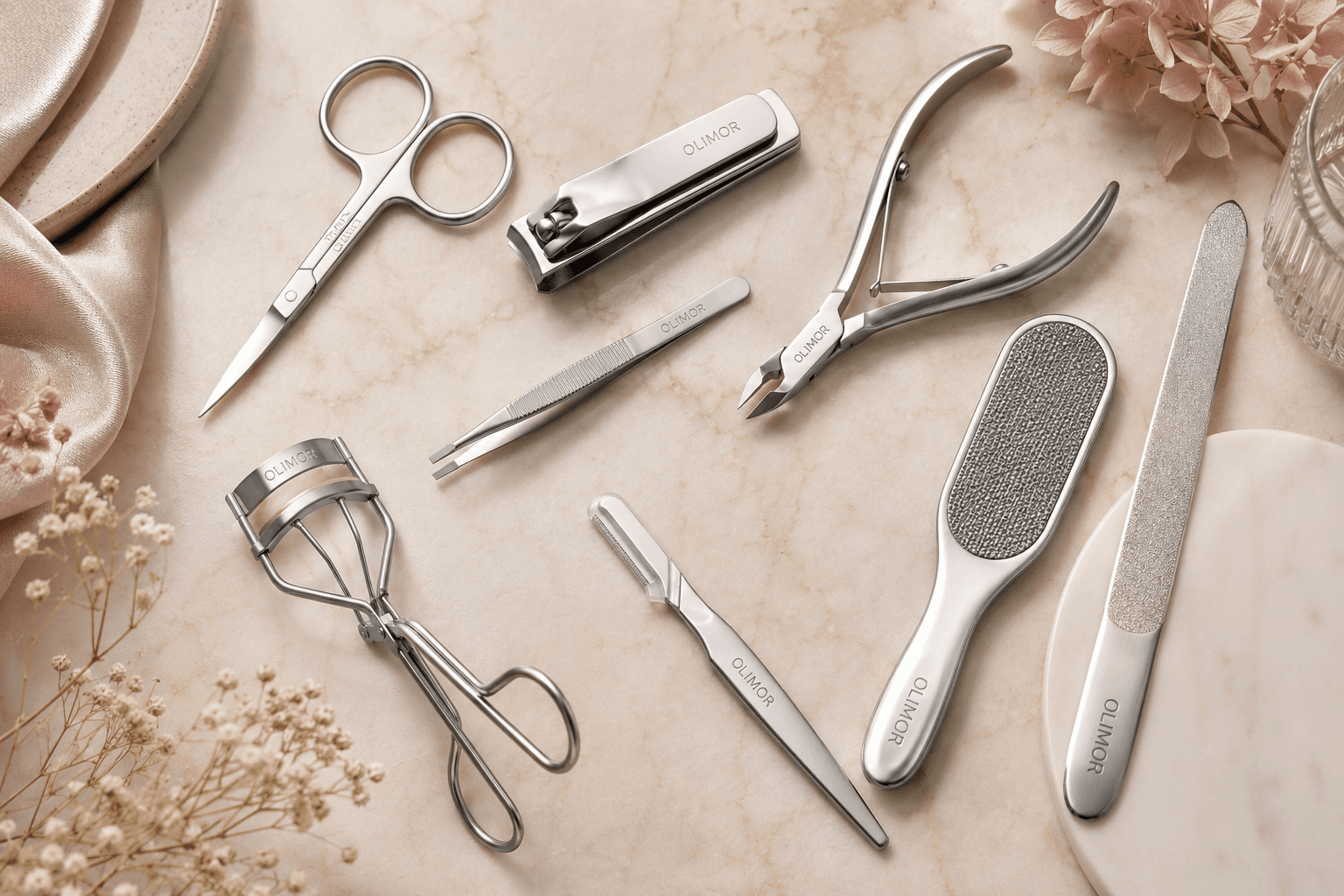
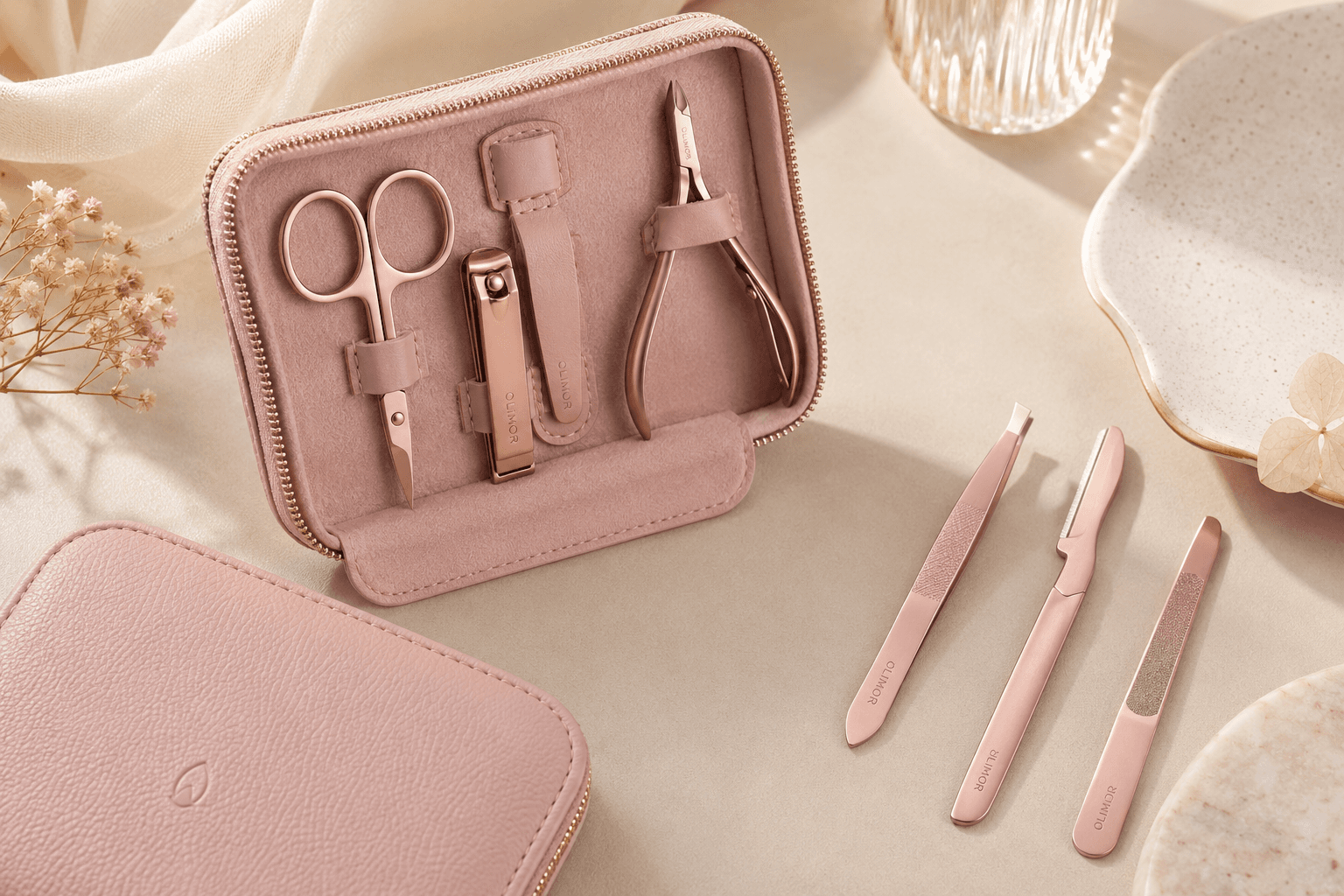
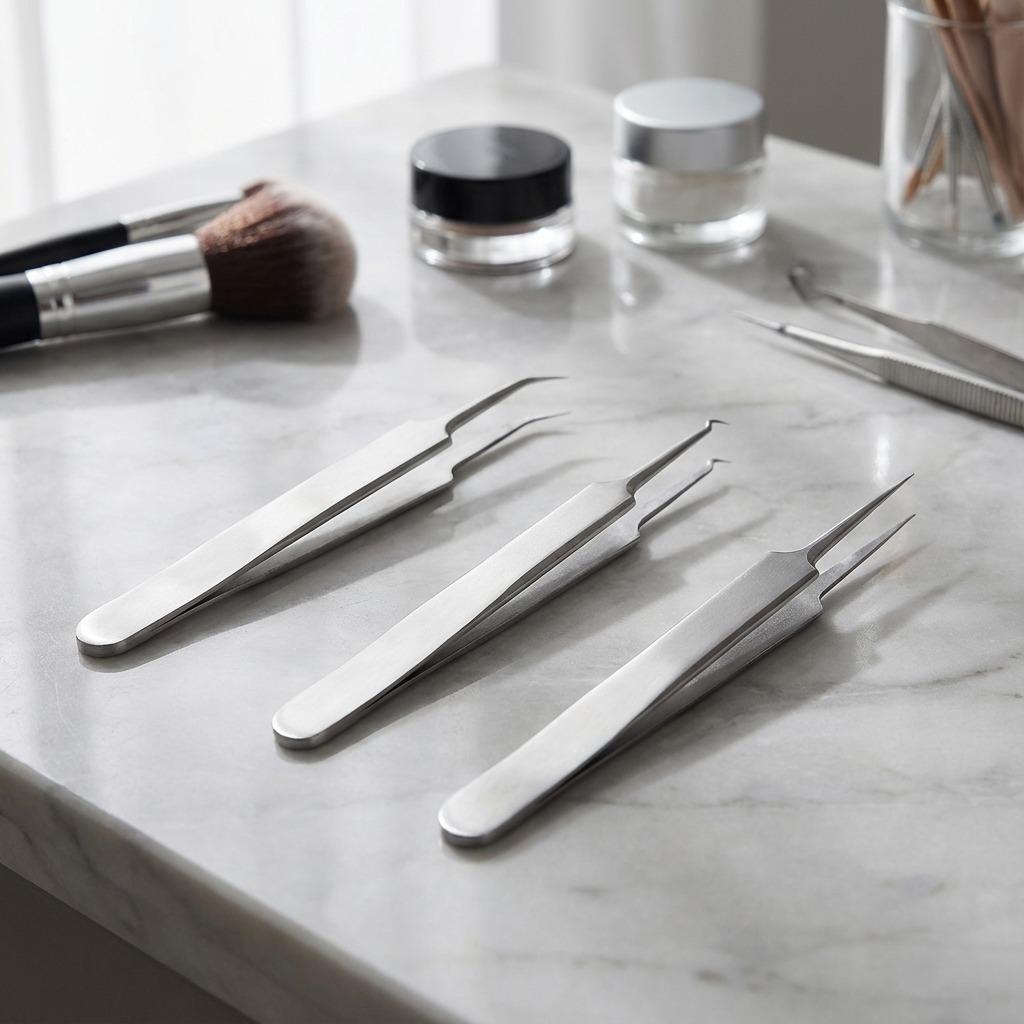
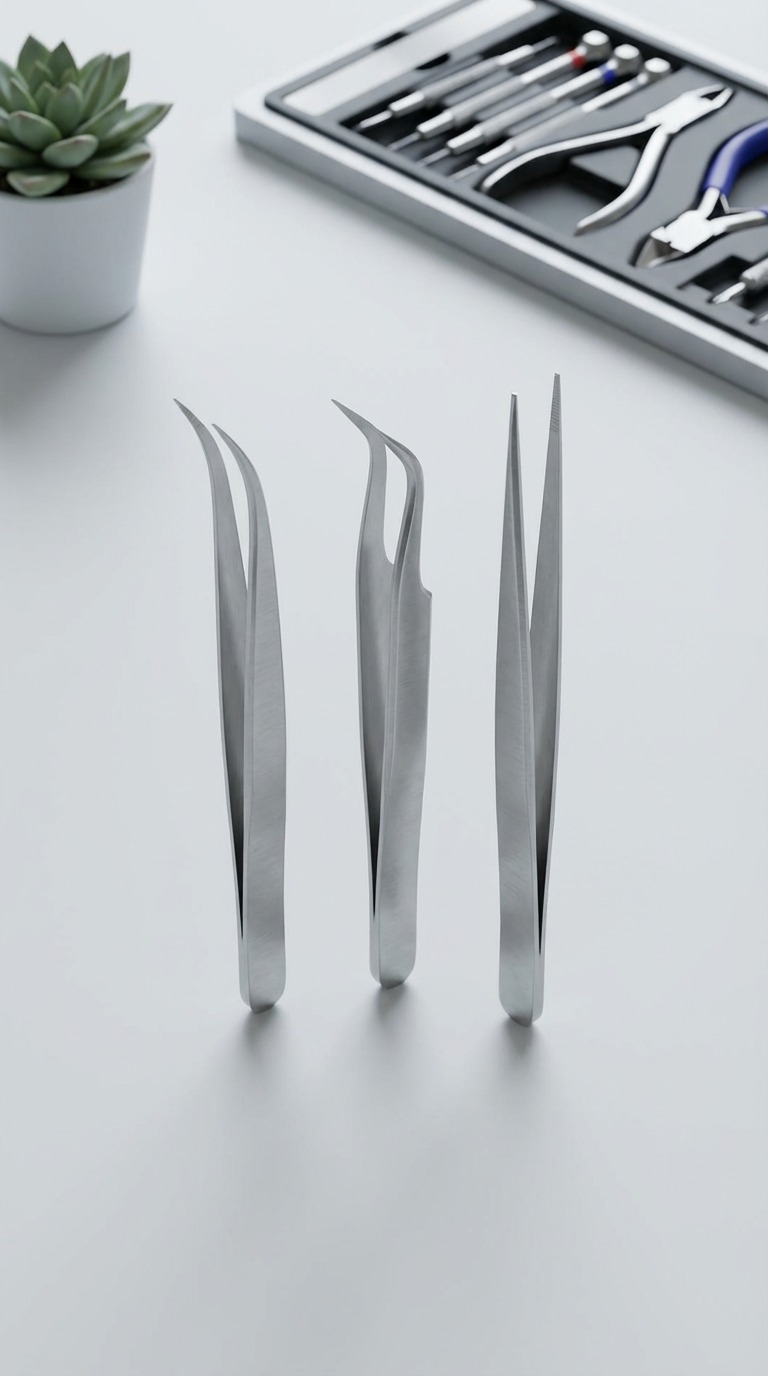
This guide explains how to compare wholesale and factory options, what to inspect before placing a bulk order, and how to match tweezer styles to brow, lash, nail art, grooming, craft and detailed handling applications. Olimor Beauty supplies stainless steel precision tweezers and related beauty tools for professional and commercial buyers, including straight point, curved angle, bent tip and slant-style designs for different handling needs.
When Buying Tweezers in Bulk Makes Sense
Bulk purchasing is most useful when tweezers are part of a recurring business need rather than a one-time personal purchase. A single misaligned tweezer is inconvenient; a full shipment with uneven tips can create customer complaints, returns, staff frustration and wasted sourcing time.
Commercial buyers often buy tweezers in bulk for several practical reasons:
- Salon and studio operations: keeping backup tools available for sanitation rotation, staff stations and daily service needs.
- Brow and lash training: giving students consistent tools so technique instruction is easier to standardize.
- Retail beauty kits: adding tweezers to brow, lash, nail art, grooming or travel sets.
- Distributor inventory: stocking professional beauty tools for repeat customers and local resellers.
- Promotional or private-label programs: evaluating tool shape, finish and packaging direction for branded sets.
- Craft, jewelry or electronics use: sourcing precise tools where point alignment, visibility and controlled grip matter more than decorative packaging.
Before comparing suppliers, define the end user and the job the tool must perform. A low-cost general-purpose tweezer may be suitable for simple kits or promotional use. A salon, brow bar or professional grooming line should be evaluated more strictly for tip closure, tension, finish and comfort.
Wholesale vs. Factory Sourcing: Which Route Fits Your Business?
Many buyers begin by searching where to buy tweezers online, but the best route depends on order purpose, control level and replenishment expectations. Retail channels, wholesalers and factories each serve different needs.
| Sourcing route | Best for | Main advantage | Main limitation |
|---|---|---|---|
| Retail purchase | Personal use, testing one or two styles, urgent small needs | Easy to buy in very low quantities | Higher unit cost, limited batch consistency and little control over packaging |
| Wholesale supplier | Salons, resellers, distributors and online stores needing standard stock | Volume access, simpler ordering and ready-made product options | Less control over detailed specifications, finish direction and custom presentation |
| Factory sourcing | Private-label buyers, brand programs, kit assemblers and larger recurring orders | More room to discuss tip style, finish, packaging, inspection expectations and repeat production | Requires clearer planning, sample approval and more detailed communication |
A tweezers wholesaler can be the practical choice when you need stock quickly and do not require deep customization. Direct factory cooperation becomes more useful when your project depends on specific tool presentation, consistent finish, custom packaging, defined inspection points or future repeat orders.
If you are planning a coordinated sourcing program, you can compare related Olimor beauty tool products to see how tweezer styles fit alongside other grooming and personal care tools.
Start with the Use Case Before Comparing Quotes
The right bulk tweezer is the one that fits the user’s task. Price comparisons are useful only after the application is clear. A brow professional, lash technician, retail customer and craft user may all describe a tool as “precision tweezers,” but they may expect different handling.
Brow Shaping and Hair Removal
For eyebrow grooming, buyers usually prioritize accurate tip alignment, clean gripping performance on fine hair, comfortable hand feel and consistent spring tension. Slant tips and straight point designs are commonly considered for detailed brow work because they give users better control near individual hairs.
Lash Work and Detailed Beauty Services
Lash technicians often care about precision, visibility around the working area and smooth opening and closing. Ultra-fine or angled tips may help with controlled pickup, isolation or delicate handling, depending on the service and user preference.
Nail Art, Craft, Jewelry and Detail Assembly
For nail art, craft, jewelry or small assembly tasks, users may care less about beauty packaging and more about stable grip, visibility around the tip, point alignment and whether the tool holds tiny parts without slipping.
Retail Kits and Gift Sets
Retail buyers need functional tools, but presentation also matters. A tweezer with a distinctive visual finish can help a kit look more attractive, provided the tip performance remains dependable. Packaging consistency, tip protection and surface appearance should be checked before approval.
Compare Tweezer Tip Styles Carefully
Tip geometry is one of the most important choices when buying tweezers in bulk. Adding variety is useful only when each style solves a real handling problem for your customer.
| Tip style | Best suited for | What to evaluate |
|---|---|---|
| Straight point | Pinpoint eyebrow detail, precise pickup, craft positioning | Even tip contact, sharp alignment, grip on fine hair or small items |
| Curved angle | Beauty services or detail work where visibility around the tip matters | Angle consistency, comfort in hand and control near the working area |
| Bent tip | Repetitive gripping and hard-to-reach areas | Stable hold, smooth spring tension and reduced awkward wrist positioning |
| Slant style | General brow grooming and retail beauty kits | Clean closure, suitable edge finish and comfortable pressure control |
Straight point tweezers are often chosen when accuracy is the priority, but their performance depends heavily on alignment. If the tips do not meet evenly, they may miss fine hairs or fail to hold small objects. Curved angle and bent tip designs can move the user’s hand away from the working area, improving visibility and comfort during some tasks.
If your business serves several customer groups, carrying more than one tip style can reduce product mismatch. Buyers can review Olimor product collections when planning a balanced assortment for brow, lash, grooming and kit applications.
Length, Weight and Handling Details Matter
Bulk tweezers are often compared by material and tip shape, but length and weight also affect daily use. Olimor’s stated tweezer options include a 116 mm model at 14 grams, a 115 mm model at 12.6 grams and a 118 mm model at 13.4 grams. Other described ergonomic tweezer options fall within a 115 mm to 130 mm length range, and some lightweight designs are described around 15 grams.
These differences may look small on paper, but they can change how the tool feels during repeated use. A slightly heavier tweezer can feel stable for users who prefer a firm hand position. A lighter tool may feel more agile for short detail work. A longer profile may improve reach, while a shorter one may fit better in compact kits or travel grooming sets.
Do not judge handling from one quick squeeze. A practical sample test should include:
- Holding each tweezer for several minutes, not just a few seconds.
- Gripping fine hair, thread, paper edge or a similarly small item to check contact.
- Opening and closing the tool repeatedly to compare tension.
- Checking whether the body twists or flexes under moderate pressure.
- Comparing comfort for different hand sizes and both right-handed and left-handed users if the product will be sold broadly.
For salons, hand fatigue matters because professionals may use tweezers many times per day. For retail sets, the first impression matters: the tool should feel clean, balanced and purposeful when removed from packaging. For craft or detail work, repeatability is the key question: does the tweezer grip the same way after repeated use?
Material, Finish and Corrosion Considerations
The supplied Olimor tweezer range is described as stainless steel, with options including satin finish and a distinctive bi-tonal gradient look moving from magenta pink toward golden hues. One described design includes a textured crackle finish intended to support grip and control. Stainless steel is a practical material for precision tweezers because it offers strength, a clean appearance and suitability for fine tool manufacturing.
For bulk buyers, material evaluation should focus on whether the steel description, finish and care expectations match the end use. Beauty tools may be exposed to skin oils, cosmetic residue and regular cleaning. Retail customers may judge the tool by surface consistency, edge smoothness and whether the finish looks uniform. Craft and electronics users may handle adhesive, small parts or workshop dust.
If a supplier advertises corrosion resistance, confirm how that statement is supported in product documentation and care guidance. Do not rely only on photos. Ask how the tools should be cleaned, stored and protected, especially if they will be used in a salon or training environment.
Quality Inspection Checklist for Bulk Tweezers
Price matters, but a bulk order should never be approved by price alone. Tweezers are small precision tools, and small manufacturing differences can noticeably affect performance. Use the same written checklist for every sample and supplier quote.
| Inspection point | Why it matters | How to check it |
|---|---|---|
| Tip alignment | Misaligned tips miss fine hairs and reduce control. | Close the tips under good light and check for gaps, crossing or uneven contact. |
| Tip finish | Rough or uneven edges can feel harsh during detailed work. | Inspect the tip surface and test on fine material before approving the batch. |
| Spring tension | Too stiff can cause hand fatigue; too loose can reduce accuracy. | Open and close several samples and compare consistency. |
| Handle comfort | Professionals may use the tool repeatedly during long sessions. | Check grip feel, balance and pressure control. |
| Surface finish | Retail buyers notice scratches, color variation and coating flaws. | Review under bright light and compare multiple pieces from the sample set. |
| Packaging protection | Tips can bend or scratch if they move during shipping. | Confirm tip protection, labeling needs and carton arrangement. |
| Batch consistency | Future shipments should match the approved sample. | Keep one approved sample as a reference for appearance, feel and basic performance. |
For formal incoming inspection, some buyers use sampling plans based on standards such as ISO 2859-1. For quality management discussions, ISO 9001 may be a useful reference framework. Buyers should always verify the applicable version of any standard, confirm whether it is relevant to their market, and request supplier documentation rather than assuming certification or test results.
Packaging and Presentation for Wholesale Tweezers
Packaging affects both product protection and sales presentation. For salon back-bar use, simple organized packaging may be enough if the tools are protected and easy to store. For retail beauty kits, the packaging needs to look consistent, protect the tips and match the overall brand position.
Before ordering, clarify whether the tweezers will be sold individually, included in a set, used in training programs or packed into promotional kits. This decision influences the level of surface finish control, labeling requirements, carton organization and protective packaging needed during transit.
A visually distinctive gradient or crackle finish can help retail sets stand out, but the appearance should never replace core function. For professional channels, confirm that the finish is consistent across samples and that the handle remains comfortable during repeated use.
Questions to Ask a Tweezers Supplier Before Ordering
A good supplier conversation should reduce uncertainty before production or shipment. Instead of relying on vague terms such as “premium” or “professional,” provide practical details about the intended application, preferred tip style, finish direction, packaging format and inspection expectations.
- Can the sample reflect the material, finish, tip style and packaging direction being considered?
- How are tip alignment, edge finish, surface appearance and packaging checked before shipment?
- Can future orders be compared against an approved sample?
- What customization options are available for finish, packaging or product presentation?
- How should the tweezers be cleaned, stored and protected for the intended use?
- What order planning information is needed to discuss MOQ, lead time and replenishment?
For commercial projects, a responsive supplier is valuable because small details often need confirmation before order approval. If you already know your target user, packaging direction and desired assortment, you can contact Olimor through the bulk product inquiry page with your project context.
How to Build a Low-Risk Bulk Tweezer Sourcing Process
The safest sourcing process is simple and repeatable. First, define the application. Second, compare sourcing routes. Third, request representative samples. Fourth, inspect samples using a written checklist. Fifth, approve a reference sample and packaging direction before confirming a larger order.
- Define the use case: brow, lash, grooming, nail art, craft, retail kit, training or promotion.
- Select tip styles: choose straight point, curved angle, bent tip or slant style according to user needs.
- Review material and finish: confirm stainless steel description, satin or decorative finish, texture and care expectations.
- Test handling: compare length, weight, balance, grip feel and tension across several samples.
- Confirm packaging: decide whether protection, retail display or kit integration is the priority.
- Document the approved standard: keep sample notes for tip alignment, finish, grip feel and packaging.
- Plan replenishment: discuss how repeat orders will match the approved sample and presentation.
This approach helps beauty businesses avoid common bulk buying problems: overpaying for decorative details that are not needed, choosing the cheapest option without checking performance, or approving packaging that does not suit the sales channel.
Why Work with Olimor for Bulk Tweezers?
Olimor Beauty supports professional and commercial buyers sourcing stainless steel tweezers and related beauty tools. Available described options include precision tweezer designs for brow, lash, nail art and grooming uses, with variations in tip geometry, length, weight and finish. Buyers can evaluate straight point, curved angle, bent tip and slant-style options according to their channel needs.
Olimor is a suitable conversation partner when you need to compare bulk tweezer styles, plan a beauty tool assortment, or discuss samples and packaging direction without relying only on price. For project-specific questions, use the Olimor contact page to share your intended use, preferred style and purchasing context.
FAQ: Buying Tweezers in Bulk
Can I request samples before placing a bulk tweezer order?
Sample review is recommended before quantity purchasing. Ask for samples that reflect the intended tip style, material, finish and packaging direction so your team can test alignment, tension, surface finish and handling.
What MOQ should I expect for wholesale or factory tweezers?
MOQ depends on the sourcing route, product style, customization level and packaging requirements. Buyers should confirm MOQ directly with the supplier for the specific tweezer design and order plan rather than assuming one standard quantity.
Can bulk tweezers be customized for retail or private-label use?
Customization may involve finish direction, packaging structure, labeling or assortment planning. Availability depends on the project details, so provide the intended sales channel, preferred presentation and inspection expectations when requesting a quotation.
What quality checks are most important before approval?
Focus on tip alignment, tip finish, spring tension, handle comfort, surface consistency, packaging protection and batch consistency. Keep an approved sample as a reference for future orders.
How should lead time be discussed with a supplier?
Lead time can depend on stock availability, customization, packaging, inspection and order size. Share your target timing early and ask the supplier what information is needed to plan production or shipment accurately.
Tag: