Buy Tweezers in Bulk: How to Source Reliable Beauty Tools Factory-Direct
For beauty retailers, salon suppliers, grooming brands and private-label buyers, the decision to buy tweezers in bulk affects more than inventory cost. Tweezers are small tools, but customers judge them quickly: the tips either meet cleanly or they do not; the grip feels controlled or it slips; the finish looks professional or it feels ordinary. A low-quality tweezer can lead to returns, poor reviews and weaker trust in the wider product line.
Bulk sourcing is also a supply-chain decision. Some buyers work with a tweezers wholesaler for convenience and mixed assortments. Others prefer factory-direct purchasing for closer control over quality, packaging and repeat consistency. The right route depends on your business model, but if your priority is dependable precision across larger quantities, it is worth understanding how direct manufacturing support can reduce risk.

Why Bulk Tweezer Quality Matters for Retailers and Professionals
Tweezers are often purchased as impulse items, grooming essentials, salon tools, travel accessories or components in a beauty kit. Because they are inexpensive compared with electric beauty devices, some buyers focus heavily on price. That can be a mistake. In high-volume purchasing, small quality differences are multiplied across every unit you sell or distribute.
A professional buyer should evaluate whether the tweezer performs consistently across the full order, not only whether a single sample looks good. Tip alignment, edge finishing, arm tension and surface treatment all influence the user experience. If the tips do not close evenly, fine hairs are missed or broken. If the arms are too stiff, users tire quickly. If the finish is poorly controlled, the tool may appear less premium on the shelf.
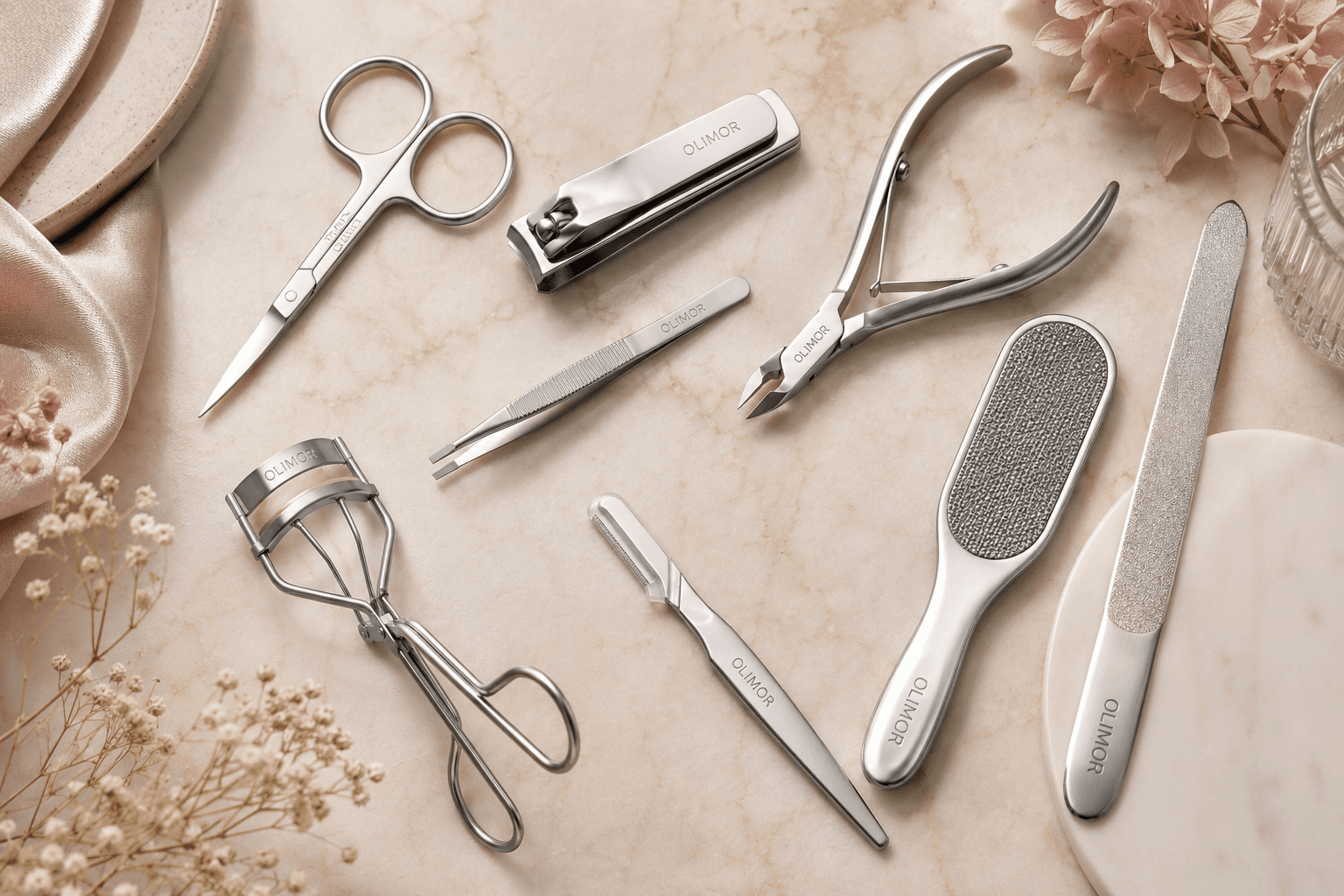
For a beauty brand, tweezers also represent your product promise. A well-made tool supports repeat purchases and helps position other items in your range. Buyers reviewing broader beauty tool products should treat tweezers as a precision item, not as a generic accessory.
Wholesaler vs. Factory: What Changes When You Buy Direct
A tweezers wholesaler can be useful when you need small mixed quantities, fast stock or access to products from multiple manufacturers. Wholesalers typically carry ready-made items, which can simplify purchasing for newer retailers. The tradeoff is that you may have less visibility into production, less flexibility over details and a higher per-unit cost because another layer sits between you and the source.
Factory-direct sourcing offers a different set of advantages. When working with a manufacturer such as Olimor Beauty, the purchasing conversation can focus on how the tool is made, what details matter for your target customer and how consistency will be managed before shipment. Direct sourcing can also make it easier to discuss packaging, finish, tip style and quality expectations before scaling up.
| Sourcing route | Best suited for | Key consideration |
|---|---|---|
| Wholesaler | Small, mixed or urgent orders | Convenient, but with less direct control over product details |
| Factory-direct | Bulk orders, brand programs and repeat supply | Better alignment on production, quality checks and specifications |
| Distributor marketplace | Testing demand or comparing common styles | Confirm consistency before committing to larger volumes |
The main question is not simply where to buy tweezers, but how much control your business needs. If you are building a branded grooming range, supplying salons or selling through retail channels, factory-direct communication can help you avoid surprises that are difficult to fix after the order arrives.
What to Check Before Placing a Bulk Tweezer Order
Before confirming a bulk purchase, evaluate the product from the perspective of your end customer. A buyer for a salon supplier may prioritize grip, repeated use and professional presentation. A retailer may focus on shelf appeal, packaging clarity and consistent finish. A grooming brand may need a product that fits a wider line of tools without looking mismatched.
Use the following checklist when reviewing samples or discussing requirements:
- Tip alignment: The two tips should meet cleanly without a visible gap when closed.
- Tip finish: Edges should feel refined, not rough, uneven or overly sharp against the skin.
- Grip control: A non-slip matte finish can improve handling, especially in salon or bathroom environments.
- Arm tension: The tweezer should close with controlled pressure, not feel weak or overly rigid.
- Material suitability: Stainless steel is a common choice for beauty tweezers because it supports durability and a professional appearance.
- Ergonomic feel: The shape should sit naturally in the fingers and support precise movement.
- Packaging fit: Packaging should protect the tips and communicate the intended use clearly.
- Batch consistency: Samples should match the standard expected for the full production order.
These checks are practical because they connect directly to user satisfaction. A tweezer can look acceptable in photos yet fail in daily use if the tips are misaligned or the tension is inconsistent.
How Olimor Beauty Approaches Precision and Control
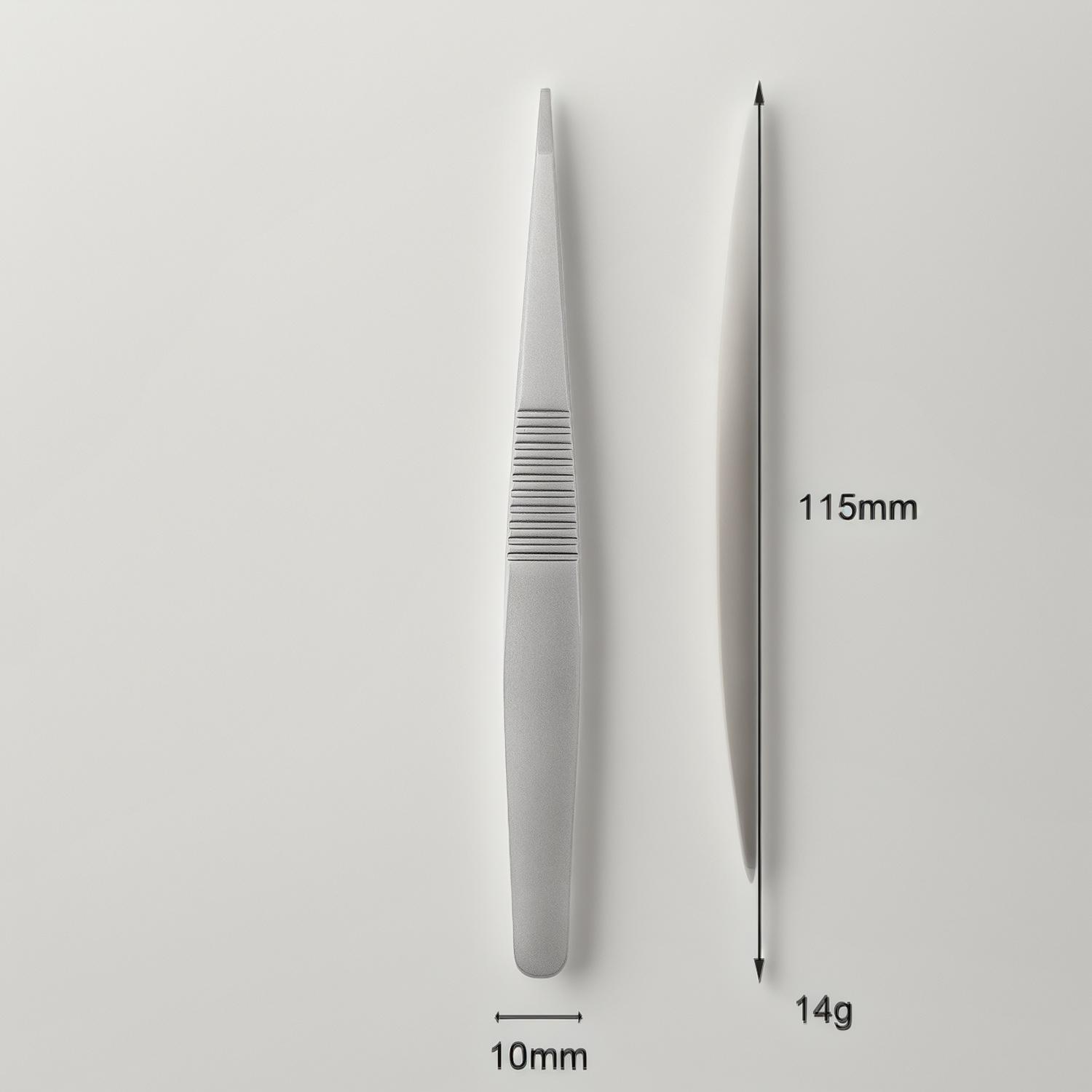
Olimor Beauty focuses on beauty tools where precision and finish matter. For tweezers, this means attention to the details buyers often cannot judge from a product listing alone. The supplied product information highlights stainless steel construction, ergonomic designs, a non-slip matte finish and finely honed tips. Each of these features addresses a specific user need: durability, comfort, controlled grip and accurate hair removal.
Working with a manufacturer also gives buyers a clearer line of communication from raw material selection through final packaging. That does not mean every detail is automatically fixed for every buyer; it means the right questions can be discussed earlier. For example, a retailer preparing a seasonal grooming set may need protective packaging that keeps the tips secure. A salon supplier may care more about hand feel and repeat performance. A brand owner may compare finish, color direction and presentation across multiple tools in a collection.
Buyers exploring related product collections can use tweezers as a benchmark item. If a supplier can control such a small precision tool well, it becomes easier to evaluate whether other beauty tools meet the same purchasing standard.
Common Bulk Buying Scenarios
Different businesses buy tweezers in bulk for different reasons. Understanding your scenario helps narrow the sourcing conversation and avoid paying for features that do not matter to your market.
- Retail replenishment: Stores need dependable stock that looks consistent on display and performs well enough to avoid returns.
- Salon and spa supply: Professionals need tools that feel stable in hand and can support precise grooming services.
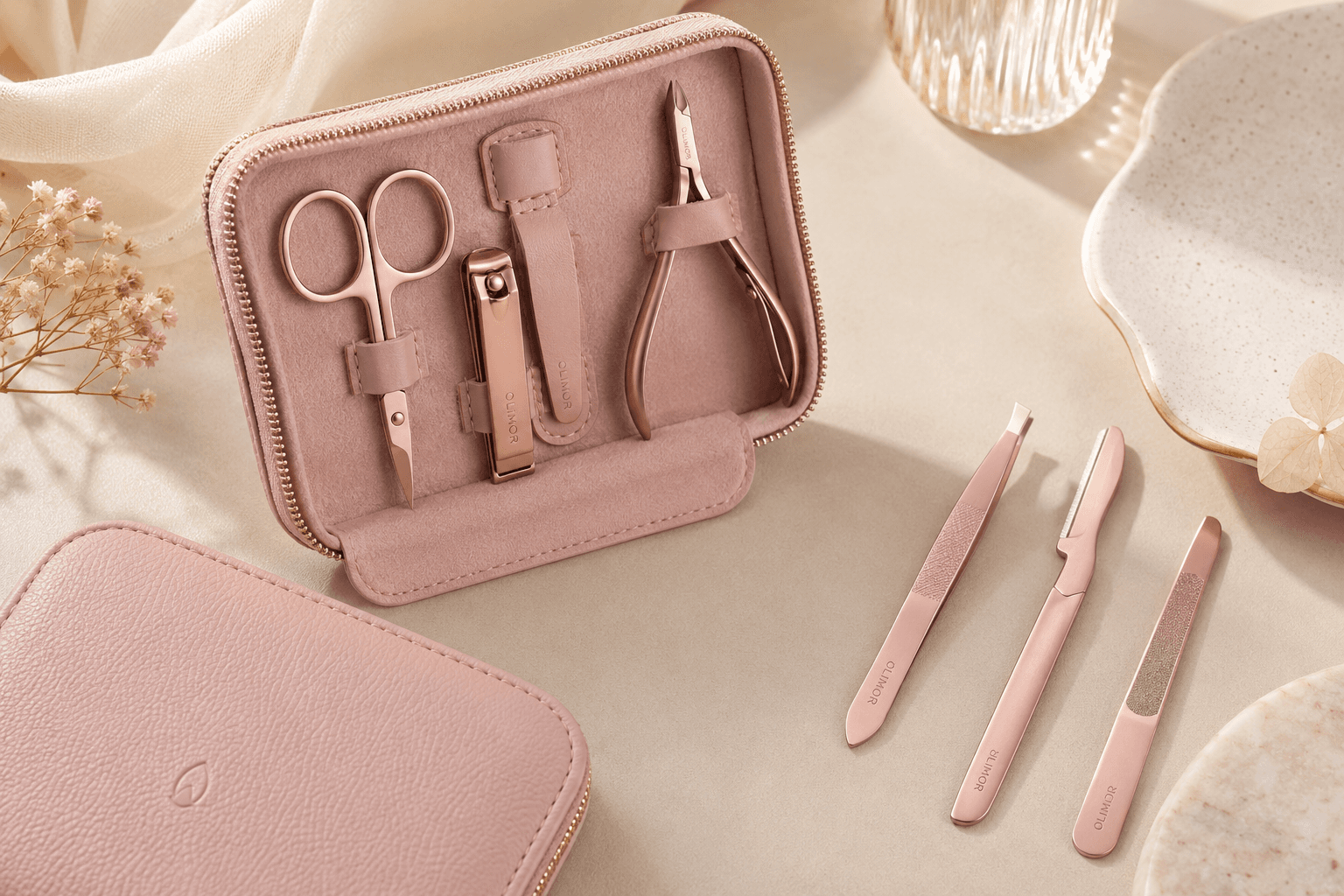
- Beauty kits: Tweezers may be packed with scissors, lash tools, brow accessories or travel grooming items, so packaging dimensions and visual consistency matter.
- Private-label programs: Brand owners need repeatable quality and a clear process for confirming samples before production.
- Promotional or seasonal sets: Buyers should balance cost control with a product that still reflects the brand’s quality expectations.
In every case, the best outcome comes from defining the target user before comparing prices. A tweezer designed for occasional travel use may not require the same presentation as one sold as a professional brow tool, but both should close accurately and feel reliable.
Maintenance Guidance to Improve Customer Satisfaction
Even well-made tweezers need basic care. Including simple care instructions in packaging, on a product page or in a sales sheet can reduce complaints and help customers use the tool properly. The guidance does not need to be complicated.
- Keep the tips clean and dry after use.
- Store the tweezer with a protective cap or in packaging that prevents tip damage.
- Avoid dropping the tool, as impact can affect alignment.
- Use the tweezer for its intended grooming purpose rather than as a general household tool.
- Wipe the surface regularly to maintain a clean appearance.
These details are especially useful for retailers and online sellers because they set realistic expectations. Many tweezer problems happen after purchase because the tips are bent, contaminated or used incorrectly. Good maintenance information protects the customer experience and the perceived value of the product.
Questions to Clarify Before You Confirm a Supplier
When evaluating where to buy tweezers in bulk, avoid relying only on a unit price. A very low price may still be expensive if the order has inconsistent alignment, unsuitable packaging or weak retail presentation. Instead, prepare a focused sourcing brief that covers the practical details.
Your brief can include the desired tip type, surface finish, packaging style, target sales channel, sample review process and any visual requirements for a wider product range. If you are unsure which details are appropriate, you can contact Olimor with your intended use case and expected market positioning. For active purchasing projects, use the send an inquiry page to share your requirements in a structured way.
The strongest supplier relationship is built around clear expectations. Instead of asking for “the cheapest tweezer,” ask for the most suitable tweezer for your customer, channel and brand standard. That approach leads to better comparison between offers and fewer issues after production.
Choosing the Right Bulk Tweezer Partner
Buying tweezers in bulk is a small product decision with a large impact on brand trust. Wholesalers can provide convenience, but direct cooperation with a manufacturer gives serious buyers more room to focus on precision, consistency and presentation. For retailers, salon suppliers and grooming brands, those details are often what separate a repeatable product from a one-time purchase.
Olimor Beauty offers a factory-direct route for buyers who want beauty tools made with attention to material selection, ergonomic handling, non-slip finish and finely honed tips. By approaching tweezers as precision tools rather than simple accessories, your business can source products that better match customer expectations and support long-term supply planning.
Tag: