Buy Tweezers in Bulk: How to Choose the Right Supplier
When your business needs to buy tweezers in bulk, the supplier you choose affects more than purchase cost. Tweezers are small tools, but customers notice poor alignment, weak grip, rough edges, inconsistent tension and packaging that does not suit the sales channel. For salons, retailers, beauty distributors and e-commerce brands, a bulk tweezer order should be evaluated as a product quality decision, not only a procurement task.
The key question is often whether to source from a general tweezers wholesaler or work closer to a specialized factory. Both options can serve different business needs, but they do not offer the same level of visibility, consistency or control. This guide explains what to compare before placing a bulk order, how to judge quality, and what to prepare when discussing a project with Olimor Beauty.
Why Bulk Tweezer Quality Matters
Customers use tweezers for tasks that require close control: shaping brows, removing fine hairs, handling small cosmetic accessories and maintaining personal grooming routines. If the tips do not meet evenly, the tweezer may slip. If the edges feel too sharp or unfinished, the tool can feel uncomfortable. If tension varies across a batch, two customers may have completely different experiences with the same product line.
For a brand or distributor, these details can lead to repeat orders or returns. Bulk purchasing can improve unit economics, but only if the product is consistent enough to support your reputation. Before you compare quotes, define what “acceptable” means for your business: tip shape, grip feel, finish, packaging format, appearance, inspection criteria and how the tool will be sold.
Wholesaler vs. Factory: What Changes for Bulk Buyers?
When researching where to buy tweezers, you may find general beauty-tool distributors, online wholesalers and factory-direct suppliers. A wholesaler can be useful when you need mixed products quickly or want to test several categories at once. However, wholesalers often aggregate goods from different sources, which can make repeat consistency harder to manage.
A direct factory relationship can provide stronger visibility into how the tool is made, how materials are checked and how quality control is applied before shipment. This is especially important if you plan repeat orders, want consistent packaging, or need to align products with a specific retail or salon audience.
| Supplier type | Best fit | Key limitation to check |
|---|---|---|
| General wholesaler | Small mixed orders, quick category testing, broad product variety | Batch consistency, product origin, limited customization control |
| Beauty-tool specialist | Buyers focused on grooming tools and repeat quality | Whether the supplier can support your target style, finish and packaging expectations |
| Factory-direct partner | Bulk orders where consistency, inspection and long-term sourcing matter | Communication clarity, lead-time planning and sample approval process |
The lowest quote is not always the lowest total cost. A low-cost batch that requires rework, repackaging, extra inspection or customer service attention can become expensive. The right supplier should help you reduce uncertainty before production, not simply provide a price list.
Core Selection Criteria Before You Buy Tweezers in Bulk
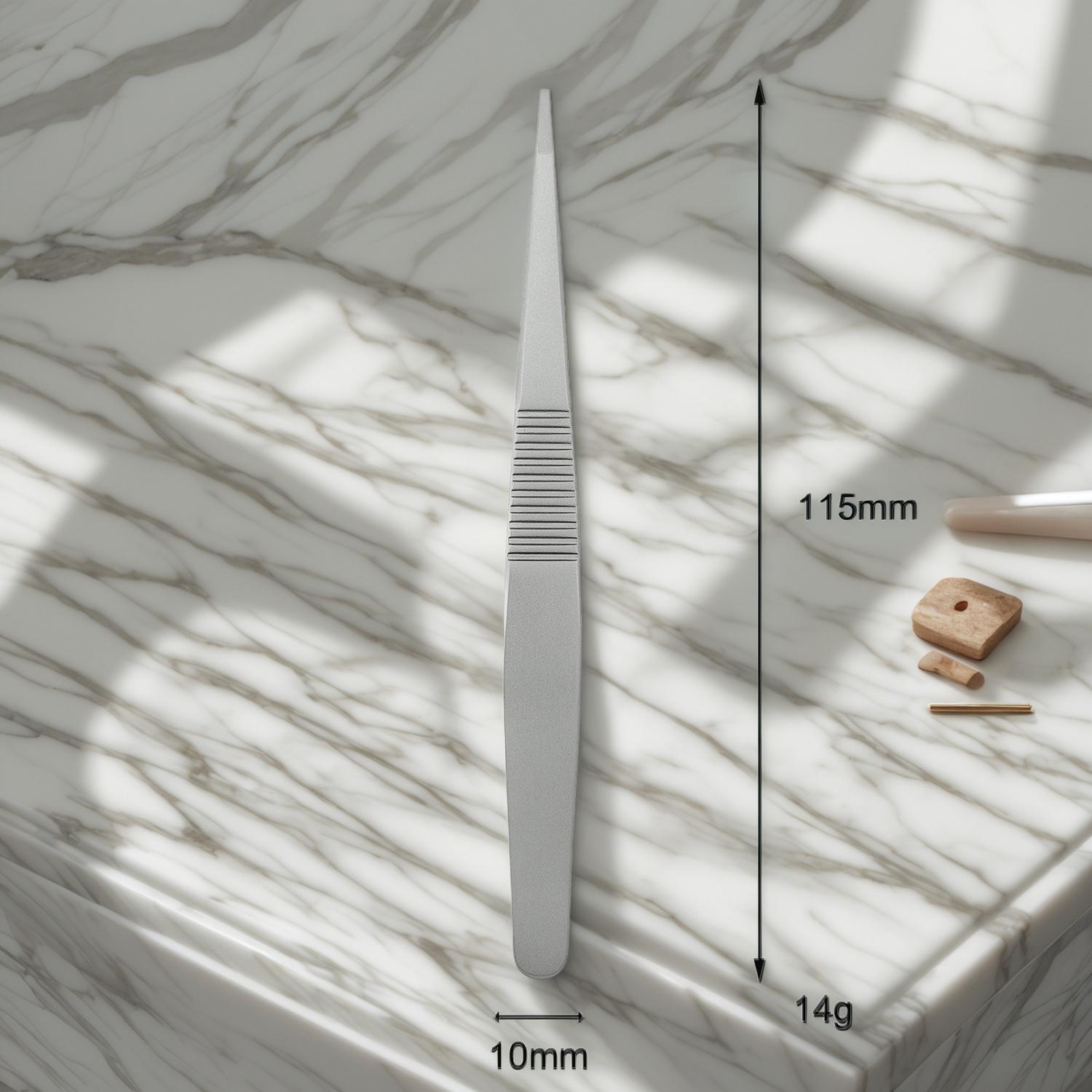
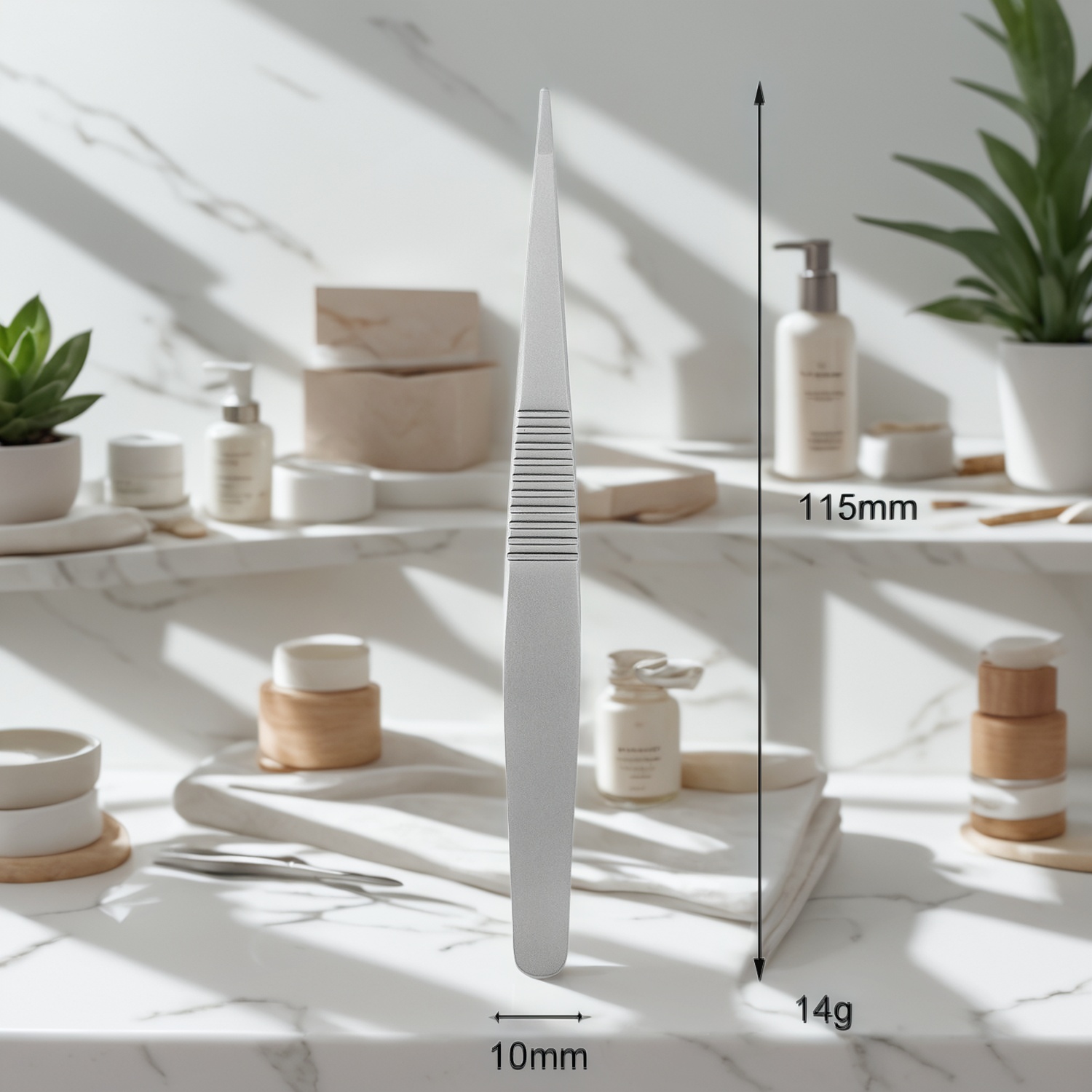
A good sourcing decision starts with product requirements. Even a simple tweezer can vary in shape, hand feel and use case. Olimor Beauty offers bulk purchasers tweezer options including a sleek straight model and a precision slanted-tip tool, both described for salon-quality results. When comparing any supplier, consider how each design supports your end customer.
- Tip alignment: The two sides should meet evenly so users can grip fine hairs or small items without slipping.
- Tip style: Straight tips can suit general precision tasks, while slanted tips are commonly chosen for brow shaping and controlled hair removal.
- Material choice: The original product information identifies high-quality stainless steel. For buyers, stainless steel is valued because it supports durability and a clean professional appearance.
- Tension and flexibility: The tweezer should close with controlled pressure, not feel loose or overly stiff.
- Surface finish: Check for burrs, uneven coating, visible scratches or sharp unfinished areas.
- Ergonomic feel: The tool should sit comfortably in the hand during repeated use, especially for salon professionals.
- Packaging readiness: Decide whether the tweezer will be sold individually, bundled with other beauty tools, or supplied for professional use.
These points make your supplier conversation more practical. Instead of asking only for “best quality,” you can define the tool behavior and presentation your customers expect.
Quality Control Questions That Protect Your Order
Bulk orders require a more systematic approach than single-unit purchasing. One good sample does not guarantee a stable production batch, so your quality review should cover both pre-order samples and batch inspection logic. Olimor Beauty states that internal quality control is applied from raw material inspection to final packaging. For buyers, the goal is to understand how those controls match your acceptance criteria.
Useful quality questions include:
- How are raw materials checked before production begins?
- What inspection points are used for tweezer tip alignment and closing tension?
- How are cosmetic defects such as scratches, stains, uneven finish or packaging damage classified?
- Can pre-production samples be reviewed before a larger order is confirmed?
- What packaging details need approval before production?
- How is consistency managed across repeat orders?
You do not need to turn every order into a complex engineering project, but you should avoid vague approval standards. A clear sample, clear packaging artwork and clear inspection expectations help both sides reduce mistakes.
Matching Tweezer Types to Your Sales Channel
Not every bulk buyer needs the same tweezer. A salon supplier may prioritize comfortable repeated use, dependable grip and professional appearance. A retailer may focus on shelf presentation, packaging clarity and a design that is easy for consumers to understand. An online seller may need strong product images, consistent appearance across units and packaging that withstands fulfillment handling.
If your audience is professional beauty users, tension and ergonomic design may matter as much as visual finish. If your audience is everyday grooming customers, the product should communicate its use clearly: brow shaping, fine-hair removal or general precision grooming. Slanted-tip tweezers are often easier to position for eyebrow work, while straight models can be presented as clean, simple precision tools.
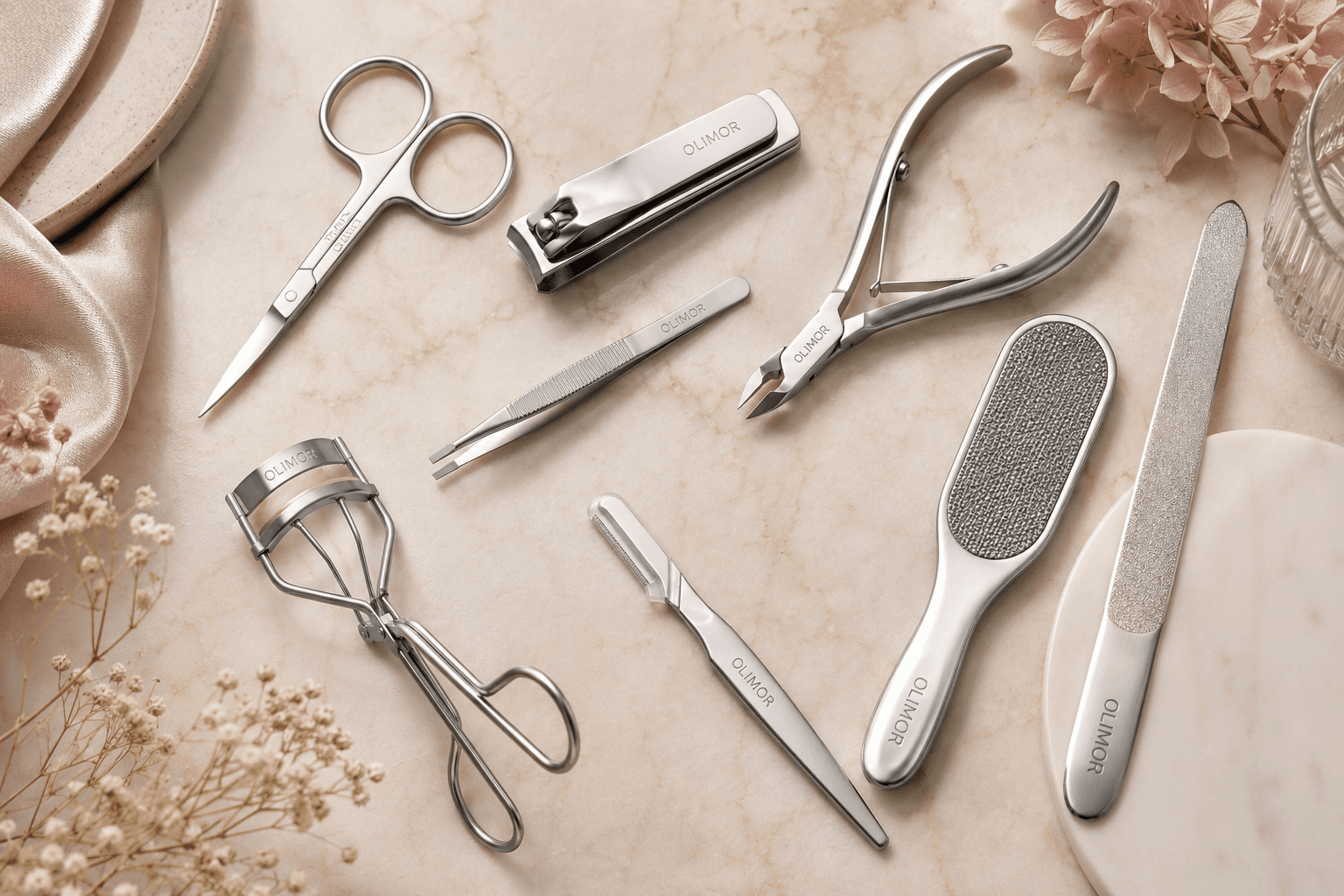
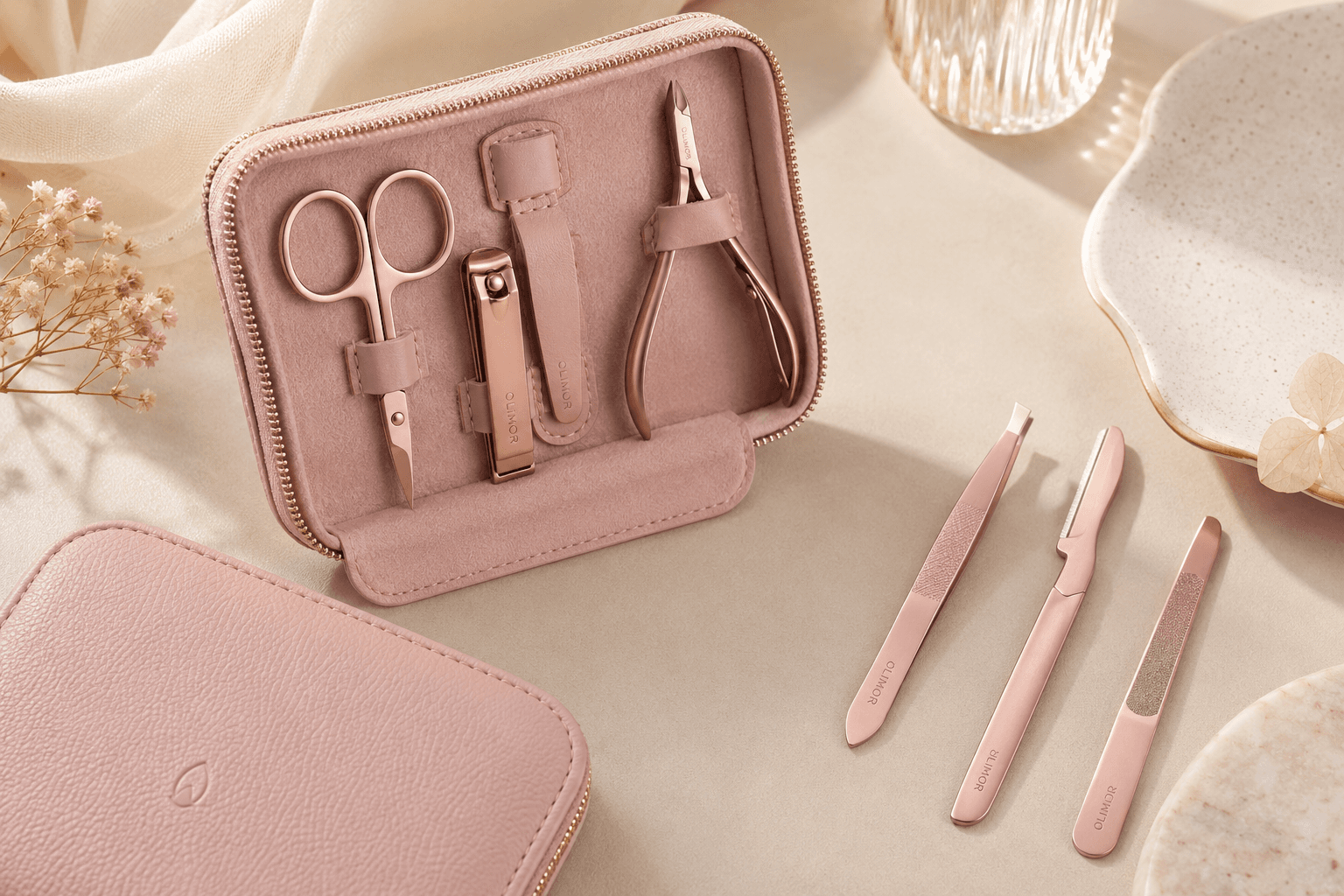
For buyers building a larger range, it may help to review related beauty tool products and compare how tweezers fit with other grooming accessories. If you plan to offer multiple tools together, browse product collections to think through assortment structure, packaging consistency and how each item supports the same customer group.
Packaging, Branding and Presentation Considerations
Packaging is often where bulk tweezer orders become more complicated than expected. A tweezer may be technically acceptable, but if the package does not fit the selling channel, the order may still create problems. Retail packaging must protect the tips, display the product clearly and provide enough information for the buyer. Salon or professional supply packaging may be simpler, but it still needs to keep the tools clean, separated and easy to count.
Before ordering, define the following details:
- Whether the tweezer will be sold as a single item or part of a set.
- Whether the package needs a hanging option, inner card, pouch or protective sleeve.
- What product information, barcode or compliance text your channel requires.
- Whether the design should match an existing beauty-tool line.
- How cartons should be marked for warehouse receiving and inventory control.
Because specific packaging capabilities can vary by project, prepare reference images, artwork files and target channel requirements before starting the order discussion. This makes it easier to determine what is feasible and what needs adjustment.
How Olimor Beauty Supports Bulk Tweezer Sourcing
Olimor Beauty positions its bulk tweezer supply around factory-level control, stainless steel construction, ergonomic design and internal quality checks. For businesses comparing a tweezers wholesaler with a more specialized supplier, the main advantage is consistency: the ability to align product design, inspection and final packaging around repeatable expectations.
That does not mean every buyer needs the same solution. A startup testing a new grooming category may begin with a smaller, focused selection. A distributor may need stable repeat supply and clear carton organization. A salon supplier may focus on tools that feel dependable in daily work. The best conversation starts with your end customer, order purpose and product requirements, then moves to samples, packaging and timeline.
If you are preparing a sourcing brief, include your target market, preferred tweezer type, estimated order plan, packaging concept and any inspection priorities. You can send an inquiry with project details or contact Olimor to discuss which bulk tweezer option best fits your sales channel.
Final Buying Checklist
Before you confirm a bulk tweezer order, review the decision in practical terms. Have you tested the grip? Does the tip style match the use case? Is the finish acceptable for the price point? Are packaging requirements clear? Do you know how defects will be identified? Have you considered repeat-order consistency?
Buying tweezers in bulk is most successful when the supplier relationship is built around clear standards rather than assumptions. A reliable factory-direct partner can help reduce variation, support better quality control and give your business a more dependable beauty tool offering. By focusing on alignment, material, ergonomics, inspection and packaging from the start, you can source tweezers that meet customer expectations and support long-term sales.
Tag: