Where to Buy Tweezers in Bulk: Factory Direct vs. Wholesaler Sourcing
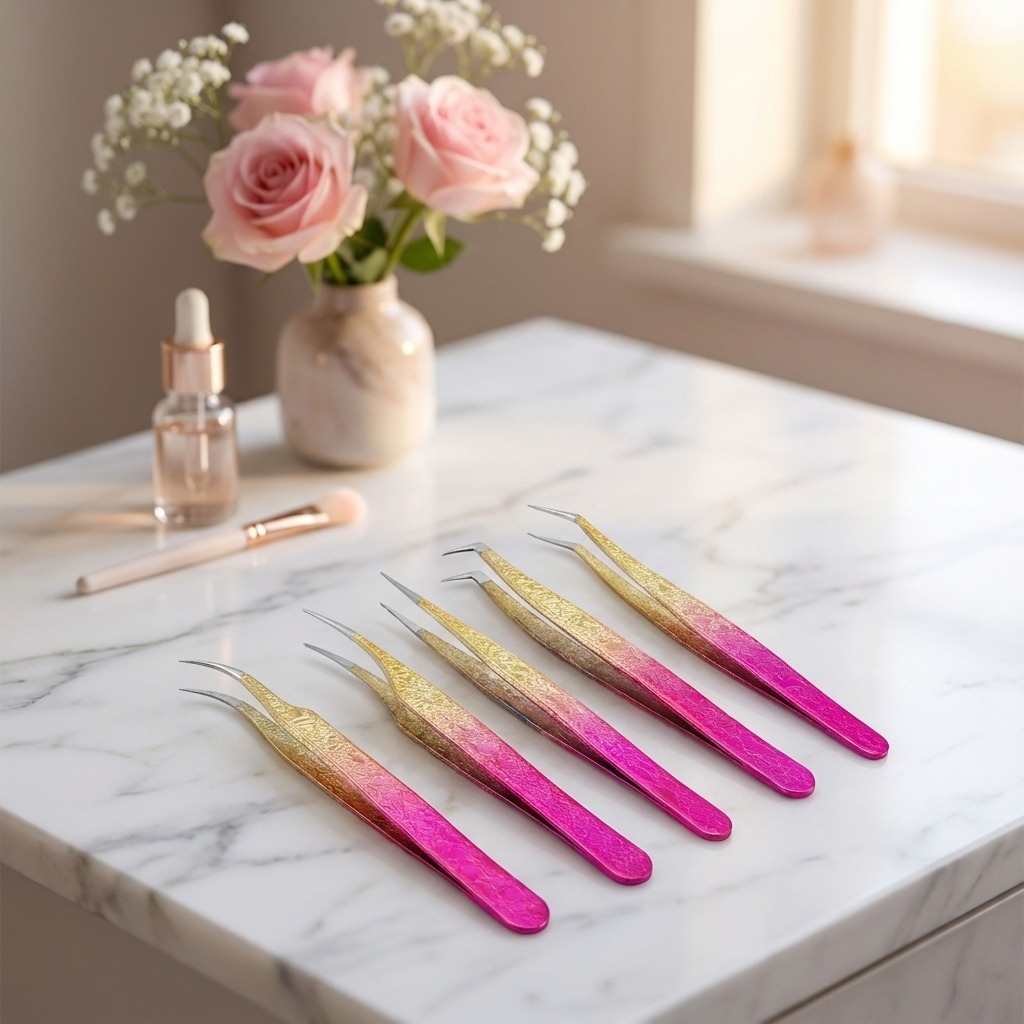
Buying tweezers in bulk is a sourcing decision, not just a unit-price comparison. For salons, brow studios, lash technicians, beauty retailers, e-commerce sellers, gift-set assemblers and distributors, a tweezer must grip cleanly, feel controlled in the hand, protect its tip shape during packing and arrive with consistent finishing across the order.
The best place to buy tweezers in bulk depends on your order purpose. A wholesaler can be useful for ready stock, quick assortment testing and smaller business orders. A factory-direct or factory-connected supplier is usually a better fit when you need repeatable quality, defined packaging, private-label planning, finish consistency or a long-term beauty-tool program. This guide explains how to compare the options and how to evaluate bulk tweezers before you commit.
Start With the Use Case Before Comparing Prices
The lowest quoted price can become expensive if the tweezers require sorting, repacking, replacement or customer-service handling after delivery. Before asking suppliers for a quotation, define who will use the tool and what performance they will notice first.
- Brow and facial hair professionals usually prioritize tip alignment, clean hair grip, edge comfort and stable tension for repeated use.
- Lash service buyers may need fine control, visibility around the working area and a grip that does not cause hand fatigue during detailed isolation tasks.
- Retail beauty customers often compare appearance, packaging, safety of handling, portability and whether the tool feels precise at home.
- Gift-set and kit assemblers need a tweezer that fits the visual theme, protective packaging and the other beauty tools in the set.
- Distributors and importers need repeatability, clear specifications, inspection steps and practical after-sales communication.
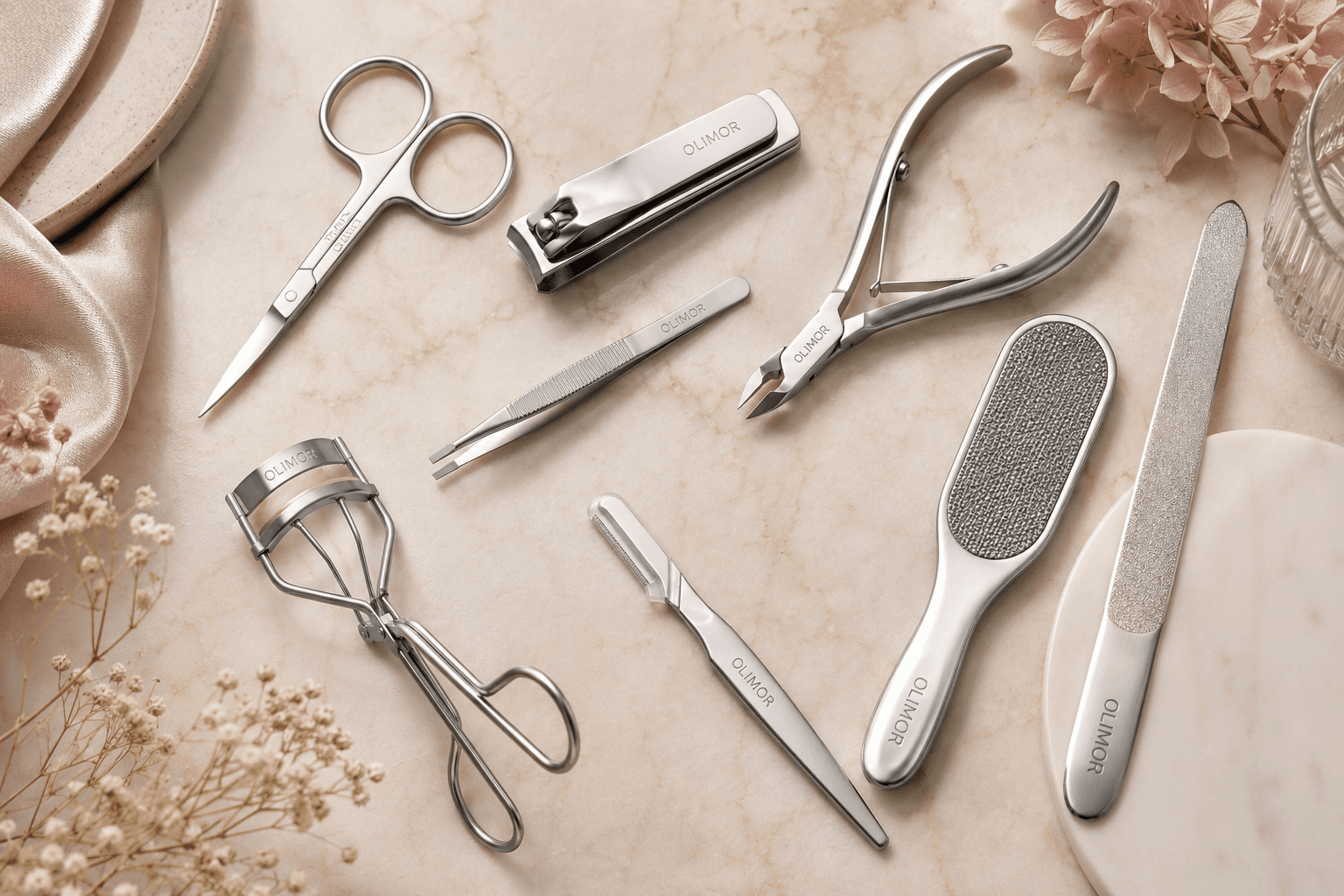
Olimor Beauty works in the beauty-tool category with stainless steel tweezers for professional and retail use, including straight, angled, curved, hooked, dual-tip and silicone-tipped options referenced in product information. Buyers planning a wider assortment can review related beauty tool products while defining their sourcing list.
Wholesaler, Distributor or Factory: Which Route Fits?
Most bulk tweezer buyers compare three sourcing routes: retail or marketplace purchasing, wholesale or distribution, and factory-direct sourcing. Retail can help with urgent replacement or very small trials, but it is rarely the most reliable route for repeated business inventory. For commercial buying, the practical comparison is usually between a wholesaler, a distributor and a factory-connected supplier.
| Sourcing route | Best for | Main advantage | What to verify |
|---|---|---|---|
| Wholesaler | Salons, small retailers and buyers testing several styles | Ready stock, simple ordering and variety | Batch consistency, packaging condition, reorder availability and sample match |
| Distributor | Regional resellers or buyers combining several beauty-tool categories | Consolidated purchasing across mixed items | Product origin, quality-control process, after-sales support and stock source |
| Factory-direct or factory-connected supplier | Brands, importers, retailers and repeat bulk programs | Closer discussion of material, finish, tip style, packaging and inspection | Sample approval process, lead-time planning, specification control and documentation |
A wholesaler is not automatically inferior, and a factory is not automatically the right answer for every order. The key is fit. If you need finished stock quickly and do not require customization, wholesale may be practical. If your business depends on consistent restocks, branded packaging, a defined finish or a set structure, factory-direct sourcing usually gives you better control.
When a Tweezers Wholesaler Makes Sense
A tweezers wholesaler is a sensible option when speed and variety matter more than deep product control. A new brow bar may want to test slanted, straight and pointed tweezers before choosing a main operating tool. A retailer may want to trial different finishes, carded packaging or giftable sets. A distributor may need to fill gaps between planned production orders.
The main limitation is that wholesalers usually sell what is already produced. Customization may be limited to available packaging, existing colors or predefined assortments. Future restocks may also vary if the wholesaler changes sources or receives a different production batch. That variation can affect tip tension, surface color, packaging fit and customer perception.
If you buy through a wholesaler, request product photos, packaging images and samples from the same stock source intended for the order. Document the approved tip type, color, finish, packaging format and any available dimensions in the purchase order. Keep a retained sample from the approved lot so later shipments can be compared against it.
When Factory-Direct Sourcing Is Better
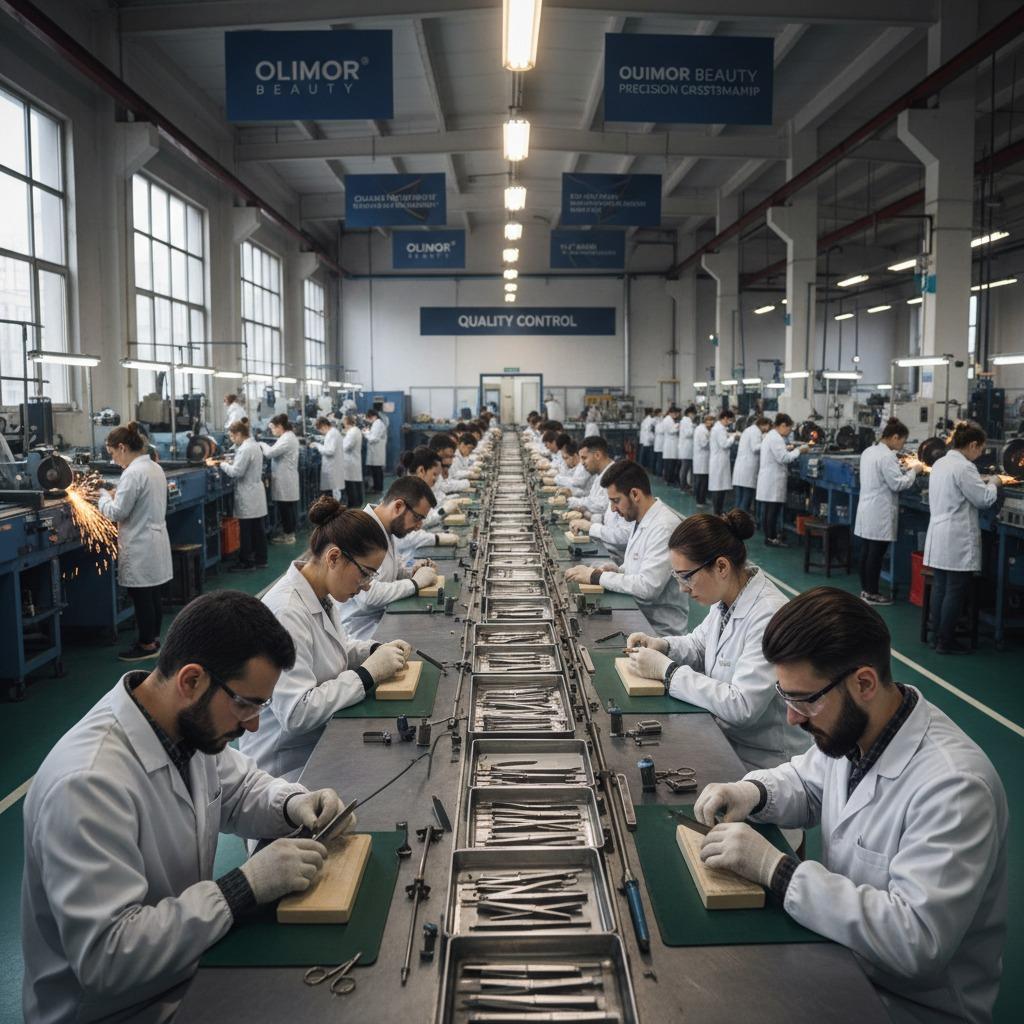
Factory-direct sourcing is usually better when tweezers are part of a planned product line, retail program, professional kit or private-label project. The main benefit is not only potential cost transparency. It is the ability to define the product before the order scales: tip shape, alignment expectation, material preference, grip texture, surface finish, packaging method and inspection process.
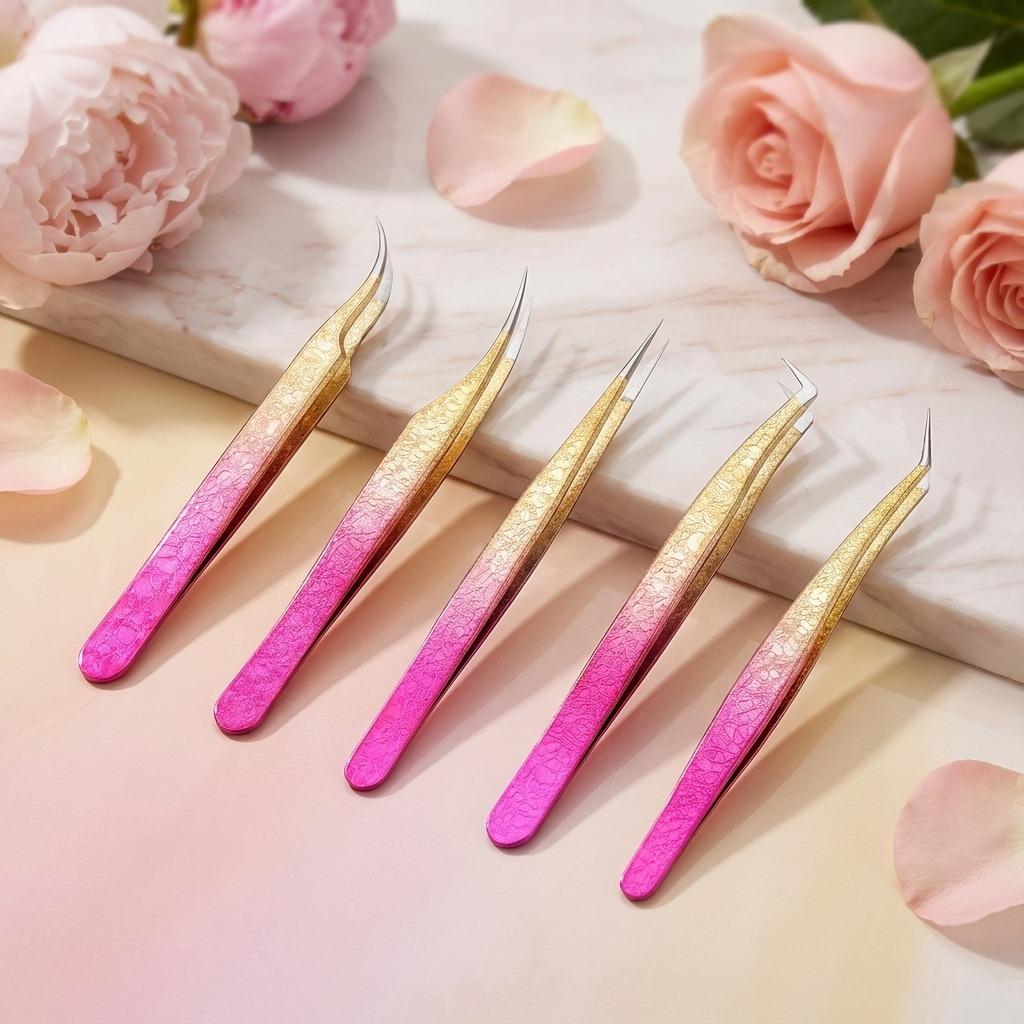
For example, product information referenced by Olimor includes stainless steel tweezers with ergonomic designs, textured non-slip grip areas, straight and angled tips, vibrant pink-to-gold gradient finishes, and curved precision styles including 115 mm and 130 mm options. Other referenced items include a dual-tip tweezer duo with aquamarine-hued stainless steel tips for slant and pointed precision, plus a sky-blue dual-end silicone-tipped tweezer described with a 106 mm length for broad and pointed tasks. These details show why buyers should not treat all tweezers as interchangeable.
Factory sourcing requires more planning than buying ready stock. You may need sample review, packaging confirmation, order scheduling and written specifications. However, that work can reduce surprises for repeat orders. If you are preparing a branded or bulk beauty-tool program, you can send requirements through the Olimor inquiry page with your intended use, preferred tip styles, packaging needs and target market channel.
Key Tweezer Features to Compare Before Buying in Bulk
Bulk buyers should compare functional details, not only catalog photos. Small manufacturing differences can change how a tweezer performs during daily beauty work or how customers judge it after purchase.
Material and Finish
Stainless steel is widely used for beauty tweezers because it supports durability, cleanability and corrosion resistance in normal handling. Olimor product information references stainless steel construction and rust-resistant finishes. Buyers should still ask the supplier how the material, finish and cleaning guidance are documented for the specific product being ordered.
Surface finish also affects the user experience. A matte or textured grip area can feel more secure. A smooth or gradient finish may be chosen for retail presentation, but it should still give enough control for precise use. Coated, colored or silicone areas should be checked for clean application and consistency across samples.
Tip Shape and Intended Use
Tip shape should match the customer and the task. Straight tips can support general gripping. Slanted or angled tips are common for brow shaping because they help isolate individual hairs. Curved tips may improve visibility around the working area. Pointed or hooked tips can help with fine detail tasks, but they require careful handling and protective packaging to prevent damage.
Some buyers also source precision tweezers for crafts, electronic assembly or laboratory-style detail work. If the product will be used outside general beauty grooming, confirm the exact application with the supplier and avoid assuming that a beauty tweezer is suitable for every specialist task.
Grip Comfort and Spring Tension
A tweezer should open and close smoothly. Too much tension can tire the hand during repeated use; too little can feel unstable. Professional technicians may notice tension differences quickly because they use the tool for long service sessions. Retail customers may not describe the issue technically, but they will notice if the tool feels stiff, weak or difficult to control.
Packaging and Tip Protection
Packaging is part of the product specification. Bulk backbar use may require simple protective packing. Retail buyers may need individual sleeves, cards, boxes, caps, set trays or kit packaging. Gift-set assemblers need the tweezer to remain secure during transport so tips do not bend or scratch nearby items. Confirm whether packaging is designed for professional storage, retail display or e-commerce shipment.
Practical Quality Checks for Bulk Tweezers
Photos cannot prove grip performance, tip contact or hand feel. Always test samples before approving a larger order. A good review should imitate the real use case: brow shaping, lash work, grooming, retail handling or kit assembly.
| Check | What to look for | Why it matters |
|---|---|---|
| Tip alignment | Tips meet evenly without visible gaps, twisting or offset | Improves precision and reduces slipping on fine hairs |
| Grip performance | Tool can grip fine and slightly thicker hairs cleanly in realistic use | Confirms the tweezer performs beyond appearance |
| Edge comfort | Tips are precise but not rough or harsh during careful handling | Supports safer-feeling brow and grooming work |
| Spring tension | Opening and closing feel smooth and controlled | Reduces hand fatigue and improves consistency |
| Surface finish | Color, coating, texture and silicone areas look clean and consistent | Protects retail presentation and perceived value |
| Packaging fit | Tweezers are held securely and tips are protected | Reduces damage during storage and shipping |
| Batch consistency | Several samples match the approved reference, not just one piece | Helps buyers judge normal production variation |
For larger commercial orders, buyers may use recognized inspection frameworks such as ISO 2859-1 sampling procedures or refer to ISO 9001 as a quality-management framework when discussing supplier processes. These references do not prove a supplier holds any certification. Buyers should verify the applicable standard version, inspection level, acceptance criteria and supplier documentation for their own market and order requirements.
Cost Factors Beyond the Unit Price
A strong bulk buying decision considers total purchasing cost, not only the first quotation. The final cost of buying tweezers in bulk can be affected by material choice, finish complexity, tip style, packaging format, inspection requirements, order quantity, freight method, destination duties, rework risk and defect handling.
Wholesalers may appear cheaper when you need small ready-stock orders because the product is already available. Factory-direct sourcing may become more attractive for repeat programs because specifications, packaging and inspections can be planned together. However, savings are not automatic; they depend on the real order details. Ask suppliers to separate product, packaging, labeling, inspection and logistics assumptions where possible so you can compare quotations fairly.
How to Evaluate a Bulk Tweezer Supplier
A dependable supplier should make the buying decision clearer. Vague phrases such as premium quality or professional grade are not enough. Ask for specific information that supports your intended use and market channel.
- Which tip styles are available for brow, lash, general grooming, detail work or retail sets?
- What material and finish are used for the specific item being quoted?
- Can samples be supplied from the intended production or stock source?
- How are tip alignment, tension, finish and packaging checked before shipment?
- What packaging options are available for professional use, retail display or kits?
- Can the same specification be repeated for future orders?
- How are defects, shortages or shipping damage handled?
- What order information is required to confirm customization, artwork or packing details?
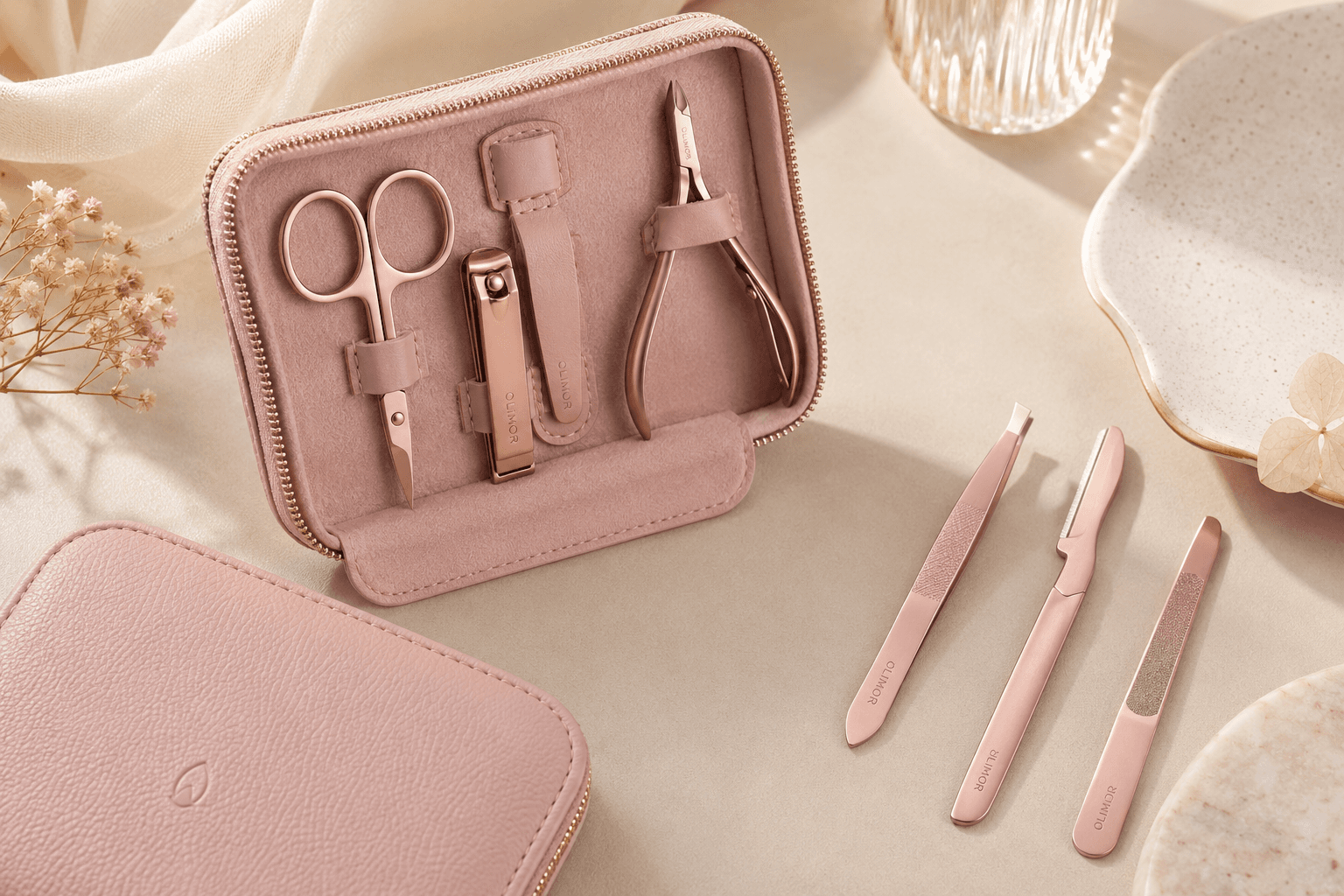
Buyers building a coordinated beauty-tool range can compare tweezers with related brow, lash, manicure and grooming tools in the Olimor product collection. This helps align finish, packaging style and assortment logic across categories.
Recommended Buying Process
- Define the use case. Decide whether the tweezers are for salon stations, brow retail, lash work, general grooming, promotional kits or specialist detail tasks.
- Select tip styles. Choose straight, slanted, angled, curved, pointed, hooked, dual-tip or silicone-tipped options based on customer needs.
- Request samples. Review more than one piece where possible and test the tool under realistic conditions.
- Confirm packaging. Decide whether you need bulk packing, protective caps, sleeves, retail cards, boxes or set packaging.
- Document specifications. Record material, finish, color, tip type, packaging, sample reference and any approved artwork.
- Agree on inspection points. Define how alignment, tension, finish, packaging and quantity will be checked.
- Plan reorders. Keep an approved sample and written specification so future shipments can be compared consistently.
Work With Olimor on Bulk Tweezer Sourcing
Olimor Beauty supports B2B buyers comparing beauty-tool sourcing options, including bulk tweezers for professional, retail and assortment programs. The most useful inquiry includes your market channel, intended user, preferred tip shapes, finish direction, packaging expectations and whether you are testing stock items or planning a repeat program.
For a practical next step, contact Olimor Beauty to discuss suitable tweezer styles, sample review and sourcing questions without assuming a one-size-fits-all product.
FAQ
Can I request samples before buying tweezers in bulk?
Yes. Sample review is strongly recommended because alignment, grip tension and surface feel cannot be confirmed from photos alone. Ask whether samples match the intended stock or production source.
Is there a standard MOQ for bulk tweezers?
MOQ depends on the item, packaging, customization and sourcing route. Ready-stock wholesale orders and customized factory orders may have different requirements, so confirm the current MOQ with the supplier before planning.
Can tweezers be customized for retail or private-label use?
Customization may include packaging format, set structure, color direction or branding elements, depending on the product and order details. Do not assume every ready-stock item can be customized; confirm feasibility during inquiry.
What quality checks should I ask for?
Focus on tip alignment, grip performance, edge comfort, spring tension, surface finish, packaging protection and batch consistency. For larger orders, discuss the sampling method and documentation before shipment.
How should I compare lead time between wholesalers and factories?
Wholesalers may ship ready stock faster, while factory sourcing usually requires more planning for samples, packaging and production. Ask each supplier for the current schedule based on your exact item and order requirements.
Tag: