Bulk Purchase of High-Quality Grooming Tools: A Practical Buyer’s Guide
Buying grooming tools in bulk can be a smart decision for retailers, salons, distributors, online sellers and promotional product buyers. A larger order can reduce per-unit handling costs, simplify inventory planning and help keep popular items available when demand increases. However, bulk purchasing only works well when the tools are consistent, comfortable to use and appropriate for the audience you serve.
For beauty and personal care businesses, grooming tools are not casual add-ons. Tweezers, nail tools, brow tools, cuticle tools, scissors, files and compact grooming kits are handled closely, used repeatedly and often judged by feel as much as appearance. A product that looks acceptable in a photo may still disappoint if the grip is awkward, the edge is rough, the finish scratches easily or the packaging does not protect the contents in transit.
This guide explains how to approach a bulk purchase of high-quality grooming tools with clearer selection criteria, better quality expectations and fewer avoidable sourcing problems.
Why Bulk Purchasing Makes Sense for Grooming Tool Buyers
Bulk buying is often associated with price savings, but the benefits go beyond the unit price. For a retail or e-commerce business, a stable supply of grooming tools helps maintain listings, plan seasonal promotions and avoid frequent small reorders that consume purchasing time. For salons, spas or beauty service providers, ordering in quantity helps standardize the tools used across locations or staff teams. For private label and gift set buyers, bulk sourcing makes it easier to coordinate tools, packaging and visual presentation in one plan.
The most common advantages include:
- Lower purchasing complexity: fewer orders, fewer invoices and a simpler restocking schedule.
- More consistent product presentation: bulk production can help keep size, finish, packaging and branding aligned across a selling period.
- Improved merchandising options: tools can be sold individually, grouped into kits or paired with related beauty items.
- Better planning for promotions: sufficient inventory supports seasonal campaigns, salon retail displays and online bundles.
- Opportunity for customization: larger sourcing projects may allow decisions about logo placement, color direction or packaging style where available.
The key is to treat bulk grooming tools as a quality-sensitive category rather than a simple commodity purchase. A lower price has limited value if a tool cannot perform reliably or if customers return it because the edges feel uncomfortable or the finish looks inconsistent.
Which Grooming Tools Are Commonly Purchased in Bulk?
The best product mix depends on your customer base. A salon may need professional-use basics that are easy to clean and replace. A retailer may prefer consumer-friendly sets with attractive packaging. A distributor may want a wider assortment that serves different price tiers and sales channels. Before ordering, define whether the tools are intended for daily professional use, home grooming, gifting, travel kits or promotional programs.
Typical bulk grooming tool categories include:
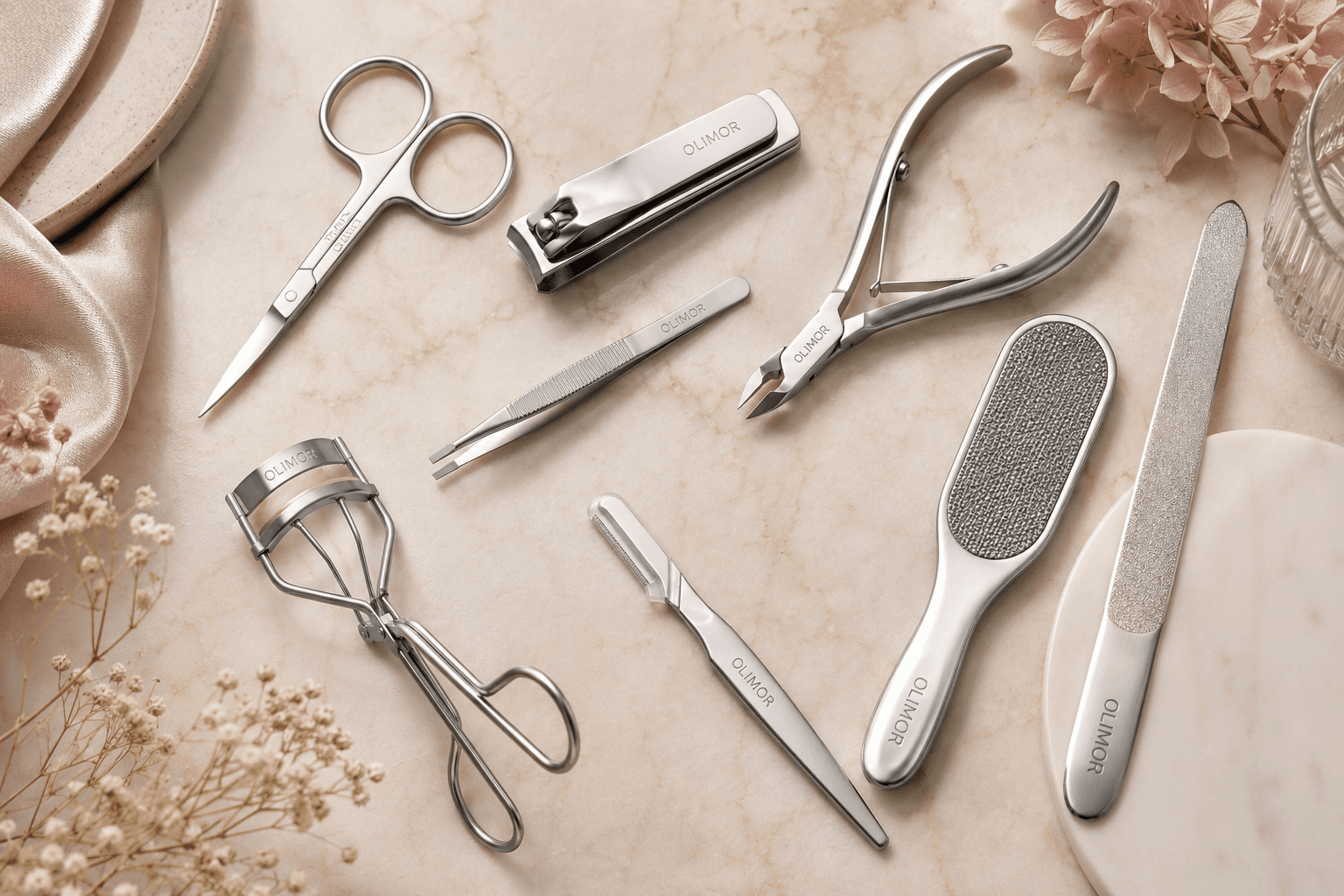
- Eyebrow and facial grooming tools: tweezers, brow scissors, brow razors and small trimming tools.
- Nail care tools: nail clippers, cuticle pushers, cuticle nippers, nail files and manicure sets.
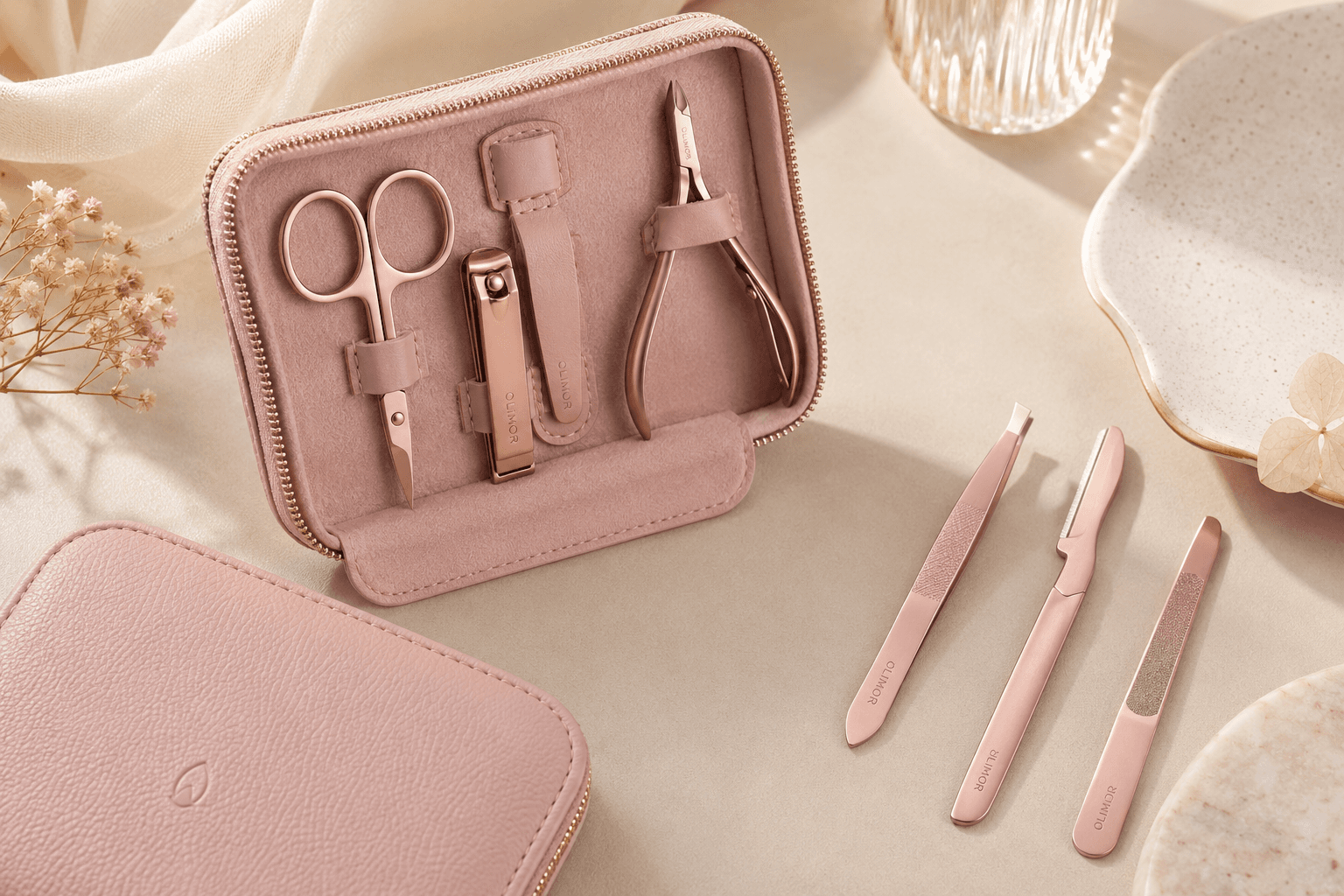
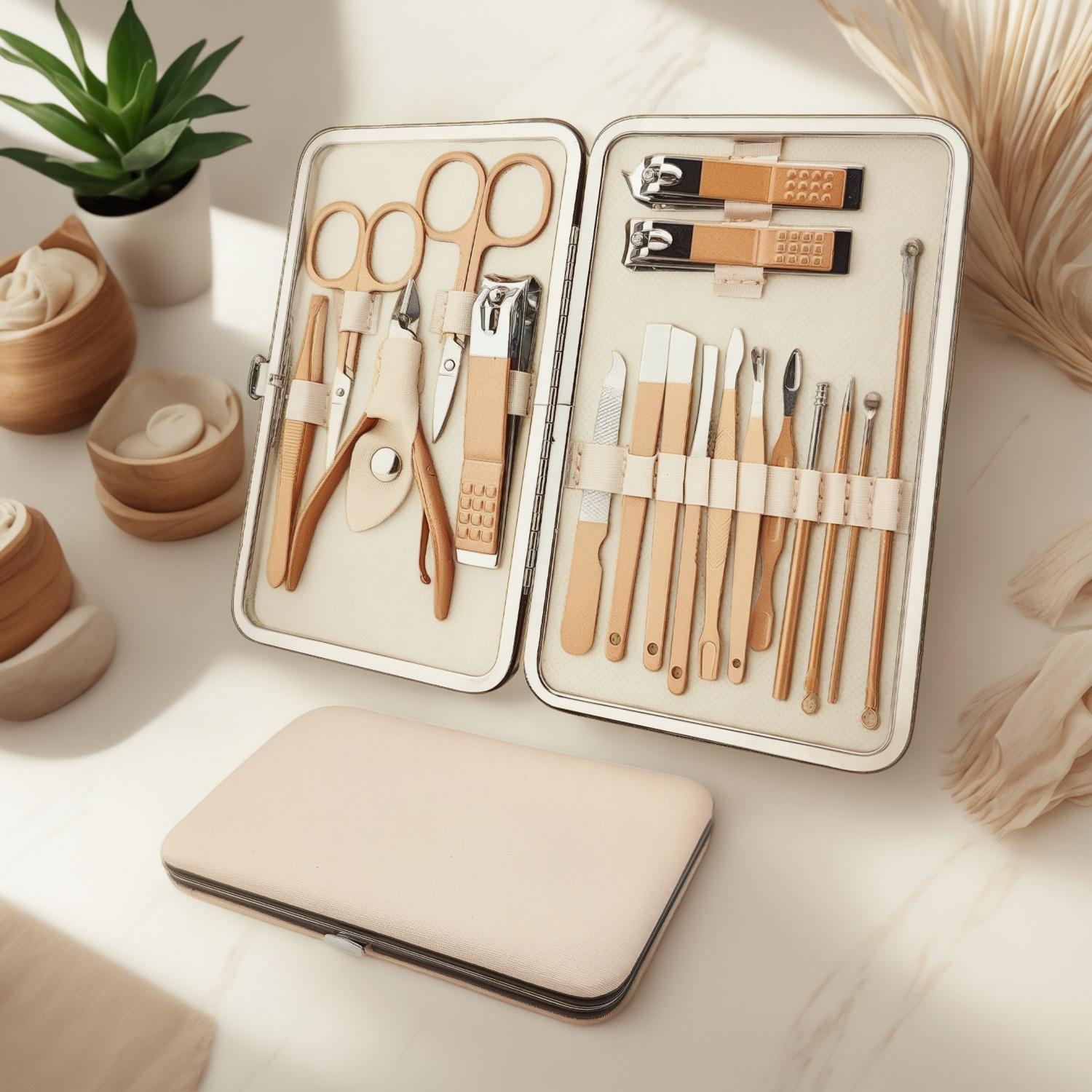
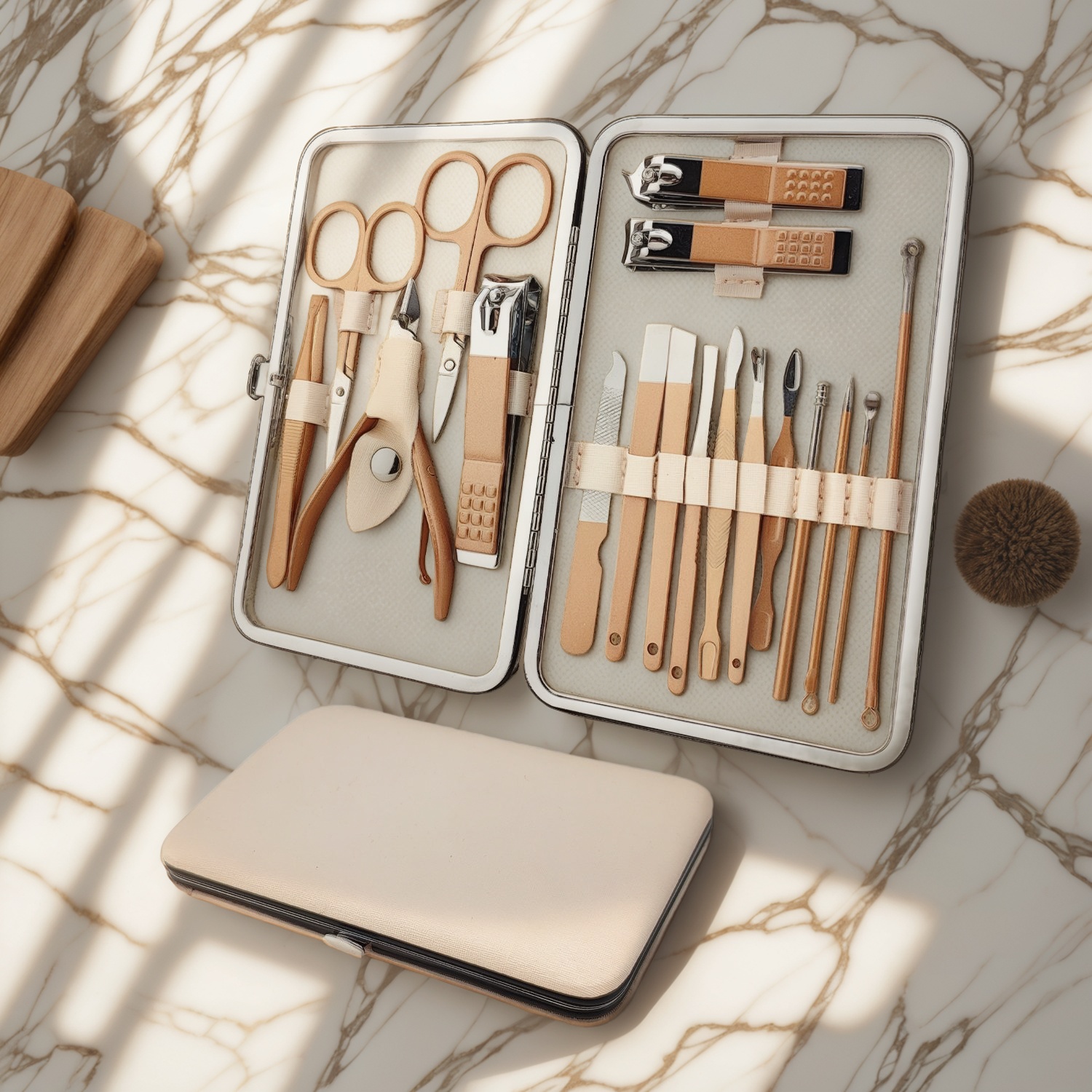
- Personal grooming kits: compact sets combining several small tools in a pouch, case or carton.
- Retail accessory tools: small, easy-to-display tools suitable for checkout counters, online bundles or beauty gift boxes.
- Custom beauty tools: items prepared with buyer-specific appearance, packaging or branding requirements when technically feasible.
If you are building a new assortment, start with tools that solve clear, repeatable grooming needs. Products with obvious functions are easier for staff to explain, easier for customers to compare and easier to replenish when they sell well.
How to Evaluate Quality Before a Wholesale Order
Quality evaluation should cover performance, safety, finish, consistency and packaging. Grooming tools are small, but small defects are easy to notice during use. A tweezer that does not align, a clipper that feels loose, or a cuticle tool with an uneven edge can affect customer trust quickly.
Use a simple inspection checklist before confirming a large order:
- Check tool function: test whether each tool performs its intended task smoothly. Moving parts should open and close cleanly without unnecessary stiffness or looseness.
- Inspect edges and tips: tips, blades and working edges should be even, clean and appropriate for the product type. They should not feel jagged or poorly finished.
- Review surface finish: look for scratches, stains, plating irregularities, color differences or rough areas that may affect appearance and comfort.
- Assess ergonomics: the tool should be comfortable to hold, stable in the hand and suitable for the target user’s routine.
- Compare multiple samples: do not judge only one piece. Consistency across several samples gives a better view of production reliability.
- Test packaging protection: packaging should keep tools secure, reduce friction damage and present the product clearly for its sales channel.
When reviewing samples, document findings with photos and short notes. This creates a practical reference for future production discussions and helps your team compare alternatives objectively.
Working with a Beauty Tools Supplier in China
China remains an important sourcing base for beauty tools because buyers can often find a wide range of product types, manufacturing experience and customization options. Still, supplier selection should be based on more than a catalog. A reliable beauty tools supplier should be able to communicate clearly, provide product information, discuss packaging options and help you understand what can and cannot be customized for a specific tool.
Olimor Beauty works with buyers looking for grooming tools for retail, salon and brand needs. When planning a sourcing project, you can review current beauty tool products to understand available categories and then compare them with your target price position, packaging expectations and user requirements. If you are building a broader assortment, the product collections page can also help you think through how tools may be grouped for different customers.
A good supplier conversation should include product function, appearance requirements, packaging structure, labeling needs, order timeline and quality expectations. Avoid making decisions only from a single image. Ask for dimensions, material and finish information where applicable, and review actual samples whenever possible before committing to a bulk purchase.
Customization Choices That Actually Matter
Customization can help a grooming tool line look more distinctive, but it should support the product’s purpose rather than distract from it. For many buyers, the most useful customization decisions involve branding, packaging and assortment planning. A logo on a tool may be helpful for brand recognition, while a well-designed carton, pouch or kit arrangement can improve shelf presentation and giftability.
Common customization considerations include:
- Logo placement: consider whether the logo belongs on the tool, case, insert card, sleeve or outer carton.
- Packaging format: retail hanging cards, paper boxes, pouches and kits all create different price and presentation effects.
- Color direction: finish color should match your brand while still being practical for the tool type and expected use.
- Instructional content: simple usage or care guidance can reduce confusion, especially for kits with several tools.
- Assortment planning: combine tools that make sense together instead of adding items only to increase piece count.
The strongest grooming kits feel intentional. A brow kit should focus on brow and facial grooming needs. A manicure kit should contain tools that support nail shaping and cuticle care. A travel set should prioritize compactness and secure packaging. This approach helps customers understand the value of the set quickly.
Packaging, Storage and Maintenance Expectations
Packaging is part of quality control. Grooming tools can rub against each other during shipping if they are not held securely, leading to surface marks or misalignment. For retail products, packaging also affects how confidently a customer can judge the product before purchase. Clear product visibility may help in some channels, while protective closed packaging may be better for gift sets or e-commerce fulfillment.
Maintenance guidance is also valuable, especially for tools intended for repeated use. Buyers should consider whether the final product needs simple care instructions such as keeping tools dry after cleaning, storing sharp items safely, avoiding unnecessary impact and keeping small parts away from children. The exact guidance should match the tool type and local selling requirements.
For professional environments, cleaning routines are especially important. Salons and service providers should follow their own hygiene standards and applicable local regulations for tool cleaning, storage and replacement. Bulk purchasing can support this by making replacement tools available when items become worn or no longer meet service expectations.
Questions to Clarify Before Placing a Bulk Order
A structured sourcing process reduces misunderstandings. Before approving a bulk grooming tool order, prepare a short decision sheet that your purchasing, merchandising and quality teams can all review. This is especially useful when comparing several suppliers or product versions.
| Decision Area | What to Confirm |
|---|---|
| Target user | Retail consumer, salon professional, travel customer, gift buyer or promotional recipient. |
| Tool performance | Function, comfort, alignment, edge finish and consistency across samples. |
| Appearance | Surface finish, color direction, logo position and visual consistency. |
| Packaging | Retail display needs, transit protection, labeling space and set arrangement. |
| Quality expectations | Inspection points, sample approval standards and acceptable appearance limits. |
| Commercial plan | Sales channel, replenishment timing, bundle strategy and product life cycle. |
This type of checklist keeps the conversation practical. It also helps prevent a common mistake: approving an item based only on price and discovering later that packaging, finish or tool feel does not match the intended market.
Planning Your Next Grooming Tool Sourcing Project
A successful bulk purchase of grooming tools begins with a clear understanding of the end user. Decide what the tool needs to do, how it should feel in the hand, how it will be displayed or shipped, and what level of presentation your market expects. Then compare samples carefully and align customization only with features that improve usability, recognition or retail appeal.
Olimor Beauty supports buyers looking for high-quality grooming tools wholesale, including businesses that need practical product selection and custom manufacturing discussions. To start a project, you can send an inquiry with your intended product type, packaging direction and target sales channel. If you need help narrowing the options, you can also contact Olimor to discuss suitable grooming tool sourcing paths.
Bulk purchasing is most effective when quality, packaging and commercial planning work together. With the right preparation, grooming tools can become dependable retail products, salon supplies or branded accessories that customers use regularly and remember for the right reasons.
Tag: