

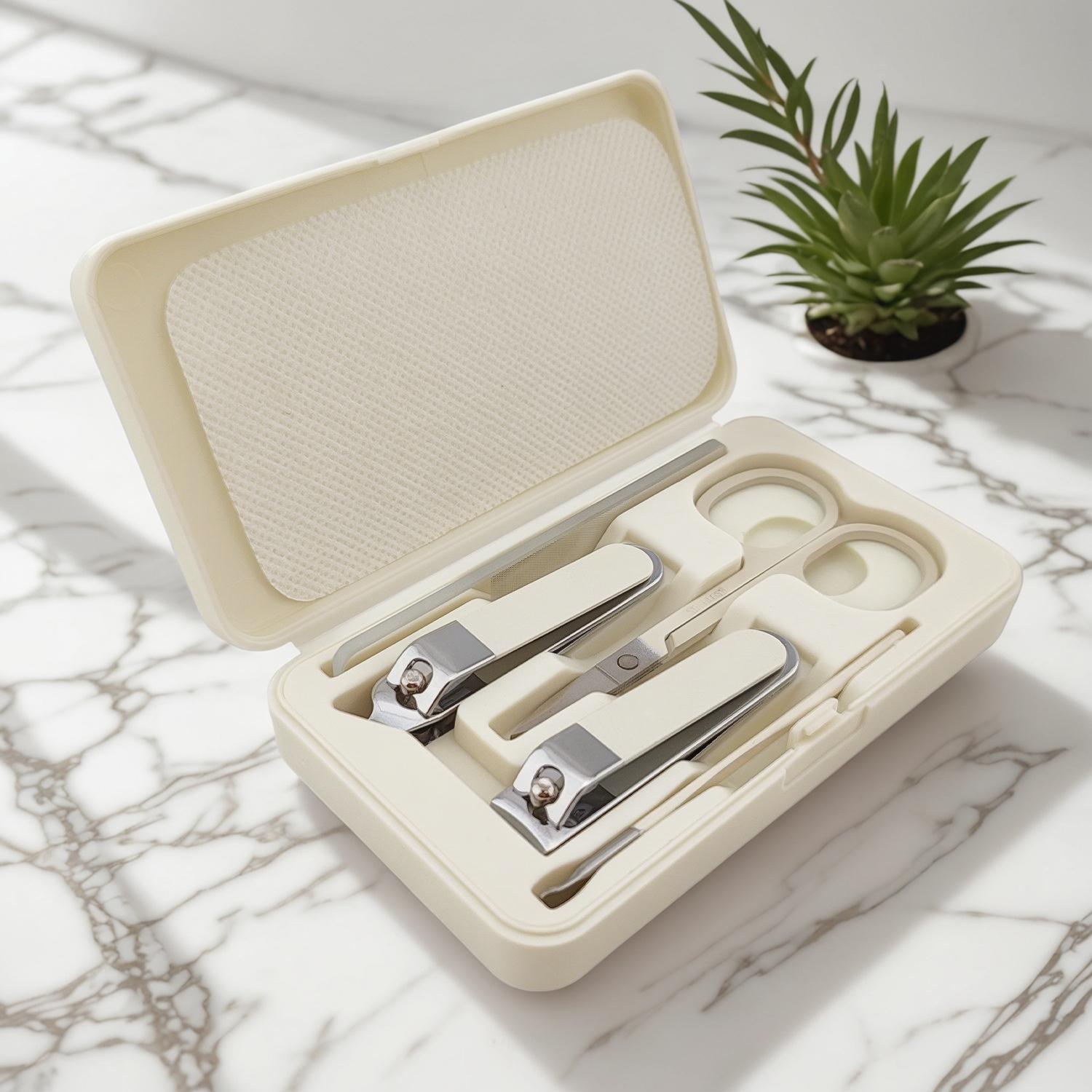
Bulk Grooming Tools: Quality and Customization Guide
Bulk grooming tools should be purchased against a written use case, sample checklist and customization brief. Buyers need to compare function, finish, branding and packaging together, then preserve the approved configuration for repeat orders.
Bulk grooming tools can follow a standard platform, a decorated private label route or a deeper component redesign. This guide helps buyers choose the appropriate development path, state what the pilot must prove and preserve a released configuration from functional sample through packed bulk order.
Define the Range Before the Quote
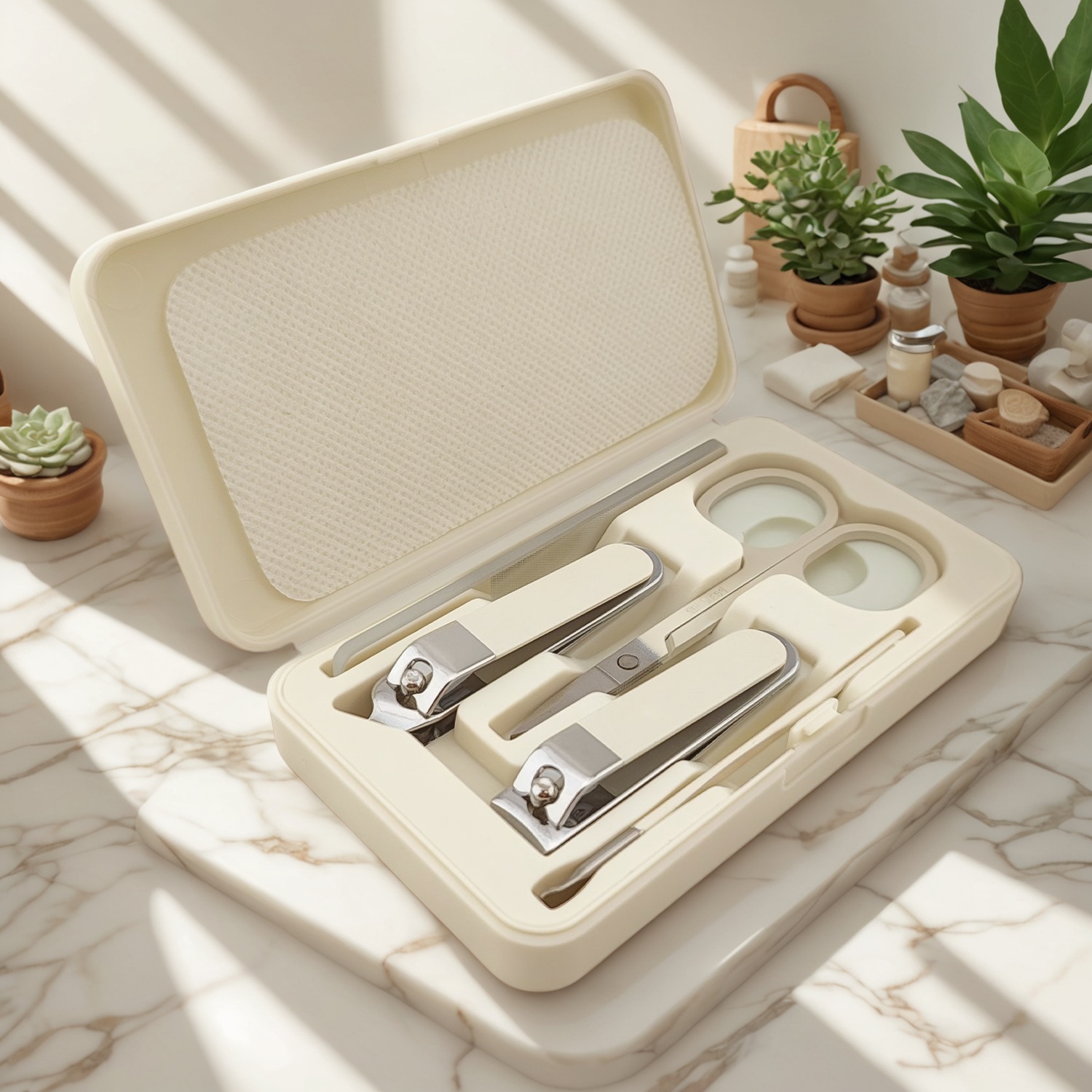
List the user, channel, tool role, target pack and expected reorder for each item. A travel kit, salon assortment and private label retail line may use different sizes, finishes and instructions. Start with the fewest SKUs that solve distinct needs; add a model only when its function or price position is clear.
For each tool, record dimensions, working parts, material description, finish, logo area, unit pack and item code. Do not use a generic catalog image as the released specification. Ask the supplier to identify the exact model and revision in the quotation.
Test Quality Before Customization
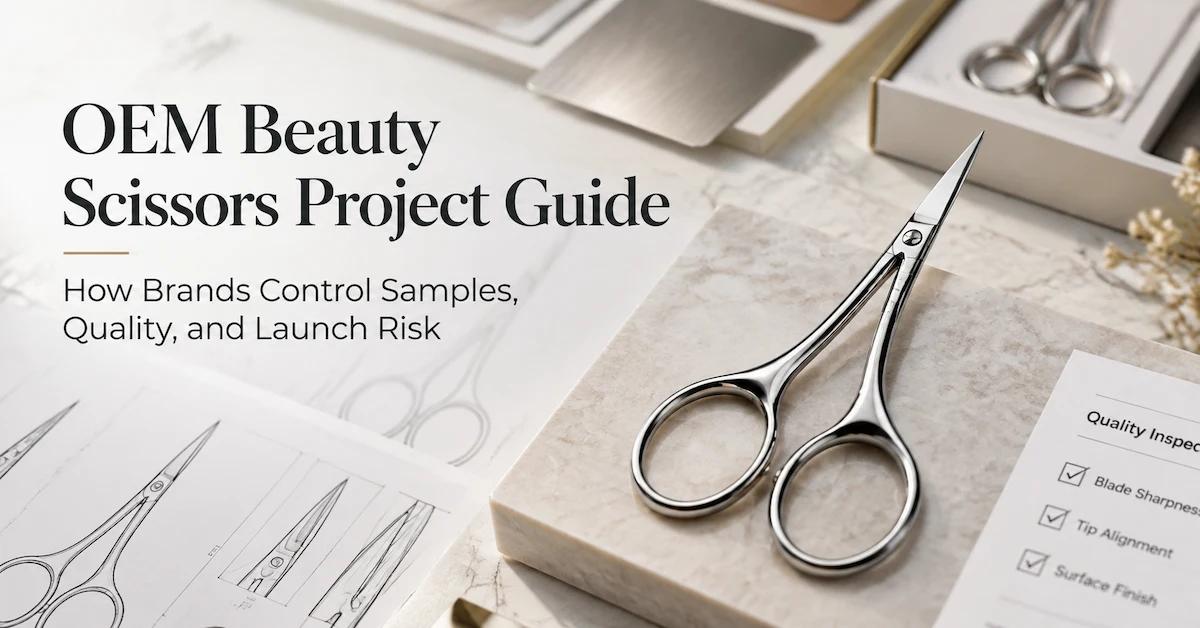
Approve function before decoration. Check cutting edges, tips, pivots, springs, grips and protective features as appropriate to each tool. Review several samples and document the test method, observations and pass criteria. Then approve finish, logo, color and packaging on marked and packed samples.
Customization should not make a tool harder to use, clean or store. Confirm that branding does not interfere with grip or moving parts and that packaging protects delicate edges.
Before approval, confirm with Olimor the selected material grades, finish process, MOQ, sample lead time, production lead time, inspection plan and available decoration methods.
Control Bulk Production and Reorders
Keep an approved sample, bill of materials, artwork, packaging specification and change log. Ask how substitutions, nonconforming units and corrective actions are handled. A repeat order should reference the released revision rather than a photograph or a vague description.
Compare supplier quotations on the same scope and show product, customization, packaging, tooling and inspection costs separately. Record destination, case pack, labeling and commercial assumptions in the purchase file so the next buyer can reproduce the decision.
Choose the Lowest-Risk Customization Route
Classify every requested change before seeking a quotation. A logo or printed card usually affects artwork and appearance approval. A new finish can add surface, color and care checks. A different handle, spring, blade, tip or set composition can change function and may require tooling or assembly validation. The route should match the commercial reason for the change; customization without a buyer benefit adds cost and revision risk.
Ask the supplier whether an existing platform meets the working requirements. If it does, identify only the branding and packaging variables. If it does not, create a product brief with dimensions, task, user, reference samples and measurable decision points. Ask Olimor to confirm feasibility, available platform choices, tooling ownership and the agreed development steps for the selected grooming tools.
Define What the Pilot Must Prove
A pilot should answer named questions rather than create a small quantity that automatically becomes saleable stock. For a decorated standard tool, the questions may concern logo position, finish consistency and pack assembly. For a modified working component, the pilot may need to demonstrate handling, component fit, inspection instructions and repeatability. Write the questions, sample quantity and reviewer before production starts.
Inspect pilot units using production-intent parts, decoration and packaging. Record variation, unresolved defects and any deviation from the planned bulk route. If bulk production will use a different tool, component source, process site or package, the buyer must decide whether the pilot evidence still applies. A signed pilot report should name the released revision and the issues that remain conditional.
Prepare a Customization Cost Breakdown
Separate the base tool, finish, decoration, custom component, tooling, unit pack, carton, samples and inspection. This makes quotations comparable and shows which cost will recur on a reorder. It also prevents a tooling or artwork charge from being hidden in an apparently low unit price.
Commercial values depend on the chosen route. Record MOQ, development timing, production timing, sample charges, tooling terms, pack quantities and delivery basis in the live quotation. Do not publish those numbers as permanent website facts. For the purchase order, connect each cost line to a released drawing, artwork or package so scope changes are visible.
Before bulk release, ask the brand, purchasing and quality owners to sign the same revision summary. It should state which characteristics are standard, which are customized, what the pilot demonstrated and what remains a production check. This short cross-functional review prevents a commercial approval from being mistaken for technical approval and ensures the supplier receives one controlled instruction set.
FAQ
When is a standard platform preferable?
Use it when the existing working geometry meets the brief and the brand difference can be delivered through finish, marking, assortment or packaging. It can reduce development variables but still requires sample approval.
Does a pilot replace pre-shipment inspection?
No. The pilot validates the planned route and approval criteria. Bulk production still needs the agreed release and receiving checks.
What happens when the buyer changes artwork late?
Assess impact on marked samples, printing, pack inventory and timing before approval. Update the artwork revision and do not mix superseded and current files.
Start a Grooming Tool Feasibility Review
Explore the grooming tool collection and OEM and private label solutions. Then request a bulk grooming tools quote with the use case, chosen development route, functional reference, finish, artwork, pack, quantity and pilot questions.
Tag:
Related articles
- Quality Control
- OEM & Private Label Solutions
Private Label Eyebrow Razor: Launch and QC Buyer Guide
- Lash & Brow Tools
- OEM & Private Label Solutions
Private Label Beauty Scissors: Seven Gates for Brands
- OEM & Private Label Solutions
- Beauty Tools Product Development