
Bulk Purchase Grooming Tools: A Cost-Control Buyer Guide
A bulk purchase grooming tools program saves money only when the assortment, inspection plan and packaging workload fit the sales channel. Compare samples and landed requirements before using unit price as the deciding factor.
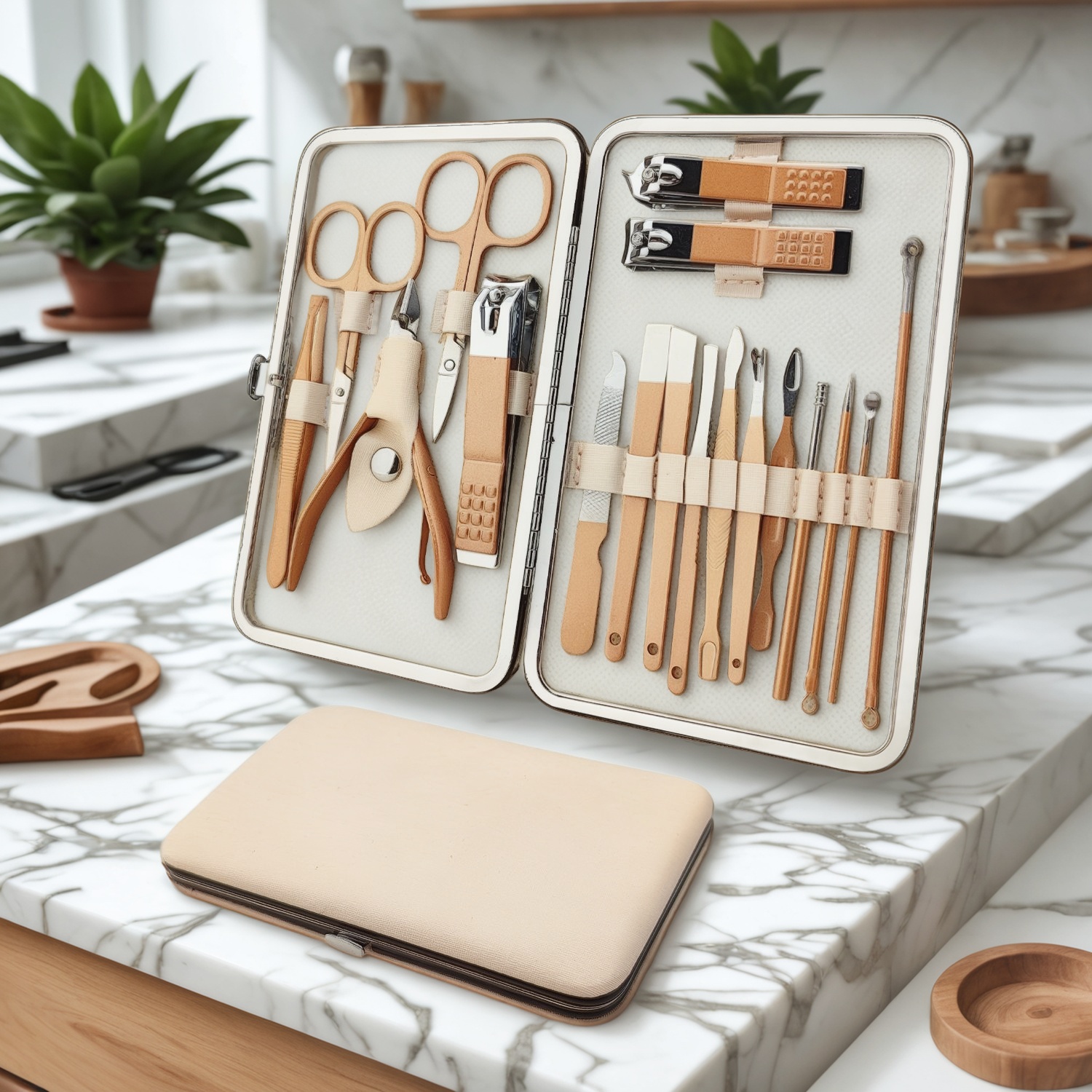
Compare Bulk Value Against the Approved Specification
Bulk buying can reduce unit handling only when each SKU has a defined task, compatible packaging and a practical reorder path. Evaluate the complete landed program rather than assuming that higher volume guarantees savings or quality.
Request product-specific supplier evidence
Ask which materials, finishes, inspection steps and packaging controls apply to the quoted SKU. Treat corrosion resistance, durability, quality levels and process claims as unverified until they are supported by current documents and the approved physical sample.
Define customization before comparing prices
Specify the logo method, finish, packaging, assortment mix, quantity tiers and acceptance criteria. Compare quotations only after each supplier prices the same saleable configuration.
Build a cost comparison around the finished program
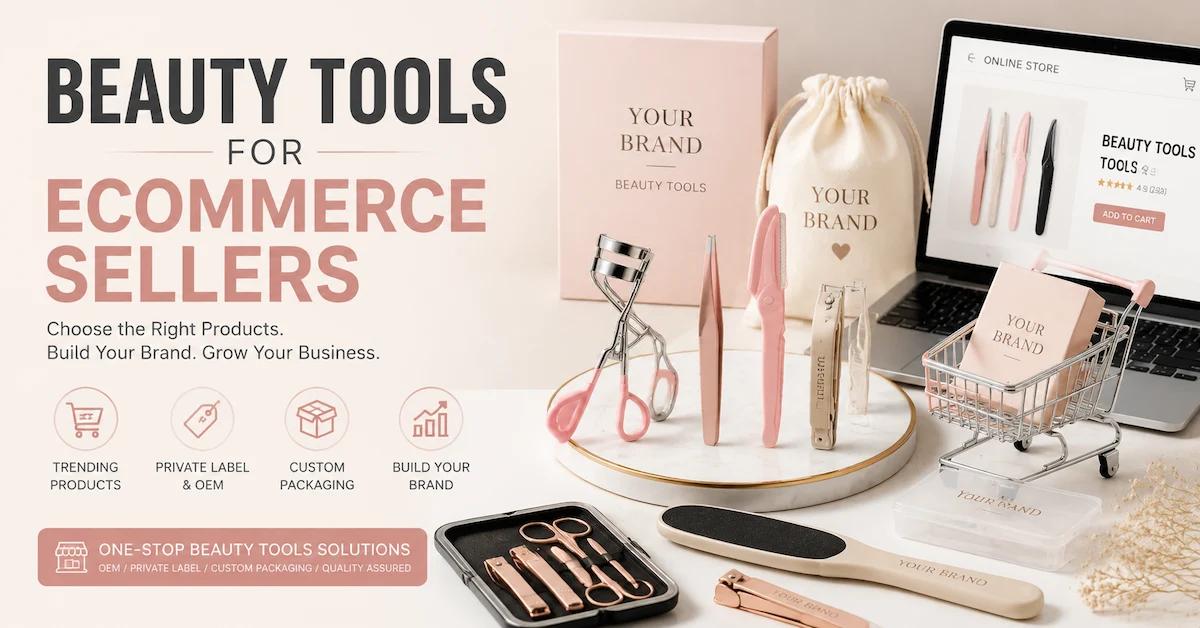
Separate the quoted tool price from the work required to make the range retail-ready. Packaging inserts, labeling, assortment sorting, inspection, replacement handling and freight preparation can change the commercial result even when two quotations appear close.
| Cost area | Question for the buyer |
|---|---|
| Assortment | Will every SKU serve a defined customer and price point? |
| Inspection | Which functional and cosmetic checks must pass before shipment? |
| Packaging | Is the product delivered ready for the intended retail channel? |
| Reorders | Can successful items be replenished without rebuilding the whole range? |
Approve one specification before comparing quotations
Suppliers cannot be compared fairly when each quotation covers a different material, finish, accessory mix or package. Give every candidate the same requirement sheet and record any alternative proposal separately.
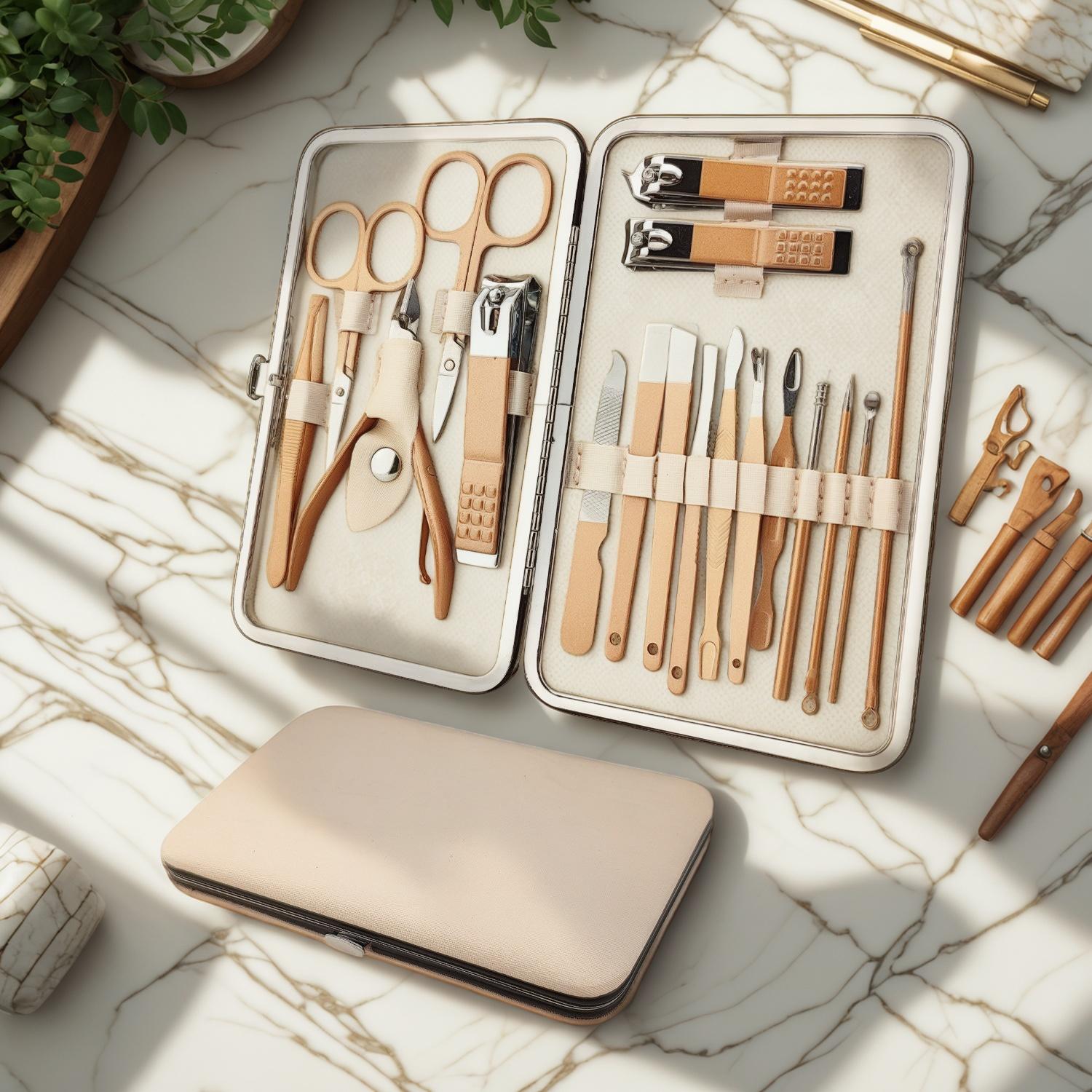
Use a sample review sheet that names the tool, intended task and acceptance point. For cutting tools, note edge meeting and operating feel. For tweezers, record tip contact and tension. For files and abrasive tools, compare the usable surface and edge finishing. For cases or kits, check retention with every component loaded. This creates a purchasing record that can be used again when a successful item is reordered.
Separate launch quantity from reorder planning
A first order and a mature reorder do not carry the same risk. A launch may need a narrower assortment so the buyer can learn which products, finishes and price points sell. A reorder can use those results to adjust the mix. Ask whether individual tools can be replenished separately and whether packaging components require their own production quantities. These questions help the buyer avoid treating every part of the program as one fixed volume.
Buyer FAQ
Does a larger order always lower the real cost?
Not necessarily. Repacking, inconsistent components and slow-moving variants can offset a lower quoted unit price.
What belongs in an RFQ?
List tool types, finish, packaging, destination requirements, sample expectations and the quantity range you are evaluating.
How many samples should be reviewed?
Request enough units to compare consistency across the features that matter to your program; confirm the quantity with the supplier.
Prepare the bulk purchase grooming tools sourcing brief
For a bulk purchase grooming tools project, send the intended user, sales channel, target functions, finish, packaging and inspection priorities in one brief. When comparing bulk purchase grooming tools, review the relevant beauty tool products, compare suitable beauty tool collections, and use contact Olimor to discuss a sample and quotation.
Tag: