











Bulk Purchase Grooming Tools: How Beauty Brands Can Source with Confidence
For salons, retailers, distributors, and beauty brands, grooming tools are not simply add-on accessories. They affect the way customers experience a manicure, pedicure, brow service, lash preparation routine, travel kit, or at-home grooming set. When a tool feels weak, arrives with inconsistent finishing, or does not match the brand’s packaging standards, the issue reaches beyond one product return. It can reduce trust in the entire range.
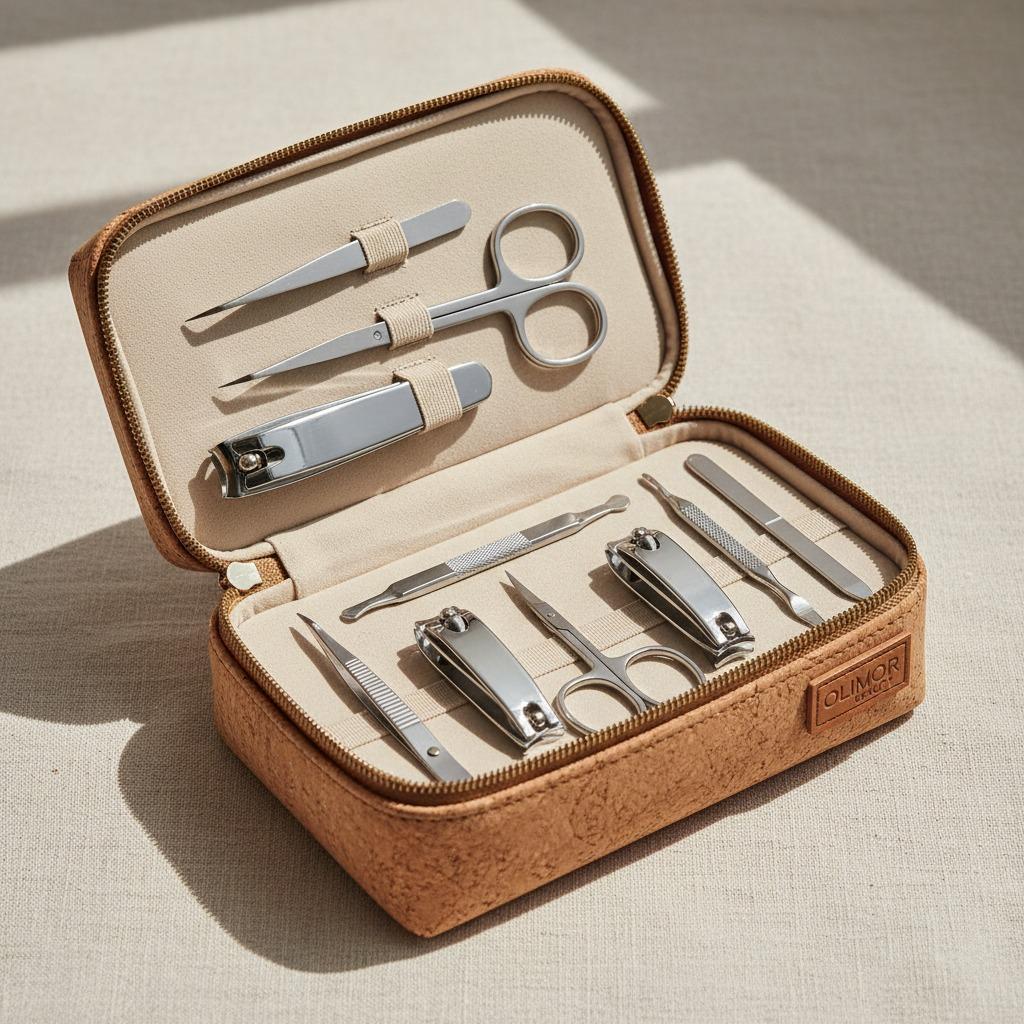
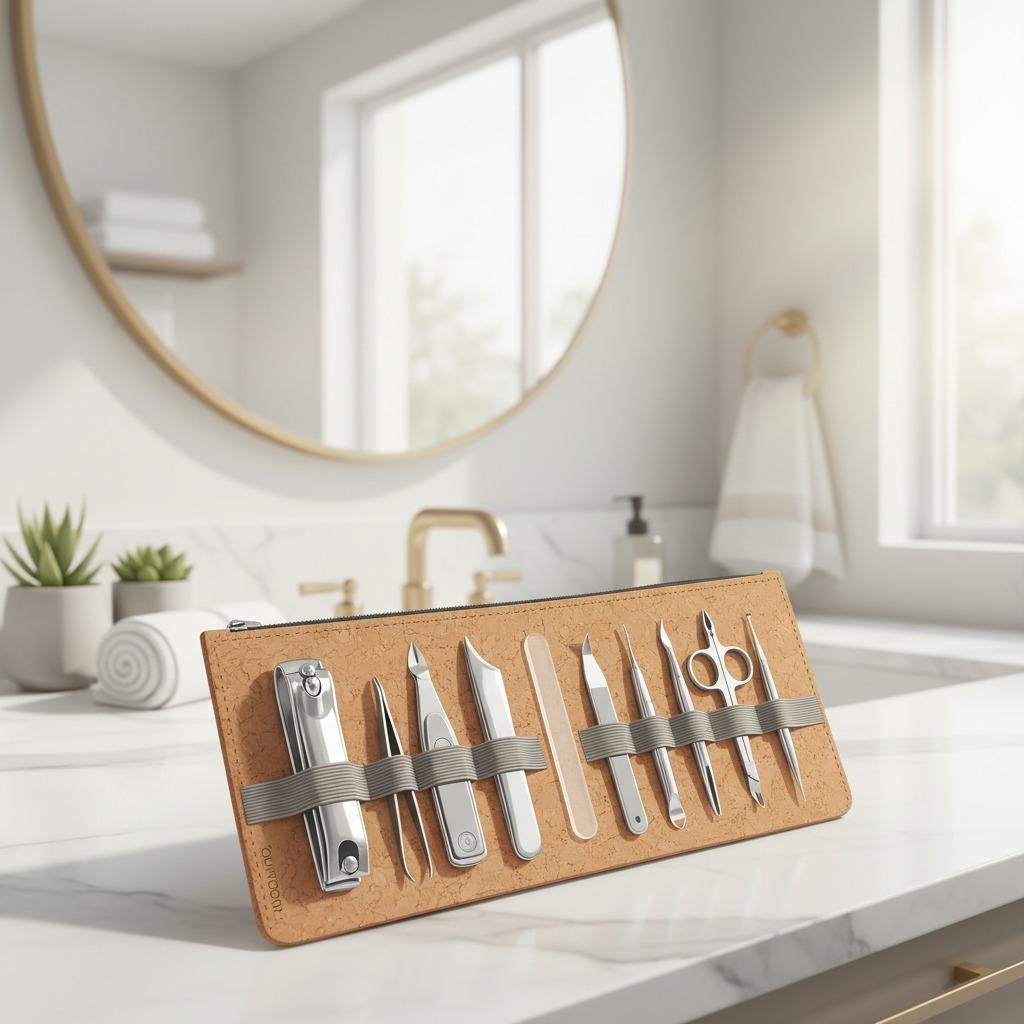
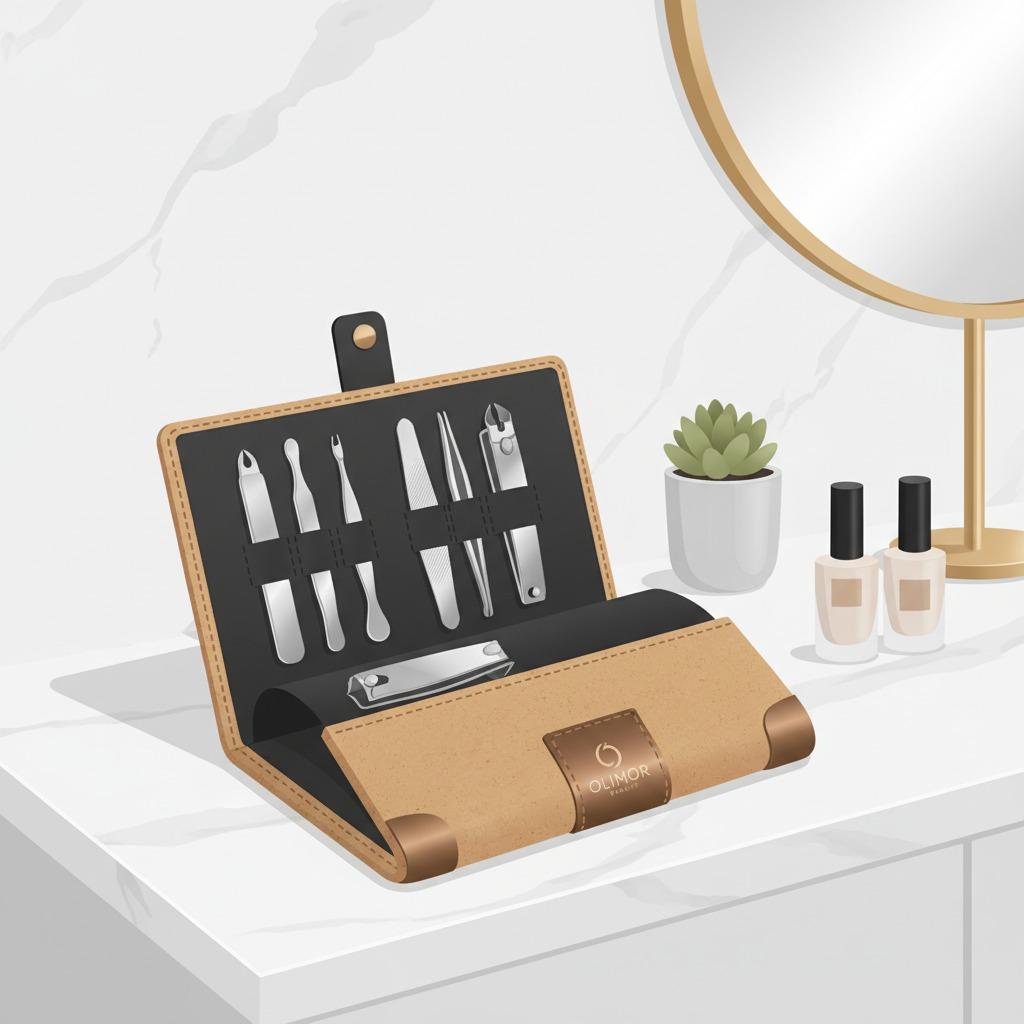
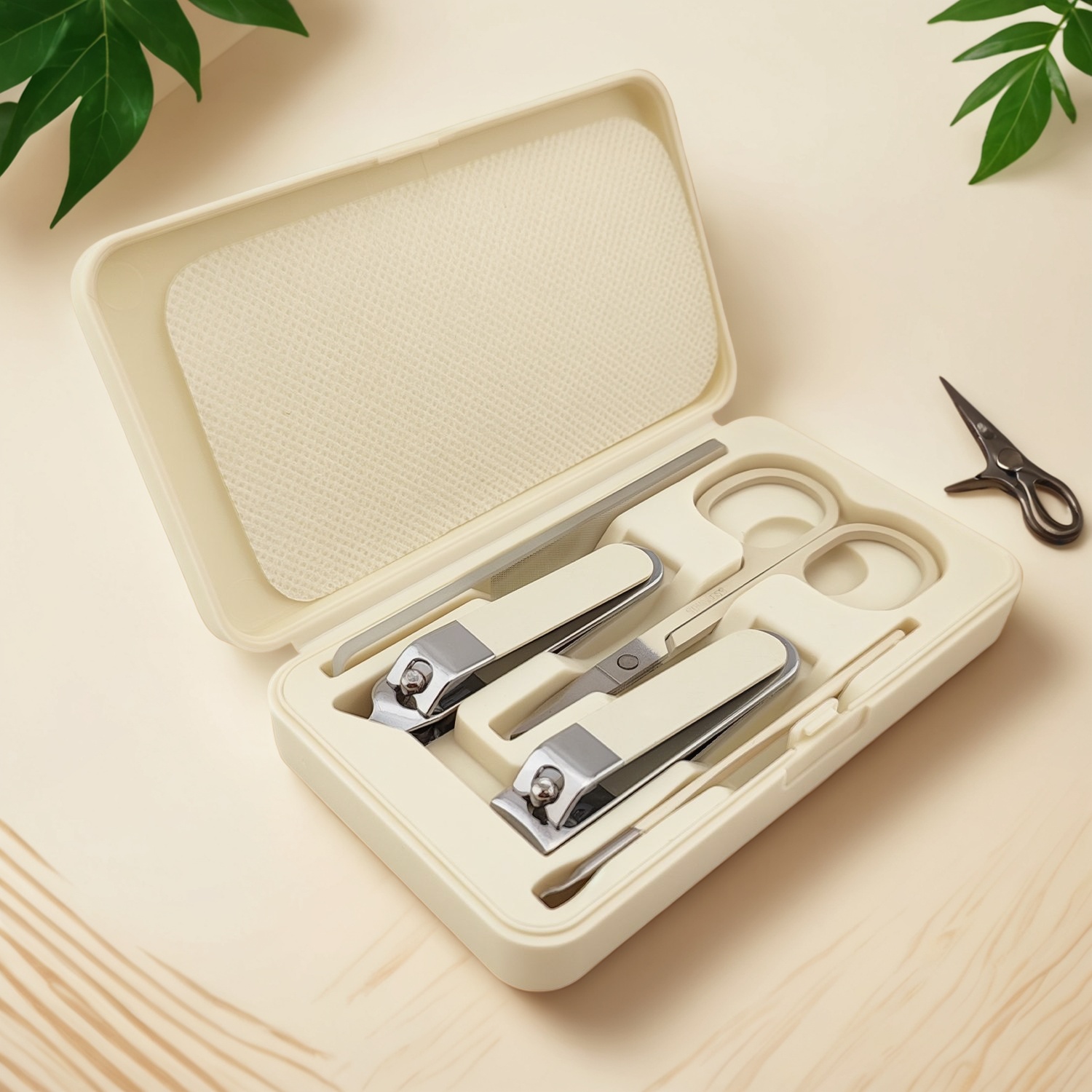
That is why the decision to bulk purchase grooming tools should be treated as a sourcing project, not a quick catalog order. Buyers often search for a dependable beauty tools supplier in China because they need consistent production, customization options, practical pricing structures, and a reliable path from sample approval to repeat orders. Olimor Beauty works with businesses looking for grooming tools such as stainless steel manicure sets, branded kits, and related beauty accessories, with attention to product selection, manufacturing communication, and order planning.
Why Bulk Grooming Tool Orders Need a Clear Sourcing Plan
Bulk purchasing can reduce per-unit complexity, but only when the buyer defines the product requirements before production begins. A salon chain may need durable tools that support frequent service use. A retail buyer may focus on giftable packaging, a clean finish, and a product mix that fits a specific shelf price. A private-label beauty brand may need a cohesive kit that looks aligned with its skincare, nail care, or personal care range.
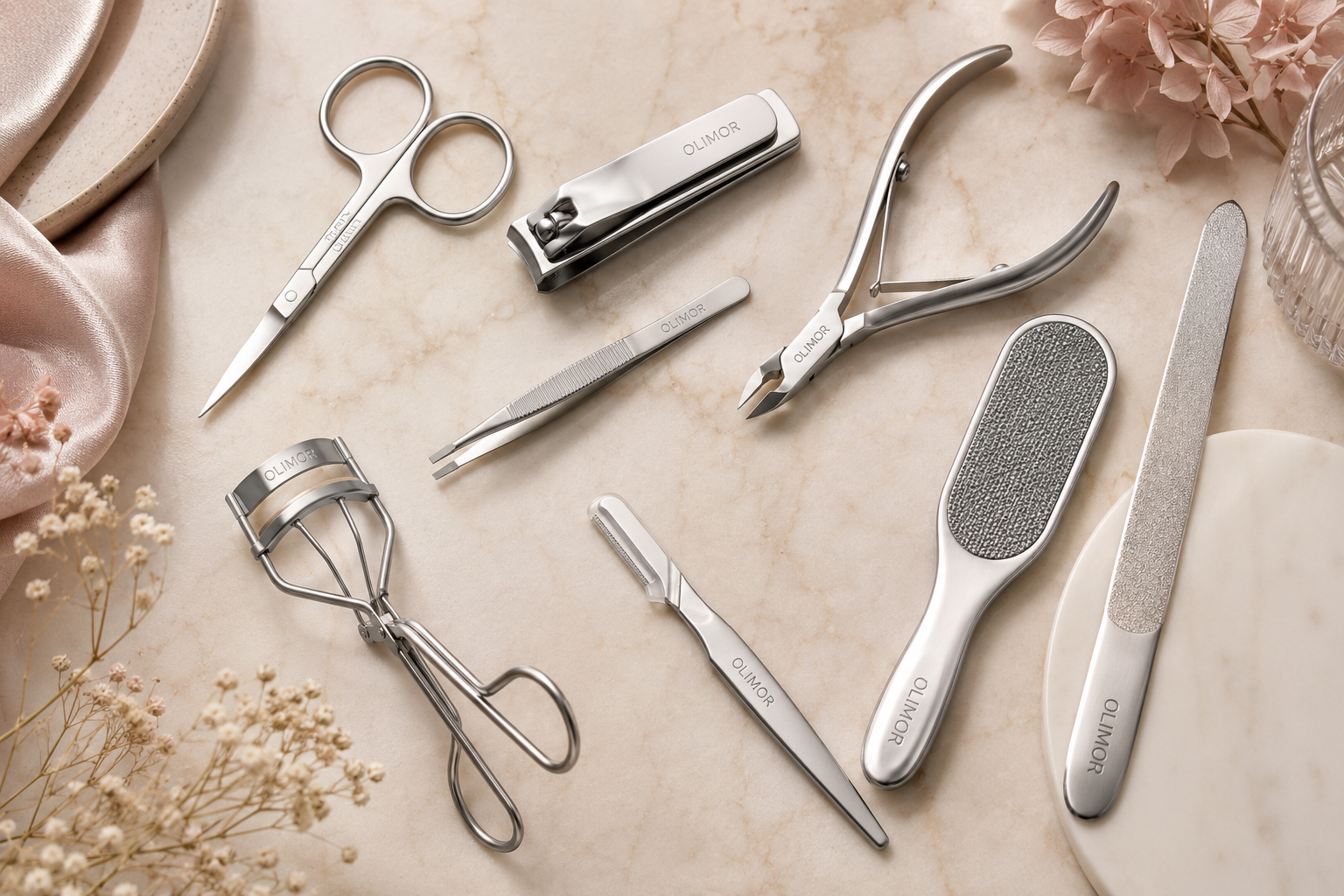
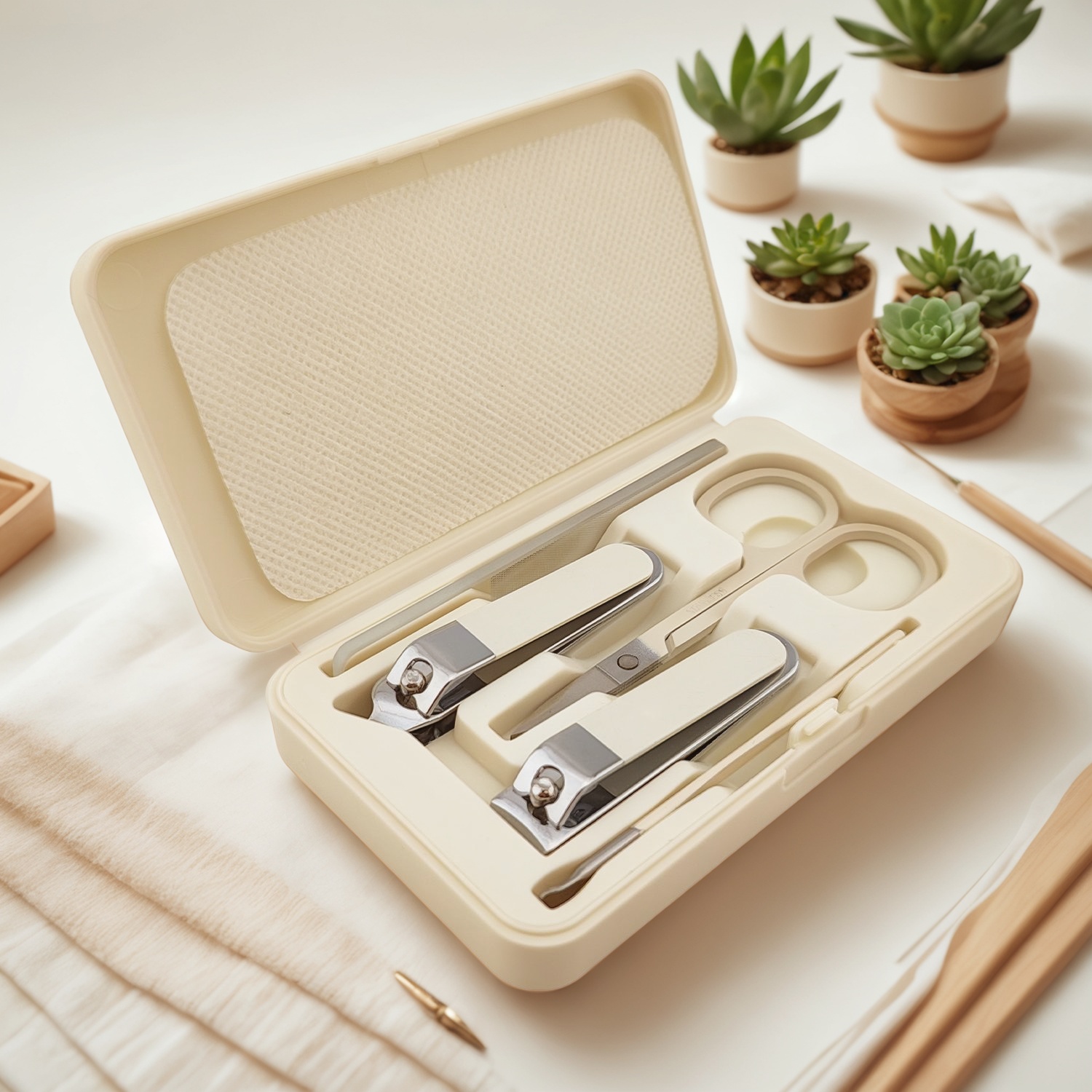
Without a clear sourcing plan, the same phrase, such as “manicure set” or “grooming kit,” can mean very different things to different teams. One buyer may expect a compact travel pouch, while another may require a fuller home-care set. Some brands need vegan manicure tools wholesale options, which may involve avoiding animal-derived materials in cases, trims, or accessories. Others may prioritize stainless steel tools because they are commonly associated with durability and clean presentation.
Before requesting samples or quotations, define the intended sales channel, the typical user, the expected retail positioning, and the number of tools in the kit. These choices influence finishing, packaging, quality checks, and delivery expectations.
Product Selection: Match Tools to the Customer Use Case
A strong grooming tools assortment starts with the customer’s actual routine. Bulk buyers often make the mistake of selecting every available accessory instead of building a kit that feels useful and coherent. For professional environments, practical handling and repeat use matter. For retail and gifting, the product should be easy to understand, attractive in packaging, and suitable for a broad audience. For travel or compact kits, size and organization are especially important.
Use the following checklist to narrow the assortment before discussing customization:
- Service environment: Will the tools be used in a salon, sold in a retail store, included in a promotional kit, or supplied as a private-label product?
- Core function: Is the kit focused on nails, brows, facial grooming, general personal care, or a mixed travel set?
- Tool count: Does the customer need a compact set or a more complete grooming kit?
- Material direction: Are stainless steel manicure sets preferred, or are mixed materials acceptable for cases and accessories?
- Packaging role: Should packaging be minimal and practical, or should it support gifting and shelf display?
- Brand alignment: Do the color, finish, pouch, insert, and outer box match the rest of the product range?
- Ethical material considerations: If vegan positioning is important, check trims, cases, adhesives, and decorative elements, not only the metal tools.
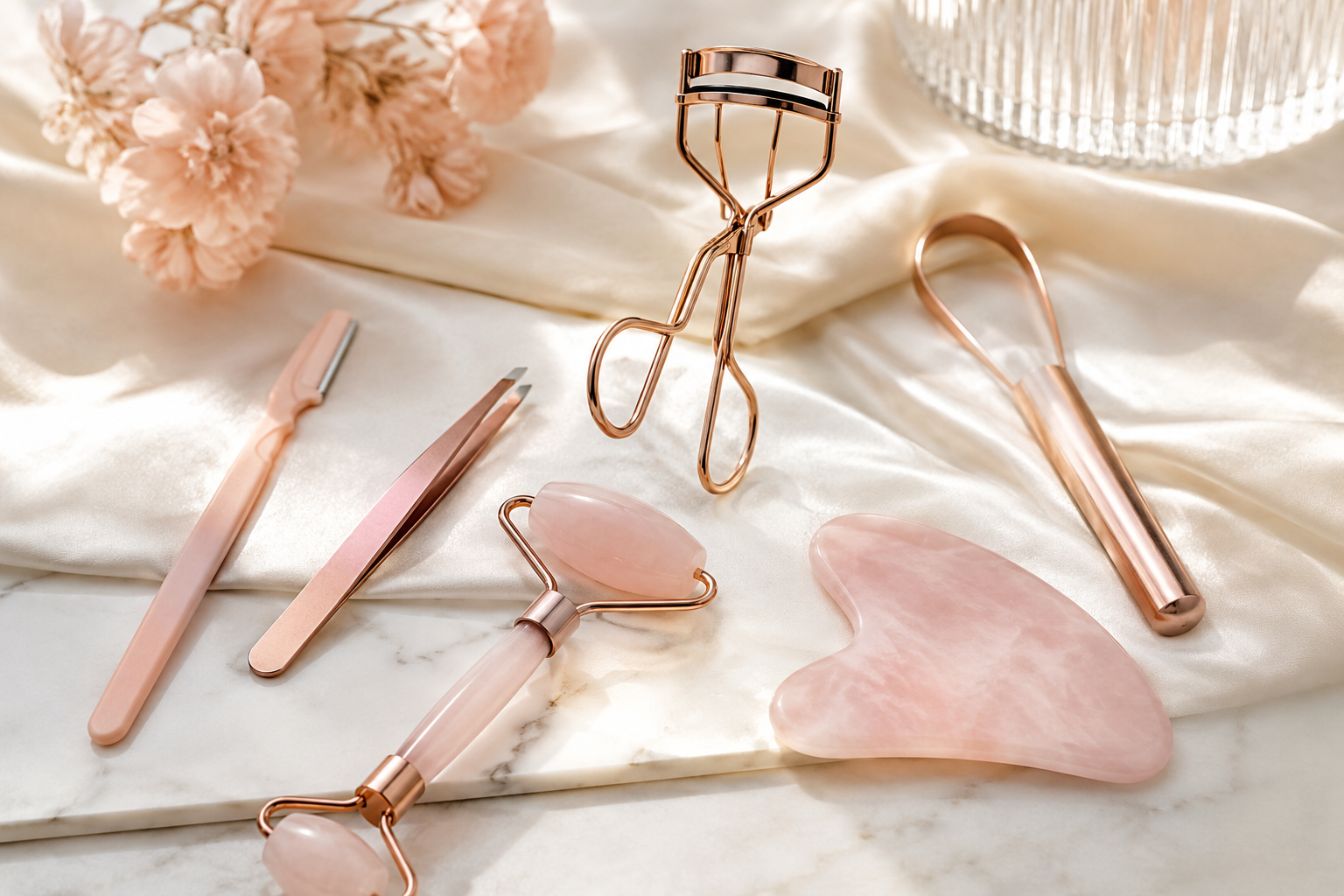
Olimor’s beauty tool products page can help buyers review the broader product direction before narrowing a bulk order brief.
Quality Factors to Review Before Confirming a Bulk Order
Quality in grooming tools is visible in small details. Edges should feel intentional, not rough. Moving parts should open and close smoothly. The surface finish should look consistent across a set, especially when multiple tools sit together in a pouch or presentation box. For stainless steel manicure sets, buyers commonly review finish, alignment, grip comfort, and the cleanliness of the overall construction.
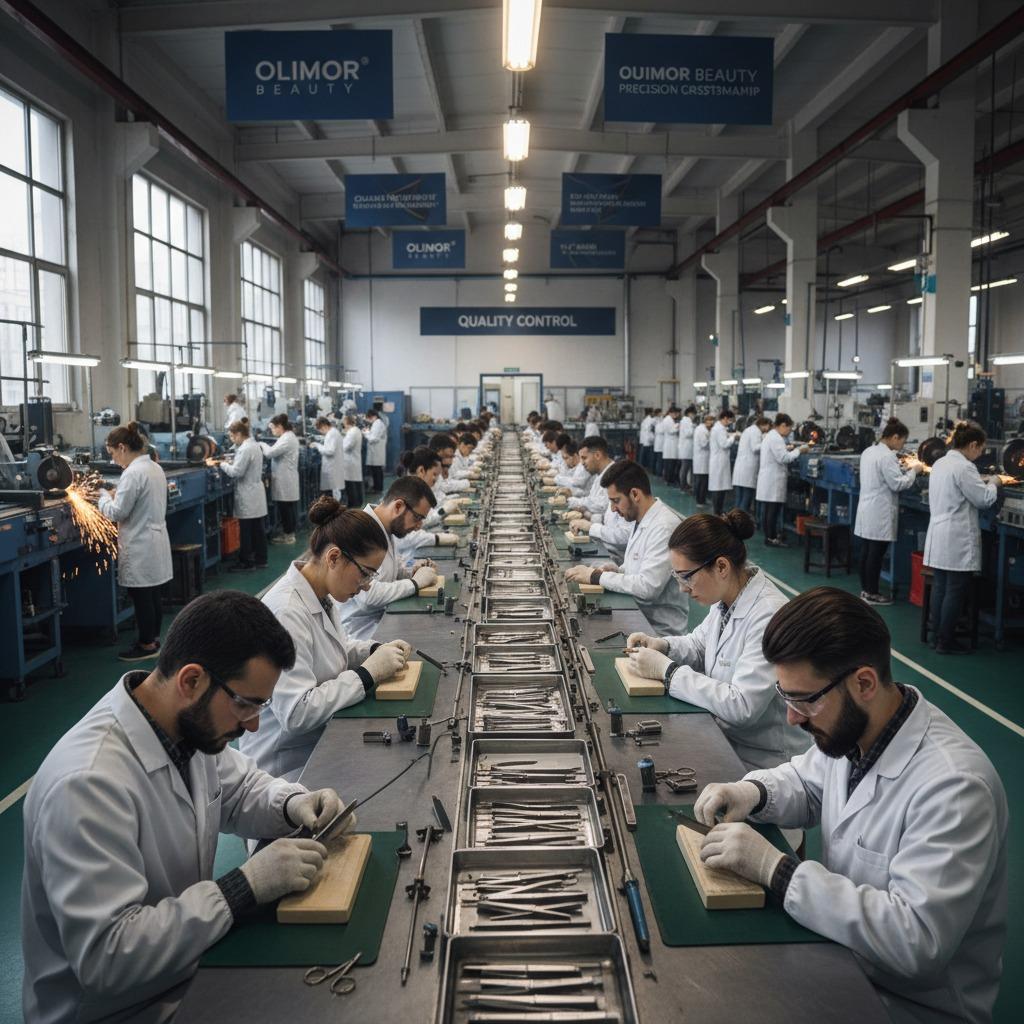
A practical quality review does not need to rely on vague claims. Instead, it should focus on inspection points that can be checked on samples and later used during production review. These include visual consistency, functional movement, tool fit inside the case, packaging durability, printing clarity, and whether the final set matches the approved sample.
For bulk orders, sample approval is especially important because it becomes the reference point for future production. Buyers should keep an approved sample, packaging mockup, and written specification summary. This reduces misunderstandings when reordering or adjusting the product for a new sales channel.
Customization Choices That Actually Support Your Brand
Working with a custom beauty tools manufacturer can give a brand more control, but customization should be purposeful. A logo alone does not make a grooming kit feel branded. The best custom projects consider the full customer experience: how the kit is opened, how the tools are arranged, how the color palette connects with the brand, and how product information is presented.
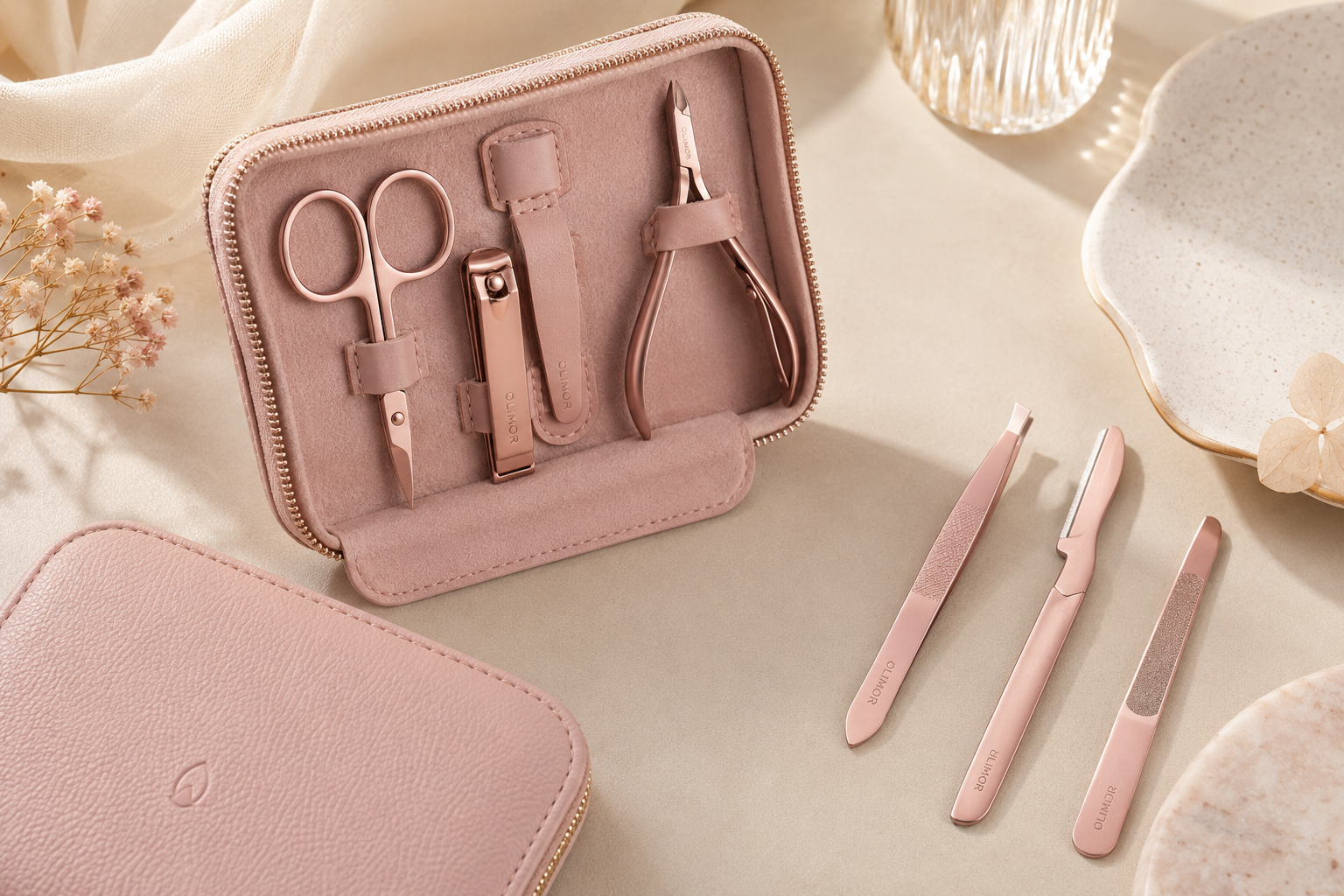
Common areas to plan include logo placement, handle or tool finish where applicable, pouch or case material direction, insert layout, outer box design, barcode placement, care instructions, and language requirements. If the product will be sold online, buyers should also consider how the kit photographs. High-glare finishes, unclear tool arrangement, or packaging that hides the product can affect listing performance.
Customization also needs production discipline. Too many changes at once can make approval slower and increase the chance of mismatch between samples and bulk production. For a first order, it is often better to prioritize the elements that matter most to brand recognition and customer satisfaction: tool selection, finishing, logo execution, packaging structure, and clear product information.
Supplier Evaluation: What to Look for Beyond a Low Quote
Price matters, but it should not be the only comparison point when sourcing grooming tools in bulk. A low quotation can become expensive if the product requires repeated corrections, arrives with inconsistent packaging, or cannot be reordered in the same style. A reliable sourcing relationship depends on communication, sampling process, manufacturing understanding, and the ability to translate brand requirements into workable production instructions.
When comparing suppliers, organize the decision around practical evidence:
- Product understanding: Can the supplier discuss the tools, packaging, and use case in specific terms?
- Sample process: Is there a clear path for reviewing and approving the product before bulk production?
- Customization communication: Are logo files, packaging artwork, colors, and placement requirements confirmed in writing?
- Quality control approach: Are inspection points defined for appearance, function, packaging, and consistency?
- Reorder reliability: Can the buyer keep clear records so future orders match the approved version?
- Material transparency: Are material choices and vegan-related requirements discussed early when relevant?
If your team is comparing product structures or planning a private-label grooming kit, explore Olimor’s product collections to identify suitable directions before preparing a detailed inquiry.
Planning for Vegan Manicure Tools Wholesale Requirements
Vegan positioning can be relevant for nail care and grooming brands, but it needs careful definition. Metal tools themselves may not raise the same concerns as leather cases, decorative trims, adhesives, brushes, or packaging finishes. If your brand intends to market vegan manicure tools wholesale, clarify what “vegan” means in your product brief and which components need review.
A useful approach is to create a component list. Separate the metal tools, pouch or case, inner tray, labels, printed materials, adhesives, and outer packaging. Then mark which components must avoid animal-derived materials. This helps the sourcing team evaluate the full kit rather than focusing on one visible element. It also supports clearer product claims for retail partners and end customers.
How to Prepare a Strong Bulk Grooming Tools Inquiry
A well-prepared inquiry speeds up communication and reduces the risk of receiving unsuitable options. Instead of asking only for a catalog and price, provide enough context for the supplier to recommend a realistic product direction. Include your target market, product type, expected use, packaging preference, customization needs, and any material restrictions.
For example, a retail brand might request a stainless steel manicure set in a compact case with logo placement and outer box packaging. A salon group might focus more on tool performance, storage, and repeat purchasing. A distributor might need multiple grooming tool options for different customers. Each case requires a different sourcing conversation.
When you are ready to discuss specifications, artwork, or sample planning, you can send an inquiry with your product brief. If you need help deciding which grooming tool format fits your business, you may also contact Olimor for guidance on the next step.
Build a Grooming Tools Range That Customers Can Trust
Bulk purchasing grooming tools is most successful when product selection, quality review, customization, and supplier communication work together. The goal is not to buy the largest possible assortment, but to create a reliable product that fits your customer, your channel, and your brand standards.
Olimor Beauty supports salons, retailers, and beauty brands that want to source grooming tools with a clearer process. Whether your focus is stainless steel manicure sets, branded grooming kits, or vegan-conscious material planning, start with a precise brief and a supplier conversation grounded in real product details. That foundation makes it easier to move from sample review to bulk production with confidence.