How to Choose a Nail Clipper Manufacturer in China for B2B and ODM Supply
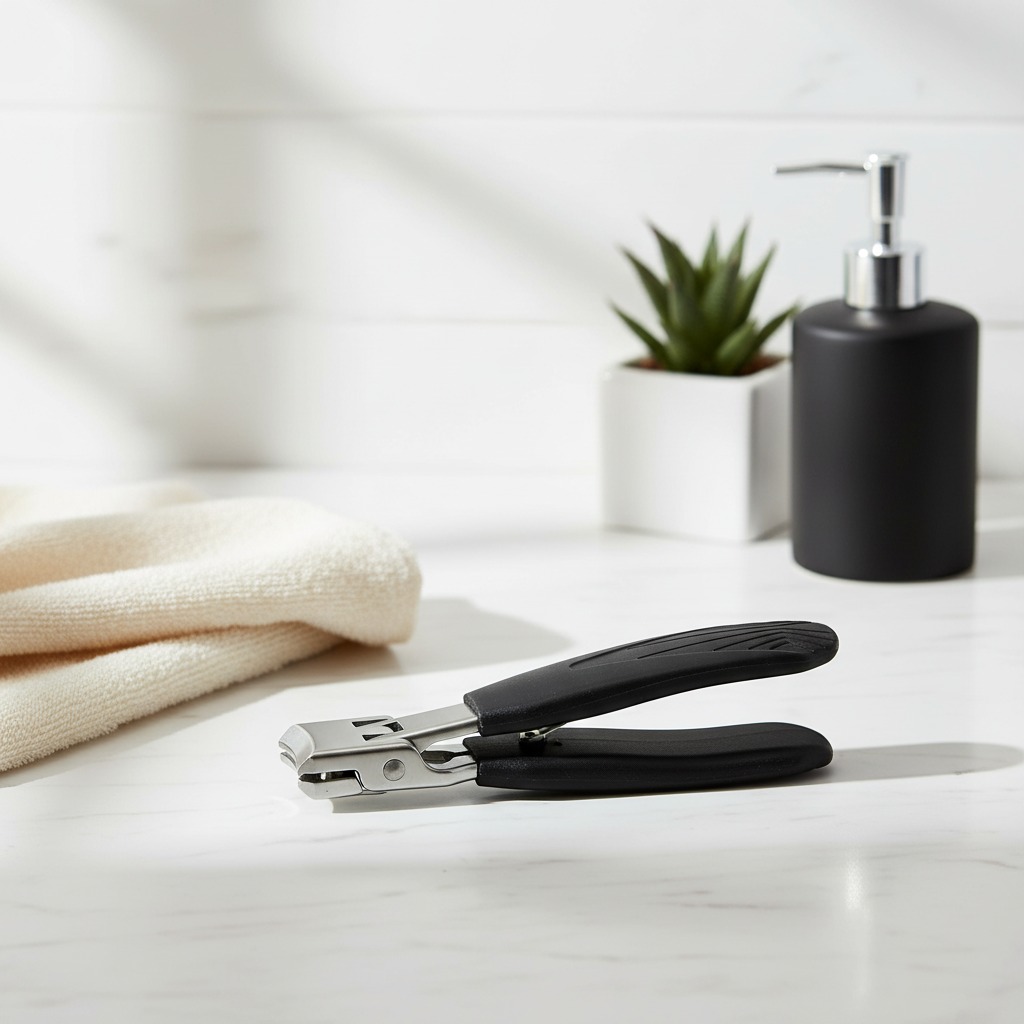
For beauty wholesalers, salon suppliers, private label brands, and grooming tool distributors, a nail clipper is a small item with a big business impact. Customers notice poor cutting performance, rough edges, weak lever action, inconsistent finishing, and packaging that arrives damaged or looks off-brand. That is why choosing a nail clipper manufacturer in China should be treated as a sourcing and quality decision, not only a price comparison.
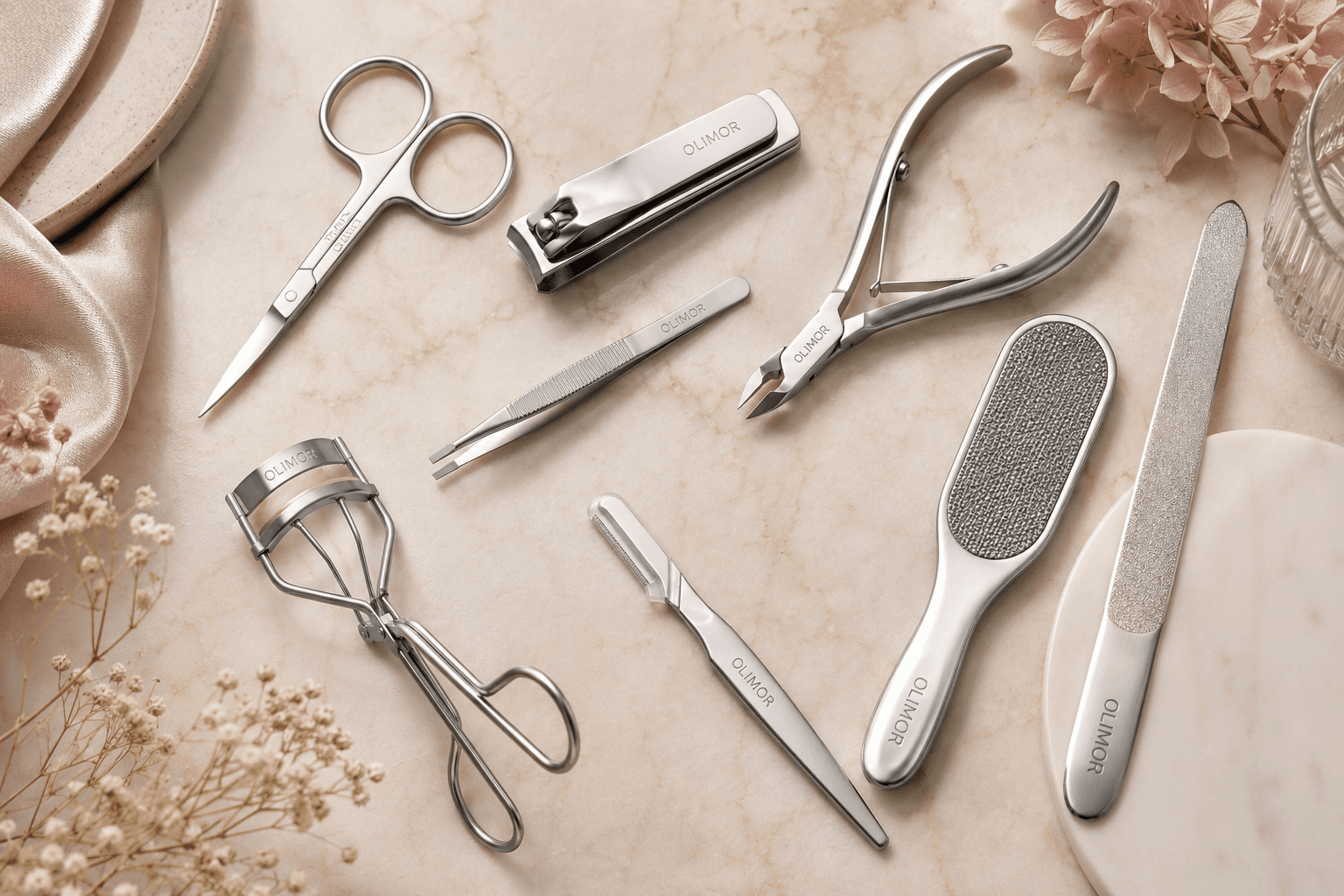
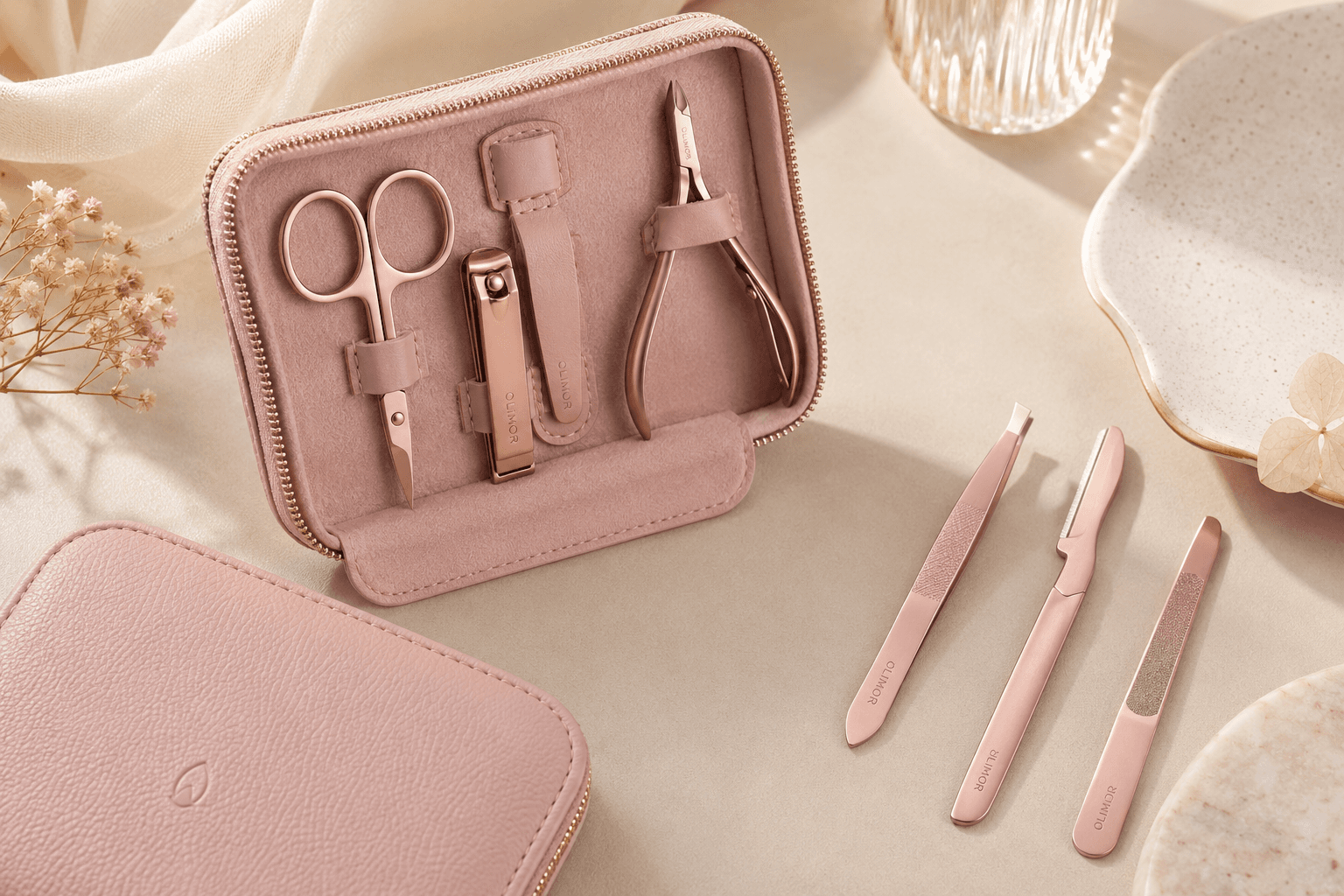
Olimor Beauty works with buyers who need practical, supply-ready grooming tools for wholesale, retail, travel kits, and custom programs. If you are building a nail care line or evaluating a new source, it helps to review the full product range alongside related beauty tools so you can plan a more coherent assortment.
The most useful question is not just whether a supplier can make a metal clipper. It is whether the supplier can support repeat orders, clear communication, useful samples, stable finishing, and packaging that matches the sales channel. That is especially important for ODM and custom orders, where the product must fit both your brand and the end user's expectations.
What a Reliable Nail Clipper Manufacturer Should Be Able to Support
A dependable manufacturer should understand that nail clippers are judged by function first and presentation second. The tool must cut cleanly, feel stable in the hand, and stay consistent across a batch. It should also be packaged in a way that suits your channel, whether you sell through salons, retail shelves, online stores, gift sets, or travel kits.
When you speak with a supplier, focus on the practical details behind the product rather than broad promises. A capable team should be able to discuss blade alignment, lever movement, rivet or pin strength, finishing quality, packaging options, and inspection steps. They should also be able to explain whether they mainly support stock items, ODM development, or more customized projects.
- Function: clean cutting without crushing or tearing the nail edge.
- Comfort: stable grip, smooth lever action, and no sharp burrs.
- Consistency: similar appearance and performance across samples and cartons.
- Packaging: retail-ready, bulk, kit, or protective e-commerce formats.
- Communication: clear answers on materials, finishing, and inspection.
If your assortment includes several grooming items, review matching beauty tool collections to see whether the clipper should visually align with tweezers, scissors, or manicure accessories.
Key Quality Points to Check in a Nail Clipper
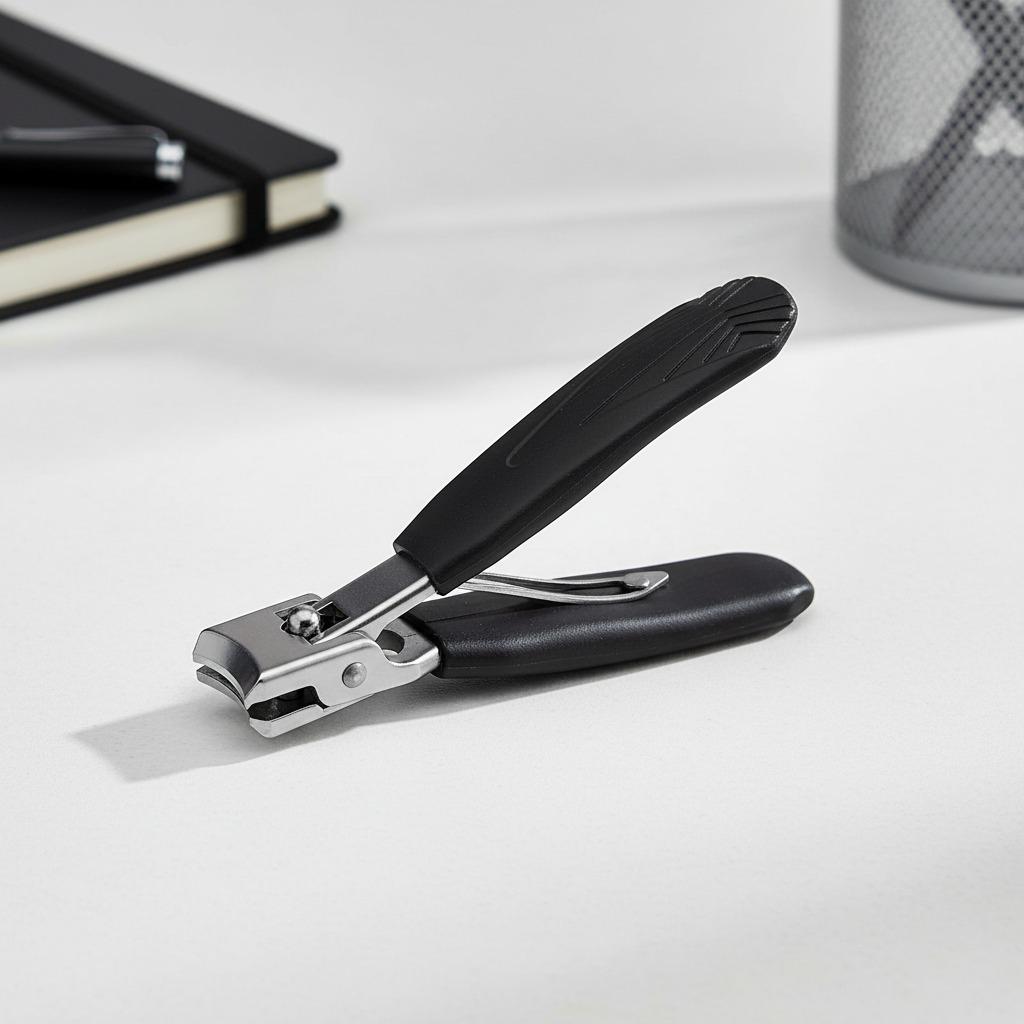
A nail clipper can look simple while still hiding meaningful manufacturing differences. The main quality issue is how the cutting edges meet. If the jaws do not align properly, the clipper may bend, split, or crush the nail instead of making a clean trim. That is the first thing B2B buyers should check in samples.
Material and finishing matter as well. Stainless steel is commonly preferred in nail care tools because it offers a practical balance of strength, clean appearance, and everyday durability. However, the exact grade, hardness, polishing method, and finishing process should be confirmed through the product specification or sample review rather than assumed.
Core inspection points
- Blade alignment: the upper and lower cutting edges should meet evenly.
- Sharpness: the clipper should trim cleanly without excessive pressure.
- Lever action: movement should feel smooth, stable, and controlled.
- Edge finishing: corners, pin areas, and touchpoints should feel smooth.
- Surface appearance: polishing, coating, or plating should look consistent.
- Joint strength: the rivet or pin should hold the jaws securely over repeated use.
Some product styles also include an optional built-in nail file for smoothing after clipping. If that feature is part of your brief, check that the file is usable, not only decorative, and that its edges are finished well.
Choose the Right Clippler Style for the Sales Channel
The right clipper depends on where and how it will be sold. A salon supplier may want a tool that feels comfortable during repeated use. A retail buyer may care more about shelf presentation and consistent packaging. An e-commerce seller may need a product that photographs well and survives shipping without cosmetic damage. A travel-kit brand may prioritize compact size and light packaging.
Before asking for pricing, define the actual use case. This helps the manufacturer recommend a suitable body shape, finish, and packaging style instead of guessing. It also reduces the risk of buying a product that looks acceptable in photos but does not fit the real user scenario.
| Buyer type | What to prioritize | Common mistake | Helpful supplier signal |
|---|---|---|---|
| Salon or spa supplier | Comfortable grip, smooth lever action, durable feel | Choosing a polished look that feels tiring in hand | Can discuss repeated-use comfort and assembly stability |
| Retail distributor | Consistent appearance, packaging fit, shelf presentation | Ignoring how cartons and retail packs hold up | Offers packaging options with clear labeling support |
| E-commerce seller | Photo-ready finishing, protective packaging, low defect risk | Approving a sample without shipment-style checks | Explains how the clipper is protected in transit |
| Travel kit or gift-set buyer | Compact size, matching finish, kit compatibility | Picking a tool that does not fit the set layout | Can help coordinate the clipper with other tools |
How to Review Samples Before a Bulk Order
Samples are essential because photos cannot show cutting feel, lever resistance, or edge smoothness. A useful review should include both visual and functional checks, and it is better to test several pieces than to approve only one perfect sample.
- Inspect the cutting edges: look closely at how the jaws meet and whether there is any visible offset.
- Test the lever movement: open and close the clipper several times to feel for stiffness or looseness.
- Try an appropriate cut: test on suitable nail material to check for clean trimming and control.
- Feel all contact points: check the sides, underside, and lever for burrs or rough finishing.
- Compare several samples: look for differences in polish, color tone, scratches, or plating consistency.
- Check the packaging: confirm that the clipper stays protected and looks suitable for your channel.
It also helps to document the approved sample with photos and short notes. That record becomes useful if you need to compare future production against the agreed standard.
ODM and Custom Nail Clipper Decisions That Affect Results
ODM and custom projects are most successful when the buyer starts with a clear brief. A vague request such as “better quality” or “premium style” can lead to samples that miss the target. A stronger brief explains the intended customer, sales channel, packaging direction, and the role the clipper plays in the product line.
For example, a compact travel clipper may need a different body size and presentation than a manicure set for home grooming. A brand that sells a coordinated beauty line may want the clipper to match the tone, finish, and packaging of other tools. A promotional buyer may care most about logo placement and simple, practical packaging.
Useful customization areas
- Shape and size: compact, standard, or set-compatible formats.
- Blade profile: curved edges are often preferred for fingernails because they follow the nail line.
- Handle and lever feel: ergonomic or more compact depending on the user.
- Surface finish: polished, matte, or other visual directions that fit the brand.
- Branding: logo placement on the body, lever, insert card, pouch, or carton.
- Packaging: retail card, paper box, pouch, kit packaging, or e-commerce protection.
Custom does not have to mean complicated. In many cases, the best project is a proven nail clipper structure with the right finish, branding, and packaging. If you are planning a broader assortment, send a sourcing brief through the inquiry page so the product direction can be reviewed alongside your channel needs.
Quality Control, Packaging, and Supplier Evaluation
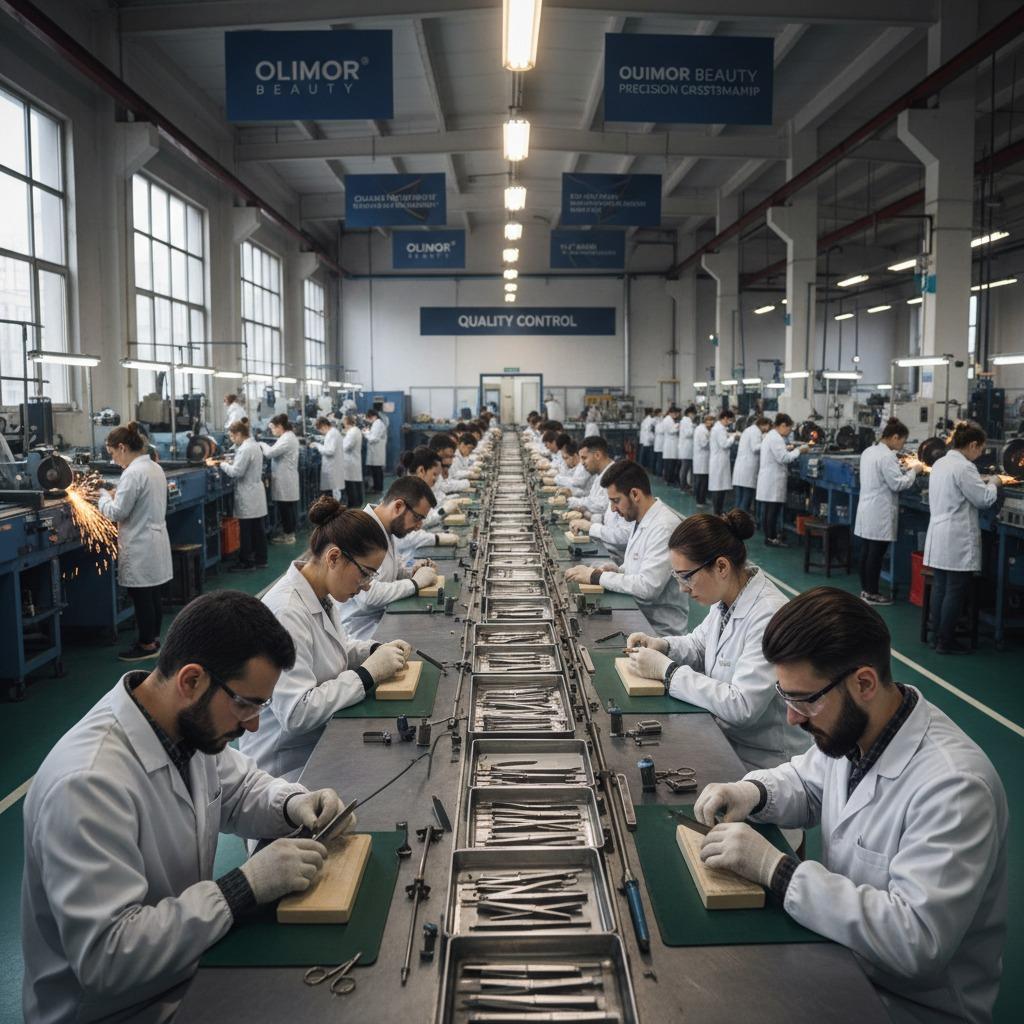
Good nail clipper sourcing depends on quality control at more than one stage. The supplied manufacturing approach for Olimor Beauty emphasizes inspection from raw materials through final packaging, which is important because a product can pass one stage and still fail later. Material consistency affects cutting performance, assembly affects alignment, finishing affects comfort, and packaging affects how the product arrives and displays.
For buyers who ask about management systems, it is reasonable to request documentation aligned with a standard such as ISO 9001 if the supplier references it in their process. Buyers should verify the applicable version and ask for the supplier’s own supporting documentation rather than assuming anything from a product page.
When comparing suppliers, separate cosmetic issues from functional issues. A clipper can look attractive while still cutting poorly, and a sharp blade is not enough if the lever feels unstable or the edges are rough.
Supplier comparison checklist
- Can the supplier explain how blade alignment is controlled?
- Do they provide samples that reflect real production quality?
- Can they discuss finish consistency and edge smoothness clearly?
- Do they offer packaging that fits your sales channel?
- Can they support branding without affecting the tool’s function?
- Are their answers specific, practical, and repeatable across inquiries?
For teams that need a quicker conversation, you can speak with the Olimor team about a wholesale or custom brief and compare options against your current sourcing plan.
How to Decide Whether a Supplier Fits Your Business
The best supplier is not always the one with the lowest quotation. It is the one whose strengths match your channel, your quality expectations, and your product story. A wholesale buyer may need stable repeat supply. A brand owner may need ODM support and packaging help. A salon distributor may care most about comfort and dependable cutting. An e-commerce seller may prioritize protective packaging and low defect rates.
Use the table below as a quick decision aid when you are narrowing down options.
| Decision factor | What good looks like | Why it matters |
|---|---|---|
| Cutting performance | Clean trimming with even blade contact | Directly shapes customer satisfaction |
| Material confidence | Clear explanation of stainless steel use and finish | Affects durability, appearance, and cleaning |
| Ergonomics | Stable grip and controlled lever feel | Important for repeat use and comfort |
| Packaging readiness | Protection and presentation suited to your channel | Reduces damage and improves retail appeal |
| Communication | Specific answers, sample support, and clear follow-up | Helps prevent misunderstandings during production |
FAQ
Can I request samples before placing a bulk order?
Yes. Samples are one of the most important parts of evaluating a nail clipper manufacturer because they show cutting feel, finishing, and packaging fit.
What should I ask about customization?
Ask about shape, finish, branding placement, packaging format, and whether the clipper is for a standalone product, gift set, or travel kit.
How do I check quality without a lab?
Review blade alignment, lever action, edge smoothness, packaging protection, and the consistency of several samples from the same supplier.
Is stainless steel always the right choice?
Stainless steel is commonly preferred for nail clippers, but buyers should still confirm the exact material, finish, and production details through the supplier specification and samples.
What is a practical first step if I am sourcing for a brand?
Prepare a short brief that explains your target customer, channel, packaging style, and whether you need standard, ODM, or custom support.
If you are building a new grooming line or refreshing an existing one, Olimor can help you compare practical nail clipper options for wholesale, retail, and custom supply. Start with the product range, then move into samples and sourcing questions so the final decision is based on how the tool performs, not only how it looks.
Tag: