How to Source Custom Nail Clippers from a China Manufacturer
Choosing a nail clipper manufacturer is not only about finding a low unit cost. For salons, beauty retailers, promotional buyers, distributors, and private-label grooming brands, the right supplier must deliver consistent cutting performance, comfortable handling, clean presentation, and dependable B2B communication. A nail clipper is a small tool, but customers judge it immediately: if it bends, tears the nail, feels rough in the hand, or looks poorly finished, it reflects on the brand printed on the package.
Olimor Beauty works with beauty tool buyers looking for practical, durable grooming tools, including custom made nail clipper options for B2B supply. This guide explains what to evaluate when sourcing from a nail clipper manufacturer in China, how to compare designs, and which details should be confirmed before moving from sample review to bulk order.
What B2B Buyers Should Prioritize in a Nail Clipper
A nail clipper has a simple purpose, but several design details affect its performance. In B2B purchasing, consistency matters as much as the first sample. The best sample is not useful if the production order varies in sharpness, alignment, finish, or packaging quality. When reviewing nail clippers for retail, salon, travel, or gift sets, buyers should focus on the features that influence daily user satisfaction.
- Cutting edge alignment: The upper and lower cutting edges should meet evenly. Poor alignment can crush or split the nail rather than create a clean cut.
- Sharpness and cutting feel: The clipper should cut smoothly without requiring excessive pressure. A sharp edge reduces strain and improves the user experience.
- Sturdy stainless steel construction: The supplied article identifies stainless steel as a material choice for Olimor Beauty nail clippers. Buyers should confirm the finish, surface treatment, and corrosion expectations for their market.
- Comfortable leverage: The handle should provide enough control for different hand sizes without feeling unstable or slippery.
- Clean finishing: Edges, corners, and riveted areas should feel smooth. Rough finishing can make an otherwise functional product feel low quality.
- Packaging suitability: A clipper sold in a pharmacy, salon, e-commerce kit, or promotional pouch may need different packaging formats and barcode or label space.
Custom Made Nail Clipper Options Worth Discussing Early
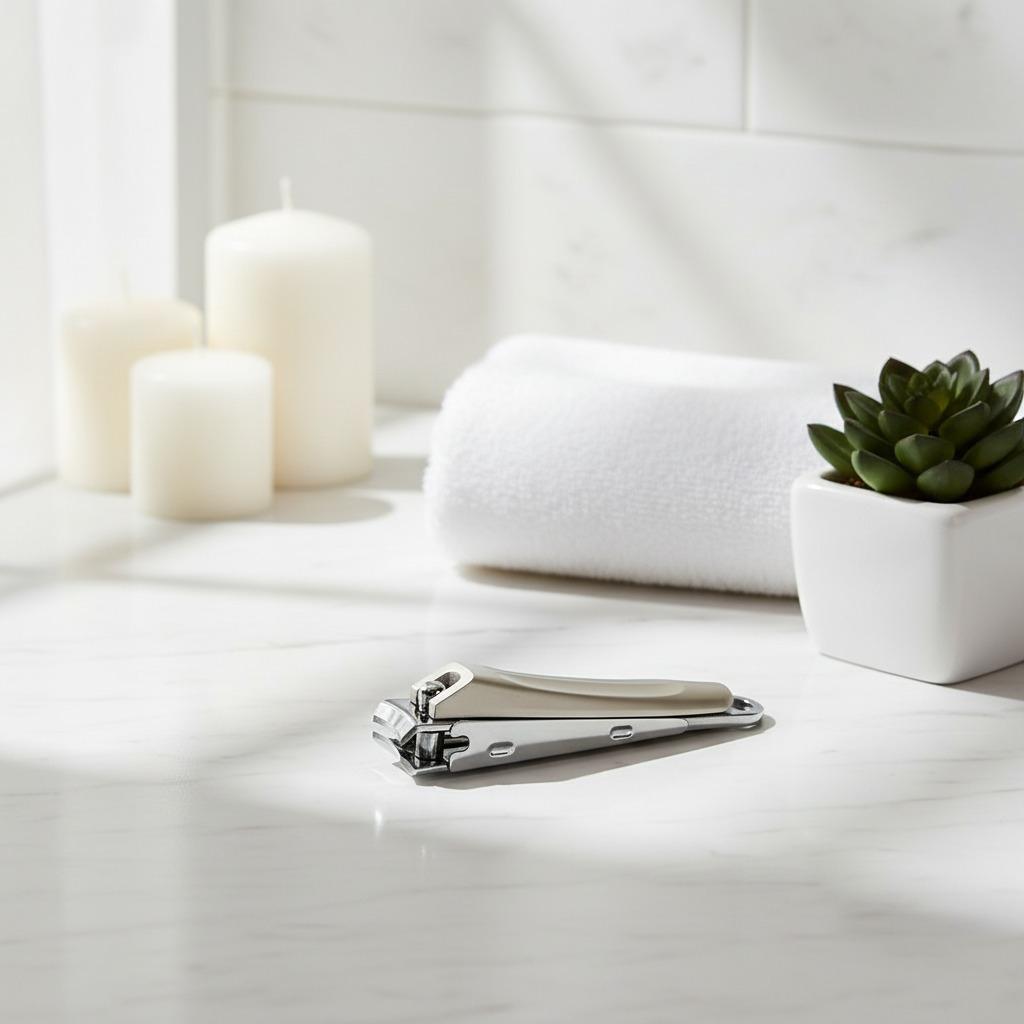
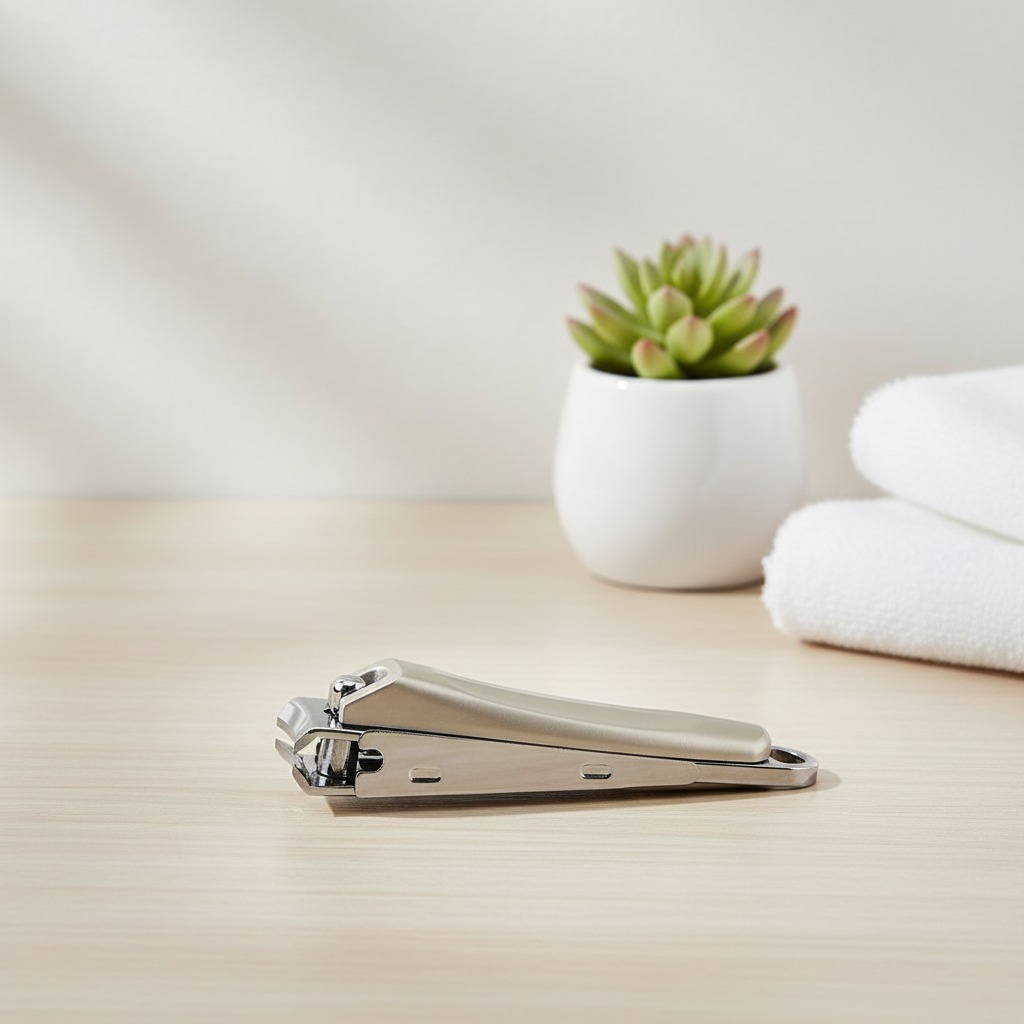
Customization can help a grooming tool fit a brand position, but it should be planned around function first. A custom made nail clipper may involve changes to handle shape, grip texture, surface finish, logo position, packaging, or set configuration. The original product description notes a smooth, contoured grip and compact design with a convenient loop handle. Those are useful starting points because they address real usage needs: control, portability, and everyday storage.
Before requesting a custom version, define the target user and sales channel. A salon buyer may prefer a professional look and reliable bulk packaging. A travel retailer may prefer a compact clipper that is easy to carry. A beauty gift set buyer may focus on visual finish and coordination with other tools. E-commerce brands need product photography consistency, protective packaging, and clear differentiation in listing images.
Useful customization decisions include:
- Logo method and placement: Decide whether the logo should be subtle, prominent, or placed on packaging only. The surface shape and finish may limit how detailed a logo can appear.
- Grip and handle feel: A contoured grip can improve control, especially for frequent use. Test whether the grip remains comfortable when hands are slightly wet or when applying pressure.
- Size and portability: Compact clippers work well for travel and personal kits, while larger formats may be preferred for stronger leverage.
- Packaging format: Retail cards, pouches, boxes, or set packaging each affect cost, shipping efficiency, presentation, and product protection.
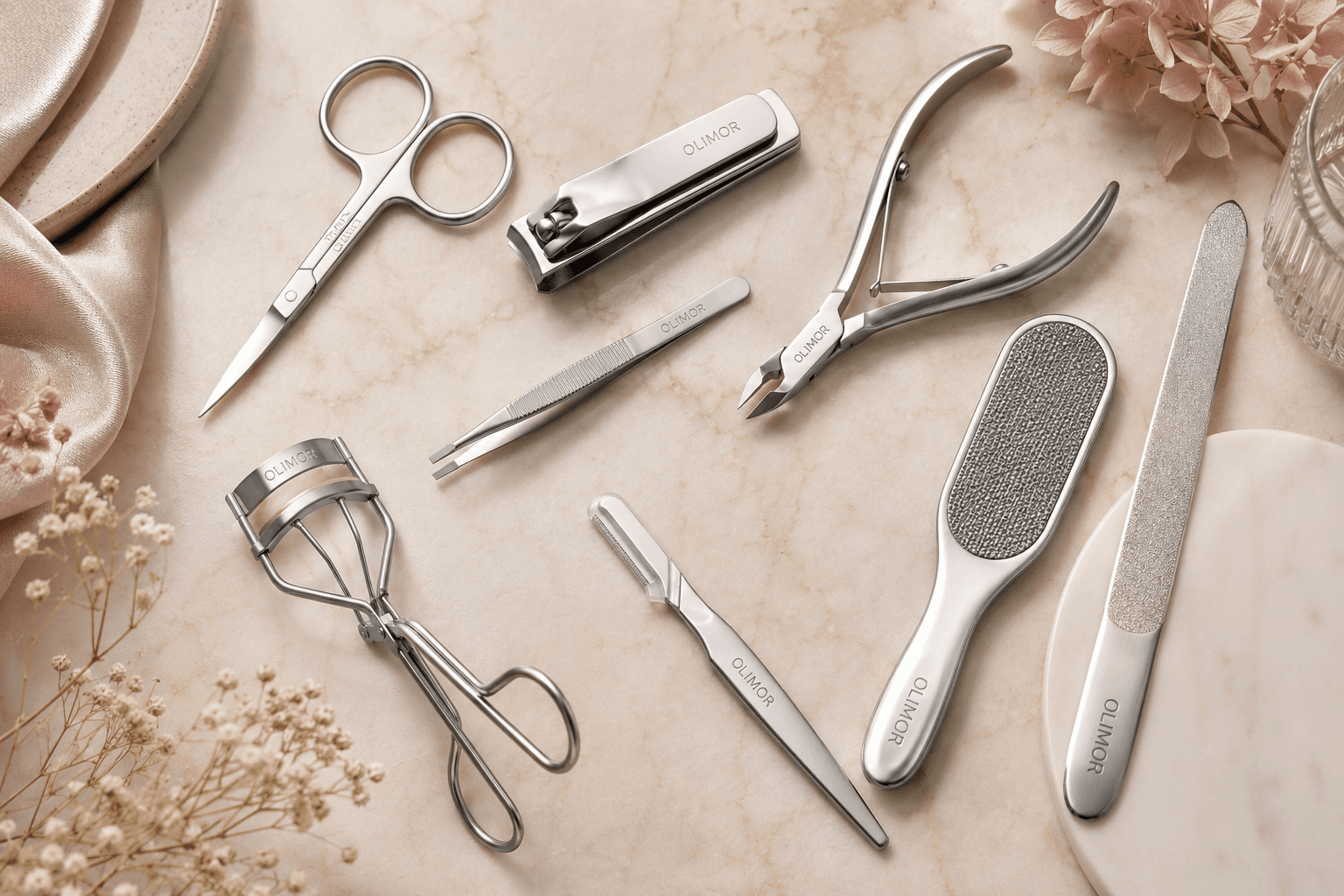
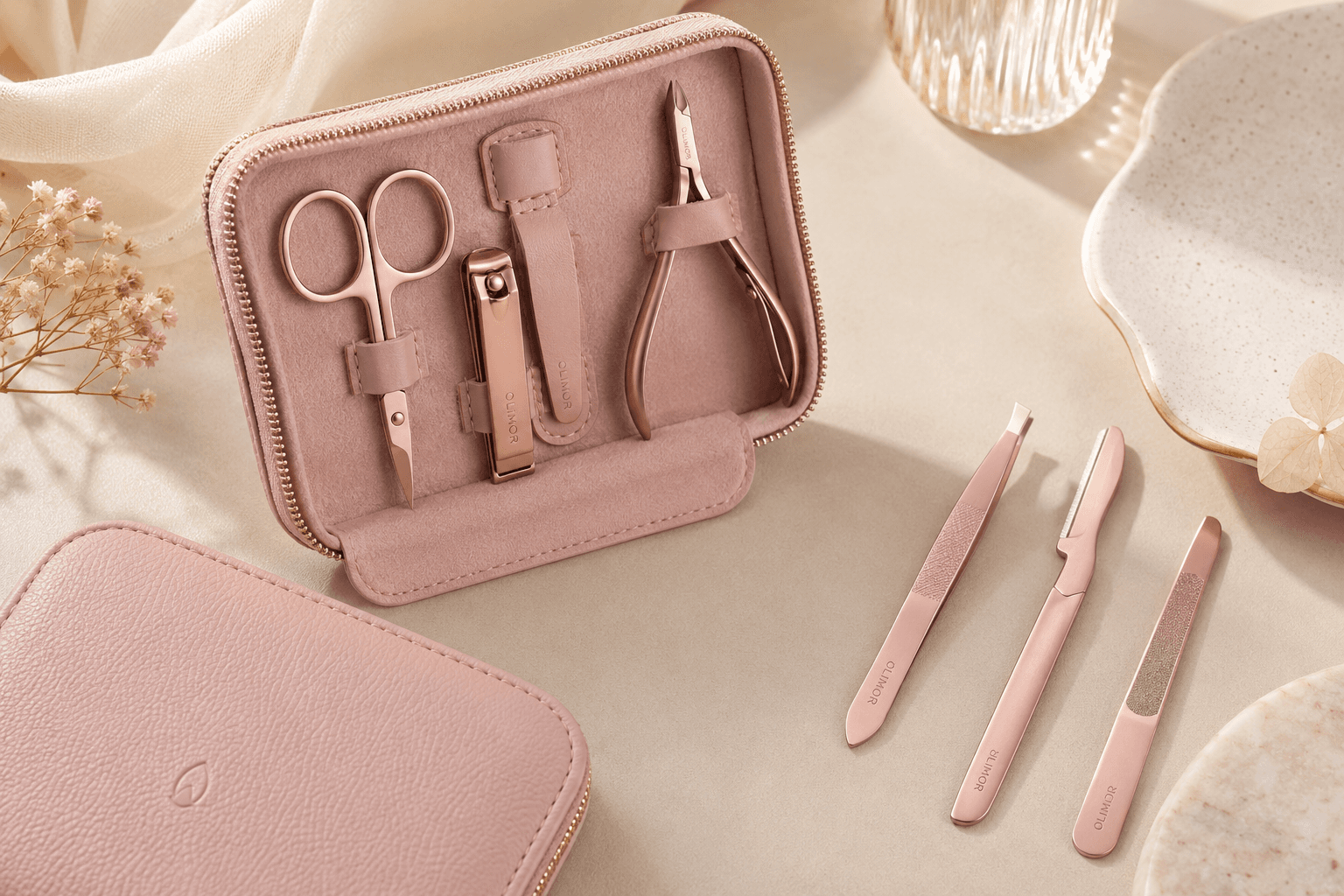
- Assortment planning: If the clipper will be sold with other tools, confirm visual consistency with files, tweezers, cuticle pushers, or grooming accessories.
For buyers building a broader grooming range, it can be helpful to review related beauty tool products before finalizing a single nail clipper. Consistent design language across tools can make a private-label line look more intentional.
Quality Checks for Stainless Steel Nail Clippers
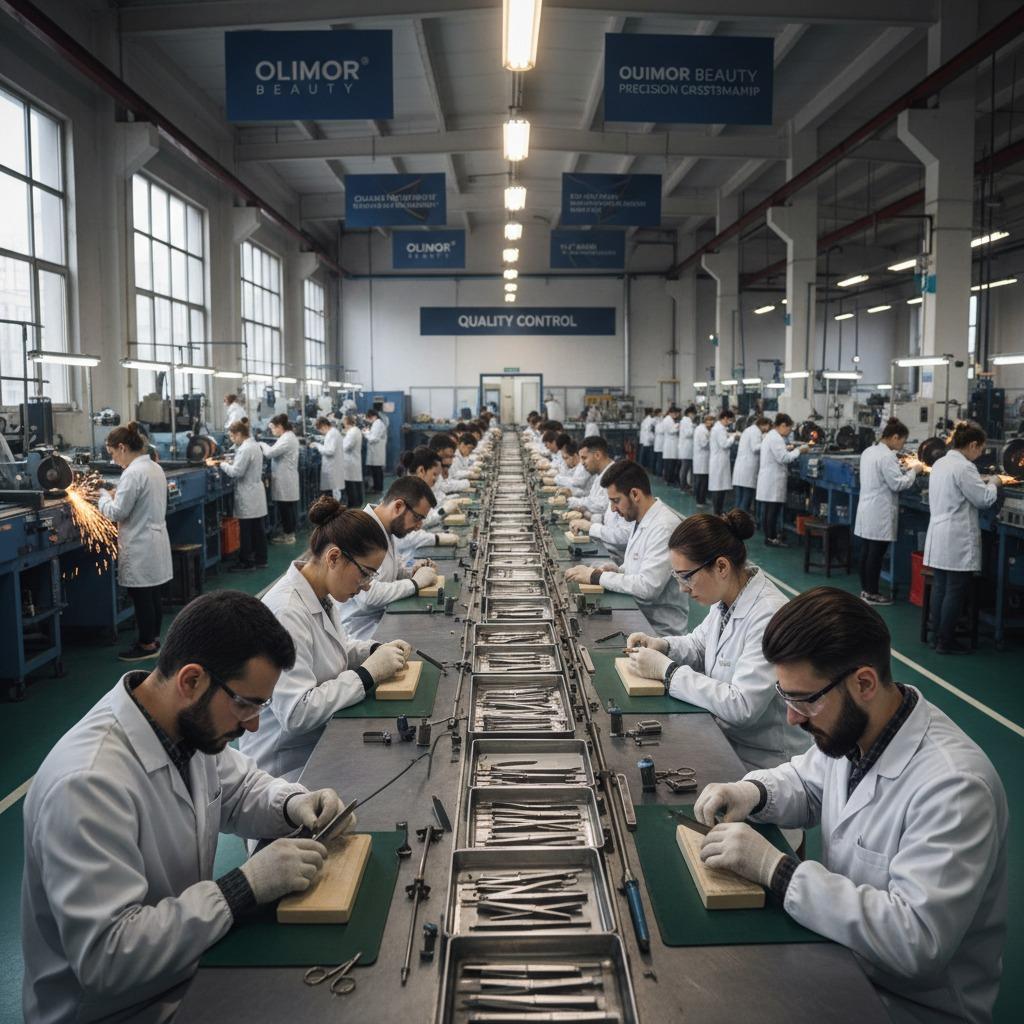
The original description highlights sturdy stainless steel, ergonomic design, and internal quality controls. For B2B buyers, those points should translate into practical inspection steps. A nail clipper does not require complex consumer education, so the product itself must communicate quality through touch, motion, and results.
| Inspection Area | What to Check | Why It Matters |
|---|---|---|
| Cutting edge | Even contact, clean edge, no visible burrs | Determines whether nails cut cleanly or split |
| Lever action | Smooth movement, stable pressure, no looseness | Affects comfort, control, and perceived durability |
| Surface finish | Uniform appearance, no stains, scratches, or rough corners | Important for retail presentation and user safety |
| Grip design | Comfortable hand contact and secure handling | Reduces strain during use and improves daily practicality |
| Packaging | Correct artwork, secure fit, clean sealing or assembly | Protects the product and supports brand credibility |
Sampling should include actual cutting tests, not only visual review. Buyers can test on different nail thicknesses, check whether the clipper leaves jagged edges, and compare several samples from the same batch for consistency. If a product includes a loop handle or compact body, also test how it sits in a travel pouch, grooming kit, or display package.
Matching the Clipper to Your Sales Channel
Different B2B buyers need different versions of the same basic tool. A nail clipper for a salon supply distributor may need a practical professional appearance and reliable replenishment. A retail chain may focus on shelf display, packaging durability, and clear product claims. A promotional buyer may need simple branding and compact packaging. A private-label beauty brand may place more emphasis on the tactile impression and unboxing experience.
Consider these use cases when planning specifications:
- Salon and professional supply: Prioritize cutting consistency, grip comfort, and easy handling during repeated use.
- Travel and personal care kits: Compact size, loop handle convenience, and secure packaging are especially valuable.
- Retail beauty shelves: Focus on clean finishing, clear product information, and packaging that allows easy inspection or strong visual appeal.
- Gift or grooming sets: Ensure the clipper matches the appearance of other tools in the set, including finish, logo placement, and packaging style.
- E-commerce orders: Packaging should protect the clipper in parcel shipping and help the product photograph well from multiple angles.
If you are comparing several categories at once, Olimor’s product collections can help you think about how a nail clipper fits into a wider beauty and grooming assortment.
Manufacturing Questions to Settle Before Bulk Production
A professional sourcing process should reduce uncertainty before production begins. Instead of relying only on a product photo, buyers should prepare a short specification file that defines the clipper design, finish, logo, packaging, and inspection expectations. This prevents small assumptions from becoming large problems later.
Key questions include:
- What exact sample is being approved, and are all dimensions, finish details, and packaging elements recorded?
- Where will the logo appear, and has the artwork been checked at actual production size?
- How will cutting performance be evaluated during inspection?
- What packaging materials and label requirements are needed for the destination market?
- Will the product be sold alone or as part of a set with other grooming tools?
- What carton markings, inner packing, or e-commerce shipping requirements need to be considered?
These questions are especially important for custom B2B beauty supplies because a small grooming tool often passes through many hands: manufacturer, exporter, importer, warehouse, retailer, and end user. Clear documentation helps keep the final product aligned with the approved sample.
Why Work with a Beauty Tool Manufacturer for Custom Supply
A general trading approach may be enough for one-time commodity orders, but beauty tools benefit from product familiarity. Nail clippers require attention to material, edge geometry, pressure feel, and finishing. Olimor Beauty positions its nail clippers around practical qualities such as stainless steel construction, ergonomic design, contoured grip, compact form, loop handle convenience, sharp edges, and internal quality control. For B2B buyers, those details can support a more reliable purchasing decision when they are confirmed through samples and documented specifications.
The strongest sourcing outcomes come from combining brand goals with user needs. A buyer should not customize every visible detail simply because customization is available. Instead, choose the details that matter to the customer: a clean cut, comfortable pressure, dependable finish, and packaging that matches the sales channel. A well-selected nail clipper can become a repeat-purchase item for retailers, a practical add-on for salons, or a useful component in personal care kits.
For custom nail clipper sourcing, prepare your target market, expected packaging style, logo requirements, and any set combination ideas before beginning sample discussions. To discuss a specific project with Olimor Beauty, you can send an inquiry or contact Olimor with your requirements.
Tag: