Best Cuticle Nippers for Salons: How to Choose Reliable Tools and Suppliers
Cuticle nippers are small tools, but they have a large impact on the quality and consistency of professional manicure services. In a salon environment, a nipper is used repeatedly throughout the day, often by different technicians with different hand sizes, techniques, and service speeds. A tool that feels acceptable for occasional personal use may not be suitable for salon work where precision, comfort, cleaning, and repeatable performance all matter.
For salon owners, nail technicians, spa buyers, and beauty supply distributors, the goal is not simply to find the sharpest tool. The better question is whether a cuticle nipper can support safe, neat, controlled trimming around the nail bed while fitting into daily salon workflows. That includes how the tool feels in hand, how cleanly it cuts, how it responds after repeated disinfection, and whether the supplier can provide dependable quality across orders.
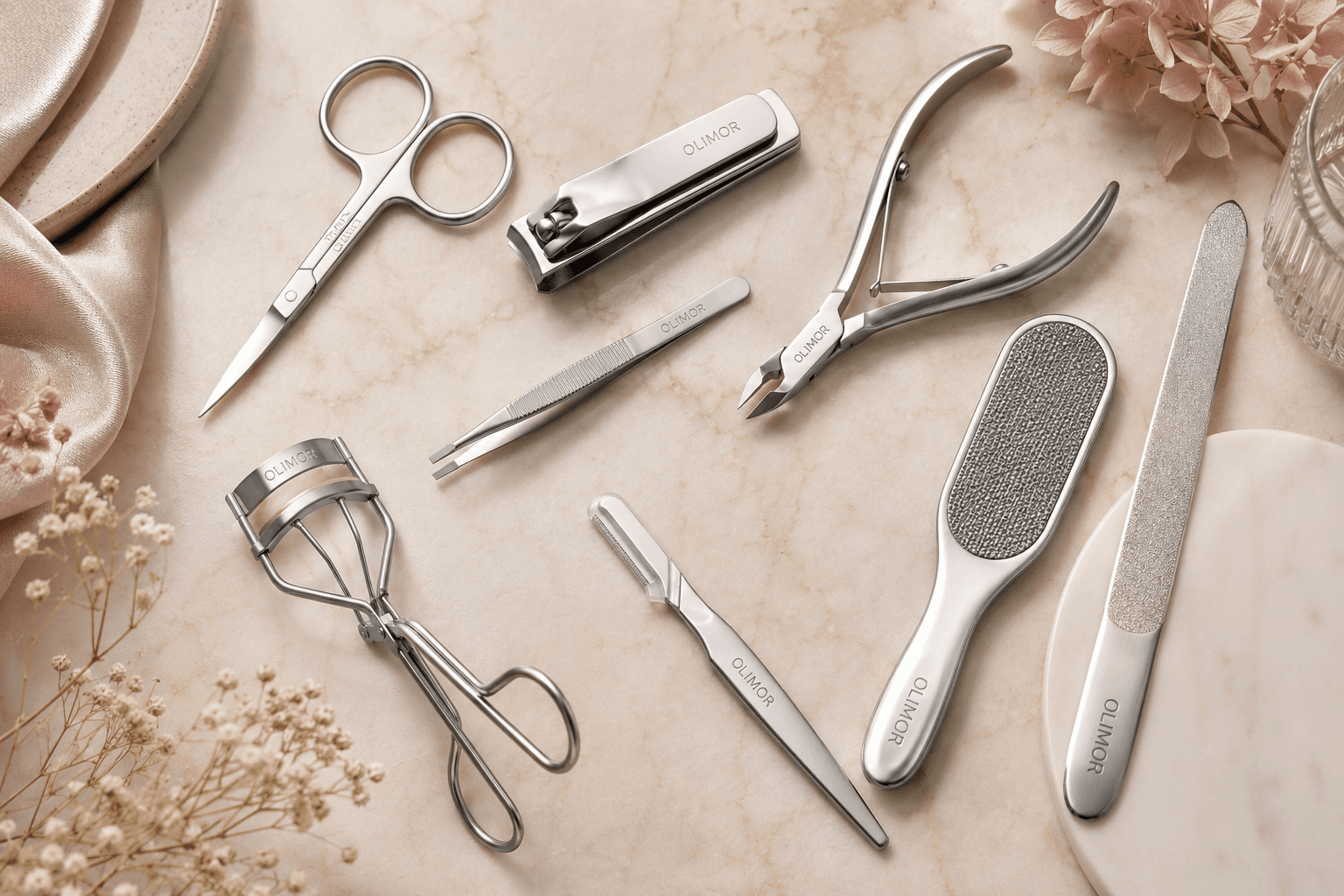
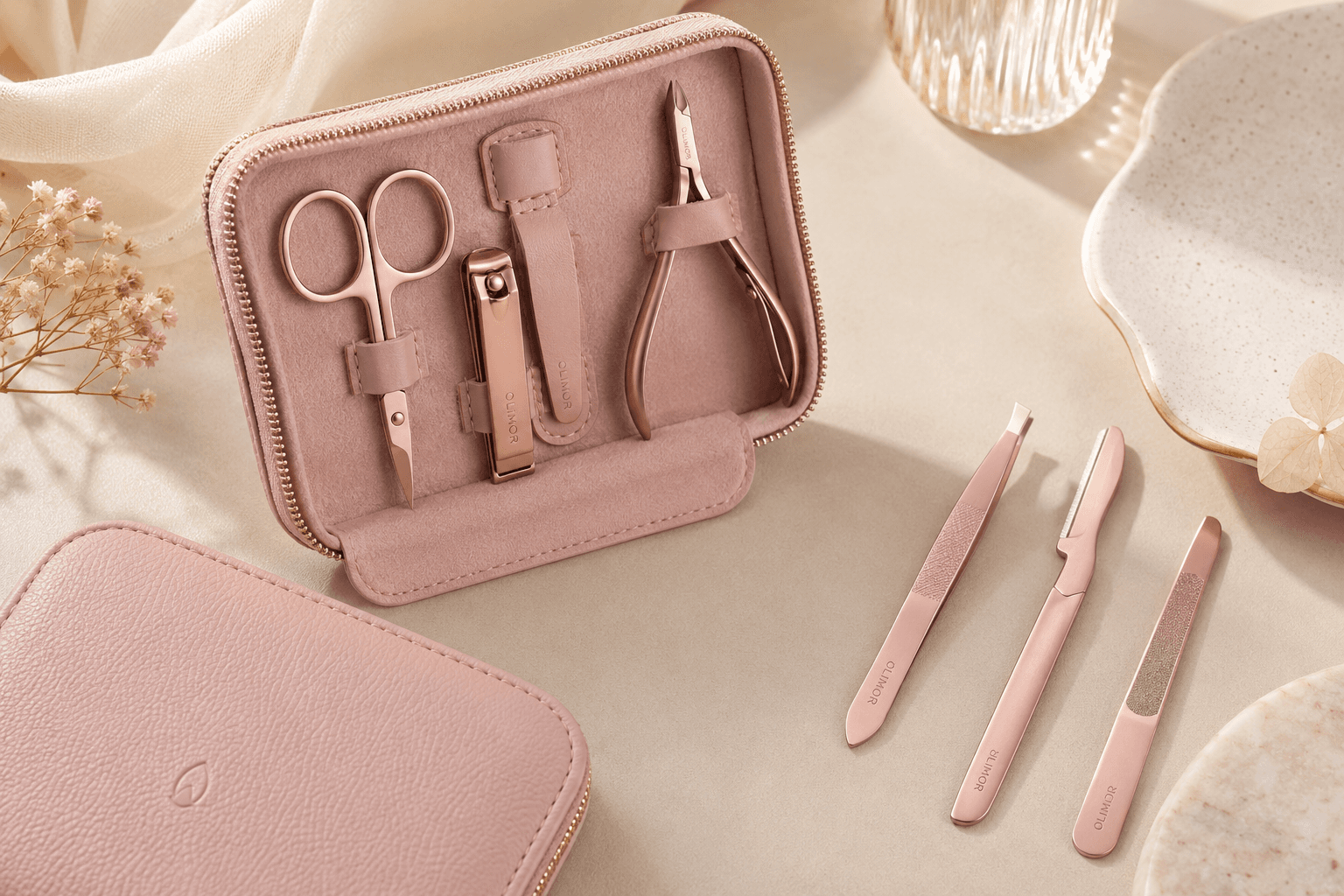
Olimor Beauty supplies beauty tools for professional purchasing needs, including stainless steel tools designed with ergonomic considerations and internal quality control. This guide explains how to evaluate cuticle nippers for salon use and how to compare B2B beauty supplies without relying on vague product claims.
Why Cuticle Nippers Matter in Professional Manicure Services
Cuticle care requires control. The skin around the nail bed is delicate, and a salon technician needs a tool that removes small pieces of excess cuticle cleanly rather than pulling, tearing, or crushing them. A poor nipper can slow down the service, cause uneven results, and increase technician fatigue. A dependable tool helps the technician work with less pressure and more accuracy.
In a salon, cuticle nippers are often used during basic manicures, gel preparation, pedicures, nail enhancement services, and maintenance appointments. The tool must perform well on different client needs, from light tidying to more detailed cuticle cleanup. Because it is a close-contact tool, cleaning procedures and surface durability are also important. Stainless steel is commonly preferred in professional beauty tools because it is suitable for regular cleaning routines when handled correctly.
Salon buyers should also consider consistency. If one technician uses a well-balanced nipper and another uses a stiff, uneven one, clients may notice differences in service quality. Standardizing the tools used across workstations can make training easier and results more predictable.
Key Selection Criteria for Salon-Grade Cuticle Nippers
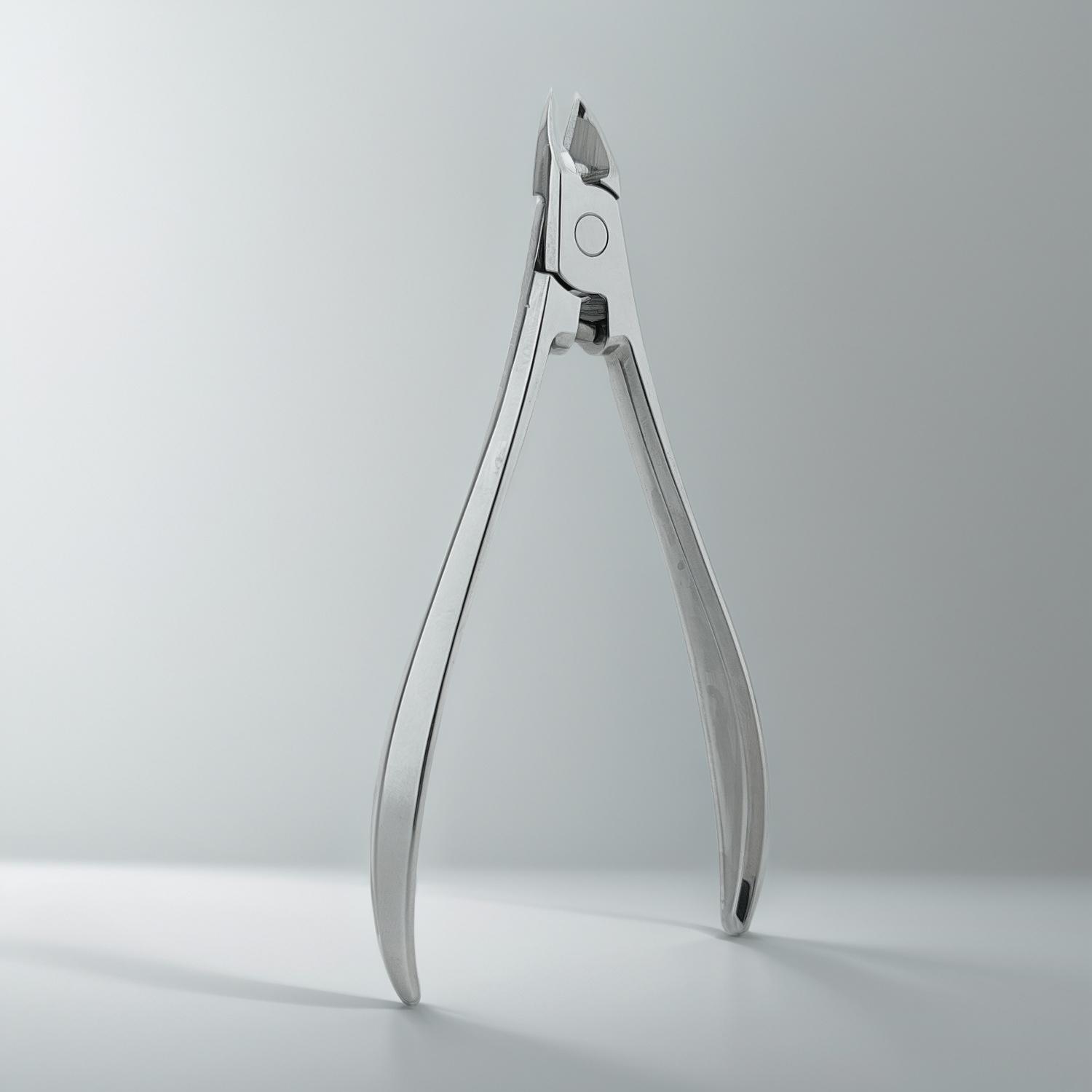
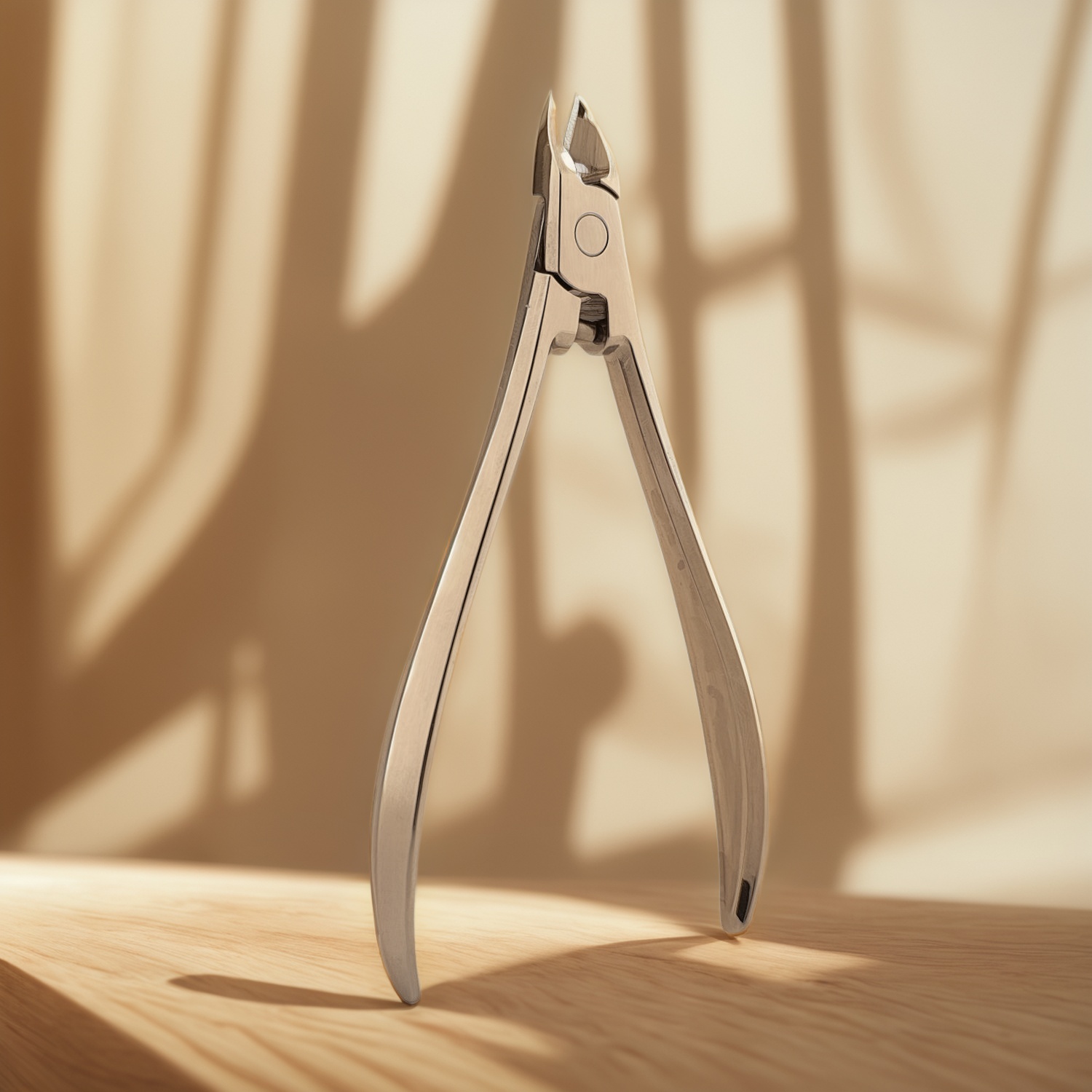
When comparing cuticle nippers, avoid judging by appearance alone. A polished surface may look professional, but the most important details are the cutting edge, alignment, spring response, handle control, and suitability for repeated salon use. A practical inspection should include both visual checks and hands-on testing.
- Cutting edge alignment: The two blades should meet evenly without obvious gaps or crossing. Misalignment can cause pulling instead of clean trimming.
- Cutting control: The nipper should cut small cuticle pieces precisely, not snap aggressively or require excessive pressure.
- Handle comfort: Ergonomic design matters during long workdays. Handles should support a natural grip and reduce unnecessary hand strain.
- Spring action: The opening and closing movement should feel smooth and predictable, helping technicians maintain rhythm during detailed work.
- Surface finish: A clean finish helps with handling and cleaning. Rough joints, burrs, or uneven surfaces can make the tool uncomfortable or harder to maintain.
- Material suitability: Stainless steel tools are widely used in professional salon environments, but buyers should still inspect finish quality and care requirements.
- Batch consistency: For B2B purchasing, several samples should be checked, not just one perfect display piece.
Technicians may also have preferences for jaw size and handle feel depending on their service style. If a salon has multiple nail professionals, it is useful to test samples with several users before placing a larger order.
How to Evaluate B2B Beauty Supply Partners
Choosing salon equipment suppliers is different from buying a single tool for personal use. B2B purchasing depends on repeatability, communication, packaging expectations, and stable quality. A supplier should help buyers understand what they are purchasing and provide enough consistency for salon operations, retail resale, or distribution planning.
When reviewing potential suppliers, focus on verifiable points rather than broad promises. Product images, samples, and written specifications should be checked together. If your business needs a particular finish, handle style, packaging format, or product mix, clarify those requirements before confirming an order. Olimor Beauty’s beauty tool products page is a useful place to begin reviewing available product categories, while buyers planning a broader sourcing program can also explore product collections.
A supplier evaluation checklist can keep the buying process organized:
| Evaluation Area | What to Check | Why It Matters |
|---|---|---|
| Sample quality | Blade alignment, grip feel, spring movement, surface finish | Confirms whether the tool is suitable for professional handling |
| Consistency | Compare multiple pieces from the same sample set | Reduces the risk of uneven tools across salon stations |
| Cleaning compatibility | Review care guidance for stainless steel tools | Supports daily hygiene routines and longer tool life |
| Packaging needs | Check whether packaging protects tips and surfaces | Helps avoid damage during storage and shipping |
| Communication | Confirm product details, order expectations, and after-sales process | Improves sourcing efficiency and reduces misunderstandings |
For salons and distributors comparing B2B beauty supplies, the strongest partner is usually the one that can provide stable product information, careful quality checks, and practical support rather than only a low unit price.
Quality Checks Before Adding Nippers to Salon Stations
Before new cuticle nippers are placed into daily service, every salon should perform a receiving inspection. This does not need to be complicated, but it should be consistent. A simple checklist helps catch issues before technicians are busy with clients.
- Inspect the tips: Look closely at the cutting edges. They should meet evenly and should not show chips, bends, or rough sections.
- Open and close the tool several times: The movement should be smooth without sticking, scraping, or sudden resistance.
- Check handle comfort: Hold the nipper in the same position used during service. The grip should feel stable, not slippery or awkward.
- Test on appropriate practice material: Confirm that the tool cuts cleanly and does not require force. Do not wait until a client appointment to discover performance issues.
- Review cleaning instructions: Make sure staff understand how to clean, dry, and store the tool according to salon procedures and product care guidance.
- Label or organize by station: Tracking tools by workstation can help identify wear patterns and technician feedback over time.
These checks are especially important when buying multiple units. Even a well-selected supplier relationship benefits from routine incoming inspection because salon tools are precision items, and small differences can affect the user experience.
Daily Care and Maintenance for Longer Tool Life
Good maintenance protects both service quality and purchasing value. Cuticle nippers should be treated as precision tools, not general drawer items. Dropping a nipper, storing it loose with other metal tools, or leaving it damp can affect performance and shorten usable life.
After each service, salons should follow their professional hygiene procedures and applicable local requirements. From a tool-care perspective, the most important habits are cleaning residue promptly, drying tools thoroughly, and storing them so the tips are protected. Stainless steel tools still need proper care; the material does not remove the need for drying and careful storage.
Managers should also create a routine for identifying dull or damaged tools. A nipper that no longer cuts cleanly can lead technicians to squeeze harder, which reduces control. If a tool is misaligned, chipped, or uncomfortable to operate, remove it from client service and review whether it can be professionally serviced or should be replaced.
When Salons Should Standardize Their Cuticle Nippers
Some salons allow every technician to choose their own tools. That may work for experienced professionals, but standardization offers advantages for growing teams, multi-chair salons, training programs, and businesses that want a consistent client experience. Using the same or similar cuticle nippers across stations makes it easier to set service expectations and maintain replacement inventory.
Standardization is particularly useful when a salon is expanding, opening a second location, or building a retail or professional supply program. It can also help purchasing teams compare suppliers fairly because they are evaluating defined criteria rather than a mix of personal preferences. If your team is planning a sourcing project, you can send an inquiry with your intended use, quantity planning, packaging preferences, and any specific selection concerns. For direct support, the contact Olimor page is available for business communication.
Practical Buying Advice for Salon Owners and Distributors
The best cuticle nippers for salons are the ones that combine clean cutting, comfortable control, appropriate material choice, reliable finishing, and stable sourcing. A tool that looks inexpensive can become costly if it wears quickly, arrives inconsistently, or slows down technicians. At the same time, a higher price does not automatically prove professional quality. The buying process should be evidence-based.
Start with the service environment. A small boutique salon may need a carefully chosen set for each workstation plus backups. A distributor may need broader consistency across cartons, clear product presentation, and dependable communication. A training school may value durability and ease of handling for students. The same tool category can serve different buyers, but the evaluation criteria should match the actual use case.
Olimor Beauty emphasizes technical attention, quality assurance, and internal quality control for its beauty tools, including stainless steel options with ergonomic designs. For salon buyers, that means the conversation should focus on practical performance: how the nipper feels in hand, how accurately it trims, how it will be maintained, and how consistently it can be supplied. By checking these details before purchasing, salons and B2B buyers can choose cuticle nippers that support cleaner services, smoother workflows, and more confident technicians.
Tag: