Beauty Tools Wholesale Buying Guide for Salons, Spas and Beauty Retailers
Buying beauty tools wholesale is not just a price decision. For a salon, spa, beauty store or private label buyer, the right tools affect service speed, hygiene routines, client comfort and repeat purchasing. A poorly shaped nail file, a stiff eyelash curler or an uncomfortable pedicure tool can slow down professionals and make clients question the quality of the service. A well-chosen wholesale range, on the other hand, helps teams work consistently and gives retail buyers a more dependable product offer.
Olimor Beauty supplies beauty tools for buyers who need practical, well-presented products across daily grooming, nail care, pedicure care and personal care categories. If you are comparing beauty tool products for salon use or resale, the best starting point is to define what each tool must do, how often it will be used and how it will be inspected before entering your inventory.
What Wholesale Beauty Tools Need to Deliver
Professional buyers usually look at wholesale beauty tools from two angles: the tool must perform well for the end user, and it must be practical to purchase, store and sell in quantity. These requirements are connected. A tool that looks attractive but wears down quickly can increase complaints. A functional tool with poor packaging can be difficult for retailers to display. A salon tool that is hard to clean may not fit a busy service environment.
Before narrowing your selection, consider the way the tools will be used. A salon may need durable nail files, pedicure implements and grooming accessories for repeated services. A beauty retailer may need visually consistent items that are easy for shoppers to understand at a glance. A distributor may need a balanced product mix that can serve different customer types without creating too many slow-moving items.
- Function: Does the tool perform the task smoothly without requiring excessive pressure or adjustment?
- Comfort: Is the grip, shape or edge suitable for real daily use?
- Consistency: Do items in the same batch feel and look uniform enough for wholesale supply?
- Packaging readiness: Can the product be presented clearly for salon storage, retail shelves or online listings?
- Maintenance: Can the tool be cleaned, stored or replaced in a practical way?
Core Categories: Eyelash Curlers, Pedicure Supplies, Nail Files and Personal Care Tools
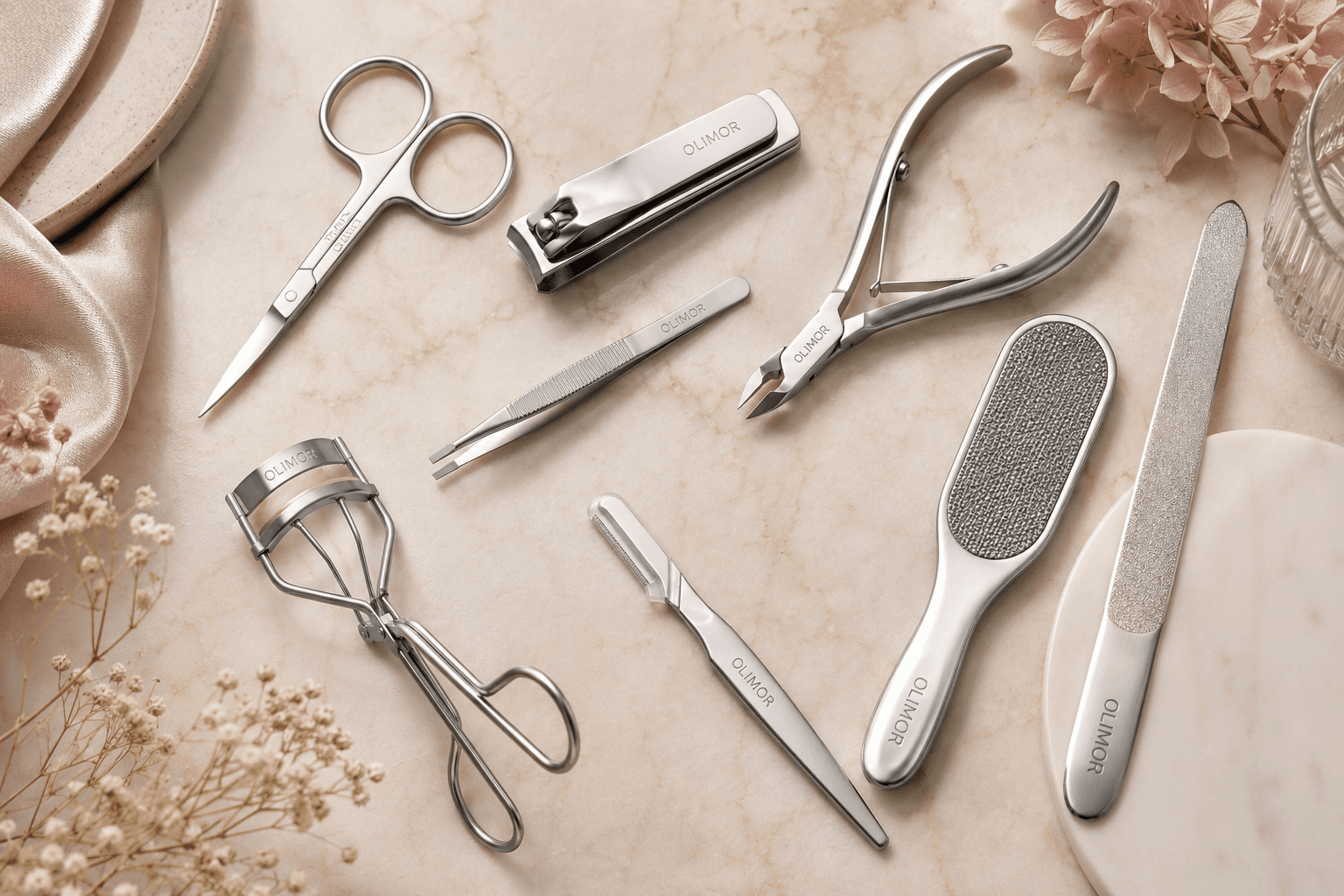
A strong wholesale beauty tools program usually starts with core items that buyers reorder because they are used frequently. The original categories on this page include eyelash curlers in bulk, pedicure supplies wholesale, nail file wholesale and personal care tools wholesale. Each category has different evaluation points.
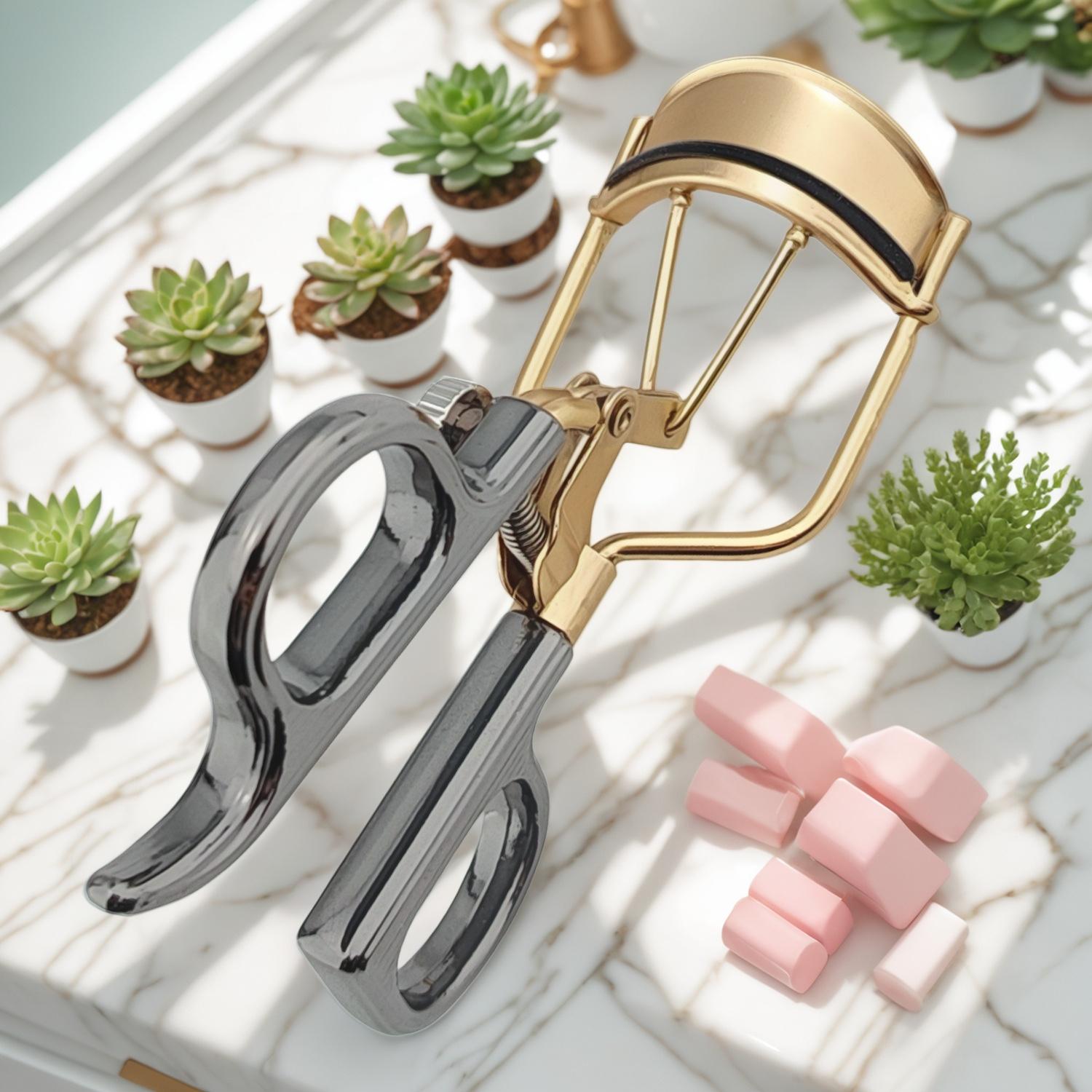
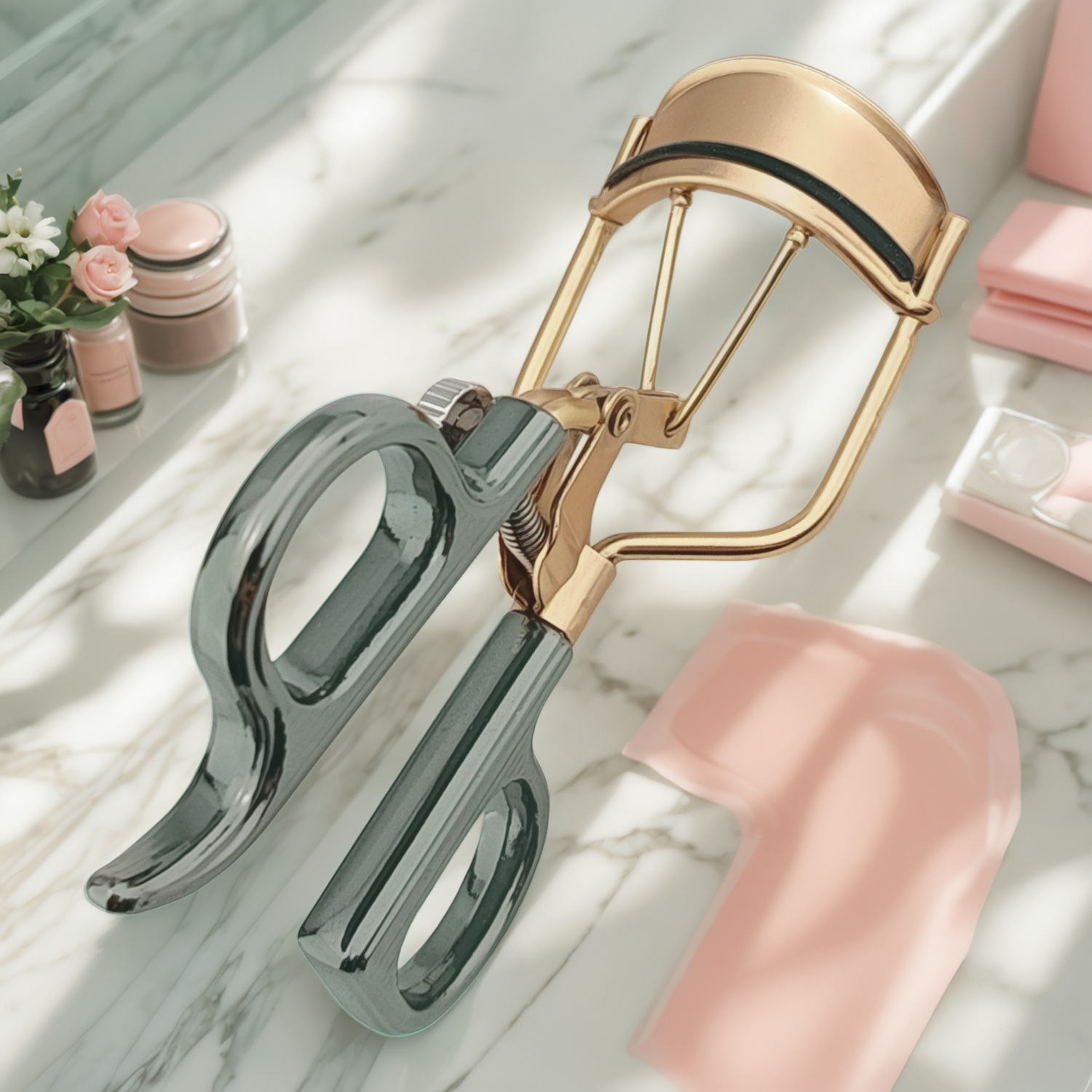
Eyelash curlers should be assessed for smooth movement, comfortable handling and alignment. Even small differences in frame shape or pressure can affect the user experience. For buyers purchasing eyelash curlers in bulk, consistency matters because customers expect each unit to feel the same.
Pedicure supplies need to support careful foot care services and personal grooming. Depending on the item type, buyers should pay attention to edges, grips, weight, surface finish and ease of handling. Pedicure tools used in professional environments should be selected with cleaning and storage routines in mind.
Nail files are small, but they are important to both salons and retail buyers. Look at filing surface consistency, flexibility, edge finish and the way the file feels in the hand. A nail file wholesale order should also be checked for packing count accuracy and appearance because many buyers use these products in service stations, kits or point-of-sale displays.
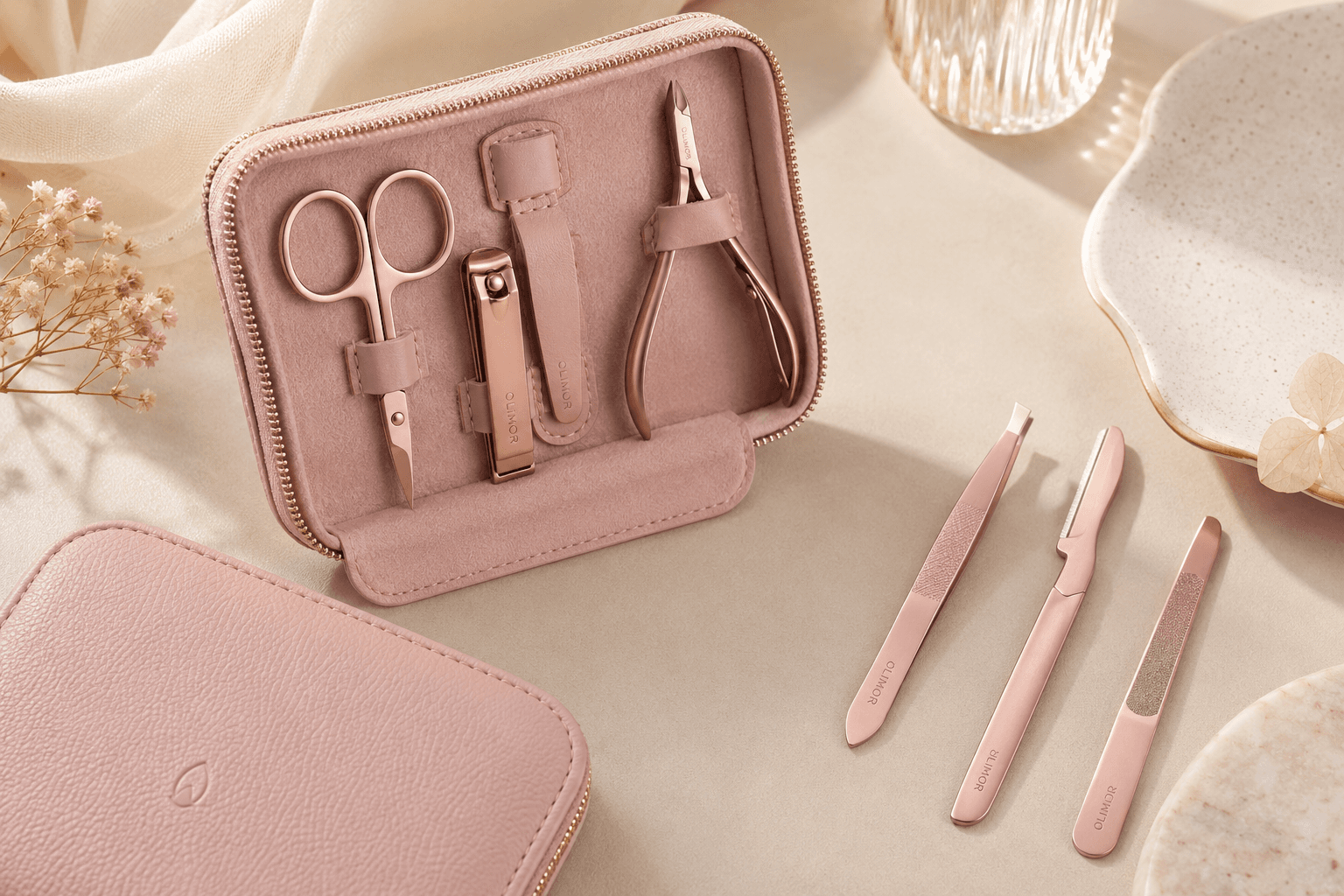
Personal care tools cover a broader range of grooming accessories. The best approach is to group them by use case: facial grooming, nail care, travel care, home care or professional service support. This makes it easier to decide which items belong in your first wholesale order and which should be tested later.
How to Compare Wholesale Beauty Tool Quality
Quality in beauty tools is not only about how a product looks in a catalog photo. It is also about how the tool performs after handling, cleaning, display and repeated use. Olimor Beauty emphasizes technical attention and quality checks, and buyers can strengthen their sourcing process by using a simple comparison framework before confirming a bulk order.
| Evaluation area | What to check | Why it matters |
|---|---|---|
| Finish | Surface smoothness, visible defects, burrs or uneven edges | Affects comfort, safety perception and retail appearance |
| Function | Opening, closing, filing, gripping or pressing action depending on tool type | Shows whether the item works naturally in real use |
| Consistency | Uniform shape, color, assembly and packaging across units | Reduces returns and supports a professional brand image |
| Ergonomics | Grip comfort, control and ease of use | Important for salon staff who repeat the same motion many times |
| Packaging | Protection, labeling space, display suitability and carton organization | Helps with storage, retail merchandising and shipping preparation |
When reviewing samples, use them the way your customer would. A salon owner should let technicians test the feel of the tool during typical service movements. A retailer should inspect how the product appears in packaging, how clearly the use is communicated and whether the item fits the target price position. An online seller should consider how the product can be photographed, described and packed for delivery without damage.
Choosing the Right Mix for Salon and Retail Buyers
Wholesale buying becomes easier when products are selected around customer needs rather than around a long catalog list. A nail salon may prioritize nail files and pedicure supplies. A makeup-focused retailer may start with eyelash curlers and personal grooming accessories. A general beauty distributor may need several categories, but should still build the order around proven everyday tools before adding specialty items.
For salons, the right mix usually includes service tools and retail-friendly add-ons. Service tools support technicians during appointments, while small personal care tools can be sold for home maintenance between visits. For beauty retailers, the selection should consider shelf clarity. Customers often make quick decisions in this category, so product purpose, packaging and visible quality all affect conversion.
If you are building a first order, divide your selection into three groups:
- Daily use tools: Items that are used often in services or purchased frequently by consumers, such as nail files or common grooming accessories.
- Category anchors: Products that clearly define your beauty tool offer, such as eyelash curlers for makeup shoppers or pedicure supplies for foot care customers.
- Test items: Additional personal care tools that may expand your range after you confirm demand.
You can review broader beauty tool products or browse product collections to compare how different categories fit your market. A focused assortment is often more useful than a large but uneven selection.
Packaging, Storage and Inventory Considerations
Packaging is a practical part of wholesale beauty tool sourcing. It affects how the product travels, how it is stored and how it is presented to the buyer or end user. For salons, packaging should be easy to organize and identify. For retailers, it should support display and help customers quickly understand the tool’s purpose. For distributors, carton organization and product consistency can reduce warehouse confusion.
Storage conditions also matter. Beauty tools should be kept in a clean, dry area and protected from crushing, bending or unnecessary abrasion. Nail files should be stored so their surfaces do not rub excessively before use. Tools with moving parts should be protected from pressure that could affect alignment. Retail packaging should be checked after transport to ensure it remains presentable.
Inventory planning should match actual demand. High-rotation items can be purchased more confidently in larger quantities once performance is proven. New items should be tested with a clear review period. Track which products are used quickly, which are reordered by clients and which generate questions or returns. Over time, this data helps you refine your beauty tools wholesale program with less guesswork.
Maintenance and Hygiene Questions for Professional Use
Salons and spas should evaluate beauty tools with hygiene workflows in mind. Maintenance needs vary by tool type and local service requirements, so buyers should choose tools that fit their operating procedures. Even when a tool is intended for retail sale rather than repeated salon service, customers appreciate care instructions that are simple and realistic.
Useful maintenance questions include: Can the tool be wiped or cleaned according to the intended use? Are there grooves, hinges or textured areas where residue may collect? Is the product designed for single-client retail use, repeated personal use or professional handling? Can staff store the tool safely between appointments? These questions help buyers avoid selecting products that look good initially but create friction in daily work.
For nail files and similar consumable items, salons may prefer clear replacement routines. For tools with moving parts, periodic inspection helps identify wear, looseness or alignment changes. For pedicure and personal care tools, storage and cleaning instructions should be easy for staff and customers to follow.
Working With Olimor Beauty for Wholesale Beauty Tools
Olimor Beauty focuses on supplying practical beauty tools for buyers who need reliable sourcing across categories such as eyelash curlers, nail files, pedicure supplies and personal care tools. The strongest wholesale results come from clear product goals: who will use the tool, where it will be sold or stored, what quality points matter most and how the item supports your service menu or retail range.
When preparing a wholesale inquiry, include the product category, intended market, packaging expectations and any key performance concerns. This helps create a more efficient discussion and reduces the risk of selecting items that do not match your use case. Buyers comparing multiple beauty tool options can also prepare sample review notes, target assortment lists and packaging references before making a decision.
To discuss category fit or sourcing options, contact Olimor. If you already have a product list or purchasing plan, you can send an inquiry with the details and begin narrowing the right wholesale beauty tools for your salon, spa, retail store or distribution channel.
Tag: