Beauty Tools Wholesale for Salons: How to Buy Cost-Effective Supplies Without Cutting Quality
For salons, nail studios, spas, and beauty retailers, tools are not occasional purchases. Files wear down, clippers lose sharpness, manicure sets need replenishment, and pedicure supplies move quickly during busy seasons. Buying beauty tools wholesale can reduce the per-unit cost and make inventory planning easier, but wholesale buying is only effective when the products, quantities, packaging, and supplier process match the way your business actually operates.
This guide explains how to compare wholesale and retail purchasing, how different categories of wholesale beauty products fit salon use, and what to evaluate before placing a bulk order. Whether you are restocking everyday grooming tools or sourcing complete manicure and pedicure sets, the goal is the same: maintain consistent quality while keeping purchasing predictable.
Wholesale vs. Retail: What Salons Should Compare First
Retail purchasing is simple: buy a small quantity, receive it quickly, and test it immediately. For a one-off replacement, that convenience can be useful. But for a salon that uses tools every day, retail prices usually include a higher markup and do not support consistent long-term stock levels. Wholesale beauty tools, by contrast, are purchased in larger quantities, often at a lower per-unit cost, making them better suited to recurring operations.
The main advantage of wholesale is not only price. It also helps a salon standardize its tool selection. When technicians work with the same file shape, clipper size, tweezer type, or pedicure accessory across service stations, training becomes easier and service consistency improves. Bulk purchasing can also reduce the time spent searching for replacements from different retail sources.
However, wholesale requires more planning. A low unit cost is not always a good deal if the salon orders items that do not match demand, take too much storage space, or do not meet hygiene and durability expectations. Before moving from retail to wholesale, compare the true cost of ownership: purchase price, shipping, storage, replacement frequency, and the time your team spends managing stock.
Which Beauty Tools Make Sense to Buy in Bulk?
Not every product should be purchased in the same quantity. High-turnover disposable or semi-disposable items can often be bought more aggressively, while specialized tools should be ordered with a clearer forecast. Pedicure supplies wholesale, for example, can support salons with steady foot-care appointments, while niche grooming tools may only be needed in limited numbers.
Common wholesale categories for salons include:
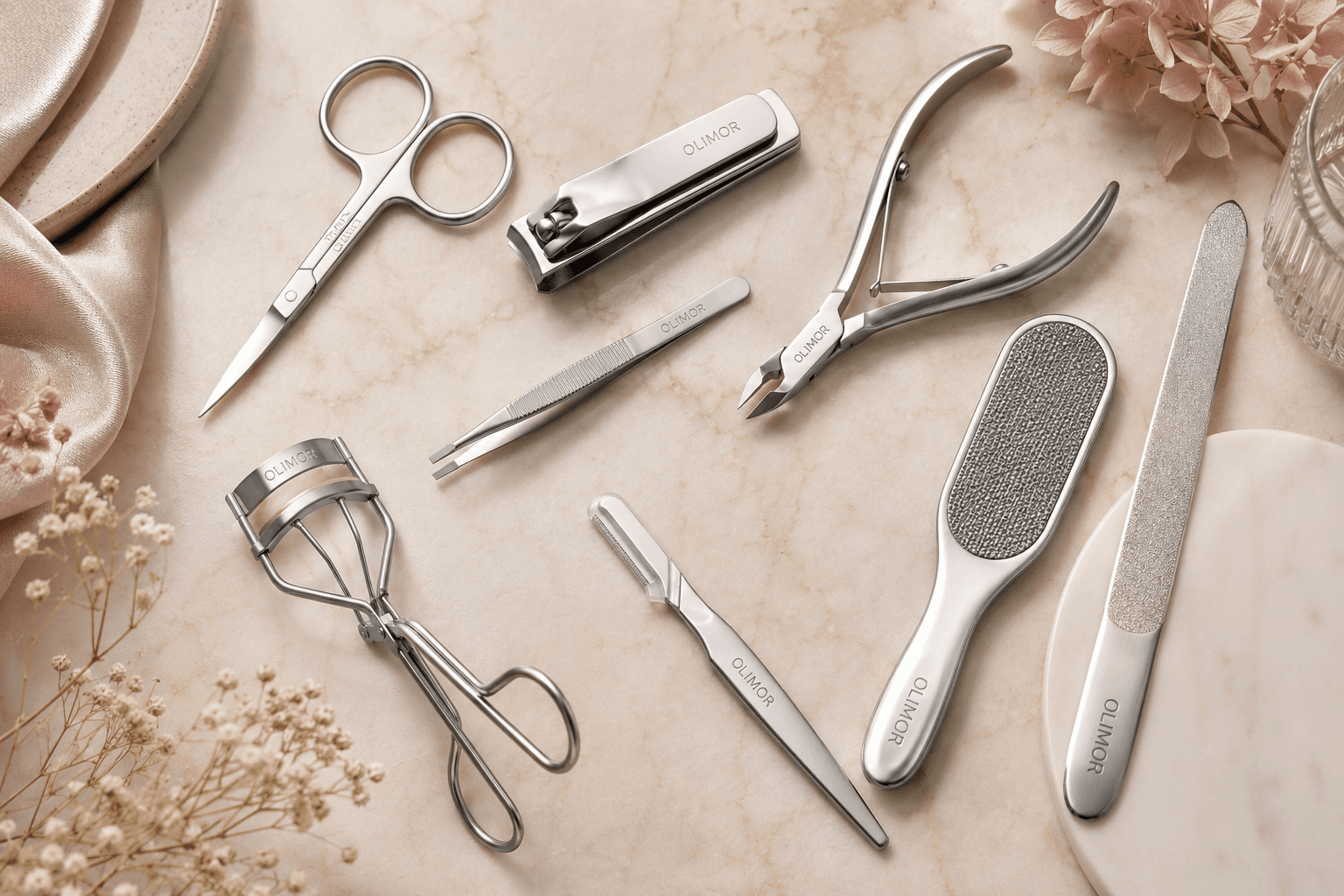
- Manicure and pedicure tools: nail clippers, cuticle tools, files, buffers, foot-care accessories, and sets used for treatment preparation.
- Wholesale grooming tools: tweezers, scissors, trimming tools, and precision items used in beauty and personal care services.
- Personal care tools wholesale: items suitable for retail resale, gift sets, travel kits, or client take-home use.
- Bulk beauty products for salons: mixed selections that help a business fill multiple service stations or refresh retail shelves.
The best bulk order usually includes a mix of fast-moving essentials and carefully selected higher-value tools. For example, a nail salon may reorder files and pedicure items frequently, while purchasing manicure and pedicure sets for retail display in smaller planned batches. A spa or beauty retailer may care more about packaging appearance, set composition, and how the product feels in the customer’s hand.
A Practical Checklist for Evaluating Wholesale Beauty Tools
Cost-effective sourcing does not mean choosing the lowest available price. Beauty tools come into close contact with hands, feet, nails, and skin, so poor finishing, weak alignment, or uncomfortable handling can affect both technician efficiency and client confidence. Use a structured checklist before committing to larger orders.
- Define the service use: Separate tools for professional treatment use, retail resale, promotional kits, and home-care add-ons.
- Check tool function: For clippers, confirm cutting action and alignment. For tweezers, check tip contact. For files and buffers, consider grit, flexibility, and expected replacement frequency.
- Assess hand comfort: Technicians may use the same tool many times a day. Edges, grip, weight, and balance matter.
- Review finish and consistency: Look for burrs, rough seams, uneven plating, weak hinges, or inconsistent pieces within the same batch.
- Consider cleaning and storage: Tools used in salon services should fit your sanitation process and station organization.
- Evaluate packaging: Retail-ready sets need clean presentation, while back-bar salon tools may need practical bulk packing that reduces waste.
- Plan reorder timing: Track usage by service volume so replenishment happens before stockouts affect appointments.
For buyers comparing options, Olimor’s beauty tool products can be reviewed with these criteria in mind. If you need to compare related categories or set formats, the product collections page is a useful starting point for narrowing the type of wholesale beauty tools that fit your business.
How to Balance Price, Quality, and Inventory Risk
The most common mistake in beauty tools wholesale is ordering only by price. A very low-cost item can become expensive if it needs frequent replacement, creates technician complaints, or cannot be presented professionally to retail customers. On the other hand, buying premium-looking tools without considering turnover can tie up cash in slow-moving inventory.
A balanced buying strategy starts with service volume. Count how many manicure, pedicure, grooming, or retail transactions you complete in a typical month, then estimate tool usage by category. This gives you a practical order range instead of relying on guesswork. If demand changes by season, plan a smaller buffer for slow months and a larger buffer before peak periods.
Storage should also influence order size. Bulk beauty products for salons can save money, but they must stay organized and protected from damage. Boxes that are opened repeatedly, mixed tool types, and unlabeled stock areas can lead to wasted products or accidental over-ordering. Assign a fixed storage location for each category and track incoming and outgoing quantities.
For retail resale, packaging matters more. A manicure and pedicure set may have solid tool value, but if the case, insert, or display condition looks poor, customers may hesitate. For professional back-bar use, packaging can be simpler as long as it protects the tool and allows efficient handling by staff.
Questions to Clarify Before a Wholesale Order
Before placing a wholesale order, organize the information your team needs so decisions are based on the same standards each time. The following table can help salon owners, purchasing managers, and retailers compare suppliers and product options without relying on vague impressions.
| Decision area | What to evaluate | Why it matters |
|---|---|---|
| Tool purpose | Professional service use, retail resale, gift sets, or promotional use | Different uses require different packaging, durability, and presentation |
| Material and finish | Surface smoothness, edge quality, hinge movement, and corrosion considerations | Comfort, hygiene process, and perceived quality depend on finish consistency |
| Set composition | Whether each item in a kit is useful for your target customer | Unneeded pieces add cost and reduce retail value |
| Order quantity | Expected monthly usage, storage capacity, and reorder schedule | Prevents both stockouts and excess inventory |
| Brand presentation | Packaging format, labeling needs, and display suitability | Important for salons selling tools directly to clients |
If your salon is considering a specific order or wants to discuss category fit, you can send an inquiry with your intended use, target quantity, and packaging needs. For broader sourcing questions, you may also contact Olimor to start a more detailed conversation.
Where Olimor Beauty Fits in a Salon Supply Strategy
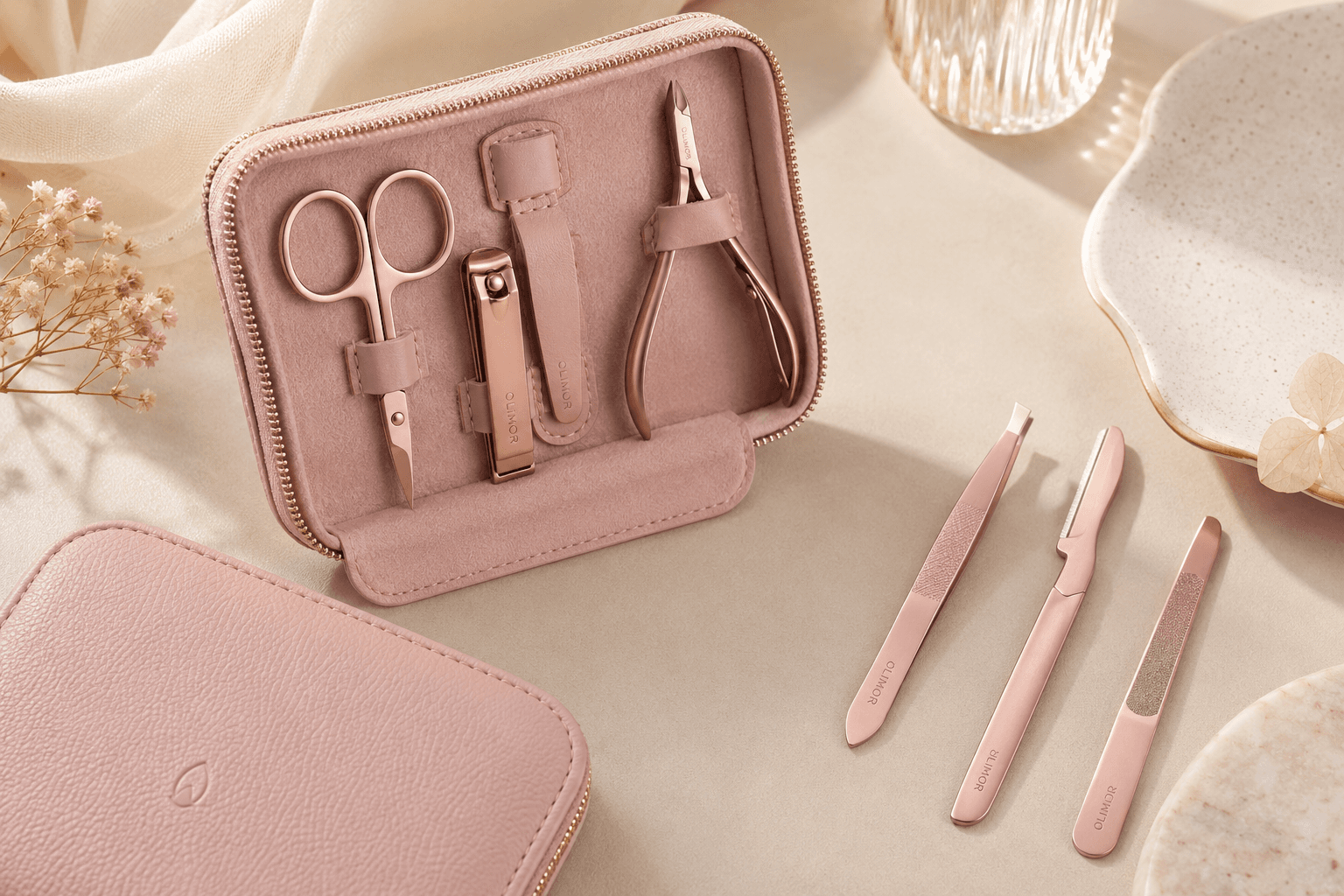
Olimor Beauty serves businesses looking for beauty tools wholesale options that can support salon, grooming, and personal care needs. The product range may include practical salon tools as well as sets such as the Deluxe 12-Piece Manicure and Pedicure Set, a named item suitable for buyers comparing complete tool kits. When considering any set, look beyond the number of pieces and evaluate whether each item has a clear function for your service menu or retail customer.
For professional buyers, the value of a wholesale relationship is consistency. Salons need tools that can be reordered, stocked efficiently, and used with confidence by multiple team members. Retailers need products that are easy to explain and present clearly to shoppers. Distributors need categories that can be organized by demand, not just by appearance.
Wholesale beauty tools are most cost-effective when they reduce friction in daily operations: fewer emergency purchases, fewer mismatched products, and fewer service delays caused by missing supplies. By comparing wholesale options carefully, planning order quantities around actual usage, and reviewing finish, function, and packaging before committing to volume, salons can control cost without lowering standards.
The right approach is not simply to buy more. It is to buy the right tools, in the right quantities, for the way your salon or beauty business works. That is where a structured wholesale sourcing process can make beauty tool purchasing more predictable, professional, and sustainable.
Tag: