Beauty Tools Manufacturer Quality Guide for Wholesale Buyers
Choosing a beauty tools manufacturer is not only about finding a factory that can make an item at an acceptable cost. For beauty brands, distributors, salons and retail buyers, the better question is whether the manufacturer understands daily-use grooming tools, consistency, finishing, packaging expectations and the practical details that affect repeat orders. A small issue in handle shape, edge smoothness, surface finish or packaging protection can lead to returns, poor reviews or slow sell-through.
Olimor Beauty works in the personal care and beauty tools category, where buyers often need a reliable partner for grooming tools wholesale and related sourcing projects. This guide explains how to evaluate a manufacturer, what to look for in tool quality, and how to prepare a more useful inquiry before starting a wholesale order. It is written for buyers who want practical decision criteria rather than broad claims.

What a Beauty Tools Manufacturer Should Help You Control
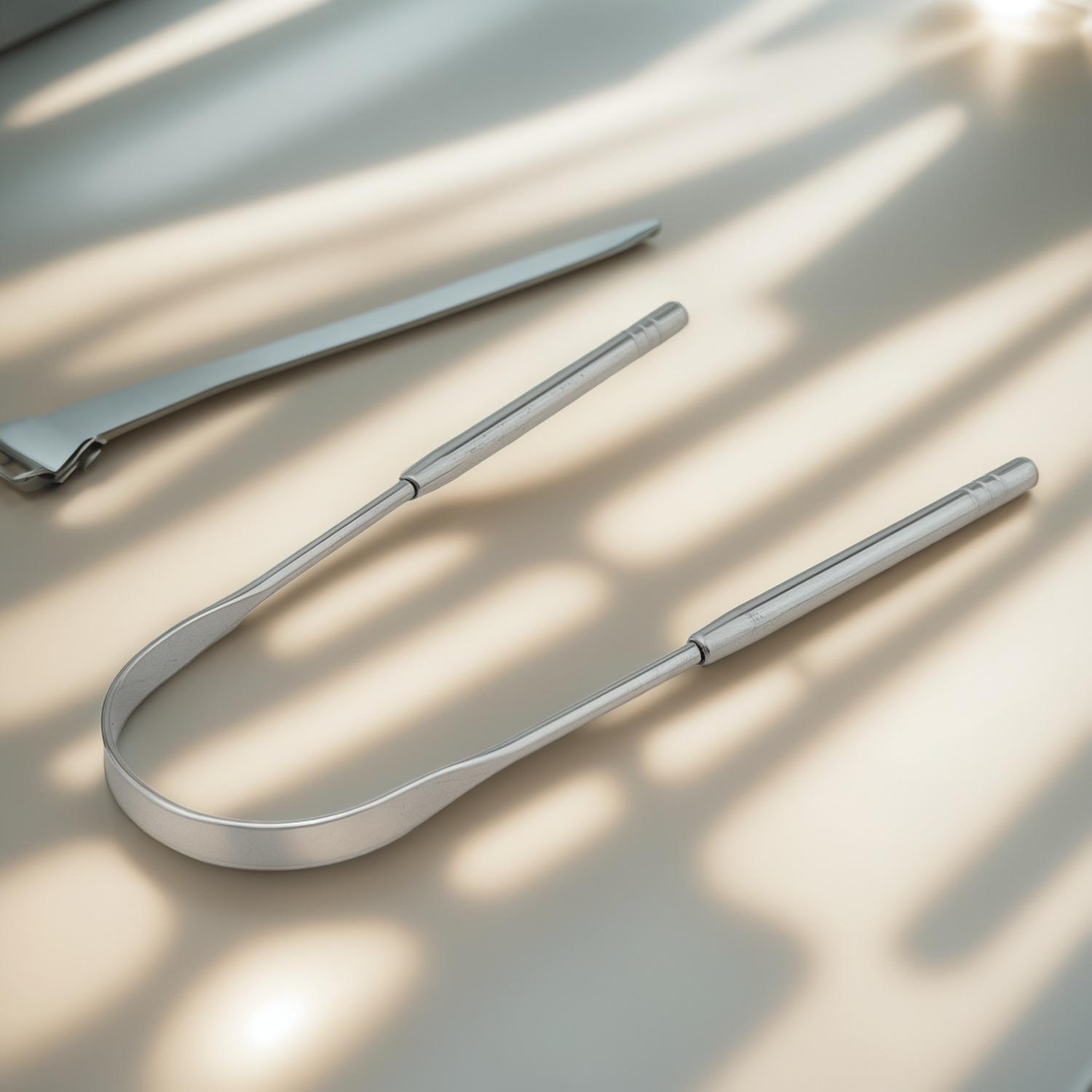
Beauty and grooming tools are usually simple in appearance, but they are not simple from a sourcing perspective. A stainless steel tongue scraper, brow tool, facial accessory or manicure-related tool may have few components, yet it still needs controlled shaping, polishing, cleaning, inspection and packaging. The end user notices comfort immediately, and the buyer notices inconsistency quickly when products arrive in bulk.
A capable manufacturer should support several quality priorities across the order, including product usability, repeatable appearance, safe handling, packaging suitability and clear communication during sampling and production. The most important factor is not whether a tool looks good in one sample photo. It is whether the same standard can be maintained across the approved sample, mass production and future repeat orders.
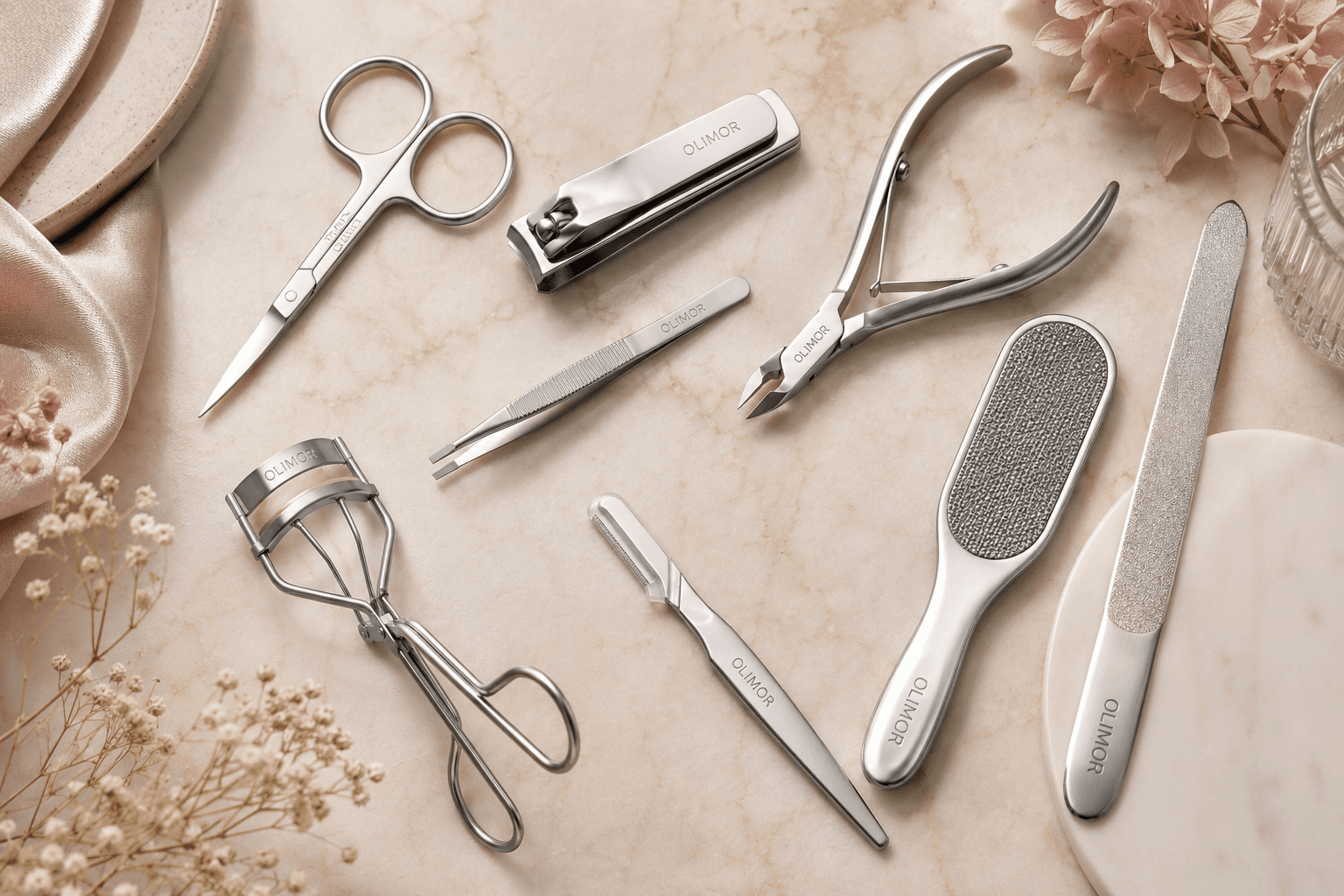
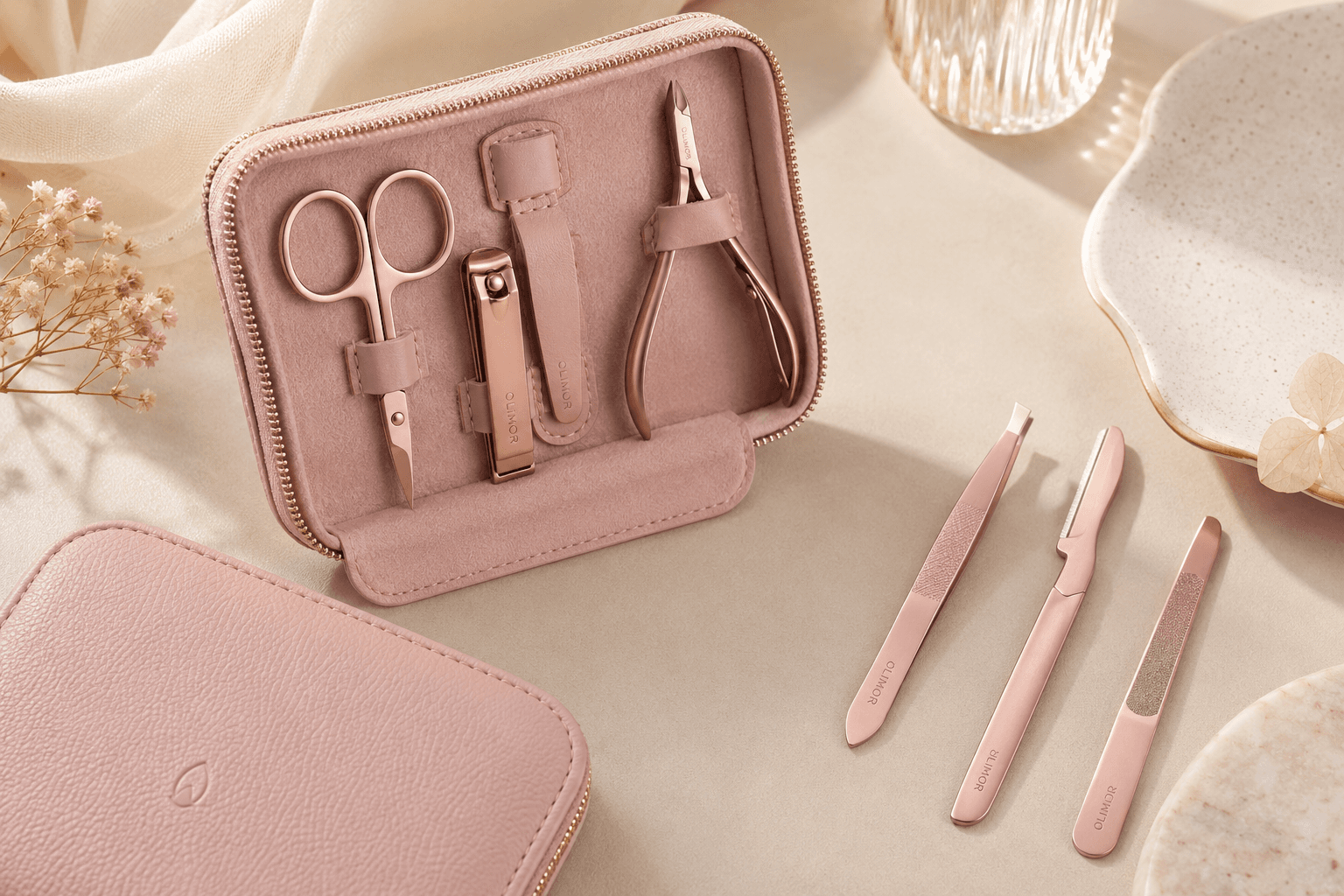
For buyers comparing options, start by reviewing product categories and manufacturing focus. A supplier that regularly handles personal care tools will usually understand surface finish, hand feel and retail presentation better than a general metal or plastic goods supplier with little category experience. You can explore Olimor’s broader range through the beauty tool products page when mapping potential items for your next sourcing project.
Quality Factors That Matter in Grooming Tools Wholesale
Wholesale grooming tools must be evaluated from both user and retail perspectives. Consumers usually care about comfort, durability, hygiene and appearance. Retailers care about consistency, packaging integrity, barcode or labeling readiness, and whether the product fits the promised price point. A sourcing decision should balance both sides.
Use the checklist below when reviewing samples or discussing a new grooming tool order:
- Surface finish: Check whether the tool has rough spots, visible scratches, uneven coating, burrs or sharp unfinished edges.
- Hand comfort: Hold the tool as the consumer would. A tool that looks attractive but feels awkward can generate poor repeat purchase behavior.
- Functional shape: For items such as a stainless steel tongue scraper or precision grooming accessory, the working edge or curve should be suitable for real use, not only visual appeal.
- Consistency: Compare several samples from the same batch if available. Differences in color, polishing, size or assembly can indicate weak process control.
- Cleaning and hygiene: Beauty tools should be easy for consumers to clean and dry according to the product type and material.
- Packaging protection: Packaging should prevent friction damage, bending, contamination or deformation during shipping and storage.
- Retail presentation: If the item will be sold online, in a salon, or through a distributor, the packaging should match the sales channel and customer expectation.
These checks do not replace formal testing or compliance review when required by your market, but they help buyers identify obvious sourcing risks early. The goal is to eliminate weak options before investing time in order negotiation, artwork preparation or logistics planning.
How to Compare Personal Care Tools Manufacturers in Asia
Many buyers source personal care tools from manufacturers in Asia because of category experience, supply chain access and the ability to support wholesale grooming tools across different materials and formats. However, region alone does not determine quality. A stronger sourcing decision comes from comparing manufacturers by process discipline and communication quality.
When speaking with a potential manufacturer, pay attention to how they answer detailed questions. A useful supplier will usually ask about the target channel, intended user, packaging needs and expected positioning. If every answer is limited to price, the conversation may not be deep enough for a product where finishing and feel matter.
It is also helpful to understand whether the manufacturer is more suitable for your order type. Some buyers need a ready product with light packaging customization. Others need changes to size, finish, handle design, set combination or outer packaging. Before assuming that customization is possible, clarify the available options and the approval steps. Avoid building a launch calendar around unconfirmed assumptions.
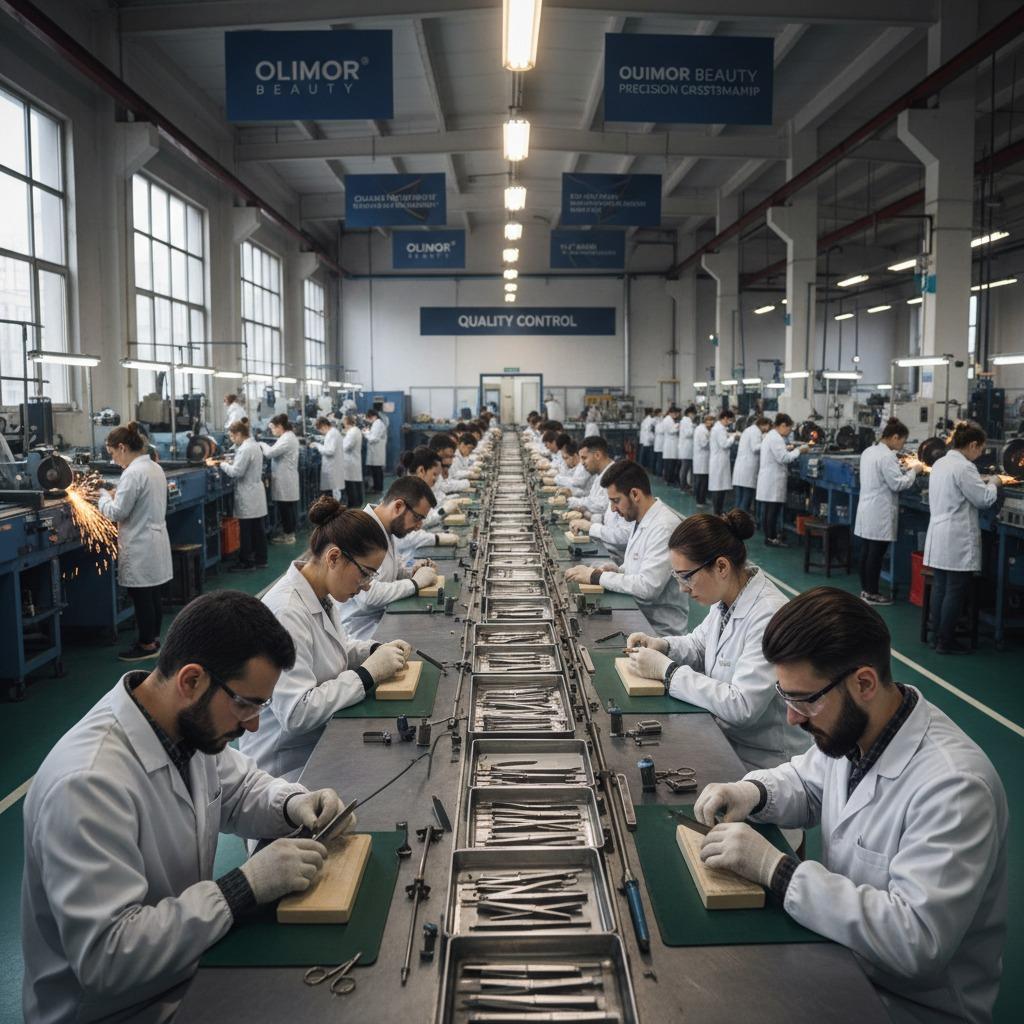
Olimor Beauty is positioned as a manufacturer for beauty and grooming tools, with attention to ergonomic and stylish design as well as quality control. For buyers building a product plan, reviewing product collections can help identify which tool categories may fit an existing retail concept, salon offering or distributor catalog.
Sample Review: What to Inspect Before Approving Production
Sample approval is one of the most important steps in beauty tool sourcing. A buyer should not approve a sample only because it looks acceptable in a photo. Whenever possible, physically handle the sample, use it as intended where appropriate, and compare it against your target customer’s expectations.
A practical sample review process can follow these steps:
- Confirm the product identity: Make sure the sample matches the requested item, including size, function, general material direction, finish and packaging type.
- Inspect appearance under good light: Look for scratches, discoloration, dents, uneven polishing, glue marks, loose parts or unclear printed information.
- Check hand feel: Hold the product in different positions. For grooming tools, comfort and control are part of perceived quality.
- Review edges and contact points: Any area that touches the skin or mouth should be smooth and appropriate for the product’s intended use.
- Test packaging fit: Shake and move the packaged item gently to see whether it rubs, rattles or creates visible damage.
- Record the approval standard: Keep photos, written notes and a signed or clearly confirmed sample reference for later comparison.
For online retail, also consider how the item photographs. Some finishes show fingerprints easily, some packaging reflects light strongly, and some tool shapes need clearer angles to communicate function. Good manufacturing and good product presentation should support each other.
Questions to Prepare Before Sending a Wholesale Inquiry
A clear inquiry saves time for both buyer and manufacturer. Instead of sending a vague request for “beauty tools,” prepare information that allows the manufacturer to understand your business need. You do not need to have every technical answer ready, but you should provide enough direction to receive relevant feedback.
Useful inquiry details include:
- Product type, such as grooming tool, facial tool, tongue scraper or other personal care accessory.
- Target sales channel, such as retail store, salon, distributor, gift set, e-commerce or promotional program.
- Preferred packaging direction, including individual packaging, set packaging or buyer-provided artwork requirements.
- Expected quality positioning, for example value, mid-range, salon-facing or premium retail presentation.
- Any required market documentation, labeling rules or compliance needs for your destination market.
- Estimated order plan, launch timing and whether repeat orders are likely.
- Reference photos or benchmark products, used only to explain direction and not to copy protected designs.
When details are not finalized, describe the decision stage honestly. A buyer comparing concepts needs different support from a buyer ready to approve artwork and production. If you want Olimor Beauty to review a sourcing project, you can send an inquiry with product type, packaging needs and intended market details.
Balancing Design, Function and Manufacturing Practicality
Beauty tools often need to look clean and appealing, but appearance should never undermine function. A tool with a beautiful handle may be difficult to hold. A finish that looks attractive in a studio photo may be prone to visible scratches in daily use. A very delicate package may look premium but fail during shipping. Better product decisions consider the complete path from manufacturing to consumer use.
For grooming tools wholesale, practical design choices can improve reliability. Smooth contours may reduce discomfort. Simpler structures may reduce assembly variation. Protective inserts may reduce cosmetic damage. Clear labeling can reduce confusion at retail. These decisions are not dramatic, but they influence how customers judge quality after purchase.
Manufacturing practicality also affects repeatability. If a requested detail is difficult to control, it may create variation across a large order. In that case, buyers should discuss alternative finishes, packaging structures or design adjustments before final approval. A good manufacturer does not only say yes to every idea; it helps identify choices that are suitable for production and end-user satisfaction.
Why Work With Olimor Beauty for Beauty Tool Sourcing
Olimor Beauty focuses on beauty and personal care tools for buyers who need useful, well-presented products rather than generic sourcing promises. The company emphasizes ergonomic and stylish designs together with quality control measures, which matters for categories where the consumer immediately feels the difference between a poorly finished tool and a carefully made one.
For brands and distributors, the value of a manufacturer is often seen during the details: sample communication, packaging confirmation, surface review, order preparation and follow-up on questions. If you are comparing beauty tools manufacturers, include both product quality and working process in your evaluation. A smooth sourcing experience depends on clear expectations and a supplier that understands the category.
Whether you are planning a stainless steel tongue scraper, a grooming accessory assortment, or a broader personal care tools range, treat manufacturer selection as part of product strategy. Start with the user, define the retail promise, confirm the inspection points, and keep a clear approval record. To discuss a project or clarify product options, contact Olimor with your sourcing requirements and preferred timeline.
Tag: